Sevoflurane Piramal 100% liquid for vapor for inhalation EFG
Spain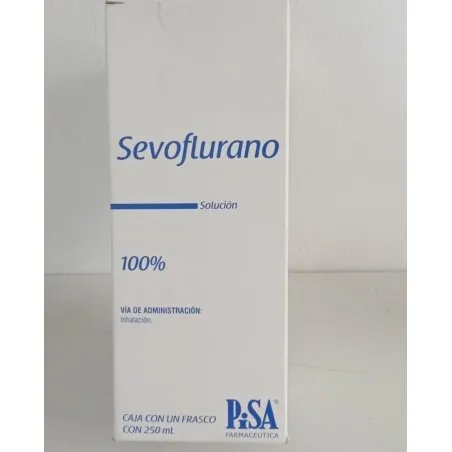
Table of Contents
- Package leaflet: Information for the user
- Introduction
- 1. What Sevoflurane Piramal is and what it is used for
- 2. What you need to know before using Sevoflurane Piramal
- 3. How to use Sevoflurane Piramal
- 4. Possible adverse effects
- 5. Storage of Sevoflurane Piramal
- 6. Contents of the container and additional information
- **Marketing Authorisation Holder and Manufacturer**
Package leaflet: Information for the user
Introduction
PACKAGE LEAFLET: INFORMATION FOR THE USER
Sevoflurane Piramal 100% Solution for inhalation vapour EFG
Read all of this leaflet carefully before you start using this medicine, because it contains important information for you.
- Keep this leaflet. You may need to read it again.
- If you have any questions, ask your doctor or pharmacist.
- If you get any side effects, talk to your doctor, pharmacist, or nurse. This includes any possible side effects not listed in this leaflet. See section 4.
What is in this leaflet:
- What Sevoflurane Piramal is and what it is used for
- What you need to know before using Sevoflurane Piramal
- How to use Sevoflurane Piramal
- Possible side effects
- How to store Sevoflurane Piramal
- Contents of the pack and other information
1. What Sevoflurane Piramal is and what it is used for
The active substance in Sevoflurane Piramal is sevoflurane, a general anaesthetic used during surgical operations and other procedures.
It is an inhaled anaesthetic administered as a vapour for breathing, which causes you to fall into a deep sleep (induction of anaesthesia). It also maintains a deep sleep during which surgery can be performed (maintenance of anaesthesia). You should speak to a doctor if you do not feel better or if you feel worse.
2. What you need to know before using Sevoflurane Piramal
Sevoflurane must be administered only by a qualified healthcare professional trained in the administration of general anesthesia, under the supervision of an anesthetist or by the anesthetist themselves.
Do not use Sevoflurane Piramal
-
if you have previously been told not to receive general anesthesia.
-
if you are allergic (hypersensitive) to sevoflurane or to any similar anesthetic.
-
if you or a family member are susceptible to a condition known as malignant hyperthermia (a rapid increase in body temperature) during anesthesia.
-
if you previously had a bad reaction after anesthesia with sevoflurane or similar anesthetics, for example, if you experienced liver problems (such as jaundice), fever, or blood disorders.
-
if you have ever had QT prolongation (prolongation of a specific time interval on an ECG) or torsades de pointes (a specific type of cardiac rhythm), which may also be associated with QT interval prolongation. Sevoflurane has been known to occasionally cause these conditions.
-
if there are medical reasons why general anesthesia should not be administered to you.
Warnings and precautions
Talk to your doctor before using Sevoflurane Piramal
- If you have previously undergone general anesthesia, particularly if repeated within a short period of time. You may have an increased risk of liver problems.
- If you have any illness other than the one related to your surgery, particularly kidney or heart problems, low blood pressure, severe headaches, nausea or vomiting, or Pompe disease in children.
- If you have a certain type of muscle weakness (myasthenia gravis), as people with this condition are highly sensitive to medications that depress breathing.
- If you have coronary artery disease.
- If you are hypovolemic (reduced blood volume) or weak.
- If you have or have had liver problems, such as hepatitis (liver inflammation) or jaundice.
- If you have a neuromuscular disorder, particularly Duchenne muscular dystrophy.
- If you have increased pressure in the skull (intracranial pressure) due to head injury or brain tumor.
- If you are at risk of seizures.
- If you are pregnant or breastfeeding.
- If you have a mitochondrial disorder, a condition people may be born with that can affect the heart, brain, and kidneys.
- In the rare and unexpected event of developing malignant hyperthermia (a sudden and dangerously high rise in body temperature during or shortly after surgery).
In such a case, your anesthetist (doctor) will stop administering sevoflurane and will give you a medication to treat malignant hyperthermia (known as dantrolene), along with additional supportive treatment. Fatal outcomes of malignant hyperthermia with sevoflurane have been reported.
Children
- If you have Down syndrome.
If any of the above circumstances apply, consult your doctor, nurse, or pharmacist. You may need careful evaluation, and your treatment may need to be adjusted.
The following effects may occur during or after administration of Sevoflurane 100% Inhalation Vapor:
- During the time you are anesthetized (induction phase), sevoflurane, like similar medications (halogenated anesthetics), may cause coughing. This should be taken into account.
- As with other anesthetics, minor mood changes may occur for several days after receiving sevoflurane.
- Young children under six years of age are more likely to experience acute confusion (delirium) upon waking from anesthesia. In addition, children under six years of age are more likely to experience agitation/anxiety upon waking from anesthesia.
- In susceptible patients, inhaled anesthetics (inhalation anesthetics) may cause an increase in the metabolic state (hypermetabolism) of skeletal muscles. This leads to high oxygen demands in your muscles due to excessively high levels of CO2 in the blood (hypercapnia). In such cases, you may experience muscle rigidity (muscle stiffness), increased heart rate (tachycardia), increased breathing rate (tachypnea), bluish discoloration of the lips, tongue, skin, and mucous membranes (cyanosis), disturbances in heart rhythm (arrhythmia), and/or unstable blood pressure.
- In rare cases, the use of inhaled anesthetics has been associated with increased potassium levels in the blood (elevated serum potassium levels), leading to disturbances in heart rhythm (arrhythmias) and death in children after surgery.
- Sevoflurane may cause respiratory depression, which may be increased by narcotic premedication or other medications causing respiratory depression. Breathing should be monitored and, if necessary, supported.
Use of Sevoflurane Piramal with other medicines
Tell your doctor or nurse if you are using, have recently used, or might need to use any other medicines, including those obtained without a prescription.
The medicines or active substances listed below may interact and influence each other's effects when used together with Sevoflurane Piramal. Some of these medicines are administered during surgery by the anesthetist, as indicated in the description.
- Amphetamines (stimulants) used to treat attention deficit hyperactivity disorder (ADHD) or narcolepsy.
- Medicines affecting the heart, such as adrenaline or epinephrine.
- Beta-blockers (e.g., atenolol, propranolol): these are heart medications, often given to treat high blood pressure.
- Alcohol.
- Barbiturates (depressants).
- St. John's wort (a herbal remedy used to help with depression).
- Decongestants (ephedrine).
- Non-selective monoamine oxidase inhibitors (MAOIs) (a type of antidepressant).
- Calcium antagonists.
- Verapamil: this is a heart medication used to treat high blood pressure or irregular heart rhythm.
- Tranquilizers (benzodiazepines, e.g., diazepam, lorazepam): these are sedative medicines with a calming effect, used when you feel anxious, for example, before surgery.
- Strong painkillers such as morphine or codeine.
- Non-depolarizing muscle relaxants (e.g., vecuronium, pancuronium, atracurium) and depolarizing agents (e.g., succinylcholine): these medicines are used during general anesthesia to relax muscles.
- Isoniazid, used to treat tuberculosis (TB).
- Isoprenaline.
- Other anesthetics, for example, nitrous oxide: a medicine used during general anesthesia to make you sleep and relieve pain; propofol, opioids (e.g., alfentanil and sufentanil: these are strong painkillers often used during general anesthesia), as sevoflurane may affect how they work when administered simultaneously.
Inform your doctor or nurse if you are taking or have recently taken any other medicine, including over-the-counter medicines. This also applies to herbal remedies, vitamins, and mineral supplements.
Use of Sevoflurane Piramal with food and drink
Sevoflurane Piramal is a medicine used to induce and maintain sleep so that you can undergo surgery. Ask your doctor, surgeon, or anesthetist when and what you may eat or drink after waking up.
Pregnancy and breastfeeding
If you are pregnant or breastfeeding, think you may be pregnant, or plan to become pregnant, consult your doctor or anesthetist before using this medicine. You should not receive Sevoflurane Piramal during pregnancy unless strictly necessary.
The use of sevoflurane for anesthesia during cesarean section is safe for you and your baby. The safety of sevoflurane during labor and natural childbirth has not been established. Like other anesthetics, sevoflurane may reduce breathing in newborns. Your doctor will decide whether sevoflurane can be used.
Driving and using machines
Sevoflurane Piramal strongly affects your ability to drive and operate machinery. Do not drive or operate tools or machines until your doctor tells you it is safe. Receiving an anesthetic may affect your alertness for several days. This may impair your ability to perform tasks requiring mental vigilance.
Ask your anesthetist when it will be safe for you to drive and use machinery again.
3. How to use Sevoflurane Piramal
Sevoflurane Piramal will be administered to you by a trained anaesthetist during surgery or while in hospital. The anaesthetist will decide how much sevoflurane you need and when it will be given. The dose will vary depending on your age, weight, the type of surgery you require, and other medicines you have been given during the operation.
Sevoflurane Piramal changes from a liquid into vapour (gas) using a vaporiser. You will breathe it in as a vapour.
It may be used to put you to sleep before surgery, or if you are put to sleep with an injectable anaesthetic, to maintain anaesthesia during surgery.
Once the anaesthetist stops the inhalation of sevoflurane, you will wake up within a few minutes.
If you have any further questions about the use of this medicine, ask your anaesthetist, doctor or nurse.
If you use more Sevoflurane Piramal than you should
Sevoflurane Piramal will be administered by a healthcare professional and it is unlikely that you will receive too much Sevoflurane Piramal. If you are given too much sevoflurane, your anaesthetist will take all necessary measures.
In case of overdose or accidental ingestion, contact your doctor or pharmacist immediately or call the Toxicology Information Service at telephone number 915 620 420, stating the medicine and the amount ingested.
4. Possible adverse effects
Like all medicines, this medicine can cause adverse effects, although not everyone will experience them. However, it is important to consult your doctor, nurse, or anaesthetist if you feel unwell.
Serious adverse effects (may be life-threatening):
- Anaphylactic and anaphylactoid reactions (see section on adverse effects with unknown frequency for more information).
The following adverse effects are serious and may require immediate medical attention. Hospital staff will monitor your anaesthesia and provide immediate assistance when necessary.
Tell your doctor or nurse immediately if you experience any of the following adverse effects:
-
Allergic reactions, which may be severe, with swelling of the face, tongue, and throat, and difficulty breathing.
-
Malignant hyperthermia (very high body temperature), which may require intensive care and can be fatal. This condition may be hereditary.
-
Increased levels of potassium in the blood (hyperkalaemia), which may lead to abnormal heart rhythms and may be fatal in children during the postoperative phase. This has been observed in patients with neuromuscular disease, particularly Duchenne muscular dystrophy.
Tell your doctor or nurse if you experience any of the following adverse effects:
Very common adverse effects (may affect more than 1 in 10 people)
- Restlessness (agitation) in children
- Slow heart rate
- Low blood pressure
- Cough
- Nausea and vomiting
Common adverse effects (may affect up to 1 in 10 people)
- Restlessness (agitation) in adults
- Headache
- Drowsiness
- Dizziness
- Fast heart rate
- Increased blood pressure
- Respiratory disorder
- Airway obstruction
- Slow and shallow breathing
- Throat spasms, breathing difficulties
- Excessive salivation
- Decreased body temperature, chills
- Fever
- Abnormal blood sugar levels, liver function tests, or white blood cell count, i.e., increased susceptibility to infections
- Increased levels of fluoride in blood
Uncommon adverse effects (may affect up to 1 in 100 people)
Frequency may vary:
- Seizure
- Abnormal heart rhythm
- AV block (a disorder of the heart's electrical conduction)
- Asthma, respiratory arrest, low oxygen levels
- Urinary retention, glucose in urine
- Increase or decrease in white blood cell count
- Abnormal blood enzyme concentrations
- Increased creatinine levels in blood (an indicator of impaired kidney function), detected through blood sample analysis
Other adverse effects with unknown frequency (cannot be estimated from available data)
-
Fluid in the lungs
-
Allergic reactions, such as:
-
Skin rash
-
Redness of the skin
-
Urticaria (hives)
-
Itching
-
Swelling of the eyelids, difficulty breathing
-
Anaphylaxis and anaphylactoid reactions. These allergic reactions occur rapidly and may be potentially fatal. Symptoms of anaphylaxis include:
-
Malignant hyperthermia
-
Angioedema (swelling of the skin of the face, limbs, lips, tongue, or throat)
-
Breathing difficulties
-
Low blood pressure
-
Urticaria (hives)
-
Pseudoepileptic attacks
-
Sudden spasmodic movements
-
Cardiac arrest
-
Bronchospasm (airway constriction)
-
Difficulty breathing or wheezing
-
Breath-holding
-
Shortness of breath
-
Reduced liver function or hepatitis (liver inflammation), characterised by, for example, loss of appetite, fever, nausea, vomiting, abdominal discomfort, jaundice, and dark urine
-
Dangerous increase in body temperature
-
Chest discomfort
-
Increased pressure inside the skull
-
Irregular heartbeat or palpitations
-
Inflammation of the pancreas
-
Increased concentration of potassium in blood, as detected by blood sample analysis
-
Muscle rigidity
-
Yellowish skin
-
Kidney inflammation (symptoms may include fever, confusion or drowsiness, skin rash, swelling, abnormal urine output, and blood in urine)
-
Swelling
Seizures (fits) have sometimes been observed. This may occur during administration of Sevoflurane Piramal or up to one day later during recovery. This occurs mainly in children and young adults.
In children with Down's syndrome receiving sevoflurane, a decrease in heart rate may occur.
Blood fluoride concentrations may rise slightly during anaesthesia and immediately afterwards, but these levels are not considered harmful and return quickly to normal.
If any of the adverse effects you experience are severe, or if you notice any adverse effects not listed in this leaflet, inform your doctor or pharmacist.
If you notice any changes in how you feel after receiving sevoflurane, inform your doctor or pharmacist. Some adverse effects may require treatment.
Reporting of adverse effects
If you experience any type of adverse effect, talk to your doctor, pharmacist, or nurse, even if it is a possible adverse effect not listed in this leaflet. You can also report them directly via the Spanish Pharmacovigilance System for Human Medicines: https://www.notificaram.es. By reporting adverse effects, you can help provide more information on the safety of this medicine.
5. Storage of Sevoflurane Piramal
Keep this medicine out of the sight and reach of children.
Do not use this medicine after the expiry date stated on the label of the bottle and on the product carton after EXP. The expiry date is the last day of the month indicated.
Store below 25 °C. Do not refrigerate. Keep the bottle tightly closed. Store in an upright position.
6. Contents of the container and additional information
Composition of Sevoflurano Piramal
- The active substance is sevoflurane (100%).
- There are no other components.
This medicine contains fluorinated greenhouse gases.
Each container holds 380 g of sevoflurane, equivalent to 0.0741 tonnes of CO2 (global warming potential GWP = 195).
Appearance of the product and contents of the container
Sevoflurano Piramal is a colourless liquid contained in 250 ml amber glass bottles (with or without an outer PVC coating) with a screw cap or an integrated closure adapter.
Pack sizes of 1 and 6 bottles.
Only certain pack sizes may be authorized.
Marketing Authorisation Holder and Manufacturer
Marketing Authorisation Holder
Piramal Critical Care B.V.
Rouboslaan 32 (ground floor),
2252 TR
Voorschoten
The Netherlands
Manufacturer
Piramal Critical Care B.V.
Rouboslaan 32 (ground floor),
2252 TR
Voorschoten
The Netherlands
For further information about this medicinal product, please contact the local representative of the Marketing Authorisation Holder:
Euromed Pharma Spain, S.L.
C/Eduard Maristany, 430-432
08918 Badalona
Barcelona - Spain
Tel: +34 932 684 208
Fax: +34 933 150 469
This medicinal product is authorised in the European Economic Area member states under the following names:
Austria - Sevofluran Piramal 100 % Flüssigkeit zur Herstellung eines Dampfes zur Inhalation
Bulgaria - Sevoflurane Piramal 100 % Inhalation Vapour, liquid
Cyprus - Sevoflurane – Piramal
Czech Republic - Sojourn 100 % tekutina K príprave inhalace parou
Denmark - Sojourn TM
Estonia - Sevoflurane- Piramal, inhalatsiooniaur, vedelik 100%
Germany - Sevofluran Piramal 100 % Flüssigkeit zur Herstellung eines Dampfs zur Inhalation
Greece - Sojourn TM Sevoflurane 100 % Inhalation Vapour, liquid
Hungary - Sevoflurane Piramal folyadék inhalációs goz képzéséhez
Iceland - Sevoflurane Piramal 100 % innöndunargufa, vökvi
Ireland - Sevoflurane 100 % Inhalation Vapour, liquid
Italy - Sevoflurane Piramal
Latvia - Sevoflurane Piramal 100 % inhalation vapour, liquid
Lithuania - Sevoflurane Piramal 100 % inhaliaciniai garai skystis
Luxembourg - Sevoflurane 100 %
Malta - Sevoflurane 100 % Inhalation Vapour, liquid
Netherlands - Sevoflurane 100 % (Piramal), Vloeistof voor inhalatiedamp
Norway - Sevoflurane Piramal væske til inhalasjonsdamp
Poland - Sojourn
Portugal - Sevoflurano Ojourn 100 % líquido para inalação por vaporização
Slovenia - Sevofluran Piramal 250 ml para za inhaliranje, tekocina
Spain - Sevoflurano Piramal 100 % líquido para inhalación del vapor
Sweden - Sevoflurane Piramal 100 % inhalationsånga, vätska
United Kingdom - Sevoflurane 100 % Inhalation Vapour, liquid
Date of latest review of this leaflet: January 2026
Detailed information on this medicinal product is available on the website of the Spanish Agency of Medicines and Health Products (AEMPS) (http://www.aemps.gob.es/).
<--------------------------------------------------------------------------------------------------------------------------->
Additional information for physicians and other healthcare professionals is included in the Summary of Product Characteristics.