Seffalair Spiromax 12.75 micrograms/202 micrograms powder for inhalation
Spain
Table of Contents
- Package leaflet: Information for the user
- Introduction
- 1. What Seffalair Spiromax is and what it is used for
- 2. What you need to know before using Seffalair Spiromax
- 3. How to use Seffalair Spiromax
- 4. Possible adverse effects
- 5. Storage of Seffalair Spiromax
- 6. Contents of the pack and other information
Package leaflet: Information for the user
Introduction
Package leaflet: information for the patient
Seffalair Spiromax 12.75 micrograms/202 micrograms powder for inhalation
salmeterol/fluticasone propionate
Read the entire leaflet carefully before you start using this medicine, because it contains important information for you.
-
Keep this leaflet, as you may need to read it again.
-
If you have any questions, ask your doctor, pharmacist, or nurse.
-
This medicine has been prescribed for you only, and you should not give it to other people, even if they have the same symptoms as you, because it may harm them.
- If you experience any adverse effects, consult your doctor, pharmacist, or nurse, even if they are adverse effects not listed in this leaflet. See section 4.
Contents of the leaflet
- What Seffalair Spiromax is and what it is used for
- What you need to know before using Seffalair Spiromax
- How to use Seffalair Spiromax
- Possible side effects
- How to store Seffalair Spiromax
- Contents of the pack and other information
1. What Seffalair Spiromax is and what it is used for
Seffalair Spiromax contains 2 active substances: salmeterol and fluticasone propionate:
- Salmeterol is a long-acting bronchodilator. Bronchodilators help keep the airways inside the lungs open, making it easier for air to flow in and out. The effects of salmeterol last for at least 12 hours.
- Fluticasone propionate is a corticosteroid that reduces swelling and irritation in the lungs.
Seffalair Spiromax is used to treat asthma in adults and adolescents aged 12 years and older.
Seffalair Spiromax helps prevent the occurrence of breathlessness and wheezing. It should not be used to relieve an asthma attack. If you have an asthma attack, use a fast-acting rescue inhaler (for immediate relief), such as salbutamol, which you should always carry with you.
2. What you need to know before using Seffalair Spiromax
Do not use Seffalair Spiromax
- if you are allergic to salmeterol, fluticasone propionate, or any of the other ingredients of this medicine (listed in section 6).
Warnings and precautions
Talk to your doctor, pharmacist, or nurse before starting to use Seffalair Spiromax if you have:
- A heart condition, including rapid or irregular heartbeat
- An overactive thyroid gland
- High blood pressure
- Diabetes (Seffalair Spiromax may increase blood sugar levels)
- Low potassium levels in the blood
- Tuberculosis (TB), currently or in the past, or other lung infections
Contact your doctor if you experience blurred vision or other visual disturbances.
Children and adolescents
Do not give Seffalair Spiromax to children or adolescents under 12 years of age, as it has not been studied in this age group.
Other medicines and Seffalair Spiromax
Tell your doctor, nurse, or pharmacist if you are taking, have recently taken, or might need to take any other medicines. It may not be suitable to use Seffalair Spiromax with certain other medicines.
Inform your doctor if you are taking the following medicines before starting Seffalair Spiromax:
-
Beta-blockers (such as atenolol, propranolol, and sotalol). Beta-blockers are mainly used for high blood pressure or heart conditions such as angina.
-
Medicines to treat infections (such as ritonavir, ketoconazole, itraconazole, and erythromycin). Some of these medicines can increase the amount of salmeterol or fluticasone propionate in your body. This may increase the side effects of Seffalair Spiromax, including irregular heartbeats, or worsen its adverse effects.
-
Corticosteroids (taken by mouth or by injection). Recent use of these medicines may increase the risk that Seffalair Spiromax affects your adrenal glands by reducing the amount of steroid hormones they produce (adrenal suppression).
-
Diuretics, medicines that increase urine production and are used to treat high blood pressure.
-
Other bronchodilators (such as salbutamol).
-
Xanthine medicines such as aminophylline and theophylline, often used to treat asthma.
Some medicines may increase the effects of Seffalair Spiromax, so your doctor may want to monitor you closely if you are taking these medicines (including some HIV medicines: ritonavir, cobicistat).
Pregnancy and breastfeeding
If you are pregnant, think you may be pregnant, or are planning to become pregnant, consult your doctor, nurse, or pharmacist before using this medicine.
It is unknown whether this medicine passes into breast milk. If you are breastfeeding, ask your doctor, nurse, or pharmacist before using this medicine.
Driving and using machines
Seffalair Spiromax is unlikely to affect your ability to drive or use machines.
Seffalair Spiromax contains lactose
Each dose of this medicine contains approximately 5.4 milligrams of lactose. If your doctor has diagnosed you with an intolerance to certain sugars, consult with them before taking this medicine.
3. How to use Seffalair Spiromax
Follow exactly the instructions for administration of this medicine given by your doctor or pharmacist. If in doubt, consult your doctor or pharmacist again.
The recommended dose is one inhalation twice daily.
-
Seffalair Spiromax is for regular, long-term use. Use it every day to keep your asthma under control. Do not use more than the recommended dose. If in doubt, consult your doctor, nurse, or pharmacist again.
-
Do not stop treatment with Seffalair Spiromax or reduce your dose without first talking to your doctor or nurse.
-
Seffalair Spiromax must be inhaled through the mouth.
Your doctor or nurse will help you manage your asthma. Your doctor or nurse may switch your medication from another inhaler if a different dose is needed to adequately control your asthma. However, do not change the number of inhalations prescribed by your doctor or nurse without first discussing it with them.
If your asthma worsens or you experience more difficulty breathing, inform your doctor immediately. If you notice more wheezing, feel chest tightness more often, or need to use your fast-acting "rescue" medicine more frequently, your asthma may be worsening and you could become seriously ill. Continue using Seffalair Spiromax, but do not increase the number of inhalations you take. Contact your doctor immediately, as you may require additional treatment.
Instructions for use
Training
Your doctor, nurse, or pharmacist must train you in how to use the inhaler, including how to inhale a dose effectively. This training is important to ensure you receive the dose you need. If you have not received this training, speak with your doctor, nurse, or pharmacist to learn how to use the inhaler correctly before using it for the first time.
Your doctor, nurse, or pharmacist should also periodically check that you are using the Spiromax device correctly and as prescribed. If you are not using Seffalair Spiromax correctly or are not inhaling with sufficiently forceful breaths, you may not be receiving enough medicine into your lungs. This means the medicine may not relieve your asthma as effectively as it should.
Preparing Seffalair Spiromax
Before using Seffalair Spiromax for the first time, prepare it for use as follows:
- Check the dose indicator to confirm the inhaler contains 60 inhalations.
- Record the date you opened the silver foil pouch on the label attached to the inhaler.
- You do not need to shake the inhaler before use.
How to inhale
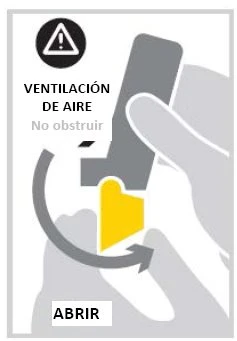
- Hold the inhaler so that the semi-transparent yellow mouthpiece cover is at the bottom.

- Open the mouthpiece cover by folding it downward until you hear a loud click. This will prepare a dose of medicine. The inhaler is now ready for use.
-
Breathe out gently (as comfortably as possible). Do not breathe out through the inhaler.
-
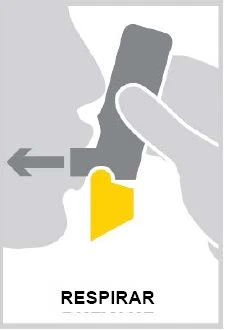
Place the mouthpiece in your mouth and seal your lips around it. Be careful not to block the air vents.
Breathe in through your mouth as deeply and forcefully as possible.
Note that it is important to take a forceful inhalation.
-
Remove the inhaler from your mouth. You may notice a taste when inhaling.
-
Hold your breath for 10 seconds, or as long as is comfortable for you.
-
Then breathe out gently (do not breathe out through the inhaler).
-
Close the mouthpiece cover.

- After each dose, rinse your mouth with water and spit it out, or brush your teeth before rinsing.
- Do not attempt to disassemble the inhaler or remove or twist the mouthpiece cover.
- The cover is attached to the inhaler and must not be removed.
- Do not use the Spiromax device if it has been damaged or if the mouthpiece has become detached.
- Do not open and close the mouthpiece cover unless you are about to use the inhaler.
Cleaning the Spiromax device
Keep the inhaler clean and dry.
If necessary, you may clean the inhaler's mouthpiece with a dry cloth or dry tissue after use.
When to start using a new Seffalair Spiromax
- The dose indicator on the back of the device shows how many doses (inhalations) remain in the inhaler, starting at 60 inhalations when full and ending at 0 (zero) when empty.

- The dose indicator displays the number of remaining inhalations only as even numbers. The spaces between the even numbers represent the odd number of inhalations remaining.
- When 20 or fewer doses remain, the numbers will appear in red on a white background. When red numbers appear in the window, contact your doctor or nurse to obtain a new inhaler.
Note:
- The mouthpiece will still make a clicking sound even when the inhaler is empty.
- If you open and close the mouthpiece without inhaling, the dose indicator will still count this as one dose. This dose remains fully contained within the inhaler for your next inhalation. It is impossible to accidentally inhale more medicine or a double dose in a single inhalation.
If you use more Seffalair Spiromax than you should
It is important to take the dose prescribed by your doctor or nurse. Do not exceed the prescribed dose without first consulting a doctor. If you accidentally take more than the recommended dose, speak with your nurse, doctor, or pharmacist. You may notice your heart beating faster than normal and feel shaky. You may also experience dizziness, headache, muscle weakness, and joint pain.
If you have repeatedly used too many doses of Seffalair Spiromax over a prolonged period, consult your doctor or pharmacist, as excessive use of Seffalair Spiromax may reduce the amount of steroid hormones produced by the adrenal glands.
If you forget to use Seffalair Spiromax
If you forget to take a dose, take it as soon as you remember, but do not take a double dose to make up for missed doses. If it is almost time for your next dose, simply take the next dose at the usual time.
If you stop using Seffalair Spiromax
It is very important that you use Seffalair Spiromax every day as directed. Continue taking it until your doctor tells you to stop. Do not stop treatment or reduce the dose of Seffalair Spiromax abruptly. This could cause your breathing to worsen.
Additionally, if you stop treatment with Seffalair Spiromax abruptly or reduce your dose, problems may occur (very rarely) due to a decrease in the amount of steroid hormones produced by the adrenal glands (adrenal insufficiency), which may sometimes cause adverse effects.
These adverse effects may include any of the following:
- Stomach pain
- Tiredness and loss of appetite, nausea
- Vomiting and diarrhoea
- Weight loss
- Headache or drowsiness
- Low blood sugar
- Low blood pressure and seizures (epileptic fits)
In situations of physical stress, such as fever, accident or injury, infection, or surgery, adrenal insufficiency may worsen, and you may also experience the previously mentioned adverse effects.
If you experience any adverse effects, consult your doctor or pharmacist. To prevent these symptoms, your doctor may prescribe additional corticosteroids in tablet form (such as prednisolone).
If you have any further questions about the use of this medicine, ask your doctor, pharmacist, or nurse.
4. Possible adverse effects
Like all medicines, this medicine can cause adverse effects, although not everyone will experience them. To reduce the likelihood of adverse effects occurring, your doctor will prescribe the lowest dose of this combination of drugs needed to control your asthma.
Allergic reactions: you may suddenly experience worsening breathing immediately after using Seffalair Spiromax. You may develop wheezing, coughing, or shortness of breath. You may also experience itching, a skin rash (hives), swelling (usually of the face, lips, tongue, or throat), or feel that your heart suddenly beats very fast, or feel faint or lightheaded (which may lead to fainting or loss of consciousness). If you experience any of these effects, or if they occur suddenly after using Seffalair Spiromax, stop using Seffalair Spiromax immediately and contact your doctor without delay. Allergic reactions to Seffalair Spiromax are uncommon (may affect up to 1 in 100 people).
Other adverse effects are listed below:
Frequent (may affect up to 1 in 10 people)
- A fungal infection (candidiasis) causing raised, painful patches in the mouth and throat, as well as tongue pain, hoarseness, and throat irritation. Rinsing your mouth with water and spitting it out immediately, or brushing your teeth after each inhalation, may help. Your doctor may prescribe an antifungal medicine to treat the candidiasis.
- Muscle pain.
- Back pain.
- Flu.
- Low levels of potassium in the blood (hypokalaemia).
- Inflammation of the nose (rhinitis).
- Inflammation of the sinuses (sinusitis).
- Inflammation of the nose and throat (nasopharyngitis).
- Headache.
- Cough.
- Throat irritation.
- Pain or swelling in the back of the throat.
- Hoarseness or loss of voice (aphonia).
- Dizziness.
Uncommon (may affect up to 1 in 100 people)
-
Increased blood sugar (glucose) levels (hyperglycaemia). If you have diabetes, you may need to monitor your blood sugar levels more frequently and possibly adjust your usual diabetes treatment.
-
Cataracts (clouding of the eye's lens).
-
Very fast heartbeat (tachycardia).
-
Sensation of trembling and rapid heartbeat (palpitations): these are usually harmless and tend to decrease as treatment continues.
-
Feelings of worry or anxiety.
-
Behavioural changes, such as unusual activity and irritability (although these effects occur mainly in children).
-
Sleep disturbances.
-
Allergic rhinitis.
-
Nasal congestion (blocked nose).
-
Irregular heartbeat (atrial fibrillation).
-
Chest infection.
-
Pain in the limbs (arms or legs).
-
Stomach pain.
-
Indigestion.
-
Skin damage and peeling.
-
Skin inflammation.
-
Inflammation of the throat, usually characterized by sore throat (pharyngitis).
Rare (may affect up to 1 in 1,000 people)
-
Difficulty breathing or worsening wheezing immediately after using Seffalair Spiromax. If this occurs, stop using the Seffalair Spiromax inhaler. Use your "rescue" (quick-relief) fast-acting inhaler to help you breathe and contact your doctor immediately.
-
Seffalair Spiromax may affect the normal production of steroid hormones in the body, especially if high doses have been taken for prolonged periods. Effects may include:
-
Slowed growth in children and adolescents.
-
Glaucoma (damage to the optic nerve of the eye).
-
Rounded face (moon face) (Cushing's syndrome).
Your doctor will monitor you regularly for these adverse effects and ensure you are taking the lowest effective dose of this drug combination to control asthma.
- Fast or irregular heartbeat or extra heartbeats (arrhythmias). Inform your doctor, but do not stop treatment with Seffalair Spiromax unless instructed by your doctor.
- A fungal infection of the oesophagus, which may cause difficulty swallowing.
Frequency not known, but may also occur:
- Blurred vision.
Reporting of adverse effects
If you experience any adverse effect, talk to your doctor, pharmacist, or nurse, even if it is a possible adverse effect not listed in this leaflet. You can also report them directly through the national reporting system listed in Appendix V. By reporting adverse effects, you can help provide more information on the safety of this medicine.
5. Storage of Seffalair Spiromax
Keep this medicine out of the sight and reach of children.
Do not use this medicine after the expiry date stated on the carton and on the label of the inhaler after CAD/EXP. The expiry date refers to the last day of the stated month.
Do not store above 25 °C. Keep the mouthpiece cover closed after removing the silver foil wrapper.
Use within 2 months of removal from the silver foil wrapper. Use the label attached to the inhaler to record the date on which you opened the silver foil pouch.
Medicines should not be disposed of via wastewater or household waste. Ask your pharmacist how to dispose of medicines and packaging that you no longer need. This will help protect the environment.
6. Contents of the pack and other information
Composition of Seffalair Spiromax
- The active substances are salmeterol and fluticasone propionate. Each metered dose contains 14 micrograms of salmeterol (as salmeterol xinafoate) and 232 micrograms of fluticasone propionate. Each delivered dose (the dose exiting the mouthpiece) contains 12.75 micrograms of salmeterol (as salmeterol xinafoate) and 202 micrograms of fluticasone propionate.
- The other component is lactose monohydrate (see section 2, subsection "Seffalair Spiromax contains lactosa").
Nature of the product and pack contents
Each Seffalair Spiromax inhaler contains powder for inhalation for 60 inhalations and has a white body with a semi-transparent yellow mouthpiece cover.
Seffalair Spiromax is available in packs containing 1 inhaler and in multiple packs consisting of 3 boxes, each containing 1 inhaler. Only certain pack sizes may be marketed in your country.
Marketing Authorization Holder
Teva B.V.
Swensweg 5,
2031 GA Haarlem,
The Netherlands
Manufacturer responsible
Norton (Waterford) Limited T/A Teva Pharmaceuticals Ireland
Unit 14/15, 27/35 & 301, IDA Industrial Park, Cork Road, Waterford, Ireland
Teva Operations Poland Sp. z o.o.
Mogilska 80 Str. 31-546 Kraków, Poland
For further information about this medicinal product, please contact the local representative of the Marketing Authorization Holder:
Belgium/Belgium/Belgium Teva Pharma Belgium N.V./S.A./AG Tel/Tél: +32 3 820 73 73 | Lithuania UAB Teva Baltics Tel: +370 5 266 02 03 |
Bulgaria Teva Pharmaceuticals Bulgaria EOOD Tel: +359 2 489 95 85 | Luxembourg/Luxembourg Teva Pharma Belgium N.V./S.A./AG Tel/Tél: +32 3 820 73 73 |
Czech Republic Teva Pharmaceuticals CR, s.r.o. Tel: +420 251 007 111 | Hungary Teva Gyógyszergyár Zrt Tel.: +36 1 288 64 00 |
Denmark Teva Denmark A/S Tlf: +45 44 98 55 11 | Malta Teva Pharmaceuticals Ireland Ireland Tel: +44 207 540 7117 |
Germany Teva GmbH Tel: +49 731 402 08 | Netherlands Teva Nederland B.V. Tel: +31 800 0228 400 |
Estonia UAB Teva Baltics Eesti filiaal Tel: +372 661 0801 | Norway Teva Norway AS Tlf: +47 6677 55 90 |
Greece Specifar A.B.E.E. Tel: +30 211 880 5000 | Austria ratiopharm Arzneimittel Vertriebs GmbH Tel: +43 1 97007 0 |
Spain Teva Pharma S.L.U. Tél: +34 91 387 32 80 | Poland Teva Pharmaceuticals Polska Sp. z o.o. Tel.: +48 22 345 93 00 |
France Teva Santé Tél: +33 1 55 91 7800 | Portugal Teva Pharma - Produtos Farmacêuticos Lda Tel: +351 21 476 75 50 |
Croatia Pliva Hrvatska d.o.o Tel: + 385 1 37 20 000 | Romania Teva Pharmaceuticals S.R.L Tel: +4021 230 6524 |
Ireland Teva Pharmaceuticals Ireland Tel: +44 207 540 7117 | Slovenia Pliva Ljubljana d.o.o. Tel: +386 1 58 90 390 |
Iceland Teva Pharma Iceland ehf Simi: +354 550 3300 | Slovakia Teva Pharmaceuticals Slovakia s.r.o. Tel: +421 2 5726 7911 |
Italy Teva Italia S.r.l. Tel: +39 028 917 981 | Finland Teva Finland Oy Puh/Tel: +358 20 180 5900 |
Cyprus Specifar A.B.E.E. Greece Tel: +30 211 880 5000 | Sweden Teva Sweden AB Tel: +46 42 12 11 00 |
Latvia Teva Baltics filiale Latvija Tel: +371 673 23 666 | United Kingdom (Northern Ireland) Teva Pharmaceuticals Ireland Ireland Tel: +44 207 540 7117 |
Date of the most recent review of this leaflet:
Other sources of information
Detailed information on this medicine is available on the website of the European Medicines Agency: http://www.ema.europa.eu