Risperidone Qualigen 1 mg film-coated tablets EFG
Spain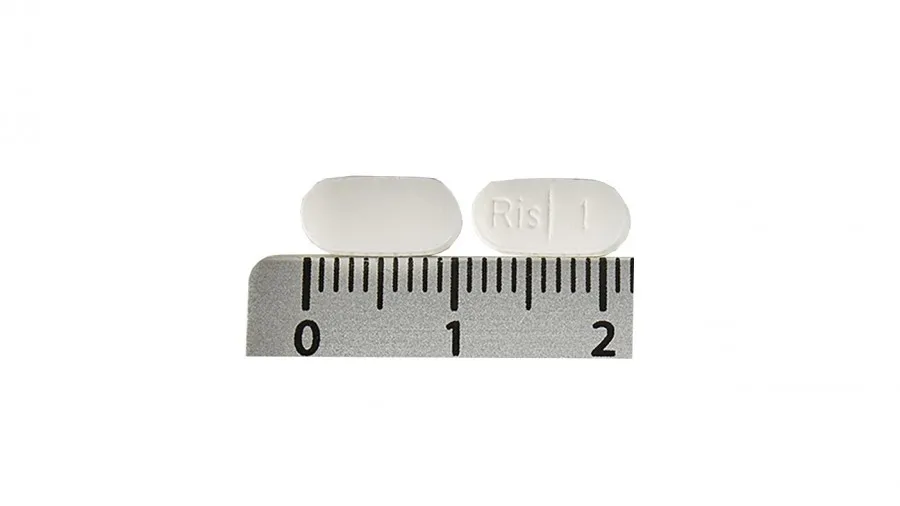
Table of Contents
- Patient Information Leaflet
- Introduction
- 1. What Risperidona Qualigen is and what it is used for
- 2. What you need to know before taking Risperidona Qualigen
- 3. How to take Risperidone Qualigen
- 4. Possible adverse effects
- 5. Storage of Risperidone Qualigen
- 6. Contents of the pack and other information
Patient Information Leaflet
Introduction
Patient Information Leaflet
Risperidona Qualigen 1 mg Film-coated Tablets EFG
Risperidone
Read the entire leaflet carefully before you start taking this medicine, as it contains important information for you.
- Keep this leaflet as you may need to read it again.
- If you have any questions, ask your doctor or pharmacist.
- This medicine has been prescribed for you only and must not be given to other people, even if they have the same symptoms as you, because it could harm them.
- If you experience any side effects, talk to your doctor or pharmacist, even if the side effects are not listed in this leaflet.
Leaflet contents:
- What Risperidona Qualigen is and what it is used for
- What you need to know before taking Risperidona Qualigen
- How to take Risperidona Qualigen
- Possible side effects
- How to store Risperidona Qualigen
- Contents of the pack and other information
1. What Risperidona Qualigen is and what it is used for
Risperidona Qualigen belongs to a group of medicines called "antipsychotics".
Risperidona Qualigen is used to treat the following conditions:
- Schizophrenia, a condition in which you may see, hear, or feel things that are not there, believe things that are not true, or feel particularly suspicious or confused.
- Mania, a condition in which you may feel overly excited, elated, agitated, enthusiastic, or hyperactive.
Mania occurs in a disorder called "bipolar disorder".
- Short-term treatment (up to 6 weeks) of persistent aggression in patients with Alzheimer-type dementia who are a danger to themselves or others. Alternative non-pharmacological treatments should have been attempted previously.
- Short-term treatment (up to 6 weeks) of persistent aggression in intellectually disabled children (aged at least 5 years) and adolescents with conduct disorders.
2. What you need to know before taking Risperidona Qualigen
Do not take Risperidona Qualigen:
- If you are allergic to risperidone or to any of the other components of this medicine (listed in section 6).
If you are unsure, consult your doctor or pharmacist before using Risperidona Qualigen.
Warnings and Precautions
Talk to your doctor or pharmacist before starting to take Risperidona Qualigen if:
- You have any heart problems, such as irregular heartbeat, or if you are prone to low blood pressure, or if you are taking medicines for blood pressure. Risperidona Qualigen may lower blood pressure. You may need your dose adjusted.
- You have any risk factors that may make you prone to stroke, such as high blood pressure, cardiovascular disease, or blood vessel problems in the brain.
- You have Parkinson's disease or dementia.
- You are diabetic.
- You have epilepsy.
- You are male and have ever experienced prolonged or painful erections. If this occurs while taking Risperidona Qualigen, contact your doctor immediately.
- You have difficulty regulating your body temperature or feel excessive heat.
- You have kidney problems.
- You have liver problems.
- You have abnormally high levels of prolactin hormone in your blood, or if you have a tumor that may be prolactin-dependent.
- You or a family member have a history of blood clots, as these medicines may be associated with blood clot formation.
Contact your doctor immediately if you experience:
- Involuntary rhythmic movements of the tongue, mouth, or face. Discontinuation of Risperidona Qualigen may be necessary.
- Fever, severe muscle stiffness, sweating, or decreased level of consciousness (a condition called "neuroleptic malignant syndrome"). You may need immediate medical treatment.
If you are unsure whether any of the above applies to you, consult your doctor or pharmacist before using Risperidona Qualigen.
Risperidona Qualigen may cause weight gain.
Elderly patients with dementia
In elderly patients with dementia, there is an increased risk of stroke. You should not take risperidone if your dementia is caused by a stroke.
During treatment with Risperidona Qualigen, you should see your doctor regularly.
If you or your caregiver notice a sudden change in your mental state or sudden onset of weakness or numbness in the face, arms, or legs—especially on one side—or slurred speech, even if brief, seek immediate medical attention. These may be signs of a stroke.
Children and adolescents
Other causes of aggressive behavior should be ruled out before starting treatment for behavioral disorders.
If you experience fatigue during risperidone treatment, changing the time of administration may improve difficulties with attention.
Taking Risperidona Qualigen with other medicines
Tell your doctor or pharmacist if you are taking, have recently taken, or might need to take any other medicines.
It is especially important that you talk to your doctor or pharmacist if you are taking any of the following:
- Medicines that act on the brain, such as those used to calm you (benzodiazepines), or some pain medicines (opioids), or allergy medicines (some antihistamines), as risperidone may increase their sedative effect.
- Medicines that can alter the electrical activity of your heart, such as those used for malaria, heart rhythm disorders (e.g., quinidine), allergies (antihistamines), some antidepressants, or other medicines for mental disorders.
- Medicines that cause a slow heartbeat.
- Medicines that cause low potassium levels in the blood (e.g., certain diuretics).
- Medicines for high blood pressure. Risperidona Qualigen may lower blood pressure.
- Medicines for Parkinson's disease (e.g., levodopa).
- Diuretics used for heart problems or to treat swelling in parts of the body due to fluid retention (e.g., furosemide or chlorothiazide). Risperidona Qualigen, taken alone or with furosemide, may increase the risk of stroke or death in elderly patients with dementia.
The following medicines may decrease the effect of risperidone:
- Rifampicin (a medicine used to treat certain infections)
- Carbamazepine, phenytoin (medicines for epilepsy)
- Phenobarbital
If you start or stop taking these medicines, you may need a different dose of risperidone.
The following medicines may increase the effect of risperidone:
- Quinidine (used for certain heart conditions)
- Antidepressants such as paroxetine, fluoxetine, and tricyclic antidepressants
- Medicines known as beta-blockers (used to treat high blood pressure)
- Phenothiazines (e.g., used to treat psychosis or as sedatives)
- Cimetidine, ranitidine (stomach acid blockers)
If you start or stop taking these medicines, you may need a different dose of risperidone.
If you are unsure whether any of the above applies to you, consult your doctor or pharmacist before using Risperidona Qualigen.
Taking Risperidona Qualigen with food, drinks, and alcohol
You may take this medicine with or without food. You should avoid consuming alcohol while taking Risperidona Qualigen.
Pregnancy and breastfeeding
- If you are pregnant, breastfeeding, think you may be pregnant, or plan to become pregnant, consult your doctor or pharmacist before using this medicine.
- Newborns whose mothers have taken Risperidona Qualigen during the last trimester of pregnancy may experience symptoms such as tremors, muscle stiffness and/or weakness, drowsiness, agitation, breathing difficulties, or feeding problems. If your newborn shows any of these symptoms, contact your doctor.
Consult your doctor or pharmacist before using any medicine.
Driving and using machines
Risperidona Qualigen may cause symptoms such as drowsiness, dizziness, or vision disturbances, and may reduce reaction time. These effects, as well as the underlying illness itself, may impair your ability to drive or operate machinery. Therefore, do not drive or operate machinery, or engage in any activity requiring special attention, until your doctor has assessed your response to this medicine.
Risperidona Qualigen contains lactose and sodium
This medicine contains lactose. If your doctor has diagnosed you with an intolerance to certain sugars, consult him or her before taking this medicine.
This medicine contains less than 23 mg of sodium (1 mmol) per tablet; therefore, it is essentially "sodium-free".
3. How to take Risperidone Qualigen
Follow exactly the instructions for using this medicine given by your doctor. If in doubt, consult your doctor or pharmacist again.
How much to take
For the treatment of schizophrenia
Adults
- The initial dose is 2 mg per day; this may be increased to 4 mg per day on the second day.
- Your doctor may adjust your dose depending on your response to treatment.
- Most people improve with daily doses of 4 to 6 mg.
- This total daily dose can be divided into one or two doses per day. Your doctor will tell you what is best for you.
Elderly patients
- The initial dose is usually 0.5 mg twice daily.
- Your doctor may gradually increase your dose later to 1–2 mg twice daily.
- Your doctor will tell you what is best for you.
Children and adolescents
- Children and adolescents under 18 years of age should not be treated with Risperidone Qualigen for schizophrenia.
For the treatment of mania
Adults
- The initial dose is usually 2 mg once daily.
- Your doctor may gradually adjust your dose depending on your response to treatment.
- Most people improve with daily doses of 1 to 6 mg.
Elderly patients
- The initial dose is usually 0.5 mg twice daily.
- Your doctor may gradually adjust your dose later to 1–2 mg twice daily depending on your response to treatment.
Children and adolescents
- Children and adolescents under 18 years of age should not be treated with Risperidone Qualigen for bipolar mania.
For the long-term treatment of aggression in patients with Alzheimer-type dementia
Adults (including elderly patients)
- The initial dose is usually 0.25 mg twice daily.
- Your doctor may gradually change your dose depending on your response to treatment.
- Most people improve with doses of 0.5 mg twice daily. Some patients may require 1 mg twice daily.
- The duration of treatment in patients with Alzheimer-type dementia should not exceed 6 weeks.
For the treatment of behavioural disorders in children and adolescents
The dose will depend on your child's weight:
If weight is less than 50 kg
- The initial dose is usually 0.25 mg once daily.
- The dose may be increased every other day in increments of 0.25 mg per day.
- The usual maintenance dose is 0.25 mg to 0.75 mg once daily.
If weight is 50 kg or more
- The initial dose is usually 0.5 mg once daily.
- The dose may be increased every other day in increments of 0.5 mg per day.
- The usual maintenance dose is 0.5 mg to 1.5 mg once daily.
The duration of treatment in patients with behavioural disorders should not exceed 6 weeks.
Children under 5 years of age should not be treated with Risperidone Qualigen for behavioural disorders.
Patients with liver or kidney problems
Regardless of the condition being treated, all initial and subsequent doses of risperidone should be reduced by half. Dose increases should be made more slowly in these patients.
Risperidone should be used with caution in this patient group.
How to take Risperidone Qualigen
Your doctor will tell you how much medicine to take and for how long. This depends on your condition and varies from person to person. The amount of medicine you should take is explained above under the heading “How much to take”.
Swallow the medicine with a glass of water.
If you take more Risperidone Qualigen than you should
- In case of overdose or accidental ingestion, contact your doctor or pharmacist immediately or call the Toxicology Information Service at 91 562 04 20, stating the medicine and the amount taken.
- In case of overdose, you may feel drowsy or tired, experience abnormal body movements, have difficulty standing or walking, feel dizzy due to a drop in blood pressure, or have abnormal heartbeats or seizures.
If you forget to take Risperidone Qualigen
- If you forget to take a dose, take it as soon as you remember. However, if it is almost time for your next dose, skip the missed dose and continue with your regular schedule.
- Do not take a double dose (two doses at once) to make up for a missed dose.
- If you miss two or more doses, contact your doctor.
If you stop taking Risperidone Qualigen
Do not stop treatment unless instructed by your doctor. Symptoms may return. If your doctor decides to discontinue treatment, your dose may be gradually reduced over several days.
If you have any further questions about the use of this medicine, ask your doctor or pharmacist.
4. Possible adverse effects
Like all medicines, Risperidone Qualigen may cause adverse effects, although not everyone experiences them.
Immediately inform your doctor if you experience:
Blood clots in the veins, especially in the legs (symptoms include swelling, pain, and redness in the leg). These clots may travel through blood vessels to the lungs, causing chest pain and difficulty breathing. If you experience any of these symptoms, seek immediate medical attention.
Very common: may affect more than 1 in 10 people
Common: may affect between 1 and 10 in every 100 people
Uncommon: may affect between 1 and 10 in every 1,000 people
Rare: may affect between 1 and 10 in every 10,000 people
Very rare: may affect fewer than 1 in every 10,000 people
Not known: frequency cannot be estimated from available data
The following side effects may occur:
Very common (may affect more than 1 in 10 people)
- Parkinsonism. This is a medical term that includes several symptoms. Each individual symptom may occur less frequently than 1 in 10 people. Parkinsonism includes: increased salivation or very wet mouth, musculoskeletal rigidity, drooling, pain when bending limbs, slowed, reduced, or difficult body movements, lack of facial expression, muscle tightness, torticollis, muscle stiffness, short, shuffling steps when walking, dragging the feet, absence of normal arm movements, persistent blinking in response to tapping the forehead (an abnormal reflex)
- Headache, difficulty falling or staying asleep
Common (may affect between 1 and 10 in every 100 people):
-
Drowsiness, fatigue, tiredness, inability to stay still, irritability, anxiety, somnolence, dizziness, attention problems, feeling of exhaustion, sleep disturbances, tremor
-
Vomiting, diarrhea, constipation, nausea, increased appetite, abdominal pain or discomfort, sore throat, dry mouth
-
Weight gain, increased body temperature, decreased appetite
-
Breathing difficulty, lung infection (pneumonia), flu, respiratory tract infection, blurred vision, nasal congestion, nosebleed, cough
-
Urinary tract infection, bedwetting
-
Muscle cramps, involuntary movements of the face or arms and legs, joint pain, back pain, swelling of arms and legs, pain in arms and legs
-
Rash, skin redness
-
Rapid heartbeat, chest pain
-
Increased concentration of prolactin hormone in the blood
Uncommon (may affect between 1 and 10 in every 1,000 people):
- Excessive water intake, fecal incontinence, thirst, very hard stools, hoarseness or voice disorder
- Lung infection caused by food entering the airways, bladder infection, eye redness, sinusitis, viral infection, ear infection, tonsillitis, skin infection, eye infection, stomach infection, eye discharge, fungal nail infection
- Abnormality in the heart's electrical conduction, drop in blood pressure upon standing, low blood pressure, dizziness when changing position, abnormal electrical activity of the heart (ECG), irregular heartbeat, awareness of heartbeat, fast or slow heartbeat
- Urinary incontinence, painful urination, frequent urination
- Confusion, attention disorder, reduced level of consciousness, excessive sleepiness, restlessness, elevated mood (mania), lack of energy and interest
- Increased blood glucose, increased liver enzymes, decreased number of white blood cells, decreased hemoglobin or number of red blood cells (anemia), increased number of eosinophils (a special type of white blood cell), increased creatine phosphokinase, decreased number of platelets (blood cells that help stop bleeding)
- Muscle weakness, muscle pain, ear pain, neck pain, joint swelling, abnormal posture, joint stiffness, chest muscle and bone pain, chest discomfort
- Skin lesion, skin disorder, dry skin, severe itching, acne, hair loss, skin inflammation due to mites, skin discoloration, skin thickening, flushing, reduced skin sensitivity to pain or touch, greasy skin inflammation
- Absence of menstruation, sexual dysfunction, erectile dysfunction, ejaculation disorder, milk secretion from breasts, breast enlargement in males, decreased sexual desire, irregular menstruation, vaginal discharge
- Fainting, gait disturbance, inactivity, reduced appetite with malnutrition and weight loss, feeling unwell, balance disorder, allergy, edema, speech disorder, chills, coordination problems
- Painful sensitivity to light, increased blood flow to the eye, eye swelling, dry eyes, increased tearing
- Respiratory tract disorder, pulmonary congestion, crackling lung sounds, respiratory congestion, difficulty speaking, difficulty swallowing, cough with sputum, hoarse or wheezing breathing sounds, pseudoinfluenza illness, sinusitis
- Lack of response to stimuli, loss of consciousness, sudden swelling of lips and eyes with breathing difficulty, sudden weakness or numbness of face, arms or legs, especially on one side, or episodes of confused speech lasting less than 24 hours (called mini-stroke or stroke), involuntary movements of face, arms or legs, ringing in the ears, facial edema
Rare (may affect between 1 and 10 in every 10,000 people):
- Inability to achieve orgasm, menstrual disorder
- Dandruff
- Drug allergy, coldness in arms and legs, lip swelling, lip inflammation
- Glaucoma, decreased visual acuity, formation of crusts at the edge of the eyelid, eye movement
- Absence of emotions
- Altered consciousness with increased body temperature and muscle spasms, body-wide edema, drug withdrawal syndrome, decreased body temperature
- Rapid and shallow breathing, breathing problems during sleep, chronic middle ear infection
- Intestinal obstruction
- Reduced blood flow to the brain
- Decreased number of white blood cells, inappropriate secretion of a hormone that controls urine volume
- Muscle fiber breakdown and muscle pain (rhabdomyolysis), movement disorder
- Diabetic coma due to uncontrolled diabetes
- Yellowing of the skin and eyes (jaundice)
- Inflammation of the pancreas
Very rare (may affect fewer than 1 in every 10,000 people):
- Life-threatening complications of uncontrolled diabetes
Adverse effects with unknown frequency (frequency cannot be estimated from available data)
- Severe allergic reaction leading to difficulty breathing and shock
- Absence of granulocytes (a type of white blood cell that helps fight infections)
- Prolonged and painful erection
- Dangerously excessive water intake
- Blood clots in veins, especially in the legs (symptoms include swelling, pain, and redness in the leg). These clots may travel through blood vessels to the lungs, causing chest pain and difficulty breathing. If you experience any of these symptoms, seek immediate medical attention.
A small increase in the number of deaths has been reported in elderly patients with dementia treated with antipsychotics, compared to those not receiving this treatment.
Long-acting injectable risperidone
The following adverse effects have been reported with the use of long-acting injectable risperidone.
If you experience any of the following effects, speak with your doctor, even if you are not receiving long-acting risperidone injections:
- Intestinal infection
- Skin abscess, tingling, prickling, or numbness of the skin, skin inflammation
- Decreased number of white blood cells, cells that help protect you from bacterial infections
- Depression
- Seizures
- Eye twitching
- Sensation of spinning or oscillation
- Slow heartbeat, increased blood pressure
- Toothache, tongue spasm
- Buttock pain
- Weight loss
Reporting of adverse effects
If you experience any adverse effects, consult your doctor or pharmacist, even if they are possible side effects not listed in this leaflet. You may also report them directly via the Spanish Pharmacovigilance System for Human Medicines at: www.notificaRAM.es. By reporting adverse effects, you can help provide more information on the safety of this medicine.
5. Storage of Risperidone Qualigen
Keep this medicine out of sight and reach of children.
Do not use this medicine after the expiry date stated on the packaging, after EXP. The expiry date refers to the last day of the month indicated.
No special storage conditions are required.
Medicines should not be disposed of via wastewater or household waste. Dispose of unused medicines and their containers at the SIGRE collection point at your pharmacy. If you have any doubts, ask your pharmacist how to properly dispose of medicines and containers you no longer need. This will help protect the environment.
6. Contents of the pack and other information
Composition of Risperidone Qualigen
- The active substance is risperidone. Each Risperidone Qualigen 1 mg coated tablet contains 1 milligram of risperidone.
- The other components are: anhydrous lactose, corn starch, pregelatinized corn starch, sodium lauryl sulfate, microcrystalline cellulose (E 460i), sodium croscarmellose (E 468), colloidal hydrated silica, magnesium stearate (E 572), hypromellose (E 464), titanium dioxide (E 171), yellow iron oxide (E 172), red iron oxide (E 172), and macrogol 400.
Appearance of the product and contents of the pack
Risperidone Qualigen 1 mg film-coated tablets are oblong, biconvex, orange in colour, marked with the number “1” on one side and a score line on the other. The tablet can be divided into equal halves.
They are marketed in packs of 20 or 60 film-coated tablets.
Some pack sizes may not be marketed.
Marketing Authorisation Holder and Manufacturer
Marketing Authorisation Holder
Neuraxpharm Spain, S.L.U.
Avda. Barcelona, 69
08970 Sant Joan Despí (Barcelona)
Spain
Manufacturer
Neuraxpharm Pharmaceuticals, S.L.
Avda. Barcelona, 69
08970 Sant Joan Despí (Barcelona)
Spain
Date of the most recent review of this leaflet: July 2022
Detailed and up-to-date information on this medicinal product is available on the website of the Spanish Agency of Medicines and Health Products (AEMPS) www.aemps.gob.es