Rekambys 900 mg prolonged-release injectable suspension
Spain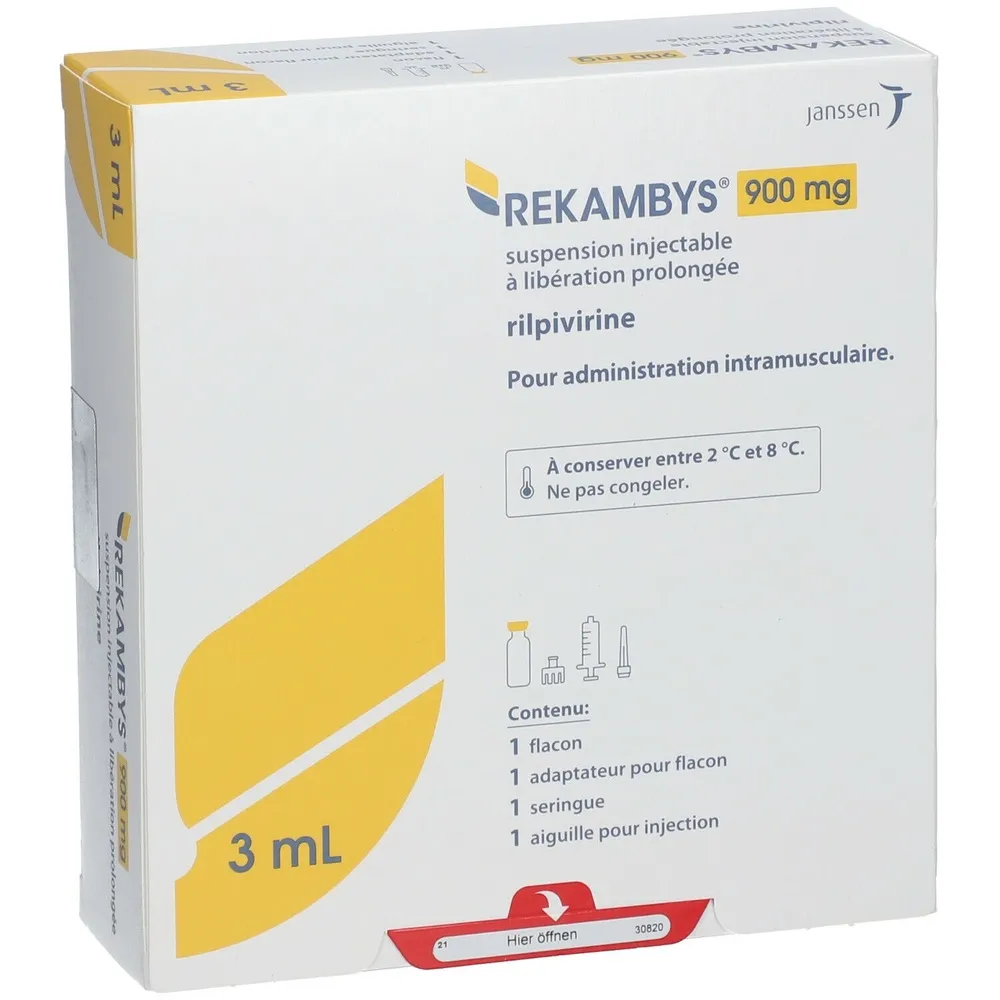
Table of Contents
Package leaflet: Information for the user
Introduction
Package leaflet: information for the patient
REKAMBYS 900 mg prolonged-release injectable suspension
rilpivirine
This medicinal product is subject to additional monitoring, which will enable rapid identification of new safety information. You can help by reporting any side effects you may experience. Information on how to report side effects is provided at the end of section 4.
Read this entire leaflet carefully before you start using this medicine, because it contains important information for you.
-
Keep this leaflet, as you may need to read it again.
-
If you have any questions, consult your doctor or pharmacist.
-
This medicine has been prescribed for you only, and you should not give it to other people, even if they have the same symptoms as you, because it may harm them.
-
If you experience any side effects, consult your doctor or pharmacist, even if they are possible side effects not listed in this leaflet. See section 4.
Contents of the leaflet
-
What REKAMBYS is and what it is used for
-
What you need to know before using REKAMBYS
-
How REKAMBYS is administered
-
Possible side effects
-
How to store REKAMBYS
-
Contents of the pack and other information
1. What REKAMBYS is and what it is used for
REKAMBYS contains the active substance rilpivirine. It belongs to a group of medicines called non-nucleoside reverse transcriptase inhibitors (NNRTIs) used in the treatment of human immunodeficiency virus type 1 (HIV-1).
REKAMBYS works together with other anti-HIV medicines by blocking the virus' ability to make more copies of itself. Injectable REKAMBYS does not cure HIV infection, but helps reduce the amount of HIV in your body and keeps it at a low level. This slows down damage to the immune system and the development of AIDS-related infections and diseases.
REKAMBYS is always administered with another anti-HIV medicine called cabotegravir injectable. They are given together in adults aged 18 years and older whose HIV-1 infection is already controlled.
2. What you need to know before using REKAMBYS
Do not use REKAMBYS if you are allergic to rilpivirine or to any of the other ingredients of this medicine (listed in section 6).
Do not use REKAMBYS if you are taking any of the following medicines, as they may affect how REKAMBYS or the other medicines work:
-
carbamazepine, oxcarbazepine, phenobarbital, phenytoin (medicines used to treat epilepsy and prevent seizures)
-
rifabutin, rifampicin, rifapentine (medicines used to treat bacterial infections such as tuberculosis)
-
dexamethasone (a corticosteroid used to treat various conditions, such as inflammation and allergic reactions) administered in an oral or injectable treatment course
-
products containing St. John’s wort or Hypericum (Hypericum perforatum, a herbal remedy used for depression).
If you are taking any of the above medicines, consult your doctor about alternative treatments.
Warnings and precautions
Talk to your doctor or pharmacist before starting to use REKAMBYS.
REKAMBYS does not cure HIV infection. It is part of a treatment regimen to reduce the amount of virus in the blood. While using this medicine, you may still transmit HIV to others, although the risk is reduced with effective antiviral treatment. Consult your doctor about the precautions you should take to avoid infecting other people.
Inform your doctor about your condition
Review the following points and inform your doctor if any of the following apply to you.
-
You must attend all scheduled injection appointments; do not miss any visit, as this is very important for the success of your treatment. If you cannot attend a scheduled appointment, inform your doctor as soon as possible.
-
Inform your doctor if you have or have ever had liver disease, including hepatitis B or hepatitis C, or kidney disease. Your doctor will likely check how well your liver and kidneys are functioning to determine whether you can use REKAMBYS. See the signs of liver damage in section 4 of this leaflet, “Uncommon adverse effects”.
-
Inform your doctor immediately if you notice any signs of infection (for example, fever, chills, sweating). In some HIV patients, inflammation due to prior infections may occur shortly after starting HIV treatment. These symptoms are believed to result from improved immune response, enabling the body to fight previously asymptomatic infections.
-
Inform your doctor immediately if you experience any symptoms such as muscle weakness, weakness starting in the hands and feet and progressing upward toward the trunk, palpitations, tremor, or hyperactivity. These may be due to autoimmune disorders (conditions in which the immune system mistakenly attacks healthy body tissue), which may also occur after you have started taking medicines for HIV infection. Autoimmune disorders may appear many months after treatment initiation.
-
Inform your doctor if you are taking any medicine that has been reported to cause potentially life-threatening irregular heartbeats (torsade de pointes).
Reactions to injections
Some people have experienced symptoms of post-injection reactions within minutes of receiving the rilpivirine injection. Most symptoms resolved within minutes after the injection. Symptoms of post-injection reactions may include: difficulty breathing, stomach cramps, sweating, numbness of the mouth, feeling anxious, feeling hot, feeling dizzy or like you might faint (or pass out), and changes in blood pressure. Inform your healthcare provider if you experience these symptoms after receiving your injections.
It is important to attend appointments on time
It is important that you attend your scheduled appointments to receive REKAMBYS to control your HIV infection and prevent the disease from worsening. Do not miss any visits, as this is crucial for treatment effectiveness. If you cannot attend a scheduled appointment, inform your doctor as soon as possible. Inform your doctor if you are considering stopping treatment. If administration of REKAMBYS is delayed, or if you stop receiving REKAMBYS, you will need to take other medicines to treat HIV infection and reduce the risk of the virus becoming resistant, as drug levels in your body will be too low to treat HIV infection.
Children
REKAMBYS is not intended for use in children or adolescents under 18 years of age, as it has not been studied in these patients.
Other medicines and REKAMBYS
Inform your healthcare provider if you are taking, have recently taken, or might need to take any other medicine. Some medicines may affect the level of REKAMBYS in the blood when taken during treatment with REKAMBYS, or REKAMBYS may affect the effectiveness of other medicines.
Do not use REKAMBYS if you are taking any of the following medicines, as they may affect how REKAMBYS or the other medicines work:
-
carbamazepine, oxcarbazepine, phenobarbital, phenytoin (medicines used to treat epilepsy and prevent seizures)
-
rifabutin, rifampicin, rifapentine (medicines used to treat bacterial infections such as tuberculosis)
-
dexamethasone (a corticosteroid used to treat various conditions, such as inflammation and allergic reactions) administered in an oral or injectable treatment course
-
products containing St. John’s wort or Hypericum (Hypericum perforatum, a herbal remedy used for depression).
If you are taking any of the above medicines, consult your doctor about alternative treatments.
The effect of REKAMBYS or other medicines may change if you use REKAMBYS with any of the following medicines:
- clarithromycin, erythromycin (antibiotics)
- methadone (used to treat withdrawal syndrome and dependence)
Pregnancy and breastfeeding
Inform your doctor immediately if you are pregnant or plan to become pregnant. Your doctor will assess the benefits and risks to you and your baby of using REKAMBYS during pregnancy. If you plan to become pregnant, consult your doctor in advance, as rilpivirine may remain in the body for up to 4 years after the last REKAMBYS injection.
Women with HIV must not breastfeed because HIV can be transmitted through breast milk and infect the baby.
Consult your doctor or pharmacist before taking any medicine.
Driving and using machines
Some patients may experience fatigue, dizziness, or somnolence during treatment with REKAMBYS. Do not drive or operate machinery if you experience any of these adverse effects.
Important information about some of the ingredients of REKAMBYS
This medicine contains less than 1 mmol of sodium (23 mg) per 3 ml injection; essentially “sodium-free”.
3. How REKAMBYS is administered
A nurse or doctor will administer REKAMBYS as an injection into the muscle of the buttock (intramuscular injection, or IM).
The injection will be given once a month or once every 2 months, together with another injectable medicine called cabotegravir. Your doctor will explain how often you will receive the medication.
Before starting treatment with REKAMBYS, your doctor will prescribe a daily treatment with rilpivirine and cabotegravir tablets for one month. This is known as oral lead-in dosing; taking the tablets before receiving the injections of REKAMBYS and cabotegravir will allow your doctor to check whether these medicines are suitable for you.
If you are to receive REKAMBYS once a month, your treatment will be as follows:
When | |||
Medication | Month 1 (at least 28 days) | Month 2 (after one month of tablets) | From month 3 onwards |
Rilpivirine | 25 mg tablet once daily | One injection of 900 mg | 600 mg injection every month |
Cabotegravir | 30 mg tablet once daily | One injection of 600 mg | 400 mg injection every month |
If you are to receive REKAMBYS every 2 months, your treatment will be as follows:
When | |||
Medication | Month 1 (at least 28 days) | Month 2 (after one month of tablets) and Month 3 | From Month 5 onwards |
Rilpivirine | 25 mg tablet, once daily | One 900 mg injection | 900 mg injection every 2 months |
Cabotegravir | 30 mg tablet, once daily | One 600 mg injection | 600 mg injection every 2 months |
If you miss a REKAMBYS injection
It is important that you attend your scheduled appointments regularly to receive your injection. If you miss an appointment, contact your doctor immediately to arrange another one.
Tell your doctor if you think you will be unable to receive your REKAMBYS injection on the scheduled date. Your doctor may recommend that you take tablets until you can receive another REKAMBYS injection.
If you are given too much REKAMBYS
A doctor or nurse will administer this medicine, so it is unlikely that you will be given too much. If you are concerned, tell your doctor or nurse.
Do not stop using REKAMBYS unless your doctor advises you to do so.
Use REKAMBYS for as long as your doctor tells you to. Do not stop treatment unless advised by your doctor.
After stopping treatment, low levels of rilpivirine (the active substance in REKAMBYS) may remain in your body for up to 4 years. However, after your last REKAMBYS injection, the remaining low levels of rilpivirine will not be sufficient to fight the virus and could lead to resistance. To keep HIV-1 infection under control and to prevent the virus from becoming resistant, you must start a different HIV treatment on the date when your next REKAMBYS injection was scheduled.
4. Possible adverse effects
Like all medicines, this medicine can cause adverse effects, although not everyone experiences them.
Below is a list of adverse effects that have been reported with the use of REKAMBYS and injectable cabotegravir.
Very common adverse effects (affect at least 1 in 10 people)
-
headache
-
injection site reactions – usually mild to moderate, and their frequency decreases over time. Symptoms may include:
o very common: pain and discomfort, hard masses or lumps
o common: redness, itching, swelling, bruising, warmth, or skin discoloration
o uncommon: numbness, minor bleeding, abscess formation (collection of pus), or cellulitis (with sensation of warmth, swelling, or redness)
-
Feeling hot/feverish (pyrexia)
Common adverse effects (affect less than 1 in 10 people)
- depression
- anxiety
- abnormal dreams
- difficulty sleeping (insomnia)
- dizziness
- feeling unwell (nausea)
- vomiting
- stomach pain (abdominal pain)
- gas (flatulence)
- diarrhea
- rash
- muscle pain (myalgia)
- tiredness (fatigue)
- feeling of weakness (asthenia)
- general malaise
- weight gain
Uncommon adverse effects (affect less than 1 in 100 people)
- drowsiness (somnolence)
- feeling dizzy during or after an injection. This may lead to fainting.
- liver damage (signs may include yellowing of the skin and whites of the eyes, loss of appetite, itching, abdominal tenderness, pale stools, or abnormally dark urine)
- changes in blood tests indicating liver function (increase in transaminases)
- increased bilirubin (a substance produced by the liver) in blood
Other adverse effects
- Severe abdominal pain caused by inflammation of the pancreas (pancreatitis)
The following adverse effects that may occur with rilpivirine tablets may also occur with injectable REKAMBYS:
Very common adverse effects
- increased cholesterol and/or pancreatic amylase in blood
Common adverse effects (affect less than 1 in 10 people)
- loss of appetite
- sleep disorders
- depressive state
- stomach discomfort
- dry mouth
- low white blood cell count and/or platelets, decreased hemoglobin in blood, increased triglycerides and/or lipase in blood
Uncommon adverse effects (affect less than 1 in 100 people)
- signs or symptoms of inflammation or infection, such as fever, chills, sweating (immune reconstitution syndrome, see section 2 for more information)
Reporting of adverse effects
If you experience any adverse effect, consult your doctor or pharmacist, even if it is a possible adverse effect not listed in this leaflet. You may also report them directly through the national reporting system included in Appendix V. By reporting adverse effects, you can help provide more information on the safety of this medicine.
5. Storage of REKAMBYS
Keep out of the sight and reach of children.
Do not use this medicine after the expiry date stated on the packaging after EXP. The expiry date refers to the last day of the month indicated.
Store in a refrigerator (between 2°C and 8°C). Do not freeze.
Medicines should not be disposed of via wastewater or household waste. Ask your pharmacist how to dispose of medicines and packaging you no longer need. This helps protect the environment.
6. Contents of the pack and other information
Composition of REKAMBYS
-
The active substance is rilpivirine. Each 3 ml vial contains 900 mg of rilpivirine.
-
The excipients are poloxamer 338, citric acid monohydrate, glucose monohydrate, sodium dihydrogen phosphate monohydrate, sodium hydroxide for pH adjustment and ensuring isotonicity, water for injections.
Appearance of the product and contents of the pack
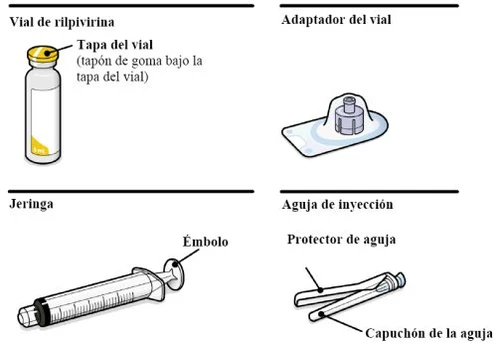
Prolonged-release injectable suspension. REKAMBYS is presented in a glass vial. The pack also contains 1 syringe, 1 vial adapter, and 1 injection needle.
Marketing Authorization Holder
Janssen-Cilag International NV
Turnhoutseweg 30
B-2340 Beerse
Belgium
Manufacturer
Janssen Pharmaceutica NV
Turnhoutseweg 30
B-2340 Beerse
Belgium
More information about this medicine is available upon request by contacting the local representative of the Marketing Authorization Holder:
Belgium/Belgium/Belgium ViiV Healthcare srl/bv Tel/Tel: + 32 (0) 10 85 65 00 | Lithuania UAB "JOHNSON & JOHNS0N" Tel: +370 5 278 68 88 |
Bulgaria “JOHNSON & JOHNSON” EOOD Tel.: +359 2 489 94 00 | Luxembourg/Luxembourg ViiV Healthcare srl/bv Belgium/Belgium Tel/Tel: + 32 (0) 10 85 65 00 |
Czech Republic Janssen-Cilag s.r.o. Tel: +420 227 012 227 | Hungary Janssen-Cilag Kft. Tel.: +36 1 884 2858 |
Denmark Janssen-Cilag A/S Tlf: +45 4594 8282 | Malta AM MANGION LTD. Tel: +356 2397 6000 |
Germany ViiV Healthcare GmbH Tel.: + 49 (0)89 203 0038-10 | Netherlands ViiV Healthcare BV Tel: + 31 (0) 33 2081199 |
Estonia UAB "JOHNSON & JOHNSON" Estonia branch Tel: +372 617 7410 | Norway Janssen-Cilag AS Tlf: +47 24 12 65 00 |
Greece Janssen-Cilag Pharmaceutical S.A. Tel: +30 210 80 90 000 | Austria Janssen-Cilag Pharma GmbH Tel: +43 1 610 300 |
Spain Laboratorios ViiV Healthcare, S.L. Tel: + 34 900 923 501 | Poland Janssen-Cilag Polska Sp. z o.o. Tel.: +48 22 237 60 00 |
France ViiV Healthcare SAS Tél.: + 33 (0)1 39 17 69 69 | Portugal VIIVHIV HEALTHCARE, UNIPESSOAL, LDA Tel: + 351 21 094 08 01 |
Croatia Johnson & Johnson S.E. d.o.o. Tel: +385 1 6610 700 | Romania Johnson & Johnson România SRL Tel: +40 21 207 1800 |
Ireland Janssen Sciences Ireland UC Tel: +353 1 800 709 122 | Slovenia Johnson & Johnson d.o.o. Tel: +386 1 401 18 00 |
Iceland Janssen-Cilag AB c/o Vistor hf. Tel: +354 535 7000 | Slovakia Johnson & Johnson s.r.o. Tel: +421 232 408 400 |
Italy ViiV Healthcare S.r.l Tel: +39 045 7741600 | Finland Janssen-Cilag Oy Tel/Tel: +358 207 531 300 |
Cyprus Varvavas Hadjipanagis Ltd Tel: +357 22 207 700 | Sweden Janssen-Cilag AB Tfn: +46 8 626 50 00 |
Latvia UAB "JOHNSON & JOHNSON" Latvia branch Tel: +371 678 93561 | United Kingdom ViiV Healthcare UK Limited Tel: + 44 (0)800 221441 |
Date of the most recent review of this leaflet: {MM/YYYY}.
Detailed information on this medicinal product is available on the European Medicines Agency website: http://www.ema.europa.eu/.
This information is intended only for doctors or healthcare professionals and should be read together with the complete prescribing information (Summary of Product Characteristics).
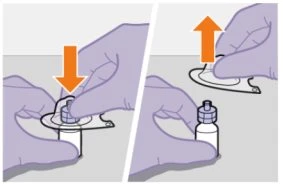
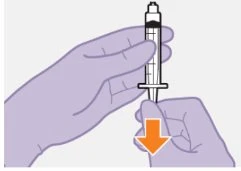
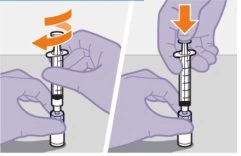
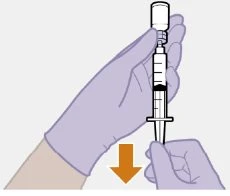
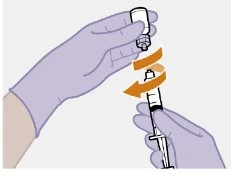
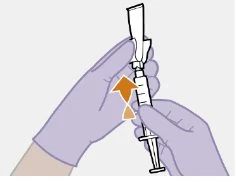
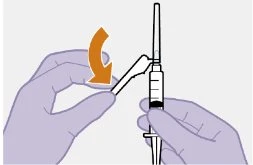
Instructions for use of REKAMBYS 3 ml injectable:
Summary A full dose consists of two injections: 3 ml of cabotegravir and 3 ml of rilpivirine. Cabotegravir and rilpivirine are provided as suspensions that do not require dilution or reconstitution. The preparation steps for both medications are the same. Cabotegravir and rilpivirine are for intramuscular use only. Both injections must be administered into the gluteal muscle. The order of administration is not important. Note: Administration in the ventrogluteal site is recommended. | |
Storage Information | |
Do not freeze. | |
| |
Your package contains | |
Consider the patient's build and use your clinical judgment to select the appropriate needle length for injection. | |
You will also need | |
| |
Preparation | |
| |
|
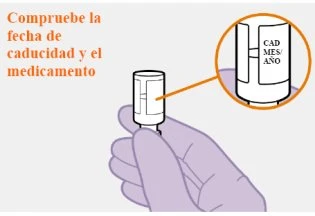
Do not use if the expiration date has passed. |
| |
|
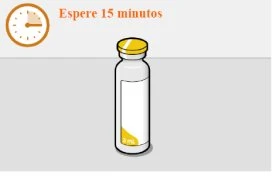
to allow the medication to reach room temperature |
| |
|
|
| |
|
|
| |
|
|
| |
|
|
| |
|
|
| |
|
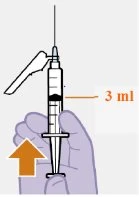
Note: Keep the syringe upright to avoid dripping. Check that the suspension appears uniform and milky white. |
| |
|
|
Injection | |
| |
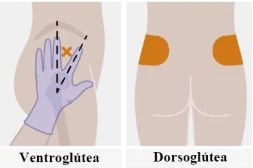
| Injections must be administered into the gluteal muscle. Select one of the following sites:
Note: For intramuscular injection into the gluteal muscle only. Do not administer intravenously. |
| |
|
|
| |
|
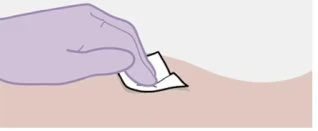
Note: Clean the injection site with an alcohol-impregnated wipe. Allow the skin to air dry before proceeding. |
| |
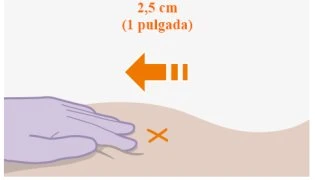
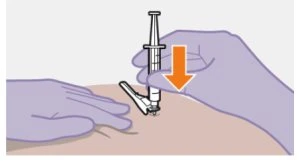
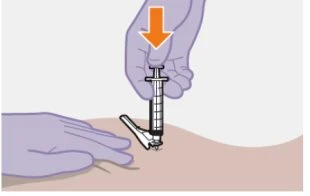
| Use the z-track injection technique to minimize potential leakage of medication from the injection site.
|
| |
|
|
| |
|
|
| |
|
Do not massage the area. |
| |
|
|
After the injection | |
| |
|
|
Repeat the process for the 2nd medication | |
| If both medications have not yet been injected, follow the preparation and injection steps for cabotegravir, which has its own Instructions for Use. |
Questions and Answers | |
It is best to administer the medication as soon as it reaches room temperature. However, the vial may be kept in its packaging at room temperature (maximum 25°C) for up to 6 hours.
It is best to administer the medication (at room temperature) as soon as possible after withdrawal from the vial. However, the medication may remain in the syringe for up to 2 hours before injection. If more than 2 hours have passed, discard the medication, syringe, and needle.
Injecting 1 mL of air into the vial facilitates withdrawal of the dose with the syringe. If air is not injected, some liquid may accidentally flow back into the vial, leaving insufficient volume in the syringe.
No, the order is not important.
It is preferable to allow the vial to reach room temperature naturally. However, hand warmth may be used to accelerate the process, but ensure the vial does not exceed 25°C. Do not use any other method to warm it.
Ventrogluteal administration into the gluteus medius muscle is recommended because this site has no major nerves or blood vessels nearby. If preferred by the healthcare provider, dorsogluteal administration into the gluteus maximus muscle is also acceptable. Injection must not be administered in any other site. |