Pluvicto 1 000 MBq/ml solution for injection and for infusion
Spain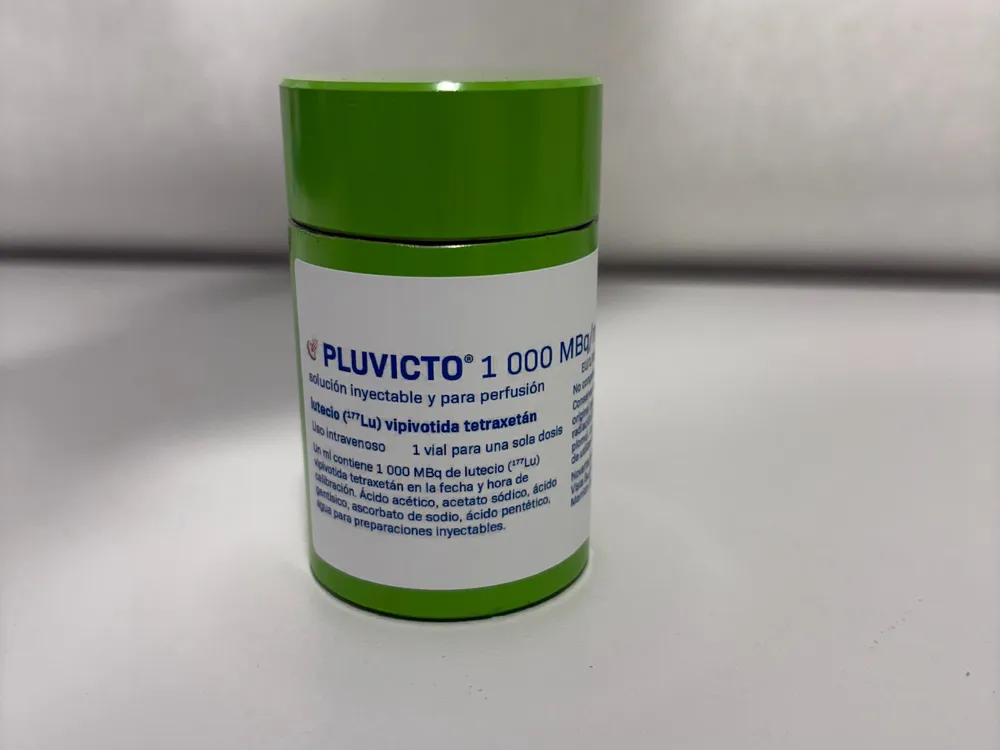
Table of Contents
Package leaflet: Information for the user
Introduction
Package leaflet: information for the patient
Pluvicto 1000 MBq/mL solution for injection and infusion
lutetium (177Lu) vipivotide tetraxetan
This medicinal product is subject to additional monitoring, which will allow quicker detection of new safety information. You can help by reporting any side effects you may experience. Information on how to report side effects is included at the end of section 4.
Read all of this leaflet carefully before you start using this medicine, because it contains important information for you.
- Keep this leaflet, as you may need to read it again.
- If you have any questions, consult your nuclear medicine physician who will supervise the procedure.
- If you experience any side effects, consult your nuclear medicine physician, even if they are side effects not listed in this leaflet. See section 4.
Contents of this leaflet
- What Pluvicto is and what it is used for
- What you need to know before Pluvicto is administered to you
- How Pluvicto is administered
- Possible side effects
- How to store Pluvicto
- Contents of the pack and other information
1. What Pluvicto is and what it is used for
What Pluvicto is
Pluvicto contains lutetium (177Lu) vipivotide tartrate. This medicine is a radiopharmaceutical for treatment only.
What Pluvicto is used for
Pluvicto is used in adults with metastatic castration-resistant prostate cancer that has spread to other parts of the body and who have already been treated with other cancer therapies. Castration-resistant prostate cancer is a type of prostate cancer (a gland in the male reproductive system) that does not respond to treatment aimed at reducing male hormones. Pluvicto is used when prostate cancer cells have a protein on their surface called prostate-specific membrane antigen (PSMA).
How Pluvicto works
Pluvicto binds to PSMA, which is found on the surface of prostate cancer cells. Once bound, the radioactive substance in Pluvicto, lutetium-177, emits radiation that causes the death of prostate cancer cells.
Your doctor will perform tests to determine whether PSMA is present on the surface of your cancer cells. Your cancer is more likely to respond to treatment with Pluvicto if the test result is positive.
The use of Pluvicto involves exposure to radioactive radiation. Your doctor and the nuclear medicine physician have determined that the clinical benefit you will receive from this radiopharmaceutical procedure outweighs the risks associated with radiation exposure.
If you have any questions about how Pluvicto works or why this medicine has been prescribed for you, please consult your nuclear medicine physician.
2. What you need to know before Pluvicto is administered to you
Carefully follow all instructions given by your nuclear medicine physician. These may differ from the general information contained in this leaflet.
Do not administer Pluvicto
- if you are allergic to lutetium (177Lu) vipivotide tartrate or to any of the other ingredients of this medicine (listed in section 6).
Warnings and precautions
If any of the following apply to you, inform your nuclear medicine physician before receiving Pluvicto:
- if you have low levels of certain types of blood cells (red blood cells, white blood cells, neutrophils, platelets)
- if you have or have had fatigue, weakness, pale skin, difficulty breathing, spontaneous bleeding or bruising, prolonged bleeding, or frequent infections with signs such as fever, chills, sore throat, or mouth ulcers (possible signs of myelosuppression [a condition in which the bone marrow cannot produce enough blood cells])
- if you have or have had kidney problems
- if you have or have had any other type of cancer or cancer treatment, as Pluvicto contributes to your overall long-term cumulative radiation exposure
Before administration of Pluvicto you must:
- drink plenty of water to stay hydrated and urinate as frequently as possible during the first hours after administration
Children and adolescents
The safety and efficacy of this medicine in children and adolescents under 18 years of age have not been established. This medicine should not be administered to children or adolescents under 18 years of age due to lack of data in this age group.
Pregnancy, breastfeeding and fertility
Pluvicto is not intended for use in women.
Before receiving Pluvicto, inform your nuclear medicine physician if you are sexually active, as all radioactive emissions, including those from Pluvicto, may cause harm to a fetus.
Fertility
Pluvicto may cause infertility. Consult your nuclear medicine physician about how this may affect you, especially if you are planning to have children in the future. You may wish to seek advice on sperm preservation before starting treatment.
Contraception in men
- You must avoid sexual activity during the 7 days following administration of Pluvicto.
- You must avoid causing pregnancy and must use a condom during sexual intercourse throughout treatment with Pluvicto and for 14 weeks after your last dose.
- Inform your nuclear medicine physician immediately if you father a child at any time during this period.
Driving and use of machines
Pluvicto is considered unlikely to affect the ability to drive and use machines.
Pluvicto contains sodium
This medicine contains up to 88.75 mg of sodium (a main component of table/cooking salt) per vial. This corresponds to 4.4% of the maximum daily intake of sodium recommended for an adult.
3. How Pluvicto is administered
There are strict regulations regarding the use, handling, and disposal of radiopharmaceuticals. Pluvicto will only be used in specially controlled areas. This radiopharmaceutical will only be handled and administered by trained and qualified personnel who are skilled in its safe use. These individuals will take special care in the safe use of this radiopharmaceutical and will inform you of their actions.
How much Pluvicto is administered
The recommended treatment regimen of Pluvicto is 7,400 MBq (megabecquerel, a unit used to express radioactivity), administered approximately every 6 weeks for a total of 6 doses.
Administration of Pluvicto and procedure
Pluvicto is administered directly into a vein.
Duration of the procedure
Your nuclear medicine physician will inform you about the typical duration of the procedure.
If you have any questions about how long you will receive Pluvicto, consult your nuclear medicine physician.
Monitoring of treatment
Your nuclear medicine physician will perform blood tests before and during treatment to monitor your condition and detect any side effects as early as possible. Based on the results, your nuclear medicine physician may decide to delay, modify, or discontinue your Pluvicto treatment if necessary.
After administration of Pluvicto, you should:
- Drink plenty of water for 2 days to stay hydrated and urinate as frequently as possible to eliminate the radiopharmaceutical from your body.
Because this is a radioactive medicine, you must follow the instructions below to minimize radiation exposure to other people, unless your nuclear medicine physician advises otherwise.
Contact with other people, children, and/or pregnant women
- Limit close contact (less than 1 meter) with:
- other people for 2 days
- children and pregnant women for 7 days
- Sleep in a separate room from:
- other people for 3 days
- children for 7 days
- pregnant women for 15 days
- Avoid sexual activity for 7 days
- Avoid pregnancy and use a condom during sexual intercourse during treatment with Pluvicto and for 14 weeks after your last dose.
Toilet use
Take special precautions to avoid contamination during the 2 days after administration:
- Always sit down when using the toilet.
- It is essential to use toilet paper every time you use the toilet.
- Always wash your hands thoroughly after using the toilet.
- Immediately flush all wipes and toilet paper into the toilet after use.
- Flush tissues or any other materials containing bodily substances such as blood, urine, or feces into the toilet. Items that cannot be flushed, such as sanitary pads, should be placed in separate plastic garbage bags (in accordance with the recommendations shown in the section "Disposal recommendations" below).
- Any medical equipment that could become contaminated with your body fluids (e.g., catheter bags, colostomy bags, urinals, water flossers) should be emptied immediately into the toilet and then cleaned.
Showering and laundry
- Shower daily for at least 7 days after administration.
- Wash underwear, pajamas, bed linens, and clothing soiled with sweat, blood, or urine separately from the laundry of other household members, using a standard washing cycle. There is no need to use bleach or perform extra rinses.
Caregivers
During the 2–3 days after administration:
- Patients who are bedridden or have limited mobility should preferably receive assistance from a caregiver. It is recommended that caregivers wear disposable gloves when assisting in the bathroom.
- Caregivers who clean up vomit, blood, urine, or feces must wear plastic gloves, which should be discarded into a separate plastic waste bag (see "Disposal recommendations" below).
Disposal recommendations
- All materials to be discarded must be placed in a separate plastic garbage bag used solely for this purpose.
- Keep the separate plastic waste bags apart from other household trash and store them out of reach of children and animals.
- A hospital staff member will inform you how and when to dispose of these waste bags.
Hospitalization and emergency care
- If for any reason you require emergency medical care or unplanned hospitalization within the first 7 days after administration, you must inform healthcare professionals about the name, date, and dose of your radioactive treatment.
Other precautions
- Your nuclear medicine physician will inform you if any additional special precautions are necessary after receiving this medicine. Consult your nuclear medicine physician if you have any questions.
If you have received more Pluvicto than you should
An overdose is unlikely because you will only receive Pluvicto in carefully controlled doses administered by the nuclear medicine physician supervising the procedure. However, in the event of an overdose, appropriate treatment will be given.
If you missed receiving Pluvicto
If you missed an appointment to receive Pluvicto, speak with your nuclear medicine physician as soon as possible to reschedule.
If you have any further questions about the use of Pluvicto, ask the nuclear medicine physician supervising the procedure.
4. Possible adverse effects
Like all medicines, this medicine may cause adverse effects, although not everyone experiences them.
Some adverse effects may be serious
If you experience any serious adverse effect, inform your nuclear medicine physician immediately.
Very common: may affect more than 1 in 10 people
- tiredness, weakness, pale skin, or difficulty breathing (possible signs of low red blood cell levels [anemia])
- spontaneous bleeding or bruising, or bleeding that lasts longer than usual (possible signs of low platelet levels [thrombocytopenia])
- frequent infections with signs such as fever, sore throat, or mouth ulcers (possible signs of low white blood cell levels [leucopenia, lymphopenia]).
Common: may affect up to 1 in 10 people
- urinating less frequently or in much smaller amounts than usual (possible signs of kidney problems [acute kidney injury])
- tiredness, weakness, pale skin, difficulty breathing, spontaneous bleeding or bruising, or bleeding that lasts longer than usual, or frequent infections with signs such as fever, chills, sore throat, or mouth ulcers (possible signs of low blood cell counts [pancytopenia])
Uncommon: may affect up to 1 in 100 people
- weakness, paleness, bleeding or bruising more easily than normal, difficulty stopping bleeding, or frequent infections with symptoms such as fever, chills, sore throat, or mouth ulcers (bone marrow failure).
Other possible adverse effects
Other adverse effects include those listed below. If any of these adverse effects become severe, inform your nuclear medicine physician.
Very common: may affect more than 1 in 10 people
- tiredness (fatigue)
- dry mouth
- nausea
- loss of appetite
- changes in bowel movements (constipation or diarrhea)
- vomiting
- frequent urination with pain or burning sensation (urinary tract infection)
- abdominal pain
- weight loss
- swelling of hands, ankles, or feet (peripheral edema)
Common: may affect up to 1 in 10 people
- dizziness
- headache
- altered sense of taste (dysgeusia)
- fever (pyrexia)
- difficulty swallowing and/or stomach acid (esophageal disorder)
- dry eyes
- oral fungal infection
- dizziness with a spinning sensation (vertigo)
- mouth sores (stomatitis)
- dry skin
Reporting of adverse effects
If you experience any type of adverse effect, consult your nuclear medicine physician, even if it is a possible adverse effect not listed in this leaflet. You may also report them directly through the national reporting system detailed in Appendix V. By reporting adverse effects, you can help provide more information on the safety of this medicine.
5. Storage of Pluvicto
You will not be required to store this medicine. This medicine is stored under the responsibility of the specialist in appropriate facilities. Storage of radiopharmaceuticals must comply with national regulations concerning radioactive materials.
The following information is intended for specialists only:
- Keep this medicine out of the sight and reach of children.
- Do not freeze.
- Keep in the original container to protect against ionizing radiation (lead shielding).
- Pluvicto must not be used after the expiry date and time stated on the labels of the lead shielding container and the vial, after "CAD".
- Disposal of unused medicine and of all materials that have been in contact with it must be carried out in accordance with local regulations.
6. Contents of the pack and other information
Composition of Pluvicto
- The active substance is lutetium (177Lu) vipivotide tetraxetan. One ml of solution contains 1,000 MBq of lutetium (177Lu) vipivotide tetraxetan at the date and time of calibration.
- The other components are: acetic acid, sodium acetate, gentisic acid, sodium ascorbate, pentetic acid, water for injections (see section 2 “Pluvicto contains sodium”).
Appearance of Pluvicto and contents of the pack
Pluvicto is a clear, colourless or slightly yellow solution supplied in a colourless, transparent type I glass vial, closed with a bromobutyl rubber stopper and sealed with an aluminium cap.
Each vial contains a volume of solution ranging from 7.5 ml to 12.5 ml, corresponding to a radioactivity of 7,400 MBq ±10% at the date and time of administration.
The vial is contained within a lead container serving as a protective shield.
Marketing Authorisation Holder
Novartis Europharm Limited
Vista Building
Elm Park, Merrion Road
Dublin 4
Ireland
Manufacturer
Advanced Accelerator Applications (Italy) S.R.L.
Via Ribes 5
10010
Colleretto Giacosa (TO)
Italy
Advanced Accelerator Applications Ibérica, S.L.U.
Polígono Industrial la Cuesta – Sector 3
Plots 1 and 2, La Almunia de Doña Godina
50100 Zaragoza
Spain
Further information on this medicinal product is available upon request to the local representative of the Marketing Authorisation Holder:
Belgium/Belgium/Belgium Novartis Pharma N.V. Tel/Tel: +32 2 246 16 11 | Lithuania SIA Novartis Baltics Lithuania branch Tel: +370 5 269 16 50 |
| Luxembourg/Luxembourg Novartis Pharma N.V. Tel/Tel: +32 2 246 16 11 |
Czech Republic Novartis s.r.o. Tel: +420 225 775 111 | Hungary Novartis Hungária Kft. Tel.: +36 1 457 65 00 |
Denmark Novartis Sverige AB Tlf.: +46 8 732 32 00 | Malta Novartis Pharma Services Inc. Tel: +356 2122 2872 |
Germany Novartis Pharma GmbH Tel: +49 911 273 0 | Netherlands Novartis Pharma B.V. Tel: +31 88 04 52 111 |
Estonia SIA Novartis Baltics Estonia branch Tel: +372 66 30 810 | Norway Novartis Norge AS Tlf: +47 23 05 20 00 |
Greece BIOKOSMOS S.A. Tel: +30 22920 63900 n Novartis (Hellas) S.A. Tel: +30 210 281 17 12 | Austria Novartis Pharma GmbH Tel: +43 1 86 6570 |
| Poland Novartis Poland Sp. z o.o. Tel.: +48 22 375 4888 |
France Novartis Pharma S.A.S. Tél: +33 1 55 47 66 00 | Portugal Novartis Farma - Produtos Farmacêuticos, S.A. Tel: +351 21 000 8600 |
Croatia Novartis Hrvatska d.o.o. Tel. +385 1 6274 220 | Romania Novartis Pharma Services Romania SRL Tel: +40 21 31299 01 |
Ireland Novartis Ireland Limited Tel: +353 1 260 12 55 | Slovenia Novartis Pharma Services Inc. Tel: +386 1 300 75 50 |
Iceland Novartis Sverige AB Tel: +46 8 732 32 00 | Slovakia Novartis Slovakia s.r.o. Tel: +421 2 5542 5439 |
Italy Novartis Farma S.p.A. Tel: +39 02 96 54 1 | Finland Novartis Sverige AB Puh/Tel: +46 8 732 32 00 |
Cyprus BIOKOSMOS S.A. Tel: +30 22920 63900 n Novartis Pharma Services Inc. Tel: +357 22 690 690 | Sweden Novartis Sverige AB Tel: +46 8 732 32 00 |
Latvia SIA Novartis Baltics Tel: +371 67 887 070 |
Date of the most recent review of this package leaflet
Other sources of information
Detailed information on this medicine is available on the website of the European Medicines Agency: https://www.ema.europa.eu
‑‑‑‑‑‑‑‑‑‑‑‑‑‑‑‑‑‑‑‑‑‑‑‑‑‑‑‑‑‑‑‑‑‑‑‑‑‑‑‑‑‑‑‑‑‑‑‑‑‑‑‑‑‑‑‑‑‑‑‑‑‑‑‑‑‑‑‑‑‑‑‑‑‑‑‑‑‑‑‑‑‑‑‑‑‑‑‑‑‑‑‑‑‑‑‑‑‑‑‑‑‑‑‑‑‑‑‑‑‑‑‑‑‑‑‑
This information is intended for healthcare professionals only:
The full Pluvicto summary of product characteristics is included as a separate document in the product packaging, to provide healthcare professionals with additional scientific and practical information on the administration and use of this radiopharmaceutical.
Please consult the summary of product characteristics.