Plerixafor Tarbis 20 mg/ml solution for injection EFG
Spain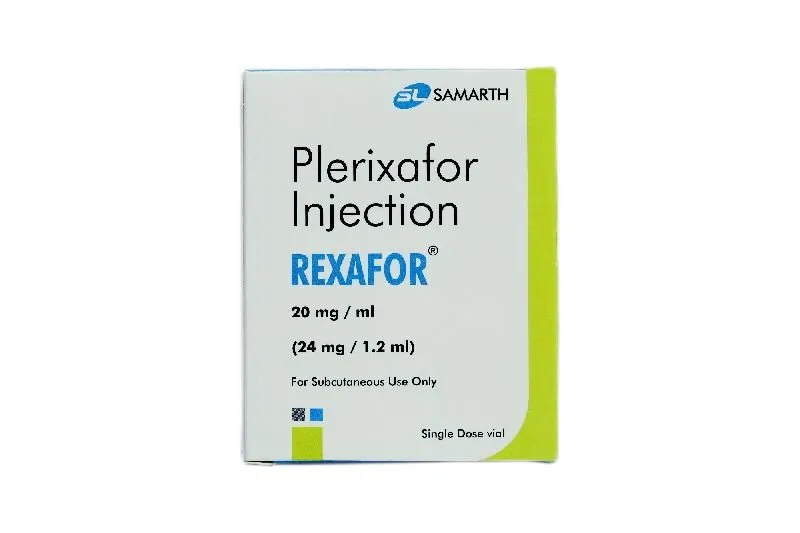
Table of Contents
- Patient Information Leaflet
- Introduction
- 1. What Plerixafor Tarbis is and what it is used for
- 2. What you need to know before starting to use Plerixafor Tarbis
- 3. How to use Plerixafor Tarbis
- 4. Possible adverse effects
- 5. Storage of Plerixafor Tarbis
- 6. Contents of the container and other information
Patient Information Leaflet
Introduction
Patient Information Leaflet
Plerixafor Tarbis 20 mg/ml solution for injection EFG
Read all of this leaflet carefully before you start using this medicine, because it contains important information for you.
- Keep this leaflet, as you may need to read it again.
- If you have any questions, ask your doctor.
- If you experience any side effects, talk to your doctor or nurse, even if it is a side effect not listed in this leaflet. See section 4.
Leaflet Contents
- What Plerixafor Tarbis is and what it is used for
- What you need to know before using Plerixafor Tarbis
- How to use Plerixafor Tarbis
- Possible side effects
- How to store Plerixafor Tarbis
- Contents of the pack and other information
1. What Plerixafor Tarbis is and what it is used for
Plerixafor contains the active substance plerixafor, which blocks a protein on the surface of hematopoietic stem cells. This protein "anchors" blood stem cells to the bone marrow. Plerixafor enhances the release of stem cells into the bloodstream (mobilization). The stem cells can then be collected using a device that separates the components of the blood (apheresis machine), subsequently frozen and stored until transplantation.
If mobilization is poor, plerixafor is administered to help collect stem cells from the patient's blood for collection, storage, and reinfusion (transplantation), in:
- Adult patients with lymphoma (a cancer of white blood cells) or multiple myeloma (a cancer affecting plasma cells in the bone marrow).
- Children from 1 to less than 18 years of age with lymphoma or solid tumors.
2. What you need to know before starting to use Plerixafor Tarbis
Do not use Plerixafor Tarbis
- if you are allergic to plerixafor or to any of the other ingredients of this medicine (listed in section 6).
Warnings and precautions
Talk to your doctor before starting to use plerixafor.
Inform your doctor:
- if you have or have had any heart problems.
- if you have kidney problems. Your doctor may adjust your dose.
- if you have a high white blood cell count.
- if you have a low platelet count.
- if you have a history of feeling faint or dizzy while standing or sitting, or if you have previously fainted after injections.
Your doctor may perform periodic blood tests to monitor your blood cell counts.
The use of plerixafor for stem cell mobilization is not recommended if you have leukemia (a cancer of the blood or bone marrow).
Use of Plerixafor Tarbis with other medicines
Inform your doctor or pharmacist if you are taking, have recently taken, or might need to take any other medicines.
Pregnancy and breastfeeding
You must not use Plerixafor Tarbis if you are pregnant, as there are no data on the effects of Plerixafor Tarbis in pregnant women. It is important that you inform your doctor if you are pregnant, think you might be pregnant, or plan to become pregnant. Use of contraceptive methods is recommended if you are of childbearing age.
You must not breastfeed while using Plerixafor Tarbis, as it is unknown whether plerixafor passes into breast milk.
Driving and use of machines
Plerixafor Tarbis may cause dizziness and fatigue. Therefore, you should avoid driving if you feel dizzy, tired, or unwell.
Plerixafor Tarbis contains sodium
This medicine contains less than 1 mmol of sodium (23 mg) per dose and is therefore considered essentially "sodium-free".
3. How to use Plerixafor Tarbis
Your doctor or a nurse will inject your medication.
You will first receive G-CSF and then be given Plerixafor Tarbis
Mobilization will begin by first administering another medicine called G-CSF (granulocyte colony-stimulating factor). G-CSF will help Plerixafor Tarbis work properly in your body. If you would like more information about G-CSF, please ask your doctor and read the corresponding patient information leaflet.
How much Plerixafor Tarbis is given?
The recommended dose in adults is 20 mg (fixed dose) or 0.24 mg/kg body weight/day.
The recommended dose in children, from 1 to less than 18 years of age, is 0.24 mg/kg body weight/day.
Your dose will depend on your body weight, which must be measured the week before you receive the first dose. If you have moderate or severe kidney problems, your doctor will reduce the dose.
How is Plerixafor Tarbis administered?
Plerixafor Tarbis is administered by subcutaneous injection (under the skin).
When will Plerixafor Tarbis be administered for the first time?
You will receive the first dose between 6 and 11 hours before apheresis (collection of stem cells from your blood).
How long will Plerixafor Tarbis administration last?
Treatment lasts for 2 to 4 consecutive days (in some cases up to 7 days), until enough stem cells have been collected for your transplant. In some cases, it may not be possible to collect a sufficient number of stem cells, in which case the collection attempt will be discontinued.
In case of overdose or accidental ingestion, consult your doctor or pharmacist immediately or call the Toxicology Information Service at telephone number 91 562 04 20, indicating the medication and the amount ingested.
4. Possible adverse effects
Like all medicines, this medicine can cause adverse effects, although not everyone will experience them.
Tell your doctor immediately if
- shortly after receiving Plerixafor Tarbis, you develop a skin rash, swelling around the eyes, difficulty breathing or shortness of breath, dizziness when standing or sitting, feeling faint or fainting
- you feel pain in the upper left part of your abdomen (stomach) or in your left shoulder
Very common adverse effects (may affect more than 1 in 10 people)
- diarrhoea, nausea, redness or irritation at the injection site
- low red blood cell count in laboratory tests (anaemia in children)
Common adverse effects (may affect up to 1 in 10 people)
- headache
- dizziness, feeling tired or unwell
- difficulty sleeping
- flatulence, constipation, indigestion, vomiting
- stomach symptoms such as pain, bloating or discomfort
- dry mouth, numbness around the mouth
- sweating, generalized skin redness, joint pain, muscle and bone pain
Uncommon adverse effects (may affect up to 1 in 100 people)
- allergic reactions such as skin rash, swelling around the eyes, difficulty breathing
- anaphylactic reactions, including anaphylactic shock
- altered dreams, nightmares
In rare cases, gastrointestinal adverse effects may be severe (diarrhoea, vomiting, stomach pain and nausea).
Myocardial infarction
In clinical trials, myocardial infarction occurred infrequently in patients with risk factors for myocardial infarction after administration of Plerixafor Tarbis and G-CSF. Inform your doctor immediately if you experience chest discomfort.
Tingling and numbness
Tingling and numbness are common in patients receiving cancer treatment. Approximately one in five patients experience these symptoms. However, these effects do not appear to occur more frequently when Plerixafor Tarbis is used.
You may also have an increase in the number of white blood cells (leucocytes) in your blood tests.
Reporting of adverse effects
If you experience any type of adverse effect, consult your doctor or pharmacist, even if it is a possible adverse effect not listed in this leaflet. You can also report them directly via the Spanish Pharmacovigilance System for Human Medicines website: www.notificaRAM.es. By reporting adverse effects, you can help provide more information on the safety of this medicine.
5. Storage of Plerixafor Tarbis
Keep this medicine out of the sight and reach of children.
Do not use this medicine after the expiry date stated on the container and vial.
This medicine does not require any special storage conditions.
After opening the vial, Plerixafor Tarbis must be used immediately.
Medicines should not be disposed of via wastewater or household waste. Ask your pharmacist how to properly dispose of unused medicines and their containers. This will help protect the environment.
6. Contents of the container and other information
Composition of Plerixafor Tarbis
The active substance is plerixafor.
Each ml of injectable solution contains 20 mg of plerixafor.
Each vial contains 24 mg of plerixafor in 1.2 ml of solution.
The other components are sodium chloride, hydrochloric acid (concentrated) and sodium hydroxide for pH adjustment, water for injections.
Appearance of the product and contents of the container
Sterile, preservative-free solution, transparent, colorless to pale yellow, free from visible particles, with a pH of 6.0–7.5 and an osmolality of 260–320 mOsm/kg.
Plerixafor Tarbis is supplied in a 2 ml clear glass vial, with a 13 mm chlorobutyl rubber stopper and a 13 mm yellow-gold flip-off seal. Each vial contains 1.2 ml of solution.
Each pack contains 1 vial.
Marketing Authorization Holder
Tarbis Farma S.L.
Gran Vía Carlos III, 94
08028 Barcelona
Spain
Manufacturer
Amarox Pharma B.V.
Rouboslaan 32
Voorschoten, 2252TR
The Netherlands
This medicinal product is authorized in the Member States of the European Economic Area under the following names:
Germany: Plerixafor Amarox 20 mg/ml Injektionslösung
The Netherlands: Plerixafor Amarox 20 mg/ml oplossing voor injectie
Spain: Plerixafor Tarbis 20 mg/ml solution for injection EFG
Date of the most recent review of this leaflet:
April 2023
Detailed information on this medicinal product is available on the website of the Spanish Agency of Medicines and Medical Devices (AEMPS) http://www.aemps.gob.es/