Paracetamol/codeine Pensa 500 mg/30 mg tablets EFG
Spain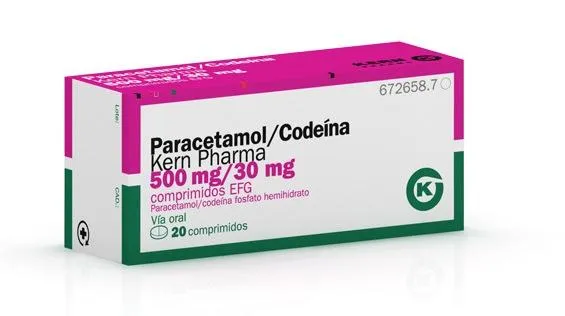
Table of Contents
- Package leaflet: Information for the user
- Introduction
- 1. What Paracetamol/Codeine Pensa is and what it is used for
- 2. What you need to know before starting to take Paracetamol/Codeine Pensa
- Do not take Paracetamol/Codeine Pensa:
- 3. How to take Paracetamol/Codeine Pensa
- Follow exactly the administration instructions for this medicine as indicated by your doctor or pharmacist. If in doubt, consult your doctor or pharmacist again.
- 4. Possible adverse effects
- 5. Storage of Paracetamol/Codeine Pensa
- 6. Contents of the pack and other information
- Composition of Paracetamol/Codeine Pensa
Package leaflet: Information for the user
Introduction
Package leaflet: information for the patient
Paracetamol/Codeine pensa 500 mg/30 mg tablets EFG
Paracetamol/Codeine phosphate hemihydrate
Read the entire leaflet carefully before you start taking this medicine, because it contains important information for you.
- Keep this leaflet, as you may need to read it again.
- If you have any questions, ask your doctor or pharmacist.
- This medicine has been prescribed for you only, and you should not give it to other people, even if they have the same symptoms as you, because it could harm them.
- If you experience any adverse reactions, consult your doctor or pharmacist, even if they are adverse reactions not listed in this leaflet. See section 4.
Leaflet contents
- What Paracetamol/Codeine Pensa is and what it is used for
- What you need to know before taking Paracetamol/Codeine Pensa
- How to take Paracetamol/Codeine Pensa
- Possible side effects
- How to store Paracetamol/Codeine Pensa
- Contents of the pack and other information
1. What Paracetamol/Codeine Pensa is and what it is used for
Paracetamol/Codeine Pensa is a combination of paracetamol and codeine. Paracetamol is an analgesic and antipyretic medicine (relieves pain and reduces fever) with proven efficacy, whose effects are enhanced by the action of codeine, a centrally-acting analgesic.
This medicine is indicated in adults and children over 12 years of age for the short-term treatment of moderate pain that is not relieved by other analgesics such as paracetamol or ibuprofen alone.
This product contains codeine. Codeine belongs to a group of medicines called opioid analgesics, which work by relieving pain. It may be used alone or in combination with other analgesics such as paracetamol.
2. What you need to know before starting to take Paracetamol/Codeine Pensa
Do not take Paracetamol/Codeine Pensa:
- if you are allergic to paracetamol or propacetamol (a precursor of paracetamol), codeine, or any of the other components of this medicine (listed in section 6).
- if you have respiratory depression, acute asthma, or chronic obstructive pulmonary disease (COPD).
- if you have or are at risk of developing paralytic ileus.
- to relieve pain in children and adolescents (0–18 years of age) after tonsil or adenoid removal due to obstructive sleep apnea syndrome.
- if you know you metabolize codeine very rapidly into morphine.
- if you are breastfeeding.
Warnings and precautions
Consult your doctor or pharmacist before starting to take this medicine.
- Do not exceed the recommended dose stated in section 3 – "How to take Paracetamol/Codeine Pensa". Check that you are not simultaneously using other medicines containing paracetamol or codeine.
- Concurrent use of more than one medicine containing paracetamol may lead to poisoning.
- If you have liver, kidney, heart, or lung disease, or have anemia (reduced hemoglobin levels in the blood, with or without reduced red blood cells), you should consult your doctor before taking this medicine.
- If you have any illness affecting your ability to breathe, intracranial lesions (e.g., due to head contusion), asthma or a history of asthma, and are also sensitive to acetylsalicylic acid, you should consult your doctor before taking this medicine.
- If you have thyroid disease, prostate or urethral disorders (causing difficulty in urination), adrenal insufficiency (Addison's disease), or intestinal or gallbladder conditions, you should consult your doctor before taking this medicine.
- Paracetamol should be administered with caution in patients with chronic malnutrition or dehydration.
- Consuming alcoholic beverages (three or more alcoholic drinks per day) may cause paracetamol to cause liver damage.
- In chronic alcoholics, do not exceed 2 g/day of paracetamol.
-Children: Its use is not recommended in children over 12 years of age who have impaired respiratory function. Use with caution in children over 12 years of age who have undergone extensive surgery. See section “Children and adolescents”.
- If you are weak or elderly, consult your doctor before taking this medicine.
- Codeine is converted into morphine by an enzyme in the liver. Morphine is the active substance responsible for pain relief. Some people may have a variation in this enzyme, affecting individuals differently. In some people, morphine is not produced or is produced in very low amounts, resulting in insufficient pain relief. In others, there is a higher likelihood of serious adverse reactions because very high levels of morphine are produced. If you experience any of the following adverse effects, stop taking this medicine immediately and seek medical help: slow or shallow breathing, confusion, drowsiness, pinpoint pupils, nausea and vomiting, constipation, loss of appetite.
- Codeine may inhibit peristalsis, worsening constipation in patients with chronic constipation.
- Prolonged or frequent use of analgesics to treat headaches may worsen symptoms, which should not be treated with higher doses of the medicine.
- The benefit-risk balance during continued use should be periodically reassessed by your doctor.
- If pain persists for more than 3 days, worsens, or new symptoms appear, discontinue treatment and consult your doctor.
Tolerance, dependence, and addiction

Repeated use of opioids may reduce the drug's effectiveness (the body becomes accustomed to it; this is called tolerance). Repeated use of Paracetamol/Codeine Pensa may also lead to dependence, abuse, and addiction, which in turn may result in potentially fatal overdose. The risk of these adverse effects may increase with higher doses and longer duration of use.
Dependence or addiction may make you feel that you have lost control over how much medicine you need to take or how often you need to take it.
The risk of developing dependence or addiction varies from person to person. You may have a higher risk of dependence or addiction to Paracetamol/Codeine Pensa if:
- You or a family member have abused or been dependent on alcohol, prescription medicines, or drugs ("addiction").
- You smoke.
- You have had mood-related problems (depression, anxiety, or personality disorders) or have been treated by a psychiatrist for other psychiatric disorders.
If you notice any of the following signs while taking Paracetamol/Codeine Pensa, it could indicate that you have developed dependence or addiction:
- You need to take the medicine for longer than recommended by your doctor.
- You need to take a higher dose than recommended.
- You feel you need to keep taking the medicine, even if it does not help relieve your pain.
- You take the medicine for reasons other than those for which it was prescribed, e.g., to "feel calm" or "help you sleep".
- You have tried several times to stop taking the medicine or control its use, but failed.
- You feel unwell when you stop taking the medicine and feel better when you resume taking it ("withdrawal effects").
If you notice any of these signs, speak with your doctor to determine the best treatment approach for you, when to stop treatment, and how to do so.
Inform your doctor or pharmacist if you experience any of the following symptoms while taking Paracetamol/Codeine Pensa:
If you have serious conditions such as severe renal failure or sepsis (when bacteria and their toxins circulate in the blood, causing organ damage), or if you have malnutrition, chronic alcoholism, or are also taking flucloxacillin (an antibiotic). A serious condition called metabolic acidosis (an abnormality in blood and body fluids) has been reported in patients in these situations when paracetamol is used at regular doses over a prolonged period or when paracetamol is taken together with flucloxacillin. Symptoms of metabolic acidosis may include: severe difficulty breathing with deep and rapid breathing, drowsiness, feeling unwell (nausea), and vomiting. Pain or increased sensitivity to pain (hyperalgesia) that does not respond to increased doses of the medicine.
Contact your doctor if you have severe abdominal pain possibly radiating to the back, nausea, vomiting, or fever, as these may be symptoms of pancreatitis (inflammation of the pancreas) or biliary tract disorders.
Sleep-related breathing disorders:
Paracetamol/Codeine Pensa may cause sleep-related breathing disorders, such as sleep apnea (pauses in breathing during sleep) and sleep-related hypoxemia (low blood oxygen levels). Symptoms may include pauses in breathing during sleep, waking up at night due to breathlessness, difficulty maintaining sleep, or excessive daytime sleepiness. If you or someone else notices these symptoms, contact your doctor. Your doctor may consider reducing the dose.
Children and adolescents
Use in children and adolescents after surgery
Codeine should not be used for pain relief in children and adolescents after tonsil or adenoid removal due to obstructive sleep apnea syndrome.
Use in children with respiratory problems
The use of codeine is not recommended in children with respiratory problems, as symptoms of morphine toxicity may be worse in these children.
Other medicines and Paracetamol/Codeine Pensa
Inform your doctor or pharmacist if you are taking, have recently taken, or might need to take any other medicine.
- Gabapentin or pregabalin for treating epilepsy or nerve injury-related pain (neuropathic pain).
In particular, if you are using medicines containing any of the following active substances, dose adjustments or discontinuation of treatment may be necessary:
Paracetamol may interact with the following medicines:
- Antibiotics (chloramphenicol)
- Anticoagulants (used to treat thromboembolic disorders)
- Oral contraceptives and estrogen treatments
- Antiepileptics (used to treat epileptic seizures)
- Metoclopramide and domperidone (used to prevent nausea and vomiting)
- Activated charcoal (used for diarrhea or gas treatment)
- Diuretics (used to increase urine elimination)
- Isoniazid (used to treat tuberculosis)
- Lamotrigine (used to treat epilepsy)
- Probenecid (used to treat gout)
- Propranolol (used to treat hypertension, cardiac arrhythmias)
- Rifampicin (used to treat tuberculosis)
- Anticholinergics (used to relieve stomach, intestinal, or bladder spasms/contractions)
- Zidovudine (used to treat HIV infections)
- Cholestyramine (used to lower blood cholesterol levels)
- Flucloxacillin (antibiotic), due to a serious risk of blood and fluid abnormalities (called metabolic acidosis) requiring urgent treatment (see section 2).
Do not use with other analgesics (pain-relieving medicines) without consulting your doctor.
Codeine, in turn, may interact with the following medicines:
- Nalbuphine, buprenorphine, pentazocine (used to treat pain)
- Antidepressants (used to treat depression)
- Sedatives (used to treat depression, anxiety)
- Sedating H1 antihistamines (used to treat allergies)
- Anxiolytics (used to treat anxiety)
- Neuroleptic hypnotics (used to treat insomnia)
- Clonidine and related drugs (used to treat hypertension and migraine)
- Other morphine-like analgesics, barbiturates, benzodiazepines (used to treat pain)
Interference with diagnostic tests:
If you are scheduled to undergo any diagnostic tests (including blood or urine tests, skin tests using allergens, etc.), inform your doctor that you are taking this medicine, as it may alter the test results.
Taking Paracetamol/Codeine Pensa with food, drinks, and alcohol
Using paracetamol in patients who habitually consume alcohol (three or more alcoholic drinks per day: beer, wine, spirits, etc.) may cause liver damage. Additionally, alcohol may enhance the depressant effect of codeine.
Pregnancy and breastfeeding
Pregnancy
Administration of Paracetamol/Codeine Pensa is not recommended during pregnancy. If used, it must always be under the supervision of your doctor, who will assess the potential risks and benefits of treatment. Never exceed the recommended dose.
Breastfeeding
Do not take codeine if you are breastfeeding. Codeine and morphine pass into breast milk.
Driving and using machines
This medicine contains codeine, which may cause drowsiness and impair mental and/or physical abilities. If you experience these effects, avoid driving or operating machinery.
Alcohol may enhance this effect; therefore, alcoholic beverages should not be consumed during treatment.
3. How to take Paracetamol/Codeine Pensa
Follow exactly the administration instructions for this medicine as indicated by your doctor or pharmacist. If in doubt, consult your doctor or pharmacist again.
Before starting treatment and regularly during treatment, your doctor will explain what you can expect from using Paracetamol/Codeine Pensa, when and for how long you should use it, when you should contact your doctor, and when you should stop treatment.
Paracetamol/Codeine Pensa should be used for the shortest period necessary to relieve symptoms. If adequate pain relief is not achieved during treatment with this medicine, you should consult your doctor.
The recommended dose is:
Adults and adolescents over 15 years of age: 1 tablet every 6 hours. The maximum dose per administration is 2 tablets, and the maximum daily dose is 8 tablets.
Adolescents (over 12 years of age) weighing more than 50 kg: 1 tablet every 6 hours. The maximum dose per administration is 1 tablet, l the maximum daily dose is 4 tablets.
Adolescents (over 12 years of age) weighing more than 40 kg: half (1/2) tablet every 4–6 hours. The maximum dose per administration is 1 tablet, l the maximum daily dose is 3 tablets.
Never exceed the maximum recommended dose.
This medicine should not be taken for more than 3 days. If pain does not improve after 3 days, seek advice from your doctor.
Children under 12 years of age must not take Paracetamol/Codeine Pensa due to the risk of serious breathing problems.
Paracetamol/Codeine Pensa should be taken orally. Tablets may be taken with a sip of water or another non-alcoholic liquid.
Administration of this medicine should be based on the presence of painful or feverish symptoms. As these symptoms subside, the medication should be discontinued.
Patients with liver disease: must consult their doctor before taking this medicine.
They should take the amount of medicine prescribed by their doctor, with a minimum interval of 8 hours between doses. They must not take more than 2 grams of paracetamol in 24 hours (4 tablets), divided into several doses.
Patients with kidney disease: must consult their doctor before taking this medicine.
Depending on their condition, their doctor will advise whether the medicine should be taken with a minimum interval of 6 or 8 hours. They must not take more than 2 grams in 24 hours (4 tablets), divided into several doses, and must not exceed 500 milligrams per dose under any circumstances.
Elderly patients: must consult their doctor before taking this medicine.
If you feel that the effect of Paracetamol/Codeine Pensa is too strong or too weak, inform your doctor or pharmacist.
If you take more Paracetamol/Codeine Pensa than you should
If you have taken more Paracetamol/Codeine Pensa than you should, contact your doctor or pharmacist immediately, or call the Toxicology Information Service at 915 620 420, indicating the medicine and the amount ingested.
If you have taken an overdose, you must go immediately to a medical center even if you have no symptoms, as symptoms often do not appear until 3 days after the overdose, even in cases of severe poisoning.
Treatment for overdose is most effective if started within 4 hours after taking the medicine.
An overdose of paracetamol is considered to occur when a single dose exceeding 6 g is ingested in adults (12 tablets of Paracetamol/Codeine Pensa), or more than 100 mg per kg of body weight in children (for a 20 kg child, 4 tablets in a single dose).
Symptoms of overdose due to paracetamol may include: dizziness, vomiting, loss of appetite, yellowing of the skin and eyes (jaundice), abdominal pain.
Symptoms of overdose due to codeine may include: initial excitement, anxiety, inability to fall asleep (insomnia), and later in some cases drowsiness (somnolence), headache (cephalalgia), changes in blood pressure, arrhythmias, dry mouth, skin rashes, tachycardia, seizures, gastrointestinal disturbances, nausea, vomiting, and respiratory depression.
If you forget to take Paracetamol/Codeine Pensa
Do not take a double dose to make up for a missed dose. Take the missed dose as soon as you remember. If your next dose is due soon, skip the missed dose and continue taking the medicine at your usual time. If in doubt, consult your doctor or pharmacist.
If you have any further questions about the use of this medicine, ask your doctor or pharmacist.
4. Possible adverse effects
Like all medicines, this medicine may cause adverse effects, although not everyone will experience them.
The adverse effects observed are described below according to their frequency of occurrence:
Very common (may affect more than 1 in 10 people), common (may affect up to 1 in 10 people), uncommon (may affect up to 1 in 100 people), rare (may affect up to 1 in 1,000 people), and very rare (may affect up to 1 in 10,000 people).
The following adverse effects have been observed with paracetamol:
Rare: Malaise, increased levels of hepatic transaminases (liver enzymes), hypotension (reduction in blood pressure).
Very rare: Allergic reactions (hypersensitivity) ranging from a simple skin rash (redness or inflammation of the skin) or urticaria (hives) to anaphylactic shock (a severe type of allergic reaction), hepatotoxicity (liver toxicity) and jaundice (yellowing of the skin and mucous membranes), hypoglycemia (reduced glucose levels in blood), thrombocytopenia (reduction in platelets in blood), agranulocytosis, leucopenia, neutropenia (decrease in white blood cells in blood), haemolytic anaemia (decrease in red blood cells in blood), sterile pyuria (cloudy urine), adverse renal effects. Very rare cases of serious skin reactions have also been reported.
The following adverse effects have also been described with codeine:
Rare: Malaise, drowsiness (somnolence), constipation, and nausea.
Very rare: Allergic reactions (hypersensitivity) ranging from a simple skin rash (redness or inflammation of the skin) or urticaria (hives) to anaphylactic shock (a severe type of allergic reaction), fever, yellowing of the skin and eyes (jaundice), low blood glucose (hypoglycemia), blood disorders.
Frequency not known (cannot be estimated from available data): A serious condition that may cause the blood to become more acidic (called metabolic acidosis) in patients with severe illness who are using paracetamol (see section 2).
Other possible adverse effects:
Frequency not known (cannot be estimated from available data): Problem affecting a valve in the intestine (Oddi sphincter dysfunction).
Reporting of adverse effects
If you experience any type of adverse effect, talk to your doctor or pharmacist, even if it is a possible adverse effect not listed in this leaflet. You may also report them directly through the national reporting system at www.notificaram.es. By reporting adverse effects, you can help provide more information on the safety of this medicine.
5. Storage of Paracetamol/Codeine Pensa
Where to store Paracetamol/Codeine Pensa:
No special storage conditions are required.
Keep this medicine in a safe place out of reach of other people. It may cause serious harm and can be fatal to individuals for whom it has not been prescribed.
Keep this medicine out of the sight and reach of children.
Do not use this medicine after the expiry date stated on the packaging after EXP. The expiry date refers to the last day of the month indicated.
Medicines must not be disposed of via wastewater or household waste. Dispose of unused medicines and their containers at the SIGRE Point at your pharmacy. If in doubt, ask your pharmacist how to properly dispose of unused medicines and their containers. This way, you will help protect the environment.
6. Contents of the pack and other information
Composition of Paracetamol/Codeine Pensa
-
The active substances are paracetamol and codeine phosphate hemihydrate. Each tablet contains 500 mg of paracetamol and 30 mg of codeine (as hemihydrate phosphate).
-
The other components (excipients) are: pregelatinized corn starch, stearic acid, povidone, crospovidone, microcrystalline cellulose, magnesium stearate of vegetable origin.
Appearance of the medicinal product and contents of the container
Each container contains 20 tablets. The medicine is packaged in PVC/PVDC-white opaque/Al blisters.
Marketing Authorization Holder
Towa Pharmaceutical, S.A.
C/ de Sant Martí, 75-97
08107 Martorelles (Barcelona)
Spain
Manufacturer
FARMALIDER, S.A.
C/ Aragoneses 2
28108 – Alcobendas (Madrid)
Spain
or
TOLL MANUFACTURING SERVICES S.L.
C/ Aragoneses 2
28108 – Alcobendas (Madrid)
Spain
Date of latest revision of this package leaflet: January 2026
Detailed information on this medicine is available on the website of the Spanish Agency for Medicines and Health Products (AEMPS): http://www.aemps.gob.es/