Oxygen Medicinal Liquid Solgroup 99.5% v/v gas for inhalation
Spain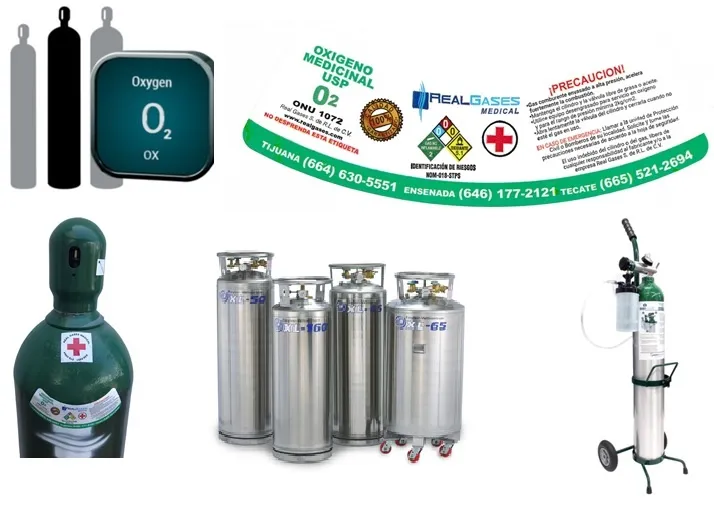
Instructions for Use
Table of Contents
- Introduction
- 1. What medicinal oxygen is and what it is used for
- 2. What you need to know before starting to use Medicinal Oxygen
- 3. How to use Medicinal Oxygen
- 4. Possible adverse effects
- 5. Storage of Medicinal Oxygen
- 6. Contents of the pack and other information
- **Normobaric Oxygen Therapy**
- **Hyperbaric Oxygen Therapy**
Package leaflet: Information for the user
Introduction
Package leaflet: Information for the user
Solgroup Medicinal Liquid Oxygen 99.5 % v/v, inhalation gas
oxygen
Read the entire leaflet carefully before you start using this medicine, as it contains important information for you.
- Keep this leaflet, as you may need to read it again.
If you have any questions, consult your doctor or pharmacist.
- This medicine has been prescribed for you only, and you should not give it to others, even if they have the same symptoms as you, because it could harm them.
- If you experience any adverse effects, consult your doctor or pharmacist, even if they are effects not listed in this leaflet. See section 4.
Contents of the leaflet
- What medicinal oxygen is and what it is used for.
- What you need to know before using medicinal oxygen.
- How to use medicinal oxygen.
- Possible side effects.
- How to store medicinal oxygen.
- Contents of the pack and other information.
The full name of this medicine is Solgroup Medicinal Liquid Oxygen 99.5 % v/v, inhalation gas.
For ease of reference, it will be referred to as "medicinal oxygen" throughout this leaflet.
1. What medicinal oxygen is and what it is used for
Medicinal Oxygen contains oxygen, a gas essential to life. Oxygen treatment can be administered at normal pressure or at elevated pressure.
Oxygen treatment at normal pressure (normobaric oxygen therapy).
Oxygen treatment at normal pressure may be used to treat:
- Low oxygen levels in the blood or in a specific organ, or to prevent them.
- Cluster headache (a specific type of headache causing short but very severe attacks on one side of the head).
Oxygen treatment at high pressure (hyperbaric oxygen therapy).
Oxygen treatment at elevated pressure must only be administered by qualified healthcare professionals to avoid the risk of injury due to significant pressure fluctuations. Oxygen treatment at elevated pressure may be used for:
- Treatment of severe carbon monoxide poisoning (e.g., when the patient is unconscious)
- Gas embolism caused by a sudden decrease in atmospheric pressure (decompression sickness)
- Treatment of blockage in the heart or blood vessels caused by gas bubbles (arterial gas embolism)
- Supportive treatment in cases of bone loss following radiotherapy
- Supportive treatment in cases of tissue necrosis due to infections with gas-producing bacteria.
2. What you need to know before starting to use Medicinal Oxygen
Do not use Medicinal Oxygen
Medicinal oxygen must not be used at pressures higher than atmospheric pressure (hyperbaric oxygen therapy) in cases of untreated or undrained pneumothorax. Pneumothorax occurs due to the accumulation of air in the pleural cavity between the two lung membranes. If you have ever had pneumothorax, inform your doctor.
Warnings and precautions
Before starting oxygen treatment, you should be aware of the following information:
- Oxygen may have harmful effects at high concentrations. This could cause lung damage (collapse of the alveoli, lung inflammation), which would impair oxygen delivery to the blood.
- If you suffer from chronic obstructive pulmonary disease (COPD) with consequent blood oxygen deficiency, the oxygen flow rate will need to be lower. Your doctor will adjust the appropriate oxygen flow rate accordingly.
- Exercise special caution when administering oxygen to newborns and premature infants. This is to minimize the risk of adverse events, such as eye damage. The lowest effective concentration of oxygen that ensures adequate oxygenation should be used.
- Exercise special caution if your blood carbon dioxide levels are elevated, as this may counteract the effects of oxygen.
- If you have respiratory problems triggered by low blood oxygen levels or if you are taking strong analgesics, close medical supervision will be necessary.
- If you have ever had lung injuries, inform your doctor.
Consult your doctor or pharmacist before starting to use medicinal oxygen.
Hyperbaric oxygen therapy
Before starting oxygen treatment at high pressure, inform your doctor if you have:
- Psychiatric disorders (anxiety, psychosis)
- Fear of enclosed spaces (claustrophobia)
- Diabetes (high blood glucose levels); due to the risk of hypoglycemia, blood sugar levels should be measured between hyperbaric therapy sessions
- Respiratory disorders
- If you have ever had pneumothorax, which is an accumulation of air in the pleural cavity between the two lung membranes
- Heart problems
- High blood pressure
- Eye problems
- Ear, nose, and throat disorders
Children
In premature infants and newborns, oxygen therapy may cause eye damage (retinopathy of prematurity). Your doctor will determine the appropriate oxygen concentration to ensure your baby receives correct treatment.
Whenever oxygen is used, the increased risk of fire ignition must always be taken into account.
Use of Medicinal Oxygen with other medicines
Inform your doctor or pharmacist if you are taking, have recently taken, or might need to take any other medicines.
If you are taking or have been prescribed bleomycin (for cancer treatment), amiodarone (for heart conditions), or nitrofurantoin (for treating infections), inform your doctor before using oxygen, as these may increase the risk of pulmonary toxic effects.
Oxygen may worsen pre-existing lung damage caused by the pesticide Paraquat. In cases of Paraquat poisoning, administration of additional oxygen should be avoided as much as possible.
Use of Medicinal Oxygen with food, drinks, and alcohol
Do not consume alcohol while using this medicine. Alcohol may cause respiratory depression.
Pregnancy, breastfeeding, and fertility
- During pregnancy, oxygen at normal pressure (normobaric oxygen therapy) is permitted only if necessary.
- There are no contraindications to the use of oxygen during breastfeeding.
Treatment with oxygen at high pressure (hyperbaric oxygen therapy) should be used during pregnancy or if you suspect you might be pregnant only if strictly necessary. Inform the doctor in charge of your treatment or the specialist if this applies to you.
If you are pregnant or breastfeeding, think you may be pregnant, or plan to become pregnant, consult your doctor or pharmacist before using any medicine.
Driving and use of machines
Medicinal oxygen at normal pressure (normobaric oxygen therapy) does not affect the ability to drive or operate machinery.
After receiving oxygen treatment at high pressure (hyperbaric oxygen therapy), you may experience visual and auditory disturbances that could affect your ability to drive or operate machinery.
3. How to use Medicinal Oxygen
Follow exactly the administration instructions for this medicine given by your doctor or pharmacist. If in doubt, consult your doctor or pharmacist again. Under no circumstances should you change by yourself the oxygen concentration being administered to you or your child.
Dosage
Oxygen therapy at normal pressure (normobaric oxygen therapy)
- If blood oxygen concentration or that of a specific organ is too low:
Your doctor will indicate how long and how many times per day you should administer Medicinal Oxygen, as the dose may vary depending on each patient. The goal is always to use the lowest effective oxygen concentration possible. However, the actual oxygen concentration for inhalation must never be less than 21% and may be increased up to 100%.
- To treat respiratory problems when blood oxygen levels are reduced (hypoxia) or as respiratory stimulation (e.g., in lung diseases such as COPD):
The oxygen concentration will be maintained below 28%, and sometimes below 24%. Oxygen concentrations for inhalation in newborn infants should remain below 40% and may only be increased to 100% in very exceptional cases. The lowest effective oxygen concentration that achieves adequate oxygenation should be used. Fluctuations in oxygen saturation should be avoided whenever possible.
- To treat cluster headache:
100% oxygen is administered at a flow rate of 7 liters per minute for a period of 15 minutes via a mask. Treatment should be started at the onset of the first symptoms.
How to use oxygen therapy at normal pressure
- Medicinal Oxygen is a gas for inhalation administered using special equipment such as a nasal cannula or a mask. Excess oxygen is expelled from the body through exhalation and mixes with ambient air (known as a "non-rebreathing" system).
- If you are unable to breathe on your own, artificial respiratory support will be provided. During anesthesia, special equipment with rebreathing or recycling systems is used so that exhaled air is inhaled again (known as a "rebreathing" system).
- Oxygen may also be administered directly into the bloodstream using a so-called "oxygenator," in situations such as cardiac surgery with cardiopulmonary bypass and other conditions requiring extracorporeal circulation.
How to receive hyperbaric oxygen therapy
- Hyperbaric oxygen therapy must only be administered by healthcare professionals to avoid the risk of injury due to significant pressure fluctuations.
- Depending on your condition, each session of hyperbaric oxygen therapy lasts between 45 and 300 minutes. The treatment may consist of one or two sessions, but long-term treatment may require up to 30 or more sessions, with several sessions per day if necessary.
- Hyperbaric oxygen therapy is administered in a special pressurization chamber.
- Hyperbaric oxygen therapy may also be delivered via a tightly fitted face mask, a hood covering the head, or a tube placed in the mouth.
If you use more Medicinal Oxygen than you should
In case of overdose, contact your doctor or pharmacist immediately or call the Toxicology Information Service at telephone number 91 562 04 20, indicating the medicine and the amount inhaled.
The toxic effects of oxygen may vary depending on the pressure of the inhaled oxygen and the duration of exposure. At low pressure (0.5 to 2.0 bar), toxic effects are more likely to occur in the lungs (pulmonary system) than in the brain and spinal cord (central nervous system). At high pressure, the opposite is true.
Effects on the lungs (pulmonary system) include breathing difficulties, cough, and chest pain.
Effects on the brain and spinal cord (central nervous system) include tinnitus, hearing and visual disturbances, nausea, dizziness, anxiety, confusion, localized muscle cramps (around the eyes, mouth, and forehead), fainting, and convulsions (epileptic seizures).
Ocular effects include blurred vision and reduced peripheral vision ("tunnel vision").
In case of oxygen intoxication due to hyperoxia, oxygen therapy should be reduced or, if possible, interrupted, and symptomatic treatment initiated.
If you forget to use Medicinal Oxygen
Use oxygen as described in the dosage section of this leaflet. Do not use a double dose to make up for a missed dose, as Medicinal Oxygen could be harmful at high concentrations.
If you stop using Medicinal Oxygen
Do not stop treatment with this medicine on your own initiative. Consult your doctor or pharmacist.
Safety measures for the use of medicinal oxygen
Oxygen is an oxidizing agent and promotes combustion. Smoking and open flames (e.g., pilot lights, stoves, ovens, gas fireplaces, sparks, candles, etc.) must not be present in rooms where medicinal oxygen is used, as this increases the risk of fire.
Handle the cylinder with care. Ensure the gas cylinder does not fall or suffer impacts.
If you have any further questions about the use of this medicine, ask your doctor or pharmacist.
4. Possible adverse effects
Like all medicines, this medicine can cause adverse effects, although not everyone will experience them.
Very common (may affect more than 1 in 10 people)
With normobaric treatment: In newborns exposed to high oxygen concentrations: eye damage, which may lead to vision impairment.
With hyperbaric treatment: ear pain, myopia, barotrauma (tissue or organ injuries caused by a change in pressure).
Common (may affect up to 1 in 10 people)
With hyperbaric treatment: Seizures
Uncommon (may affect up to 1 in 100 people)
With normobaric treatment: Lung collapse (atelectasis).
With hyperbaric treatment: Rupture of the eardrum
Rare (may affect up to 1 in 1,000 people)
With hyperbaric treatment: Dyspnea, abnormally low blood sugar levels in diabetic patients.
Frequency not known (cannot be estimated from available data)
With normobaric treatment: Pulmonary toxicity, worsening of excess carbon dioxide in the blood (hypercapnia), dryness of the mucous membrane, local irritation and inflammation of the mucosa.
With hyperbaric treatment: Difficulty breathing, involuntary muscle contractions, dizziness, hearing disturbances, acute serous otitis, ringing or buzzing in the ears (tinnitus), nausea, abnormal behaviour, reduced peripheral vision, visual changes, lens opacity (cataracts).
Reporting of adverse effects
If you experience any type of adverse effect, consult your doctor or pharmacist, even if it is a possible adverse effect not listed in this leaflet. You may also report them directly via the Spanish Pharmacovigilance System for Human Medicines: www.notificaRAM.es. By reporting adverse effects, you can help provide more information on the safety of this medicine.
5. Storage of Medicinal Oxygen
Keep this medicine out of the sight and reach of children.
Do not use Medicinal Oxygen after the expiry date stated on the container/tank, following the abbreviation EXP. The expiry date refers to the last day of the month indicated.
Store the container/tank in a well-ventilated area within a temperature range of -20 °C to +50 °C. Keep it away from flammable and combustible materials, heat sources, or flames. In case of fire risk, move it to a safe location.
Do not smoke near the container/tank.
Transport must be carried out in accordance with international regulations for the transport of dangerous goods.
Avoid any contact with oils, greases, or hydrocarbons.
6. Contents of the pack and other information
Composition of Medicinal Oxygen
- The active substance is oxygen, at a concentration greater than 99.5% v/v.
- It contains no excipients.
Appearance of the product and contents of the container
Solgroup Medicinal Liquid Oxygen is a gas for inhalation.
It is supplied in liquid form in a special container.
Oxygen is a colorless, tasteless, and odorless gas.
In liquid form, it is blue in color.
Solgroup Medicinal Liquid Oxygen is packaged in mobile cryogenic tanks and fixed cryogenic containers.
The mobile cryogenic tanks consist of an outer and an inner shell made of stainless steel. The valves are made of brass, stainless steel, and bronze, and are specially designed for low temperatures.
These tanks contain oxygen in liquid form at very low temperatures.
The capacity of the tanks ranges from 9,000 to 26,000 liters.
Each liter of liquid oxygen provides 853 liters of gaseous oxygen at 15 °C and 1 bar.
Content of the tank in liters | Capacity for liquid oxygen in liters | Equivalent amount of gaseous oxygen in m³ at 15°C and 1 atm |
9,000 | 9,000 | 7,677 |
a | ||
26,000 | 26,000 | 22,178 |
Only certain tank sizes may be marketed.
Fixed cryogenic containers are special double-walled steel tanks with a high vacuum between the walls. The valves are made of brass, stainless steel, and bronze and are specially designed for low temperatures.
These containers hold oxygen in liquid form at very low temperatures.
The capacity of the containers can reach up to 50,000 liters.
Each liter of liquid oxygen provides 853 liters of gaseous oxygen at 15 °C and 1 bar.
Container content in liters | Capacity for liquid oxygen in liters | Equivalent amount of gaseous oxygen in m³ at 15°C and 1 atm |
up to 50,000 liters | 50,000 liters | 42,650 |
Some container sizes may not be marketed.
Marketing Authorization Holder
SOL S.p.A.
Via Borgazzi 27
20900 Monza
Italy
Local representative:
Sol France Sucursal en España
Calle Yeso, número 2
28500 Arganda del Rey (Madrid)
Spain
Manufacturer responsible
SOL spa
Zoning –Industriel de Feluy –
Zone B, 7180 Seneffe
Belgium
SPG - SOL Plin Gorenjska d.o.o.
Cesta železarjev 8,
SI-4270 Jesenice
Slovenia
SOL Bulgaria JSC
12 Vladaiska Reka Str., Poduiane area
1510 Sofia
Bulgaria
SOL Bulgaria JSC
South Industrial Zone, Complex Agropolychim AD,
9160 Devnya
Bulgaria.
Sol France, sucursal España (SOLFSE),
Calle Telégraf, s/n, Nt.17-19,
Polígono Industrial Sota el Molí,
08160 Montmeló, (Barcelona),
Spain
SOL Hellas S.A
Ellados Sindos, Industrial
zone Sindos 12th km
Thessaloniki-Edessa
Thessaloniki, GR-570 08,
Greece
SOL Hellas S.A.
Sximatari,
59th km Athens-Lamia National Road, Viotia,
32009, Greece
This medicinal product is authorized in the Member States of the European Economic Area under the following names:
Belgium: Oxygène Médicinal Liquide SOL
Bulgaria: ?????????? ????????, ????? SOL
Czech Republic: Kyslík medicinální kapalný SOL, 100%, Medicinální plyn, kryogenní
Greece: Φαρμακευτικ? Οξυγ?νο σε υγρ? μορφ? SOL
Hungary: Oxigén SOL
Luxembourg: Oxygène Médicinal Liquide SOL
Portugal: Oxygénio medicinal liquid SOL
Romania: Oxigen SOL
Slovakia: Medicinálny kyslík kvapalný SOL
Slovenia: Medicinski kisik SOL 100% medicinski plin, kriogenski
Spain: Oxígeno medicinal líquido Solgroup
Netherlands: Zuurstof Medicinaal Vloeibaar SOL
United Kingdom: Liquid Medical Oxygen
Date of the most recent revision of this leaflet:
This information is intended exclusively for healthcare professionals:
Dosage
The concentration, flow rate, and duration of treatment must be determined by a physician according to the characteristics of each pathology.
Hypoxemia is a disorder in which arterial partial pressure of oxygen (PaO2) is below 10 kPa (< 70 mmHg). An oxygen pressure level of 8 kPa (55/60 mmHg) results in respiratory failure.
Hypoxemia is treated by enriching the air inhaled by the patient with additional oxygen. The decision to initiate oxygen therapy depends on the degree of hypoxemia and the individual patient's tolerance level.
In all cases, the goal of oxygen therapy is to maintain a PaO2 > 60 mmHg (7.96 kPa) or arterial oxygen saturation ≥ 90%.
If oxygen is administered diluted in another gas, the concentration of oxygen in the inspired air (FiO2) must be at least 21%.
Oxygen therapy at normal pressure (normobaric oxygen therapy):
Oxygen administration must be performed with caution. The dose should be adjusted to the individual patient's needs, oxygen pressure should be maintained above 8.0 kPa (or 60 mmHg), and hemoglobin oxygen saturation should be > 90%. Regular monitoring of arterial oxygen pressure (PaO2) or pulse oximetry (arterial oxygen saturation [SpO2]) and clinical signs is necessary. The aim is that the air inhaled by each patient always contains the lowest effective oxygen concentration possible—the minimum dose required to maintain a pressure of 8 kPa (60 mmHg)/saturation > 90%. Administration of high concentrations should be as brief as possible and under strict control of blood gas values.
Oxygen can be safely administered at the following concentrations and for the indicated durations:
Up to 100% for less than 6 hours.
60–70% for 24 hours.
40–50% during the second 24-hour period.
Oxygen is potentially toxic at concentrations above 40% after two days.
Neonates are not included in these guidelines because retrolental fibroplasia occurs at much lower FiO2 levels. To achieve adequate and appropriate oxygenation in neonates, the lowest effective concentrations should be selected.
- Patients with spontaneous breathing:
The effective oxygen concentration is at least 24%. Typically, a minimum of 30% oxygen is administered to ensure therapeutic concentrations with a safety margin.
Treatment with high oxygen concentration (> 60%) over short periods is indicated in cases of severe asthma attack, pulmonary embolism, pneumonia, pulmonary fibrosis, etc.
Low oxygen concentration is indicated for the treatment of patients with chronic respiratory failure caused by chronic obstructive airway disorder or other causes. The oxygen concentration should not exceed 28%, and for some patients, even 24% may be excessive.
Higher oxygen concentrations (in some cases up to 100%) may be administered, although it is very difficult to achieve concentrations > 60% (or 80% in children) with most delivery devices.
The dose should be adjusted to the individual patient's needs, with flow rates ranging from 1 to 10 liters of gas per minute.
- Patients with chronic respiratory failure:
Oxygen should be administered at flow rates ranging from 0.5 to 2 liters/minute, and the flow rate should be adjusted according to blood gas values. The effective oxygen concentration should be maintained below 28%, and occasionally even below 24% in patients with respiratory disorders who depend on hypoxia as a respiratory stimulus.
- Chronic respiratory failure caused by chronic obstructive pulmonary disease (COPD) or other diseases:
Treatment is adjusted according to blood gas values. Arterial partial pressure of oxygen (PaO2) should be > 60 mmHg (7.96 kPa) and arterial oxygen saturation ≥ 90%.
The most common administration rate is 1 to 3 liters/minute for 15 to 24 hours/day, including paradoxical sleep (the most sensitive period to hypoxemia during a day). During a stable disease phase, monitoring of CO2 concentrations twice every 3 or 4 weeks or three times per month is recommended, as CO2 concentrations may increase during oxygen administration (hypercapnia).
- Patients with acute respiratory failure:
Oxygen should be administered at a rate varying from 0.5 to 15 liters/minute, and the flow rate should be adjusted according to blood gas values. In emergencies, patients with severe breathing difficulties may require considerably higher doses (up to 60 liters/minute).
- Patients on mechanical ventilation:
If oxygen is mixed with other gases, the fraction of oxygen in the inhaled gas mixture (FiO2) must not fall below 21%. In practice, 30% tends to be the lower limit. If necessary, the inhaled oxygen fraction can be increased up to 100%.
- Pediatric population:
Newborns:
In exceptional cases, oxygen concentrations up to 100% may be administered to newborn infants; however, treatment must be closely supervised. The lowest effective concentrations should be used to achieve adequate oxygenation. As a general rule, oxygen concentrations above 40% in the inhaled air should be avoided due to the risk of ocular damage (retinopathy) or pulmonary collapse. Arterial blood oxygen pressure should be carefully monitored and maintained below 13.3 kPa (100 mmHg). Fluctuations in oxygen saturation should be avoided. Preventing substantial fluctuations in oxygenation may reduce the risk of ocular damage. (See also section 4.4).
- Cluster headache:
In cluster headache, 100% oxygen is administered at a flow rate of 7 liters/minute for 15 minutes via a well-fitted facial mask. Treatment should begin at the onset of the attack.
Hyperbaric oxygen therapy:
Doses and pressure must always be adapted to the patient's clinical condition, and treatment may only be administered after medical consultation. However, the following recommendations are based on current knowledge:
Hyperbaric oxygen therapy is administered at pressures above 1 atmosphere (1.013 bar), typically between 1.4 and 3.0 atmospheres (usually between 2 and 3 atmospheres). Hyperbaric oxygen is delivered in a specially pressurized chamber. High-pressure oxygen therapy can also be administered via a well-fitted facial mask with a hood covering the head or through a tracheal tube.
Each treatment session lasts from 45 to 300 minutes, depending on the indication.
Sometimes, acute hyperbaric oxygen therapy consists of only one or two sessions, while chronic treatment may involve up to 30 sessions or more. If necessary, sessions may be repeated two or three times daily.
- Carbon monoxide poisoning:
In cases of carbon monoxide poisoning, oxygen should be administered as soon as possible at high concentrations (100%) until carboxyhemoglobin concentration drops below dangerous levels (approximately 5%). Hyperbaric oxygen (from 3 atmospheres) is indicated in patients with acute CO poisoning or those exposed for ≥24 hours. Additionally, pregnant patients, patients who have lost consciousness, or those with higher carboxyhemoglobin levels justify hyperbaric oxygen treatment. Normobaric oxygen should not be used between multiple hyperbaric oxygen treatments, as it may contribute to toxicity. Hyperbaric oxygen also appears to have potential for delayed treatment of CO poisoning using multiple low-dose oxygen treatments.
- Patients with decompression sickness:
Rapid treatment at 2.8 atmospheres is recommended, with up to 10 repetitions if symptoms persist.
- Patients with arterial gas embolism:
In this case, doses are adapted to the patient's clinical condition and blood gas values. Target values are: PaO2 > 8 kPa or 60 mmHg, hemoglobin saturation > 90%.
- Patients with osteoradionecrosis:
Hyperbaric oxygen treatment for radiation-induced lesions typically consists of daily 90- to 120-minute sessions at 2.0 to 2.5 atmospheres for approximately 40 days.
- Patients with clostridial myonecrosis:
A 90-minute treatment at 3.0 atmospheres during the first 24 hours is recommended, followed by twice-daily treatments for 4 or 5 days until clinical improvement is observed.
Method of administration
Normobaric Oxygen Therapy
Oxygen is administered via the inhaled air, preferably using equipment designed for this purpose (e.g., a nasal cannula or a mask). Using this equipment, oxygen is delivered together with the inhaled air. Subsequently, the gas and any excess oxygen exit the patient with the exhaled air and mix with the ambient air (a "non-rebreathing" system). In many cases during anesthesia, special systems with rebreathing or gas-recycling mechanisms are used, allowing exhaled air to be inhaled again (a "rebreathing" system).
If the patient is unable to breathe independently, artificial respiratory support can be provided. Alternatively, oxygen can be injected directly into the bloodstream using a device known as an oxygenator. The use of extracorporeal gas exchange devices facilitates oxygenation and decarboxylation without the damage associated with aggressive mechanical ventilation strategies. The oxygenator, which acts as an artificial lung, provides more efficient oxygen transfer, thereby maintaining blood gas levels within acceptable clinical ranges. After recovery of pulmonary function, extracorporeal blood flow and gas flow are gradually reduced and eventually stopped. This occurs, for example, during cardiac surgery using a cardiopulmonary bypass system, as well as in other situations requiring extracorporeal circulation, including acute respiratory failure.
Hyperbaric Oxygen Therapy
Hyperbaric oxygen treatment is administered in a special pressurized chamber where the ambient pressure can be increased up to three times the atmospheric pressure. Hyperbaric oxygen treatment can also be delivered via a tightly fitted facial mask, a hood covering the head, or through a tracheal tube.
Only the gas supplier is permitted to handle these containers.
Detailed and up-to-date information about this medication is available on the website of the Spanish Agency for Medicines and Health Products (AEMPS) http://www.aemps.gob.es/
Similar Medications
-
Medicinal oxygen liquid Linde Gas medicinal cryogenic 99.5% V/V in mobile cryogenic containers
Form: gas, medicinal cryogenic
Active substance Dosage OXYGEN 99,5 % V/V Manufacturer: Linde Medica, S.L.U.
-
Oxygen Medicinal Liquid Solspa 99.5% v/v gas for inhalation
Form: gas, medicinal cryogenic
Active substance Dosage OXYGEN 100 % Manufacturer: Sol S.P.A.
-
Oxygen Medicinal Liquid Vivisol 99.5% medicinal cryogenic gas
Form: gas, medicinal cryogenic
Active substance Dosage OXYGEN 100 % Manufacturer: Vivisol Iberica S.L.
This page has been machine-translated and may contain inaccuracies. The original data is available in the manufacturing country's language.
Last data check: May 18, 2026 · Data source: CIMA — AEMPS