Oxycodone/naloxone Sandoz 10 mg/5 mg prolonged-release tablets EFG
Spain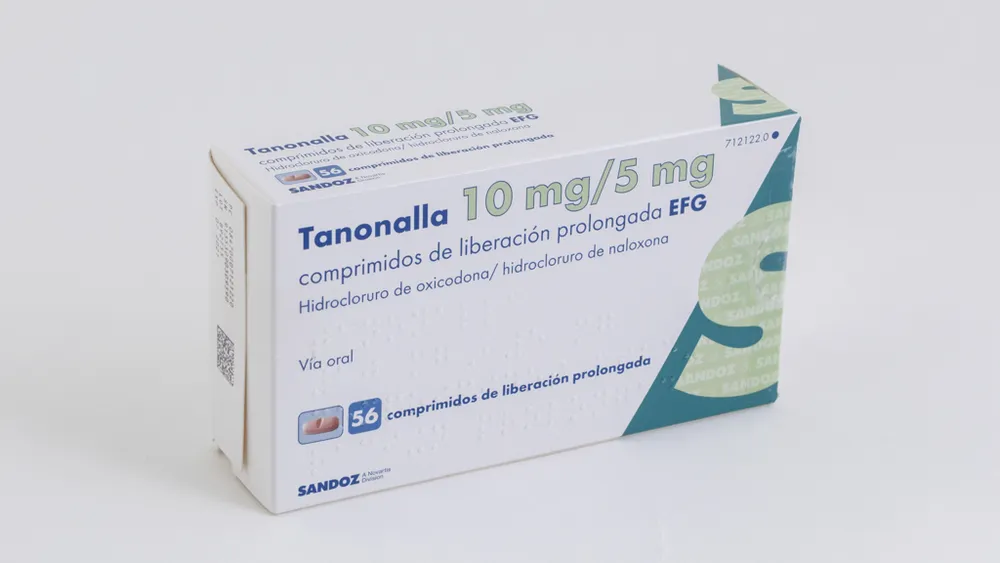
Table of Contents
- Package leaflet: Information for the user
- Introduction
- 1. What Oxicodona/Naloxona Sandoz is and what it is used for
- 2. What you need to know before taking OxyCODONE/NALOXONE Sandoz
- 3. How to take Oxycodeone/Naloxone Sandoz
- 4. Possible adverse effects
- 5. Storage of Oxycodeine/Naloxone Sandoz
- 6. Contents of the container and other information
Package leaflet: Information for the user
Introduction
Package leaflet: information for the patient
Oxycodone/Naloxone Sandoz 10 mg/5 mg prolonged-release tablets EFG
oxycodone hydrochloride/naloxone hydrochloride
Read the entire leaflet carefully before you start taking this medicine because it contains important information for you.
-
Keep this leaflet as you may need to read it again.
-
If you have any questions, ask your doctor or pharmacist.
-
This medicine has been prescribed for you only. Do not pass it on to other people, even if they have the same symptoms as you, because it may harm them.
- If you experience any adverse effects, consult your doctor or pharmacist, even if they are adverse effects not listed in this leaflet. See section 4.
Contents of the leaflet
- What Oxicodona/Naloxona Sandoz is and what it is used for
- What you need to know before taking Oxicodona/Naloxona Sandoz
- How to take Oxicodona/Naloxona Sandoz
- Possible side effects
- How to store Oxicodona/Naloxona Sandoz
- Contents of the pack and other information
1. What Oxicodona/Naloxona Sandoz is and what it is used for
Oxicodona/Naloxona Sandoz is a prolonged-release tablet, which means that its active substances are released over an extended period of time. Its effect lasts for 12 hours.
These tablets are for adult use only.
Pain relief
You have been prescribed oxicodone/naloxone for the treatment of severe pain that can only be adequately managed with opioid analgesics. Naloxone hydrochloride is added to counteract constipation.
How these tablets work for pain relief
Oxicodona/Naloxona Sandoz contains as active substances oxycodone hydrochloride and naloxone hydrochloride. Oxycodone hydrochloride is responsible for the analgesic effect of oxicodone/naloxone and is a potent analgesic belonging to the opioid group.
The second active substance in Oxicodona/Naloxona Sandoz, naloxone hydrochloride, serves to counteract constipation. Gastrointestinal dysfunction (e.g., constipation) is a common side effect of treatment with opioid analgesics.
2. What you need to know before taking OxyCODONE/NALOXONE Sandoz
Do not take OxyCODONE/NALOXONE Sandoz:
- if you are allergic to oxycodone hydrochloride, naloxone hydrochloride, or to any of the other ingredients of this medicine (listed in section 6),
- if you have breathing problems, such as slower or weaker breathing than expected (respiratory depression),
- if you have severe lung disease associated with narrowing of the airways (chronic obstructive pulmonary disease or COPD),
- if you have a disorder called cor pulmonale. This condition involves enlargement of the right side of the heart due to increased pressure in the blood vessels of the lungs, etc. (e.g., as a result of COPD, see above),
- if you have severe bronchial asthma,
- if you have paralytic ileus (a type of intestinal obstruction) not caused by opioids,
- if you have moderate to severe liver problems.
Warnings and precautions
Talk to your doctor or pharmacist before starting treatment with oxycodone/naloxone
- if you are an elderly or debilitated (weak) patient,
- if you have paralytic ileus (a type of intestinal obstruction) caused by opioids,
- if you have kidney problems,
- if you have mild liver disorder,
- if you have severe lung disorder (e.g., reduced breathing capacity),
- if you have a condition characterized by frequent pauses in breathing during sleep, which may make you feel very sleepy during the day (sleep apnea),
- if you have myxedema (a thyroid disorder characterized by dryness, coldness, and swelling of the skin, affecting the face and extremities),
- if your thyroid gland does not produce enough hormones (underactive thyroid or hypothyroidism),
- if your adrenal glands do not produce enough hormones (adrenal insufficiency or Addison's disease),
- if you have a mental disorder accompanied by a (partial) loss of sense of reality (psychosis), due to alcoholism or intoxication with other substances (substance-induced psychosis),
- if you have problems related to gallstones,
- if you have abnormal enlargement of the prostate (prostate hypertrophy),
- if you suffer from alcoholism or delirium tremens,
- if you have inflammation of the pancreas (pancreatitis),
- if you have low blood pressure (hypotension),
- if you have high blood pressure (hypertension),
- if you have any previous cardiovascular disease,
- if you have a head injury (due to the risk of increased pressure in the brain),
- if you have epilepsy or are prone to seizures,
- if you are also receiving treatment with MAO inhibitors (used to treat depression, Parkinson's disease, or bacterial infections), e.g.: medicines containing tranylcypromine, phenelzine, isocarboxazid, moclobemide, and linezolid,
- if you feel drowsy or if you sometimes fall asleep suddenly.
This medicine may cause breathing problems while you sleep. These problems may include pauses in breathing during sleep, waking up due to breathlessness, difficulty staying asleep, or excessive daytime sleepiness. If you or someone else notices these symptoms, contact your doctor. Your doctor may consider reducing the dose.
Inform your doctor if you have had any of these conditions in the past. Also inform your doctor if you develop any of them during treatment with oxycodone/naloxone.
The most serious consequence of opioid overdose is respiratory depression (slow and shallow breathing). This may also lead to decreased oxygen levels in the blood, which can cause fainting, etc.
Inform your doctor if you have cancer associated with peritoneal metastases or with initial intestinal obstruction in advanced stages of gastrointestinal and pelvic cancers.
Contact your doctor if you experience severe upper abdominal pain that may extend to the back, nausea, vomiting, or fever, as these may be symptoms associated with inflammation of the pancreas (pancreatitis) or of the biliary tract system.
If you experience severe diarrhea at the beginning of treatment, it may be due to the effect of naloxone. It may be a sign that intestinal function is normalizing. This diarrhea may occur during the first 3 to 5 days of treatment. If it persists beyond this 3- to 5-day period, or if you are concerned, contact your doctor.
If you have been taking another opioid, you may experience withdrawal symptoms shortly after starting treatment with oxycodone/naloxone, e.g.: restlessness, sweating episodes, and muscle pain. If you experience any of these symptoms, you may require special monitoring by your doctor.
Like other opioids, oxycodone may affect the normal production of hormones in the body such as cortisol or sex hormones, especially if high doses are taken for long periods of time. If you notice persistent symptoms such as malaise (including vomiting), loss of appetite, fatigue, weakness, dizziness, changes in menstrual cycle, impotence, fertility issues, or decreased sexual desire, consult your doctor so that your hormone levels can be monitored.
Surgery
If you need to undergo surgery, inform the medical staff that you are being treated with oxycodone/naloxone.
Long-term treatment
If you use oxycodone/naloxone for a long time, you may develop tolerance. This means you may need a higher dose to achieve the desired pain relief. Prolonged use of oxycodone/naloxone may also lead to physical dependence. Withdrawal symptoms may occur if treatment is stopped suddenly (restlessness, sweating episodes, muscle pain). If you no longer need the treatment, you should gradually reduce the daily dose, consulting with your doctor.
Tolerance, dependence, and addiction
This medicine contains oxycodone, which is an opioid, and may cause dependence and/or addiction. |
Psychological dependence
The active ingredient oxycodone hydrochloride, when uncombined, has the same abuse characteristics as other strong opioids (potent analgesics). It may cause psychological dependence. Medicinal products containing oxycodone hydrochloride should be avoided in patients with current or past history of alcohol, drug, or medication abuse.
Incorrect use of Oxicodona/Naloxona Sandoz
These tablets are not suitable for the treatment of withdrawal syndrome.
The tablet must not be broken, chewed, or crushed. However, the tablet may be divided into equal doses (see section 3, "How to take Oxicodona/Naloxona Sandoz").
Breaking, chewing, or crushing prolonged-release tablets may lead to the absorption of a potentially fatal dose of oxycodone hydrochloride (see section 3, "If you take more Oxicodona/Naloxona Sandoz than you should").
Never misuse oxicodone/naloxone, especially if you suffer from drug addiction. If you are addicted to substances such as heroin, morphine, or methadone, you may experience severe withdrawal symptoms if you misuse oxicodone/naloxona, because it contains the active ingredient naloxone. Pre-existing withdrawal symptoms may worsen.
You should also never dissolve these tablets to inject them (e.g., into a blood vessel). This is because they contain talc, which may cause local tissue destruction (necrosis) and lung tissue disorders (pulmonary granuloma). This type of abuse may also lead to other serious consequences and even death.
You may notice tablet residue in your faeces. Do not be alarmed, as the active substances (oxycodone hydrochloride and naloxone hydrochloride) have already been released while the tablet passed through the stomach and intestine and have started to take effect in your body.
Doping
Use of this medicine may result in positive anti-doping test results. Using this medicine as a doping agent may endanger health.
Children and adolescents
Oxicodona/naloxona has not been studied in children and adolescents under 18 years of age. Its safety and efficacy have not been established in children and adolescents. Therefore, its use is not recommended in children and adolescents under 18 years of age.
Other medicines and Oxicodona/Naloxona Sandoz
Inform your doctor or pharmacist if you are taking, have recently taken, or might need to take any other medicines.
Concomitant use of oxycodone hydrochloride/naloxone hydrochloride and sedative medicines such as benzodiazepines or related medicines (medicines that may affect brain function, see below) increases the risk of drowsiness, breathing difficulties (respiratory depression), coma, and may be life-threatening. Therefore, concomitant use should only be considered when no other treatment options are possible.
However, if your doctor prescribes oxicodone/naloxone hydrochloride together with sedative medicines, your doctor should limit the dose and duration of concomitant treatment.
Inform your doctor about all sedative medicines you are taking and carefully follow the doses recommended by your doctor. It may be helpful to inform friends or family members about the signs and symptoms mentioned above. Contact your doctor if you experience such symptoms.
Some examples of medicines that may affect brain function include:
- other strong analgesics (opioids),
- medicines used to treat epilepsy, pain, and anxiety, such as gabapentin and pregabalin,
- sleeping pills and tranquilizers (sedative medicines, including benzodiazepines, hypnotics, anxiolytics),
- medicines used to treat depression,
- medicines used to treat allergies, dizziness, or nausea (antihistamines or antiemetics),
- medicines used to treat psychiatric or mental disorders (phenothiazines, neuroleptics, antipsychotics),
- muscle relaxants,
- medicines used to treat Parkinson's disease.
The risk of side effects increases when antidepressants (such as citalopram, duloxetine, escitalopram, fluoxetine, fluvoxamine, paroxetine, sertraline, venlafaxine) are used. These medicines may interact with oxycodone, and symptoms such as rhythmic and involuntary muscle contractions, including muscles controlling eye movements, restlessness, excessive sweating, tremor, exaggerated reflexes, increased muscle tension, and body temperature above 38°C may occur. Contact your doctor if you experience these symptoms.
- If you take these tablets together with other medicines, the effects of the tablets or the other medicines listed below may change. Inform your doctor if you are taking:
- medicines that reduce blood clotting ability (coumarin derivatives), as blood clotting speed may increase or decrease,
- macrolide antibiotics (such as clarithromycin, erythromycin, or telithromycin),
- antifungal agents of the -azole type (such as ketoconazole, voriconazole, itraconazole, or posaconazole),
- a specific type of medicine used to treat HIV (protease inhibitors, such as ritonavir, indinavir, nelfinavir, or saquinavir),
- cimetidine (a medicine used to treat stomach ulcers, indigestion, or heartburn),
- rifampicin (used to treat tuberculosis),
- carbamazepine (used to treat seizures or convulsions and certain painful conditions),
- phenytoin (used to treat seizures or convulsions).
- a herbal medicine called St. John's wort (also known as Hypericum perforatum),
- quinidine (a medicine used to treat arrhythmias).
Taking Oxicodona/Naloxona Sandoz with food, drinks, and alcohol
Drinking alcohol while taking oxicodona/naloxona may make you feel more drowsy or increase the risk of serious adverse effects such as shallow breathing with risk of respiratory arrest, and loss of consciousness. It is recommended not to drink alcohol while taking oxicodona/naloxona.
You should avoid drinking grapefruit juice while taking oxicodona/naloxona.
Pregnancy and breastfeeding
If you are pregnant or breastfeeding, think you may be pregnant, or plan to become pregnant, consult your doctor or pharmacist before using this medicine.
Pregnancy
This medicine should be avoided during pregnancy as much as possible. If used for prolonged periods during pregnancy, oxycodone hydrochloride may cause withdrawal symptoms in the newborn. If oxycodone hydrochloride is administered during childbirth, the newborn may experience respiratory depression (slow and shallow breathing).
Breastfeeding
Breastfeeding must be discontinued during treatment with oxicodona/naloxona. Oxycodone hydrochloride passes into breast milk. It is not known whether naloxone hydrochloride also passes into breast milk. Therefore, risk to the breastfed infant cannot be ruled out, especially if the mother receives multiple doses of this medicine.
Driving and using machines
Oxicodona/naloxona may affect your ability to drive and use machines. This is especially true at the beginning of treatment with this medicine, after a dose increase, or after switching from another medication. However, these adverse effects disappear once the dose of this medicine is stabilized.
Oxicodona/naloxona has been associated with drowsiness and sudden episodes of falling asleep. If you experience these adverse effects, you must not drive or operate machinery. If this occurs, inform your doctor.
Ask your doctor whether you can drive or use machines while being treated with this medicine.
Oxicodona/Naloxona Sandoz contains sodium
This medicine contains less than 1 mmol of sodium (23 mg) per prolonged-release tablet; hence, it is essentially “sodium-free”.
3. How to take Oxycodeone/Naloxone Sandoz
Follow exactly the instructions for using this medicine as given by your doctor. If in doubt, consult your doctor or pharmacist again.
Oxycodone/naloxone is a prolonged-release tablet, which means that the active substances are released over an extended period of time. Its effect lasts for 12 hours.
Unless your doctor tells you otherwise, the usual dose is:
For the treatment of pain
Adults
The usual starting dose is 10 mg of oxycodone hydrochloride / 5 mg of naloxone hydrochloride in prolonged-release tablets every 12 hours.
Your doctor will decide the daily dose of oxycodone/naloxone you should take and how to divide the total daily dose between the morning and evening doses. Your doctor will also decide whether the dose needs to be adjusted during treatment. Your dose will be adapted according to the severity of your pain and your individual sensitivity. You should receive the lowest dose necessary to relieve your pain. If you have previously been treated with opioids, the starting dose of oxycodone/naloxone may be higher.
The maximum daily dose is 160 mg of oxycodone hydrochloride and 80 mg of naloxone hydrochloride. If you require a higher dose, your doctor may prescribe additional oxycodone hydrochloride without naloxone hydrochloride. However, the daily dose of oxycodone hydrochloride must not exceed 400 mg. The beneficial effect of naloxone hydrochloride on intestinal activity may be reduced if the dose of oxycodone hydrochloride is increased without increasing the dose of naloxone hydrochloride.
If you switch from oxycodone/naloxone to another opioid analgesic, your bowel function may worsen.
If you experience pain between doses of oxycodone/naloxone, you may need a fast-acting analgesic. Oxycodone/naloxone is not suitable for this purpose. Consult your doctor.
If you feel that the effect of oxycodone/naloxone is too strong or too weak, consult your doctor or pharmacist.
Elderly patients
In general, dose adjustment is not necessary in elderly patients with normal kidney and/or liver function.
Liver or kidney impairment
If you have any degree of kidney disorder or mild liver disorder, your doctor will prescribe this medicine with special caution. If you have moderate or severe liver disorder, you must not take oxycodone/naloxone (see also section 2 “Do not take Oxycodone/Naloxone Sandoz” and “Warnings and precautions”).
Method of administration
Oral use.
- Take Oxycodone/Naloxone Sandoz with a glass of water.
- The tablet can be divided into equal doses. The tablet must not be broken, chewed, or crushed.
- You may take the prolonged-release tablets with or without food.
Take oxycodone/naloxone every 12 hours, following a fixed schedule (e.g., at 8 a.m. and 8 p.m.).
[Peelable blister:]
How to remove tablets from child-resistant blisters
The tablets are packaged in single-dose blisters that are child-resistant.
Do not push the tablets through the blister foil.
Remove the tablets as indicated below:
- Fold the blister cavity along the perforated line.
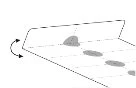
- Separate one blister foil along the perforated lines.
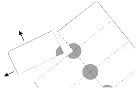
- Carefully peel back the foil from the corner.
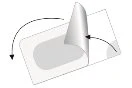
Remove the tablet.
[Push-through blister:]
How to remove tablets from child-resistant blisters
The tablets are packaged in single-dose blisters that are child-resistant.
To remove the tablet, press the tablet through the reinforced blister foil.
Duration of treatment
In general, you should not take oxycodone/naloxone longer than necessary. If you are taking oxycodone/naloxone for a prolonged period, your doctor should regularly check whether you still need it.
If you take more Oxycodone/Naloxone Sandoz than you should
If you have taken more oxycodone hydrochloride/naloxone hydrochloride than you should, contact your doctor, pharmacist, or call the Toxicology Information Service immediately at: 91 562 04 20, indicating the medicine and the amount taken.
An overdose may cause:
- constricted pupils,
- slow and shallow breathing (respiratory depression),
- drowsiness up to loss of consciousness,
- low muscle tone (hypotonia),
- reduced heart rate, and
- drop in blood pressure.
In severe cases, loss of consciousness (coma), fluid accumulation in the lungs, and circulatory collapse may occur, which can be fatal in some instances.
You should avoid situations that require a high level of alertness, such as driving.
If you forget to take Oxycodone/Naloxone Sandoz
If you forget to take oxycodone/naloxone or take a lower dose than prescribed, you may stop feeling the analgesic effect.
If you miss a dose, follow the instructions below:
- If there are 8 hours or more until your next scheduled dose: take the missed dose immediately, then continue with your regular dosing schedule.
- If there are less than 8 hours until your next scheduled dose: take the missed dose. Wait another 8 hours before taking the next dose. Try to return to your original schedule (e.g., 8 a.m. and 8 p.m.). Do not take oxycodone/naloxone more than once within an 8-hour period.
Do not take a double dose to make up for a missed dose.
If you stop taking Oxycodone/Naloxone Sandoz
Do not stop treatment with oxycodone/naloxone without consulting your doctor.
If you no longer need treatment, your daily dose should be gradually reduced after discussion with your doctor. This will help you avoid withdrawal symptoms such as restlessness, episodes of sweating, and muscle pain.
If you have any further questions about the use of this medicine, ask your doctor or pharmacist.
4. Possible adverse effects
Like all medicines, this medicine can cause adverse effects, although not everyone will experience them.
Important adverse effects to be aware of, and what to do if they occur
If you are already experiencing any of the following important adverse effects, consult your nearest doctor immediately.
Slow and shallow breathing (respiratory depression) is the main danger of opioid overdose. This occurs particularly in elderly and debilitated patients. Opioids may also cause a marked drop in blood pressure in susceptible patients.
The following adverse effects have been observed in patients receiving pain treatment:
Frequent (may affect up to 1 in 10 people)
- reduced or loss of appetite,
- difficulty sleeping, tiredness or weakness,
- dizziness or sensation of spinning, headache, drowsiness,
- hot flushes,
- abdominal pain, constipation, diarrhoea, dry mouth, indigestion, nausea, malaise, flatulence,
- itchy skin, skin reactions, increased sweating,
- unusual feeling of weakness.
Uncommon (may affect up to 1 in 100 people)
- hypersensitivity/allergic reactions,
- decreased sex drive,
- restlessness, strange thoughts, anxiety, confusion, depression, nervousness,
- epileptic seizures (especially in people with epilepsy or predisposition to seizures), difficulty concentrating, altered taste, speech disturbances, fainting, tremor, loss of energy,
- visual disturbances,
- tightness in the chest, especially if you already have coronary disease, palpitations,
- low blood pressure, high blood pressure,
- difficulty breathing, runny nose, cough,
- abdominal distension,
- increased liver enzymes, biliary colic,
- muscle cramps, muscle contractions, muscle pain,
- increased urgency to urinate,
- withdrawal symptoms such as agitation,
- chest pain,
- chills, general feeling of discomfort, pain, thirst,
- swelling of hands, ankles or feet,
- weight loss,
- injury from accidents.
Rare (may affect up to 1 in 1,000 people)
- increased heart rate,
- drug dependence,
- yawning,
- dental disorders,
- weight gain.
Frequency not known (cannot be estimated from available data)
- euphoria, hallucinations, nightmares, aggression,
- tingling, intense drowsiness,
- shallow breathing,
- belching,
- difficulty urinating,
- erectile dysfunction,
- breathing problems during sleep (sleep apnoea syndrome).
It is known that the active substance oxycodone hydrochloride, when not combined with naloxone hydrochloride, has the following adverse effects, different from those listed above:
Oxycodone may cause breathing problems (respiratory depression), pinpoint pupils, bronchial and smooth muscle spasms, and suppression of the cough reflex.
Frequent (may affect up to 1 in 10 people)
- mood disturbances and personality changes (e.g.: depression, feeling of extreme happiness), decreased activity, increased activity,
- hiccups,
- difficulty urinating.
Uncommon (may affect up to 1 in 100 people)
- dehydration,
- agitation, perceptual disturbances (e.g.: hallucinations, derealization),
- difficulty concentrating, migraine, increased muscle tension, involuntary muscle contractions, reduced sensitivity to pain or touch, coordination disturbances,
- hearing difficulties,
- dilation of blood vessels,
- voice disturbances (dysphonia),
- difficulty swallowing,
- condition in which the bowel stops functioning properly (ileus), mouth ulcers, irritated gums,
- dry skin,
- decreased levels of sex hormones which may affect sperm production in men or menstrual cycle in women,
- fluid retention with swelling, drug tolerance.
Rare (may affect up to 1 in 1,000 people)
- infections such as oral herpes or herpes (which may cause blisters around the mouth or genital area),
- increased appetite,
- black, tarry stools, bleeding gums,
- itchy rash (urticaria).
Frequency not known (cannot be estimated from available data)
- severe generalized allergic reactions (anaphylactic reactions),
- increased sensitivity to pain,
- dental caries,
- problems with bile flow, a condition affecting a valve in the intestine that may cause severe upper abdominal pain (Oddi sphincter dysfunction),
- absence of menstrual periods,
- neonatal withdrawal syndrome.
Reporting of adverse effects
If you experience any type of adverse effect, consult your doctor or pharmacist, even if it is a possible adverse effect not listed in this leaflet. You may also report them directly through the Spanish Pharmacovigilance System for Human Medicines: https://www.notificaram.es. By reporting adverse effects, you can help provide more information on the safety of this medicine.
5. Storage of Oxycodeine/Naloxone Sandoz
Keep this medicine out of the sight and reach of children.
Do not use this medicine after the expiry date stated on the packaging, bottle, or blister after EXP/CAD. The expiry date refers to the last day of the month indicated.
Blister:
Do not store above 25°C.
Bottles:
Do not store above 30°C.
Shelf life after first opening: 3 months.
Medicines must not be disposed of via wastewater or household waste. Dispose of unused medicines and their containers at the SIGRE collection point at your pharmacy. If you are unsure, ask your pharmacist how to properly dispose of unused medicines and their packaging. This helps protect the environment.
6. Contents of the container and other information
Composition of Oxicodone/Naloxone Sandoz
The active substances are oxycodone hydrochloride and naloxone hydrochloride.
Each prolonged-release tablet contains 10 mg of oxycodone hydrochloride (equivalent to 9 mg of oxycodone) and 5 mg of naloxone hydrochloride (as 5.45 mg of naloxone hydrochloride dihydrate, equivalent to 4.5 mg of naloxone).
The other excipients are:
Tablet core:
Polyvinyl acetate
Povidone K30
Sodium lauryl sulfate
Colloidal anhydrous silica
Microcrystalline cellulose
Magnesium stearate
Tablet coating:
Polyvinyl alcohol
Titanium dioxide (E171)
Macrogol 3350
Talc
Iron oxide red (E172)
Appearance of the product and contents of the container
Pink, oblong, biconvex prolonged-release tablet with notches on both sides, measuring 10.2 mm in length, 4.7 mm in width, and 3.0 to 4.0 mm in thickness. The tablet can be divided into equal doses.
Oxicodone/Naloxone Sandoz is available in child-resistant single-dose perforated blisters, peelable or push-through, made of aluminium/PVC/PE/PVDC, containing 10 x 1 (hospital pack), 14 x 1, 20 x 1, 28 x 1, 30 x 1, 50 x 1, 56 x 1, 60 x 1, 98 x 1 and 100 x 1 prolonged-release tablets, or
in child-resistant blisters made of aluminium/PVC/PE/PVDC containing 28, 56 and 84 prolonged-release tablets, or in HDPE bottles with child-resistant screw caps containing 50 and 100 prolonged-release tablets.
Only certain pack sizes may be marketed.
Marketing Authorization Holder and Manufacturer
Marketing Authorization Holder
Sandoz Farmacéutica, S.A.
Parque Norte Business Centre
Roble Building
C/ Serrano Galvache, 56
28033 Madrid
Spain
Manufacturer
Develco Pharma GmbH
Grienmatt 27, Baden-Wuerttemberg
D-79650 Schopfheim
Germany
or
Salutas Pharma GmbH
Otto-von-Guericke-Allee 1
39179 Barleben
Germany
This medicinal product is authorized in the European Economic Area (EEA) Member States and in the United Kingdom (Northern Ireland) under the following names:
Germany: Oxycodon comp HEXAL 10 mg/5 mg Retardtabletten
Slovakia: Oxycodone/Naloxone Sandoz 10 mg/5 mg
Slovenia: Codilek Combo 10 mg/5 mg tablete s podaljšanim sprošcanjem
Finland: Tanonalla 10 mg/5 mg depottabletti
Ireland: Dancex SR Plus 10 mg/5 mg Prolonged-release tablets
Iceland: Tanonalla 10 mg/5 mg forðatafla
Italy: Ossicodone e Naloxone Sandoz
Norway: Tanonalla 10 mg/5 mg depottablett
United Kingdom: Doneloxon 10 mg/5 mg Prolonged-release tablets
Czech Republic: Oxycodon/Naloxon Sandoz 10 mg/5 mg
Sweden: Oxycodone/Naloxone Sandoz 10 mg/5 mg depottabletter
Poland: Xanconalon
Portugal: Oxicodona + Naloxona Sandoz 10mg/5 mg comprimidos revestidos por película
Date of the most recent review of this leaflet: June 2025.
Detailed information on this medicinal product is available on the website of the Spanish Agency of Medicines and Health Products (AEMPS) http://www.aemps.gob.es/