Oxígeno Medicinal Líquido Air Liquide 99,5% v/v, cryogenic medicinal gas in fixed containers
Spain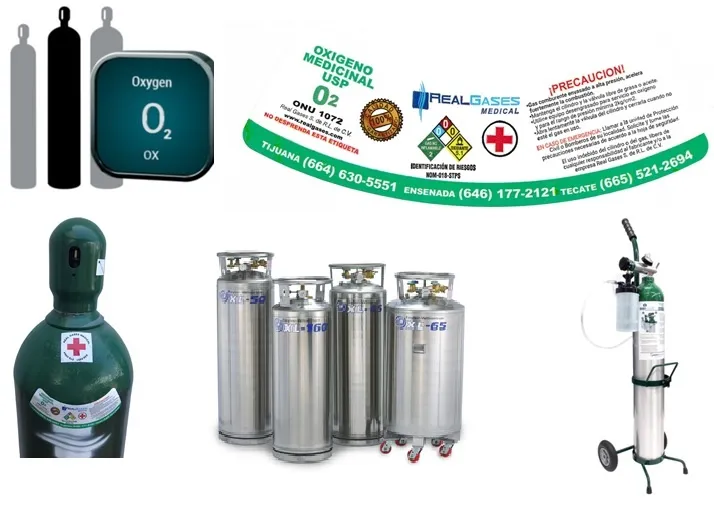
Table of Contents
- Package leaflet: Information for the user
- Introduction
- 1. What Oxígeno Medicinal Líquido Air Liquide is and what it is used for
- 2. What you need to know before using Oxígeno Medicinal Líquido Air Liquide
- 3. How to use Air Liquide Medicinal Liquid Oxygen
- 4. Possible adverse effects
- 5. Storage of Air Liquide Medicinal Liquid Oxygen 99.5% v/v, medicinal cryogenic gas in fixed containers
- 6. Contents of the packaging and other information
Package leaflet: Information for the user
Introduction
Package leaflet: information for the user
Oxígeno Medicinal Líquido Air Liquide 99.5% v/v, medicinal cryogenic gas in fixed containers
Read the entire leaflet carefully before you start using this medicine, because it contains important information for you.
- Keep this leaflet, as you may need to read it again.
- If you have any questions, ask your doctor, pharmacist, or nurse.
- This medicine has been prescribed for you only, and you should not give it to others, even if they have the same symptoms as you, because it may harm them.
- If you experience any adverse effects, consult your doctor, pharmacist, or nurse, even if they are adverse effects not listed in this leaflet. See section 4.
Leaflet contents
- What Oxígeno Medicinal Líquido Air Liquide is and what it is used for
- What you need to know before using Oxígeno Medicinal Líquido Air Liquide
- How to use Oxígeno Medicinal Líquido Air Liquide
- Possible adverse effects
- How to store Oxígeno Medicinal Líquido Air Liquide
- Contents of the pack and other information
1. What Oxígeno Medicinal Líquido Air Liquide is and what it is used for
Oxígeno Medicinal Líquido Air Liquide is an inhalation gas belonging to a group of medicines known as medicinal gases. It is packaged in cryogenic containers containing only pure oxygen.
Oxygen is an essential element for the body and is administered to increase its levels in the blood, thereby achieving improved oxygen delivery to all body tissues.
Oxygen therapy is indicated in the following cases:
- Correction of oxygen deficiency of various origins, requiring the administration of oxygen at normal or increased pressure.
- Supplying anaesthesia-reanimation ventilators.
- Administration via nebulizer of inhaled medications.
2. What you need to know before using Oxígeno Medicinal Líquido Air Liquide
Do not use Oxígeno Medicinal Líquido Air Liquide:
Oxygen at a pressure higher than atmospheric pressure (Hyperbaric Oxygen Therapy) must not be used in cases of untreated or undrained pneumothorax. A pneumothorax is caused by the accumulation of air in the pleural cavity between the two lung membranes. If you have ever had a pneumothorax, inform your doctor.
Warnings and precautions
Talk to your doctor, pharmacist, or nurse before starting to use Oxígeno Medicinal Líquido Air Liquide.
Before starting oxygen therapy, you should be aware of the following:
- Oxygen may have harmful effects at high concentrations. This can cause lung damage (alveolar collapse, lung inflammation), which makes it more difficult for oxygen to be transferred into the blood.
- If you have severe chronic obstructive pulmonary disease (COPD) causing inadequate blood oxygenation, oxygen will be administered at a low flow rate. Your doctor will adjust the appropriate oxygen flow rate.
- Adverse events such as eye damage may occur in both term and preterm newborns. If your baby requires oxygen, the doctor will determine the appropriate oxygen concentration to administer.
Hyperbaric oxygen therapy requires caution in the following cases:
- Chronic obstructive pulmonary disease (COPD)
- Pulmonary emphysema: a lung disorder due to loss of elasticity in lung tissue, accompanied by (severe) lack of air
- Upper respiratory tract infections
- Asthma that is insufficiently controlled
- Recent middle ear surgery
- Recent thoracic surgery
- Uncontrolled high fever
- History of epilepsy or seizures
- Fear of confined spaces (claustrophobia)
- If you have ever had a pneumothorax (accumulation of air or gas in the pleural cavity between the two lung membranes)
- Heart problems
Recommendations regarding increased fire risk in the presence of oxygen:
-
Oxygen is an oxidizing agent and promotes combustion. Smoking or open flames (e.g., pilot lights, stoves, ovens, gas burners, sparks, candles, etc.) must not be allowed in rooms where Oxígeno Medicinal Líquido Air Liquide is being used, as this increases the risk of fire.
-
Do not smoke or use electronic cigarettes during the entire oxygen treatment.
-
Do not use toasters, hair dryers, or similar electrical appliances during oxygen therapy.
-
Do not apply oily or greasy substances (e.g., oils, creams, ointments) to surfaces in contact with oxygen. Only water-based products should be used on the hands and face or inside the nose while using oxygen.
-
The pressure regulator must be opened slowly and carefully to avoid the risk of fire surge.
Thermal burns may result from accidental fires in the presence of oxygen.
Recommendations for caregivers:
- Handle the cylinder carefully. Ensure that there is no risk of the cylinder falling and that it is not exposed to impacts.
- Damage to the equipment may cause blockage at the outlet and/or incorrect readings on the pressure gauge regarding remaining oxygen content and delivered flow, potentially leading to insufficient or interrupted oxygen delivery.
- Oxygen becomes liquid at approximately -183°C. There is a risk of frostbite at such low temperatures. Always wear protective gloves and safety goggles when handling medicinal liquid oxygen.
Children
In preterm and newborn infants, oxygen therapy may cause eye damage (retinopathy of prematurity). The doctor will determine the appropriate oxygen concentration to ensure optimal treatment for your baby.
Other medicines and Oxígeno Medicinal Líquido Air Liquide
Inform your doctor or pharmacist if you are taking, have recently taken, or might need to take any other medicines.
If you are taking or have taken bleomycin (used to treat cancer), amiodarone (used to treat heart conditions), or nitrofurantoin (used to treat infection), inform your doctor before using oxygen, as there is a risk of developing toxic effects in the lungs.
Pre-existing lung damage caused by the herbicide paraquat may worsen with oxygen administration. In cases of paraquat poisoning, oxygen supply should be avoided as much as possible.
Pregnancy and breastfeeding
Oxígeno Medicinal Líquido Air Liquide may be used during pregnancy, but only if clearly necessary.
Oxígeno Medicinal Líquido Air Liquide may be used during breastfeeding.
In all cases, you must inform your doctor if you are pregnant or suspect you might be pregnant.
If you are pregnant or breastfeeding, think you may be pregnant, or are planning to become pregnant, consult your doctor or pharmacist before using this medicine.
Driving and use of machines
You may drive and operate machinery while using Oxígeno Medicinal Líquido Air Liquide, provided your doctor considers you fit to do so.
3. How to use Air Liquide Medicinal Liquid Oxygen
Follow exactly the instructions for administration of this medicine as given by your doctor. If in doubt, consult your doctor or pharmacist.
Your doctor will determine the correct dose of Air Liquide Medicinal Liquid Oxygen and will administer it using a system appropriate to your needs, ensuring delivery of the correct amount of oxygen.
Dosage
The usual dosage is:
- In patients who breathe spontaneously (spontaneous ventilation) and have acute respiratory failure, oxygen is administered at a flow rate of 0.5 to 15 liters/minute. This may vary depending on test results (blood gas analysis).
- In patients who breathe spontaneously (spontaneous ventilation) and have chronic respiratory failure, oxygen is administered at a flow rate of 0.5 to 2 liters/minute. This may vary depending on test results (blood gas analysis).
- In patients requiring breathing assistance (assisted ventilation), oxygen should be administered at a dose allowing a minimum oxygen concentration of 21%, up to a maximum of 100%.
Method of administration
The method of administration is by inhalation.
- In patients who do not have ventilation problems: oxygen may be administered via spontaneous ventilation using nasal glasses, a nasopharyngeal catheter, or a mask, which must be adapted to the oxygen flow.
- In patients who have ventilation problems or are under anesthesia, oxygen is administered using special devices such as an endotracheal tube, laryngeal mask, through a tracheostomy allowing connection to assisted ventilation, or others.
- Administration of oxygen at high pressure (hyperbaric oxygen therapy) is performed in a hyperbaric chamber at a pressure of 2 to 3 atmospheres, with session durations ranging from 90 minutes to 2 hours. These sessions may be repeated 2 to 4 times per day depending on clinical indications and the patient's condition.
If you think that the effect of Air Liquide Medicinal Liquid Oxygen is too strong or too weak, inform your doctor.
If you have any further questions about the use of this medicine, ask your doctor or pharmacist.
If you use more Air Liquide Medicinal Oxygen than you should
If you have used more Air Liquide Medicinal Liquid Oxygen than you should, contact your doctor, pharmacist, or call the Toxicology Information Service immediately at telephone number 91 562 04 20.
The inhaled oxygen concentration should be reduced, and symptomatic treatment is recommended.
If you have any further questions about the use of this medicine, ask your doctor or pharmacist.
In vulnerable situations, excessive administration of Air Liquide Medicinal Oxygen may impair respiratory function and, in exceptional cases, cause neurological adverse effects that could lead to loss of consciousness in extreme situations.
Prolonged excessive use of Air Liquide Medicinal Oxygen may cause breathing-related pain, dry cough, and even respiratory difficulty. If these overdose symptoms occur, consult your doctor or go to the nearest hospital.
4. Possible adverse effects
Like all medicines, this medicine can cause adverse effects, although not everyone will experience them.
Adverse effects usually occur at high concentrations and after prolonged treatment:
Very common (may affect more than 1 in 10 people):
In newborns exposed to high concentrations of oxygen: eye damage, which may lead to vision problems.
With hyperbaric treatment: ear pain, myopia, barotrauma (tissue or organ damage caused by a pressure change).
Common (may affect up to 1 in 10 people):
With hyperbaric treatment: seizures.
Uncommon (may affect up to 1 in 100 people):
Pulmonary collapse.
With hyperbaric treatment: rupture of the tympanic membrane.
Rare (may affect up to 1 in 1,000 people):
With hyperbaric treatment: shortness of breath, abnormally low blood sugar levels in diabetic patients.
Frequency not known (cannot be estimated from available data):
Respiratory-related pain and dry cough, dryness of mucous membranes, local irritation and inflammation of the mucosa.
With hyperbaric treatment: difficulty breathing, involuntary muscle contractions, dizziness, hearing disturbances, acute serous otitis, nausea, abnormal behaviour, decreased peripheral vision, visual changes, clouding of the lens (cataract).
Contact with liquid oxygen causes frostbite injuries.
Reporting of adverse effects
If you experience any type of adverse effect, consult your doctor, pharmacist, or nurse, even if it is a possible adverse effect not listed in this leaflet. You may also report it directly via the Spanish Pharmacovigilance System for Human Medicines: www.notificaRAM.es. By reporting adverse effects, you can help provide more information on the safety of this medicine.
5. Storage of Air Liquide Medicinal Liquid Oxygen 99.5% v/v, medicinal cryogenic gas in fixed containers
Keep this medicine out of the sight and reach of children.
Do not use this medicine after the expiry date stated on the container, following EXP. The expiry date refers to the last day of the month indicated.
All regulations relating to the handling of pressurized containers must be observed.
- Fixed containers must be installed in clean, well-ventilated areas, free from flammable materials. Storage of gases intended for medicinal use must be separated from gases intended for other purposes.
- Fixed containers must be protected from sources of ignition or heat and from combustible materials.
- Fixed containers must be protected against risks of impact, particularly affecting filling, emptying, and safety components.
- Parking must not be allowed in the filling area of fixed containers.
6. Contents of the packaging and other information
Composition of Air Liquide Liquid Medicinal Oxygen
- The active substance is oxygen. The concentration of medicinal oxygen is greater than or equal to 99.5% v/v.
- It contains no other ingredients.
Appearance of the product and contents of the packaging
Air Liquide Liquid Medicinal Oxygen is a gas for inhalation transferred into fixed cryogenic containers. The cryogenic containers may have the following capacities:
Container type 800 contains 680 m³ or 800 liters of gas
Container type 1,200 contains 1,020 m³ or 1,200 liters of gas
Container type 3,000 contains 2,550 m³ or 3,000 liters of gas
Container type 5,000 contains 4,250 m³ or 5,000 liters of gas
Container type 7,500 contains 6,375 m³ or 7,500 liters of gas
Container type 10,000 contains 8,500 m³ or 10,000 liters of gas
Container type 15,000 contains 12,750 m³ or 15,000 liters of gas
Container type 20,000 contains 17,000 m³ or 20,000 liters of gas
Container type 32,000 contains 27,200 m³ or 32,000 liters of gas
Container type 50,000 contains 42,500 m³ or 50,000 liters of gas
Container type 63,000 contains 53,550 m³ or 63,000 liters of gas
Marketing Authorization Holder and Manufacturer
Marketing Authorization Holder
AIR LIQUIDE Santé INTERNATIONAL – 75, Quai D'Orsay
75007 Paris (FRANCE)
Manufacturers
Air Liquide Healthcare España, S.L.
Polígono Industrial A Uceira, Vial 7, parcela B12-13, 32500
O Carballiño, Ourense – Spain
or
Air Liquide Healthcare España, S.L.
Polígono Industrial Son Llaüt, calle Guillem Bujosa i Rosselló, nº 26, 07320
Santa María del Camí, Balearic Islands – Spain
or
Air Liquide Healthcare España, S.L.
Parque Tecnológico de Andalucía, C/ Severo Ochoa, 17, Parcela 8-1 y 8-2, 29590
Campanillas, Málaga – Spain
or
Air Liquide Healthcare España, S.L.
Polígono Industrial El Prado, C/ Zaragoza, nº 43, 06800
Mérida, Badajoz – Spain
or
Air Liquide Healthcare España, S.L.
Polígono Industrial Moncada III, C/ Moroder, 1, 46113
Moncada, Valencia – Spain
or
Air Liquide Healthcare España, S.L.
Polígono Industrial Güimar, Manzana III, Parcela 16-17, 38509
Candelaria, Santa Cruz de Tenerife – Spain
or
Air Liquide Healthcare España, S.L.
C/ Eduardo Maristany, 107-117, 08930
Sant Adrià del Besós, Barcelona – Spain
or
Air Liquide Healthcare España, S.L.
Polígono Industrial La Quinta, Avda. Castilla La Mancha 21, 19171
Cabanillas del Campo, Guadalajara – Spain
or
Air Liquide Healthcare España, S.L.
Polígono Industrial Sepes
C/Galileo Galilei, s/n, 46520
Sagunto, Valencia – Spain
or
Air Liquide Healthcare España, S.L.
Ctra Cartagena – Alhama de Murcia, km 13, 30390
La Aljorra, Cartagena, Murcia – Spain
or
GASES OXINORTE, A.E.I
Buen Pastor s/n, 48903
Barakaldo, Biscay – Spain
or
Air Liquide Medicinal, S.A.
Avenida Vasco da Gama nº 7375
4430-755 Avintes – Portugal
or
Air Liquide Medicinal S.A.
Zona Industrial Das Corredouras, 2630-369
Arruda Dos Vinhos – Portugal
Date of latest revision of this leaflet: 05/2025
Detailed and up-to-date information on this medicinal product is available on the website of the Spanish Agency of Medicines and Medical Devices (AEMPS) http://www.aemps.gob.es/
This information is intended for healthcare professionals only:
Instructions for use and handling
- Check that all materials are in proper condition before use.
- Protective goggles and clean gloves designated for this purpose must be worn when performing any handling operations on fixed liquid oxygen containers.
- Check the condition of the area where the fixed containers will be placed.
- Never touch cold or frosted parts of the equipment.
- In case of cryogenic burn, rinse thoroughly with abundant water.
- Use oxygen-specific connectors.
- If clothing becomes saturated with oxygen, move away from the liquid oxygen source and from areas presenting fire hazards, and remove the clothing immediately.
- Do not use intermediate connectors that allow the connection of two incompatible devices.
- Do not smoke near the containers.
- Keep containers away from flames.
- Do not apply greases or oils.
- Never fill a container suspected of containing combustible materials inside, especially greasy substances.
- Never clean containers with flammable substances, particularly greasy substances.
- Do not use aerosol generators (hair spray, deodorant, etc.) or solvents (alcohol, gasoline, etc.) on the equipment or in its vicinity.
- In case of leakage, close the supply valve of the circuit presenting a leak and verify activation of the emergency system.