Oxígeno Medicinal Gas Oxipharma, 99.5% v/v medicinal compressed gas
Spain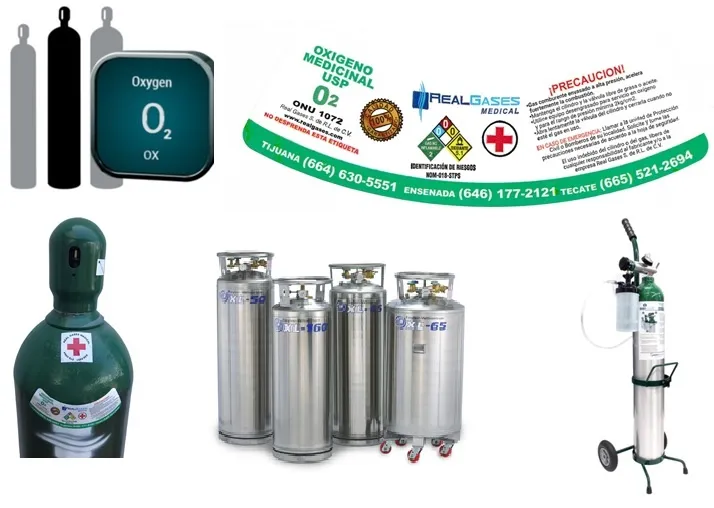
Table of Contents
- Patient Information Leaflet
- Introduction
- 1. What Oxígeno Medicinal Gas Oxipharma is and what it is used for
- 2. What you need to know before starting to use Oxígeno Medicinal Gas Oxipharma
- 3. How to use Oxipharma Medicinal Oxygen Gas
- 4. Possible adverse effects
- 5. Storage of Medicinal Oxygen Gas Oxipharma
- 6. Pack contents and additional information
Patient Information Leaflet
Introduction
Package leaflet: Information for the patient
Oxipharma Medicinal Oxygen Gas, 99.5% v/v compressed medicinal gas
Read the entire leaflet carefully before you start using this medicine.
- Keep this leaflet, as you may need to read it again.
- If you have any questions, consult your doctor or pharmacist.
- This medicine has been prescribed for you; do not give it to other people, even if they have the same symptoms as you, because it could harm them.
- If you consider any of the side effects you experience to be severe, or if you notice any side effects not listed in this leaflet, inform your doctor or pharmacist.
Leaflet contents:
- What Oxipharma Medicinal Oxygen Gas is and what it is used for
- What you need to know before using Oxipharma Medicinal Oxygen Gas
- How to use Oxipharma Medicinal Oxygen Gas
- Possible side effects
- How to store Oxipharma Medicinal Oxygen Gas
- Contents of the pack and other information
1. What Oxígeno Medicinal Gas Oxipharma is and what it is used for
Oxygen is an essential element for the body. Oxygen therapy is indicated in the following cases:
- Correction of oxygen deficiency of various origins requiring administration of oxygen at normal or increased pressure.
- Supplying anaesthesia and resuscitation respirators.
- Administration via nebulizer of inhaled medications.
2. What you need to know before starting to use Oxígeno Medicinal Gas Oxipharma
Do not use Oxígeno Medicinal Gas Oxipharma
With flammable materials.
Oxygen supports and accelerates combustion. The degree of incompatibility of materials with oxygen depends on the pressure conditions under which the gas is used. However, the most significant fire risks in the presence of oxygen involve combustible compounds, particularly those of a greasy nature (lubricants, oils), and organic materials (plastics, wood, paper, fabrics), which may ignite upon contact with oxygen, either spontaneously or due to a spark, flame, ignition point, or as a result of adiabatic compression.
Exercise special caution with Oxígeno Medicinal Gas Oxipharma
- In certain severe cases of oxygen deficiency. After 6 hours of exposure to 100% oxygen concentration, or after 24 hours of exposure to oxygen concentrations above 70%, pulmonary or neurological toxicity may occur.
- High concentrations should be used for the shortest possible time and monitored by arterial blood gas analysis, while simultaneously measuring the inhaled oxygen concentration. It is advisable to use the lowest effective dose capable of maintaining arterial partial pressure of oxygen (PaO2) at 50–60 mmHg (i.e., 5.65–7.96 kPa). After 24 hours of exposure, it is recommended to maintain, as far as possible, an oxygen concentration below 45%.
Precautions for use
- For infants requiring oxygen concentrations above 30%, arterial partial pressure of oxygen (PaO2) must be regularly monitored to ensure it does not exceed 100 mmHg (i.e., 13.3 kPa) due to the risk of retinal damage.
- Hyperbaric oxygen therapy: To avoid risks of injury caused by high pressure in body cavities containing air and communicating with the outside, compression and decompression must be performed slowly.
Use of Oxígeno Medicinal Gas Oxipharma with other medicines
Inform your doctor or pharmacist if you are currently using any other medicines, including those obtained without a prescription. Oxygen toxicity may be increased by corticosteroids, certain anticancer drugs, paraquat, sympathomimetics, X-rays, or in cases of hyperthyroidism or deficiency of vitamins C and E or glutathione deficiency.
Pregnancy and breastfeeding
Consult your doctor or pharmacist before using any medicine. It has been widely used without any notable adverse effects.
Driving and use of machines
There are no data regarding the effects of Oxígeno Medicinal Gas Oxipharma on driving or operating machinery.
3. How to use Oxipharma Medicinal Oxygen Gas
Follow exactly the administration instructions for Oxipharma Medicinal Oxygen Gas provided by your doctor. Consult your doctor or pharmacist if you have any doubts.
Your doctor will determine the correct dose of Oxipharma Medicinal Oxygen Gas and will administer it through a system suitable for your needs, which will ensure the delivery of the appropriate amount of oxygen.
If you feel that the effect of Oxipharma Medicinal Oxygen Gas is too strong or too weak, inform your doctor.
If you use more Oxipharma Medicinal Oxygen Gas than you should
The inhaled oxygen concentration should be reduced and symptomatic treatment is recommended.
If you stop treatment with Oxipharma Medicinal Oxygen Gas
If you have any further questions about the use of this product, ask your doctor or pharmacist.
4. Possible adverse effects
Like all medicines, Oxipharma Medicinal Oxygen Gas may cause adverse effects, although not everyone will experience them.
In particular, in chronic respiratory failure, there is a possibility of apnea occurring.
Inhalation of high concentrations of oxygen may cause minor lung collapse.
Administration of oxygen at high pressures may cause injury to the inner ear (with possible risk of rupture of the tympanic membrane), sinuses, and lungs (with possible risk of pneumothorax).
Seizure episodes have been reported after administration of 100% oxygen concentration for more than 6 hours, particularly when administered under high pressure.
Pulmonary injury may occur following administration of oxygen concentrations exceeding 80%.
In newborns, especially if premature, exposed to high oxygen concentrations (FiO2 > 40%; PaO2 greater than 80 mmHg (i.e., 10.64 kPa)) or for prolonged periods (more than 10 days at FiO2 > 30%), there is a risk of retinopathy, appearing between 3 and 6 weeks after treatment, which may either regress or lead to retinal detachment or even permanent blindness.
Patients undergoing high-pressure oxygen therapy in chambers may experience episodes of claustrophobia.
If you consider any of the adverse effects you experience to be severe, or if you notice any adverse effects not listed in this leaflet, inform your doctor or pharmacist.
Reporting of adverse effects
If you experience any type of adverse effect, consult your doctor, pharmacist, or nurse, even if it is a possible adverse effect not mentioned in this leaflet. You may also report them directly through the Spanish Pharmacovigilance System for Human Medicinal Products: https://www.notificaram.es. By reporting adverse effects, you can help provide more information on the safety of this medicine.
5. Storage of Medicinal Oxygen Gas Oxipharma
Keep out of the reach and sight of children.
Do not use Medicinal Oxygen Gas Oxipharma after the expiry date stated on the container.
All regulations concerning the handling of pressurized containers must be followed.
The following points must be taken into account regarding storage and transport:
Storage of gas cylinders:
Gas cylinders must be stored in a well-ventilated or ventilated area, protected from weather conditions, clean, free from flammable materials, reserved exclusively for the storage of medical gases, and capable of being locked. Empty and full gas cylinders must be stored separately. Gas cylinders must be protected from impact or falling risks, as well as from heat or ignition sources, temperatures equal to or above 50°C, combustible materials, and adverse weather conditions. Gas cylinders with a capacity greater than 5 l must be kept in an upright position with valves closed.
Storage of gas cylinders at user departments and in home settings:
The gas cylinder must be installed in a location that protects it from risks of impact or falling (such as a stand with securing chains), from heat or ignition sources, from temperatures equal to or above 50°C, from combustible materials, and from adverse weather conditions.
Excessive storage must be avoided.
Transport of gas cylinders:
Gas cylinders must be transported using suitable equipment (such as a trolley equipped with chains, barriers, or rings) to protect them from impact or falling risks. Particular attention must be paid to securing the pressure regulator to prevent accidental rupture. During transport in vehicles, gas cylinders must be securely grouped together. Continuous ventilation of the vehicle is mandatory, and smoking must be strictly prohibited.
6. Pack contents and additional information
Composition of Oxígeno Medicinal Gas Oxipharma
- The active substance is Oxygen at a concentration greater than 99.5% v/v
Appearance of the product and pack contents
Gas cylinders at a pressure of 200 bar at 15°C. The gas cylinders may be made of steel, compact steel, aluminium or compact aluminium, with the following volumes: 0.8 L, 1 L, 1.2 L, 1.34 L, 1.5 L, 1.8 L, 2 L, 2.7 L, 3 L, 3.5 L, 4 L, 4.75 L, 5 L, 6.7 L, 7 L, 7.5 L, 8 L, 10 L, 12 L, 13.4 L, 15 L, 18 L, 20 L, 25 L, 26.8 L, 30 L, 35 L, 40 L, 45 L and 50 L (expressed in litres).
Not all pack sizes may be marketed.
Marketing Authorisation Holder and Manufacturer
OXIPHARMA, S.L.
Pol. Ind. Lentiscares, Parc. 18
26370 Navarrete (La Rioja)
Date of most recent review of this leaflet: 10/2005
Detailed and up-to-date information on this medicinal product is available on the website of the Spanish Agency of Medicines and Health Products (AEMPS) http://www.aemps.gob.es
_____________________________________________________________________________
This information is intended exclusively for healthcare professionals:
Instructions for use/handling
Do not smoke.
Do not bring near an open flame.
Do not grease.
In particular:
- Never introduce this gas into any apparatus suspected of containing combustible materials, especially those of a greasy nature;
- Never clean apparatus containing this gas, taps, seals, gaskets, closure devices or valves with combustible products, especially those of a greasy nature;
- Do not apply any greasy substances (vaseline, ointments, etc.) to the patient's face;
- Do not use aerosols (hairspray, deodorant, etc.) or solvents (alcohol, perfume, etc.) on or near the equipment.
Medical oxygen gas cylinders are reserved exclusively for therapeutic use.
To prevent any incidents, the following instructions must be strictly observed:
- Check the equipment is in good condition before use.
- Securely group gas cylinders with a capacity exceeding 5 L using appropriate means (chains, hooks, etc.) to keep them in an upright position and prevent unexpected falls; do not use gas cylinders if their pressure is below 10 bar.
- Never force a gas cylinder into a support that is too narrow.
- Handle equipment with clean, grease-free hands.
- Handle 50 L or larger gas cylinders with clean handling gloves and safety shoes.
- At the time of delivery by the manufacturer, verify that the gas cylinder is equipped with an intact tamper-proof seal.
- Do not handle a gas cylinder whose tap is not protected by a cap, except for cylinders with a capacity below 5 L.
- Never lift the gas cylinder by the tap.
- Use connections or flexible connection components specifically designed for oxygen.
- Use a pressure regulator with a flowmeter capable of withstanding a pressure of at least 1.5 times the maximum service pressure (200 bar) of the gas cylinder (unless a regulator is already integrated into the tap).
- For gas cylinder frames, use only pressure gauges calibrated to at least 315 bar.
- Use flexible connection components on wall outlets equipped with nozzles specifically designed for oxygen.
- Open the tap or valve gradually.
- Never force the tap to open it, nor open it fully.
- Purge the outlet connection of the gas cylinder before attaching the pressure regulator to remove any dust that may be present. Keep connections between the gas cylinder and pressure regulator clean.
- Never subject the pressure regulator to multiple successive pressurisations.
- Never stand directly in front of the tap outlet; always stand on the side opposite the pressure regulator, behind the gas cylinder and facing backwards. Never expose patients to the gas flow.
- Do not use intermediate connectors to connect two devices that are not compatible with each other.
- Do not attempt to repair a defective tap.
- Never tighten the pressure regulator-flowmeter with pliers, as this may damage the seal.
- Verify in advance the compatibility of materials in contact with oxygen, particularly by using pressure regulator connection seals specifically designed for oxygen.
- After use, close the cylinder tap, allow the pressure in the pressure regulator to decrease by leaving the flowmeter open, then close the flowmeter and loosen (except in the case of integrated pressure regulators) the pressure regulator adjustment screw.
- In case of leakage, close the tap or valve supplying the circuit with the leak. Never use a gas cylinder that shows signs of leakage, and ensure the emergency device is activated.
- Never completely empty a gas cylinder.
- Store empty gas cylinders with the tap closed and empty frames with the valve closed (to prevent corrosion in the presence of moisture).
- Never transfer pressurised gas from one cylinder to another.
- Ventilate the area of use if possible, especially in confined spaces (vehicles, homes).