Orencia 125 mg solution for injection in pre-filled syringe
Spain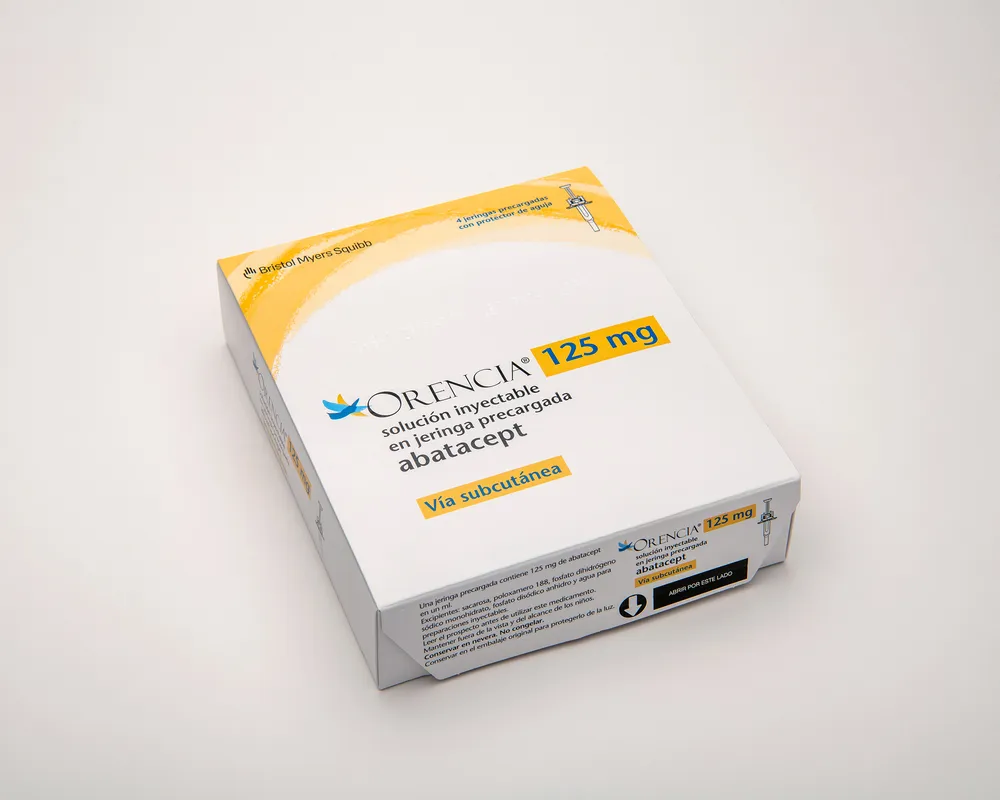
Table of Contents
Package leaflet: Information for the user
Introduction
Package leaflet: information for the user
ORENCIA 50 mg solution for injection in pre-filled syringe
ORENCIA 87.5 mg solution for injection in pre-filled syringe
ORENCIA 125 mg solution for injection in pre-filled syringe
abatacept
Read all of this leaflet carefully before you start using this medicine, because it contains important information for you.
- Keep this leaflet. You may need to read it again.
- If you have any questions, ask your doctor or pharmacist.
- This medicine has been prescribed for you only and must not be given to other people, even if they have the same symptoms as you. It may harm them.
- If you get any side effects, talk to your doctor, pharmacist or nurse. This includes any side effects not listed in this leaflet. See section 4.
What is in this leaflet:
- What ORENCIA is and what it is used for
- What you need to know before using ORENCIA
- How to use ORENCIA
- Possible side effects
- How to store ORENCIA
- Contents of the pack and other information
1. What ORENCIA is and what it is used for
ORENCIA contains the active substance abatacept, a protein obtained from cell cultures. ORENCIA reduces the immune system's attack on normal tissues by interfering with immune cells (so-called T-lymphocytes) that contribute to the development of rheumatoid arthritis. ORENCIA selectively modulates the activation of T-lymphocytes involved in the immune system's inflammatory response.
ORENCIA is used to treat rheumatoid arthritis and psoriatic arthritis in adults, as well as polyarticular juvenile idiopathic arthritis in children from 2 years of age.
Rheumatoid arthritis
Rheumatoid arthritis is a progressive, long-term systemic disease which, if left untreated, can have serious consequences such as joint destruction, increased disability, and inability to perform daily activities. In people with rheumatoid arthritis, the body's own immune system attacks normal tissues, causing pain and swelling in the joints. This can damage the joints. Rheumatoid arthritis (RA) affects each person differently. In most people, joint symptoms develop gradually over several years. However, in some patients, RA may progress rapidly, while others may have RA for a limited period of time and then enter a period of remission. RA is typically a chronic (long-term), progressive disease. This means that, even if you receive treatment and whether or not you have symptoms, RA could continue to damage your joints. With the best treatment plan for you, you may be able to slow this disease process, which could help reduce long-term joint damage, as well as pain and fatigue, and improve your overall quality of life.
ORENCIA is used to treat moderate to severe active rheumatoid arthritis when you do not respond adequately to treatment with other disease-modifying drugs or with another group of medicines called "tumor necrosis factor (TNF) inhibitors." It is used in combination with a medicine called methotrexate.
ORENCIA may also be used with methotrexate to treat progressive, highly active rheumatoid arthritis in patients who have not previously been treated with methotrexate.
ORENCIA is used to:
- delay damage to your joints
- improve your physical function
Psoriatic arthritis
Psoriatic arthritis is an inflammatory joint disease, usually accompanied by psoriasis, an inflammatory skin condition. If you have active psoriatic arthritis, you will first be given other medications. If you do not respond adequately to these medications, you may be given ORENCIA to:
- reduce the signs and symptoms of your disease
- reduce damage to your bones and joints
- improve your physical function and your ability to perform normal daily activities
ORENCIA, either alone or in combination with methotrexate, is used to treat psoriatic arthritis.
Polyarticular juvenile idiopathic arthritis
Polyarticular juvenile idiopathic arthritis is a long-term inflammatory disease affecting one or more joints in children and adolescents.
ORENCIA pre-filled syringe solution is used in children and adolescents aged 2 to 17 years when prior treatment with a disease-modifying drug has not worked well or is not appropriate for them. ORENCIA is usually used in combination with methotrexate, although ORENCIA may also be used alone if treatment with methotrexate is inadequate.
ORENCIA is used to:
- delay damage to the joints
- improve physical function
- improve other signs and symptoms of polyarticular juvenile idiopathic arthritis
2. What you need to know before using ORENCIA
Do not use ORENCIA
- if you are allergic to abatacept or to any of the other ingredients of this medicine (listed in section 6).
- if you have a serious or uncontrolled infection, do not start treatment with ORENCIA. Having an infection may put you at risk of experiencing serious side effects from ORENCIA.
Warnings and precautions
Talk to your doctor, pharmacist, or nurse:
- if you experience allergic reactions such as chest tightness, asthma, severe dizziness or lightheadedness, swelling, or skin rash—inform your doctor immediately.
- if you, your partner, or caregiver notice new or worsening neurological symptoms, including general muscle weakness, vision changes, difficulty speaking, a change in the way you walk, or problems with balance, changes in thinking, memory, and orientation leading to confusion and personality changes, contact your doctor immediately, as these may be symptoms of a very rare, serious, and potentially life-threatening brain infection called progressive multifocal leukoencephalopathy (PML).
- if you have any kind of infection, including a prolonged or localized infection, or if you frequently suffer from infections, or if you have symptoms of an infection (e.g., fever, feeling unwell, dental problems), it is important to inform your doctor. ORENCIA may reduce your body's ability to fight infections, and treatment may make you more susceptible to infections or worsen any existing infection.
- if you have had tuberculosis (TB) or have symptoms of tuberculosis (persistent cough, weight loss, fatigue, low-grade fever), inform your doctor. Before using ORENCIA, your doctor will perform a tuberculosis test or a skin test.
- if you have viral hepatitis, inform your doctor. Before using ORENCIA, your doctor may perform a test for hepatitis.
- if you have cancer, your doctor will decide whether ORENCIA can be administered to you.
- if you have recently been vaccinated or are planning to get vaccinated, inform your doctor. Some vaccines should not be given while you are being treated with ORENCIA. Consult your doctor before receiving any vaccine. Certain vaccines may cause infections. If you receive ORENCIA during pregnancy, your baby may have an increased risk of developing such an infection for approximately 14 weeks after your last dose. It is important that you inform your baby's doctors and other healthcare professionals about your use of ORENCIA during pregnancy so they can determine when your baby should receive any vaccine.
Your doctor may also perform tests to monitor your blood values.
Children and adolescents
ORENCIA pre-filled syringe solution has not been studied in children and adolescents under 2 years of age. Therefore, the use of ORENCIA pre-filled syringe solution is not recommended in this patient population.
Using ORENCIA with other medicines
Inform your doctor or pharmacist if you are taking, have recently taken, or might need to take any other medicines.
ORENCIA must not be used with biologic medicines for rheumatoid arthritis, including TNF inhibitors such as adalimumab, etanercept, and infliximab. There is insufficient evidence to recommend co-administration with anakinra and rituximab.
ORENCIA may be used with other medicines commonly used to treat rheumatoid arthritis, such as steroids or analgesics, including non-steroidal anti-inflammatory drugs like ibuprofen or diclofenac.
Ask your doctor or pharmacist for advice before taking any other medicine while using ORENCIA.
Pregnancy and breastfeeding
The effects of ORENCIA in pregnancy are unknown. Therefore, you should not use ORENCIA during pregnancy unless specifically recommended by your doctor.
- if you are a woman who could become pregnant, you should use reliable contraceptive methods (birth control) while using ORENCIA and for 14 weeks after the last dose. Your doctor will advise you on suitable methods.
- if you become pregnant while being treated with ORENCIA, inform your doctor.
If you receive ORENCIA during pregnancy, your baby may have an increased risk of infection. It is important that you inform your baby's doctors and other healthcare professionals about your use of ORENCIA during pregnancy before any vaccine is administered (for more information, see the vaccination section).
It is unknown whether ORENCIA passes into breast milk. You must stop breastfeeding if you are being treated with ORENCIA, up to 14 weeks after the last dose.
Driving and using machines
ORENCIA is not expected to affect your ability to drive, ride a bicycle, or operate machinery. However, if you feel tired or unwell after receiving ORENCIA, you should not drive, ride a bicycle, or operate any machinery.
ORENCIA contains sodium
This medicine contains less than 1 mmol of sodium (23 mg) per dose, i.e., essentially "sodium-free".
3. How to use ORENCIA
Follow exactly the instructions for administering this medicine given by your doctor or pharmacist. If in doubt, consult your doctor or pharmacist again.
ORENCIA injectable solution is injected under the skin (subcutaneously).
Recommended dose in adults
The recommended dose of ORENCIA for adults with rheumatoid arthritis or psoriatic arthritis is 125 mg weekly, regardless of body weight.
Your doctor may start your treatment with ORENCIA with or without a single intravenous dose of powder for concentrate for solution for infusion (administered into the vein, usually in the arm, over a 30-minute period). If a single intravenous dose is given to start treatment, the first subcutaneous injection of ORENCIA should be administered within one day following the IV infusion, followed by weekly subcutaneous injections of 125 mg.
ORENCIA can be used in adults over 65 years of age without the need to change the dose.
Use in children and adolescents
For patients aged 2 to 17 years with polyarticular juvenile idiopathic arthritis, the recommended weekly dose of ORENCIA injectable solution in a pre-filled syringe is based on body weight:
Weekly dose of ORENCIA
Patient body weight | Dosage |
10 kg to less than 25 kg | 50 mg |
25 kg to less than 50 kg | 87.5 mg |
50 kg or more | 125 mg |
If you are already receiving intravenous ORENCIA treatment and wish to switch to subcutaneous ORENCIA, you should receive a subcutaneous injection instead of your next intravenous infusion, followed by weekly subcutaneous injections of ORENCIA.
Your doctor will inform you about the duration of treatment and which other medications, including other disease-modifying drugs, if any, you may continue taking while on ORENCIA treatment.
Initially, your doctor or nurse may administer ORENCIA injections to you. However, you and your doctor may decide that you can self-inject ORENCIA. In this case, you will be instructed on how to properly self-administer ORENCIA injections.
Consult your doctor if you have any questions regarding the administration of the injection. Detailed instructions for the preparation and administration of ORENCIA can be found at the end of this leaflet (see “Important Instructions for Use”).
If you use more ORENCIA than you should
If this occurs, contact your doctor immediately. Your doctor will monitor you for any signs or symptoms of adverse effects and treat them as necessary.
If you forget to use ORENCIA
Keep track of your next dose. It is very important to use ORENCIA exactly as prescribed by your doctor. If you miss a dose by up to three days from the scheduled time, administer the missed dose as soon as you remember, then continue with your original dosing schedule on the designated day. If you miss a dose for more than three days, consult your doctor to determine when you should administer the next dose.
If you stop treatment with ORENCIA
The decision to discontinue treatment with ORENCIA should be discussed with your doctor.
If you have any further questions about the use of this medicine, ask your doctor, pharmacist, or nurse.
4. Possible adverse effects
Like all medicines, this medicine can cause adverse effects, although not everyone will experience them. The most common adverse effects with ORENCIA are upper respiratory tract infections (including nose and throat infections), headache, and nausea. ORENCIA may cause serious adverse effects that may require treatment.
Possible serious adverse effects include serious infections, malignant neoplasms (cancer), and allergic reactions, as listed below.
Contact your doctor immediately if you notice any of the following symptoms:
- severe rash, hives, or other symptoms of allergic reaction
- swelling of the face, hands, or feet
- difficulty breathing or swallowing
- fever, persistent cough, weight loss, fatigue
Contact your doctor immediately if you notice any of the following:
- general malaise, dental problems, burning sensation when urinating, painful skin rash, painful skin blisters, cough
The symptoms described above may be signs of the adverse effects listed below, which have been observed with ORENCIA in clinical trials in adults:
List of adverse effects:
Very common (may affect more than 1 in 10 patients):
- upper respiratory tract infections (including infections of the nose, throat, and sinuses).
Common (may affect up to 1 in 10 patients):
- lung infections, urinary tract infections, painful skin blisters (herpes), influenza
- headache, dizziness
- high blood pressure
- cough
- abdominal pain, diarrhea, nausea, stomach discomfort, mouth ulcers, vomiting
- skin rash
- fatigue, weakness, injection site reactions
- abnormal liver function tests
Uncommon (may affect up to 1 in 100 patients):
- dental infection, fungal nail infection, muscle infection, bloodstream infection, pus accumulation under the skin, kidney infection, ear infection
- low white blood cell count in blood
- skin cancer, warts
- low platelet count in blood
- allergic reactions
- depression, anxiety, sleep disturbances
- migraine
- numbness
- dry eye, vision decrease
- eye inflammation
- palpitations, fast heartbeat, slow heartbeat
- low blood pressure, hot flushes, blood vessel inflammation, flushing
- difficulty breathing, wheezing, shortness of breath, acute worsening of a lung disease called chronic obstructive pulmonary disease (COPD)
- throat tightness
- rhinitis
- increased tendency to bruise, dry skin, psoriasis, skin redness, excessive sweating, acne
- alopecia, pruritus, urticaria
- painful joints
- limb pain
- absence of menstruation, heavy periods
- flu-like syndrome, weight gain
Rare (may affect up to 1 in 1,000 patients):
- tuberculosis
- inflammation of the uterus, fallopian tubes and/or ovaries
- gastrointestinal infection
- leukemia, lung cancer
Children and adolescents with polyarticular juvenile idiopathic arthritis
Adverse effects in children and adolescents with polyarticular juvenile idiopathic arthritis are similar to those observed in adults as described above, with the following differences:
Common (may affect up to 1 in 10 patients):
- upper respiratory tract infection (including infections of the nose, sinuses, and throat)
- fever
Uncommon (may affect up to 1 in 100 patients):
- blood in urine
- ear infection
Reporting of adverse effects
If you experience any type of adverse effect, talk to your doctor or pharmacist, even if it is a possible adverse effect not listed in this leaflet. You can also report them directly through the national reporting system included in Appendix V. By reporting adverse effects, you can help provide more information on the safety of this medicine.
5. Storage of ORENCIA
Keep this medicine out of the sight and reach of children.
Do not use this medicine after the expiry date which is stated on the label after EXP and on the packaging after CAD. The expiry date refers to the last day of the month indicated.
Store in a refrigerator (between 2°C and 8°C). Do not freeze.
Keep in the original packaging to protect from light.
Do not use this medicine if the solution is cloudy or discolored, or contains large particles. The solution should be colorless to pale yellow.
Medicines should not be disposed of via wastewater or household waste. Ask your pharmacist how to properly dispose of any unused medicine and its container. This will help protect the environment.
6. Contents of the pack and other information
Composition of ORENCIA
ORENCIA 50 mg solution for injection in pre-filled syringe
- The active substance is abatacept.
- Each pre-filled syringe contains 50 mg of abatacept in 0.4 ml.
ORENCIA 87.5 mg solution for injection in pre-filled syringe
- The active substance is abatacept.
- Each pre-filled syringe contains 87.5 mg of abatacept in 0.7 ml.
ORENCIA 125 mg solution for injection in pre-filled syringe
- The active substance is abatacept.
- Each pre-filled syringe contains 125 mg of abatacept in 1 ml.
- The other components are sucrose, poloxamer 188, monosodium dihydrogen phosphate monohydrate, disodium phosphate anhydrous, and water for injections (see section 2 "ORENCIA contains sodium").
Appearance of the product and contents of the pack
ORENCIA solution for injection (injection) is a clear, colourless to pale yellow solution.
ORENCIA is available in the following pack sizes:
ORENCIA 50 mg solution for injection in pre-filled syringe with white plunger
- pack of 4 pre-filled syringes with needle shield.
ORENCIA 87.5 mg solution for injection in pre-filled syringe with light blue plunger
- pack of 4 pre-filled syringes with needle shield.
ORENCIA 125 mg solution for injection in pre-filled syringe with orange plunger
- packs of 1 or 4 pre-filled syringes and multiple pack of 12 pre-filled syringes (3 packs of 4).
- packs of 1, 3 or 4 pre-filled syringes with needle shield and multiple pack of 12 pre-filled syringes with needle shield (3 packs of 4).
Only some pack sizes may be marketed.
Marketing Authorisation Holder
Bristol‑Myers Squibb Pharma EEIG
Plaza 254
Blanchardstown Corporate Park 2
Dublin 15, D15 T867
Ireland
Manufacturer
CATALENT ANAGNI S.R.L.
Loc. Fontana del Ceraso snc
Strada Provinciale 12 Casilina, 41
03012 Anagni (FR)
Italy
Swords Laboratories Unlimited Company t/a Bristol‑Myers Squibb Cruiserath Biologics
Cruiserath Road, Mulhuddart
Dublin 15
Ireland
Date of the most recent revision of this leaflet:
Other sources of information
Detailed information on this medicine is available on the European Medicines Agency website: http://www.ema.europa.eu.
Important instructions for use. Read carefully.
HOW TO USE
ORENCIA 50 mg
ORENCIA 87.5 mg
ORENCIA 125 mg
solution for injection in pre-filled syringe with needle shield
Abatacept
Subcutaneous route
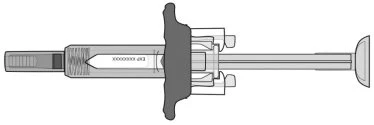
Read these instructions before using the ORENCIA pre-filled syringe.
Before using the pre-filled syringe for the first time, ensure your doctor, nurse, or pharmacist has shown you the correct way to use it.
Keep the pre-filled syringe refrigerated until ready to use. DO NOT FREEZE.
If you have any questions about this product, please read the Patient Information Leaflet.
BEFORE YOU START:
Know your pre-filled syringe
There are 3 types of pre-filled syringes:
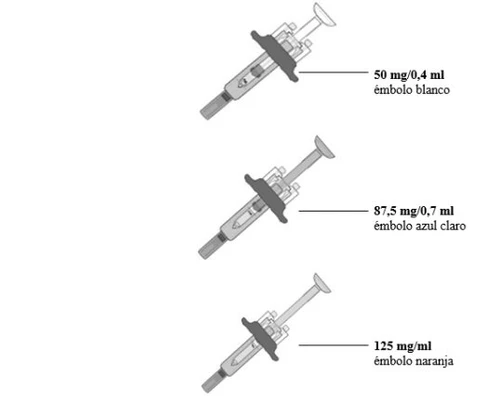
The type of pre-filled syringe you are given depends on the dose prescribed by your doctor. The 125 mg/ml pre-filled syringe is shown below.
Before use
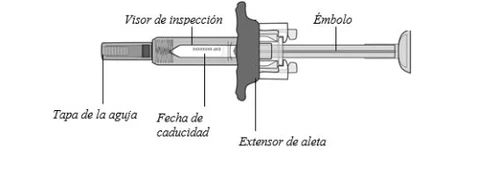
After use
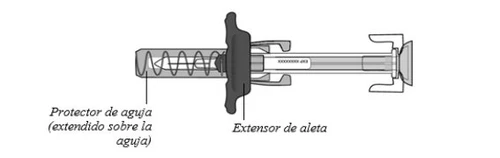
The pre-filled syringe has a flange extender to make it easier to hold and inject, and a needle shield that automatically covers the needle after injection.

DO NOT remove the needle cap until you are ready to inject.
DO NOT PULL the plunger at any time.
DO NOT RECAP the pre-filled syringe at any time, as this may damage, bend, or break the needle.
Always hold the syringe by the body.
Proceed to Step 1
Step 1: Prepare for ORENCIA injection
Gather all necessary supplies on a clean, flat surface.
The pack contains only the pre-filled syringe:
- Alcohol swab
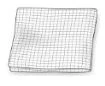
- Plaster
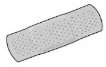
- Cotton ball or gauze
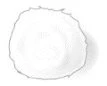
- Pre-filled syringe with passive needle safety shield
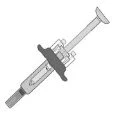
- Sharps disposal container
Allow your pre-filled syringe to reach room temperature.
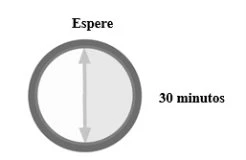
Remove one pre-filled syringe from the refrigerator and wait 30 minutes for it to warm to room temperature.
- Do not speed up the warming process in any way, for example, by using a microwave or warming the syringe in warm water.
- Do not remove the needle cap while allowing the pre-filled syringe to warm to room temperature.
Wash your hands thoroughly with soap and water before preparing for the injection.
Proceed to Step 2
Step 2: Examine the pre-filled syringe
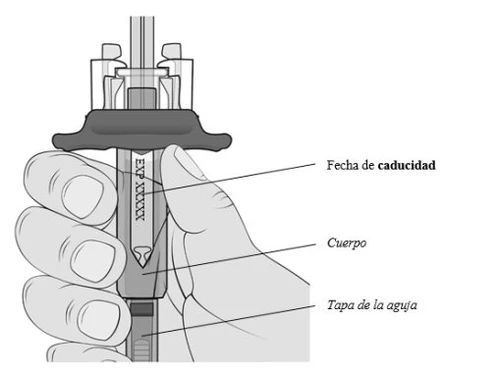
Hold the pre-filled syringe by the body with the needle cap pointing downwards as shown.
- Check the expiry date printed on the label.
Do not use if past the expiry date.
- Check whether the pre-filled syringe is damaged.
Do not use if cracked or broken.
Check the liquid
Check the liquid in the pre-filled syringe through the inspection window. It should be clear and colourless to pale yellow.
A small air bubble may be visible. Do not attempt to remove it.
Do not inject if the liquid is cloudy, has changed colour, or contains visible particles.
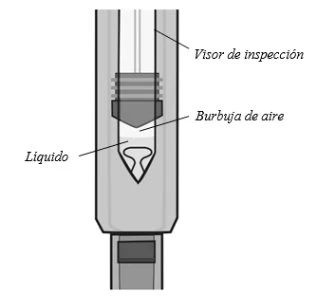
Note: The figure shows the 50 mg pre-filled syringe.
Proceed to Step 3
Step 3: Check the dose in the pre-filled syringe
Hold the syringe at eye level. Look carefully to ensure the amount of liquid in the pre-filled syringe is at or just above the fill line for your prescribed dose.
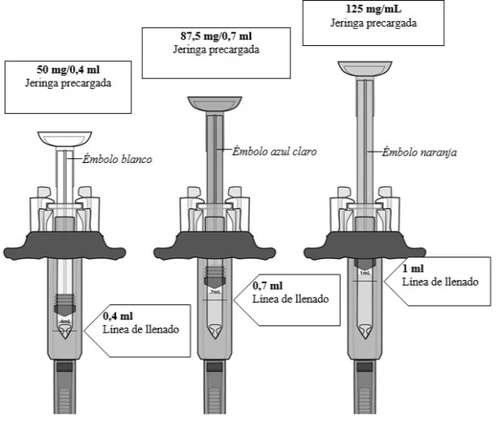
Do not use if the pre-filled syringe does not contain the correct amount of liquid. Contact your doctor, nurse, or pharmacist for further instructions.
Proceed to Step 4
Step 4: Choose and prepare the injection site
Choose the injection site on the abdomen, the front of the thighs, or the outer part of the forearm (only if administered by a caregiver).
Changing injection sites
- You may use the same body area each week, but choose a different injection site within that area.
- Do not inject into areas where the skin is soft, bruised, red, scaly, or hard.
Do not administer the injection into any area with scars or stretch marks.
- Record the date, time, and injection site.
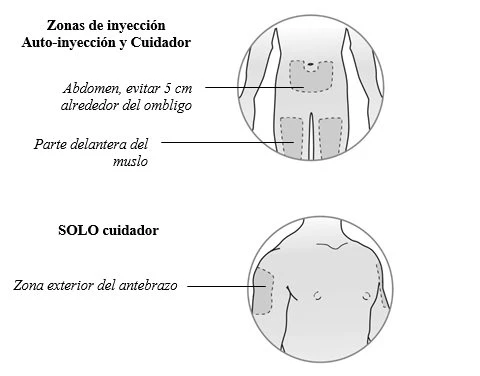
Clean the injection site gently
- Gently clean the injection site with a cotton swab and allow the skin to dry.
- Do not touch the injection site again before administering the injection.
- Do not fan or blow on the cleaned area.
Remove the needle cap by holding the body of the pre-filled syringe with one hand and pulling the cap straight off with the other hand.
Do not recap the needle after removal. The cap may be discarded in household waste after the injection.
- Do not use the pre-filled syringe if it leaks after removing the needle cap.
- Do not use the pre-filled syringe if the needle is damaged or bent.
Note: It is normal to see a drop of liquid at the tip of the needle.
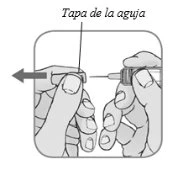
 DO NOT RECAP the pre-filled syringe, as this may damage the needle.
Proceed to Step 5
Step 5: Inject your dose of ORENCIA
Hold the body of the pre-filled syringe in your hand using your thumb and index finger. With the other hand, pinch the cleaned area of skin.
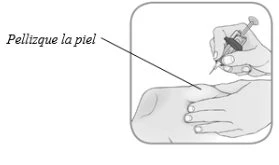
Insert the needle
Gently insert the needle into the pinched skin at a 45º angle.
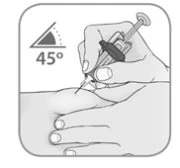
Complete ALL steps to administer your full dose of medicine
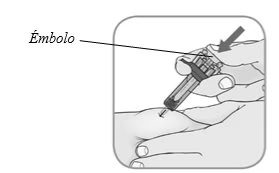
Inject: press the plunger with your thumb all the way down.
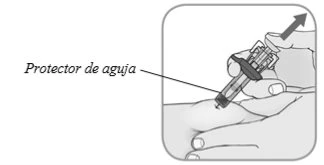
Remove the needle shield: slowly lift your thumb from the plunger to activate the needle shield.
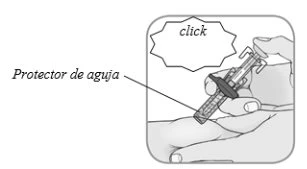
Confirm: after completing the injection, the needle shield will cover the needle and you will hear a click.
Remove the pre-filled syringe from the injection site and release the pinched skin.
Proceed to Step 6
Step 6: After the injection
Care for the injection site:
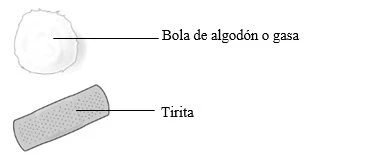
- Mild bleeding at the injection site may occur. You may press on the site with a cotton ball or gauze.
- Do not rub the injection site.
- If needed, you may cover the injection site with a plaster.
Dispose of the used pre-filled syringe immediately into a sharps disposal container after use. If you have any doubts, ask your pharmacist.
For more information on disposal, see the Patient Information Leaflet.
If the injection is administered by a caregiver, this person must also handle the syringe carefully to avoid accidental needlestick injuries and possible infection transmission.
Keep this medicine and the sharps disposal container out of sight and reach of children.
Important instructions for use
Read these instructions carefully and follow them step by step.
Your doctor or nurse will give you instructions on how to self-inject ORENCIA using the pre-filled syringe.
Do not attempt to self-inject until you are sure you understand how to prepare and administer the injection. After proper training, you may administer the injection yourself or have it administered by another person, such as a family member or friend.
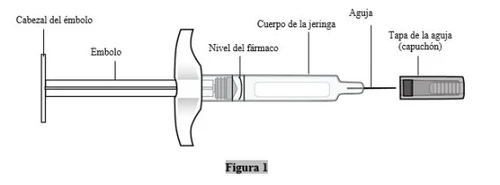
Before starting – things to do and not to do
Do
-
Always handle the ORENCIA pre-filled syringe carefully, especially when around other people or near children.
-
Always hold the syringe by the body.
-
Store unused syringes in the refrigerator in the original carton.
-
Have additional injection supplies ready before injecting.
-
Checklist of supplies: alcohol swabs, cotton ball or gauze, plaster, sharps disposal container.
Sharps disposal containers are puncture-resistant containers that can be purchased at many stores.
Do not
- Do not remove the needle cap (shield) until you are ready to inject.
- Do not pull back the plunger at any time.
- Do not shake the syringe, as this may damage the ORENCIA medicine.
- DO NOT recap the needle.
STEP 1: Prepare the syringe
A. Check the expiry date and batch number on the carton
- The expiry date can be found on the ORENCIA carton and on each syringe.
- If the expiry date has passed, do not use the syringes. Contact your doctor or pharmacist if you need help.
B. Allow the syringe to warm up
-
Find a comfortable place with a clean, flat working surface.
-
Remove the syringe from the refrigerator. Keep any unused syringes in their original carton in the refrigerator.
-
Check that the expiry date and batch number match those on the carton.
-
Inspect the syringe for obvious defects, but do not remove the needle cap.
-
Allow the syringe to sit at room temperature for 30 to 60 minutes before injecting.
-
Do not speed up the warming process in any way, for example, by using a microwave or warming the syringe in warm water.
C. Check the liquid in the syringe
- Hold the syringe by the body, with the covered needle pointing downwards.
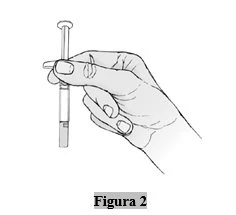
- Look at the liquid in the syringe (Figure 2). The liquid should be clear and colourless to pale yellow.
- Do not inject if the liquid is cloudy, has changed colour, or contains visible particles.
- A small air bubble is normal and does not need to be removed. The entire contents of the syringe must be injected.
D. Gather your additional supplies and keep them within reach.
E. Wash your hands thoroughly with warm water and soap.
STEP 2: Choose and prepare the injection site
Have the syringe ready for immediate use after preparing the injection site.
A. Choose a body area for the injection (injection site)
-
You may use:
-
The front of the thigh
-
The abdomen, except the area within 5 cm around the navel (Figure 3).
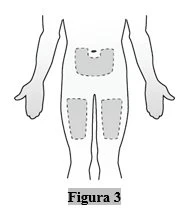
- Choose a different injection site for each new injection. You may use the same thigh for weekly injections, provided each injection site is approximately 2.5 cm away from the previous injection site.
- Do not inject into areas where the skin is painful, bruised, red, scaly, or hard. Avoid areas with scars or stretch marks.
B. Prepare the injection site
-
Clean the injection site with an alcohol swab using a circular motion.
-
Allow the skin to dry before injecting.
-
Do not touch the injection site again before administering the injection.
-
Do not fan or blow on the cleaned area.
STEP 3: Inject ORENCIA
A. Remove the needle cap (shield) only when ready to inject.
- Hold the syringe by the body with one hand and pull the needle cap straight off with the other hand (Figure 4).
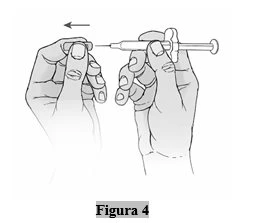
A small air bubble may be present in the syringe liquid. It is not necessary to remove the air bubble.
A drop of liquid may appear at the needle tip. This is normal and will not affect the dose.
- Do not touch the plunger while removing the needle cap.
- Do not remove the needle cap until you are ready to inject ORENCIA.
- Do not touch the needle or let it touch any surface.
- Do not use the syringe if it falls without the needle cap in place.
- Do not recap the needle once removed.
- Do not use the syringe if there are visible signs that the needle is damaged or bent.
- Position the syringe and inject ORENCIA
-
Hold the syringe by the body in one hand between the thumb and index finger (Figure 5).
-
Do not press on the plunger head until you begin the injection.
-
Do not pull back on the plunger at any time.
-
With the other hand, gently pinch the cleaned area of skin. Hold it firmly.
-
Insert the needle quickly into the pinched skin at a 45º angle (Figure 5).
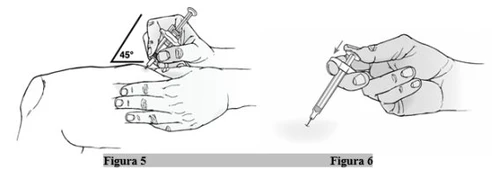
-
Use your thumb to push the plunger down firmly until it stops and all the medicine has been injected (Figure 6).
-
Remove the needle from the skin and release the surrounding skin.
-
Do not recap the needle.
-
Press a cotton ball over the injection site and maintain pressure for 10 seconds.
-
Do not rub the injection site. Mild bleeding is normal.
-
If needed, you may apply a small plaster to the injection site.
STEP 4: Disposal of the syringe and record keeping
A. Dispose of the used syringe in a sharps disposal container.
- Ask your doctor, nurse, or pharmacist about national and local regulations for proper disposal of medical products containing needles.
- Always keep your sharps disposal container out of reach of children and animals.
- Do not throw used syringes into household waste or recycling bins.
B. Keep a record of the injection
- Write down the date, time, and exact body part where the injection was given. It may also be helpful to note any questions or concerns about the injection so you can discuss them with your doctor, nurse, or pharmacist.
Medicines must not be disposed of via wastewater or household waste. Ask your pharmacist how to dispose of medicines you no longer need. These measures will help protect the environment.