Nucala 100 mg solution for injection in pre-filled pen
Spain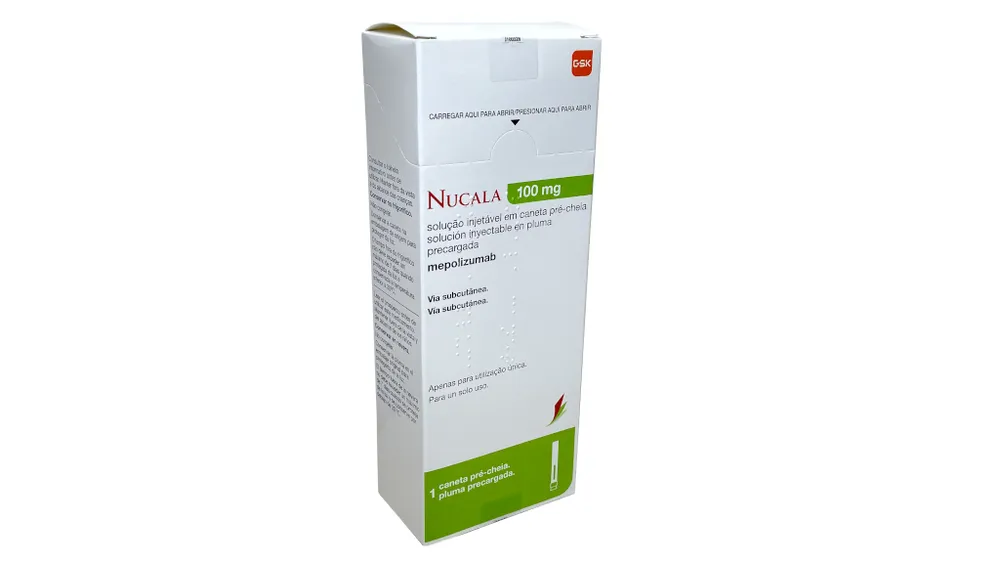
Table of Contents
Package leaflet: Information for the user
Introduction
Package leaflet: information for the patient
Nucala 100mg solution for injection in pre-filled pen
mepolizumab
Read the entire leaflet carefully before you start using this medicine, because it contains important information for you.
- Keep this leaflet, as you may need to read it again.
- If you have any questions, ask your doctor, pharmacist or nurse.
- If you experience any side effects, talk to your doctor, pharmacist or nurse, even if they are side effects not listed in this leaflet. See section 4.
Leaflet contents
- What Nucala is and what it is used for
- What you need to know before using Nucala
- How to use Nucala
- Possible side effects
- How to store Nucala
- Contents of the pack and other information
- Step-by-step instructions for use
1. What Nucala is and what it is used for
Nucala contains the active substance mepolizumab, a monoclonal antibody, a type of protein designed to recognize a specific target substance in the body. It is used to treat severe asthma and EGPA (Eosinophilic Granulomatosis with Polyangiitis) in adults, adolescents, and children aged 6 years and older. It is also used to treat CRSwNP (Chronic Rhinosinusitis with Nasal Polyps), COPD (Chronic Obstructive Pulmonary Disease), and HES (Hypereosinophilic Syndrome) in adults.
Mepolizumab, the active substance in Nucala, blocks a protein called interleukin-5. By blocking the action of this protein, it limits the production of eosinophils by the bone marrow and reduces the number of eosinophils in the blood and lungs.
Severe eosinophilic asthma
Some people with severe asthma have too many eosinophils (a type of white blood cell) in the blood and lungs. This condition is called eosinophilic asthma – the type of asthma that Nucala can treat.
If you or your child are already using high-dose inhaled medications, but your asthma is not well controlled by these treatments, Nucala may reduce the number of asthma attacks. If you are taking medications called oral corticosteroids, Nucala may also help reduce the daily dose needed to control your asthma.
Chronic rhinosinusitis with nasal polyps (CRSwNP)
CRSwNP is a condition in which people have too many eosinophils (a type of white blood cell) in the blood and in the tissues lining the nose and sinuses. This can cause symptoms such as nasal congestion and loss of smell, as well as soft, jelly-like growths (called nasal polyps) that form inside the nose.
Nucala reduces the number of eosinophils in the blood and may shrink the size of nasal polyps, relieving nasal congestion and helping to prevent nasal polyp surgery.
Nucala may also help reduce the need for oral corticosteroids to control your symptoms.
Chronic Obstructive Pulmonary Disease (COPD)
Some people with COPD have too many eosinophils (a type of white blood cell) in the blood and lungs, leading to inflammation and thickening of the airways. It is a chronic disease that slowly worsens over time. Symptoms include difficulty breathing, cough, chest discomfort, and production of mucus. Nucala reduces the number of eosinophils in the blood and may reduce exacerbations (flare-ups) of COPD symptoms.
Eosinophilic granulomatosis with polyangiitis (EGPA)
EGPA is a disease in which people have too many eosinophils (a type of white blood cell) in the blood and tissues, along with some form of vasculitis. This means there is inflammation of the blood vessels. This disease most commonly affects the lungs and sinuses, but often involves other organs such as the skin, heart, and kidneys.
Nucala can help control or delay flare-ups of EGPA symptoms. This medicine may also help reduce the daily dose of oral corticosteroids needed to control your symptoms.
Hypereosinophilic syndrome (HES)
Hypereosinophilic syndrome (HES) is a condition characterized by a high number of eosinophils (a type of white blood cell) in the blood. These cells can damage body organs, particularly the heart, lungs, nerves, and skin.
Nucala helps reduce your symptoms and prevents flare-ups. If you are taking medications commonly known as oral corticosteroids, Nucala may also help reduce the daily dose needed to control your symptoms and HES flare-ups.
2. What you need to know before using Nucala
Do not use Nucala:
-
if you are allergic to mepolizumab or to any of the other ingredients of this medicine (listed in section 6).
-
Consult your doctor if you think this applies to you.
Warnings and precautions
Talk to your doctor before starting to use this medicine.
Worsening of asthma or COPD
Some people may experience adverse reactions related to asthma or COPD, or their asthma or COPD may worsen during treatment with Nucala.
- Consult your doctor or nurse if your asthma or COPD remains uncontrolled or worsens after starting treatment with Nucala.
Allergic and injection site reactions
Medicines of this type (monoclonal antibodies) can cause severe allergic reactions when injected into the body (see section 4, “Possible side effects”).
If you have ever had a similar reaction to any injection or medicine:
- Consult your doctor before receiving Nucala.
Parasitic infections
Nucala may reduce your resistance to infections caused by parasites. If you already have a parasitic infection, it should be treated before starting treatment with Nucala. If you live in an area where such infections are common or if you are traveling to such an area:
- Consult your doctor if you think either of these situations applies to you.
Children and adolescents
Severe eosinophilic asthma
The pre-filled pen is not indicated for use in children under 12 years of age for the treatment of severe eosinophilic asthma.
For children aged 6–11 years, consult your doctor, who will prescribe the recommended dose of Nucala to be administered by a nurse or doctor.
CRSV, COPD and HES
This medicine is not indicated for use in children or adolescents under 18 years of age for the treatment of CRSV, COPD or HES.
EGPA
This medicine is not indicated for use in children under 6 years of age for the treatment of EGPA.
Other medicines and Nucala
Tell your doctor if you are taking, have recently taken, or might need to take any other medicines.
Other medicines for asthma, CRSV, COPD, EGPA or HES
- Once you have started treatment with Nucala, do not stop suddenly taking the medicines you were using to prevent your asthma, CRSV, COPD, EGPA or HES. These medicines (especially those known as oral corticosteroids) should be discontinued gradually, under the direct supervision of your doctor and depending on your response to Nucala.
Pregnancy and breastfeeding
If you are pregnant, think you might be pregnant, or are planning to become pregnant, consult your doctor before using this medicine.
It is unknown whether the components of Nucala can pass into breast milk. If you are breastfeeding, you must consult your doctor before using Nucala.
Driving and using machines
It is unlikely that the possible side effects of Nucala will affect your ability to drive or operate machinery.
Nucala contains polysorbate
This medicine contains 0.2 mg of polysorbate in each 100 mg dose. Polysorbates may cause allergic reactions. Inform your doctor if you have any known allergies.
Nucala contains sodium
This medicine contains less than 1 mmol of sodium (23 mg) per 100 mg dose; essentially “sodium-free”.
3. How to use Nucala
Nucala is administered as an injection just under the skin (subcutaneous injection).
Your doctor or nurse will decide whether you or your caregiver can inject Nucala. If considered appropriate, you or your caregiver will receive training on how to use Nucala correctly.
In children aged 6 to 11 years, Nucala must be administered by a doctor, nurse, or a trained caregiver.
Severe eosinophilic asthma
Recommended dose in adults and adolescents aged 12 years and older is 100 mg. One injection will be given every four weeks.
CRScNP
Recommended dose in adults is 100 mg. One injection will be given every four weeks.
COPD
Recommended dose in adults is 100 mg. One injection will be given every four weeks.
EGPA
Recommended dose in adults and adolescents aged 12 years and older is 300 mg. Three injections will be given every four weeks.
Children aged 6 to 11 years
Children weighing 40 kg or more:
Recommended dose is 200 mg. Two injections will be given every four weeks.
Children weighing less than 40 kg:
Recommended dose is 100 mg. One injection will be given every four weeks.
Injection sites should be at least 5 cm apart.
HES
Recommended dose in adults is 300 mg. Three injections will be given every four weeks.
Injection sites should be at least 5 cm apart.
Instructions for using the pre-filled pen are provided at the end of this leaflet.
If you use more Nucala than you should
Consult your doctor if you think you may have administered too much Nucala.
If you forget a dose of Nucala
You or your caregiver may administer the next dose of Nucala as soon as you remember. If you do not realize a dose has been missed until it is time for the next scheduled dose, administer only the next dose as planned. If you are unsure what to do, ask your doctor, pharmacist, or nurse.
If you stop treatment with Nucala
Do not stop receiving Nucala injections unless your doctor tells you to. Interrupting or stopping treatment with Nucala may cause your symptoms and attacks to return.
If your symptoms worsen while you are receiving Nucala injections:
- Inform your doctor.
If you have any further questions about the use of this medicine, ask your doctor, pharmacist, or nurse.
4. Possible adverse effects
Like all medicines, this medicine can cause adverse effects, although not everyone experiences them. The adverse effects caused by Nucala are generally mild to moderate, although occasionally they may be severe.
Allergic reactions
Some people may experience allergic or allergy-type reactions. These reactions may be common (may affect up to 1 in 10 people). They usually occur within minutes to hours after the injection, but sometimes symptoms may even begin several days later.
Symptoms may include:
-
chest tightness, cough, difficulty breathing
-
fainting, dizziness, feeling lightheaded (due to a drop in blood pressure)
-
swelling of the eyelids, face, lips, tongue, or mouth
-
hives
-
rash
-
If you think you (or your child) may be having a reaction, seek immediate medical attention.
If you (or your child) have had a similar reaction to any injection or medicine:
- Consult your doctor before you (or your child) are given Nucala.
Other adverse effects include:
Very common:
may affect more than 1 in 10 people
- headache
Common:
may affect up to 1 in 10 people
- chest infection, with symptoms such as cough and fever (high temperature)
- urinary tract infection (blood in urine, painful and frequent urination, fever, lower back pain)
- herpes zoster (shingles)
- pain in the upper abdomen (stomach pain or discomfort in the upper part of the stomach)
- fever (high temperature)
- eczema (itchy red patches on the skin)
- injection site reaction (pain, redness, swelling, itching, and burning sensation in the skin near the site where the injection was given)
- back pain
- arthralgia (joint pain)
- pharyngitis (sore throat)
- nasal congestion (stuffy nose)
Rare:
may affect up to 1 in 1,000 people
-
severe allergic reactions (anaphylaxis)
-
If you experience any of these symptoms, consult your doctor or nurse immediately.
Reporting of adverse effects
If you experience any adverse effect, talk to your doctor or nurse, even if it is a possible adverse effect not listed in this leaflet. You may also report them directly through the national reporting system included in Appendix V. By reporting adverse effects, you can help provide more information on the safety of this medicine.
5. Storage of Nucala
Keep this medicine out of the sight and reach of children.
Do not use this medicine after the expiry date stated on the label or container after EXP. The expiry date is the last day of the month indicated.
Store in a refrigerator (between 2 °C and 8 °C).
Do not freeze.
Keep in the original packaging to protect from light.
The Nucala pre-filled pen may be removed from the refrigerator and stored in the unopened outer packaging for up to 7 days at room temperature (below 30 °C), protected from light. Discard if left outside the refrigerator for more than 7 days.
6. Contents of the pack and other information
Composition of Nucala
The active substance is mepolizumab.
Each 1 ml of the pre-filled pen contains 100 mg of mepolizumab.
The other components are: sucrose, dibasic sodium phosphate heptahydrate, monohydrate citric acid, polysorbate 80 (E 433), disodium edetate, water for injections.
Nature of the product and contents of the container
Nucala is presented in a single-use pre-filled pen as 1 ml of a solution ranging from clear to opalescent and from colourless to pale yellow to pale brown.
Nucala is available in a pack containing 1 pre-filled pen, or in a multipack containing 3 x 1 pre-filled pens or 9 x 1 pre-filled pens.
Marketing Authorisation Holder
GlaxoSmithKline Trading Services Limited
12 Riverwalk
Citywest Business Campus
Dublin 24
D24 YK11
Ireland
Manufacturer
GlaxoSmithKline Manufacturing S.P.A
Strada Provinciale Asolana, No 90
43056 San Polo di Torrile, Parma
Italy
Further information on this medicinal product is available by contacting the local representative of the Marketing Authorisation Holder:
Belgium/Belgium/Belgium GlaxoSmithKline Pharmaceuticals s.a./n.v. Tel/Tel: + 32 (0) 10 85 52 00 | Lithuania UAB “BERLIN-CHEMIE MENARINI BALTIC” Tel: + 370 52 691 947 |
| Luxembourg/Luxembourg GlaxoSmithKline Pharmaceuticals s.a./n.v. Belgium/Belgium Tel/Tel: + 32 (0) 10 85 52 00 |
Czech Republic GlaxoSmithKline, s.r.o. Tel: + 420 222 001 111 | Hungary Berlin-Chemie/A. Menarini Kft. Tel.: + 36 23501301 |
Denmark GlaxoSmithKline Pharma A/S Tlf.: + 45 36 35 91 00 | Malta GlaxoSmithKline Trading Services Ltd. Tel: +356 80065004 |
Germany GlaxoSmithKline GmbH & Co. KG Tel.: + 49 (0)89 36044 8701 | Netherlands GlaxoSmithKline BV Tel: + 31 (0)33 2081100 |
Estonia OÜ Berlin-Chemie Menarini Eesti Tel: + 372 667 5001 | Norway GlaxoSmithKline AS Tlf: + 47 22 70 20 00 |
Greece GlaxoSmithKline Μονοπρόσωπη A.E.B.E. Tel: + 30 210 68 82 100 | Austria GlaxoSmithKline Pharma GmbH Tel: + 43 (0)1 97075 0 |
Spain GlaxoSmithKline, S.A. Tel: + 34 900 202 700 | Poland GSK Services Sp. z o.o. Tel.: + 48 (0)22 576 9000 |
France Laboratoire GlaxoSmithKline Tel: + 33 (0)1 39 17 84 44 | Portugal GlaxoSmithKline – Produtos Farmacêuticos, Lda. Tel: + 351 21 412 95 00 |
Croatia Berlin-Chemie Menarini Hrvatska d.o.o. Tel: +385 1 4821 361 | Romania GlaxoSmithKline Trading Services Ltd. Tel: +40 800672524 |
Ireland GlaxoSmithKline (Ireland) Limited Tel: + 353 (0)1 4955000 | Slovenia Berlin-Chemie / A. Menarini Distribution Ljubljana d.o.o. Tel: + 386 (0)1 300 2160 |
Iceland Vistor ehf. Tel: + 354 535 7000 | Slovakia Berlin-Chemie / A. Menarini Distribution Slovakia s.r.o. Tel: + 421 2 544 30 730 |
Italy GlaxoSmithKline S.p.A. Tel: + 39 (0)45 7741111 | Finland GlaxoSmithKline Oy Tel: + 358 (0)10 30 30 30 |
Cyprus GlaxoSmithKline Trading Services Ltd. Tel: +357 80070017 | Sweden GlaxoSmithKline AB Tel: + 46 (0)8 638 93 00 |
Latvia SIA Berlin-Chemie/Menarini Baltic Tel: + 371 67103210 |
Date of the most recent review of this leaflet:
Other sources of information
Detailed information on this medicine is available on the European Medicines Agency website: https://www.ema.europa.eu and on the website of the Spanish Agency of Medicines and Medical Devices (AEMPS) (http://www.aemps.gob.es/).
- Step-by-step instructions for using the pre-filled pen
Administration once every four weeks.
Follow these instructions on how to use the pre-filled pen. Failure to follow these instructions may affect the proper functioning of the pre-filled pen. You should also receive training on how to use the pre-filled pen. The Nucala pre-filled pen is intended for subcutaneous (under the skin) use only.
How to store Nucala
- Keep refrigerated before use.
- Do not freeze.
- Store the pre-filled pen in the original packaging to protect it from light.
- Keep out of the sight and reach of children.
- If necessary, the pre-filled pen may be kept at room temperature below 30 °C for no more than 7 days, provided it is kept in the original packaging. Carefully dispose of the pen if it has been left outside the refrigerator for more than 7 days.
- Store below 30 °C.
Before using Nucala
The pre-filled pen must be used only once and then discarded.
- Do not share your pre-filled pen with another person.
- Do not shake the pen.
- Do not use the pen if it falls onto a hard surface.
- Do not use the pen if it appears damaged.
- Do not remove the needle cap until just before your injection.
Know your pre-filled pen |
|
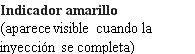
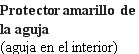
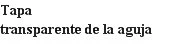
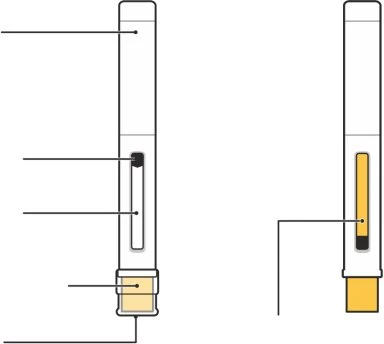
Preparation |
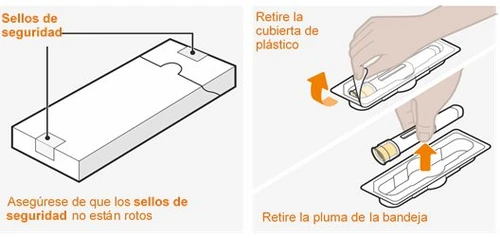
1. Prepare what you need |
Find a comfortable, well-lit, and clean surface. Make sure you have the following items within reach:
|
|
|
Do not use the pen if the case’s security seal is broken. Do not remove the needle cap at this time. |
|
|
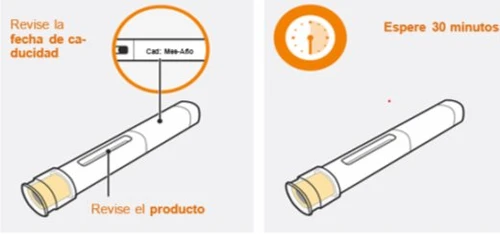
Do not use after the expiration date. Do not heat the pen in a microwave, with warm water, or under direct sunlight. Do not inject the solution if it appears cloudy, discolored, or contains particles. Do not use the pen if it has been left outside its packaging for more than 8 hours. Do not remove the needle cap at this time. |
|
|
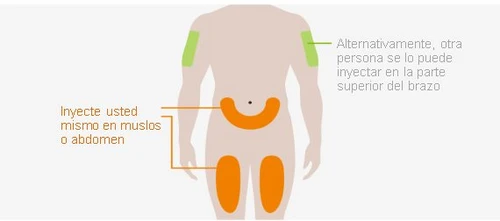
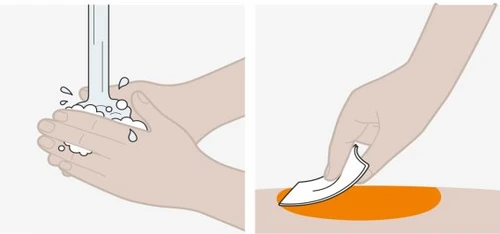
Do not inject where your skin is bruised, tender, red, or hard. Do not inject within 5 cm of your navel. |
|
|
Do not touch the injection site again until you have finished. |
Injecting |
|
|
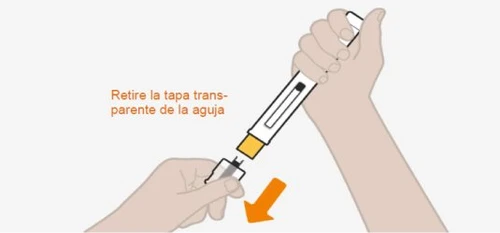
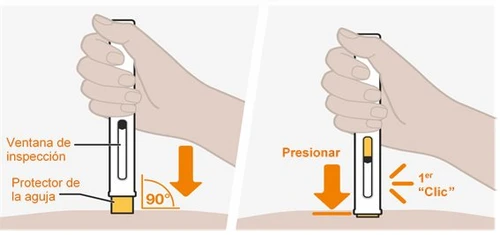
Do not touch the yellow needle shield with your fingers. This could activate the pen too early and damage the needle. After removal, do not reattach the needle cap to the pen, as it may accidentally start the injection. |
|
|
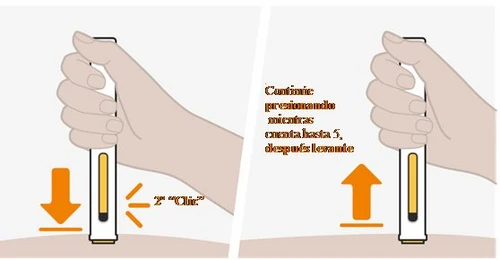
Do not lift the pen from your skin at this time, as you may not receive the full dose. Completing the injection may take up to 15 seconds. Do not use the pen if the yellow needle shield does not slide upward as described. Discard it (see step 9), and start again with a new pen. |
|
|
Do not remove the pen until you are certain the injection is complete.
Do not rub the injection site. |
Dispose |
|
|