Nitrous oxide Medicinal Solgroup 100% v/v medicinal liquefied gas
Spain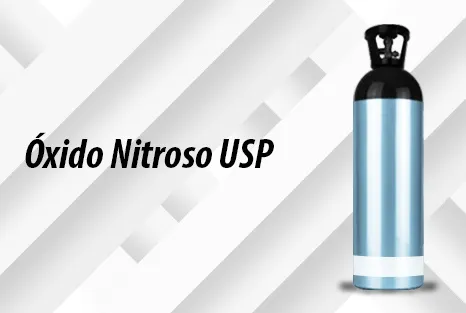
Table of Contents
- Patient Information Leaflet
- Introduction
- 1. What nitrous oxide medicinal Solgroup is and what it is used for
- 2. What you need to know before using Nitrous oxide medicinal Solgroup
- 3. How to use Medicinal Nitrous Oxide Solgroup
- 4. Possible adverse effects
- 5. Storage of Medicinal Nitrous Oxide Solgroup
- 6. Contents of the pack and other information
Patient Information Leaflet
Introduction
Patient Information Leaflet
Medicinal Nitrous Oxide Solgroup 100 % v/v, liquefied medicinal gas
Nitrous Oxide
Read all of this leaflet carefully before you start using this medicine, as it contains important information for you.
- Keep this leaflet as you may need to read it again.
- If you have any questions, ask your doctor, pharmacist or nurse.
- If you experience any side effects, talk to your doctor, pharmacist or nurse, even if it is a side effect not listed in this leaflet. See section 4.
Leaflet Contents
- What medicinal nitrous oxide Solgroup is and what it is used for
- What you need to know before using medicinal nitrous oxide Solgroup
- How to use medicinal nitrous oxide Solgroup
- Possible side effects
- How to store medicinal nitrous oxide Solgroup
- Contents of the pack and other information
1. What nitrous oxide medicinal Solgroup is and what it is used for
Nitrous oxide medicinal Solgroup is a colourless inhaled gas with a sweet odour (preparation for inhalation). The active substance is nitrous oxide, also known as "laughing gas". It belongs to the group of general anaesthetics (narcotic agents).
Nitrous oxide medicinal Solgroup is used in adults and children from 1 month of age:
- combined with oxygen (50% nitrous oxide and 50% oxygen) for the short-term, intermittent relief of mild to moderate pain;
- mixed with a minimum of 21% oxygen as a basal anaesthetic, in combination with other anaesthetics.
2. What you need to know before using Nitrous oxide medicinal Solgroup
Do not use Nitrous oxide medicinal Solgroup:
-
If you regularly or continuously inhale 100% medicinal oxygen
-
If you have trapped air in a part of the body where possible expansion of the air could have very serious consequences, such as a collapsed lung (pneumothorax), breathing difficulties such as emphysema, or decompression sickness (decompression syndrome)
-
After coronary bypass surgery with or without cardiopulmonary bypass
-
In patients with heart disease (e.g., heart failure or cardiac dysfunction)
-
If you have facial injuries or a temporomandibular disorder
-
In case of head injuries with disturbances of consciousness
-
In case of severe gastric distension
-
If increased intracranial pressure is suspected or observed
-
After an intravitreal gas injection (e.g., SF6, C3F8) into the eye, which may cause an increase in eye volume and risk of blindness. (The physician must not use medicinal nitrous oxide until sufficient time has passed.)
-
If you have been diagnosed with vitamin B12 or folic acid deficiency (even during early pregnancy stages), but have not received treatment for it, as the use of nitrous oxide may worsen symptoms caused by vitamin B12 and folic acid deficiency.
Warnings and precautions
Consult your doctor or pharmacist before using Nitrous oxide medicinal Solgroup:
-
If you have or have had a tendency to drug/medication abuse, as there is an increased risk of developing dependence on nitrous oxide if administered repeatedly. Your doctor will decide whether treatment with Nitrous oxide medicinal Solgroup is suitable for you.
-
Repeated or prolonged use of nitrous oxide may increase the risk of vitamin B12 deficiency, which could affect the bone marrow or nervous system. Your doctor may prescribe blood tests before and after treatment to assess the consequences of a possible vitamin B12 deficiency.
-
If you have vitamin B12 deficiency, as occurs in individuals with pernicious anemia (a malignant form of anemia), Crohn's disease (chronic enteric disease), or in vegetarians.
-
If you suffer from heart failure (if your heart does not function properly).
-
If you suffer from severe hypotension resulting from shock or cardiac arrest.
-
If you have sickle cell anemia (a specific blood disorder in which red blood cells have an abnormal shape).
-
If analgesia containing opiates has been administered during childbirth (the combination of this type of drug with Nitrous oxide medicinal Solgroup may lead to loss of consciousness).
-
After an intravitreal injection (with another agent), sufficient time must elapse before administering Nitrous oxide medicinal Solgroup, otherwise there is a risk of ocular complications (including blindness).
- Due to its nitrous oxide content, Nitrous oxide medicinal Solgroup may increase pressure in the middle ear and other air-filled cavities.
-
When benzodiazepines are administered simultaneously (a specific group of drugs with sedative, hypnotic, and/or muscle-relaxant properties), as loss of consciousness may occur.
-
If you have received treatment with bleomycin (a medication used in cancer treatment).
Children and adolescents
Do not administer this medicine to neonates (term or preterm).
Use of Nitrous oxide medicinal Solgroup with other medicines
Inform your doctor or pharmacist if you are taking, have recently taken, or might need to take any other medicines.
NOTE: The following warnings also apply to the use of medicines before or after using Nitrous oxide medicinal Solgroup.
- Narcotic drugs enhance the activity of medicinal nitrous oxide.
- Medicines containing morphine increase the analgesic and sedative effects of medicinal nitrous oxide.
- Benzodiazepines and barbiturates (a specific group of drugs with sedative, hypnotic, and/or muscle-relaxant properties) enhance the effect of medicinal nitrous oxide, and the combination of these drugs with medicinal nitrous oxide may cause loss of consciousness.
- The action of certain muscle relaxants (such as pancuronium, vecuronium) is enhanced by medicinal nitrous oxide.
- The toxicity caused by sodium nitroprusside (a drug used in the treatment of high blood pressure) and methotrexate (a drug used in cancer treatment) increases because the action of vitamin B12 is inhibited by medicinal nitrous oxide.
- Lung damage caused by bleomycin (a drug used in cancer treatment) may be increased if oxygen administration is raised (as occurs during treatment with medicinal nitrous oxide).
Use of Nitrous oxide medicinal Solgroup with food, drinks, and alcohol
If Nitrous oxide medicinal Solgroup is used as a component of an anesthetic, do not eat or drink anything within the 6 hours preceding general anesthesia, as Nitrous oxide medicinal Solgroup may cause nausea or vomiting (see section 4 “Possible side effects”).
Pregnancy, breastfeeding, and fertility
If you are pregnant or breastfeeding, think you may be pregnant, or plan to become pregnant, consult your doctor or pharmacist before using this medicine.
Pregnancy
Some data indicate that short-term use of Nitrous oxide medicinal Solgroup does not pose a higher risk of congenital malformations. In isolated cases, medicinal nitrous oxide may cause respiratory problems in newborns. Nitrous oxide medicinal Solgroup should only be used during pregnancy when strictly necessary. Frequent or prolonged use should be avoided.
Breastfeeding
It is unknown whether medicinal nitrous oxide is excreted in breast milk. Interruption of breastfeeding is not necessary after a short period of administration.
Fertility
There are no relevant human data regarding the effects of nitrous oxide on fertility. Animal studies indicate that female and male fertility may be affected by exposure to low concentrations (≤1%).
Driving and use of machines
- Do not drive or operate any tools or machinery within 24 hours after administration of Nitrous oxide medicinal Solgroup combined with anesthetic drugs, as medicinal nitrous oxide significantly impairs the ability to drive and operate machinery.
- Exercise caution after short-term administration of medicinal nitrous oxide for pain relief. Do not drive or operate machinery until side effects have subsided and your pre-treatment level of alertness has been restored.
3. How to use Medicinal Nitrous Oxide Solgroup
For inhalation use only.
The doctor will administer Medicinal Nitrous Oxide Solgroup and determine the correct dose.
For short-term use for pain relief
When administered for pain relief, Medicinal Nitrous Oxide Solgroup must only be used in combination with an equal proportion of oxygen (50% nitrous oxide and 50% oxygen).
The analgesic effect occurs after 4–5 inhalations, with maximum pain relief achieved within 2–3 minutes. Administration of Medicinal Nitrous Oxide Solgroup should continue throughout the painful procedure, or for as long as analgesic effect is desired.
After discontinuation of administration/inhalation, effects disappear rapidly within a few minutes.
The maximum duration of administration should not exceed 1 hour continuously per day.
This treatment should not be repeated for more than 15 consecutive days.
Depending on the individual patient's response to pain relief, additional analgesics may be required.
For use in combination with anaesthetic medicines
When used in combination with anaesthetic medicines, Medicinal Nitrous Oxide Solgroup must only be administered mixed with a minimum of 21% oxygen. Medicinal nitrous oxide alone cannot induce anaesthesia. Combining anaesthetic medicines with Medicinal Nitrous Oxide Solgroup reduces the required amount of other anaesthetic medicines. Generally, the effect is observed within 2 to 5 minutes.
Instructions for use of Medicinal Nitrous Oxide Solgroup
Nitrous oxide (medicinal) is administered by inhalation and must be delivered via a face mask, mouthpiece, or nasal cannula. The mask or mouthpiece is connected to the nitrous oxide (medicinal) via an appropriate medical device. The device must be operated as described by the manufacturer. These systems must only be used to administer nitrous oxide under the direct supervision and care of appropriately trained medical personnel in well-ventilated areas, to prevent exhaled Medicinal Nitrous Oxide Solgroup from entering the ambient air.
If you use more Medicinal Nitrous Oxide Solgroup than you should
The consequences of an overdose of medicinal nitrous oxide include acute oxygen deficiency. In case of overdose, administration of medicinal nitrous oxide must be stopped immediately, and the patient should be ventilated with air or oxygen until blood oxygen concentration returns to normal levels.
If you stop treatment with Medicinal Nitrous Oxide Solgroup
If administration of medicinal nitrous oxide and medicinal oxygen is interrupted, it may lead to oxygen deficiency. To prevent this, the patient may temporarily be ventilated with 100% oxygen.
If you have any further questions about the use of this medicine, ask your doctor, pharmacist, or nurse.
4. Possible adverse effects
Like all medicines, this medicine can cause adverse effects, although not everyone will experience them.
The following adverse effects have been classified by organ systems. There is limited data on the frequency of side effects, but they occur more frequently with higher doses and/or longer administration periods. Nausea and vomiting are the most common side effects.
Blood and lymphatic system disorders
- Megaloblastic anemia (a type of anemia caused by vitamin B12 deficiency due to nitrous oxide)
- Granulocytopenia (complete deficiency of a type of blood cell)
Psychiatric disorders
- Psychosis (severe mental illnesses involving impaired behavioral control and reduced ability to act), confusion, and headache, although it may also reduce anxiety and improve mood.
- Addiction (frequency unknown).
Nervous system disorders
- Reduces cerebral blood flow and decreases glucose consumption by the brain.
- Psychedelic effects may occur, even without administration of another anesthetic drug.
- Neurological effects: spinal cord disorders, neuropathy, paresthesias (sensations such as tingling and pins and needles) throughout the body, myeloneuropathy, epilepsy, generalized seizures (frequency unknown), sedation, dizziness, increased intracranial pressure, symptoms of leg paralysis with muscle cramps.
- Impairment of nerve functions, sensation of numbness and weakness, especially in the legs (frequency unknown).
- Marked decrease and/or increase in body temperature.
Eye disorders
Slowed eye movements.
Temporary increase in pressure and/or volume in the eye if medicinal nitrous oxide is administered after injection of a gas-producing drug into the eye.
Ear and labyrinth disorders
Damage to the middle ear and rupture of the eardrum.
Cardiac disorders
- Cardiac arrhythmia
- Heart failure
- Increased pulmonary blood pressure
- Systemic hypotension
Respiratory, thoracic and mediastinal disorders
- Respiratory depression
- Air in the chest cavity
- Subcutaneous emphysema and symptoms resembling respiratory infection
Gastrointestinal disorders
- Nausea
- Vomiting
- Temporary increase in pressure and/or volume in the intestines and abdominal cavity
Hepatobiliary and pancreatic disorders
- Jaundice
- Increased concentration of liver enzymes.
Reporting of adverse effects
If you experience any type of adverse effect, consult your doctor, pharmacist, or nurse, even if it is a possible adverse effect not listed in this leaflet. You may also report them directly via the Spanish Pharmacovigilance System for Human Medicinal Products: www.notificaRAM.es.
By reporting adverse effects, you can help provide more information on the safety of this medicine.
5. Storage of Medicinal Nitrous Oxide Solgroup
Keep this medicine out of the sight and reach of children.
Qualified personnel will be responsible for storing Medicinal Nitrous Oxide Solgroup according to the instructions provided by the manufacturer and current regulations.
Do not use this medicine after the expiry date stated on the label, after {EXP.}. The expiry date refers to the last day of the month indicated.
See full information on special storage conditions at the end of the leaflet: Information intended solely for healthcare professionals.
6. Contents of the pack and other information
Composition of Solgroup Medicinal Nitrous Oxide
- The active substance is nitrous oxide (dinitrogen monoxide).
- Solgroup Medicinal Nitrous Oxide contains no other components.
Appearance of the product and contents of the container
- Solgroup Medicinal Nitrous Oxide is an inhalation gas (preparation for inhalation) supplied in liquid form in pressurized gas cartridges. The cartridges are color-coded: the body is pure white (RAL 9010) and the shoulder is gentian blue (RAL 5010).
- The following table shows the contents of various gas cartridges (in liters) and the corresponding amount of nitrous oxide gas in kilograms at a pressure of 45 bar (at 15°C).
Content in liters (x) | 1 | 2 | 3 | 5 | 10 | 20 | 30 |
Amount of nitrous oxide gas in kg (y) | 0.75 | 1.5 | 2.25 | 3.75 | 7.5 | 15 | 22.5 |
Content in liters (x) | 40 | 50 | 12x40 | 12x50 | 16x40 | 16x50 | |
Amount of nitrous oxide gas in kg (y) | 30 | 37.5 | 360 | 450 | 480 | 600 |
Some pack sizes may not be marketed.
Marketing Authorisation Holder and Manufacturer
Marketing Authorisation Holder:
SOL FRANCE SUCURSAL EN ESPAÑA
Calle Yeso, num. 2
28500 Arganda del Rey - (Madrid)
Spain
Manufacturer:
SOL Nederland B.V.
Swaardvenstraat 11
5048 AV Tilburg
Netherlands
or
SOL B S.r.l.
Zoning Ouest 15
7860 Lessines
Belgium
or
SOL S.p.A.
Via Acquaviva 4
26100 Cremona
Italy
or
SOL France S.A.S.
ZI des Béthunes
8 Rue du Compas
95310 Saint Ouen L'Aumone
France
or
SOL Hellas S.A.
Thesi Stefani, ASPROPYRGOS ATTIKI,
GR-193 00 Greece
For further information about this medicinal product, please contact the local representative of the Marketing Authorisation Holder.
This medicinal product is authorised in the European Economic Area member states under the following names:
Belgium: Protoxyde d’azote Médicinal SOL 100 % v/v, gaz médicinal liquéfié
Bulgaria: ?????????? ???????? ????? SOL 100 % v/v, ??????? ??????????
Luxembourg: Protoxyde d’azote Médicinal SOL 100 % v/v, gaz médicinal liquéfié
Slovenia: Medicinski didušikov oksid SOL 100 % medicinski plin, utekocinjen
Slovakia: Medicinálny oxid dusný SOL 100 %, medicinálny plyn skvapalnený
Spain: Óxido nitroso medicinal SOLGROUP, 100 % v/v, gas licuado medicinal
Greece: Φαρμακευτικό Πρωτοξείδιο του Αζώτου SOL, 100 % v/v, Ιατρικό αέριο, υγροποιημένο
Hungary: SOL Orvosi Dinitrogén-oxid, 100 % v/v, Cseppfolyósított orvosi gáz
Ireland: Nitrous oxide medicinal SOL, 100 % v/v, medicinal gas, liquefied
Netherlands: Distikstofoxide Medicinaal SOL, medicinaal gas, vloeibaar gemaakt 100 % v/v
Czech Republic: Medicinální oxid dusný SOL 100 %, medicinální plyn, zkapalnený
Romania: Protoxid de azot SOL 100 % gaz medicinal lichefiat
United Kingdom: Nitrous oxide 100 % v/v medicinal gas, liquefied
Date of the most recent revision of this leaflet:
The following information is intended for healthcare professionals only:
Safety Guidelines
Repeated administration or exposure to nitrous oxide may lead to dependence. Healthcare professionals with occupational exposure to nitrous oxide should take appropriate precautions.
Special Storage Precautions
- Store gas cylinders at temperatures between –20°C and +65°C.
- Store gas cylinders in a well-ventilated area suitable for storage of medicinal gases.
- Keep gas cylinders away from flammable materials.
- Avoid any contact with oil, grease, or similar substances.
- Keep gas cylinders stored upright, except for cylinders with convex bases, which must be stored horizontally or in a rack.
- Protect gas cylinders from falls and impacts by securing them in place or storing them in a cage.
- Gas cylinders containing different gases or gas mixtures must be stored separately.
- Store full and empty gas cylinders separately.
- Do not store gas cylinders near sources of heat.
- Store gas cylinders covered and protected from atmospheric conditions.
- Nitrous oxide cylinders are fitted with a rupture disc designed to prevent cylinder explosion if internal pressure becomes too high. The rupture disc may fail if the temperature becomes too high, resulting in the complete release of the cylinder contents. In such a case, do not enter the storage area and ventilate the area thoroughly until it is safe for professional use.
Instructions for Use, Handling, and Disposal
Follow your supplier's instructions, and especially the following:
- Nitrous oxide must only be administered after appropriate pressure and flow regulation between the cylinder and the patient.
- Before opening the cylinder valve, ensure the cylinder is in an upright position and maintain this position during administration.
- Nitrous oxide must be administered together with oxygen using a safe mixing device; the pressure of nitrous oxide in the lines must always be lower than the oxygen pressure.
- If a variable mixer is used, monitoring with an oxygen analyser is recommended.
- Do not use the gas cylinder if visible damage is observed, if damage is suspected, or if the cylinder has been exposed to high temperatures.
- Avoid any contact with oil, grease, or similar substances.
- Only use equipment compatible with the specific gas type and cylinder.
- Do not use pliers, forceps, or other tools to open or close the cylinder valve, as this may damage it.
- Do not modify the container type.
- In case of leakage, immediately close the gas cylinder valve if it can be safely handled. If this is not possible, move the cylinder to a safe outdoor location and allow it to empty completely.
- Close the valves of empty gas cylinders.
- It is prohibited to extract compressed gas using a siphon.
- Installations, including central storage, distribution networks, piping systems, terminal units, and connections, must comply with current regulations.
- Nitrous oxide may cause immediate ignition of sparking or flaming materials; therefore, smoking or bringing flames near the gas cylinder is strictly prohibited.
- Nitrous oxide is a non-toxic, non-flammable gas that is air-resistant and may support combustion. It may form explosive mixtures when combined with flammable anaesthetic gases or vapours, even in the absence of oxygen.
- After use, return empty cylinders to the supplier.