Nitrous oxide medicinal gas Oxygen Salud, 98%, medicinal liquefied gas
Spain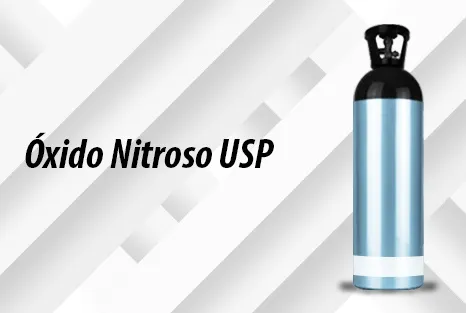
Table of Contents
- Package leaflet: Information for the user
- Introduction
- 1. What ÓXIDO NITROSO MEDICINAL GAS OXIGEN SALUD is and what it is used for
- 2. What you need to know before using MEDICINAL NITROUS OXIDE GAS OXIGEN SALUD
- Pregnancy
- Some data have indicated that short-term use of nitrous oxide during pregnancy does not involve a higher risk of congenital malformations. In isolated cases, nitrous oxide may cause *respiratory* problems in *newborns*. Medicinal nitrous oxide should only be used during pregnancy if strictly necessary. Frequent or prolonged use should be avoided.
- Breast-feeding
- 3. How to use MEDICINAL NITROUS OXIDE GAS OXYGEN SALUD
- 4. Possible adverse effects
- 5. Storage of MEDICINAL NITROUS OXIDE OXYGEN HEALTH GAS
- 6. Contents of the container and other information
Package leaflet: Information for the user
Introduction
Package leaflet: information for the patient
MEDICAL NITROUS OXIDE GAS OXIGEN SALUD, 98.0%, medicinal liquefied gas
Nitrous oxide
Read the entire leaflet carefully before you start using this medicine, as it contains important information for you.
- Keep this leaflet as you may need to read it again.
- If you have any questions, ask your doctor or pharmacist.
- This medicine has been prescribed for you only and must not be given to other people, even if they have the same symptoms as you, because it could harm them.
- If you experience any adverse effects, consult your doctor or pharmacist, even if they are adverse effects not listed in this leaflet. See section 4.
Leaflet contents
- What ÓXIDO NITROSO MEDICINAL GAS OXIGEN SALUD is and what it is used for
- What you need to know before using ÓXIDO NITROSO MEDICINAL GAS OXIGEN SALUD
- How to use ÓXIDO NITROSO MEDICINAL GAS OXIGEN SALUD
- Possible side effects
- How to store ÓXIDO NITROSO MEDICINAL GAS OXIGEN SALUD
- Contents of the pack and other information
1. What ÓXIDO NITROSO MEDICINAL GAS OXIGEN SALUD is and what it is used for
Nitrous oxide is a liquefied gas for inhalation. Treatment with nitrous oxide is indicated in the following cases:
- As an adjunct to general anesthesia, in combination with all intravenous or inhaled anesthetic agents.
- As an adjunct to analgesia in the operating room or in the delivery room.
2. What you need to know before using MEDICINAL NITROUS OXIDE GAS OXIGEN SALUD
Do not use Medicinal Nitrous Oxide Gas Oxigen Salud:
-
If you require ventilation with pure oxygen.
-
If there is a risk of air or gas accumulation in the body. This may apply in cases of untreated pneumothorax (“collapsed lung”), vesicular pulmonary emphysema, or decompression illness (“decompression syndrome”).
-
Do not use for longer than 24 consecutive hours.
-
If you regularly or continuously inhale medicinal oxygen.
-
If there is a sudden obstruction in the gastrointestinal system.
-
If there is a risk of increased intracranial pressure, characterized by acute headache, blurred vision, increased cerebrospinal fluid pressure, signs of neurological deficit, and loss of consciousness.
-
If there are facial injuries in the area where the anesthetic mask is placed.
-
After an intravitreal gas injection (e.g., SF6, C3F8) into the eye, which may cause an increase in intraocular volume and risk of blindness (the physician must not use medicinal nitrous oxide until sufficient time has elapsed).
-
If there is vitamin B12 deficiency during early stages of pregnancy.
Warnings and precautions
-
If you suffer from heart failure, monitor for possible drop in blood pressure.
-
If you are undergoing surgery on the ear or adjacent air-containing structures.
-
If you have vitamin B12 deficiency, as seen in individuals with pernicious anemia (a malignant form of anemia), Crohn’s disease (chronic enteric disease), or vegetarians.
-
If you have sickle cell anemia (a specific blood disorder in which red blood cells have an abnormal shape).
-
If opioid-containing analgesia has been administered during childbirth (combining this type of drug with medicinal nitrous oxide may lead to loss of consciousness).
-
After an intravitreal injection (with another agent), sufficient time must elapse before administering medicinal nitrous oxide, otherwise there is a risk of ocular complications (including blindness).
-
When benzodiazepines are administered concomitantly (a specific group of drugs with sedative, hypnotic, and/or muscle-relaxant properties), loss of consciousness may occur.
-
If you have received treatment with bleomycin (a medication used in cancer treatment).
-
If you have a history of drug/medication addiction, because there is a high risk of developing dependence on nitrous oxide if used repeatedly. Your doctor will decide whether treatment with nitrous oxide is appropriate in your case.
Prolonged or repeated use of nitrous oxide may increase the risk of vitamin B12 deficiency, which may lead to bone marrow or nervous system damage. Your doctor may require blood tests before and after treatment to assess potential consequences of vitamin B12 deficiency.
Please consult your doctor if you have or have had any of these conditions.
Use of Medicinal Nitrous Oxide Gas Oxigen Salud with other medicines
Inform your doctor or pharmacist if you are using, have recently used, or might need to use any other medicines.
- It should be noted that nitrous oxide enhances the hypnotic effects of intravenous or inhalational anesthetics (e.g., thiopental, benzodiazepines, morphine, halogenated agents). This allows for reduction of their doses.
- The action of certain muscle relaxants (such as pancuronium, vecuronium) is potentiated by medicinal nitrous oxide.
- The toxicity of sodium nitroprusside (a drug used to treat high blood pressure) and methotrexate (a drug used in cancer treatment) may increase because the action of vitamin B12 is neutralized by medicinal nitrous oxide.
- Lung damage caused by bleomycin (a drug used in cancer treatment) may be increased by high oxygen administration (as occurs during treatment with medicinal nitrous oxide).
Pregnancy, breastfeeding, and fertility
If you are pregnant or breastfeeding, think you may be pregnant, or plan to become pregnant, consult your doctor or pharmacist before using this medicine.
It is recommended not to exceed a concentration of 50% nitrous oxide in the inhaled mixture.
Pregnancy
Some data have indicated that short-term use of nitrous oxide during pregnancy does not involve a higher risk of congenital malformations. In isolated cases, nitrous oxide may cause respiratory problems in newborns. Medicinal nitrous oxide should only be used during pregnancy if strictly necessary. Frequent or prolonged use should be avoided.
Breast-feeding
It is not known whether medicinal nitrous oxide is excreted in breast milk. It is not necessary to interrupt breast-feeding after a short period of administration.
Driving and use of machines
Do not drive vehicles or operate machinery within 24 hours following anaesthesia in which nitrous oxide has been used.
3. How to use MEDICINAL NITROUS OXIDE GAS OXYGEN SALUD
For inhalation use only.
This medicine will be administered by a physician who will determine the appropriate dose.
The physician will determine the correct dose of Medicinal Nitrous Oxide and will administer it using a system suitable for your needs (for short-term use in pain relief or in combination with anesthetic medicines), which will ensure the delivery of an adequate amount of oxygen.
When used for pain relief, it must be administered in combination with oxygen in equal proportions (50% nitrous oxide and 50% oxygen).
Nitrous oxide must always be used in combination with oxygen so that the oxygen concentration is always equal to or greater than 21%. The equipment used must include a non-return valve device and an alarm system in case of oxygen supply failure.
If you use more MEDICINAL NITROUS OXIDE GAS OXYGEN SALUD than you should:
Administration of nitrous oxide will be stopped immediately and the patient will be ventilated with air or oxygen.
If you interrupt treatment with MEDICINAL NITROUS OXIDE GAS OXYGEN SALUD:
If administration of medicinal nitrous oxide and medicinal oxygen is interrupted, the patient may experience oxygen deficiency. To prevent this, the patient may temporarily be ventilated with 100% oxygen.
If you have any further questions about the use of this product, ask your doctor or pharmacist.
4. Possible adverse effects
Like all medicines, this medicine can cause adverse effects, although not everyone will experience them.
The adverse effects observed are the following and have an unknown frequency (cannot be estimated from available data):
- Psychiatric disorders:
Euphoria (feeling of well-being), psychosis (mental disorder).
- Blood and lymphatic system disorders:
Severe blood disorders such as megaloblastic anemia (anemia with enlarged red blood cells) or agranulocytosis (reduction in white blood cells) have been observed when administered for more than 24 hours.
- Nervous system disorders:
Reduced cerebral circulation and decreased glucose consumption by the brain. Psychedelic effects may occur even without concomitant administration of other anesthetic medicines. Spinal cord disorders, neuropathies, epilepsy, increased intracranial pressure, symptoms of paralysis in both legs with muscle cramps.
Generalized seizures with unknown frequency.
- Eye disorders:
Slowed eye movements, temporary increase in pressure and/or volume of the eye if nitrous oxide is administered after an injection of a gas-generating medicine into the eye.
- Ear and labyrinth disorders:
Temporary increase in pressure and/or volume in the middle ear cavities.
- Cardiac disorders:
Arrhythmias, cardiac failure, increased pulmonary blood pressure, and systemic hypotension.
- Respiratory, thoracic and mediastinal disorders:
Apnea (respiratory depression), air in the thoracic cavity, subcutaneous emphysema, and symptoms resembling a respiratory infection. Hypoxia (lack of oxygen) lasting several minutes after nitrous oxide administration has ended.
- Gastrointestinal disorders:
Nausea and vomiting (very common). Temporary increase in pressure and/or volume in the intestines and abdominal cavity.
- Hepatobiliary and pancreatic disorders:
Jaundice and increased concentration of liver enzymes.
- Temperature-related disorders:
Marked decrease and/or increase in body temperature.
Unknown frequency (frequency cannot be estimated from available data)
- Addicion
- Effects on nerve function, sensation of numbness and weakness, generally in the legs.
Reporting of adverse effects
If you experience any type of adverse effect, consult your doctor or pharmacist, even if it is a possible adverse effect not listed in this leaflet. You may also report them directly via the Spanish Pharmacovigilance System for Human Medicines: https://www.notificaRAM.es. By reporting adverse effects, you can help provide more information on the safety of this medicine.
5. Storage of MEDICINAL NITROUS OXIDE OXYGEN HEALTH GAS
Keep this medicine out of the sight and reach of children.
Do not use Medicinal Nitrous Oxide after the expiry date stated on the container after EXP. The expiry date refers to the last day of the month indicated.
No special storage conditions are required.
All regulations concerning the handling of pressure vessels and the instructions for your specific equipment must be followed.
With regard to storage and transport, the following must be taken into account:
As with all liquefied gases, filled cylinders must always be kept in an upright position with valves closed.
Storage of cylinders in storage areas:
Cylinders must be stored in a ventilated or well-aired area, protected from adverse weather conditions, shielded from frost, clean, free from flammable materials, reserved exclusively for the storage of medical gases, and secured with a lock. Full and empty cylinders must be stored separately. Cylinders must be protected from risks of impact and falling, sources of heat or ignition, combustible materials, adverse weather conditions, and temperatures above 50°C.
At delivery by the manufacturer, cylinders must be equipped with an intact tamper-proof seal. Empty cylinders must be kept in an upright position with the valve closed to prevent any corrosion in the presence of moisture.
Storage of cylinders in use:
Cylinders must be installed in a suitable location equipped with an appropriate securing system (such as a fork-type holder with fixing chains) to maintain them in an upright position. The cylinder must be protected from risks of impact and falling, sources of heat or ignition, and temperatures above 50°C.
When not in use, cylinders must be kept with valves closed, and excessive storage should be avoided.
Transport of cylinders:
Cylinders must be transported in an upright position and securely fastened using appropriate equipment (such as a trolley fitted with chains or rings) to protect them from risks of impact and falling, in order to prevent the risk of burns in case the valve is accidentally opened. Additionally, great care must be taken when attaching the pressure regulator to avoid risks of accidental rupture.
6. Contents of the container and other information
Composition of NITROUS OXIDE MEDICINAL GAS OXIGEN SALUD.
The active substance of NITROUS OXIDE MEDICINAL GAS OXIGEN SALUD, 98.0%, medicinal liquefied gas, is nitrous oxide.
Appearance of the product and contents of the container
Nitrous Oxide Medicinal Gas OXIGEN Salud is an inhalation gas packaged in cylinders at a pressure of 50 bar at 15°C.
The cylinders may be made of steel, compact steel, aluminum, or compact aluminum, with the following volumes:
Capacity | Kilograms of gas | Approx. m3 |
0.75 | 0.6 | 0.322 |
1 | 0.8 | 0.43 |
1.4 | 1.1 | 0.591 |
1.6 | 1.2 | 0.645 |
2 | 1.5 | 0.824 |
2.5 | 1.9 | 1.021 |
2.75 | 2.1 | 1.128 |
3 | 2.3 | 1.236 |
3.5 | 2.6 | 1.397 |
4 | 3 | 1.612 |
4.55 | 3.4 | 1.827 |
4.7 | 3.5 | 1.881 |
5 | 3.8 | 2.042 |
6.7 | 5 | 2.687 |
7 | 5.3 | 2.848 |
10 | 7.5 | 4.03 |
10.7 | 8 | 4.299 |
13 | 9.8 | 5.266 |
13.4 | 10.1 | 5.427 |
15 | 11.3 | 6.072 |
20 | 15 | 8.06 |
30 | 22.5 | 12.09 |
40 | 30 | 16.12 |
50 | 37.5 | 20.15 |
Marketing Authorization Holder
OXIGEN SALUD, S.A.
Carretera de Rubí 141-143
08174 Sant Cugat del Vallès, Barcelona
Manufacturer
OXIGEN SALUD
Pere IV, 453
08020 Barcelona
OXIGEN SALUD
Polígono Industrial Madrigal del Monte
Calle A, Parcela 63
09320 Madrigal del Monte, Burgos
Date of the most recent review of this leaflet: May 2019
Detailed information on this medicinal product is available on the website of the Spanish Agency of Medicines and Medical Devices (AEMPS) http://www.aemps.gob.es/.
--------------------------------------------------------------------------------------------------------------------This information is intended for healthcare professionals only
Instructions for use / handling
Repeated administration or exposure to nitrous oxide may lead to addiction. Caution should be exercised in healthcare professionals with occupational exposure to nitrous oxide.
- Do not smoke.
- Keep away from flames.
- Do not grease.
Medical nitrous oxide cartridges are reserved exclusively for medical use.
Medical nitrous oxide must be used exclusively in mixture with medicinal oxygen, and the oxygen concentration must never be less than 21%.
To prevent any accidents, the following instructions must be strictly observed:
- Always keep the cylinder in an upright position to avoid the risk of liquid projection, which could cause severe cryogenic burns (extreme cold). In case of burns, rinse thoroughly with water.
- Note that gas pressure inside the cylinder remains constant (50 bar at 15°C), regardless of the residual liquid level, and does not reflect the remaining quantity. Only when the cylinder no longer contains gas will the pressure drop rapidly. Only the cylinder's weight allows estimation of its content during use.
- Check that equipment is in proper condition before use.
- Do not handle a cylinder whose valve is not protected by a cap or protective wrapping.
- Handle equipment with clean, grease-free hands.
- Handle cylinders of 4.7 L or larger with appropriate handling gloves and safety footwear.
- Secure cylinders with suitable means (chains, hooks, etc.) to maintain them in an upright position and prevent unexpected falls.
- Never force a cylinder into a holder if it fits with difficulty.
- Never lift the cylinder by the valve.
- Use a specific type G coupling complying with standard NF E 29-650.
- Use a pressure-reducing valve with flowmeter capable of withstanding a pressure of at least 1.5 times the cylinder's maximum service pressure.
- For cylinder frames, use only pressure-reducing valves rated for at least 315 bar.
- Use flexible connecting hoses to wall outlets equipped with specific connectors for medical nitrous oxide.
- Do not use intermediate couplings to connect devices that do not fit together.
- Open the valve or tap gradually.
- Never force the valve to open it. Never open it fully.
- Purge the outlet coupling of the cylinder before connecting the pressure-reducing valve to remove any dust. Keep contact surfaces between the cylinder and the pressure-reducing valve clean.
- Never perform multiple successive pressurizations of the pressure-reducing valve.
- Never stand directly in front of the valve outlet; always stand to the side opposite the pressure-reducing valve, behind the cylinder and away from it. Never expose the patient to gas flows.
- Check the compatibility of materials in contact with medical nitrous oxide, especially using gaskets for connection to the pressure-reducing valve designed for this gas. Check the condition of gaskets.
- In particular, never introduce this gas into equipment suspected of containing flammable materials, and especially greasy substances; never clean equipment containing this gas—such as valves, gaskets, linings, closures, and valves—with flammable products, and particularly with greasy substances.
- Do not apply greasy substances (vaseline, ointments, etc.) to the patient's face.
- Do not use aerosol generators (hair spray, deodorants, etc.) or solvents (alcohol, gasoline) on or near equipment.
- Close the cylinder valve after use, release pressure from the pressure-reducing valve by leaving the flowmeter open, close the flowmeter, and then loosen the adjusting screw of the pressure-reducing valve.
- Do not attempt to repair a defective valve.
- Do not transfer pressurized gas from one cylinder to another.
- Do not overtighten the pressure-reducing valve/flowmeter clamp, as this may damage the gasket.
- In case of leakage, close the supply valve or tap with the leak. Ventilate the area thoroughly and evacuate if necessary. Never use a cylinder with a leakage defect, and check the proper functioning of the emergency system.
- If the valve is opened at a very high flow rate, causing frost formation on the pressure-reducing valve, do not use the cylinder and return it to the pharmacy.
- When ambient temperature is low or during high consumption causing cylinder cooling, flow may decrease or even stop due to insufficient pressure in the cylinder.
- Avoid using medical nitrous oxide cylinders at temperatures below 0°C to prevent pressure drop during intensive use.
- Store empty cylinders with valves closed and empty frames with valves closed (to prevent possible corrosion in the presence of moisture).
- Never use medical nitrous oxide for leak testing, powering pneumatic tools, or blowing through pipes.
- The time-weighted average exposure limit (over 8 hours) to nitrous oxide for personnel is set at 25 ppm.
- Ensure systematic ventilation of the area of use, expelling exhaled gases outdoors and avoiding areas where gases could accumulate. Before use, ensure the possibility of expelling gases in case of accident or unexpected leakage.