Nitrous oxide medicinal gas Air Liquide 98.0 v/v liquefied medicinal gas in gas cylinder
Spain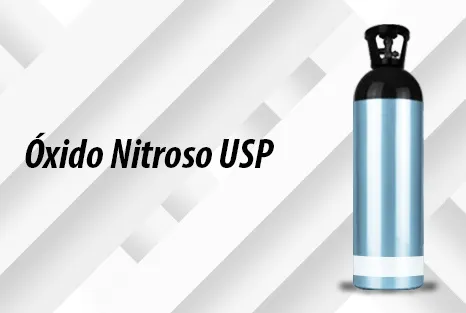
Table of Contents
- Package leaflet: Information for the user
- Introduction
- **MEDICINAL NITROUS OXIDE GAS**
- 1. What Nitrous Oxide Medicinal is and what it is used for
- 2. What you need to know before using Medicinal Nitrous Oxide
- 3. How to use Medicinal Nitrous Oxide
- 4. Possible adverse effects
- 5. Storage of Medicinal Nitrous Oxide
- 6. Contents of the container and other information
Package leaflet: Information for the user
Introduction
Package leaflet: information for the user
MEDICINAL NITROUS OXIDE GAS
AIR LIQUIDE, 98.0% v/v, liquefied medicinal gas in gas cylinder
Read the entire leaflet carefully before you start using this medicine, because it contains important information for you.
. Keep this leaflet, as you may need to read it again.
. If you have any questions, consult your doctor.
. This medicine has been prescribed for you only, and you should not give it to other people, even if they have the same symptoms as you, because it could harm them.
. If you experience adverse effects, consult your doctor, even if they are adverse effects not listed in this leaflet.
Contents of the leaflet
- What Medicinal Nitrous Oxide is and what it is used for
- What you need to know before using Medicinal Nitrous Oxide
- How to use Medicinal Nitrous Oxide
- Possible adverse effects
- Storage of Medicinal Nitrous Oxide
- Contents of the pack and other information
1. What Nitrous Oxide Medicinal is and what it is used for
Nitrous Oxide Medicinal belongs to the group of general anesthetics (nervous system and central nervous system) and is an inhalation gas.
This medicinal product is for hospital use only.
The use of this medicine is indicated in the following cases:
- As an adjunct to general anesthesia, in combination with all intravenous or inhalational anesthetic agents.
- As an adjunct to analgesia (pain relief) in the operating room or in the delivery room.
2. What you need to know before using Medicinal Nitrous Oxide
Do not use Medicinal Nitrous Oxide:
- In patients requiring ventilation with 100% oxygen.
- If you have pneumothorax (presence of air in the pleural space), air in the intracranial space, or suffer from bullous emphysema (obstruction of the bronchi), maxillofacial injuries, decompression sickness, after recent underwater diving, after undergoing air encephalography, or in case of intestinal obstruction and head injuries with loss of consciousness.
- In patients who have recently received an intraocular gas injection (such as SF6, C3F8, C2F6) while a bubble of intraocular gas persists, or within 3 months following the last intraocular gas injection.
- For longer than 24 hours or more frequently than every 4 days, without medical supervision and hematological monitoring.
- If you have gas embolism, after recent underwater diving, if air has been injected into the epidural space to determine needle placement for epidural anesthesia, or during surgery on the middle ear, inner ear, or nasal sinuses.
Warnings and precautions:
Consult your doctor before starting to use Medicinal Nitrous Oxide.
- Nitrous oxide is an oxidizing gas that supports and accelerates combustion.
- As with all anesthetic gases, adequate ventilation must be ensured at the location where nitrous oxide is used.
- Nitrous oxide must not be administered with less than 21% oxygen.
- Nitrous oxide is heavier than air and may accumulate in low-lying areas, making the atmosphere hazardous.
- In patients with cardiac insufficiency, if hypotension (low blood pressure) or heart failure (the heart cannot pump enough blood to the body) occurs during nitrous oxide administration, stop the gas administration immediately.
- In patients who have undergone surgery on the nasal sinuses or inner ear.
- Prolonged and frequent use of nitrous oxide may cause serious blood disorders.
- It should not be used for more than a total of 24 hours or more frequently than every 4 days without specialized clinical supervision.
- Vitamin B12 levels should be evaluated in patients with risk factors such as alcoholics, patients with anemia or gastric disorders, elderly patients, or those on poor or vegetarian diets.
Assessment of vitamin B12 levels should be considered in patients with risk factors for vitamin B12 deficiency prior to using nitrous oxide anesthesia. Risk factors may include alcoholics, patients with anemia, atrophic gastritis, elderly individuals, those on vegetarian diets, or those who have taken medications that may interfere with vitamin B12 and/or folate metabolism. Vitamin B12 supplementation should be given in cases of repeated or prolonged administration.
Neurological toxicity has been reported in patients with undiagnosed subclinical vitamin B12 deficiency after a single exposure to nitrous oxide during general anesthesia.
Ear pain and/or middle ear disturbances and/or tympanic membrane rupture may occur if the Eustachian tube is obstructed due to increased pressure in the tympanic cavity.
Patients diagnosed with and/or at risk of intracranial hypertension should be monitored, as increased intracranial pressure has been observed during nitrous oxide administration in some patients with intracranial disorders.
Pediatric population
Rarely, nitrous oxide may cause respiratory depression in neonates. The newborn should be examined for possible respiratory depression when nitrous oxide is used during childbirth.
Use of Nitrous Oxide with other medicines
Inform your doctor if you are taking, have recently taken, or might need to take any other medicines.
Administration of nitrous oxide is contraindicated in patients in whom an intraocular gas bubble persists after an intraocular gas injection and/or who have received an intraocular gas injection within the previous 3 months, as this may cause significant visual disturbances due to expansion of the intraocular gas.
Nitrous oxide enhances the hypnotic effects (drowsiness, sleep) of central nervous system depressants (intravenous or inhalational anesthetics, thiopental, benzodiazepines, opioids, halogenated agents, and psychotropic drugs); therefore, the doses of these drugs should be reduced when administered concurrently.
Medications that interfere with vitamin B12 and/or folate metabolism may potentiate the inactivation of vitamin B12 by nitrous oxide.
Pregnancy and breastfeeding
Nitrous oxide may be used during pregnancy if clinically necessary.
When nitrous oxide is used close to delivery, newborns should be monitored for possible adverse effects.
Nitrous oxide may be used during breastfeeding.
If you are pregnant or breastfeeding, think you may be pregnant, or are planning to become pregnant, consult your doctor before using this medicine.
Driving and use of machines
It is recommended not to drive vehicles, operate machinery, or perform other psychomotor activities until the same level of alertness as before nitrous oxide administration has been restored.
3. How to use Medicinal Nitrous Oxide
Medicinal Nitrous Oxide gas cartridges are intended for hospital use only.
Nitrous oxide must only be administered in the operating theatre or delivery room, mixed with oxygen.
During pregnancy, it is recommended not to exceed a concentration of 50% nitrous oxide in the inhaled mixture.
The physician will determine the required dose of nitrous oxide, which will be administered using a system appropriate to the patient's needs, ensuring the delivery of the correct amount of oxygen.
If you use more Medicinal Nitrous Oxide than you should
In case of overdose, there is a risk of cyanosis (bluish discoloration of the skin and mucous membranes due to lack of oxygen in the blood) and hypoxia (lack of oxygen in the blood). In such cases, administration of nitrous oxide must be discontinued and air and oxygen administered to the patient.
If in doubt, consult your physician.
4. Possible adverse effects
Like all medicines, Nitrous Oxide Medicinal can produce adverse effects, although not everyone experiences them.
The likelihood of experiencing an adverse effect is described using the following categories:
Frequent (> 1/100 to < 1/10):
Gastrointestinal disorders: Nausea, vomiting.
Uncommon (> 1/1,000 to < 1/100):
Nervous system disorders: Paresthesia.
Psychiatric disorders: Euphoria.
Unknown (cannot be estimated from available data):
Nervous system disorders: Dizziness, myelopathy, neuropathy, increased intracranial pressure, generalized seizures.
Blood and lymphatic system disorders: Megaloblastic anemia, pancytopenia (observed under predisposing circumstances (cobalamin deficiency, substance abuse)), leukopenia/agranulocytosis (observed after very high and prolonged exposures during tetanus treatment in the 1950s).
Eye disorders: Severe visual impairment (caused by expansion of intraocular gas).
Ear and labyrinth disorders: Ear pain, middle ear disorders, tympanic membrane rupture (in case of Eustachian tube obstruction).
Respiratory, thoracic and mediastinal disorders: Respiratory depression (in the newborn, when nitrous oxide is used during childbirth).
Metabolic and nutritional disorders: Vitamin B12 deficiency.
Psychiatric disorders: Disorientation.
Specific to analgesia:
Uncommon (≥1/1,000 to <1/100):
Nervous system disorders: Excessive sedation.
Psychiatric disorders: Agitation, anxiety, hallucinations, dreams.
Unknown (cannot be estimated from available data):
Nervous system disorders: Headache.
Reporting suspected adverse reactions
Reporting suspected adverse reactions after medicine authorization is important. It allows continued monitoring of the benefit-risk balance of the medicine. Healthcare professionals are encouraged to report any suspected adverse reactions through the national reporting system: Spanish System for Pharmacovigilance of Human Medicines: www.notificaRAM.es
If you experience any adverse effects, consult your doctor, even if they are adverse effects not listed in this leaflet.
5. Storage of Medicinal Nitrous Oxide
Keep this medicine out of the reach and sight of children.
Do not use this medicine after the expiry date stated on the packaging and label. The expiry date refers to the last day of the month indicated.
The following points must be taken into account regarding storage and transport:
Storage of gas cylinders in the storage area:
- Gas cylinders must be stored in a well-ventilated or ventilated area, protected from weather conditions and frost, clean, free from flammable materials, reserved exclusively for the storage of medical gases, and secured with a lock.
- Empty and full gas cylinders must be stored separately.
- Gas cylinders must be protected from risks of impact and falling, heat or ignition sources, combustible materials, adverse weather conditions, and temperatures above 50 °C.
- At the time of delivery by the manufacturer, gas cylinders must be equipped with an intact tamper-proof seal.
- Empty gas cylinders must be stored in an upright position with the valve closed to prevent any corrosion in the presence of moisture.
Storage of gas cylinders during use:
- Gas cylinders must be placed in a designated area equipped with appropriate securing material (such as straps) to maintain them in an upright position.
- Gas cylinders must be protected from risks of impact or falling, heat or ignition sources, and temperatures above 50 °C.
- While awaiting use, gas cylinders must be kept with the valve closed, and excessive storage of containers should be avoided.
Transport of gas cylinders:
- Gas cylinders must be transported in an upright position and secured with appropriate equipment (such as trolleys equipped with chains, barriers, or rings) to protect them from risks of impact and falling, thereby preventing the risk of burns in case of valve opening. Particular attention must also be paid to securing the pressure regulator to avoid risks of accidental rupture.
NOTE: Any theft or diversion of the product must be immediately reported to the authorities, the manufacturer, and the Spanish Agency for Medicines and Health Products.
6. Contents of the container and other information
Composition of Medicinal Nitrous Oxide
- The active substance is nitrous oxide. Each dose contains 98% Medicinal Nitrous Oxide.
- It contains no other components (excipients).
Appearance of the product and contents of the container
Medicinal Nitrous Oxide is supplied in gas cylinders, available in the following sizes:
A B5 cylinder contains 3.75 kg and provides 2.03 m³ of gas at a pressure of 1 bar and 15°C.
A B10 cylinder contains 7.5 kg and provides 4.05 m³ of gas at a pressure of 1 bar and 15°C.
A B20 cylinder contains 15.0 kg and provides 8.10 m³ of gas at a pressure of 1 bar and 15°C.
A B43 cylinder contains 32.25 kg and provides 17.42 m³ of gas at a pressure of 1 bar and 15°C.
A B50 cylinder contains 37.5 kg and provides 20.25 m³ of gas at a pressure of 1 bar and 15°C.
Marketing Authorization Holder:
AIR LIQUIDE Santé INTERNATIONAL
75 – Quai D'Orsay
75007 – Paris (FRANCE)
Manufacturer:
Air Liquide Santé FRANCE
23 Rue d’Athènes Z.I. du Bois Briand, Nantes Cedex 03, 44336,
France
Air Liquide Healthcare España, S.L.
Polígono Industrial A Uceira, Vial 7, parcela B12-13, 32500
O Carballiño, Ourense – Spain
Date of the most recent review of this leaflet: April 2023
"Detailed and up-to-date information on this medicinal product is available on the website of the Spanish Agency of Medicines and Medical Devices (AEMPS) http://www.aemps.es/"
Instructions for use and handling intended for healthcare professionals
Nitrous oxide is reserved for exclusive hospital use.
Medicinal Nitrous Oxide must be used exclusively mixed with Medicinal Oxygen; the oxygen concentration (FiO2) must never be less than 21%.
To prevent accidents, the following instructions must be observed:
- Projection of liquid may cause severe cryogenic burns (extremely cold). In case of burns, rinse thoroughly with water.
- Note that gas pressure inside the cylinder remains constant (44 bar at 15°C), regardless of the remaining liquid level, and does not reflect the amount of gas remaining. Only when the cylinder no longer contains gas will the pressure drop rapidly. Only the weight of the gas cylinder allows calculation of its contents during use.
- Ventilate the area of use if possible.
- Check the condition of equipment before use.
- Perform any handling of nitrous oxide containers wearing clean, appropriate gloves and protective goggles.
- Never touch cold or frosted parts of the equipment.
- Never handle a gas cylinder whose valve is not protected by a cap.
- Handle equipment with clean hands, free from grease.
- Handle gas cylinders wearing clean gloves and safety footwear.
- Secure gas cylinders with appropriate means (chains, hooks, etc.) to keep them in an upright position and prevent falls.
- Never force a gas cylinder into a holder if it does not fit easily.
- Never lift the gas cylinder by its valve.
- For gas cylinders: use a specific connector for nitrous oxide.
- Use a pressure regulator with flowmeter capable of withstanding a pressure at least equal to 1.5 times the maximum service pressure of the gas cylinder.
- Use flexible connectors to wall outlets equipped with specific connections for Medicinal Nitrous Oxide.
- Do not use an intermediate adapter allowing connection of two devices that are not compatible.
- Open the valve gradually.
- Never force the valve to open it.
- Purge the outlet connector of the gas cylinder before connecting the pressure regulator to remove any possible dust particles.
- Never stand in front of the valve outlet; always stand on the side opposite the pressure regulator, behind the gas cylinder and at a safe distance. Never expose the patient to the gas flow.
- Check in advance the compatibility of materials in contact with Medicinal Nitrous Oxide, particularly using gaskets for pressure regulator connections designed for this gas. Check the condition of gaskets.
- Do not smoke, do not approach open flames, and do not use greasy substances.
Important:
- Never introduce this gas into a device suspected of containing flammable materials, particularly greasy substances.
- Never clean containers containing this gas, valves, gaskets, closure devices, or circuits with flammable products, particularly greasy substances.
- Do not apply greasy substances (vaseline, ointments, etc.) to patients' faces.
- Do not use aerosol generators (hair spray, deodorants, etc.) or solvents (alcohol, gasoline, etc.) on the equipment or in its vicinity.
- Close the gas cylinder valve after use.
- Do not attempt to repair a defective valve.
- Do not transfer gas from one cylinder to another.
- In case of leakage, close the valve showing a leak.
- Ventilate the room where containers are stored.
- Never use a gas cylinder showing a leakage defect.
- If valve opening results in high flow and frost formation, do not use the gas cylinder and contact the manufacturer.
- When ambient temperature is low, or in case of high consumption causing cooling of the gas cylinder, flow may decrease or even stop due to insufficient pressure in the cylinder.
- Avoid using Medicinal Nitrous Oxide gas cylinders at temperatures below 0°C to prevent pressure drop during intensive use.
- Store empty gas cylinders with the valve closed to prevent corrosion caused by moisture.
- Never use Medicinal Nitrous Oxide for leak testing, powering pneumatic tools, or blowing out pipelines.
- The time-weighted average exposure limit (over 8 hours) to nitrous oxide is set at 50 ppm for personnel exposure.
- Systematically ventilate the area of use, expelling exhaled gases outdoors and avoiding areas where gases could accumulate. It is advisable, before any use, to ensure the possibility of evacuating gases in case of accident or unexpected leakage.
"Detailed information on this medicinal product is available on the website of the Spanish Agency of Medicines and Medical Devices (AEMPS) http://www.aemps.es"