Nitrous oxide medicinal Carburantes Metálicos, 98.0% v/v liquefied medicinal gas in gas cylinder
Spain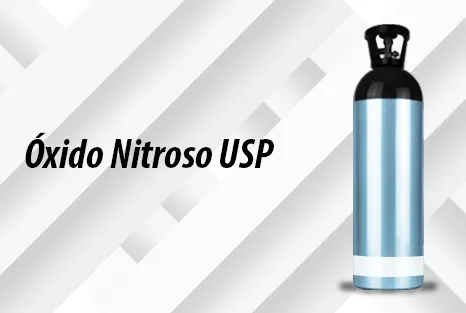
Table of Contents
- Patient Information Leaflet
- Introduction
- 1. What Nitrous Oxide Medicinal Carburos Metálicos Is and What It Is Used For
- 2. What you need to know before starting treatment with Medicinal Nitrous Oxide Carburos Metálicos
- 3. How to use Medicinal Nitrous Oxide Carburos Metálicos
- 4. Possible adverse effects
- 5. Storage of Medicinal Nitrous Oxide Metal Carbides
- 6. Contents of the container and other information
Patient Information Leaflet
Introduction
Patient Information Leaflet
Nitrous Oxide Medicinal Carburos Metálicos, 98.0% v/v medicinal liquefied gas in gas cartridge
Nitrous oxide
Read the entire leaflet carefully before you start using this medicine, because it contains important information for you.
|
Package leaflet contents:
- Before starting treatment with Medicinal Nitrous Oxide
- How to use Medicinal Nitrous Oxide
- Possible side effects
- Storage of Medicinal Nitrous Oxide
- Contents of the pack and other information
1. What Nitrous Oxide Medicinal Carburos Metálicos Is and What It Is Used For
Nitrous Oxide Medicinal Carburos Metálicos is a liquefied medicinal gas.
What is it used for?
Nitrous oxide treatment is indicated in the following cases:
- As an adjunct to general anesthesia, in combination with all intravenous or inhaled anesthetic agents.
- As an adjunct to analgesia in the operating room or in the delivery room.
2. What you need to know before starting treatment with Medicinal Nitrous Oxide Carburos Metálicos
Do not use Medicinal Nitrous Oxide Carburos Metálicos
- If you require ventilation with pure oxygen.
- If you have undrained air leaks, particularly intracranial or pneumothorax, or bullous emphysema.
- Do not use for longer than 24 consecutive hours.
Warnings and Precautions
- If you have heart failure, monitor for possible drop in blood pressure.
- If you are undergoing surgical procedures on the ear or adjacent air-containing spaces.
Use of Medicinal Nitrous Oxide with other medicines
Inform your doctor if you are taking, or have recently taken, any other medicines, including those obtained without a prescription.
Nitrous oxide enhances the hypnotic effects of intravenous or inhaled anesthetics (thiopental, benzodiazepines, morphine derivatives, halogenated agents); therefore, the dosage of these agents should be reduced.
You should also inform your doctor if you are taking medicines containing methotrexate (e.g., for rheumatoid arthritis).
Pregnancy, breastfeeding, and fertility
Pregnancy
During pregnancy, it is recommended not to exceed a concentration of 50% nitrous oxide in the inhaled mixture.
Obstetric anesthesia:
Due to rapid crossing of the placental barrier, administration of nitrous oxide should be discontinued if the time between induction of anesthesia and delivery of the fetus exceeds 20 minutes.
Avoid use of nitrous oxide in cases of fetal distress.
Obstetric analgesia:
The use of nitrous oxide for this indication should only be performed if a safety flowmeter is available that prevents administration of nitrous oxide at concentrations exceeding 50%.
Breastfeeding
Consult your doctor before using this medicine.
Driving and use of machines
It is recommended not to drive or operate machinery during the 24 hours following anesthesia with nitrous oxide.
3. How to use Medicinal Nitrous Oxide Carburos Metálicos
Medicinal nitrous oxide gas cartridges are intended for hospital use only.
Nitrous oxide must only be administered in the operating theatre or in the delivery room.
The physician will determine the required dose of nitrous oxide and will administer it through a system appropriate to your needs, which will ensure the delivery of the correct amount of oxygen.
If you use more Medicinal Nitrous Oxide Carburos Metálicos than you should:
In case of overdose, there is a risk of cyanosis and hypoxia. The administration of Medicinal Nitrous Oxide must be discontinued and the patient must be ventilated (with air and oxygen).
4. Possible adverse effects
Like all medicines, this medicine can cause adverse effects, although not everyone will experience them.
The assessment of adverse effects is based on the following frequencies:
Very common: may affect more than 1 in 10 people
Common: may affect up to 1 in 10 people
Uncommon: may affect up to 1 in 100 people
Rare: may affect up to 1 in 1,000 people
Very rare: may affect up to 1 in 10,000 people
Not known: cannot be estimated from the available data
Very common
- Nausea and vomiting
- Hypoxia, for several minutes after the end of nitrous oxide administration
Common
- Middle ear disorders
- Temporary increase in pressure and/or volume of normal or pathological air-filled cavities in the body
- Increased ocular hypertension
Uncommon
- Hallucinations (psychodysleptic effects may occur in the absence of combination with another anesthetic)
Rare
- Paraparesis
Very rare
- Severe hematological disorders (megaloblastic anemia, agranulocytopenia) have been reported with treatments lasting longer than 24 hours.
- Arrhythmia, heart failure
- Epilepsy, increased intracranial pressure
- Psychotic disorder, confusion, anxiety, euphoric mood
- Pneumothorax
- Hypotension
Not known
- Myelopathy, subacute combined degeneration of the spinal cord, polyneuropathy, generalized seizures
- Addiction
Reporting of adverse effects
If you experience any type of adverse effect, consult your doctor or pharmacist, even if it is an adverse effect not listed in this leaflet. You may also report them directly via the Spanish Pharmacovigilance System for Human Medicinal Products: www.notificaRAM.es. By reporting adverse effects, you can help provide more information on the safety of this medicine.
5. Storage of Medicinal Nitrous Oxide Metal Carbides
Keep this medicine out of the sight and reach of children.
Storage of gas cylinders in the warehouse:
- Gas cylinders must always be kept in an upright position, with valves closed.
- Do not use Medicinal Nitrous Oxide Metal Carbides after the expiry date stated on the container label, after EXP.
- Gas cylinders must be stored in a well-ventilated or ventilated area, protected from weather conditions, frost-proof, clean, free from flammable materials, reserved exclusively for the storage of medical gases, and secured with a lock.
- Empty and full gas cylinders must be stored separately.
- Gas cylinders must be protected from risks of impact and falling, from sources of heat or ignition, from combustible materials, from weather conditions, and from temperatures above 50 °C.
- Upon delivery from the manufacturer, gas cylinders must be equipped with an intact tamper-proof seal.
- Empty gas cylinders must be stored in an upright position with the valve closed, to prevent any corrosion in the presence of moisture.
Storage of gas cylinders during use:
- Gas cylinders must be installed in a designated area equipped with suitable securing materials (such as straps) to maintain them in an upright position.
- Gas cylinders must be protected against risks of impact or falling, sources of heat or ignition, and temperatures above 50 °C.
- While awaiting use, gas cylinders must be kept with the valve closed, and excessive storage of containers should be avoided.
Transport of gas cylinders:
- Gas cylinders must be transported in an upright position and secured with appropriate equipment (such as trolleys equipped with chains, barriers, or rings) to protect them from risks of impact and falling, thereby avoiding the risk of burns in case of valve opening.
- Particular attention must also be paid to securing the pressure regulator to prevent accidental breakage.
6. Contents of the container and other information
Composition of Nitrous Oxide Medicinal Carburos Metálicos
The active substance is nitrous oxide. The concentration is greater than 98.0% v/v.
It contains no other excipients.
Appearance of the product and contents of the container
Nitrous Oxide Medicinal Carburos Metálicos is supplied as pressurized gas cartridges. The gas cartridges may be made of steel or aluminum and available in the following volumes: 0.5 L, 1 L, 2 L, 3 L, 4 L, 5 L, 7 L, 10 L, 13 L, 15 L, 20 L, 25 L, 30 L, 40 L, 50 L in liters. Not all container sizes are marketed.
Marketing Authorization Holder
S.E. de CARBUROS METÁLICOS, S.A.
Av. de la Fama, 1
08940 Cornellà de Llobregat, Barcelona
Spain
Manufacturer
S.E. de CARBUROS METÁLICOS S.A.
Ctra. De Toledo, 7
28300 Aranjuez
SPAIN
AIR PRODUCTS TEMPLEMARS
Zona Industrial de l’Epinoy
59175 Templemars
FRANCE
This leaflet was approved in: October 2023
Detailed information on this medicinal product is available on the website of the Spanish Agency for Medicines and Health Products (AEMPS) http://www.aemps.gob.es
………………………………………………………………………………………………………………..
This information is intended exclusively for healthcare professionals:
Nitrous oxide is reserved for exclusive medical use.
Medicinal nitrous oxide must be used exclusively in mixture with medicinal oxygen, and the oxygen concentration (FiO2) must never be less than 21%.
To prevent accidents, the following safety instructions must be observed:
- Always keep the gas cartridge in an upright position to avoid the risk of liquid discharge, which could cause severe cryogenic burns (very cold). In case of burns, rinse thoroughly with water.
- Bear in mind that the gas pressure inside the cartridge remains constant (50 bar at 15 °C), regardless of the residual liquid level, and does not reflect the remaining quantity. Only when the cartridge is completely empty does the pressure drop rapidly. Only the weight of the gas cartridge allows estimation of its content during use.
- Ventilate the area of use if possible.
- Check the condition of equipment before use.
- Perform any handling of nitrous oxide containers wearing clean, appropriate gloves free of grease, and protective goggles.
- Never touch cold or frosted parts of the equipment.
- Never handle a gas cartridge whose valve is not protected by a cap.
- Handle equipment with clean hands free of grease.
- Wear safety footwear when handling gas cartridges, as required.
- Secure gas cartridges in an upright position using appropriate means (chains, hooks, etc.) to prevent falls.
- Never force a gas cartridge into a holder if it does not fit easily.
- Never lift the gas cartridge by its valve.
- Use a specific connector for nitrous oxide.
- Use a pressure-reducing regulator with a flowmeter capable of withstanding a pressure at least 1.5 times the maximum service pressure of the gas cartridge.
- Use connecting hoses for wall outlets equipped with specific connectors for medicinal nitrous oxide.
- Do not use intermediate connectors that allow connection of incompatible devices.
- Open the valve gradually.
- Never force the valve to open it. Also, never open it fully.
- Purge the outlet connector of the gas cartridge before connecting the pressure-reducing regulator to remove any dust particles.
- Never stand directly in front of the valve outlet; always stand on the side opposite the regulator, behind the gas cartridge and away from it. Never expose the patient directly to the gas flow.
- Check compatibility of materials in contact with medicinal nitrous oxide, particularly using gaskets designed for this gas. Inspect the condition of gaskets.
- Do not smoke, do not approach open flames, and do not apply grease.
IMPORTANT:
- Never introduce this gas into a device suspected of containing combustible materials, especially greasy substances.
- Never clean containers containing this gas, valves, gaskets, closure devices, or circuits with combustible products, particularly greasy substances.
- Do not apply greasy substances (vaseline, ointments, etc.) to patients' faces.
- Do not use aerosol generators (hair spray, deodorants, etc.) or solvents (alcohol, gasoline, etc.) on or near the equipment.
- Close the gas cartridge valve after use.
- Do not attempt to repair a defective valve.
- Do not transfer gas from one cartridge to another.
- In case of leakage, close the valve exhibiting the leak.
- Ventilate the room where containers are stored.
- Never use a gas cartridge exhibiting a leak.
- If opening the valve at high flow causes frost formation, do not use the cartridge and contact the manufacturer.
- When ambient temperature is low or during high consumption causing cooling of the gas cartridge, the flow rate may decrease or even stop due to insufficient pressure in the cartridge.
- Avoid using medicinal nitrous oxide gas cartridges at temperatures below 0 °C to prevent pressure drop during intensive use.
- Store empty cartridges with the valve closed to prevent corrosion due to moisture.
- Never use medicinal nitrous oxide for leak testing, powering pneumatic tools, or blowing out pipelines.
- The time-weighted average exposure limit (over 8 hours) to nitrous oxide for personnel is set at 25 ppm.
- Ensure systematic ventilation of the area of use, expelling exhaled gases outdoors and avoiding areas where gases could accumulate. It is advisable, before any use, to ensure the possibility of evacuating gases in case of accident or unexpected leakage.