Neupro 3 mg/24 h transdermal patch
Spain
Table of Contents
Package leaflet: Information for the user
Introduction
Package leaflet: information for the user
Neupro 1 mg/24 h transdermal patch
Neupro 3 mg/24 h transdermal patch
Rotigotine
Read all of this leaflet carefully before you start using this medicine because it contains important information for you.
- Keep this leaflet. You may need to read it again.
- If you have any further questions, ask your doctor or pharmacist.
- This medicine has been prescribed for you only. Do not pass it on to others. It may harm them, even if they have the same symptoms as yours.
- If you experience any side effects, talk to your doctor or pharmacist, even if it is a side effect not listed in this leaflet. See section 4.
Contents of this leaflet:
- What Neupro is and what it is used for
- What you need to know before using Neupro
- How to use Neupro
- Possible side effects
- How to store Neupro
- Contents of the pack and other information
1. What Neupro is and what it is used for
What Neupro is
Neupro contains the active substance rotigotine.
It belongs to a group of medicines known as "dopamine agonists". Dopamine is an important messenger in the brain involved in movement.
What Neupro is used for
Neupro is used in adults to treat the signs and symptoms of:
- Restless Legs Syndrome (RLS) – this syndrome may be associated with discomfort in the legs or arms, an urge to move, sleep disturbances, and feeling tired or sleepy during the day. Treatment with Neupro reduces or shortens the duration of these symptoms.
2. What you need to know before using Neupro
Do not use Neupro if:
-
you are allergic to rotigotine or to any of the other ingredients of this
medicine (listed in section 6) -
you are scheduled for a magnetic resonance imaging (MRI) scan (diagnostic imaging of the inside of the body using magnetic energy instead of X-ray energy)
-
you require cardioversion (a specific treatment for heart rhythm disturbances).
You must remove the Neupro patch immediately before undergoing an MRI scan or cardioversion to avoid skin burns, as the patch contains aluminium. You may apply a new patch once these procedures are completed.
Do not use Neupro if any of the above apply to you. If you are unsure, speak to your doctor or pharmacist first.
Warnings and precautions
Talk to your doctor, pharmacist, or nurse before starting Neupro, because:
-
you should have your blood pressure monitored regularly while using Neupro, especially at the beginning of treatment. Neupro may affect your blood pressure.
-
you should have your vision checked regularly while using Neupro. If you notice any vision problems between check-ups, inform your doctor immediately.
-
if you have severe liver problems, your doctor may need to adjust your dose. If your liver problems worsen during treatment with Neupro, inform your doctor as soon as possible.
-
you may experience skin reactions caused by the patch – see ‘Skin reactions caused by the patch’ in section 4.
-
you may feel very sleepy or fall asleep suddenly – see ‘Driving and using machines’ in section 2.
-
symptoms of Restless Legs Syndrome may start earlier than usual, become more intense, or affect other parts of the body. If you experience these symptoms before or after starting Neupro treatment, contact your doctor, as your treatment may need to be adjusted.
You may lose consciousness
Neupro may cause loss of consciousness. This is especially possible when starting Neupro treatment or when the dose is increased. Inform your doctor if you lose consciousness or feel dizzy.
Changes in behaviour and abnormal thoughts
Neupro may cause side effects that change your behaviour (how you act). If your family, caregiver, or doctor are concerned about changes in your behaviour, it may be helpful to inform a family member or caregiver that you are using this medicine and to have them read the leaflet.
For further information, see ‘Changes in behaviour and abnormal thoughts’ in section 4.
Children and adolescents
This medicine must not be given to children under 18 years of age, as its safety and efficacy have not been established in this age group.
Using Neupro with other medicines
Inform your doctor or pharmacist if you are taking, have recently taken, or might need to take any other medicines. This includes medicines obtained without a prescription and herbal medicines.
Do not take the following medicines while using Neupro, as they may reduce its effect:
- ‘antipsychotic’ medicines – used to treat certain mental illnesses
- metoclopramide – used to treat nausea and vomiting.
Consult your doctor before using Neupro if you are taking:
-
sedative medicines such as benzodiazepines or medicines used to treat mental disorders or depression
-
medicines that lower blood pressure. Neupro may cause a drop in blood pressure when standing up – this effect could worsen when taking blood pressure-lowering medicines.
Your doctor will advise you whether it is safe to take these medicines while using Neupro.
Using Neupro with food, drinks, and alcohol
Since rotigotine enters the bloodstream through the skin, eating or drinking does not affect how this medicine is absorbed. You should consult your doctor about whether you can drink alcohol while using Neupro.
Pregnancy and breastfeeding
Do not use Neupro if you are pregnant. This is because the effects of rotigotine on pregnancy and the unborn baby are unknown.
Do not breastfeed during treatment with Neupro. This is because rotigotine may pass into breast milk and affect your baby. It may also reduce the amount of milk produced.
If you are pregnant or breastfeeding, think you may be pregnant, or are planning to become pregnant, consult your doctor or pharmacist before using this medicine.
Driving and using machines
Neupro may make you feel very sleepy and you may fall asleep suddenly. If this happens, do not drive.
In isolated cases, some people have fallen asleep while driving, resulting in accidents.
Do not operate tools or machinery if you feel very sleepy – or engage in any activity where you or others could be at risk of serious injury.
Neupro contains sodium metabisulphite (E223)
Neupro contains sodium metabisulphite (E223), a substance that may rarely cause severe hypersensitivity (allergic) reactions and bronchospasm (difficulty breathing due to narrowing of the airways).
3. How to use Neupro
Follow exactly the instructions for use of this medicine given by your doctor or pharmacist. If in doubt, consult your doctor or pharmacist.
Which patch dose to use
Neupro is available in patches of different doses that release the medication over 24 hours. The doses are 1 mg/24 h, 2 mg/24 h, and 3 mg/24 h for the treatment of Restless Legs Syndrome.
-
Your starting dose will be one 1 mg/24 h patch per day.
-
From the second week, the daily dose will be increased by 1 mg weekly until reaching the appropriate maintenance dose for you. This is when you and your doctor confirm that your symptoms are adequately controlled and that the medicine's side effects are acceptable.
-
Follow carefully the instructions given by your doctor.
-
The maximum dose is 3 mg per day.
If you need to stop taking this medicine, see "If you stop treatment with Neupro" in section 3.
How to use Neupro patches
Neupro is a patch applied to the skin.
- Make sure you have removed the used patch before applying a new one.
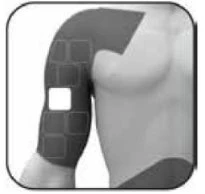
- Apply each new patch to a different area of skin each day.
- Leave the patch on the skin for 24 hours, then remove it and apply a new one.
- Change the patch at approximately the same time each day.
- Do not cut Neupro patches into pieces.
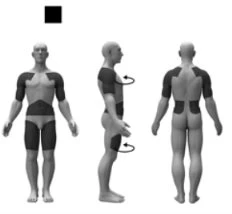
Where to place the patch Apply the adhesive side of the patch to clean, dry, and intact skin in the following areas, as indicated by the gray areas in the drawing:
|
|
To avoid skin irritation
|
|
If you continue to experience skin problems caused by the patch, see "Skin reactions caused by the patch" in section 4 for more information.
To prevent the patch from peeling off or detaching
-
Do not apply the patch to an area where it may be rubbed by tight clothing.
-
Do not use creams, oils, lotions, powders, or any other skin products on the area where you will place the patch, or on top of or near another patch you are already using.
-
If you need to apply a patch to a hairy area of skin, you should shave (remove hair from) the area at least 3 days before applying the patch.
-
If the edges of the patch start to lift, you may secure it with medical tape.
If the patch falls off, you must apply a new one for the remainder of the day and, the following day, apply a new patch at your usual time.
-
You should avoid exposing the patch area to heat—for example, excessive sunlight, saunas, hot baths, hot compresses, or hot water bottles. This is because heat may cause the medicine to be released too quickly. If you think the patch has become too hot, contact your doctor or pharmacist.
-
Always check that the patch has not fallen off after activities such as bathing, showering, or exercising.
-
If the patch has irritated your skin, you should protect the irritated area from direct sunlight. This is because sun exposure could cause changes in skin pigmentation.
How to use the patch
-
Each patch is individually packaged in a pouch.
-
Before opening the pouch, decide where you will place the new patch and make sure you have removed the used patch.
-
Once you have opened the pouch and removed the disposable protective layer from the patch, you should apply the patch to your skin immediately.
1 . To open the pouch, hold both sides of the pouch with both hands. |
|
2. Peel apart the layers. |
|
3. Open the pouch. |
|
4. Remove the patch from the pouch. |
|
5. The adhesive side of the patch is covered by a transparent disposable layer.
|
|
6.
|
|
7.
|
|
8.
|
|
9. Fold back the other half of the patch and remove the remaining part of the disposable cover. |
|
10.
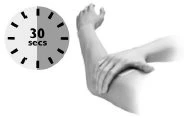
This ensures that the patch is in contact with the skin and the edges are well adhered. |
|
11. Wash your hands immediately with water and soap after handling the patch. |









How to remove the used patch
-
Slowly and carefully remove the used patch.
-
Gently wash the area with lukewarm water and a mild soap. This will remove any adhesive residue left on the skin. You may also use a small amount of baby oil to remove any remaining adhesive.
-
Do not use alcohol or other liquid solvents—such as nail polish remover—as these could irritate your skin.
If you use more Neupro than you should
Using higher doses of Neupro than your doctor has prescribed may cause adverse effects such as nausea or vomiting, low blood pressure, seeing or hearing things that are not real (hallucinations), confusion, extreme drowsiness, involuntary movements, and seizures.
In such cases, inform your doctor or go to the hospital as soon as possible. They will advise you on what to do.
If you forget to change the patch at your usual time
-
If you forget to change the patch at your usual time, change it as soon as you remember. Remove the used patch and apply a new one.
-
If you forget to apply a new patch after removing the used one, apply the new patch as soon as you remember.
In both cases, apply the next patch at your usual time the following day. Do not use a double dose to make up for missed doses.
If you stop using Neupro
Do not stop using Neupro without first consulting your doctor. Suddenly stopping treatment may cause a condition called 'neuroleptic malignant syndrome', which can be life-threatening. Symptoms include: loss of muscle movement (akinesia), muscle rigidity, fever, unstable blood pressure, increased heart rate (tachycardia), confusion, and reduced level of consciousness (e.g., coma).
If your doctor advises you to stop treatment with Neupro, the daily dose of Neupro should be gradually reduced:
- 1 mg every two days – if you are using Neupro for Restless Legs Syndrome
If you have any further questions about the use of this medicine, ask your doctor or pharmacist.
4. Possible adverse effects
Like all medicines, this medicine can cause adverse effects, although not everyone experiences them. Inform your doctor or pharmacist if you notice any adverse effect.
Most likely adverse effects at the beginning of treatment
You may experience nausea and vomiting at the beginning of treatment. These effects are usually mild or moderate and last for a short time. You should consult your doctor if these effects last a long time or if you are concerned about them.
Skin problems caused by the patch
-
Redness and itching may occur at the site of skin where the patch has been applied – these reactions are usually mild or moderate.
-
These reactions usually disappear within a few hours after removing the patch.
-
Consult your doctor if you have a skin reaction lasting longer than a few days, if it is severe, or if it spreads beyond the area covered by the patch.
-
Avoid exposure to sunlight and sunbeds on skin areas showing any reaction caused by the patch.
-
To help prevent skin reactions, you should apply the patch to a different site each day, and only reuse the same site after 14 days.
You may experience loss of consciousness
Neupro can cause loss of consciousness. This may occur especially when starting treatment with Neupro or when the dose is increased. Inform your doctor if you lose consciousness or feel dizzy.
Changes in behaviour and abnormal thoughts
Inform your doctor if you notice any changes in behaviour, thought, or both, as listed below.
Your doctor will advise you on how to manage or reduce the symptoms.
If your family, caregiver, or doctor are concerned about changes in your behaviour, it may be helpful to inform a family member or caregiver that you are using this medicine and to have them read the package leaflet. Neupro may cause urges or intense desires to behave in an unusual way and an inability to control the impulse, urge, or temptation to carry out certain actions that could harm you or others.
These actions may include:
-
strong gambling addiction – even seriously affecting you or your family
-
altered or increased sexual desire and behaviour causing significant concern to you and others – for example, increased libido
-
uncontrolled shopping or excessive spending
-
binge eating episodes (eating large amounts of food in a short period of time) or compulsive eating (eating more food than normal or more than needed to satisfy your appetite).
Neupro may cause other abnormal behaviours and thoughts, which may include:
-
abnormal thoughts about reality
-
delusions and hallucinations (seeing or hearing things that are not real)
-
confusion
-
disorientation
-
aggressive behaviour
-
agitation
-
delirium.
Inform your doctor if you notice any changes in your behaviour, thought, or both, as listed above.
Your doctor will advise you on how to manage or reduce the symptoms.
Allergic reactions
Inform your doctor if you notice signs of an allergic reaction – which may include swelling of the face, tongue, or lips.
Adverse effects if you use Neupro for Restless Legs Syndrome
Inform your doctor or pharmacist if you experience any of the following adverse effects:
Very common: may affect more than 1 in 10 patients
-
headache
-
nausea
-
feeling of weakness (fatigue)
-
skin irritations at the application site of the patch, such as redness and itching
Common: may affect up to 1 in 10 patients
-
itching
-
feeling irritable
-
allergic reaction
-
increased sexual desire
-
increased blood pressure
-
vomiting, heartburn
-
swelling in legs and feet
-
drowsiness, falling asleep suddenly without warning, difficulty sleeping, sleep problems, unusual dreams
-
inability to control the impulse to perform a harmful action, including gambling addiction, meaningless repetitive actions, compulsive shopping, or excessive spending
-
binge eating episodes (eating large amounts of food in a short period of time), compulsive eating (eating more food than normal or more than needed to satisfy your appetite)
Uncommon: may affect up to 1 in 100 patients
-
feeling restless
-
dizziness upon standing due to a drop in blood pressure
Rare: may affect up to 1 in 1,000 patients
-
aggressive behaviour
-
disorientation
Not known: frequency cannot be estimated from the available data
-
urge to take high doses of medicines such as Neupro – more than necessary for the treatment of the disease. This is known as 'dopaminergic dysregulation syndrome' and may lead to excessive use of Neupro.
-
seeing or hearing things that are not real (hallucinations)
-
nightmares
-
paranoia
-
confusion
-
psychotic disorders
-
delusions
-
delirium
-
dizziness
-
loss of consciousness, involuntary movements (dyskinesia)
-
involuntary muscle spasms (seizures)
-
blurred vision
-
visual disturbances such as seeing colours or lights
-
vertigo (spinning sensation)
-
increased heart rate (palpitations)
-
abnormal heart rhythm
-
drop in blood pressure
-
hiccups
-
constipation, dry mouth
-
stomach discomfort and pain
-
diarrhoea
-
redness, increased sweating
-
generalized itching, skin irritation
-
generalized rash
-
inability to achieve or maintain an erection
-
weight loss, weight gain
-
abnormal or elevated liver function test results
-
increased heart rate
-
increased levels of creatine phosphokinase (CPK) (CPK is an enzyme found mainly in skeletal muscles)
-
falls
-
rhabdomyolysis (a rare, serious muscle disorder causing muscle pain, tenderness, and weakness, and which may lead to kidney problems)
Inform your doctor or pharmacist if you experience any of these adverse effects.
Reporting of adverse effects
If you experience any type of adverse effect, consult your doctor or pharmacist, even if it is a possible adverse effect not listed in this leaflet. You may also report them directly through the national reporting system included in Appendix V. By reporting adverse effects, you can help provide more information on the safety of this medicine.
5. Storage of Neupro
Keep this medicine out of the sight and reach of children.
Do not use this medicine after the expiry date stated on the label and on the cardboard box.
Do not store above 30°C.
How to dispose of used and unused patches
Used patches still contain the active substance, 'rotigotine', which may be harmful to others. Fold the used patch with the adhesive side inwards. Place the patch back into the original pouch and then dispose of it safely, out of the reach of children.
Medicines should not be disposed of via wastewater or household waste. Ask your pharmacist how to dispose of medicines and packaging that you no longer need. This will help protect the environment.
6. Contents of the pack and other information
Composition of Neupro
The active substance is rotigotine.
- 1 mg/24 h:
One patch releases 1 mg of rotigotine every 24 hours. Each 5 cm² patch contains 2.25 mg of rotigotine.
- 3 mg/24 h:
One patch releases 3 mg of rotigotine every 24 hours. Each 15 cm² patch contains 6.75 mg of rotigotine.
The other components are:
- Cross-linked poly(dimethylsiloxane, trimethylsilyl silicate) copolymer, povidone K90, sodium metabisulfite (E223), ascorbyl palmitate (E304) and DL-α-tocopherol (E307).
- Backing layer: Coloured, aluminised, silicone-coated polyester film, with a pigment layer (titanium dioxide (E171), yellow pigment 13, red pigment 166, yellow pigment 12) and printed (red pigment 146, yellow pigment 180, black pigment 7).
- Removable protective liner: Transparent polyester film coated with fluoropolymer.
Nature and contents of the container
Neupro is a transdermal patch. It is thin and consists of three layers. It is square-shaped with rounded corners. The outer surface is brownish in colour and printed with the label Neupro 1 mg/24 h or 3 mg/24 h.
Neupro is available in the following pack sizes:
Carton packs containing 7, 14, 28, 30 or 84 patches (multiple pack containing 3 packs of 28), each patch in an individual sachet.
Not all pack sizes may be marketed.
Marketing Authorisation Holder
UCB Pharma S.A.
Allée de la Recherche 60
B-1070 Brussels
Belgium
Manufacturer
UCB Pharma S.A.
Chemin du Foriest
B-1420 Braine l’Alleud
Belgium
For further information about this medicinal product, please contact the local representative of the Marketing Authorisation Holder:
Belgium/Belgium/Belgium UCB Pharma SA/NV Tel/Tel: +32-(0)2 559 92 00 | Lithuania UCB Pharma Oy Finland Tel: + 358 9 2514 4231 (Finland) |
| Luxembourg/Luxembourg UCB Pharma SA/NV Tel/Tel: + 32 / (0)2 559 92 00 (Belgium/Belgium) |
Czech Republic UCB s.r.o. Tel: +420-221 773 411 | Hungary UCB Magyarország Kft. Tel.: +36-(1) 391 0060 |
Denmark UCB Nordic A/S Tlf.: +45-32 46 24 00 | Malta Pharmasud Ltd. Tel: +356-21 37 64 36 |
Germany UCB Pharma GmbH Tel: +49-(0) 2173 48 48 48 | Netherlands UCB Pharma B.V. Tel: +31-(0)76-573 11 40 |
Estonia UCB Pharma Oy Finland Tel: + 358 9 2514 4231 (Finland) | Norway UCB Nordic A/S Tlf: + 47 / 67 16 5880 |
Greece UCB A.E. Tel: +30-2109974000 | Austria UCB Pharma GmbH Tel: + 43-(0)1 291 80 00 |
Spain UCB Pharma S.A. Tel: +34-91 570 34 44 | Poland UCB Pharma Sp. z o.o. / VEDIM Sp. z o.o. Tel: + 48 22 696 99 20 |
France UCB Pharma Tél: + 33 / (0)1 47 29 44 35 Croatia Medis Adria d.o.o. Tel: +385-(0)1 230 34 46 | Portugal BIAL-Portela & Cª, S.A. Tel: +351-22 986 61 00 Romania UCB Pharma România S.R.L. Tel: +40-21 300 29 04 |
Ireland UCB (Pharma) Ireland Ltd. Tel: +353-(0)1-46 37 395 | Slovenia Medis, d.o.o. Tel: +386-1 589 69 00 |
Iceland UCB Nordic A/S Sími: + 45 / 32 46 24 00 | Slovakia UCB s.r.o., organizačná zložka Tel: +421-(0)2 5920 2020 |
Italy UCB Pharma S.p.A. Tel: +39-02 300 791 | Finland/Finland UCB Pharma Oy Finland Puh/Tel: +358-92 514 4221 |
Cyprus Lifepharma (Z.A.M.) Ltd Tel: + 357 22 056300 | Sweden UCB Nordic A/S Tel: +46-(0)40 29 49 00 |
Latvia UCB Pharma Oy Finland Tel: + 358 9 2514 4231 (Finland) | |

Date of the most recent review of this leaflet:
Other sources of information
Detailed information on this medicine is available on the website of the European Medicines Agency: https://www.ema.europa.eu