Methotrexate Orion Pharma 10 mg tablets
Spain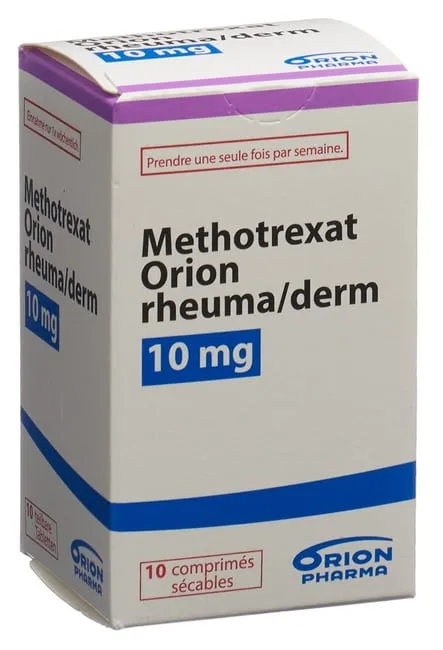
Table of Contents
- Patient Information Leaflet
- Introduction
- 1. What Metotrexato Semanal Orion Pharma is and what it is used for
- 2. What you need to know before starting Metotrexato Semanal Orion Pharma
- 3. How to take Metotrexato Semanal Orion Pharma
- 4. Possible adverse effects
- 5. Storage of Methotrexate Semanal Orion Pharma
- 6. Contents of the pack and other information
Patient Information Leaflet
Introduction
Patient Information Leaflet
Metotrexato Semanal Orion Pharma 10 mg tablets
Read all of this leaflet carefully before you start taking this medicine because it contains important information for you.
-
Keep this leaflet. You may need to read it again.
-
If you have any questions, ask your doctor, pharmacist, or nurse.
-
This medicine has been prescribed for you only. Do not give it to other people, even if they have the same symptoms as you, as it may harm them.
- If you experience any adverse effects, consult your doctor, pharmacist, or nurse, even if they are effects not listed in this leaflet. See section 4.
Contents of this leaflet
- What Metotrexato Semanal Orion Pharma is and what it is used for
- What you need to know before taking Metotrexato Semanal Orion Pharma
- How to take Metotrexato Semanal Orion Pharma
- Possible side effects
- How to store Metotrexato Semanal Orion Pharma
- Contents of the pack and other information
1. What Metotrexato Semanal Orion Pharma is and what it is used for
The active substance in this medicine, metotrexate, is a compound with the following properties:
- suppresses the growth of certain rapidly dividing cells in the body
- reduces the activity of the immune system (the body's own defence mechanism).
Metotrexate is indicated for the treatment of:
- active rheumatoid arthritis in adult patients
- severe, disabling, and resistant psoriasis in adult patients that has not responded adequately to other treatments such as phototherapy, PUVA, and retinoids
- severe psoriatic arthritis in adult patients
- maintenance treatment of acute lymphoblastic leukemia (ALL) in adults, adolescents, and children aged 3 years and older.
Your doctor will advise you on how this medicine can help in your particular situation.
2. What you need to know before starting Metotrexato Semanal Orion Pharma
Do not take Metotrexato Semanal Orion Pharma:
- if you are allergic (hypersensitive) to methotrexate or to any of the other ingredients of this medicine (listed in section 6)
- if you are breastfeeding and, additionally, for non-oncological indications (not related to cancer), if you are pregnant (see section “Pregnancy, breastfeeding and fertility”)
- if you have severe impairment in liver or kidney function (your doctor will determine the severity of your condition)
- if you have or have had serious bone marrow disorders or severe blood disorders
- if you have severe acute or chronic infections or immunodeficiency syndrome
- if you have inflammation of the mucous membrane in the mouth or oral ulcers
- if you have stomach or intestinal ulcers
- if you suffer from alcoholism
- if you have recently received a live vaccine or are about to receive one.
Warnings and precautions
Important warning about the dose of Metotrexate Semanal Orion Pharma (methotrexate): Take this medicine only once a week for the treatment of rheumatoid arthritis, psoriasis, or psoriatic arthritis. Taking too much Metotrexate Semanal Orion Pharma (methotrexate) can be fatal. Read section 3 of this leaflet carefully. If you have any questions, consult your doctor or pharmacist before taking this medicine. |
Consult your doctor, pharmacist, or nurse before taking this medicine:
- if you have ever had liver or kidney disease
- if you have any long-standing or inactive infection (e.g., tuberculosis, hepatitis B or C, shingles [herpes zoster]), as these may reactivate
- if you have a generally poor health condition
- if you have problems with lung function
- if you are overweight
- if you have fluid accumulation in the abdomen (ascites) or around the lungs (pleural effusions)
- if you have diabetes mellitus and are being treated with insulin
- if you are dehydrated or suffer from any illness that may cause dehydration (vomiting, diarrhea, constipation, inflammation of the mouth mucosa).
Acute pulmonary hemorrhage has been reported with methotrexate in patients with underlying rheumatological disease. If you notice blood when coughing or spitting, contact your doctor immediately.
Diarrhea may be a possible side effect of this medicine and requires discontinuation of treatment. If you experience diarrhea, please consult your doctor.
Methotrexate temporarily affects the production of sperm and ova. Methotrexate may cause miscarriages and severe birth defects. If you are a woman, you must avoid pregnancy during treatment with methotrexate and for at least 6 months after completion of treatment. If you are a man, you must avoid fathering a child during treatment with methotrexate and for at least 3 months after treatment ends. See section “Pregnancy, breastfeeding and fertility”.
Radiotherapy during use of this medicine may increase the risk of bone or soft tissue necrosis. If you have skin problems after radiation therapy (radiation-induced dermatitis) or sunburn, these reactions may reappear during methotrexate treatment (recall reactions). Skin changes caused by psoriasis may worsen during methotrexate treatment if exposed to ultraviolet light.
Methotrexate may make your skin more sensitive to sunlight. Avoid strong sunlight and do not use sunlamps or sunbeds unless instructed by your doctor. Wear appropriate clothing or use sunscreen with a high protection factor to protect your skin from intense sunlight.
Enlarged lymph nodes (lymphoma) may occur in patients receiving low-dose methotrexate; if this occurs, treatment should be discontinued.
If you, your partner, or caregiver notice the onset or worsening of neurological symptoms such as general muscle weakness, vision disturbances, changes in thinking, memory, and orientation leading to confusion, or personality changes, contact your doctor immediately, as these may be symptoms of a very rare serious brain infection called progressive multifocal leukoencephalopathy (PML).
Brain disease (encephalopathy/leukoencephalopathy) has been reported as an adverse effect in patients receiving methotrexate for cancer treatment. It cannot be excluded that this may also occur when taking methotrexate for the treatment of other diseases.
Recommended precautions and follow-up examinations
Even when methotrexate is used at low doses, serious adverse effects may occur. Your doctor will perform blood and urine tests to ensure that any adverse effects are detected promptly.
Before starting treatment
Before starting treatment, you will have a blood test to confirm that you have sufficient blood cells. Your blood will also be tested to assess liver function and to check for hepatitis. Additionally, serum albumin levels (a blood protein), hepatitis status (liver infection), and kidney function will be evaluated. Your doctor may also decide to perform further liver tests, some of which may include imaging of your liver, while others may require taking a small tissue sample from the liver for closer examination. Your doctor may also check for tuberculosis and perform a chest X-ray or lung function test.
During treatment:
Your doctor may perform the following tests:
- examination of the oral cavity and pharynx to detect mucosal changes such as inflammation or ulceration
- blood tests/blood counts to measure blood cell counts and methotrexate levels in blood
- blood tests to monitor liver function
- imaging tests to monitor liver status
- taking a small tissue sample from the liver for closer examination
- blood tests to monitor kidney function
- monitoring of the respiratory tract and, if necessary, lung function tests.
It is very important that you attend these scheduled examinations. If any of these test results are abnormal, your doctor will adjust your treatment accordingly.
Children, adolescents, and elderly patients
Children, adolescents, and elderly patients treated with this medicine should be under close medical supervision to detect possible adverse effects as early as possible.
Age-related decline in liver and kidney function, as well as low body reserves of folic acid in the elderly, require a relatively low dose of methotrexate.
The use of this medicine is not recommended in children under 3 years of age, as experience with this medicine is insufficient in this age group.
Other medicines and Metotrexato Semanal Orion Pharma
Concomitant use of other medicines may affect the efficacy and safety of this medicine. This medicine may also affect the efficacy and safety of other medicines.
Inform your doctor or pharmacist if you are taking, have recently taken, or might need to take any other medicines. Remember to inform your doctor about your treatment with this medicine if you are prescribed another medicine while treatment is ongoing. It is especially important that you inform your doctor if you are taking:
-
metamizole (synonyms: novaminsulfone and dipyrone) (a medicine for severe pain and/or fever)
-
antibiotics (medicines to prevent/treat certain infections) such as penicillins, sulfonamides, ciprofloxacin, cephalothin, trimethoprim/sulfamethoxazole, tetracycline, and chloramphenicol. For example, penicillins such as amoxicillin may reduce methotrexate excretion, potentially increasing adverse effects
-
other medicines used to treat rheumatoid arthritis such as leflunomide, sulfasalazine, and azathioprine
-
certain pain and/or anti-inflammatory medicines known as non-steroidal anti-inflammatory drugs (NSAIDs) (e.g., ibuprofen, diclofenac, salicylates such as acetylsalicylic acid)
-
pyrimethamine (for prevention and treatment of malaria)
-
anticancer agents (e.g., mercaptopurine, 5-fluorouracil, doxorubicin, and procarbazine)
-
antiepileptic medicines (for seizure prevention)
-
omeprazole or pantoprazole (medicines used to suppress stomach acid production)
-
diuretics (water tablets)
-
medicines to lower blood sugar levels, such as metformin
-
cholestyramine (a medicine that binds bile acids and may be used, for example, to reduce cholesterol levels)
-
cyclosporine (a medicine that may inhibit or prevent immune response)
-
retinoids (for treatment of psoriasis and other skin diseases)
-
oral contraceptives
-
barbiturates (sleeping medicines)
-
sedatives
-
nitrous oxide (used for general anesthesia)
-
probenecid (a medicine used to treat gout)
-
theophylline (a medicine used to treat respiratory diseases)
-
vitamin preparations or other products containing folic acid, folinic acid, or other derivatives
-
live vaccines.
Taking Metotrexato Semanal Orion Pharma with food, drinks, and alcohol
During treatment with this medicine, consumption of alcohol should be avoided, as well as excessive intake of coffee, caffeine-containing soft drinks, and black tea. Ensure you drink plenty of fluids during treatment with Metotrexato Orion Pharma tablets, as dehydration (reduction in body water) may increase methotrexate's adverse effects.
Pregnancy, breastfeeding, and fertility
If you are pregnant or breastfeeding, think you may be pregnant, or plan to become pregnant, consult your doctor or pharmacist before using this medicine.
Pregnancy
Do not use this medicine during pregnancy, except if prescribed by your doctor as anticancer treatment.
Methotrexate may cause birth defects, harm the fetus, or cause miscarriage. It is associated with malformations of the skull, face, heart and blood vessels, brain, and limbs. Therefore, it is very important that methotrexate is not administered to pregnant women or women planning to become pregnant, except when used as anticancer treatment.
For non-oncological indications, in women of childbearing age, any possibility of pregnancy must be excluded before starting treatment, for example, by a pregnancy test.
Do not use this medicine if you are trying to become pregnant. You must avoid pregnancy while taking methotrexate and for at least 6 months after stopping treatment. To achieve this, you must ensure you are using reliable contraceptive methods throughout this period (see also section "Warnings and precautions").
If you become pregnant during treatment or suspect you may be pregnant, consult your doctor as soon as possible. If you become pregnant during treatment, you must receive information about the risk of harmful effects on the child during treatment.
If you wish to become pregnant, consult your doctor, who may refer you to a specialist for counseling before the intended start of treatment.
Breastfeeding
Do not breastfeed during treatment, as methotrexate passes into breast milk. If your doctor considers it absolutely necessary to continue methotrexate treatment during breastfeeding, you must stop breastfeeding.
Male fertility
Available data do not indicate an increased risk of malformations or miscarriages if the father takes a methotrexate dose below 30 mg/week. However, this risk cannot be completely ruled out, and there is no information regarding higher methotrexate doses. Methotrexate may be genotoxic, meaning it may cause genetic mutations. Methotrexate may affect sperm production, which is associated with the possibility of birth defects.
You must avoid fathering a child or donating semen during treatment with methotrexate and for at least 3 months after treatment ends. Since methotrexate treatment at higher doses, typically used in cancer treatment, may cause infertility and genetic mutations, men receiving methotrexate doses above 30 mg/week are advised to consider sperm preservation before starting treatment (see also section “Warnings and precautions").
Consult your doctor or pharmacist before taking any medicine.
Driving and using machines
You may experience fatigue and dizziness during treatment with this medicine. Do not drive or operate machinery if you have these symptoms.
Metotrexato Semanal Orion Pharma contains lactose
This medicine contains lactose. If your doctor has informed you that you have an intolerance to certain sugars, consult with him before taking this medicine.
3. How to take Metotrexato Semanal Orion Pharma
Follow exactly the instructions for use of this medicine provided by your doctor or pharmacist. If in doubt, consult your doctor or pharmacist again.
- Patients with rheumatoid arthritis, psoriasis, or psoriatic arthritis should take their tablets once a week, on the same day each week.
- Do not take the tablets more frequently than prescribed by your doctor.
- Daily administration may cause severe toxic effects, including death.
- Take the tablets with a glass of water while sitting or standing.
Dosage in rheumatoid arthritis, psoriasis, and severe psoriatic arthritis
Take your tablets once a week, on the same day each week. The usual dose is between 7.5 and 15 mg once weekly.
Dosage for maintenance therapy in acute lymphoblastic leukemia
Your doctor will calculate the required dose based on body surface area. Your doctor will determine the correct dose for you. If you need further information, please consult your doctor.
Special populations
Generally, a reduced dose as prescribed by the physician is used for elderly patients and for patients with renal or hepatic impairment. See also section 2, “Do not take Metotrexato Semanal Orion Pharma”.
Use in children and adolescents
For children and adolescents receiving maintenance therapy for acute lymphoblastic leukemia, the doctor will calculate the individual dose based on body surface area.
Safe handling of Metotrexato Semanal Orion Pharma tablets
Appropriate procedures must be followed for the safe handling of cytotoxic agents. Anyone handling methotrexate should wash their hands before and after administering a dose. Disposable gloves should be worn when handling methotrexate tablets. Pregnant women, women planning to become pregnant, or women who are breastfeeding should avoid handling methotrexate tablets, if possible.
Contact with skin or mucous membranes should be avoided. If methotrexate comes into contact with skin or mucous membranes, wash immediately and thoroughly with soap and water.
Parents, caregivers, and patients should be advised to keep methotrexate out of the reach of children, preferably in a locked cabinet.
Accidental ingestion may be fatal in children.
If you take more Metotrexato Semanal Orion Pharma than you should
If you (or someone else) have taken more medicine than you should, contact your doctor or the nearest hospital emergency department immediately.
In case of overdose or accidental ingestion, contact the Toxicology Information Service at telephone number 91 562 04 20, indicating the name of the medicine and the amount ingested.
An overdose of methotrexate may cause severe toxic reactions, including death. Symptoms of overdose may include rapid bruising or bleeding, unusual weakness, mouth sores, nausea, vomiting, black or bloody stools, coughing up blood, vomiting blood or material resembling coffee grounds, and decreased urination. See also section 4, “Possible side effects”.
Take the medicine with you if you go to the doctor or hospital. If you have taken too much methotrexate, you will receive calcium folinate to reduce the adverse effects of methotrexate.
If you forget to take Metotrexato Semanal Orion Pharma
Take the missed dose as soon as you remember, provided it is within the next two days. However, if you have forgotten to take your dose for more than two days, contact your doctor for advice. Do not take a double dose to make up for missed doses.
Before travelling or going on holiday, ensure that you have enough medication.
If you stop taking Metotrexato Semanal Orion Pharma
Do not stop treatment with this medicine unless instructed by your doctor. If you need to stop taking this medicine, your doctor will decide the best approach for you.
If you have any further questions about the use of this medicine, ask your doctor, pharmacist, or nurse.
4. Possible adverse effects
Like all medicines, this medicine can cause adverse effects, although not everyone will experience them. In general, the incidence and severity of methotrexate's adverse effects are related to the dose and frequency of administration. Most adverse effects are reversible if detected early.
Contact your doctor immediately if you experience any of the following symptoms, as they may indicate a serious, potentially life-threatening adverse effect requiring specific treatment:
- dry cough and/or chest pain or difficulty breathing or shortness of breath, chest pain or fever
- coughing up blood*
- unusual bleeding (including vomiting blood), bruising or nosebleeds
- nausea, vomiting, abdominal discomfort or severe diarrhea
- mouth ulcers
- black or tarry stools
- severe allergic reaction causing fever, skin rash, swelling, and sometimes low blood pressure
- an extremely severe allergic reaction with skin rashes, commonly presenting as blisters or sores in the mouth and eyes, and other mucous membranes such as the genitals (Stevens-Johnson syndrome, toxic epidermal necrolysis)
- any signs of infection such as fever or a marked worsening of your general health, or fever with local signs of infection such as sore throat/throat or mouth inflammation or problems urinating—contact your doctor immediately. Methotrexate may reduce the number of white blood cells and thus weaken your immune defenses. A blood test will be performed to check for reduced white blood cells (agranulocytosis).
- yellowing of the skin (jaundice)
- pain or difficulty urinating
- excessive thirst and/or frequent urination
- blurred or reduced vision
Most of the effects listed below are only observed in patients receiving high doses of methotrexate for cancer treatment. They are less common and less severe at the doses used to treat psoriasis or rheumatoid arthritis.
Very common (may affect more than 1 in 10 people)
- loss of appetite, nausea (feeling sick), vomiting, indigestion, stomach pain, stomatitis (mouth and lip sores)
- increased liver enzymes
Common (may affect up to 1 in 10 people)
- infections
- reduced production of blood cells, leading to decreased white blood cells and/or red blood cells and/or platelets (leucopenia, anemia, thrombocytopenia)
- headache, dizziness, unusual fatigue, drowsiness
- lung infection (pneumonia), dry cough
- diarrhea
- skin rash, redness and itching of the skin
- hair loss
Uncommon (may affect up to 1 in 100 people)
- lymph node or lymphatic tissue cancer (lymphoma)
- diabetes mellitus
- depression, confusion
- seizures, dizziness
- ulcers and bleeding in the digestive tract
- nosebleeds
- excessive fibrous connective tissue formation in an organ (fibrosis)
- decreased serum albumin levels
- inflammation of blood vessels, often with skin rash (vasculitis), increased skin pigmentation, slow wound healing, increase in rheumatoid nodules
- sunburn-like reactions due to increased skin sensitivity to sunlight
- ulcers and inflammation of the bladder, urinary disturbances
- liver damage
- kidney dysfunction
- joint or muscle pain, decreased bone mineral density, a type of bone disease (osteoporosis)
- inflammation and ulceration of the vagina
- chills
Rare (may affect up to 1 in 1,000 people)
- life-threatening systemic inflammation (sepsis), shingles (herpes zoster)
- a blood disorder characterized by the presence of very large red blood cells (megaloblastic anemia)
- mood disturbances
- weakness in movement (including weakness limited to only the left or right side of the body)
- significant visual disturbances
- fluid accumulation in the sac surrounding the heart (pericardial effusion). This may cause cardiac tamponade, a potentially life-threatening condition in which the heart cannot pump properly due to external pressure. Medical intervention may be required to drain the fluid and relieve pressure.
- low blood pressure, blood clots
- complete or severe weakness of respiratory muscles, difficulty breathing, inflammation of the back of the throat, asthma
- pancreatitis, gum inflammation
- liver inflammation (acute hepatitis)
- skin lesions (acne, skin depigmentation, urticaria, erythema multiforme, skin burning, psoriatic lesions, skin ulcers, red or purple spots due to blood vessel hemorrhage), nail detachment, darkened areas on the nails
- stress fractures
- decreased or absent urine production, abnormal electrolyte levels
- menstrual disorders, impotence
Very rare (may affect up to 1 in 10,000 people)
- immunodeficiency (hypogammaglobulinemia), increased susceptibility to infections
- lymphoproliferative disorders (excessive white blood cell growth)
- insomnia
- brain inflammation, difficulty speaking (dysarthria), irritability, drowsiness, tiredness (lethargy), mild temporary intellectual dysfunction ("mental fog"), abnormal sensations in the head, muscle weakness, numbness or tingling sensations, reduced sensitivity to stimuli, changes in taste (metallic taste)
- redness and irritation of the thin membrane covering the eye (conjunctivitis), visual impairment, retinal damage
- inflammation of blood vessels (vasculitis), vomiting blood
- reactivation of chronic liver inflammation, liver failure
- colon enlargement associated with inflammation/infection
- infection around the nail, deep infection of hair follicles (furunculosis), bruising, acne
- presence of protein or blood in urine, painful urination, bladder inflammation
- low sperm count, breast enlargement in men, vaginal bleeding, decreased libido
- fever
The following side effects have also been reported, but their frequency is unknown:
Sepsis resulting in death, abnormally low blood cell counts, bleeding from the lungs*, jaw bone damage (secondary to excessive white blood cell growth), brain disease, pathological changes in the brain's white matter (leukoencephalopathy), alveolitis, physical weakness, increased risk of toxic reactions during radiotherapy, skin redness and peeling, swelling. The red, scaly skin patches associated with psoriasis may worsen when exposed to ultraviolet light sources, such as sunlight, while taking methotrexate. Skin problems after radiotherapy (radiation-induced dermatitis) or sunburn may reappear when taking methotrexate.
*(reported with methotrexate when used in patients with underlying rheumatological disease)
Reporting of adverse effects
If you experience any adverse effect, talk to your doctor, pharmacist, or nurse, even if it is a possible adverse effect not listed in this leaflet. You can also report them directly via the Spanish Pharmacovigilance System for Human Medicines: https://www.notificaram.es. By reporting adverse effects, you can help provide more information on the safety of this medicine.
5. Storage of Methotrexate Semanal Orion Pharma
Keep this medicine out of the sight and reach of children, preferably in a locked cabinet. Accidental ingestion may be fatal in children.
Do not use this medicine after the expiry date stated on the blister or the carton. The expiry date refers to the last day of the month indicated.
This medicine does not require special storage temperature conditions. Keep the blisters in the outer packaging to protect from light.
Appropriate procedures for the safe handling of cytotoxic agents must be followed. Anyone handling methotrexate should wash their hands after administering a dose. Disposable gloves should be used when handling methotrexate tablets. Pregnant women, women intending to become pregnant, and women who are breastfeeding must not handle methotrexate.
Any unused medicine or waste material must be disposed of in accordance with local requirements for cytotoxic agents.
Medicines must not be disposed of via wastewater or household waste. Return unused containers and medicines to the SIGRE point at your pharmacy. Ask your pharmacist how to dispose of containers and medicines you no longer need. This will help protect the environment.
6. Contents of the pack and other information
Composition of Metotrexate Weekly Orion Pharma
- The active substance is methotrexate. Each tablet contains 10 mg of methotrexate (as methotrexate disodium).
- The other components are lactose monohydrate, microcrystalline cellulose and magnesium stearate.
Appearance of Metotrexate Weekly Orion Pharma and contents of the pack
Metotrexate Weekly Orion Pharma 10 mg tablets: Yellow, capsule-shaped, convex, uncoated tablet, engraved with ORN 59 on one side and a score line on the other side, 14 mm in length and 6 mm in width. The tablet can be divided into equal doses.
Pack sizes:
Blister packs:
4, 8, 10, 12, 16, 20, 24, 30, 36, 40, 48, 50, 60, 100 and 120 tablets.
Only some pack sizes may be marketed.
Marketing Authorization Holder
Orion Corporation
Orionintie 1
FI-02200 Espoo
Finland
Manufacturer
Orion Corporation Orion Pharma
Joensuunkatu 7
FI-24100 Salo
Finland
or
Orion Corporation Orion Pharma
Tengströminkatu 8
FI-20360 Turku
Finland
Further information on this medicinal product is available from the local representative of the Marketing Authorization Holder:
Orion Pharma, S.L.
Avda. Alberto Alcocer 46B
28016 – Madrid
Spain
Telephone: +349 159 9 86 01
This medicinal product is authorized in the Member States of the European Economic Area and in the United Kingdom (Northern Ireland) under the following names:
France: | Imenor |
Hungary, Ireland, Norway, United Kingdom: | Methotrexate Orion |
Iceland, Sweden: | Methotrexate Orion Pharma |
Spain: | Metotrexate Weekly Orion Pharma |
Denmark, Estonia, Finland, Lithuania: | Trexan |
Czech Republic, Poland, Slovakia: | Trexan Neo |
Date of the most recent review of this summary: May 2025
Detailed information on this medicine is available on the website of the Spanish Agency for Medicines and Health Products (AEMPS) (http://www.aemps.gob.es/)