Metasedin 10 mg/ml solution for injection
Spain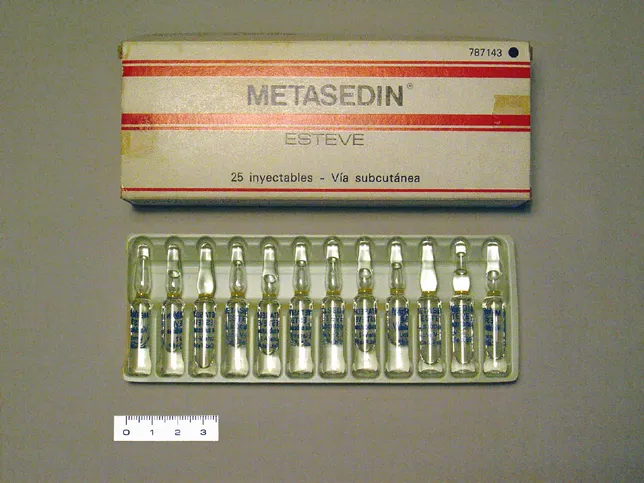
Table of Contents
Package leaflet: Information for the user
Introduction
Package leaflet: information for the user
Metasedin 10 mg/ml injection solution
Methadone hydrochloride
Read all of this leaflet carefully before you start using this medicine, because it contains important information for you.
- Keep this leaflet, as you may need to read it again.
- If you have any questions, ask your doctor or pharmacist.
- This medicine has been prescribed for you only; do not pass it on to others, even if they have the same symptoms as you, because it may harm them.
- If you experience any adverse effects, consult your doctor or pharmacist, even if they are effects not listed in this leaflet. See section 4.
Leaflet contents
- What Metasedin is and what it is used for
- What you need to know before using Metasedin
- How to use Metasedin
- Possible side effects
- How to store Metasedin
- Contents of the pack and other information
1. What Metasedin is and what it is used for
Metasedin 10 mg/ml injectable solution is a medicine containing a substance called methadone, belonging to the group of narcotic analgesic drugs. Methadone is a centrally-acting analgesic with potency slightly higher than that of morphine. It also produces less euphoria and a withdrawal syndrome that is similar but more prolonged.
Metasedin 10 mg/ml injectable solution is indicated for intense pain of any origin, such as postoperative, post-traumatic, neoplastic, neuritic, and burn-related pain, whenever such pain does not respond to mild analgesics. It is also indicated for the treatment of narcotic withdrawal syndrome.
2. What you need to know before using Metasedin
Do not use Metasedin:
- If you are allergic to methadone or any of the other components of this medicine (listed in section 6).
- If you have respiratory or lung problems such as severe obstructive lung disease, emphysema, or bronchial asthma. Do not take this medicine during an acute asthma attack.
- If you have heart symptoms due to chronic lung conditions (cor pulmonale).
- If you have increased pressure inside the skull or have had or recently suffered a head injury.
- If you are taking monoamine oxidase inhibitors (MAOIs) for depression or have taken an MAOI within the last two weeks.
- If you are addicted to other drugs.
- During childbirth.
- If you have phaeochromocytoma, a tumor of the adrenal glands.
- If you have a known intestinal disorder called paralytic ileus.
Warnings and precautions
Consult your doctor or pharmacist if you experience any of the following symptoms before starting or while using Metasedin:
-
Pain or increased sensitivity to pain (hyperalgesia) that does not respond to an increase in dose of the medicine.
-
If you have low blood pressure (hypotension).
-
If you have liver or kidney problems.
-
If you have low thyroid function (hypothyroidism).
-
If you experience weakness, fatigue, loss of appetite, nausea, vomiting, or low blood pressure. These may be symptoms indicating that your adrenal glands are producing very low levels of the hormone cortisol, so you may need to take a hormonal supplement.
-
If you have disorders of the bile ducts (gallbladder and bile duct).
-
Contact your doctor if you experience severe upper abdominal pain that may radiate to the back, nausea, vomiting, or fever, as these could be symptoms associated with inflammation of the pancreas (pancreatitis) or the biliary system.
-
If you have an enlarged prostate (prostatic hyperplasia).
-
If you suffer from a disease characterized by muscle weakness called myasthenia gravis.
-
If you have inflammatory or obstructive intestinal disorders.
-
If you are addicted to alcohol.
-
If you have epilepsy.
-
If you are pregnant or breastfeeding.
-
If you are in shock.
-
If you are elderly or extremely ill. In these cases, you may be more sensitive to the medicine.
-
If you are prone to allergic reactions, you may experience, for example, worsening of asthma, skin redness, etc.
-
If you have acute abdominal pain, as administration of this medicine or similar medicines may make diagnosis and clinical monitoring more difficult.
-
If you have any risk factors for QT interval prolongation (a cardiac conduction disorder), such as:
-
History of irregular heartbeat,
-
History of heart disease,
-
Family history of sudden unexplained death,
-
Low levels of potassium, sodium, or magnesium,
-
Liver disease.
-
Long-term use may cause a decrease in sex hormone levels and an increase in prolactin hormone. Consult your doctor if you experience symptoms such as reduced libido, impotence, or absence of menstruation (amenorrhea).
-
During the induction phase of methadone maintenance treatment, patients must stop using heroin and may experience typical withdrawal symptoms (tearing, runny nose, sneezing, yawning, etc.), which should be distinguished from side effects of methadone.
-
Administration of usual doses of an opioid antagonist to a patient physically dependent on methadone or other opioids will precipitate an acute withdrawal syndrome. The severity of symptoms will depend on the degree of dependence and the dose of antagonist administered.
-
Methadone may alter the results of certain blood tests (blood levels of hormones such as prolactin and other hormones related to the thyroid (such as thyroxine, thyroxine-binding globulin [TBG], and triiodothyronine)).
Tolerance, dependence, and addiction
This medicine contains an opioid medicine called methadone. Repeated use of opioids may reduce the effectiveness of the medicine (your body becomes accustomed to the medicine, known as tolerance). Repeated use of Metasedin may also lead to dependence, abuse, and addiction, which may result in potentially fatal overdose.
The risk of adverse effects may increase with higher doses and longer duration of use.
Dependence or addiction may make you feel that you no longer have control over how much medicine you need to take or how often you need to take it. When used to treat pain, you may feel you need to keep taking the medicine even when it does not relieve your pain.
The risk of becoming dependent or addicted varies from person to person. You may have a higher risk of becoming dependent or addicted to Metasedin if:
- You or a family member has a history of alcohol, prescription medicine, or illicit substance abuse or dependence (“addiction”).
- You are a smoker.
- You have ever had mood problems (depression, anxiety, or a personality disorder) or have received treatment from a psychiatrist for other mental illnesses.
If you notice any of the following signs while taking Metasedin, it could be a sign that you have become dependent or addicted:
- You need to take the medicine for longer than recommended by your doctor.
- You need to take more than the recommended dose.
- You are using the medicine for reasons other than prescribed, for example, “to calm down” or “to help you sleep”.
- You have made repeated unsuccessful attempts to stop or control use of the medicine.
- You feel unwell when you stop taking the medicine and feel better when you take it again (“withdrawal symptoms”).
If you notice any of these signs, speak with your doctor to address the most appropriate treatment strategy for your case, including when it is appropriate to stop taking it and how to do so safely (see section 3 “If you stop treatment with Metasedin”).
Sleep-related breathing disorders
Metasedin may cause sleep-related breathing disorders such as sleep apnea (breathing pauses during sleep) and sleep-related hypoxemia (low blood oxygen levels). Symptoms may include breathing pauses during sleep, waking up at night due to shortness of breath, difficulty maintaining sleep, or excessive daytime sleepiness. If you or someone else notices these symptoms, contact your doctor. Your doctor may consider reducing the dose.
Use in athletes
This medicine contains a component that may produce a positive result in doping control tests.
Children and adolescents
The use of Metasedin is not recommended in children and adolescents under 18 years of age due to lack of safety and efficacy data in this population. In addition, children are more sensitive to the effects of methadone than adults.
Other medicines and Metasedin
Some medicines may affect the proper functioning of Metasedin, or Metasedin itself may reduce the effectiveness of other medicines taken at the same time. These drug interactions may increase or decrease the effect of one or both medicines and may increase the risk or severity of adverse effects.
Do not take Metasedin if you are taking monoamine oxidase inhibitors (MAOIs) or have taken an MAOI within the last two weeks.
Inform your doctor or pharmacist if you are taking, have recently taken, or might need to take any other medicines, such as:
-
The simultaneous use of Metasedin and sedative medicines such as benzodiazepines or related drugs (e.g., opioid analgesics such as codeine, pentazocine, buprenorphine) increases the risk of drowsiness, difficulty breathing (respiratory depression), coma, and is potentially fatal, especially in elderly patients. Therefore, simultaneous use should only be considered when no other therapeutic options are possible. However, if your doctor prescribes Metasedin together with sedative medicines, they will limit the dose and duration of concurrent treatment.
-
Gabapentin and pregabalin (medicines used to treat epilepsy, nerve pain, or anxiety). These may increase the risk of opioid overdose, respiratory depression (difficulty breathing), and may be potentially fatal.
-
Inform your doctor of all sedative medicines you are taking, and strictly follow the dosing recommendations provided by your doctor. It may be helpful to inform your friends or family members that they should be alert for the signs and symptoms described above. If you experience these symptoms, contact your doctor.
-
On the other hand, buprenorphine or pentazocine may precipitate withdrawal symptoms in a patient addicted to methadone.
-
Medicines used to reverse the effects of opioid medicines (naloxone).
-
Central nervous system depressants including general anesthetics, medicines used in the treatment of schizophrenia and psychosis (phenothiazines), treatment of insomnia or other central nervous system sedatives, as methadone may increase the risk of respiratory depression, low blood pressure, and deep sedation or coma.
-
However, if your doctor prescribes Metasedin together with sedative medicines, they will restrict the dose and duration of concurrent treatment.
-
Inform your doctor of all sedative medicines you are taking, and strictly follow the dosing recommendations provided by your doctor. It may be helpful to inform your friends or family members that they should be alert for the signs and symptoms described above. If you experience these symptoms, contact your doctor.
-
The risk of side effects increases if methadone is taken simultaneously with antidepressants (such as citalopram, duloxetine, escitalopram, fluoxetine, fluvoxamine, paroxetine, sertraline, venlafaxine, amitriptyline, clomipramine, imipramine, nortriptyline). Consult your doctor if you experience symptoms such as:
-
changes in mental state (such as restlessness, hallucinations, coma)
-
rapid pulse, unstable blood pressure, fever
-
exaggerated reflexes, lack of coordination, muscle stiffness
-
gastrointestinal symptoms (such as nausea, vomiting, diarrhea)
-
Serotonergic medicines used to treat migraine, such as sumatriptan.
-
Medicines to treat heart conditions such as verapamil, bepridil, or enalapril.
-
Medicines that cause electrolyte imbalances and affect cardiac conduction (such as antiarrhythmics, diuretics, or lithium).
-
Medicines used to treat epilepsy such as phenytoin, carbamazepine, phenobarbital, and primidone.
-
Cannabidiol (a medicine used to treat seizures).
-
Antibiotics such as ciprofloxacin or macrolide antibiotics such as erythromycin or clarithromycin.
-
Medicines used to treat fungal infections such as ketoconazole, itraconazole, miconazole, and fluconazole.
-
Rifampicin or phenytoin, which may trigger a withdrawal syndrome.
-
Cimetidine, which potentiates the effects of methadone.
-
Drugs that acidify or alkalinize urine and may alter the elimination of methadone, increasing or decreasing its effects (e.g., ascorbic acid (vitamin C) and ammonium chloride).
-
Antiretroviral medicines for treating HIV, such as ritonavir, nevirapine, efavirenz, abacavir, and nelfinavir. Your doctor may need to adjust your methadone dose while you are taking these medicines.
-
St. John’s wort, a herbal preparation used for depression.
Use of Metasedin with food, drinks, and alcohol
Alcohol may increase the side effects of methadone, so it should not be consumed during treatment with this medicine.
Grapefruit juice may alter the effect of methadone, so it should not be taken with Metasedin.
Pregnancy and breastfeeding
If you are pregnant or breastfeeding, think you might be pregnant, or plan to become pregnant, consult your doctor or pharmacist before using this medicine.
Some studies have reported congenital defects or neurodevelopmental problems (problems related to early development) in children born to mothers who used methadone during pregnancy to treat opioid addiction. However, it is not possible to determine whether this is due to methadone use or other factors such as maternal health and social and environmental conditions associated with opioid addiction.
Pregnancy
If Metasedin is used during pregnancy, your baby may experience withdrawal syndrome. Be cautious if undergoing a pregnancy test, as methadone may interfere with test results.
Metasedin should not be used during childbirth.
Lactation
Methadone is excreted in breast milk. It should only be administered to breastfeeding mothers when the benefits to the infant outweigh the potential risks. Breastfeeding under these conditions may help prevent the onset of withdrawal syndrome in the newborn.
Talk to your doctor if you are breastfeeding or planning to breastfeed while taking methadone, as it may affect your baby. Monitor your baby for signs and symptoms such as excessive sleepiness (more than normal), difficulty breathing, or floppiness. Seek immediate medical attention if you observe any of these symptoms.
Driving and use of machines
Metasedin may cause drowsiness, dizziness, or other symptoms that may impair your ability to drive. If you experience any of these effects, avoid driving or operating machinery.
Metasedin contains sodium
This medicine contains less than 23 mg (1 mmol) of sodium per ampoule and is therefore considered essentially “sodium-free”.
3. How to use Metasedin
Before starting treatment and periodically during treatment, your doctor will discuss with you what to expect from using Metasedin, when and for how long you should take it, when to contact your doctor, and when you should stop taking it (see also "If you stop treatment with Metasedin").
Metasedin must be administered only by qualified healthcare professionals with adequate knowledge of its use. Administration of the product and handling of needles must be performed with caution.
Dosage must be individualized; therefore, your doctor will determine the appropriate dose for you and make any adjustments deemed necessary.
If you feel that the effect of this medicine is too strong or too weak, inform your doctor or pharmacist.
Use in adults:
From 1/2 to 1 ampoule per dose, administered subcutaneously, depending on the intensity of pain. This dose may be repeated at the discretion of the physician.
Remember to use your medicine.
Your doctor will inform you of the duration of treatment with Metasedin.
If you have received more Metasedin than you should
Your doctor will ensure that you receive the correct dose for your condition. In case of overdose, you may experience more adverse effects. If you think you have received too much Metasedin, contact your doctor immediately.
In case of overdose or accidental ingestion, contact your doctor or pharmacist immediately or call the Toxicology Information Service at 91 562 04 20, indicating the medicine and the amount ingested.
If you take too much methadone, you may experience:
- breathing problems;
- extreme drowsiness, which may progress to decreased level of consciousness and coma;
- very small pupils;
- muscle weakness;
- cold skin;
- sometimes, low blood pressure and slow pulse;
- low blood sugar levels may occur;
- a brain disorder (known as toxic leukoencephalopathy).
In cases of severe intoxication, respiratory arrest, circulatory collapse, heart failure, and death may occur.
If you forget to use Metasedin
Do not use a double dose to make up for a missed dose.
If you stop treatment with Metasedin
Abrupt discontinuation of treatment in patients with physical dependence may precipitate a withdrawal syndrome.
If you have any further questions about the use of this medicine, ask your doctor or pharmacist.
4. Possible adverse effects
Like all medicines, this medicine can cause adverse effects, although not everyone will experience them.
In general, methadone causes adverse effects similar to those of morphine.
The most serious adverse effects of methadone, as with other opioids, are respiratory depression (difficulty breathing) and, to a lesser extent, low blood pressure. Cases of respiratory arrest, shock, and cardiac arrest have occurred. The most common adverse effects are dizziness, sedation, nausea, vomiting, and excessive sweating. These effects appear to be more intense in outpatients and in those who do not have severe chronic pain. In such patients, the use of lower doses is recommended.
Some adverse effects may be relieved if the patient lies down.
Tell your doctor immediately if you experience:
- An allergic reaction, such as swelling of the face, lips, tongue, or throat, difficulty breathing, severe swelling and itching of the skin with humps (wheals).
- Heart problems, such as changes in heart rhythm (both rapid beats and missed beats), difficulty breathing, and dizziness.
- If your breathing becomes slow and shallow.
- Worsening of pressure inside the head or headache, if you already suffer from this condition following a brain injury or illness.
- If you have asthma and it worsens.
Other possible adverse effects may include the following:
Very common (may affect more than 1 in 10 patients):
nausea, vomiting.
Common (may affect up to 1 in 10 patients):
excessive sweating
fatigue, drowsiness, sedation
weight gain
fluid retention
constipation
rash, which may appear and disappear
blurred vision, small pupils, dry eyes
dizziness, vertigo
changes in mood, feeling overly excited (euphoria), or seeing or hearing things that are not real (hallucinations)
Uncommon (may affect up to 1 in 100 patients):
difficulty breathing (respiratory depression), especially at high doses
worsening of asthma
low blood pressure
headache, fainting, or sudden loss of consciousness
feeling discouraged (dysphoria), agitation, confusion, disorientation, difficulty sleeping
dependence on Metasedin may develop; for further information, see section 2 “Warnings and precautions”
itching, skin rashes, urticaria
dry mouth or nose, tongue inflammation, facial redness
difficulty urinating (urinary retention), pain in the lower back and abdomen caused by muscle spasms
disturbance in bile duct movement (may manifest as nausea, vomiting, or both, biliary pain in the upper right abdomen or radiating to the right shoulder area)
low body temperature (hypothermia)
feeling of weakness, tiredness
decreased sexual desire or difficulty achieving or maintaining an erection
painful menstrual periods, absence of menstruation
milk secretion from the nipple (galactorrhea)
increased fluid in the lung (pulmonary edema)
Rare (may affect up to 1 in 1,000 patients):
changes in heart rhythm (both rapid beats and missed beats)
abnormalities in the electrocardiogram (ECG), known as QT interval prolongation, which may lead to a heart rhythm disorder called “torsade de pointes” (especially with high doses of methadone)
cardiac arrest
shock
respiratory arrest
Other adverse effects reported, frequency not known, are:
loss of appetite
swelling, swollen legs (this may be a sign that your body is retaining more fluid than normal)
increased intracranial pressure (especially with high doses)
involuntary, rapid, and repetitive eye movements, strabismus
reduced visual acuity
sleep apnea (breathing pauses during sleep)
reduction in blood platelets, increasing the risk of bleeding or bruising in patients with chronic hepatitis
low levels of potassium and magnesium
decreased production of adrenal and sex hormones
low blood sugar levels
elevated levels of prolactin in the blood
symptoms associated with inflammation of the pancreas (pancreatitis) and of the biliary system (a condition affecting the intestinal valve known as Oddi sphincter dysfunction), for example, severe pain in the upper abdomen that may radiate to the back, nausea, vomiting, or fever.
If you notice any other reaction not described in this leaflet, consult your doctor or pharmacist.
Reporting of adverse effects
If you experience any adverse effect, talk to your doctor or pharmacist, even if it is a possible adverse effect not listed in this leaflet. You can also report them directly via the Spanish Pharmacovigilance System for Human Medicines, Website: www.notificaRAM.es.
By reporting adverse effects, you can help provide more information on the safety of this medicine.
5. Storage of Metasedin
Keep this medicine out of the sight and reach of children. Store this medicine in a safe and secure place, where other people cannot access it. It may cause serious harm or be fatal to individuals for whom it has not been prescribed.
Do not store above 25°C.
Do not use this medicine after the expiry date stated on the packaging after EXP. The expiry date refers to the last day of the month indicated.
Medicines must not be disposed of via wastewater or household waste. Return unused medicines and their packaging to the SIGRE collection point at your pharmacy. If you are unsure, ask your pharmacist how to properly dispose of unused medicines and their packaging. This will help protect the environment.
6. Package contents and other information
Composition of Metasedin
- The active substance is methadone hydrochloride. Each ampoule contains 10 mg of methadone hydrochloride.
- The other components are sodium chloride and water for injections.
Appearance of the medicinal product and contents of the pack
Metasedin 10 mg/ml solution for injection is a colourless and clear solution, supplied in packs of 12 ampoules.
Marketing Authorisation Holder and Manufacturer
Marketing Authorisation Holder
Esteve Pharmaceuticals, S.A.
Passeig de la Zona Franca, 109
08038 Barcelona
Spain
Manufacturers
- Braun Medical, S.A.
Ronda de los Olivares, parcela 11
Polígono Industrial Los Olivares
23009 Jaén
Spain
Towa Pharmaceutical Europe, S.L.
Carrer de Sant Martí, 75-97
08107 Martorelles (Barcelona)
Spain
Date of the most recent revision of this leaflet: May 2026
Detailed and up-to-date information on this medicinal product is available on the website of the Spanish Agency of Medicines and Medical Devices (AEMPS) http://www.aemps.gob.es/