Meiact 200 mg film-coated tablets
Spain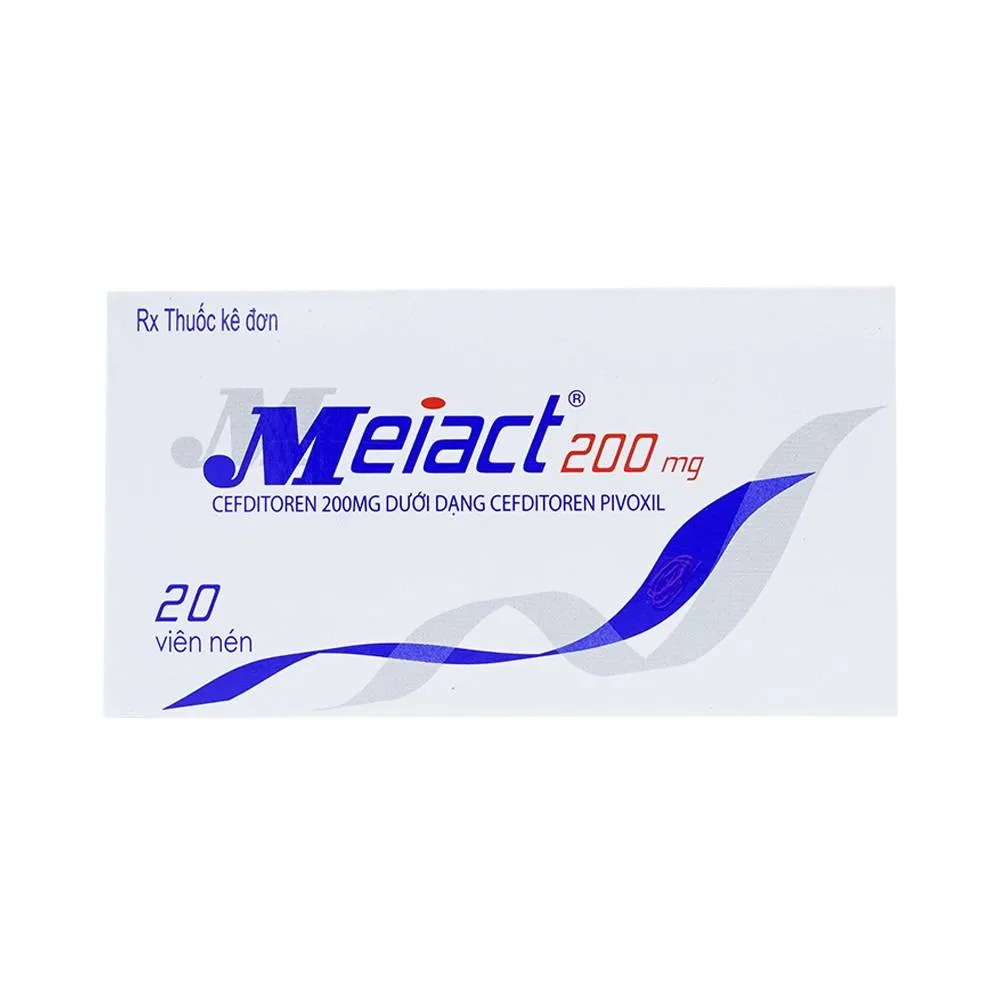
Table of Contents
- Package Leaflet: Information for the User
- Introduction
- 1. What MEIACT 200 mg film-coated tablets are and what they are used for
- 2. What you need to know before taking MEIACT 200 mg film-coated tablets
- 3. How to take MEIACT 200 mg film-coated tablets
- 4. Possible adverse effects
- 5. Storage of MEIACT 200 mg film-coated tablets
- 6. Contents of the pack and other information
Package Leaflet: Information for the User
Introduction
Package Leaflet: Information for the User
MEIACT 200 mg film-coated tablets
cefditoren
Read all of this leaflet carefully before you start taking this medicine because it contains important information for you.
- Keep this leaflet; you may need to read it again.
- If you have any questions, ask your doctor or pharmacist.
- This medicine has been prescribed for you only and must not be given to other people, even if they have the same symptoms as you, because it could harm them.
- If you experience any adverse effects, consult your doctor or pharmacist, even if these effects are not listed in this leaflet. See section 4.
Contents of the leaflet
- What MEIACT 200 mg film-coated tablets are and what they are used for
- What you need to know before taking MEIACT 200 mg film-coated tablets
- How to take MEIACT 200 mg film-coated tablets
- Possible side effects
- How to store MEIACT 200 mg film-coated tablets
Contents of the pack and other information
1. What MEIACT 200 mg film-coated tablets are and what they are used for
MEIACT belongs to a group of antibiotics called cephalosporins, which work by inhibiting bacterial cell wall synthesis.
Antibiotics are used to treat bacterial infections and are not effective against viral infections such as influenza or the common cold. It is important to follow your doctor's instructions regarding dosage, dosing interval, and duration of treatment. Do not store or reuse this medicine. If you have any antibiotic left after completing the treatment, return it to the pharmacy for proper disposal. Medicines must not be disposed of via wastewater or household waste. |
MEIACT is used in adult patients for the treatment of the following infections:
-
Acute pharyngotonsillitis.
-
Acute maxillary sinusitis.
-
Acute exacerbation of chronic bronchitis.
-
Mild to moderate community-acquired pneumonia.
-
Uncomplicated skin and soft tissue infections, such as cellulitis, infected wounds, abscesses, folliculitis, impetigo, and furunculosis.
2. What you need to know before taking MEIACT 200 mg film-coated tablets
Do not take MEIACT
- if you are allergic to antibiotics, especially penicillins or other β-lactam antibiotics, or to any of the other ingredients of this medicine (listed in section 6).
- if you are allergic to casein, you should be aware that this medicine contains sodium caseinate.
- if you have a condition called primary carnitine deficiency.
Warnings and precautions
Consult your doctor or pharmacist before taking MEIACT
- if you have liver and/or kidney disease
- if you are receiving anticoagulant therapy
- if you have a history of gastrointestinal disorders, particularly colitis
- if you are simultaneously receiving treatment with nephrotoxic active substances such as aminoglycoside antibiotics or potent diuretics (such as furosemide), as these combinations may have undesirable effects on kidney function and have been associated with ototoxicity
Consult your doctor if you experience any of the following during treatment:
- If you develop any allergic reaction characterized by symptoms such as itching, redness, skin rash, swelling, or difficulty breathing.
- If you develop diarrhoea while taking this medicine or after treatment has ended.
As with other antibiotics, prolonged treatment with MEIACT may lead to overgrowth of non-susceptible microorganisms, requiring discontinuation of treatment and initiation of appropriate therapy.
You may develop signs and symptoms of serious skin reactions, including Stevens-Johnson syndrome, toxic epidermal necrolysis, and acute generalized exanthematous pustulosis. Stop using MEIACT and contact your doctor immediately if you notice any symptoms related to these serious skin reactions described in section 4.
Treatment with MEIACT may interfere with the results of certain laboratory tests, leading to false positives in:
- The direct Coombs test
- Urine glucose testing
And false negatives in:
- Blood or plasma glucose testing.
Other medicines and MEIACT
Inform your doctor or pharmacist if you are taking, have recently taken, or might need to take any other medicines.
A period of at least two hours should elapse between the administration of antacids and MEIACT.
Concomitant administration of MEIACT with probenecid increases the amount of cefditoren in the blood.
Concomitant administration of MEIACT with intravenous famotidine is not recommended, as it may hinder achieving the necessary blood levels.
Pregnancy and breastfeeding
If you are pregnant or breastfeeding, think you might be pregnant, or plan to become pregnant, consult your doctor or pharmacist before using this medicine.
Taking MEIACT shortly before delivery may interfere with the results of neonatal screening tests for metabolic disorders. You must inform the healthcare professional performing the test if you have taken this medicine shortly before delivery.
MEIACT is not recommended during pregnancy or breastfeeding.
Driving and using machines
MEIACT may cause dizziness and drowsiness, which may impair your ability to drive or operate tools or machinery.
MEIACT 200 mg film-coated tablets contain sodium
This medicine contains less than 23 mg of sodium (1 mmol) per tablet; hence, it is essentially "sodium-free".
3. How to take MEIACT 200 mg film-coated tablets
Follow exactly the instructions for use of this medicine as given by your doctor or pharmacist. If in doubt, consult your doctor or pharmacist again. Remember to take your medicine. Your doctor will tell you how long to take MEIACT.
Swallow the tablets whole, with a sufficient amount of liquid (a glass of water), during meals.
The recommended dose of this medicine and the frequency of administration are as follows:
Adults and adolescents (over 12 years of age)
-
Acute pharyngotonsillitis: 1 tablet (200 mg of cefditoren) every 12 hours for 10 days.
-
Acute maxillary sinusitis: 1 tablet (200 mg of cefditoren) every 12 hours for 10 days.
-
Acute exacerbation of chronic bronchitis: 1 tablet (200 mg of cefditoren) every 12 hours for 5 days.
-
Community-acquired pneumonia:
-
In mild cases: 1 tablet (200 mg of cefditoren) every 12 hours for 14 days.
-
In moderate cases: 2 tablets (400 mg of cefditoren) every 12 hours for 14 days.
-
Uncomplicated skin and soft tissue infections: 1 tablet (200 mg of cefditoren) every 12 hours for 10 days.
Use in children under 12 years of age
The use of MEIACT has not been studied in patients under 12 years of age; therefore, administration is not recommended.
Elderly patients
In elderly patients, dose adjustments are not required except in cases of severe impairment of hepatic and/or renal function.
Patients with renal insufficiency
No dose adjustment is necessary in patients with mild renal function impairment. In patients with moderate renal insufficiency, do not exceed a dose of 1 tablet (200 mg of cefditoren) every 12 hours. In patients with severe renal insufficiency, a single daily dose of 1 tablet (200 mg of cefditoren) is recommended. The appropriate dose has not been established in patients undergoing dialysis.
Patients with hepatic insufficiency
In mild or moderate hepatic insufficiency, modification of the dosing regimen is not necessary. In cases of severe hepatic insufficiency, there are no available data to allow a dosage recommendation.
If you take more MEIACT than you should
If you have taken more MEIACT than recommended, consult your doctor or pharmacist immediately, or call the Toxicology Information Service at telephone 91 562 04 20, indicating the medication and the amount ingested. It is recommended to bring the medicine packaging and leaflet to the healthcare professional.
If you forget to take MEIACT
If you have missed a dose, take it as soon as possible and then continue with your regular dosing schedule. Do not take a double dose to make up for missed doses.
If you stop taking MEIACT
Do not discontinue treatment before the duration indicated by your doctor, as there is a risk of disease relapse.
4. Possible adverse effects
Like all medicines, this medicine can cause adverse effects, although not everyone will experience them.
Inform your doctor immediately if you experience any of these symptoms, as you may require urgent medical treatment:
Severe skin reactions (frequency not known, cannot be estimated from available data)
- Stevens-Johnson syndrome (blisters and erosion of the skin and mucous membranes)
- widespread red, scaly rash with bumps under the skin and blisters, accompanied by fever. Symptoms usually appear at the beginning of treatment (acute generalized exanthematous pustulosis)
Adverse effects may occur, mainly of a gastrointestinal nature.
Very common (more than 1 in 10 people):
- diarrhea
Common (1 to 10 in 100 people):
- headache, nausea, abdominal pain, indigestion, and vaginal infection
Uncommon (1 to 10 in 1,000 people):
- fungal infection
- anorexia
- nervousness, dizziness, and sleep disorders
- pharyngitis, rhinitis, and sinusitis
- constipation, flatulence, vomiting, oral candidiasis, belching, dry mouth, and loss of taste
- alteration of liver function
- skin rash, itching, and urticaria
- inflammation of the vagina and vaginal discharge
- fever, weakness, and sweating
- changes in blood cell counts (leucopenia and thrombocytosis), abnormalities in liver function tests (elevation of ALT)
Rare (1 to 10 in 10,000 people):
- haemolytic anaemia and lymph node disorders
- dehydration
- dementia, depersonalization, emotional weakness, euphoria, hallucinations, and increased libido
- memory loss, lack of coordination, increased muscle tone, meningitis, and tremor
- photosensitivity, loss of visual acuity, eye pain, and eyelid inflammation
- tinnitus
- disturbances in heart rhythm, heart failure, and fainting
- low blood pressure
- asthma
- mouth ulcers, stomatitis, haemorrhagic colitis, ulcerative colitis, gastrointestinal bleeding, hiccups, inflammation and discoloration of the tongue, Clostridium difficile-associated diarrhea
- acne, hair loss, eczema, exfoliative dermatitis (cracked and scaly skin), and herpes simplex
- muscle pain
- pain when urinating, kidney inflammation, changes in urinary frequency, incontinence, and urinary tract infection
- breast pain, menstrual disorders, and erectile dysfunction
- body odour and chills
- changes in blood cell counts (eosinophilia, neutropenia, thrombocytopenia), coagulation disorders (prolonged coagulation time, decreased prothrombin time, platelet dysfunction), abnormalities in liver function tests (increased AST, alkaline phosphatase), changes in certain blood parameters (hyperglycaemia, hypokalaemia, bilirubinaemia, elevated LDH, hypoproteinaemia, elevated creatinine), or in urine (albuminuria)
Frequency not known:
- pneumonia
- redness of the skin
- toxic epidermal necrolysis (a severe form of Stevens-Johnson syndrome followed by skin pain and shedding of the upper layer of skin)
- acute kidney failure
- anaphylactic shock
- serum sickness reaction (delayed allergic skin reaction)
- reduction in blood cells (agranulocytosis)
- decreased blood levels of carnitine
- cholestasis (obstruction of bile flow from the liver)
- aplastic anaemia (reduction in blood cells)
- liver damage
- hepatitis
- inflammation of the large intestine (colon). Symptoms include diarrhea, usually with blood and mucus, stomach pain, and fever.
- inflammation of the kidneys (tubulointerstitial nephritis)
Reporting of adverse effects
If you experience any type of adverse effect, consult your doctor or pharmacist, even if they are possible adverse effects not listed in this leaflet. You may also report them directly via the Spanish Pharmacovigilance System for Human Medicines: https://www.notificaram.es. By reporting adverse effects, you can help provide more information on the safety of this medicine.
5. Storage of MEIACT 200 mg film-coated tablets
Keep this medicine out of the sight and reach of children.
Store in the original packaging.
Do not store above 30°C.
Do not use this medicine after the expiry date stated on the packaging after EXP. The expiry date refers to the last day of the month indicated.
Medicines should not be disposed of via wastewater or household waste. Return any unused medicines and their containers to the SIGRE collection point at your pharmacy. If you are unsure, ask your pharmacist how to dispose of unused medicines and their packaging. This will help protect the environment.
6. Contents of the pack and other information
Composition of MEIACT 200 mg film-coated tablets
- The active substance is cefditoren. Each tablet contains 200 mg of cefditoren (as cefditoren pivoxil).
- The other components are:
core: sodium caseinate, sodium croscarmellose, mannitol E-421, sodium tripolyphosphate and magnesium stearate.
coating: opadry Y-1-7000 (hypromellose, titanium dioxide E-171, macrogol 400) and carnauba wax.
blue printing ink Opacode S-1-20986: shellac, brilliant blue lacquer, titanium dioxide E-171, propylene glycol and concentrated ammonia solution.
Appearance of the product and contents of the pack
MEIACT 200 mg is presented as film-coated tablets. Each pack contains 16 or 20 tablets.
Only certain pack sizes may be marketed.
Other presentations
MEIACT 400 mg film-coated tablets: each pack contains 10 tablets.
Marketing Authorization Holder and Manufacturer:
Meiji Pharma Spain, S.A.
Avda. de Madrid, 94
28802 Alcalá de Henares, Madrid (Spain)
Date of the most recent revision of this summary: March 2026
Detailed information on this medicine is available on the website of the Spanish Agency of Medicines and Medical Devices (AEMPS) http://www.aemps.gob.es/