Lucentis 10 mg/ml solution for injection
Spain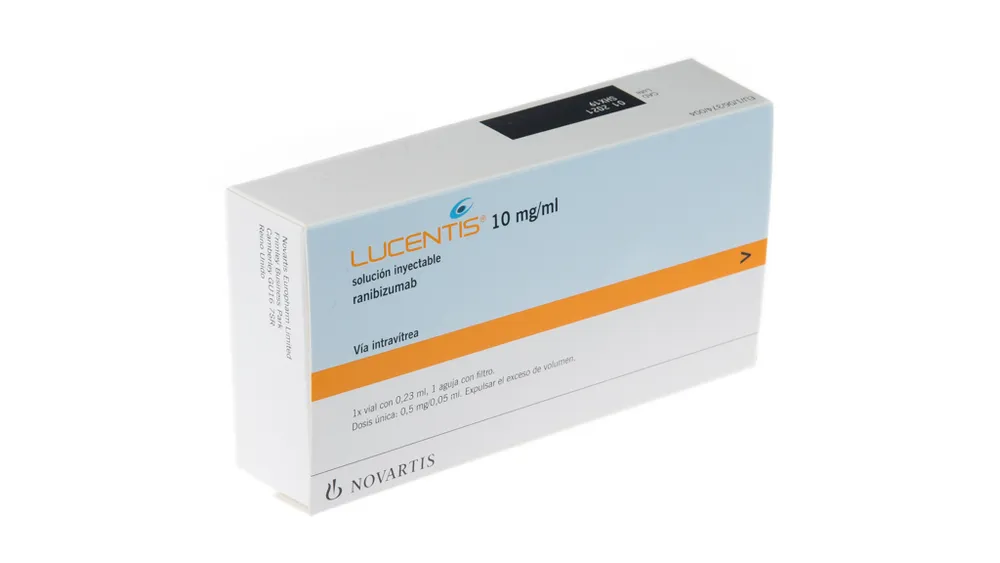
Table of Contents
Package leaflet: Information for the user
Introduction
Package leaflet: information for the adult patient
Lucentis 10mg/ml solution for injection
ranibizumab
ADULTS
Information for premature babies is on the other side of the leaflet.
Read this entire leaflet carefully before you are given this medicine, because it contains important information for you.
-
Keep this leaflet, as you may need to read it again.
-
If you have any questions, ask your doctor.
-
If you experience any side effects, talk to your doctor, even if they are side effects not listed in this leaflet. See section 4.
Leaflet contents
- What Lucentis is and what it is used for
- What you need to know before you are given Lucentis
- How Lucentis is administered
- Possible side effects
- How to store Lucentis
- Contents of the pack and other information
1. What Lucentis is and what it is used for
What Lucentis is
Lucentis is a solution that is injected into the eye. Lucentis belongs to a group of medicines known as anti-angiogenesis agents. It contains the active substance called ranibizumab.
What Lucentis is used for
Lucentis is used in adults to treat several eye diseases that cause vision impairment.
These diseases result from damage to the retina (the light-sensitive layer at the back of the eye) caused by:
- The growth of abnormal blood vessels that leak fluid. This occurs in conditions such as age-related macular degeneration (AMD) and proliferative diabetic retinopathy (PDR, a disease caused by diabetes). It may also be associated with choroidal neovascularization (CNV) due to pathological myopia (PM), angioid streaks, central serous chorioretinopathy, or inflammatory CNV.
- Macular edema (swelling of the center of the retina). The cause of this swelling may be diabetes (a condition known as diabetic macular edema (DME)) or blockage of the retinal veins (a condition known as retinal vein occlusion (RVO)).
How Lucentis works
Lucentis specifically recognizes and binds to a protein called human vascular endothelial growth factor A (VEGF-A) present in the eyes. Excess VEGF-A causes the growth of abnormal blood vessels and swelling in the eye, which can lead to vision impairment in diseases such as AMD, DME, PDR, RVO, PM, and CNV. By binding to VEGF-A, Lucentis can prevent it from acting and thereby inhibit this abnormal growth and swelling.
In these diseases, Lucentis can help stabilize, and in many cases improve, vision.
2. What you need to know before Lucentis is administered to you
Do not use Lucentis
- If you are allergic to ranibizumab or any of the other ingredients of this medicine (listed in section 6).
- If you have an infection in or around your eye.
- If you have eye pain or redness (severe intraocular inflammation).
Warnings and precautions
Talk to your doctor before receiving Lucentis
- Lucentis is administered by injection into the eye. Occasionally, after treatment with Lucentis, an infection inside the eye, eye pain or redness (inflammation), detachment or tear in one of the layers at the back of the eye (retinal detachment or tear and detachment or tear of the retinal pigment epithelium), or clouding of the lens (cataract) may occur. It is important to identify and treat such infection or retinal detachment as soon as possible. Immediately inform your doctor if you notice symptoms such as eye pain or increased discomfort in the eye, worsening redness of the eye, blurred vision or decreased vision, an increase in the number of small spots in your vision, or increased sensitivity to light.
- In some patients, eye pressure may temporarily increase after the injection. You may not notice this, so your doctor may monitor your eye pressure after each injection.
- Inform your doctor if you have had eye diseases or previous eye treatments, or if you have had a stroke or transient signs of stroke (such as weakness or paralysis in a limb or face, or difficulty speaking or understanding). This information will be considered when evaluating whether Lucentis is the appropriate treatment for you.
For more detailed information about adverse reactions that may occur during treatment with Lucentis, see section 4 (“Possible side effects”).
Children and adolescents (under 18 years of age)
Except for retinopathy of prematurity, Lucentis is not recommended for use in children and adolescents, as its use has not been established in these age groups. For the treatment of premature babies with retinopathy of prematurity (ROP), see the other side of the package leaflet.
Other medicines and Lucentis
Inform your doctor if you are taking, have recently taken, or might need to take any other medicines.
Pregnancy and breastfeeding
- Women who could become pregnant must use an effective method of contraception during treatment and for at least three months after the last Lucentis injection.
- There is no experience with the use of Lucentis in pregnant women. Lucentis should not be used during pregnancy unless the potential benefit outweighs the potential risk to the fetus. If you are pregnant, think you might be pregnant, or plan to become pregnant, consult your doctor before treatment with Lucentis.
- Small amounts of Lucentis may pass into breast milk; therefore, Lucentis is not recommended during breastfeeding. Consult your doctor or pharmacist before treatment with Lucentis.
Driving and using machines
After treatment with Lucentis, you may experience temporary blurred vision. If this occurs, do not drive or operate machinery until this symptom resolves.
3. How Lucentis is administered
Lucentis is administered by an ophthalmologist as a single injection into the eye under local anesthesia. The usual dose for one injection is 0.05 ml (containing 0.5 mg of active substance). The interval between two injections given in the same eye should be at least four weeks. All injections will be administered by an ophthalmologist.
To prevent infection, your doctor will carefully wash your eye before the injection. Your doctor will also administer a local anesthetic to reduce or prevent any pain you might feel during the injection.
Treatment starts with one Lucentis injection per month. Your doctor will monitor your eye disease and, depending on how you respond to treatment, will decide whether you need further treatment and when you need to be treated.
Detailed instructions for use are provided at the end of the leaflet in the section “How to prepare and administer Lucentis in adults”.
Elderly patients (65 years of age and older)
Lucentis can be used in individuals aged 65 years or older, and no dose adjustment is necessary.
Before stopping Lucentis treatment
If you are considering stopping treatment with Lucentis, attend your next scheduled appointment and discuss this with your doctor beforehand. Your doctor will advise you and decide for how long you should continue treatment with Lucentis.
If you have any further questions about the use of this medicine, ask your doctor.
4. Possible adverse effects
Like all medicines, this medicine can cause adverse effects, although not everyone experiences them.
The adverse effects associated with Lucentis administration are either due to the medicine itself or to the injection procedure, and most affect the eye.
The following are the most serious adverse effects:
Frequent serious adverse effects (may affect up to 1 in 10 patients): Detachment or tear of a layer in the inner part of the eye (retinal detachment or tear), resulting in flashes of light with floating particles progressing to transient vision loss or clouding of the lens (cataract).
Uncommon serious adverse effects (may affect up to 1 in 100 patients): Blindness, infection of the eyeball (endophthalmitis) with inflammation of the inner part of the eye.
Symptoms you may experience include eye pain or increased discomfort, worsening redness in the eye, blurred vision or decreased vision, an increasing number of small floating spots in your vision, or increased sensitivity to light. Inform your doctor immediately if you experience any of these adverse effects.
The following are the most commonly reported adverse effects:
Very common adverse effects (may affect more than 1 in 10 patients)
Ocular adverse effects include: Eye inflammation, bleeding at the back of the eye (retinal haemorrhage), visual disturbances, eye pain, small particles or spots in vision (floaters), blood in the eye, eye irritation, sensation of having something in the eye, increased tear production, inflammation or infection at the eyelid margin, dry eye, eye redness or itching, and increased eye pressure.
Non-ocular adverse effects include: Sore throat, nasal congestion, runny nose, headache, and joint pain.
The following are other adverse effects that may occur following treatment with Lucentis:
Common adverse effects
Ocular adverse effects include: Decreased visual acuity, swelling of a part of the eye (uvea, cornea), corneal inflammation (front part of the eye), small marks on the eye surface, blurred vision, bleeding at the injection site, bleeding in the eye, eye discharge with itching, redness and swelling (conjunctivitis), light sensitivity, eye discomfort, eyelid swelling, eyelid pain.
Non-ocular adverse effects include: Urinary tract infection, low red blood cell count (with symptoms such as fatigue, difficulty breathing, dizziness, paleness), anxiety, cough, nausea, allergic reactions such as rash, hives, itching, and skin redness.
Uncommon adverse effects
Ocular adverse effects include: Inflammation and bleeding in the front part of the eye, accumulation of pus in the eye, changes in the central part of the eye surface, pain or irritation at the injection site, abnormal sensation in the eye, eyelid irritation.
Reporting of adverse effects
If you experience any type of adverse effect, consult your doctor, even if it is a possible adverse effect not listed in this leaflet. You may also report them directly through the national reporting system included in Appendix V. By reporting adverse effects, you can help provide more information on the safety of this medicine.
5. Storage of Lucentis
- Keep this medicine out of the sight and reach of children.
- Do not use this medicine after the expiry date which is stated on the carton after EXP and on the label of the vial after EXP. The expiry date refers to the last day of the month indicated.
- Store in a refrigerator (between 2°C and 8°C). Do not freeze.
- Before use, the unopened vial may be stored at room temperature (25°C) for a maximum of 24 hours.
- Keep the vial in the outer packaging to protect it from light.
- Do not use any container that is damaged.
6. Contents of the pack and other information
Composition of Lucentis
- The active substance is ranibizumab. Each ml contains 10 mg of ranibizumab. Each vial contains 2.3 mg of ranibizumab in 0.23 ml of solution. This provides a sufficient amount to deliver a single dose of 0.05 ml, containing 0.5 mg of ranibizumab.
- The other components are α,α-trehalose dihydrate; histidine hydrochloride monohydrate; histidine; polysorbate 20; water for injections.
Appearance of the product and contents of the pack
Lucentis is an injectable solution contained in a vial (0.23 ml). The solution is transparent, colourless to pale yellowish-brown, and aqueous.
Two different types of packaging are available:
Vial pack only
Pack containing a glass vial with ranibizumab, with a chlorobutyl rubber stopper. The vial is for single use.
Vial + filter needle pack
Pack containing a glass vial with ranibizumab, with a chlorobutyl rubber stopper and a filter needle (18G x 1½″, 1.2 mm x 40 mm, 5 micrometers) for withdrawing the solution from the vial. All components are for single use.
Marketing Authorization Holder
Novartis Europharm Limited
Vista Building
Elm Park, Merrion Road
Dublin 4
Ireland
Manufacturer
Novartis Farmacéutica, S.A.
Gran Via de les Corts Catalanes, 764
08013 Barcelona
Spain
Lek Pharmaceuticals d.d.
Verovškova ulica 57
Ljubljana, 1526
Slovenia
Novartis Pharma GmbH
Sophie-Germain-Strasse 10
90443 Nuremberg
Germany
More information about this medicinal product is available upon request by contacting the local representative of the Marketing Authorization Holder:
Belgium/Belgium/Belgium Novartis Pharma N.V. Tel/Tel: +32 2 246 16 11 | Lithuania SIA Novartis Baltics Lithuania Branch Tel: +370 5 269 16 50 |
| Luxembourg/Luxembourg Novartis Pharma N.V. Tel/Tel: +32 2 246 16 11 |
Czech Republic Novartis s.r.o. Tel: +420 225 775 111 | Hungary Novartis Hungária Kft. Tel.: +36 1 457 65 00 |
Denmark Novartis Healthcare A/S Tlf: +45 39 16 84 00 | Malta Novartis Pharma Services Inc. Tel: +356 2122 2872 |
Germany Novartis Pharma GmbH Tel: +49 911 273 0 | Netherlands Novartis Pharma B.V. Tel: +31 88 04 52 111 |
Estonia SIA Novartis Baltics Estonia Branch Tel: +372 66 30 810 | Norway Novartis Norge AS Tlf: +47 23 05 20 00 |
Greece Novartis (Hellas) A.E.B.E. Tel: +30 210 281 17 12 | Austria Novartis Pharma GmbH Tel: +43 1 86 6570 |
Spain Novartis Farmacéutica, S.A. Tel: +34 93 306 42 00 | Poland Novartis Poland Sp. z o.o. Tel.: +48 22 375 4888 |
France Novartis Pharma S.A.S. Tél: +33 1 55 47 66 00 | Portugal Novartis Farma - Produtos Farmacêuticos, S.A. Tel: +351 21 000 8600 |
Croatia Novartis Hrvatska d.o.o. Tel. +385 1 6274 220 | Romania Novartis Pharma Services Romania SRL Tel: +40 21 31299 01 |
Ireland Novartis Ireland Limited Tel: +353 1 260 12 55 | Slovenia Novartis Pharma Services Inc. Tel: +386 1 300 75 50 |
Iceland Vistor hf. Tel: +354 535 7000 | Slovakia Novartis Slovakia s.r.o. Tel: +421 2 5542 5439 |
Italy Novartis Farma S.p.A. Tel: +39 02 96 54 1 | Finland/Suomi Novartis Finland Oy Puh/Tel: +358 (0)10 6133 200 |
Cyprus Novartis Pharma Services Inc. Tel: +357 22 690 690 | Sweden Novartis Sverige AB Tel: +46 8 732 32 00 |
Latvia SIA Novartis Baltics Tel: +371 67 887 070 |
Date of the most recent review of this leaflet:
Other sources of information
Detailed information on this medicine is available on the European Medicines Agency website: http://www.ema.europa.eu
This information is intended for healthcare professionals only:
See also section 3 “How Lucentis is administered”.
How to prepare and administer Lucentis in adults
Single-use vial. For intravitreal use only.
Lucentis must be administered by an ophthalmologist experienced in administering intravitreal injections.
In neovascular (wet) age-related macular degeneration (AMD), in myopic choroidal neovascularisation (mCNV), in diabetic macular oedema (DME) and in visual impairment due to macular oedema secondary to retinal vein occlusion (RVO), the recommended dose of Lucentis is 0.5 mg given as a single intravitreal injection. This corresponds to an injection volume of 0.05 ml. The interval between two injections administered in the same eye should be at least four weeks.
Treatment is initiated with monthly injections until maximum visual acuity is achieved and/or there are no signs of disease activity, i.e. no change in visual acuity or other signs and symptoms of the disease under continued treatment. In patients with wet AMD, DME, RVO and mCNV, initially three or more consecutive monthly injections may be required.
Thereafter, monitoring and treatment intervals should be determined at the physician’s discretion based on disease activity, assessed by visual acuity and/or anatomical parameters.
Treatment with Lucentis should be discontinued if, in the physician’s opinion, visual and anatomical parameters indicate that the patient is not benefiting from continued treatment.
Monitoring to determine disease activity may include clinical examination, functional testing, or imaging techniques (e.g. optical coherence tomography or fluorescein angiography).
If patients are being treated according to a treat-and-extend regimen, once maximum visual acuity is achieved and/or there are no signs of disease activity, treatment intervals may be gradually extended until signs of disease activity or visual impairment reappear. In the case of wet AMD, treatment intervals should not be extended by more than two weeks at a time; in the case of DME, intervals may be extended by up to one month at a time. For DME and RVO, treatment intervals may also be gradually extended, although available data are insufficient to determine the optimal duration of these intervals. If disease activity reappears, treatment intervals should be shortened accordingly.
Treatment of visual impairment due to mCNV should be individualised based on disease activity. Some patients may require only one injection during the first 12 months; others may require more frequent treatment, including monthly injections. In the case of mCNV secondary to pathological myopia (PM), many patients may require only one or two injections during the first year.
Lucentis and laser photocoagulation in DME and macular oedema secondary to branch retinal vein occlusion (BRVO)
There is some experience with Lucentis administered concomitantly with laser photocoagulation. When administered on the same day, Lucentis should be given at least 30 minutes after laser photocoagulation. Lucentis may be administered to patients who have previously received laser photocoagulation.
Lucentis and photodynamic therapy with verteporfin in mCNV secondary to PM
There is no experience with concomitant administration of Lucentis and verteporfin.
Prior to administration, Lucentis should be visually inspected for particles and discoloration.
The injection procedure must be performed under aseptic conditions, including surgical hand washing, use of sterile gloves, a sterile field, a sterile eyelid speculum (or equivalent), and availability of a sterile paracentesis set (if needed). Prior to injection, the patient’s medical history should be carefully reviewed for hypersensitivity reactions. Prior to injection, appropriate anaesthesia and a broad-spectrum topical microbicide should be administered to disinfect the skin of the periocular area, eyelids, and ocular surface, in accordance with local practice.
Vial-only pack
The vial is for single use only. Any unused portion of the product remaining after injection must be discarded. Do not use any vial showing signs of damage or tampering. Sterility can only be guaranteed if the container seal remains intact.
The following single-use medical devices are required for preparation and intravitreal injection:
- a 5 µm filter needle (18G)
- a sterile 1 ml syringe (with a mark at 0.05 ml)
- an injection needle (30G × ½″).
These medical devices are not included in the Lucentis pack.
Vial + filter needle pack
All components are sterile and for single use only. Do not use any component whose packaging shows signs of damage or tampering. Sterility can only be guaranteed if the container seals of the components remain intact. Reuse may lead to infection or other disease/injury.
The following single-use medical devices are required for preparation and intravitreal injection:
- a 5 µm filter needle (18G × 1½″, 1.2 mm × 40 mm, supplied)
- a sterile 1 ml syringe (with a mark at 0.05 ml, not included in the Lucentis pack)
- an injection needle (30G × ½″; not included in the Lucentis pack)
For the preparation of Lucentis for intravitreal administration in adult patients, follow the instructions below:
|
|
|
|
|
NOTE: Hold the injection needle by the hub while removing the needle cap. |
|
NOTE: Do not dry the injection needle. Do not pull back on the plunger. |
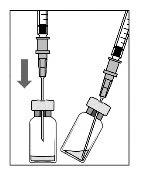
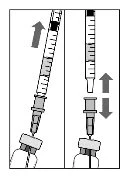
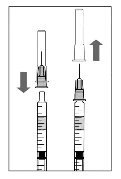

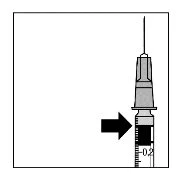
The injection needle should be inserted 3.5–4.0 mm behind the limbus into the vitreous cavity, avoiding the horizontal meridian and directed toward the center of the globe. The injection volume of 0.05 ml should then be delivered; subsequent injections should be administered each time at a different scleral site.
After the injection, do not recap the needle with the closure cap or detach it from the syringe. Dispose of the used syringe together with the needle in a sharps container or according to local regulations.
Package leaflet: Information for caregivers of prematurely born infants
Lucentis 10 mg/ml solution for injection
ranibizumab
PREMATURELY BORN INFANTS
Information for adults on the other side of the leaflet.
Please read all of this leaflet carefully before this medicine is administered to your baby, because it contains important information for you.
- Keep this leaflet, as you may need to read it again.
- If you have any questions, consult your baby’s doctor.
- If your baby experiences any adverse effects, consult your baby’s doctor, even if they are adverse effects not listed in this leaflet. See section 4.
Contents of the leaflet
- What Lucentis is and what it is used for
- What you need to know before Lucentis is administered to your baby
- How Lucentis is administered
- Possible side effects
- How to store Lucentis
- Contents of the pack and other information
1. What Lucentis is and what it is used for
What Lucentis is
Lucentis is a solution injected into the eye. Lucentis belongs to a group of medicines known as anti-neovascularization agents. It contains the active substance called ranibizumab.
What Lucentis is used for
Lucentis is used in prematurely born infants to treat retinopathy of prematurity (ROP), a disease causing vision impairment due to damage to the back of the eye (the retina) caused by abnormal blood vessel growth.
How Lucentis works
Lucentis specifically recognizes and binds to a protein called human vascular endothelial growth factor A (VEGF-A) present in the eyes. In excess, VEGF-A causes abnormal blood vessel growth in the eye. Lucentis can block its action and prevent such abnormal growth.
2. What you need to know before Lucentis is administered to your baby
Lucentis must not be given to your baby if:
- Your baby is allergic to ranibizumab or to any of the other components of this medicine (listed in section 6).
- Your baby has an infection in or around the eye.
- Your baby has eye pain or redness (severe intraocular inflammation).
Warnings and precautions
Talk to your baby’s doctor before Lucentis is administered to your baby:
- Lucentis is administered by an injection into the eye. Occasionally, after treatment with Lucentis, an infection inside the eye, eye pain or redness (inflammation), detachment or tear of one of the layers at the back of the eye (retinal detachment or tear and detachment or tear of the retinal pigment epithelium), or clouding of the lens (cataract) may occur. It is important to identify and treat such infection or retinal detachment as early as possible. Inform the doctor immediately if your baby shows signs such as eye pain or worsening eye redness.
In some patients, eye pressure may increase temporarily after the injection. Your baby’s doctor may monitor intraocular pressure after each injection.
For more detailed information on possible adverse effects during treatment with Lucentis, see section 4 (“Possible side effects”).
Other medicines and Lucentis
Inform your baby’s doctor if your baby is taking, has recently taken, or might need to take any other medicines.
3. How Lucentis is administered
Lucentis is administered by an ophthalmologist as a single injection into your baby’s eyes, usually under local anesthesia. The usual dose per injection is 0.02 ml (containing 0.2 mg of active substance). The interval between two doses administered in the same eye should be at least four weeks. All injections will be administered by the ophthalmologist.
To prevent infection, your baby’s eyes will be carefully cleaned by the doctor before the injection. The doctor will also administer a local anesthetic to your baby to reduce or prevent any pain.
Treatment begins with one Lucentis injection in each eye (some babies may require treatment in only one eye). The doctor will monitor your baby’s eye disease and, depending on your baby’s response to treatment, will decide whether further treatment is needed and when it should be administered.
Detailed instructions for use are provided at the end of this leaflet in the section “How to prepare and administer Lucentis in preterm newborns.”
Before stopping Lucentis treatment
If you are considering stopping Lucentis treatment for your baby, attend the next scheduled appointment and discuss this with your baby’s doctor first. Your baby’s doctor will advise you and decide how long your baby should continue Lucentis treatment.
If you have any further questions about the use of this medicine, ask your baby’s doctor.
4. Possible side effects
Like all medicines, this medicine can cause side effects, although not everybody gets them.
Side effects associated with Lucentis administration are either due to the medicine itself or to the injection procedure, and most affect the eye.
The following are the most common side effects in prematurely born infants:
Ocular side effects include: bleeding at the back of the eye (retinal hemorrhage), bleeding in the eye or at the injection site, and blood in the eye (conjunctival hemorrhage).
Non-ocular side effects include: sore throat, nasal congestion and nasal discharge, low red blood cell count (with symptoms such as fatigue, shortness of breath, and pale skin), cough, urinary tract infection, allergic reactions such as skin rash and skin redness.
The following additional side effects have been observed with Lucentis in adults. These side effects may also occur in prematurely born infants.
The following are the most serious side effects observed in adults:
Frequent serious side effects (may affect up to 1 in 10 patients): Detachment or tear of a layer inside the eye (retinal detachment or tear) leading to transient vision loss or clouding of the lens (cataract).
Uncommon serious side effects (may affect up to 1 in 100 patients): Blindness, infection of the eyeball (endophthalmitis) with inflammation of the inner part of the eye.
It is important to identify and treat serious side effects such as endophthalmitis or retinal detachment as early as possible. Inform the doctor immediately if your baby shows signs such as eye pain or worsening eye redness.
The following are the most frequently reported side effects in adults:
Very common side effects (may affect more than 1 in 10 patients)
Ocular side effects include: Eye inflammation, visual disturbances, eye pain, small particles or spots in vision (floaters), eye irritation, sensation of a foreign body in the eye, increased tear production, inflammation or infection of the eyelid margin, dry eye, eye redness or itching, and increased intraocular pressure.
Non-ocular side effects include: Headache and joint pain.
Common side effects
Ocular side effects include: Decreased visual acuity, swelling of a part of the eye (uvea, cornea), corneal inflammation (front part of the eye), small marks on the eye surface, blurred vision, itchy eye discharge, redness and swelling (conjunctivitis), light sensitivity, eye discomfort, eyelid swelling, and eyelid pain.
Non-ocular side effects include: Anxiety, nausea.
Uncommon side effects
Ocular side effects include: Inflammation and bleeding in the front part of the eye, pus accumulation in the eye, changes in the central part of the ocular surface, pain or irritation at the injection site, abnormal sensation in the eye, eyelid irritation.
If you have any questions about side effects, ask your baby’s doctor.
Reporting of side effects
If your baby experiences any side effects, consult your baby’s doctor, even if they are possible side effects not listed in this leaflet. You may also report them directly through the national reporting system listed in Appendix V. By reporting side effects, you help provide more information on the safety of this medicine.
5. How to store Lucentis
- Keep this medicine out of the sight and reach of children.
- Do not use this medicine after the expiry date stated on the carton after EXP and on the label of the vial after EXP. The expiry date refers to the last day of the month indicated.
- Store in a refrigerator (between 2°C and 8°C). Do not freeze.
- Before use, the unopened vial may be stored at room temperature (25°C) for up to 24 hours.
- Keep the vial in the outer carton to protect it from light.
- Do not use any container that is damaged.
6. Contents of the pack and other information
Composition of Lucentis
- The active substance is ranibizumab. Each ml contains 10 mg of ranibizumab. Each vial contains 2.3 mg of ranibizumab in 0.23 ml of solution. This provides a sufficient amount for one single dose of 0.02 ml, containing 0.2 mg of ranibizumab.
- The other components are α,α-trehalose dihydrate; monohydrate monohydrochloride of histidine; histidine; polysorbate 20; water for injections.
Nature and contents of the pack
Lucentis is an injectable solution contained in a vial (0.23 ml). The solution is clear, colorless to pale yellow-brown, and aqueous.
Two different types of packaging are available:
Vial-only pack
Pack containing a glass vial with ranibizumab, with a chlorobutyl rubber stopper. The vial is for single use.
Vial + filtered needle pack
Pack containing a glass vial with ranibizumab, with a chlorobutyl rubber stopper, and a blunt filtered needle (18G x 1½″, 1.2 mm x 40 mm, 5 micrometers) for withdrawing the contents of the vial. All components are for single use.
Marketing Authorization Holder
Novartis Europharm Limited
Vista Building
Elm Park, Merrion Road
Dublin 4
Ireland
Manufacturer
Novartis Farmacéutica, S.A.
Gran Via de les Corts Catalanes, 764
08013 Barcelona
Spain
Lek Pharmaceuticals d.d.
Verovškova ulica 57
Ljubljana, 1526
Slovenia
Novartis Pharma GmbH
Sophie-Germain-Strasse 10
90443 Nuremberg
Germany
For further information about this medicine, contact the local representative of the Marketing Authorization Holder:
Belgium/Belgium/Belgium Novartis Pharma N.V. Tel/Tel: +32 2 246 16 11 | Lithuania SIA Novartis Baltics Lithuania branch Tel: +370 5 269 16 50 |
| Luxembourg/Luxembourg Novartis Pharma N.V. Tél/Tel: +32 2 246 16 11 |
Czech Republic Novartis s.r.o. Tel: +420 225 775 111 | Hungary Novartis Hungária Kft. Tel.: +36 1 457 65 00 |
Denmark Novartis Healthcare A/S Tlf: +45 39 16 84 00 | Malta Novartis Pharma Services Inc. Tel: +356 2122 2872 |
Germany Novartis Pharma GmbH Tel: +49 911 273 0 | Netherlands Novartis Pharma B.V. Tel: +31 88 04 52 111 |
Estonia SIA Novartis Baltics Estonia branch Tel: +372 66 30 810 | Norway Novartis Norge AS Tlf: +47 23 05 20 00 |
Greece Novartis (Hellas) A.E.B.E. Tel: +30 210 281 17 12 | Austria Novartis Pharma GmbH Tel: +43 1 86 6570 |
Spain Novartis Farmacéutica, S.A. Tel: +34 93 306 42 00 | Poland Novartis Poland Sp. z o.o. Tel.: +48 22 375 4888 |
France Novartis Pharma S.A.S. Tél: +33 1 55 47 66 00 | Portugal Novartis Farma - Produtos Farmacêuticos, S.A. Tel: +351 21 000 8600 |
Croatia Novartis Hrvatska d.o.o. Tel. +385 1 6274 220 | Romania Novartis Pharma Services Romania SRL Tel: +40 21 31299 01 |
Ireland Novartis Ireland Limited Tel: +353 1 260 12 55 | Slovenia Novartis Pharma Services Inc. Tel: +386 1 300 75 50 |
Iceland Vistor hf. Tel: +354 535 7000 | Slovakia Novartis Slovakia s.r.o. Tel: +421 2 5542 5439 |
Italy Novartis Farma S.p.A. Tel: +39 02 96 54 1 | Finland Novartis Finland Oy Puh/Tel: +358 (0)10 6133 200 |
Cyprus Novartis Pharma Services Inc. Tel: +357 22 690 690 | Sweden Novartis Sverige AB Tel: +46 8 732 32 00 |
Latvia SIA Novartis Baltics Tel: +371 67 887 070 |
Date of the most recent review of this summary:
Other sources of information
Detailed information on this medicine is available on the website of the European Medicines Agency: http://www.ema.europa.eu
This information is intended for healthcare professionals only:
See also section 3 “How Lucentis is administered”.
How to prepare and administer Lucentis in preterm neonates
Single-use vial. For intravitreal use only.
Lucentis must be administered by an ophthalmologist experienced in administering intravitreal injections in preterm neonates.
For the treatment of preterm neonates, use the low-volume, high-precision syringe provided with an injection needle (30G x ½″) in the VISISURE kit.
The recommended dose of Lucentis for preterm neonates is 0.2 mg administered as a single intravitreal injection. This corresponds to an injection volume of 0.02 ml. In preterm neonates, treatment of retinopathy of prematurity (ROP) is initiated with a single injection per eye and may be administered bilaterally on the same day. A total of up to three injections may be administered in each eye within six months after initiation of treatment if signs of disease activity are present. In the 24-week RAINBOW clinical trial, the majority of patients (78%) received one injection per eye. Patients treated with 0.2 mg in this clinical trial did not require additional treatment in the subsequent long-term extension study, which followed patients up to five years of age. Administration of more than three injections per eye has not been studied. The interval between two injected doses in the same eye should be at least four weeks.
Prior to administration, Lucentis should be visually inspected for the presence of particles and discoloration.
The injection procedure must be performed under aseptic conditions, including surgical hand washing, use of sterile gloves, a sterile field, a sterile eyelid speculum (or equivalent), and availability of sterile paracentesis instruments (if needed). Prior to the intravitreal injection procedure, the patient’s medical history should be carefully evaluated for hypersensitivity reactions. Prior to injection, appropriate anesthesia and a broad-spectrum topical microbicide should be administered to disinfect the skin of the periocular area, eyelids, and ocular surface, in accordance with local practice.
Pack containing vial only
The vial is for single use only. Any unused product remaining after injection must be discarded. Do not use any vial showing signs of damage or tampering. Sterility can only be guaranteed if the container seal remains intact.
The following medical devices (for single use) are required for preparation and intravitreal injection:
- a 5 µm filter needle (18G); not included in the Lucentis pack
- a sterile, high-precision, low-volume syringe (provided separately within the VISISURE kit)
- an injection needle (30G x ½″); (provided separately within the VISISURE kit)
Pack containing vial + filter needle
All components are sterile and for single use only. Do not use any component whose packaging shows signs of damage or tampering. Sterility can only be guaranteed if the packaging seal of the components remains intact. Reuse may lead to infection or other illness/injury.
The following medical devices (for single use) are required for preparation and intravitreal injection:
- a 5 µm filter needle (18G x 1½″, 1.2 mm x 40 mm, supplied)
- a sterile, high-precision, low-volume syringe (provided separately within the VISISURE kit)
- an injection needle (30G x ½″); (provided separately within the VISISURE kit)
To prepare Lucentis for intravitreal administration in preterm neonates, follow the instructions for use of the VISISURE kit.
The injection needle should be inserted 1.0 to 2.0 mm posterior to the limbus into the vitreous cavity, with the needle directed toward the optic nerve. The injection volume of 0.02 ml should then be delivered.