Loramet 2 mg tablets
Spain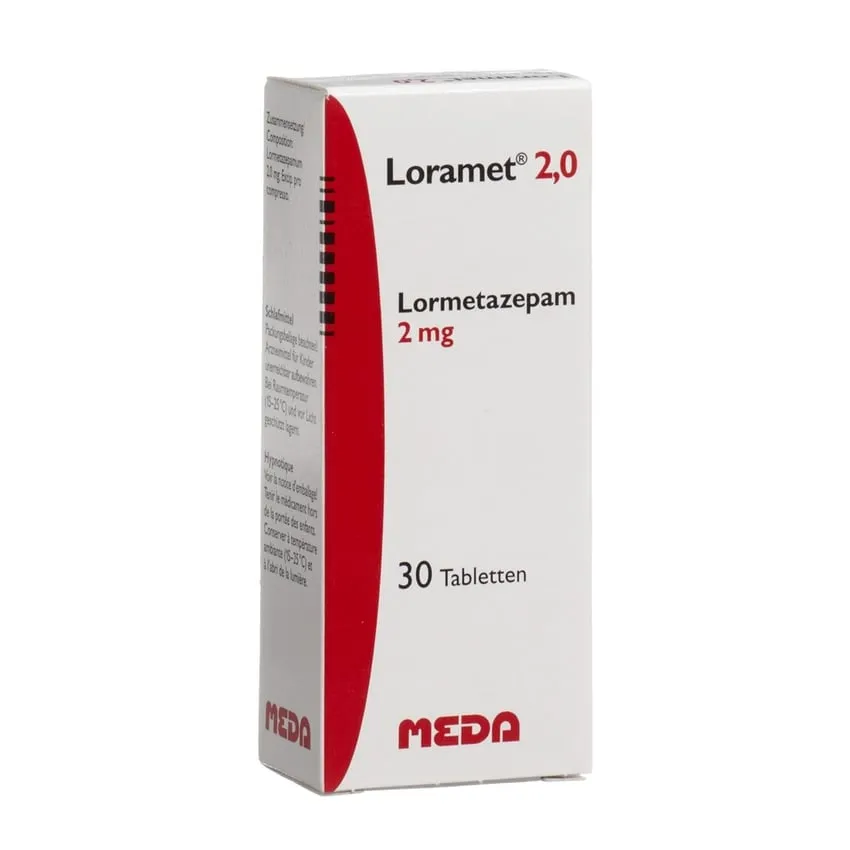
Table of Contents
Package leaflet: Information for the user
Introduction
Package leaflet: information for the user
LORAMET 2 mg tablets
Lormetazepam
Read the entire leaflet carefully before you start taking this medicine, because it contains important information for you.
- Keep this leaflet, as you may need to read it again.
- If you have any questions, consult your doctor or pharmacist.
- This medicine has been prescribed for you only, and you should not give it to others, even if they have the same symptoms as you, because it may harm them.
- If you experience any adverse effects, consult your doctor or pharmacist, even if they are adverse effects not listed in this leaflet. See section 4.
Contents of the leaflet
- What Loramet is and what it is used for
- What you need to know before taking Loramet
- How to take Loramet
- Possible side effects
- How to store Loramet
- Contents of the pack and other information
1. What Loramet is and what it is used for
Loramet contains lormetazepam, which belongs to a group of medicines called benzodiazepines. It is indicated for the short-term treatment of insomnia.
Benzodiazepines are only indicated for the treatment of severe disorders that significantly impair the patient's activity or subject them to considerable stress.
2. What you need to know before taking Loramet
Do not take Loramet
- If you are allergic to the active substance, to benzodiazepines, or to any of the other ingredients of this medicine (listed in section 6).
- If you suffer from myasthenia gravis (very weak or tired muscles).
- If you have severe respiratory insufficiency.
- If you suffer from sleep apnea syndrome.
- If you have a history of alcohol or drug dependence.
- In case of acute intoxication with alcohol, sleeping medicines, painkillers, or psychotropic medicines (neuroleptics, antidepressants, lithium salts).
Warnings and precautions
Talk to your doctor or pharmacist before starting to take Loramet.
If any of the following apply to you, inform your doctor. Your doctor will take these into account during treatment with Loramet.
- If you suffer from spinal or cerebellar ataxia (lack of coordination of movements).
- If you have any liver or kidney disorder.
- If you have closed-angle glaucoma.
- If your doctor has prescribed long-term treatment, periodic blood tests and liver function tests are advisable.
- If you become pregnant during treatment, you must inform your doctor.
- Its use is not recommended in children or adolescents.
- If you are being treated with opioids, as this may cause breathing difficulties, sedation, coma, and even death.
Please bear in mind that you may experience the following reactions:
Tolerance
After continuous use for several weeks, a certain degree of reduced effectiveness regarding hypnotic effects may occur.
Amnesia
Benzodiazepines, including Loramet, may induce amnesia (memory impairment). This is more likely to occur several hours after taking the medicine; therefore, to reduce the associated risk, patients should ensure they can sleep uninterrupted for 7–8 hours after taking the tablet.
Dependence and abuse
Treatment with benzodiazepines may lead to physical and psychological dependence. This risk increases with dose and duration, but dependence may also occur during short-term treatment within the therapeutic dose range.
To minimize this risk as much as possible, the following precautions should be observed:
? Benzodiazepines should only be taken under medical prescription (never because they worked for someone else), and you should never recommend them to others.
? Do not increase the doses prescribed by your doctor, or extend the treatment beyond the recommended duration.
- In patients with a history of drug and/or alcohol abuse, there may be potential for misuse of the medicine.
? Consult your doctor regularly so they can decide whether treatment should continue.
Rebound insomnia and anxiety
When stopping treatment, the symptoms that led to taking the medicine may reappear, along with mood changes, anxiety, insomnia, restlessness, among others. Therefore, your doctor will give you precise instructions on how to gradually reduce the dose.
Abrupt discontinuation of lormetazepam should be avoided, and a gradual dose reduction process should be followed.
Psychiatric and paradoxical reactions
With benzodiazepine treatment, including Loramet, pre-existing depression may reappear or worsen. Additionally, suicidal tendencies in depressed patients may be unmasked, which should be closely monitored in such patients.
The medicine should be discontinued if these reactions occur.
Taking Loramet with other medicines
Inform your doctor or pharmacist if you are currently using, have recently used, or might need to use any other medicines.
The simultaneous use of Loramet with opioids (analgesics, medicines for substitution therapy, and some antitussives) increases the risk of drowsiness, breathing difficulties (respiratory depression), coma, and potentially life-threatening effects. Because of this, combined administration should only be considered when no alternative treatments are possible.
However, if your doctor prescribes Loramet together with opioids, the dosage and duration of simultaneous treatment should be limited by your doctor.
Please inform your doctor about all opioids you are taking, and carefully follow the dosage recommendations provided by your doctor. It may be helpful to inform friends or family members to be aware of the signs and symptoms mentioned above. Contact your doctor if you experience such symptoms.
Alcohol increases the sedative effect of this medicine; therefore, alcohol consumption should be avoided.
Certain medicines may interact with Loramet and make you feel more drowsy than usual. These are medicines known as central nervous system depressants, including those used to treat mental illnesses such as antipsychotics (neuroleptics), hypnotics, anxiolytics/sedatives, antidepressants; those used to relieve severe pain (narcotic analgesics); those used to treat seizures/epileptic attacks (antiepileptics); anesthetics; barbiturates; and medicines used to treat allergies (sedating antihistamines).
The combined administration of Loramet with other medicines such as theophylline or aminophylline, beta-blockers, cardiac glycosides, oral contraceptives, and some antibiotics may alter the effect of Loramet, either prolonging or reducing its activity.
The effect of muscle relaxants may be enhanced.
Taking Loramet with food and drinks
Avoid alcohol consumption during treatment with Loramet, as it increases the sedative effect of this medicine.
Pregnancy and breastfeeding
If you are pregnant or breastfeeding, think you might be pregnant, or plan to become pregnant, consult your doctor or pharmacist before using this medicine.
Pregnancy
The use of benzodiazepines, including Loramet, appears to be associated with a possible increased risk of congenital malformations during the first trimester of pregnancy. Passage of benzodiazepines and their metabolites across the placenta has been detected.
If, due to strict medical necessity, the product is administered during late pregnancy or at high doses during delivery, effects on the newborn such as hypoactivity, hypothermia, hypotonia (low muscle tone), apnea (breathing difficulty), moderate respiratory depression, feeding problems, and impaired metabolic response to cold stress may be expected.
Infants born to mothers who have chronically taken benzodiazepines for several weeks during pregnancy or during the final period of pregnancy may develop physical dependence and experience withdrawal symptoms in the postnatal period.
Breastfeeding
Loramet must not be used during breastfeeding, as benzodiazepines, including Loramet, are excreted in breast milk. Cases of sedation and inability to suckle have been reported in neonates whose mothers were treated with benzodiazepines. These newborns should be monitored for any of the pharmacological effects mentioned (including sedation and irritability).
Use in children and adolescents:
Benzodiazepines are not indicated in children or adolescents, except for premedication prior to diagnostic or surgical procedures (anesthesiology, intensive care). In these cases, a single dose of 1 mg is recommended.
Use in elderly and debilitated patients
Elderly and debilitated patients should receive a lower dose, as they are more susceptible to the effects of the medicine. Follow your doctor's instructions carefully.
Due to its muscle-relaxant effect, there is a risk of falls and consequently fractures in elderly patients, especially in those who get up during the night.
Use in patients with respiratory insufficiency
Lormetazepam is contraindicated in patients with severe respiratory insufficiency.
Use in patients with hepatic insufficiency
Lormetazepam should be used with caution in patients with severe hepatic insufficiency and/or encephalopathy.
Grief or bereavement
In cases of grief or bereavement, psychological adjustment may be impaired by benzodiazepines.
Driving and using machines
Loramet is a medicine that causes drowsiness. Do not drive or operate machinery if you feel sleepy or if your attention or reaction ability is reduced. Pay special attention at the beginning of treatment or when the dose is increased.
Loramet contains lactose
If your doctor has informed you that you have an intolerance to certain sugars, consult with them before taking this medicine.
3. How to take Loramet
Follow exactly the instructions for using this medicine as given by your doctor. If in doubt, consult your doctor or pharmacist again.
Your doctor will determine the duration of your treatment with Loramet. The treatment duration should be as short as possible.
Treatment should be initiated at the lowest dose and the maximum dose should not be exceeded.
Adults:
The recommended dose is 1 mg of lormetazepam daily (1 Loramet 1 mg tablet), taken orally 15 to 30 minutes before bedtime.
The usual dose may be increased at the physician's discretion in cases of severe or persistent insomnia unresponsive to the standard regimen, up to a maximum of 2 mg of lormetazepam (1 Loramet 2 mg tablet).
Use in children and adolescents: Lormetazepam is not indicated for the treatment of insomnia in children and adolescents.
Elderly patients, debilitated patients, or those with cerebral vascular disorders (arteriosclerosis), mild to moderate respiratory insufficiency, and/or renal and/or hepatic impairment:
The dose should be reduced to 0.5 mg of lormetazepam per day. Other lormetazepam formulations are available to achieve this dosage.
For severe respiratory insufficiency, see section 2.
Do not stop treatment abruptly. Your doctor will advise you on the appropriate way to gradually reduce the dose, as symptoms that led to taking the medicine may reappear upon discontinuation.
If you take more Loramet than you should
Symptoms of benzodiazepine overdose are generally manifested by varying degrees of central nervous system depression, ranging from drowsiness to coma.
In moderate cases, symptoms include drowsiness, confusion, lethargy, and dysarthria (speech disorders). In more serious cases, ataxia (lack of coordination of voluntary muscle movements), paradoxical reactions, central nervous system depression, hypotonia, hypotension, respiratory depression (breathing difficulties), cardiac depression, coma, and death may occur.
Treatment of overdose: The clinical management of overdose with any drug should always consider the possibility that the patient may have ingested multiple substances.
Following a benzodiazepine overdose, vomiting should be induced (within one hour) if the patient is conscious. Inducing vomiting is not recommended if there is a risk of aspiration. If the patient is unconscious, gastric lavage should be performed with airway protection. If gastric emptying is not beneficial, activated charcoal should be administered to reduce absorption.
Special attention should be paid to respiratory and cardiovascular functions. Hospitalization in an intensive care unit may be required for monitoring.
Use of antidote in overdose: In hospitalized patients, flumazenil (a benzodiazepine antagonist) may be used as an adjunctive treatment for overdose, but never as a substitute for the measures described above. Extreme caution must be exercised when administering flumazenil to patients on chronic benzodiazepine therapy or in cases of overdose involving cyclic antidepressants, as this combination of drugs may increase the risk of seizures.
In case of overdose or accidental ingestion, contact your doctor or pharmacist immediately, or call the Toxicology Information Service at telephone number 91 562 04 20, indicating the name of the medicine and the amount ingested.
If you forget to take Loramet
Do not take a double dose to make up for a missed dose.
If you stop taking Loramet
Do not stop treatment with Loramet unless instructed by your doctor.
If you stop taking Loramet, especially abruptly, you may experience mood changes, anxiety, insomnia, restlessness, difficulty concentrating, headache, and sweating, among other symptoms.
Your doctor will explain how to gradually reduce the dose until treatment is completed.
If you have any further questions about the use of this medicine, ask your doctor or pharmacist.
4. Possible adverse effects
Like all medicines, this medicine can cause adverse effects, although not everyone experiences them.
According to frequency, they are defined as follows:
Very common (may affect more than 1 in 10 people): Headache.
Common (may affect up to 1 in 10 people):
Anxiety, libido disorders, and bradifrenia. Dizziness, sedation, somnolence, attention disturbance, amnesia, dysarthria (slurred speech), dysgeusia. Tachycardia. Vomiting, nausea, upper abdominal pain, constipation, dry mouth. Pruritus. Urinary disturbance. Asthenia, hyperhidrosis, malaise.
Very rare (may affect up to 1 in 10,000 people):
Hypersensitivity. Inappropriate antidiuretic hormone secretion syndrome (SIADH), hyponatremia. Visual disturbances (including double vision and blurred vision). Hypotension (reduction in blood pressure). Respiratory failure, apnea, worsening of sleep apnea, worsening of chronic obstructive pulmonary disease (COPD). Increase in liver transaminases and increase in alkaline phosphatase in blood. Allergic dermatitis.
Frequency not known (cannot be estimated from available data):
Angioedema, completed suicide, suicide attempt (due to unmasking of pre-existing depression), acute psychosis, hallucination, dependence, drug abuse, depression (unmasking of pre-existing depression), deception, withdrawal/rebound insomnia syndrome, agitation, aggression, irritability, restlessness, anger, nightmares, confusion, delirium, abnormal behavior, emotional disorder, psychomotor retardation. Low level of consciousness, ataxia, seizure, tremor, extrapyramidal disorders. Nystagmus (involuntary eye movement). Urticaria, rash. Muscle weakness, muscle cramps. Fatigue, hypothermia, paradoxical reactions.
Due to the muscle relaxation effect, there is a risk of falls and consequently fractures in elderly individuals.
Reporting of adverse effects:
If you experience any type of adverse effect, consult your doctor or pharmacist, even if it is a possible adverse effect not listed in this leaflet. You may also report them directly via the Spanish Pharmacovigilance System for Human Medicinal Products: https://www.notificaram.es. By reporting adverse effects, you can help provide more information on the safety of this medicine.
5. Storage of Loramet
Keep this medicine out of the sight and reach of children. Loramet does not require any special storage conditions.
Do not use this medicine after the expiry date stated on the packaging after EXP. The expiry date is the last day of the month indicated.
Medicines must not be disposed of via wastewater or in household waste. Dispose of unused medicines and their containers at the SIGRE collection point at your pharmacy. If in doubt, ask your pharmacist how to properly dispose of unused medicines and their packaging. This will help protect the environment.
6. Contents of the pack and other information
Composition of Loramet 2 mg tablets
- The active substance is lormetazepam. Each tablet contains 2 mg of lormetazepam.
- The other components are monohydrate lactose, corn starch, povidone, and magnesium stearate.
Appearance of the product and contents of the pack
Loramet 2 mg is available in cartons containing 20 tablets. The tablets are round, white, with a score line on one side and the mark "L2" on the other side. The score line is intended only for ease of breaking the tablet and facilitating swallowing, but not for dividing into equal doses.
Marketing Authorization Holder and Manufacturer
Marketing Authorization Holder:
Viatris Healthcare Limited
Damastown Industrial Park
Mulhuddart, Dublin 15
Dublin
Ireland
Manufacturer:
Haupt Pharma Münster GmbH
Schleebrüggenkamp 15
D-48159 Münster
Germany
For further information about this medicine, please contact the local representative of the Marketing Authorization Holder:
Viatris Pharmaceuticals, S.L.
C/ General Aranaz, 86
28027 - Madrid
Spain
Date of the most recent revision of this leaflet: December 2022
Detailed and up-to-date information on this medicine is available on the website of the Spanish Agency for Medicines and Medical Devices (AEMPS): http://www.aemps.gob.es/