Levothyroxine sodium Teva 125 micrograms tablets EFG
Spain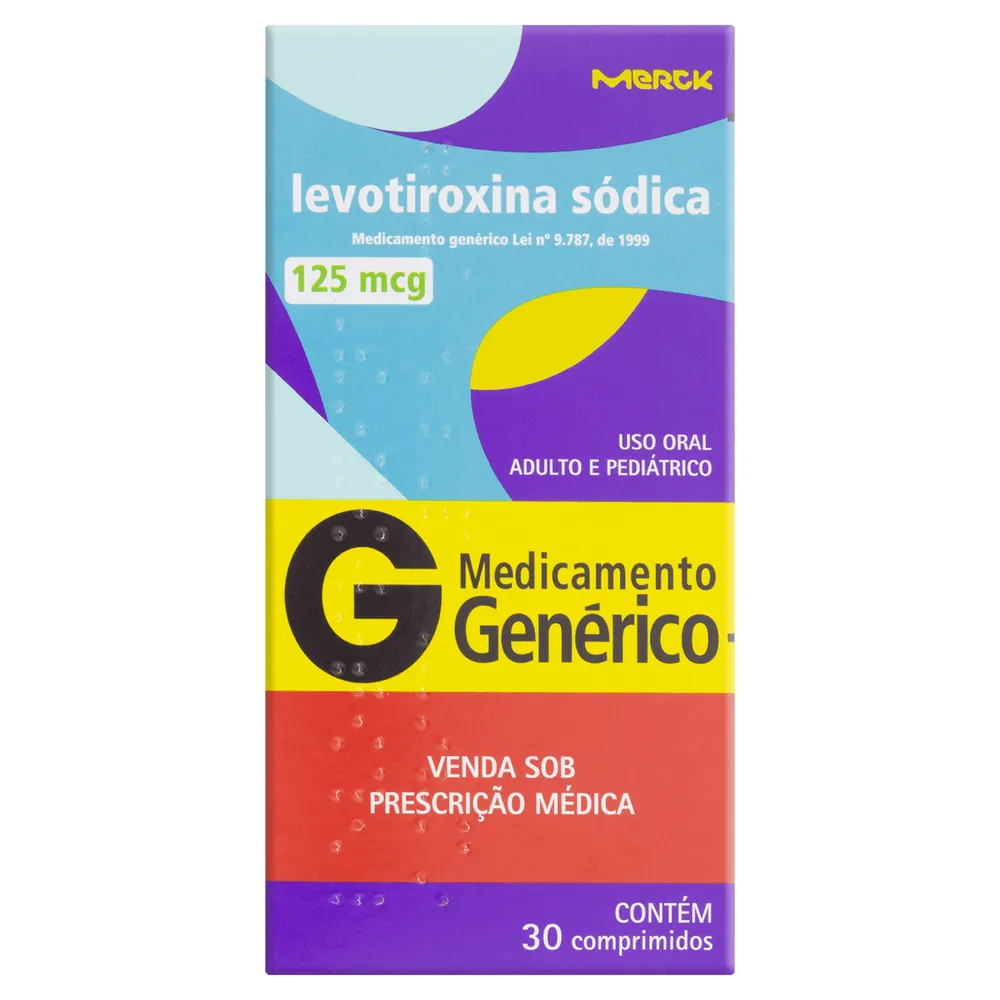
Table of Contents
- Package leaflet: Information for the user
- Introduction
- 1. What Levotiroxina sódica Teva is and what it is used for
- 2. What you need to know before starting Levotiroxina sódica Teva
- 3. How to take Levothyroxine Sodium Teva
- 4. Possible adverse effects
- 5. Storage of Levothyroxine Sodium Teva
- 6. Contents of the pack and other information
Package leaflet: Information for the user
Introduction
Package leaflet: Information for the patient
Levotiroxina sódica Teva 125 micrograms tablets EFG
Levotiroxina sódica
Read the entire leaflet carefully before you start taking this medicine, because it contains important information for you.
Keep this leaflet, as you may need to read it again.
If you have any questions, consult your doctor or pharmacist.
- This medicine has been prescribed for you only, and you should not give it to other people, even if they have the same symptoms as you, because it may harm them.
- If you experience any adverse reactions, consult your doctor or pharmacist, even if they are adverse reactions not listed in this leaflet. See section 4.
Leaflet contents
- What Levotiroxina sódica Teva is and what it is used for
- What you need to know before taking Levotiroxina sódica Teva
- How to take Levotiroxina sódica Teva
- Possible adverse effects
- How to store Levotiroxina sódica Teva
- Contents of the pack and other information
1. What Levotiroxina sódica Teva is and what it is used for
Levotiroxina sódica Teva contains a thyroid hormone as the active substance.
The aim of treatment with sodium levothyroxine is to replace the thyroid hormone and/or relieve stress on the thyroid gland.
Sodium levothyroxine is used as:
-
Replacement therapy for all forms of hormone deficiency in cases of impaired thyroid gland function,
-
Prevention of goitre recurrence after surgery in patients with normal thyroid function,
-
Treatment of benign goitre (benign tumour) in patients with normal thyroid function,
-
Treatment of malignant thyroid tumours, especially after surgery to suppress the growth of new tumours and as replacement for the lack of thyroid hormones.
2. What you need to know before starting Levotiroxina sódica Teva
Do not take Levotiroxina sódica Teva
-
if you are allergic to sodium levothyroxine or any of the other ingredients of this medicine (listed in section 6).
-
if you have any of the following disorders or diseases:
-
untreated hyperthyroidism,
-
underactive adrenal glands (adrenal insufficiency) and you do not have adequate replacement therapy,
- untreated pituitary insufficiency, if this has led to adrenal insufficiency requiring treatment,
-
acute myocardial infarction,
-
acute inflammation of the myocardium (myocarditis),
-
acute inflammation of all layers of the heart (pancarditis).
During pregnancy, levothyroxine should not be used simultaneously with medications for an overactive thyroid gland (antithyroid drugs) (see also “Pregnancy, breastfeeding and fertility”).
Checking for diseases
Before starting treatment with Levotiroxina sódica Teva, the following conditions must be ruled out or treated:
- coronary insufficiency
- severe chest pain (angina pectoris)
- high blood pressure (hypertension)
- adrenal and/or pituitary insufficiency
- areas of the thyroid gland producing thyroid hormone uncontrollably (thyroid autonomy).
Warnings and precautions
Talk to your doctor or pharmacist before starting Levotiroxina sódica Teva.
- If you have previously had a myocardial infarction or if you have coronary heart failure, cardiac muscle weakness, arrhythmias with tachycardia, or non-acute inflammation of the heart muscle, or if you have chronic hypothyroidism, or patients who have previously suffered a myocardial infarction.
Medical monitoring for possible symptoms caused by excess thyroid hormone due to administration of Levotiroxina sódica Teva is necessary (see section 4, “Possible side effects”) to avoid excessively high hormone levels in the blood. In these cases, you should undergo frequent monitoring of your thyroid hormone levels (see section 3).
-
If you have thyroid dysfunction due to pituitary insufficiency (see also “Do not take Levotiroxina sódica Teva”).
-
If you have underactive adrenal glands (adrenal insufficiency).
This condition must be treated (hydrocortisone therapy) before starting treatment with thyroid hormones (see also “Do not take Levotiroxina sódica Teva”).
-
If you suspect uncontrolled overproduction of thyroid hormones (thyroid autonomy) in areas of the thyroid gland, monitoring of the thyroid regulation system is recommended before starting treatment.
-
In postmenopausal women receiving hormone replacement therapy and who are at increased risk of bone fractures (osteoporosis), thyroid function should be monitored more frequently to avoid elevated levothyroxine levels in the blood and to ensure the minimum required dose.
-
If you have diabetes, your antidiabetic medication dose may need adjustment (see also “Do not take Levotiroxina sódica Teva”).
-
If you are being treated with certain anticoagulants or medications that may affect thyroid function (e.g., amiodarone, tyrosine kinase inhibitors [for cancer treatment], salicylates, and high-dose furosemide). Please refer to the information provided in the section "Other medicines and Levotiroxina sódica Teva".
-
If you have epilepsy (seizures). Seizures may occur at the beginning of levothyroxine treatment.
Consult your doctor:
- before starting, stopping, or changing treatment with orlistat (a medicine used to treat obesity); you may require closer monitoring and dose adjustment.
- if you experience signs of psychotic disorders (you may require closer monitoring and dose adjustment).
- if you experience an allergic reaction (see section 4, “Possible side effects”). Contact a doctor immediately or go to the nearest hospital emergency department.
- if you are about to undergo laboratory tests to monitor your thyroid hormone levels. You must inform your doctor and/or laboratory staff if you are taking or have recently taken biotin (also known as vitamin H, vitamin B7, or vitamin B8). Biotin can affect your laboratory test results. Depending on the test, results may be falsely high or low due to biotin. Your doctor may ask you to stop taking biotin before undergoing laboratory tests. You should also be aware that other products you may be taking, such as multivitamins or supplements for hair, skin, and nails, may also contain biotin. This could affect laboratory test results. Inform your doctor and/or laboratory staff if you are taking such products (refer to the information in the section “Other medicines and Levotiroxina Teva”).
Inappropriate use
Thyroid hormones are not suitable for weight reduction. Taking thyroid hormones will not reduce your weight if your thyroid hormone levels are normal. If you increase the dose without special medical supervision, serious adverse effects may occur, which could even be life-threatening, especially if taken with other weight-loss medications.
Changing therapy
If you need to switch your medication to another treatment containing levothyroxine, thyroid imbalance may occur. Consult your doctor if you have any doubts about changing treatment. Close monitoring (clinical and biological) is required during the transition period. You must inform your doctor of any adverse effects, as your dose may need to be adjusted up or down.
Children
Blood pressure will be monitored regularly when starting levothyroxine treatment in very low birth weight premature neonates, as a rapid drop in blood pressure (known as circulatory collapse) may occur.
If your child is receiving thyroid replacement therapy, partial hair loss may occur during the first few months of starting this medicine, although this is temporary and hair usually regrows.
Elderly people
In elderly patients, the dose must be carefully and individually determined, especially in patients with heart failure, and they should be monitored by their doctor more frequently.
Taking Levotiroxina sódica Teva with other medicines
Tell your doctor or pharmacist if you are taking, have recently taken, or might need to take any other medicines.
Levotiroxina sódica Teva affects the effectiveness of the following medicines:
Antidiabetics (medicines to lower blood sugar levels)
Levothyroxine may reduce the effect of these blood glucose-lowering medicines such as metformin, glimepiride, glibenclamide, and insulin. You may need additional monitoring of your blood sugar levels, especially at the beginning and end of treatment, and if necessary, the dose of antidiabetic medicines will be adjusted.
Coumarin derivatives (medicines used to prevent blood clotting)
Levothyroxine may enhance the effect of these medicines due to displacement from plasma protein binding. You may need periodic monitoring of your blood coagulation values during levothyroxine treatment; if necessary, the dose of your coumarin medicine will be adjusted.
The effectiveness of Levotiroxina sódica Teva may be affected by the following medicines:
Ion-exchange resins, bile acid sequestrants
Medicines for cholesterol treatment (such as cholestyramine, colestipol, colesevelam, sevelamer) or to reduce high levels of potassium or phosphate in the blood (calcium salts and sodium polystyrene sulfonate) block the absorption of levothyroxine from the intestine. Therefore, ensure you take Levotiroxina sódica Teva 4–5 hours before these medicines.
Antacids containing aluminium, medicines containing iron, or calcium
Medicines containing aluminium used to bind stomach acid (antacids, sucralfate), medicines containing iron, and calcium may reduce the intestinal absorption of levothyroxine. Therefore, ensure you take Levotiroxina sódica Teva 2 hours before these medicines.
Propylthiouracil (antithyroid medicine), glucocorticoids (adrenal cortex hormones), and beta-blockers (medicines to reduce heart rate and low blood pressure)
These substances block the conversion of levothyroxine into the more active form, liothyronine, and therefore may make Levotiroxina sódica Teva less effective.
Proton pump inhibitors
Proton pump inhibitors (such as omeprazole, esomeprazole, pantoprazole, rabeprazole, and lansoprazole) are used to reduce stomach acid production, which may reduce levothyroxine absorption in the intestine, making it less effective. If you are taking levothyroxine simultaneously with proton pump inhibitors, your doctor should monitor your thyroid function and may need to adjust the dose of Levotiroxina sódica Teva.
Amiodarone (a medicine used to treat heart rhythm disorders) and iodine-containing contrast agents (certain agents used in X-ray diagnostics) may lead to high iodine content, resulting in hypothyroidism or hyperthyroidism. Special caution is required in patients with autonomous nodular goiter (nodules in the thyroid that secrete hormones).
Amiodarone blocks the conversion of levothyroxine into liothyronine, the more active form, and therefore may affect the effect of Levotiroxina sódica Teva. Dose adjustment of Levotiroxina sódica Teva may be necessary.
Salicylates, dicumarol, furosemide, clofibrate
Levothyroxine may be displaced from its plasma protein binding by salicylates (medicines used to relieve pain and reduce fever), particularly at doses exceeding 2.0 g/day, dicumarol (a medicine to prevent blood clotting), high-dose furosemide (250 mg) (a diuretic medicine), clofibrate (a medicine to reduce blood fat levels), and other substances. This may lead to an increase in free thyroxine concentration in the blood.
Estrogen-containing medicines used in hormone replacement therapy during and after menopause or for contraception
The requirement for levothyroxine may increase in patients receiving hormonal contraceptive treatment (the pill) or hormone replacement therapy during and after menopause.
Sertraline (an antidepressant), chloroquine or proguanil (medicines to prevent or treat malaria and rheumatic disorders)
These substances reduce the effect of levothyroxine and increase TSH levels in the blood.
Tricyclic antidepressants (such as amitriptyline, imipramine)
If you take levothyroxine, the response to treatment with tricyclic antidepressants may be accelerated due to increased receptor sensitivity to catecholamines.
Tyrosine kinase inhibitors (anticancer and anti-inflammatory medicines)
These medicines (e.g., imatinib, sunitinib, sorafenib, motesanib) may reduce the concentration of levothyroxine (thyroxine) in the blood. Your doctor may adjust the dose of Levotiroxina sódica Teva.
Digitalis preparations (such as digoxin used in the treatment of heart disorders)
If you start levothyroxine treatment while taking digitalis preparations, your doctor may need to adjust the dose of these medicines. Hyperthyroid patients may require a gradual increase in digoxin dose because they are initially relatively sensitive to digoxin.
Sympathomimetic agents (such as adrenaline)
When sympathomimetic agents are used together with levothyroxine, their effect is potentiated.
Medicines that activate certain enzymes
Rifampicin (an antibiotic), carbamazepine (a medicine used to treat seizures), phenytoin (a medicine used to treat seizures and cardiac rhythm disorders), barbiturates (used in seizures, anesthesia; certain sleeping pills), and products containing St. John’s wort (a herbal medicine) may weaken the effect of levothyroxine.
Protease inhibitors (medicines to treat HIV infection and chronic hepatitis C virus infection)
Loss of therapeutic effect of levothyroxine has been reported when used concomitantly with lopinavir/ritonavir. Therefore, clinical symptoms and thyroid function should be closely monitored in patients using levothyroxine and protease inhibitors.
If you are taking levothyroxine at the same time as semaglutide (an antidiabetic medicine), this may affect levothyroxine levels and your doctor may need to monitor your thyroid levels and adjust the levothyroxine dose.
Orlistat (a medicine used to treat obesity)
When orlistat and levothyroxine are administered together, hypothyroidism and/or reduced control of hypothyroidism may occur.
Interference with laboratory tests
Biotin
If you are taking or have recently taken biotin, you must inform your doctor and/or laboratory staff when undergoing laboratory tests to monitor your thyroid hormone levels. Biotin can affect your laboratory test results (see “Warnings and precautions”).
Levotiroxina sódica Teva with food and drinks
If your diet contains soy, your doctor will monitor your thyroid hormone blood levels more frequently. Your doctor may need to adjust the levothyroxine dose during and after discontinuation of such a diet (unusually high doses may be required), as soy-containing products may alter levothyroxine absorption in the intestine and thus reduce its effectiveness.
Do not take Levotiroxina sódica Teva with coffee, as this may reduce levothyroxine absorption in the intestine and thus reduce its effectiveness. After taking levothyroxine, wait at least 30 minutes to 1 hour before drinking coffee. Patients already being treated with levothyroxine are advised not to change their coffee-drinking habits without having their levothyroxine levels monitored and controlled by their doctor.
Pregnancy, breastfeeding and fertility
If you are pregnant or breastfeeding, think you may be pregnant, or plan to become pregnant, consult your doctor or pharmacist before using this medicine.
Treatment with thyroid hormones is particularly important during pregnancy and breastfeeding and should continue under medical supervision. Despite extensive use during pregnancy, no adverse effects of levothyroxine on pregnancy or the health of the fetus or newborn have been reported.
During pregnancy, the need for levothyroxine may increase due to elevated estrogen levels (female sex hormone). Therefore, thyroid function should be monitored during and after pregnancy, and the thyroid hormone dose adjusted accordingly.
During pregnancy, do not take Levotiroxina sódica Teva simultaneously with antithyroid medicines (so-called thioamides), as this would require a higher thioamide dose. Thioamides (unlike levothyroxine) can cross the placenta into the baby’s bloodstream and may cause hypothyroidism in the fetus. If you have an overactive thyroid, your doctor should treat you during pregnancy with low-dose thioamides only.
If you are breastfeeding, continue taking levothyroxine as directed by your doctor. Even with high-dose levothyroxine treatment, the amount of levothyroxine passing into breast milk is very low and therefore harmless.
Hypothyroidism or hyperthyroidism may affect fertility. When treating patients with hypothyroidism, the dose of Levotiroxina sódica Teva should be adjusted based on laboratory test results, as an insufficient dose may not correct hypothyroidism and an overdose may cause hyperthyroidism.
Driving and using machines
No studies on the effects on the ability to drive and use machines have been conducted. Since levothyroxine is identical to the naturally produced thyroid hormone, Levotiroxina sódica Teva is not expected to interfere with the ability to drive and use machines.
Levotiroxina sódica Teva contains sodium
This medicine contains less than 1 mmol of sodium (23 mg) per tablet, which is essentially “sodium-free”.
3. How to take Levothyroxine Sodium Teva
Follow exactly the instructions for administration of this medicine as given by your doctor or pharmacist. If in doubt, consult your doctor or pharmacist again.
Your doctor will determine your individual dose based on laboratory tests and examinations you have undergone.
If any residual thyroid function remains, a low dose of thyroid hormone will be sufficient.
Special caution is required at the beginning of treatment in elderly patients, patients with cardiac insufficiency, and patients with severe or long-standing hypothyroidism. This means starting with a low dose, which will be gradually increased slowly and at long intervals, with frequent laboratory monitoring. It has also been shown that patients with low body weight and large goiters require starting with low doses.
Dosage
For individual treatment, tablets are available in different strengths ranging from 25 to 200 micrograms of levothyroxine sodium. In most cases, you will take only one tablet per day.
Adults with hypothyroidism will start with 25–50 micrograms of levothyroxine sodium per day (equivalent to 25–50 micrograms of levothyroxine sodium). This dose will be increased according to your doctor's instructions by 25–50 micrograms of levothyroxine sodium (equivalent to half a tablet to one tablet) at intervals of 2 to 4 weeks, until a daily dose of 100 to 200 micrograms of levothyroxine sodium is reached.
To prevent recurrence of goiter after surgery and to treat benign goiter, a daily dose of 75–200 micrograms of levothyroxine sodium is taken.
After surgery for malignant thyroid tumor, the daily dose is 150–300 micrograms of levothyroxine sodium.
In general, treatment is started with a low dose, which is gradually increased in adults and in children.
The tablet may be divided into equal doses.
Use in children
In newborns and infants with hypothyroidism, for whom it is important to start treatment as soon as possible to achieve normal mental and physical development, the recommended initial dose is 10–15 micrograms per kg of body weight during the first 3 months. Thereafter, your doctor will adjust the dose individually.
Children with acquired hypothyroidism will start with a maximum daily dose of 12.5–50 micrograms of levothyroxine sodium; this dose will be increased slowly and at prolonged intervals, as directed by your doctor. The dose for long-term treatment will depend on the child's age and body weight.
Method of administration
Take a single dose daily on an empty stomach in the morning, at least half an hour before breakfast, since the active ingredient is better absorbed on an empty stomach than before or after meals. The tablets should be swallowed whole, without chewing, preferably with a small amount of liquid, for example, half a glass of water.
Children may take the entire daily dose at least half an hour before the first meal of the day. Immediately before administration, crush the tablet and mix it with a small amount of water (10–15 ml), then give it to the child with additional liquid (5–10 ml). Always prepare the mixture immediately before use.
Duration of treatment
- If you have hypothyroidism or have undergone surgery for a malignant thyroid tumor, you will need to take levothyroxine for the rest of your life.
- To prevent recurrence of goiter after surgery and to treat benign goiter, the necessary duration of treatment is 6 months to 2 years for the remainder of your life.
- Concomitant treatment of hyperthyroidism is indicated during the period when antithyroid medication is administered.
- For the treatment of benign goiter with normalized thyroid function, the necessary duration of treatment is 6 months to 2 years. If treatment with Levothyroxine Sodium Teva does not produce the expected result within this time period, alternative treatments should be considered.
If you take more Levothyroxine Sodium Teva than you should
In case of overdose, symptoms typical of hyperthyroidism will occur (see section 4 “Possible side effects”). Contact your doctor immediately if these symptoms appear.
In case of overdose or accidental ingestion, contact your doctor or pharmacist immediately or call the Toxicology Information Service at telephone number: 91 562 04 20, indicating the medicine and the amount ingested.
If you forget to take Levothyroxine Sodium Teva
Do not take a double dose to make up for missed doses.
Continue taking your tablets regularly as prescribed.
If you stop taking Levothyroxine Sodium Teva
You must take Levothyroxine Sodium Teva daily at the dose prescribed by your doctor. Under no circumstances should you modify, stop, or interrupt the prescribed treatment without consulting your doctor. Symptoms may return if you stop or interrupt treatment prematurely. The nature of these symptoms depends on the underlying condition.
If you have any further questions about the use of this medicine, ask your doctor or pharmacist.
4. Possible adverse effects
Like all medicines, this medicine may cause adverse effects, although not everyone will experience them.
Hypersensitivity to the active substance or to other components of levothyroxine
In case of hypersensitivity to sodium levothyroxine or to any of the other components of Sodium Levothyroxine Teva, allergic reactions may occur in the skin and in the respiratory tract area (immediately or several days after drug administration), which may be life-threatening. Symptoms may include difficulty breathing, shortness of breath, swelling of the eyelids, face, lips, throat, or tongue (angioedema), skin rash, urticaria, or itching. Contact a doctor immediately or go to the nearest hospital emergency department immediately.
Dose intolerance, overdose
If the administered dose is not tolerated or the dose is too high, typical symptoms of thyroid overactivity (hyperthyroidism) may occur, particularly if the dose is increased rapidly at the beginning of treatment.
Very common (may affect more than 1 in 10 patients):
- Palpitations (strong heartbeats),
- Difficulty sleeping,
- Headache.
Common (may affect up to 1 in 10 patients):
- Rapid heartbeat (tachycardia),
- Nervousness.
Rare (may affect up to 1 in 1,000 patients):
- Increased intracranial pressure (especially in children).
Not known (frequency cannot be estimated from available data):
- Hot flushes, excessive sweating,
- Weight loss,
- Tremor, restlessness, excitability,
- Angina (chest pain with tightness),
- Heart rhythm disturbances,
- High blood pressure (hypertension), heart failure, myocardial infarction,
- Circulatory collapse in very low birth weight premature neonates (see section 2. “What you need to know before taking Sodium Levothyroxine Teva”),
- Difficulty breathing (dyspnea),
- Increased appetite, nausea, vomiting, diarrhea, abdominal pain,
- Muscle weakness and muscle cramps,
- Fragile bones (osteoporosis) with high doses of levothyroxine, especially in postmenopausal women, particularly when treated for a prolonged period,
- Fever,
- Heat intolerance,
- Mild hair loss in children,
- In women, menstrual disorders.
Consult your doctor if you notice any of these effects. Usually, adverse effects disappear when the dose is adjusted.
In children, an overdose of sodium levothyroxine may cause premature fusion of the bones and interruption of growth.
Measures to treat an overdose
If adverse effects occur, inform your doctor. Your doctor may consider interrupting treatment for several days or reducing the daily dose until the adverse effects have disappeared. Treatment may be restarted once the adverse effect has resolved.
Reporting of adverse effects:
If you experience any type of adverse effect, consult your doctor or pharmacist, even if it is a possible adverse effect not listed in this leaflet. You may also report them directly via the Spanish Pharmacovigilance System for Human Medicinal Products: https://www.notificaram.es. By reporting adverse effects, you can help provide more information on the safety of this medicine.
5. Storage of Levothyroxine Sodium Teva
Keep this medicine out of sight and reach of children.
Do not use this medicine after the expiry date which is stated on the outer packaging and blister after EXP. The expiry date refers to the last day of the month indicated.
Do not store above 25°C.
Do not use this medicine if you notice any visible signs of deterioration.
Medicines must not be disposed of via wastewater or household waste. Return unused containers and medicines to the SIGRE point at your pharmacy. If in doubt, ask your pharmacist how to dispose of medicines and containers you no longer need. This will help protect the environment.
6. Contents of the pack and other information
Composition of Levothyroxine Sodium Teva
- The active substance is levothyroxine sodium.
Each tablet contains 125 micrograms of levothyroxine sodium.
- The other excipients are corn starch, pregelatinized corn starch, microcrystalline cellulose, anhydrous colloidal silica, magnesium stearate.
Appearance of the medicine and contents of the pack
Levothyroxine Sodium Teva 125 micrograms tablets are white or almost white, round tablets, 8 mm in diameter, flat, with a cross-shaped score on one side and the inscription “L5” on the other.
Levothyroxine Sodium Teva 125 micrograms is available in the following pack sizes:
20, 28, 30, 50, 56, 60, 84, 90, 100, 112 and 250 tablets (blister packs)
50x1 (unit-dose blister), 98 (calendar pack);
Not all pack sizes may be marketed.
Marketing Authorization Holder and Manufacturer
Holder
Teva Pharma, S.L.U.
Anabel Segura, 11 Edificio Albatros B, 1st Floor
28108 Alcobendas, Madrid, Spain
Manufacturer
TEVA Pharmaceutical Works Private Limited Company
Pallagi út 13, 4042 Debrecen, Hungary
or
PLIVA Krakow Zaklady Farmaceutyczne S.A.
ul. Mogilska 80, 31-546 Krakow, Poland
or
Pharmachemie B.V.
Swensweg 5, 2031 GA Haarlem, Netherlands
or
TEVA Santé
Rue Bellocier, 89107 Sens, France
or
Teva Czech Industries s.r.o.
Ostravska 29, c.p. 305, 74770 Opava-Komarov, Czech Republic
or
TEVA PHARMA S.L.U.
C/C, n. 4, Poligono Industrial Malpica, 50016 Zaragoza, Spain
or
Teva Kutno S.A.
Ul. Sienkiewicza 25, 99-300 Kutno, Poland
or
Merckle GmbH
Ludwig-Merckle Strasse 3, D-89143 Blaubeuren, Germany
This medicine is authorized in the European Economic Area member states under the following names:
Germany: L-Thyroxin-Na-CT
Italy: Levotiroxina Teva
Poland: Wolarex
Spain: Levotiroxina Sódica Teva 125 microgramos comprimidos EFG
Netherlands: Levothyroxinenatrium Teva
Portugal: Levotiroxina sódica Ratiopharm
Date of the most recent review of this leaflet: December 2024
Detailed information on this medicine is available on the website of the Spanish Agency of Medicines and Medical Devices (AEMPS) http://www.aemps.gob.es/
You can access detailed and up-to-date information about this medicine by scanning with your mobile phone (smartphone) the QR code included on the outer packaging. You can also access this information at the following internet address: https://cima.aemps.es/cima/dochtml/p/77046/P_77046.html
QR Code + URL