Levometadone Molteni 5 mg/ml oral solution
Spain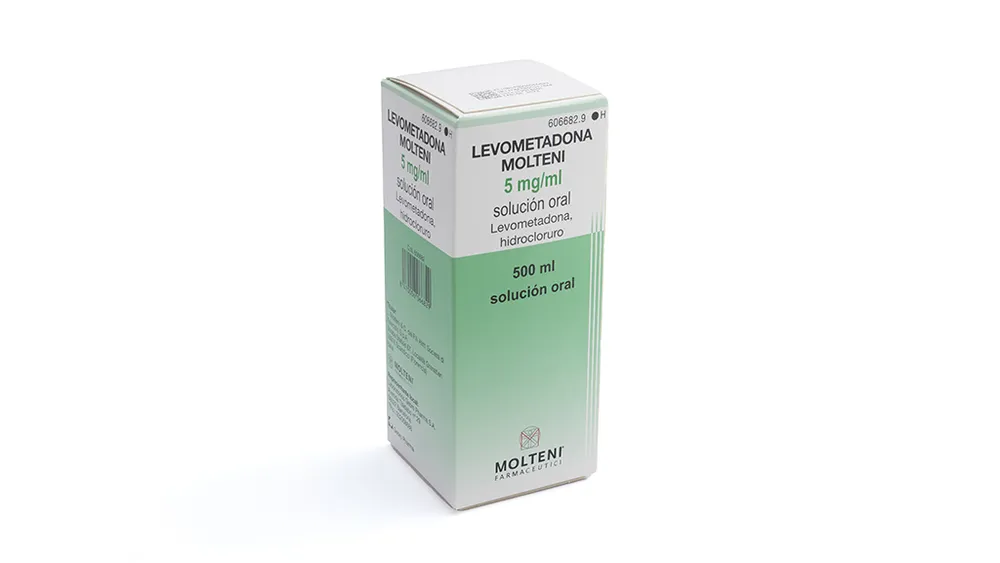
Table of Contents
- Package leaflet: Information for the user
- Introduction
- 1. What Levometadone Molteni is and what it is used for
- 2. What you need to know before taking Levometadona Molteni
- 3. How to take Levometadona Molteni
- 4. Possible adverse effects
- 5. Storage of Levometadone Molteni
- 6. Contents of the pack and other information
Package leaflet: Information for the user
Introduction
Package leaflet: information for the user
Levometadone Molteni 5 mg/ml oral solution
Levometadone, hydrochloride
Read all of this leaflet carefully before you start taking this medicine because it contains important information for you.
- Keep this leaflet. You may need to read it again.
- If you have any questions, ask your doctor or pharmacist.
- If you experience any adverse reactions, talk to your doctor or pharmacist, even if they are not listed in this leaflet. See section 4.
Contents of the leaflet:
- What Levometadone Molteni is and what it is used for
- What you need to know before taking Levometadone Molteni
- How to take Levometadone Molteni
- Possible adverse effects
- How to store Levometadone Molteni
- Contents of the pack and other information
1. What Levometadone Molteni is and what it is used for
Levometadone Molteni contains the active substance levomethadone hydrochloride. This belongs to a group of medicines that act on the nervous system.
Levometadone Molteni is used to treat adults addicted to substances called "opioids" or "narcotic analgesics", such as heroin or morphine. It acts as a substitute for the addictive drugs.
2. What you need to know before taking Levometadona Molteni
Do not take Levometadona Molteni if:
- you are allergic to levomethadone hydrochloride or to any of the other ingredients of this medicine (listed in section 6)
- you are taking medicines for depression called MAOIs (monoamine oxidase inhibitors), or have taken them within the last 2 weeks (see "Taking Levometadona Molteni with other medicines")
- you are taking medicines to treat addiction or strong painkillers (see "Taking Levometadona Molteni with other medicines")
- you have severe respiratory or lung problems
- you are not addicted to opioid medicines or drugs.
Children and adolescents under 18 years of age must not take this medicine.
Do not take this medicine if any of the above apply to you. If you are unsure, consult your doctor or pharmacist before starting to take Levometadona Molteni.
Warnings and precautions
Consult your doctor or pharmacist before starting to take this medicine if:
- you do not feel alert or fully awake (have "low levels of consciousness")
- you have low blood pressure
- you have ever had heart problems, including heart disease or irregular heartbeat. This medicine may affect the electrical signals controlling your heart contractions, especially at high doses. Therefore, inform your doctor if you have a history of heart problems.
- you have ever had respiratory or lung problems such as asthma or "COPD" (chronic obstructive pulmonary disease)
- you are unable to urinate
- you are a man with prostate problems
- you have gallbladder or bile duct problems
- you have an inflamed pancreas
- you have intestinal problems
- your thyroid gland is underactive
- you have increased pressure inside the skull
- you have adrenal gland problems, either due to an "overactive" adrenal gland or a type of tumour (called "pheochromocytoma")
- your doctor has told you that you have an "electrolyte imbalance" such as "hypokalaemia".
If any of the above apply to you (or you are unsure), consult your doctor or pharmacist before starting to take Levometadona Molteni.
Consult your doctor or pharmacist if you experience any of the following symptoms while taking Levometadona Molteni:
- Weakness, fatigue, loss of appetite, nausea, vomiting, or low blood pressure. These may be symptoms of your adrenal glands producing too little cortisol hormone, and you may need to take a hormonal supplement.
Long-term use of opioids may reduce levels of sex hormones and increase levels of the hormone prolactin. Contact your doctor if you experience symptoms such as reduced libido, impotence, or absence of menstruation (amenorrhoea).
- When using levomethadone, it is important to note that it is approximately twice as potent as methadone (see also section 3 "How to take Levometadona Molteni").
- This medicine is for oral use only and must not be injected. Injecting it is dangerous and may seriously harm your health: you may develop an infection in your body, your veins may become painful and swollen, or you may experience a blockage in a blood vessel in the lungs.
Tolerance, dependence and addiction
This medicine contains an opioid medicine called levomethadone. Repeated use of opioids may reduce the effectiveness of the medicine (your body becomes used to the medicine, known as tolerance). Repeated use of Levometadona Molteni may also lead to dependence, abuse, and addiction, which could result in a potentially fatal overdose.
Dependence or addiction may make you feel that you no longer have control over how much medicine you need to take or how often.
The risk of becoming dependent or addicted varies from person to person. You may have a higher risk of becoming dependent or addicted to Levometadona Molteni if:
- you or a family member has a history of alcohol, prescription medicine, or illicit substance abuse or dependence ("addiction")
- you are a smoker
- you have ever had mood problems (depression, anxiety, or a personality disorder) or have received treatment from a psychiatrist for other mental illnesses.
If you notice any of the following signs while taking Levometadona Molteni, it could be a sign that you have become dependent or addicted:
- You need to take the medicine for longer than recommended by your doctor.
- You need to take higher doses than recommended.
- You are using the medicine for reasons other than prescribed, for example, "to calm down" or "to help you sleep".
- You have made repeated unsuccessful attempts to stop or control your use of the medicine.
- You feel unwell when you stop taking the medicine and feel better when you take it again ("withdrawal symptoms").
If you notice any of these signs, speak to your doctor to discuss the most appropriate treatment strategy for your case, including when it is appropriate to stop taking the medicine and how to do so safely (see section 3 "If you stop taking Levometadona Molteni").
Sleep-related breathing disorders
Levometadona Molteni may cause sleep-related breathing disorders such as sleep apnoea (pauses in breathing during sleep) and sleep-related hypoxemia (low blood oxygen levels). Symptoms may include breathing pauses during sleep, waking up at night due to breathlessness, difficulty maintaining sleep, or excessive daytime sleepiness. If you or someone else notices these symptoms, contact your doctor. Your doctor may consider reducing your dose.
Effects on test results
Using this medicine may result in positive results in sports drug tests (anti-doping tests). Do not use Levometadona Molteni as a doping agent, as it may cause serious harm to your health.
Children and adolescents
Children and adolescents under 18 years of age must not take this medicine.
Taking Levometadona Molteni with other medicines
Tell your doctor or pharmacist if you are taking, have recently taken, or might need to take any other medicines.
This includes medicines obtained without a prescription and herbal medicines. This is because Levometadona may affect how some medicines work. In addition, some medicines may affect how Levometadona works.
Do not take Levometadona Molteni and inform your doctor or pharmacist if you are taking any of the following:
- antidepressant medicines called MAOIs (monoamine oxidase inhibitors), or have taken them within the last 2 weeks. This includes moclobemide, phenelzine, and tranylcypromine
- medicines to treat addiction, such as buprenorphine. You must wait at least 20 hours after stopping Levometadona Molteni before starting buprenorphine.
- strong painkillers such as morphine, butorphanol, nalbuphine, and pentazocine.
If any of the above apply to you (or you are unsure), do not take Levometadona Molteni and consult your doctor or pharmacist.
Consult your doctor or pharmacist before starting to take Levometadona Molteni if you are taking any of the following:
-
medicines for a serious mental health condition called "psychosis", such as chlorpromazine
-
medicines that dull your senses, including:
-
other antidepressants such as amitriptyline and clomipramine
-
medicines to help you sleep, including anaesthetics
- medicines for high blood pressure, such as reserpine, clonidine, urapidil, and prazosin
- spironolactone – a diuretic medicine
- antifungal medicines such as fluconazole, itraconazole, voriconazole, and ketoconazole
- medicines for heart problems, such as quinidine, verapamil, and diltiazem
- cimetidine, used to treat stomach ulcers
- rifampicin, an antibiotic
- macrolide-type antibiotics, for example clarithromycin, telithromycin, and erythromycin
- medicines to treat certain bacterial infections, such as ciprofloxacin, fusidic acid
- herbal medicines containing St. John's wort (Hypericum perforatum)
- antiviral medicines, including some used to treat HIV, for example amprenavir, nevirapine, zidovudine, efavirenz, nelfinavir, ritonavir, lopinavir, saquinavir, abacavir, delavirdine, didanosine, and stavudine
- oral contraceptives ("the pill")
- medicines for epilepsy, including barbiturates, such as phenytoin and carbamazepine
- cannabidiol (a medicine used to treat seizures)
- gabapentin and pregabalin (medicines used to treat epilepsy, nerve pain, or anxiety). These may increase the risk of opioid overdose, respiratory depression (difficulty breathing), and may be potentially fatal.
- metamizole, a medicine used to treat pain and fever
- medicines to calm you, called benzodiazepines, such as diazepam or flunitrazepam. The concomitant use of Levometadona Molteni and sedative medicines such as benzodiazepines or related medicines increases the risk of drowsiness, difficulty breathing (respiratory depression), coma, and may be potentially fatal. Because of this, concomitant use should only be considered when other treatment options are not possible. However, if your doctor prescribes Levometadona Molteni together with sedative medicines, your doctor should limit the dose and duration of concomitant treatment. Inform your doctor about all sedative medicines you are taking and follow your doctor's dosage recommendations carefully. It may be helpful to inform friends or family members who are aware of the signs and symptoms listed above. Contact your doctor if you experience such symptoms.
The risk of adverse effects increases if you use levomethadone at the same time as antidepressants (such as citalopram, duloxetine, escitalopram, fluoxetine, fluvoxamine, paroxetine, sertraline, venlafaxine, amitriptyline, clomipramine, imipramine, nortriptyline). Contact your doctor if you experience symptoms such as:
- Changes in mental state (e.g., agitation, hallucinations, coma)
- Rapid heartbeat, unstable blood pressure, fever
- Exaggerated reflexes, impaired coordination, muscle stiffness
- Gastrointestinal symptoms (e.g., nausea, vomiting, diarrhoea)
If any of the above apply to you (or you are unsure), consult your doctor or pharmacist before starting to take this medicine.
Taking Levometadona Molteni with alcohol
Do not consume alcohol while taking this medicine. Alcohol may increase the adverse effects of this medicine and cause severe intoxication with symptoms such as drowsiness, shallow and weak breathing, and coma, which may be fatal.
Pregnancy, breastfeeding and fertility
If you are pregnant or breastfeeding, think you might be pregnant, or plan to become pregnant, consult your doctor before using this medicine.
Pregnancy
- Levometadona Molteni may be used during pregnancy after careful benefit-risk assessment by a doctor, preferably under supervision in a specialized medical centre. The dose may need to be increased up to twice daily to maintain treatment effectiveness due to metabolic changes during pregnancy. Your doctor may also recommend splitting the daily dose.
- Chronic use during pregnancy may lead to fetal dependence and addiction to levomethadone, as well as withdrawal symptoms after birth, which often require hospital treatment.
Breastfeeding
- Levomethadone is excreted in breast milk. Consult your doctor if you are breastfeeding or planning to breastfeed while on levomethadone treatment, as it may affect your baby. Your doctor will decide whether breastfeeding is allowed during Levometadona Molteni replacement therapy. Monitor your baby for any abnormal signs or symptoms, such as increased drowsiness (more than usual), breathing difficulties, or floppiness. Contact your doctor immediately if you notice any of these symptoms.
Fertility
- Methadone has been reported to cause sexual dysfunction in male patients undergoing maintenance treatment.
Driving and use of machines
Do not drive or operate tools or machinery while taking Levometadona Molteni.
This is because you may feel drowsy and less alert while taking the medicine and for some time after stopping it.
You may only drive or use tools or machinery if your doctor specifically advises you to do so.
Levometadona Molteni contains methyl parahydroxybenzoate (E218)
This may cause allergic reactions (possibly delayed).
3. How to take Levometadona Molteni
Follow exactly the instructions for using this medicine given by your doctor. If in doubt, consult your doctor or pharmacist again.
How much to take
Your dose will be decided by your doctor:
- it is individually chosen for you
- it is based on how soon your withdrawal symptoms start.
Always take the dose your doctor tells you to take:
- do not take more or less of this medicine than you have been told to
- do not take this medicine more or less often than you have been told to.
Starting dose:
- The usual starting dose is between 3 and 4 ml of the oral solution per day (equivalent to between 15 and 20 mg of levomethadone hydrochloride).
Dose increase:
- Your doctor may increase your dose by 1 to 2 ml per day (equivalent to 5 to 10 mg of levomethadone hydrochloride). This will depend on how the medicine affects you.
- The usual dose may be up to 12 ml of the oral solution per day (equivalent to 60 mg of levomethadone hydrochloride). In some cases, your doctor may instruct you to take a higher dose.
Elderly patients and seriously ill patients
Your dose may be reduced if you are over 65 years of age. It may also be reduced if you are in very poor health or if you have severe kidney problems or severe and long-term liver problems. In these cases, your doctor may wish to monitor you more closely.
Method of administration
- Levometadona Molteni is a solution for oral use only.
- You may take this medicine alone or diluted with water or non-alcoholic drinks, such as orange juice.
- Your doctor or pharmacist will measure and administer your dose.
If you take more Levometadona Molteni than you should
In case of overdose or accidental ingestion, contact your doctor immediately or go immediately to the hospital. You may also contact your pharmacist or the Toxicology Information Service, telephone 915 620 420, indicating the medicine and the amount ingested.
Take the medicine packaging with you. The following effects may occur:
- breathing problems
- feeling very drowsy, close to fainting ("unconscious") or entering a coma
- very small pupils in the eyes
- cold and clammy skin
- very slow pulse
- muscle weakness
- low blood sugar levels
- a brain disorder (known as toxic leukoencephalopathy).
In extreme cases, your breathing or blood circulation may stop, and you may suffer a heart attack.
If you forget to take Levometadona Molteni
If you miss a dose, skip the missed dose and take your next dose as normal. Do not take a double dose to make up for a forgotten dose.
If you stop taking Levometadona Molteni
Do not stop taking Levometadona Molteni without first consulting your doctor. This is because you may experience adverse effects. If you need to stop taking Levometadona Molteni, your doctor will gradually withdraw the medicine.
If you have any further questions about the use of this medicine, ask your doctor or pharmacist.
4. Possible adverse effects
Like all medicines, this medicine may cause adverse effects, although not everyone experiences them.
Consult your doctor if you notice any of the following adverse effects:
Adverse effects that may occur more frequently at the beginning of treatment:
-
feeling of anxiety, depression, irritability, or drowsiness
-
loss of appetite (anorexia), weight loss, or feeling unwell (nausea)
-
cramps in the stomach or intestines, diarrhea, or feeling unwell (vomiting)
-
fever, alternating chills and hot flushes, yawning, goosebumps, runny nose, sneezing
-
spasmodic and rapid movements or tremors (tremor)
-
increased heart rate (tachycardia)
-
very small pupils in the eyes
-
general body pain
-
feeling of weakness or restlessness
-
excessive sweating or tearing.
Other adverse effects include:
Between uncommon (may affect up to 1 in 100 people) and common (may affect up to 1 in 10 people):
- slow or shallow breathing
- headache or vision problems
- feeling of weakness, dizziness, fainting, confusion, or disorientation
- feeling very sleepy or being unable to sleep
- feeling of euphoria or lethargy
- palpitations or decreased heart rate
- reduced sexual desire
- decreased libido or difficulty achieving and maintaining an erection in men
- sweating
- skin rashes, including hives and other types of itchy skin rashes
- dry mouth
- loss of appetite, nausea, or vomiting
- constipation
- fluid retention («edema»), «biliary colic» which may cause pain in the upper abdomen or back
- urinary problems, including passing very little urine.
Between rare (may affect up to 1 in 1,000 people) and very rare (may affect up to 1 in 10,000 people):
- red skin and sensation of warmth («flushing»)
- reduced internal bleeding
- cessation of breathing
- low blood pressure when standing up or sitting down quickly
- absence of heartbeats, heart attack, problems with blood circulation throughout the body, going into «shock».
Frequency not known:
- low blood sugar levels
- sleep apnea (breathing pauses during sleep)
- you may become dependent on Levometadone Molteni (for further information, see section 2 “Warnings and precautions”).
You may notice that some adverse effects become less intense over time. However, constipation and excessive sweating are unlikely to improve. Consult your doctor or pharmacist about treatment to relieve symptoms of these adverse effects.
Reporting of adverse effects
If you experience any type of adverse effect, consult your doctor or pharmacist, even if they are possible adverse effects not listed in this leaflet. You may also report them directly via the Spanish Pharmacovigilance System for Human Medicines: www.notificaRAM.es. By reporting adverse effects, you can help provide more information on the safety of this medicine.
5. Storage of Levometadone Molteni
- Keep this medicine out of the sight and reach of children. Store this medicine in a safe and secure place, where others cannot access it. It may cause serious harm and be fatal to individuals for whom it has not been prescribed.
- Do not use this medicine after the expiry date stated on the label and the carton following EXP. The expiry date refers to the last day of the month indicated.
- Store below 25 °C.
- After opening the bottle, use the oral solution within 12 weeks.
- Medicines must not be disposed of via wastewater or household waste. Ask your pharmacist how to dispose of unused medicines and their containers. This will help protect the environment.
6. Contents of the pack and other information
Composition of Levometadona Molteni
- The active substance is levomethadone hydrochloride. Each millilitre (ml) of oral solution contains 5 milligrams (mg) of levomethadone hydrochloride.
- The other components are methyl parahydroxybenzoate (E218), betaine hydrochloride, glycerol, purified water.
Appearance of the product and contents of the pack
- Levometadona Molteni is a clear, colourless oral solution.
- It is available in pack sizes of 100 ml, 3 x 100 ml, 500 ml (clinical pack), and 1000 ml (clinical pack).
100 ml pack size: glass bottle with a child-resistant cap and a pipette adapter. Includes a graduated dosing pipette ranging from 0.25 to 5 ml, marked in 0.25 ml increments. Only certain pack sizes may be commercially available.
Marketing Authorisation Holder and Manufacturer
Marketing Authorisation Holder:
- Molteni & C. dei F.lli Alitti Società di Esercizio S.p.A.
Strada Statale 67, Loc. Granatieri
50018 Scandicci (Florence)
Italy
Manufacturer:
- Molteni & C. dei F.lli Alitti Società di Esercizio S.p.A.
Strada Statale 67, Loc. Granatieri
50018 Scandicci (Florence)
Italy
For further information about this medicinal product, please contact the local representative of the Marketing Authorisation Holder:
Laboratorios Gebro Pharma, S.A.
Avenida Tibidabo, 29
08022 Barcelona – Spain
Tel.: 93 205 86 86
This medicinal product is authorised in the Member States of the European Economic Area under the following names:
Germany: Levomethadon Molteni
Italy: Ellepalmiron
Poland: Levomethadone Hydrochloride Molteni
Spain: Levometadona Molteni
Date of the most recent review of this leaflet: July 2024