Leponex 100 mg tablets
Spain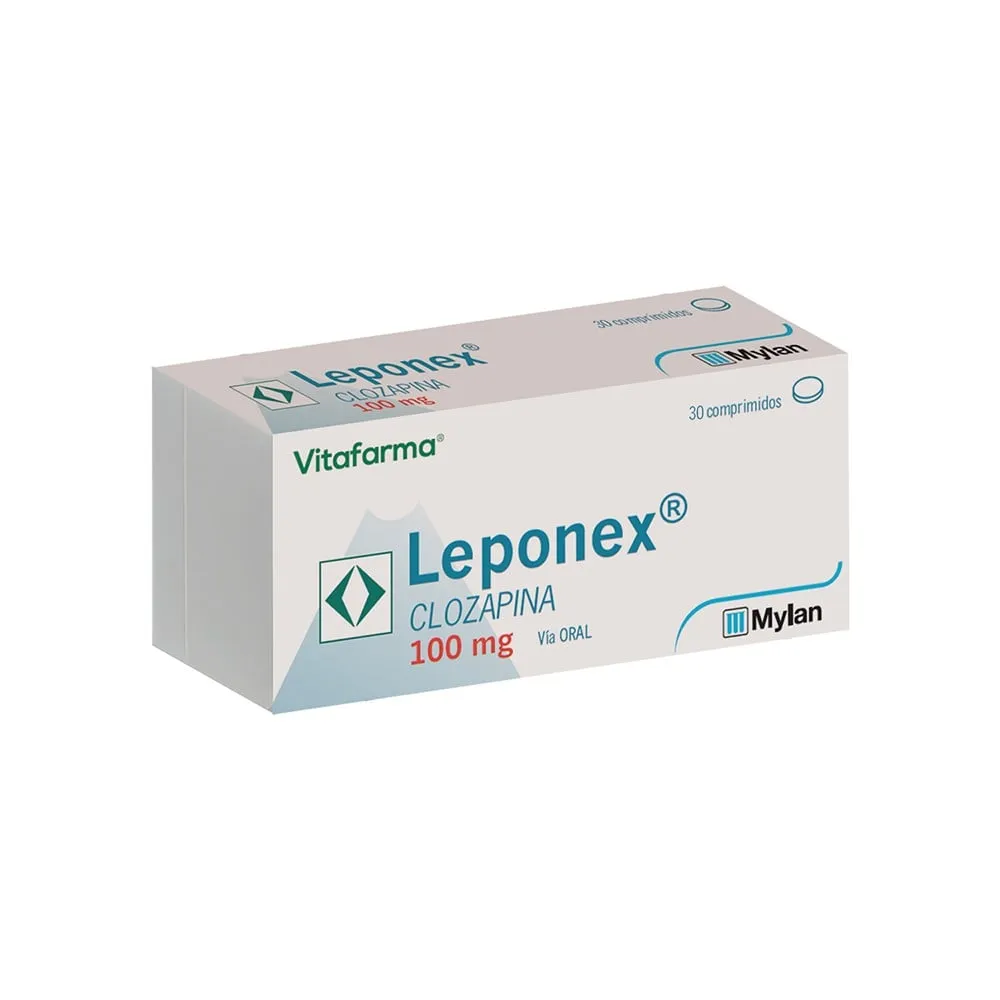
Table of Contents
Patient Information Leaflet
Introduction
Package Leaflet: Information for the Patient
Leponex 100 mg Tablets
Clozapine
Read the entire leaflet carefully before you start taking this medicine, as it contains important information for you.
- Keep this leaflet, as you may need to read it again.
- If you have any questions, ask your doctor or pharmacist.
- This medicine has been prescribed for you only and must not be given to other people, even if they have the same symptoms as you, since it could harm them.
- If you experience any adverse effects, consult your doctor or pharmacist, even if they are adverse effects not listed in this leaflet. See section 4.
Leaflet Contents:
- What Leponex is and what it is used for
- What you need to know before taking Leponex
- How to take Leponex
- Possible adverse effects
- How to store Leponex
- Contents of the pack and other information
1. What Leponex is and what it is used for
The active substance in Leponex is clozapine, which belongs to a group of medicines called antipsychotics (also known as neuroleptics, used to treat specific mental disorders such as psychosis).
Leponex is used to treat patients with schizophrenia when other medicines have not worked. Schizophrenia is a mental illness involving disturbances in thought, emotional reactions, and behavioural disorders. You may only use this medicine if you have already tried at least two other neuroleptic medicines, including one of the newer atypical neuroleptics for treating schizophrenia, and these medicines have either not worked or have caused serious adverse reactions that cannot be managed.
Leponex is also indicated for the treatment of severe disturbances in thought, emotional reactions, and behavioural disorders occurring in Parkinson's disease, when other treatments have not been effective.
2. What you need to know before taking Leponex
Do not take Leponex if:
- you are allergic (hypersensitive) to clozapine or to any of the other components of Leponex (listed in section 6).
- it will not be possible for you to have regular blood tests.
- you have ever been told that you have a low white blood cell count (e.g. leucopenia or agranulocytosis), especially if it was caused by other medicines. This does not apply if you had a low white blood cell count due to previous chemotherapy.
- you previously had to stop taking Leponex because it caused serious adverse reactions (e.g. agranulocytosis or heart problems).
- you are currently being or have been treated with long-acting depot injections of antipsychotics.
- you have or have had bone marrow disease.
- you have uncontrolled epilepsy (seizures or fits).
- you have had severe mental disorders caused by alcohol or other medicines (e.g. narcotics).
- you experience episodes of loss of consciousness and strong, uncontrollable drowsiness.
- you have circulatory collapse, which may occur as a result of severe shock.
- you have severe kidney disease.
- you have myocarditis (inflammation of the heart muscle).
- you have any other serious heart disease.
- you have active liver symptoms or disease such as jaundice (yellowing of the skin and eyes, feeling unwell, and loss of appetite).
- you have any other serious liver disease.
- you have paralytic ileus (intestinal obstruction, your bowel does not function properly and you have severe constipation).
- you are taking any medicine that impairs the proper functioning of your bone marrow.
- you are taking any medicine that reduces the number of white blood cells in your blood.
Inform your doctor and do not take Leponex if any of the above apply to you.
Leponex must not be administered to anyone who is unconscious or in a coma.
Warnings and precautions
The safety measures described in this section are very important. You must follow them to minimize the risk of serious adverse reactions that may be life-threatening.
Before starting treatment with Leponex, inform your doctor if you have or have had any of the following:
- blood clots or a family history of blood clots, as this type of medicine has been associated with blood clot formation.
- glaucoma (increased pressure in the eye).
- diabetes. Elevated blood glucose levels (sometimes markedly) have occurred in patients with or without a prior history of diabetes mellitus (see section 4).
- prostate problems or difficulty urinating.
- any heart, kidney, or liver disease.
- chronic constipation or are taking medicines that cause constipation (such as anticholinergics).
- galactose intolerance, Lapp lactase deficiency, or glucose-galactose malabsorption.
- controlled epilepsy.
- diseases of the large intestine.
- abdominal surgery.
- heart disease or a family history of abnormal heart conduction known as "QT interval prolongation".
- risk of stroke, for example, if you have very high blood pressure, cardiovascular problems, or cerebrovascular disease.
Immediately before taking your next dose of Leponex tablets, inform your doctor if:
-
you have signs of a cold, fever, flu-like symptoms, sore throat, or any other infection. You will need an urgent blood test to determine whether these symptoms are related to the medicine.
-
you have a sudden increase in body temperature, muscle stiffness that may progress to altered consciousness (neuroleptic malignant syndrome), as this may be a serious adverse reaction requiring immediate treatment.
-
you have rapid or irregular heartbeat, even at rest, palpitations, breathing difficulties, chest pain, or unusual tiredness. Your doctor should perform a heart check and, if necessary, refer you immediately to a cardiologist.
-
you have nausea (feeling dizzy), vomiting (feeling sick) and/or loss of appetite. Your doctor should examine your liver.
-
you have severe constipation. Your doctor should treat you to prevent further complications.
-
you experience constipation, abdominal pain, abdominal tenderness, fever, abdominal distension, and/or bloody diarrhoea. Your doctor will need to examine you.
Medical examinations and blood tests
Before starting treatment with Leponex, your doctor will ask about your medical history and perform a blood test to ensure your white blood cell count is normal. This is important because your body needs white blood cells to fight infections.
Make sure you have regular blood tests before starting treatment, during treatment, and after stopping treatment with Leponex.
- Your doctor will inform you exactly when and where these tests will be performed. You may only take Leponex if you have a normal blood count.
- Leponex may cause a severe decrease in white blood cells in your blood (agranulocytosis). Only regular blood tests can allow your doctor to detect if you are at risk of developing agranulocytosis (see section 4).
- Blood tests must be performed weekly during the first 18 weeks of treatment, and then at least once a month for the following 34 weeks.
- After 12 months of treatment, blood tests should be performed every 12 weeks for one year, and then annually, provided no decrease in white blood cell count has been detected.
- If there is a decrease in white blood cell count, treatment with Leponex must be stopped immediately. Your white blood cell count should return to normal. Blood tests must continue for 4 weeks after stopping Leponex, especially if treatment is discontinued for haematological reasons (i.e. agranulocytosis), or if monitoring has been less than 2 years, or if you have a history of neutropenia that did not lead to discontinuation of treatment.
Before starting treatment, your doctor will also perform a physical examination. Your doctor may perform an electrocardiogram (ECG) to check your heart, but only if necessary or if there are specific concerns.
If you have liver impairment, periodic liver function tests will be performed during treatment with Leponex.
If you have high blood glucose levels (diabetes), your doctor may periodically monitor your glucose levels.
Leponex may alter blood lipid levels. Leponex may cause weight gain. Your doctor may monitor your weight and lipid levels.
If you experience mild headache, dizziness, or weakness, or if Leponex causes such symptoms, be cautious when rising from a sitting or lying position, as this may increase the risk of falls.
If you are scheduled for surgery or for any reason cannot walk for a prolonged period, inform your doctor that you are taking Leponex. You may be at risk of thrombosis (blood clot in a vein).
Children and adolescents under 16 years of age
If you are under 16 years of age, you must not take Leponex, as there is insufficient information on its use in this age group.
Use in elderly patients (60 years and older)
Patients aged 60 years and older may be more susceptible to the following adverse effects during treatment with Leponex: weakness or mild headache after changing position, dizziness, rapid heartbeat, urinary retention, and constipation.
Inform your doctor or pharmacist if you have a condition called dementia.
Use of Leponex with other medicines
Inform your doctor or pharmacist if you are taking, have recently taken, or might need to take any other medicines, including those obtained without a prescription or herbal remedies. You may need to take different doses or different medicines.
Do not take Leponex together with other medicines that impair the proper functioning of the bone marrow and/or reduce the number of blood cells produced by the body, such as:
- carbamazepine, a medicine used for epilepsy.
- certain antibiotics: chloramphenicol, sulfonamides such as cotrimoxazole.
- certain pain medicines: analgesics of the pyrazolone group such as phenylbutazone.
- penicillamine, a medicine used to treat rheumatoid arthritis.
- cytotoxic agents, medicines used in chemotherapy.
- long-acting depot injections of antipsychotic medicines.
These medicines increase your risk of developing agranulocytosis (deficiency of white blood cells in the blood).
Taking Leponex at the same time as other medicines may affect the proper action of Leponex and/or the other medicines. Inform your doctor if you intend to take, are currently taking (even if treatment is about to end), or have recently stopped taking any of the following medicines:
- medicines used to treat depression, such as lithium, fluvoxamine, tricyclic antidepressants, MAO inhibitors, citalopram, paroxetine, fluoxetine, and sertraline.
- other antipsychotic medicines used to treat mental illnesses, such as perazine.
- benzodiazepines and other medicines used to treat anxiety or sleep disorders.
- narcotics and other medicines that may affect your breathing.
- medicines used to control epilepsy, such as phenytoin and valproic acid.
- medicines used to treat high or low blood pressure, such as adrenaline and noradrenaline.
- warfarin, a medicine used to prevent blood clotting.
- antihistamines, medicines used for colds and allergies, such as hay fever (seasonal allergic rhinitis).
- anticholinergic medicines, used to relieve stomach cramps, spasms, and dizziness.
- medicines used to treat Parkinson's disease.
- digoxin, a medicine used to treat heart problems.
- medicines used to treat rapid or irregular heartbeat.
- some medicines used to treat stomach ulcers, such as omeprazole or cimetidine.
- some antibiotics, such as erythromycin and rifampicin.
- some medicines used to treat fungal infections (such as ketoconazole) or viral infections (such as protease inhibitors, used to treat HIV infection).
- atropine, a medicine that may be used in certain eye drops or in cough and cold preparations.
- adrenaline, a medicine used in emergency situations.
- hormonal contraceptives (birth control pills).
This list is not complete. Your doctor and pharmacist have more information about medicines that should be used with caution or avoided while taking Leponex. They also know whether the medicines you are taking belong to any of the groups listed above. Discuss this with them.
Taking Leponex with food and drinks
During treatment with Leponex, do not drink alcohol.
Inform your doctor if you smoke and how often you consume drinks containing caffeine (coffee, tea, cola drinks). Sudden changes in your smoking habits or caffeine intake may alter the effects of Leponex.
Pregnancy and breastfeeding
If you are pregnant or breastfeeding, think you may be pregnant, or plan to become pregnant, consult your doctor before using this medicine. Your doctor will discuss with you the benefits and possible risks of using this medicine during pregnancy. Inform your doctor immediately if you become pregnant during treatment with Leponex.
The following symptoms may occur in newborn babies of mothers who have taken Leponex during the last trimester (the last three months of pregnancy): tremor, muscle rigidity and/or weakness, drowsiness, restlessness, breathing difficulties, and feeding problems. If your baby develops any of these symptoms, contact your doctor immediately.
Some women who take certain medicines for mental illnesses experience irregular or absent menstrual periods. If this has happened to you, your periods may return to normal when your medication is switched to Leponex. This means you should use effective contraception.
During treatment with Leponex, you must not breastfeed. Clozapine, the active substance in Leponex, may pass into breast milk and affect the baby.
Driving and using machines
Leponex may cause tiredness, drowsiness, and fainting, especially at the beginning of treatment. Therefore, you should avoid driving or operating machinery while experiencing these symptoms.
Leponex may cause symptoms such as drowsiness, dizziness, or vision disturbances and may reduce reaction ability. These effects, as well as the illness itself, may impair your ability to drive vehicles or operate machinery. Therefore, do not drive, operate machinery, or engage in other activities requiring special attention until your doctor has assessed your response to this medicine.
Leponex contains lactose.
If your doctor has informed you that you have an intolerance to certain sugars, consult your doctor before taking this medicine.
3. How to take Leponex
To minimize as much as possible the risk of experiencing epileptic seizures, drowsiness, or hypotension, your doctor must gradually increase your dose. Follow exactly the instructions for taking Leponex provided by your doctor. If in doubt, consult your doctor or pharmacist again.
It is important that you do not change the dose or stop taking Leponex without first asking your doctor. Continue taking Leponex for the length of time prescribed by your doctor.
If you are 60 years of age or older, your doctor may start you on a lower dose and increase it more gradually, as you may be more susceptible to developing certain unexpected adverse reactions. (See section 2, "What you need to know before taking Leponex".)
If you cannot reach the prescribed dose with this tablet formulation, other strengths of this medicine are available to achieve the prescribed dose.
Treatment of schizophrenia
Treatment is initiated with 12.5 mg (half a 25 mg tablet) once or twice on the first day, followed by 25 mg once or twice on the second day. Swallow the tablet with a glass of water. If well tolerated, your doctor will gradually increase the dose by increments of 25 or 50 mg over 2 to 3 weeks until reaching a dose of 300 mg per day. It may be necessary to continue increasing the dose by 50 or 100 mg twice weekly, or preferably once weekly.
The normal daily dose of clozapine is between 200 and 450 mg, divided into several doses per day. Some individuals may require higher doses. Doses up to 900 mg per day are permitted. At daily doses exceeding 450 mg, adverse reactions (particularly seizures) may increase. Always take the lowest dose that is effective for you. Most patients should take part of the dose in the morning and part at night. Your doctor will tell you exactly how to divide your daily dose. If your daily dose does not exceed 200 mg, you may take it as a single nightly dose. Once Leponex treatment has been effective for you over a period of time, your doctor may test lower doses. You will need to take Leponex for at least 6 months.
Treatment of severe thought disorders in patients with Parkinson's disease
The usual initial dose of clozapine is 12.5 mg (half a 25 mg tablet) at night. Swallow the tablet with a glass of water. Your doctor will slowly increase the dose by increments of 12.5 mg, with a maximum of two increases per week, until reaching a maximum dose of up to 50 mg by the end of the second week. Dose increases should be stopped or delayed if you feel weak, dizzy, or confused. To avoid such symptoms, your blood pressure will be monitored during the first weeks of treatment.
The effective daily dose ranges from 25 to 37.5 mg, taken as a single nightly dose. Doses above 50 mg per day may only be used in exceptional cases. The maximum dose is 100 mg per day. Always take the lowest effective dose for you.
If you take more Leponex than you should
If you think you have taken more Leponex than you should, or if someone has taken any of your tablets, inform your doctor or pharmacist immediately or call the Toxicology Information Service. Telephone 91 562 04 20, stating the medication and the amount taken.
Symptoms of overdose include:
Drowsiness, fatigue, lack of energy, unconsciousness, coma, confusion, hallucinations, agitation, incoherent speech, numbness in the limbs, hand tremor, seizures, increased salivation, dilated pupils, blurred vision, low blood pressure, collapse, rapid or irregular heartbeat, shallow breathing, or difficulty breathing.
If you forget to take Leponex
If you forget to take a dose, take it as soon as possible. If it is almost time for your next dose, do not take the missed dose and take the next dose at the scheduled time. Do not take a double dose to make up for the missed dose. If you have stopped taking Leponex for two or more days, do not restart treatment without first consulting your doctor.
If you stop taking Leponex
Do not stop Leponex treatment without consulting your doctor, as you may experience withdrawal symptoms. These symptoms include sweating, headache, nausea (feeling sick), vomiting (being sick), and diarrhea. If you experience any of these symptoms, contact your doctor immediately. These symptoms may be followed by more severe ones unless you are treated promptly. Your original symptoms may also return. If you need to stop treatment, it is recommended to gradually reduce the dose by 12.5 mg increments over a period of 1 to 2 weeks. Your doctor will advise you on how to reduce your daily dose. If you need to stop treatment abruptly, your doctor should examine you. If your doctor decides to restart Leponex treatment and your last dose was two days or more ago, treatment should be restarted at the initial dose of 12.5 mg.
If you have any further questions about using this medicine, ask your doctor or pharmacist.
4. Possible adverse effects
Like all medicines, Leponex may cause adverse effects, although not everyone experiences them.
Some adverse effects may be serious and require immediate medical attention:
Contact your doctor immediately before taking your next tablet of Leponex if you experience any of the following:
Very common (affect more than 1 in 10 patients):
- Severe constipation. Your doctor will need to treat this to prevent further complications.
- Rapid heartbeat.
Common (affect up to 1 in 10 patients):
- Signs of a cold, fever, flu-like symptoms, sore throat, or any other infection. An urgent blood test will be required to check whether your symptoms are related to your medication.
- Epileptic seizures.
- Sudden fainting or sudden loss of consciousness with muscle weakness (syncope).
Uncommon (affect up to 1 in 100 patients):
- A sudden increase in body temperature, muscle rigidity that may progress to altered consciousness (neuroleptic malignant syndrome), as this may be a serious adverse effect requiring immediate treatment.
- Mild headache, dizziness, or weakness when standing up from a sitting or lying position, as this may increase the risk of falling.
Rare (affect up to 1 in 1,000 patients):
-
Signs of respiratory tract infection or pneumonia such as fever, cough, difficulty breathing, wheezing (noisy breathing).
-
Severe burning pain in the upper abdomen spreading to the back, accompanied by nausea and vomiting due to inflammation of the pancreas.
-
Fainting and muscle weakness due to a significant drop in blood pressure (circulatory collapse).
-
Difficulty swallowing (which may lead to inhalation of food).
-
Nausea (feeling sick), vomiting (being sick), and/or loss of appetite. Your doctor will need to check your liver.
-
Signs of obesity or worsening obesity.
-
Interruption of breathing with or without snoring during sleep.
-
Nausea (feeling of dizziness), vomiting (feeling dizzy), and/or loss of appetite. Your doctor should examine your liver.
Rare (affect up to 1 in 1,000 patients) or very rare (affect up to 1 in 10,000 patients):
- Fast and irregular heartbeat, even at rest, palpitations, breathing difficulties, chest pain, or unusual tiredness. Your doctor should perform a heart check and, if necessary, refer you immediately to a cardiologist.
Very rare (affect up to 1 in 10,000 patients):
- Persistent and painful penile erections, if you are a man. This is known as priapism. If you have an erection lasting more than four hours, immediate medical treatment may be required to prevent further complications.
- Spontaneous bleeding or bruising, which could be signs of a reduced number of platelets in the blood.
- Symptoms due to uncontrolled blood sugar levels (such as nausea or vomiting, abdominal pain, excessive thirst, excessive urination, disorientation, or confusion).
- Abdominal pain, cramps, bloated abdomen, vomiting, constipation, and lack of passing gas, which may be signs and symptoms of intestinal obstruction.
- Loss of appetite, bloated abdomen, abdominal pain, yellowing of the skin, severe weakness, and malaise. These symptoms may indicate the onset of liver disease, which may progress rapidly to liver necrosis.
- Nausea, vomiting, fatigue, weight loss, which may be symptoms of kidney inflammation.
Not known (frequency cannot be estimated from available data):
-
Crushing pain in the chest, feeling of pressure, tightness, or constriction (chest pain may radiate to the left arm, jaw, neck, and upper abdomen), difficulty breathing, sweating, weakness, dizziness, nausea, vomiting, and palpitations (symptoms of a heart attack), which may be fatal. Seek immediate emergency medical treatment.
-
Chest pressure, heaviness, tightness, constriction, burning, or suffocation (signs of insufficient blood and oxygen flow to the heart), which may be fatal. Your doctor should evaluate your heart function.
-
Intermittent "stabbing," "racing," or "fluttering" sensations in the chest (palpitations).
-
Rapid and irregular heartbeats (atrial fibrillation). There may be occasional palpitations, fainting, difficulty breathing, or chest discomfort. Your doctor will need to check your heart.
-
Symptoms of low blood pressure such as dizziness, lightheadedness, fainting, blurred vision, unusual fatigue, cold and clammy skin, or nausea.
- Signs of blood clots in the veins, especially in the legs (symptoms include swelling, pain, and redness in the legs), which may travel through blood vessels to the lungs, causing chest pain and difficulty breathing.
- Confirmed infection or high suspicion of infection, accompanied by fever or low body temperature, abnormally rapid breathing, rapid heartbeat, altered reaction capacity and consciousness, decreased blood pressure (sepsis).
- Excessive sweating, headache, nausea, vomiting, and diarrhea (symptoms of cholinergic syndrome).
-
Drastic reduction in urine production (signs of kidney failure).
-
Allergic reaction (swelling mainly in the face, mouth, and throat, as well as the tongue, which may cause itching or be painful).
-
Loss of appetite, bloated abdomen, abdominal pain, yellowing of the skin, severe weakness, and malaise. This may indicate possible liver abnormalities leading to replacement of normal liver tissue with scar tissue, resulting in loss of liver function, including life-threatening liver events such as liver failure (which may lead to death), liver damage (damage to liver cells, bile ducts in the liver, or both), and liver transplantation.
-
Burning pain in the upper abdomen, particularly between meals, early in the morning, or after drinking acidic beverages; tarry, black, or bloody stools; bloating, heartburn, nausea or vomiting, early satiety (intestinal ulceration of the stomach and/or intestine), which may be fatal.
-
Severe abdominal pain worsened by movement, nausea, vomiting, even vomiting blood (or liquid resembling ground coffee); the abdomen becomes rigid with tenderness (rebound) spreading from the perforation site throughout the abdomen; fever and/or chills (perforation of the stomach and/or intestine or intestinal rupture), which may be fatal.
-
Constipation, abdominal pain, abdominal tenderness, fever, bloating, bloody diarrhea. This may be a symptom of possible megacolon (intestinal dilation) or intestinal ischemia/infarction/necrosis, which may be fatal. Your doctor will need to examine you.
-
Onset or worsening of muscle weakness, muscle spasms, muscle pain. This may indicate possible muscle disorder (rhabdomyolysis). Your doctor will need to examine you.
-
Sudden sharp chest or abdominal pain with difficulty breathing, with or without cough or fever.
-
During the use of Leponex, extremely severe and serious skin reactions have been reported, such as drug reaction with eosinophilia and systemic symptoms (DRESS).
The skin adverse reaction may appear as rashes with or without blisters. Skin irritation, edema, fever, and flu-like symptoms may occur. DRESS syndrome symptoms usually appear approximately 2 to 6 weeks (possibly up to 8 weeks) after starting treatment.
If any of the above cases apply to you, inform your doctor immediately before taking the next tablet of Leponex.
Other adverse effects:
Very common (affect more than 1 in 10 patients):
Drowsiness, dizziness, increased saliva production.
Common (affect up to 1 in 10 patients):
High levels of white blood cells in the blood (leucocytosis), high levels of a certain type of white blood cells in the blood (eosinophilia), weight gain, blurred vision, headache, tremor, rigidity, restlessness, agitation, seizures, jerky movements, abnormal movements, inability to initiate movement, inability to remain still, changes in heart electrocardiogram (ECG) test, high blood pressure, weakness or mild headache after changing position, nausea (feeling of dizziness), vomiting (feeling dizzy), loss of appetite, dry mouth, minor abnormalities in liver function tests, loss of bladder control, difficulty urinating, fatigue, fever, increased sweating, elevated body temperature, speech disorders (e.g., slurred speech).
Uncommon (affect up to 1 in 100 patients):
Deficiency of white blood cells in the blood (agranulocytosis), speech disorder (e.g., stuttering).
Rare (affect up to 1 in 1,000 patients):
High levels of red blood cells in the blood (polycythaemia), restlessness, agitation, confusion, delirium, irregular heartbeat, inflammation of the heart muscle (myocarditis) or of the membrane surrounding the heart muscle (pericarditis), fluid accumulation around the heart (pericardial effusion), high blood sugar levels, diabetes mellitus, blood clotting in the lungs (thromboembolism), liver inflammation (hepatitis), liver disease causing yellowing of the skin/dark urine/itching, elevated levels in the blood of an enzyme called creatine phosphokinase.
Very rare (affect up to 1 in 10,000 patients):
Increased number of blood platelets with possible blood vessel clotting, uncontrollable movements of the mouth/tongue and lips, obsessive thoughts and repetitive compulsive behaviors (obsessive-compulsive symptoms), skin reactions, facial swelling (due to inflammation of the salivary glands), difficulty breathing, very high levels of triglycerides or cholesterol in the blood, heart muscle disease (cardiomyopathy), cessation of heart rhythm (cardiac arrest), unexpected sudden death.
Not known (frequency cannot be estimated from available data):
Changes in brain wave recordings (electroencephalogram/EEG), diarrhea, stomach discomfort, burning sensation, stomach discomfort after eating, muscle weakness, muscle spasms, muscle pain, nasal congestion, nocturnal enuresis, sudden uncontrolled increase in blood pressure (pseudopheochromocytoma), involuntary contractions causing the body to curve to one side (pleurothotonus), in men, ejaculation disorder in which semen enters the bladder instead of being ejaculated through the penis (dry orgasm or retrograde ejaculation), rash, red-purple spots, fever or itching due to inflammation of blood vessels, inflammation of the colon causing diarrhea, abdominal pain, fever, skin color changes, butterfly-shaped facial rash, joint pain, muscle pain, fever, and fatigue (lupus erythematosus), restless legs syndrome (irresistible urge to move the legs or arms, usually accompanied by uncomfortable sensations during rest periods, especially in the evening or at night, and temporarily relieved by movement).
In elderly patients with dementia, a small increase in the number of deaths has been reported in patients taking antipsychotics compared to those who do not.
Reporting of adverse effects
If you experience any adverse effect, consult your doctor or pharmacist, even if it is a possible adverse effect not listed in this leaflet. You may also report them directly via the Spanish Pharmacovigilance System for Human Medicines: https://www.notificaram.es. By reporting adverse effects, you can help provide more information on the safety of this medicine.
5. Storage of Leponex
- Keep this medicine out of the sight and reach of children.
- Do not use Leponex after the expiry date stated on the packaging after EXP. The expiry date is the last day of the month indicated.
- No special storage conditions are required.
Medicines must not be disposed of via wastewater or household waste. Dispose of unused medicines and their packaging at a SIGRE collection point at your pharmacy. If you are in doubt, please ask your pharmacist how to dispose of medicines and packaging you no longer need. This will help protect the environment.
6. Contents of the pack and other information
Composition of Leponex 100 mg tablets
- The active substance is clozapine. Each tablet contains 100 mg of clozapine.
- The other components are magnesium stearate, anhydrous colloidal silica, povidone K30, talc, maize starch, lactose monohydrate.
Appearance of the product and contents of the pack
Leponex tablets are yellow, round, flat, with bevelled edges, coded with "Z/A" with an angular score on one side and "CLOZ" on the other side.
Leponex tablets are available in PVC/PVDC/Aluminum or PVC/PE/PVDC/Aluminum blister packs containing 7, 14, 20, 28, 30, 40, 50, 60, 84, 98, 100, 500 (10x50) or 5000 (100x50) tablets; and/or in single-dose precut blisters of PVC/PVDC/Aluminum or PVC/PE/PVDC/Aluminum containing 7x1, 14x1, 20x1, 28x1, 30x1, 40x1, 50x1, 60x1, 84x1, 98x1, 100x1, 500 (10x50x1) and 5000 (100x50x1) tablets, and in white plastic bottles containing 100 or 500 tablets.
Only certain pack sizes may be marketed.
Other presentations:
Leponex 25 mg tablets, pack of 40 tablets.
Marketing Authorization Holder
Viatris Healthcare Limited
Damastown Industrial Park
Mulhuddart, Dublin 15
Dublin
Ireland
Manufacturer
Mylan Hungary Kft.
Mylan utca 1
Komárom 2900
Hungary
or
McDermott Laboratories Limited
T/A Gerard Laboratories
T/A Mylan Dublin
Unit 35/36 Baldoyle Industrial Estate
Grange Road
Dublin 13
Ireland
or
Madaus GmbH
Lütticher Straße 5
53842 Troisdorf
Germany
For further information about this medicinal product, please contact the local representative of the Marketing Authorization Holder:
Viatris Pharmaceuticals, S.L.
C/ General Aranaz, 86
28027 Madrid
Spain
This medicinal product is authorized in the Member States of the European Economic Area and in the United Kingdom (Northern Ireland) under the following names:
Austria Leponex 100 mg Tabletten
Belgium Leponex 100 mg tabletten / Leponex 100 mg Tabletten / Leponex 100 mg comprimés
Denmark Leponex
Finland Leponex 100 mg tabletti
France Leponex 100 mg comprimé sécable
Germany Leponex 100 mg Tabletten
Greece Leponex 100 mg Δισκ?α
Iceland Leponex 100 mg töflur
Ireland Clozaril 100 mg tablets
Italy Leponex 100 mg compresse
Luxembourg Leponex 100 mg
Netherlands Leponex 100 mg, tabletten
Norway Leponex 100 mg tabletter
Portugal Leponex 100 mg comprimidos
Spain Leponex 100 mg comprimidos
Sweden Leponex 100 mg tabletter
United Kingdom (Northern Ireland) Clozaril 100 mg tablets
Date of the most recent revision of this leaflet: October 2025
Detailed and up-to-date information on this medicinal product is available on the website of the Spanish Agency of Medicines and Health Products (AEMPS): https://www.aemps.gob.es/