Lanirapid 0.1 mg tablets
Spain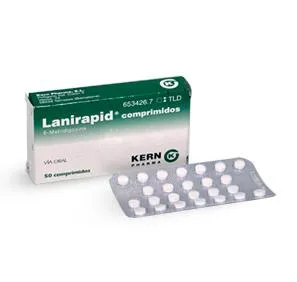
Table of Contents
Package leaflet: Information for the user
Introduction
Package leaflet: Information for the user
Lanirapid 0.1 mg tablets
β-Methyldigoxin
Read the entire leaflet carefully before you start taking this medicine, because it contains important information for you.
- Keep this leaflet, as you may need to read it again.
- If you have any questions, ask your doctor or pharmacist.
- This medicine has been prescribed for you only, and you should not give it to other people, even if they have the same symptoms as you, because it may harm them.
- If you experience any adverse effects, consult your doctor or pharmacist, even if they are adverse effects not listed in this leaflet. See section 4.
Leaflet contents:
- What Lanirapid is and what it is used for
- What you need to know before taking Lanirapid
- How to take Lanirapid
- Possible adverse effects
- How to store Lanirapid
- Contents of the pack and other information
1. What Lanirapid is and what it is used for
Lanirapid belongs to a group of medicines known as cardiac glycosides (digitalis). Its active substance is β-Methyldigoxin, which acts on heart cells by increasing the force and speed of contraction, slowing down conduction of the electrical impulse, and enhancing the ventricular response to the stimulus.
This medicine is indicated for the treatment of:
- Congestive heart failure (when the heart does not pump enough blood and fluid accumulates in the lungs).
- Cardiac rhythm disorders (heart rhythm): atrial fibrillation, atrial flutter, paroxysmal supraventricular tachycardia (problems with the speed and rhythm of heartbeats).
2. What you need to know before starting to take Lanirapid
Do not take Lanirapid
- if you are allergic to β-Methyldigoxin or to any of the other components of this medicine (listed in section 6);
- if you have carotid sinus syndrome (sudden episodes of dizziness and loss of consciousness) or thoracic aortic aneurysm (dilation of the aorta at chest level);
- if you have obstructive hypertrophic cardiomyopathy (a type of heart disorder);
- if you have Wolff-Parkinson-White syndrome (a type of heart disease) or any other evidence of an accessory pathway;
- if you have tachycardia (fast or irregular heartbeat) or ventricular fibrillation (a very abnormal heart rhythm that may be life-threatening).
Warnings and precautions
Consult your doctor or pharmacist before starting to take this medicine if any of the following apply to you:
- If you have taken another digitalis medicine within the previous 2 weeks, as your doctor may consider reducing the initial dose.
- If you have hypokalemia (low potassium levels in the blood), as this may increase the effect of this medicine. Monitoring of blood potassium levels should be considered, especially when diuretics are used concomitantly.
- If you have hypomagnesemia (low magnesium levels in the blood), as this may increase the effect of this medicine, and a dose reduction may be necessary.
- If you have hypercalcemia (high calcium levels in the blood), as this may increase the effect of this medicine, and a dose reduction may be necessary.
- If you have hypoxia (lack of oxygen in body tissues), as this may increase the effect of this medicine, and a dose reduction may be necessary.
- If you have thyroid gland function disorders: In case of hypothyroidism (reduced hormone production by the thyroid), the effect of this medicine may increase, and a dose reduction may be necessary. Conversely, in case of hyperthyroidism (increased hormone production by the thyroid), higher than usual doses may be required. In these patients, it should also be considered that any change in thyroid function may affect the response to the established dose (see section 3).
- If you have recently had a myocardial infarction (heart attack), have advanced respiratory failure (reduced respiratory function), or rheumatic carditis (inflammation of the heart), as sensitivity to digitalis may be increased. In such cases, the dose should be adjusted with appropriate caution.
- If you have kidney failure, as this may lead to accumulation of the medicine, requiring dose adjustment according to the degree of renal impairment (see section 3).
- If you take natural products or herbal extracts containing Hypericum perforatum, as this may reduce the effect of this medicine.
It must be strongly emphasized that heart rhythm disturbances caused by increased digitalis dosage are very similar to certain clinical conditions where digitalis medicines are indicated. This medicine should be used with extreme caution when it cannot be completely ruled out that the condition being treated may be due to digitalis intoxication.
Likewise, special caution is recommended in cases of disturbances in impulse formation or conduction associated with bradycardia, as well as prior to cardioversion. The medicine should only be used if absolutely necessary and with maximum precautions in cases of complete conduction block (AV block grades II and III), Adam-Stokes syndrome, subaortic stenosis, or glomerular kidney disease (glomerulonephritis).
Children and adolescents
Sensitivity to β-Methyldigoxin may be increased in the pediatric population (children and adolescents).
Taking Lanirapid with other medicines
Inform your doctor or pharmacist if you are taking, have recently taken, or might need to take any other medicines.
Combining this medicine with other medicines may increase or decrease the effects of β-Methyldigoxin.
Medicines that may increase the action of β-Methyldigoxin include:
- Calcium
- Diuretics and laxatives
- Penicillins (antibiotic medicines)
- Amphotericin B (a medicine that prevents the growth of certain fungi)
- Carbenoloxone (a medicine used to relieve ulcers)
- Glucocorticoid medicines
- ACTH (a type of hormone)
- Salicylates (a type of medicine that relieves pain and reduces fever)
- Verapamil, diltiazem, and captopril (medicines used to treat hypertension)
- Antiarrhythmics (heart medicines), such as quinidine, amiodarone, procainamide, and propafenone
- Tetracyclines and erythromycin (antibiotic medicines)
- Reserpine and Rauwolfia alkaloids (medicines used to treat hypertension)
- Beta-blocking agents (heart medicines)
- Suxamethonium chloride, pancuronium, succinylcholine (muscle relaxants)
- Tricyclic antidepressants (medicines for depression)
- Sympathomimetic substances (such as ephedrine and adrenergic agents)
- Theophylline (a medicine to facilitate breathing)
- Epinephrine (a heart stimulant)
- Thyroid gland medicines
Medicines that may decrease the action of β-Methyldigoxin include:
- Potassium ions
- Antidiarrheal agents of the intestinal adsorbent type (such as activated charcoal or pectins)
- Ion-exchange resins (e.g., resincolestiramine, colestyramine, colestipol)
- Antacids
- Neomycin, para-aminosalicylic acid (antibiotic medicines)
- Cytostatic medicines (medicines used to treat cancer)
- Phenytoin (a medicine used to treat epilepsy).
Additionally, special attention should be paid if this medicine is combined with medicines that increase heart function or with medicines that induce hypokalemia and hypomagnesemia.
Pregnancy, breastfeeding, and fertility
If you are pregnant or breastfeeding, think you may be pregnant, or plan to become pregnant, consult your doctor or pharmacist before using this medicine.
Pregnancy:
Your doctor will decide whether you can take this medicine during pregnancy, as it should be used only if the expected benefit to the mother outweighs the potential risk to the fetus.
Breastfeeding:
β-Methyldigoxin is excreted in breast milk.
This medicine should only be used when strictly necessary and under medical supervision, with careful monitoring of the infant's heart rate.
Driving and use of machines
There are no data available on the effect of β-Methyldigoxin on the ability to drive or operate machinery. Therefore, avoid performing tasks requiring special attention until you know how you tolerate the medicine.
Lanirapid contains lactose
This medicine contains lactose. If your doctor has informed you of an intolerance to certain sugars, consult him before taking this medicine.
3. How to take Lanirapid
Follow exactly the instructions for administering this medicine as given by your doctor. If in doubt, consult your doctor or pharmacist again.
Both the initial dose and the maintenance dose must be individually determined for each patient according to plasma concentration.
The dose depends on the patient's needs for cardiac glycosides and on the elimination rate. The required amount may change if you have thyroid gland function problems, suffer from kidney failure, or are elderly (see section "Use in special populations").
As a maintenance dose, most patients require 2 to 3 tablets daily (that is, between 0.2 and 0.3 mg of β-methyldigoxin daily). In isolated cases, one tablet daily (0.1 mg of β-methyldigoxin daily) is sufficient. Only in patients with high glycoside requirements is a daily maintenance dose of 0.4 mg of β-methyldigoxin indicated (4 tablets daily).
The following table may serve as a guide for both initial treatment and maintenance treatment with doses of 2 and 3 tablets daily (that is, 0.2 and 0.3 mg of β-methyldigoxin daily):
Need for glycoside | Duration of initial treatment | Initial dose | Maintenance treatment |
low | 3 days | 2 tablets, twice daily | 1 tablet, twice daily |
high | 5 days | 1 tablet, three times daily |
In severe cases of heart failure (severe heart dysfunction) and depending on your need for glycoside, your doctor may consider a faster initial treatment regimen appropriate. For example, as a general guide, administering 0.6 mg of β-methyldigoxin per day (i.e., 2 tablets of Lanirapid three times daily) for 2 to 4 days would correspond to a maintenance dose of 2 to 4 tablets per day.
Method of administration
The tablets should be swallowed whole, preferably after meals and with a small amount of liquid.
The tablet may be divided into equal doses.
Use in special populations
Patients with renal impairment:
In patients with renal insufficiency, the dose of methyldigoxin should be adjusted according to creatinine clearance.
Elderly patients:
In elderly patients, the dose of methyldigoxin should be adjusted according to renal function. The reduction in renal function in this patient group should be determined by calculating creatinine clearance.
Patients with thyroid gland function disorders:
In patients with hypothyroidism, it may be necessary to reduce the dose of methyldigoxin. Conversely, patients with hyperthyroidism may require higher doses of methyldigoxin, depending on serum thyroid hormone concentrations.
Use in children and adolescents
There is no specific recommendation for the use of this medicinal product in the pediatric population. There are no data available on dosing in pediatric patients; therefore, its use is not recommended in this population.
If you take more Lanirapid than you should
In case of overdose or accidental ingestion, consult your doctor or pharmacist immediately or call the Toxicology Information Service at telephone number: 91 562 04 20, indicating the medication and the amount ingested.
If you forget to take Lanirapid
Do not take a double dose to make up for forgotten doses.
If you have any further questions about the use of this product, ask your doctor or pharmacist.
4. Possible adverse effects
Like all medicines, this medicine can cause adverse effects, although not everyone will experience them.
Most of the adverse effects attributed to cardiac glycosides are manifestations of overdose.
Disorders of the blood and lymphatic system
Thrombocytopenia (decrease in the number of platelets in the blood).
Immune system disorders (system responsible for the body's defense)
Immunological-type reactions (such as lupus erythematosus) and eosinophilia.
Metabolism and nutrition disorders
Anorexia
Nervous system disorders
Central nervous system disturbances (e.g., headache, facial pain, dizziness, fatigue, somnolence, insomnia, psychiatric disturbances, disorientation, depression, apathy, hallucinations, delirium, and acute psychosis).
Eye disorders
Visual disturbances (colored vision or halos, yellow vision, blurred vision, decreased visual acuity, or double vision).
Cardiac disorders
Bradycardia and arrhythmias, tachycardia, and second- and third-degree AV block.
In case of overdose with β-methyldigoxin, cardiac arrhythmias (disturbances in heart rhythm) may increase to the extent of causing life-threatening cardiac rhythm disturbances in cases of severe intoxication.
Gastrointestinal disorders
Hypersalivation, loss of appetite, diarrhea, nausea, vomiting, abdominal pain, mesenteric infarction.
Skin and subcutaneous tissue disorders (tissue located under the skin)
Allergic-type reactions (such as erythema).
Musculoskeletal and connective tissue disorders (a group of diverse tissues)
Muscle weakness.
Reproductive system and breast disorders
Gynecomastia (enlargement of male breast tissue).
Other adverse effects in children and adolescents
Cardiac arrhythmias are usually the first sign of overdose in children, and are primarily of nodal or atrial nature.
Reporting of adverse effects
If you experience any type of adverse effect, consult your doctor or pharmacist, even if they are adverse effects not listed in this leaflet. You may also report them directly through the Spanish Pharmacovigilance System for Human Medicinal Products: www.notificaRAM.es. By reporting adverse effects, you can help provide more information on the safety of this medicine.
5. Storage of Lanirapid
Keep this medicine out of the sight and reach of children.
No special storage conditions are required.
Do not use this medicine after the expiry date stated on the packaging after “EXP”. The expiry date refers to the last day of the month indicated.
Medicines must not be disposed of via wastewater or household waste. Dispose of empty containers and unused medicines at the SIGRE collection point at your pharmacy. If you have any doubts, ask your pharmacist how to properly dispose of unused containers and medicines. This will help protect the environment.
6. Contents of the pack and other information
Composition of Lanirapid
- The active substance is β-Methyldigoxin. Each tablet contains 0.1 mg of β-Methyldigoxin.
- The other components are lactose, microcrystalline cellulose (E-460(i)), sodium carboxymethylstarch from potato, anhydrous colloidal silica, magnesium stearate and povidone.
Appearance of the product and contents of the pack
White, round, scored tablet. The tablet can be divided into equal doses.
It is presented in standard packs of 50 tablets, packed in PVC/Aluminum blisters.
Marketing Authorization Holder and Manufacturer
Kern Pharma, S.L.
Pol. Ind. Colón II, C/ Venus 72
08228 Terrassa (Barcelona)
Spain
Date of the most recent revision of this leaflet: November 2013.
Detailed and up-to-date information on this medicinal product is available on the website of the Spanish Agency of Medicines and Medical Devices (AEMPS) http://www.aemps.gob.es/
This information is intended for medical or healthcare professionals only:
DIRECTIONS FOR USE:
Posology and method of administration
Both the starting dose and the maintenance dose must be individually determined for each patient, with monitoring of plasma concentration.
The tablets of this medicine should be taken without chewing, preferably after meals and with some liquid.
The dose depends on the patient's requirements for cardiac glycosides and on the elimination rate. The required amount may vary in patients with renal insufficiency, elderly individuals, and patients with thyroid function disorders (see section "Special populations").
As maintenance dose, most patients require 2 to 3 tablets daily (i.e., between 0.2 and 0.3 mg of β-methyldigoxin daily). In isolated cases, one tablet daily (0.1 mg of β-methyldigoxin daily) is sufficient. Only in patients with high glycoside requirements is a daily maintenance dose of 0.4 mg of β-methyldigoxin (4 tablets daily) indicated.
The following table may serve as a guide for a semi-rapid initiation treatment and for maintenance therapy with doses of 0.2 and 0.3 mg of β-methyldigoxin daily.
Need for glycoside | Duration of initial treatment | Initial dose | Maintenance treatment |
low | 3 days | 2 times daily: 2 tablets | 2 times daily: 1 tablet |
high | 5 days | 3 times daily: 1 tablet |
In severe forms of heart failure, and depending on the individual's requirement for glycoside, a faster initial treatment may be carried out. For example, as a general guide, if it is determined that a certain person requires 0.6 mg of β-methyldigoxin per day (2 tablets of Lanirapid 3 times daily) for 2 to 4 days, the effect level thus achieved would correspond to a daily maintenance dose of 0.2–0.4 mg of β-methyldigoxin.
Paediatric population
There is no specific recommendation for use of this medicinal product in the paediatric population.
Special populations
Patients with renal impairment:
In patients with renal impairment, the dose of methyldigoxin should be adjusted according to creatinine clearance. As a guide:
Creatinine clearance | Recommended dose |
> 70 ml/min | Full usual dose |
> 45 ml/min | ½ of the usual dose |
> 30 ml/min | 1/3 of the usual dose |
< 30 ml/min | ¼ of the usual dose |
Creatinine clearance can be calculated using the Cockcroft and Gault equation (applicable only to adults):
(140 – age [years] x weight [kg])
Men: Clcr [ml/min] = ———————————————
72 x Scr [mg/dl]
Clcr = Creatinine clearance
Scr = Serum creatinine concentration
Women: For women, creatinine clearance corresponds to 85% of the value obtained with this equation.
Elderly patients:
In elderly patients, the dose of methyldigoxin must be adjusted according to renal function. The decline in renal function in this patient group should be determined by calculating creatinine clearance.
Patients with thyroid dysfunction:
The dose of methyldigoxin should be adjusted according to serum thyroid hormone concentrations. In patients with hypothyroidism, it may be necessary to reduce the dose of methyldigoxin. Conversely, patients with hyperthyroidism may require higher doses of methyldigoxin.
SYMPTOMS OF OVERDOSAGE AND TREATMENT:
The therapeutic margin of digitalis glycosides is narrow.
Depending on cardiac sensitivity and the need for glycosides, the therapeutic serum concentration of glycosides with this medication is approximately 1 ng/ml, while signs of glycoside intoxication may appear at levels above 2 ng/ml.
Symptoms of intoxication
The clinical symptoms are those of digitalis intoxication; there is no typical sequence in which these symptoms appear.
Cardiac (worsening of heart failure, ventricular or supraventricular arrhythmias, and conduction defects) and extracardiac symptoms (anorexia, hypersalivation, nausea, vomiting, diarrhea, abdominal pain, facial pain, headache, muscle weakness, dizziness, somnolence, disorientation, nightmares, apathy, depression, visual disturbances, and very rarely delirium, acute psychosis, and hallucinations) may occur simultaneously or consecutively. Cardiac signs of glycoside intoxication are considerably more serious than extracardiac ones.
Fatal digitalis intoxications result from the cardiotoxic action of glycosides. Rhythm disturbances are particularly important, such as polymorphic ventricular extrasystoles, ventricular flutter, ventricular fibrillation, and asystole. Beyond the glycoside dose, the severity of intoxication symptoms depends on the potassium content of the extravascular and intracellular compartments.
Treatment of intoxication
If less than 4 hours have passed since ingestion of the tablets, immediate gastric lavage should be performed. Prior subcutaneous injection of atropine (0.5–1.0 mg) is highly recommended, especially in cases of bradyarrhythmias. In all other cases, activated charcoal should be administered.
All treatment must be carried out with ECG monitoring.
- Causal treatment, antidotes
An antibody fragment against digoxin has been developed for life-threatening cases of digitalis intoxication presenting severe cardiac rhythm disturbances, or when life-threatening disturbances are anticipated following accidental ingestion or suicide attempts. The digitalis antidote binds to digoxin, digoxin derivatives, and digitoxin, forming inactive antibody-glycoside complexes, thereby rapidly eliminating the causative symptoms of intoxication.
Forced diuresis, hemodialysis, and peritoneal dialysis have minimal influence on glycoside excretion. These techniques are therefore inappropriate for the treatment of digitalis intoxication.
- Symptomatic treatment
Mild manifestations of toxicity are managed by temporarily suspending the medication and, if necessary, adding an oral potassium supplement (4 to 6 g/day in divided doses for adults with normal renal function).
Severe cases may require intravenous potassium administration (infusion of 20 mEq/hour up to a total of 40–100 mEq for adults; in children, 0.5 mEq/kg/hour up to a maximum of 2 mEq/kg), under ECG monitoring. Potassium administration must be avoided in cases of advanced or complete atrioventricular block caused by digitalis and not associated with tachycardia. Potassium administration is contraindicated in the presence of evident conduction disturbances.
For practical purposes, symptomatic treatment is differentiated between tachyarrhythmias and bradyarrhythmias. However, timely transition to causal treatment with antibody fragments should always be considered:
-
In bradyarrhythmias (heart rate below 60 bpm): intravenous atropine is recommended, 0.5 mg for adults and 0.02 mg/kg for children, repeatable every 5 minutes up to a maximum of 4 times. If this does not yield satisfactory results, temporary pacemaker insertion may be necessary.
-
For the treatment of tachycardias:
- Supraventricular with signs of low output: phenytoin may be used (100 mg intravenously, repeatable after 5 minutes). In very specific cases where the patient does not respond to phenytoin, esmolol may be tried (0.5 mg/kg intravenously over 1 minute, followed by continuous infusion of 0.05 mg/kg/min). If there is no response to these drugs and these rhythm disturbances have hemodynamic consequences, antibody fragments should be used.
- Ventricular arrhythmias: phenytoin or lidocaine are recommended. Phenytoin intravenously as a bolus of 50 mg per minute or 100 mg every 5 minutes, until arrhythmia is controlled or up to a maximum of 1 g in adults or 20 mg/kg in children. Lidocaine should be administered as a bolus of 1.5 mg/kg intravenously, followed by continuous infusion of 2.5–4 mg/min in adults and 50 micrograms/kg/min in children.
-
In the case of pulseless ventricular tachycardia, the initial treatment of choice is defibrillation.
Other agents used in the treatment of digitalis intoxication include calcium ion binders, quinidine, procainamide, or beta-blockers. These last three should also be used cautiously in advanced cases of atrioventricular block.
Cardioversion should be considered if causal treatment cannot be administered promptly and if symptomatic treatment fails to produce satisfactory results.