Kaletra (80 mg + 20 mg)/ml oral solution
Spain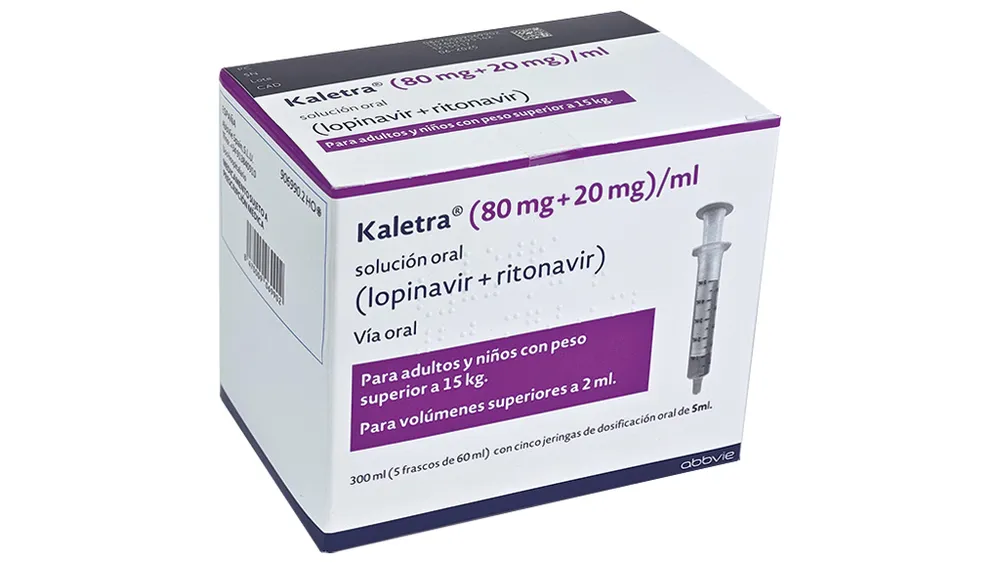
Table of Contents
Package leaflet: Information for the user
Introduction
Package leaflet: information for the user
Kaletra (80 mg + 20 mg)/ml oral solution
(lopinavir + ritonavir)
Read the entire leaflet carefully before you or your child start taking this medicine, because it contains important information for you.
-
Keep this leaflet, as you may need to read it again.
-
If you have any questions, consult your doctor or pharmacist.
-
This medicine has been prescribed for you or your child only and must not be given to other people, even if they have the same symptoms as you do, since it may harm them.
-
If you experience any adverse effects, consult your doctor or pharmacist, even if they are effects not listed in this leaflet. See section 4.
Contents of the leaflet
- What Kaletra is and what it is used for
- What you need to know before you or your child take Kaletra
- How to take Kaletra
- Possible side effects
- How to store Kaletra
- Contents of the pack and other information
1. What Kaletra is and what it is used for
- Your doctor has prescribed you Kaletra to help control your human immunodeficiency virus (HIV) infection. This is possible because Kaletra works by preventing the infection from spreading rapidly.
- Kaletra is not a cure for HIV infection or AIDS.
- Kaletra is used in children 14 days of age and older, adolescents, and adults infected with HIV, the virus that causes AIDS.
- Kaletra contains the active substances lopinavir and ritonavir. Kaletra is an antiretroviral medicine belonging to the group known as protease inhibitors.
- Kaletra is prescribed for use in combination with other antiviral medicines. Your doctor will inform you and decide which medicines are best for your case.
2. What you need to know before you or your child take Kaletra
Do not take Kaletra
- if you are allergic to lopinavir, ritonavir, or any of the other ingredients of this medicine (listed in section 6).
- if you have severe liver problems.
Do not take Kaletra with any of the following medicines:
- astemizole or terfenadine (commonly used to treat allergy symptoms – these medicines may be available without a prescription);
- oral midazolam (taken by mouth), triazolam (used to relieve anxiety and/or sleep problems);
- pimozide (used to treat schizophrenia);
- quetiapine (used to treat schizophrenia, bipolar disorder, and major depressive disorder);
- lurasidone (used to treat depression);
- ranolazine (used to treat chronic chest pain [angina pectoris]);
- cisapride (used to relieve certain stomach problems);
- ergotamine, dihydroergotamine, ergonovina, and methylergonovine (used to treat headaches);
- amiodarone, dronedarone (used to treat heart rhythm disorders);
- lovastatin, simvastatin (used to lower blood cholesterol);
- lomitapide (used to lower blood cholesterol);
- alfuzosin (used in men to treat symptoms of enlarged prostate [benign prostatic hyperplasia, BPH]);
- fusidic acid (used to treat skin infections caused by the bacterium Staphylococcus, such as impetigo and infected dermatitis). Fusidic acid is also used to treat long-term bone and joint infections under medical supervision (see section Other medicines and Kaletra);
- colchicine (a medicine used to treat gout). Do not take Kaletra with colchicine if you have liver or kidney problems (see section Other medicines and Kaletra);
- elbasvir/grazoprevir (used to treat chronic hepatitis C virus [HCV] infection);
- neratinib (used to treat breast cancer);
- avanafil or vardenafil (used to treat impotence);
- sildenafil when used to treat pulmonary hypertension (high blood pressure in the pulmonary artery). Sildenafil may be used for erectile dysfunction under medical supervision (see section Other medicines and Kaletra);
- products containing St. John’s wort (Hypericum perforatum).
For more information about other medicines that require special precautions, please refer to the list below under “Other medicines and Kaletra”.
If you are currently taking any of these medicines, consult your doctor to determine whether you need to change your treatment for other conditions or your antiretroviral therapy.
Warnings and precautions
Talk to your doctor or pharmacist before starting Kaletra.
Important information
- People taking Kaletra may still develop infections or other diseases associated with HIV and AIDS. Therefore, it is important that you remain under medical supervision while taking Kaletra.
Tell your doctor if you or your child have or have had
- Haemophilia types A and B, as Kaletra may increase the risk of bleeding.
- Diabetes, as increased blood sugar levels have been reported in patients taking Kaletra.
- A history of liver problems, as patients with a history of liver disease, including chronic hepatitis B or C, have a higher risk of developing severe and potentially life-threatening liver-related adverse effects.
Tell your doctor if you or your child experience
- Nausea, vomiting, abdominal pain, difficulty breathing, and severe muscle weakness in the arms and legs, as these may be symptoms of increased lactate levels.
- Thirst, frequent urination, blurred vision, or weight loss, as these may indicate high blood sugar levels.
- Nausea, vomiting, abdominal pain, as large increases in triglyceride levels (fats in the blood) are considered a risk factor for pancreatitis (inflammation of the pancreas), and the symptoms described may suggest this condition.
- In some patients with advanced HIV infection and a history of opportunistic infections, signs and symptoms of inflammation from previous infections may occur shortly after starting anti-HIV treatment. These symptoms are believed to result from improved immune response, allowing the body to fight infections that were previously asymptomatic.
- In addition to opportunistic infections, you may also develop autoimmune disorders (a condition where the immune system attacks healthy body tissue) after starting treatment for HIV infection. Autoimmune disorders may appear several months after treatment begins. If you notice any signs of infection or other symptoms such as muscle weakness, weakness starting in the hands and feet and moving up the trunk, palpitations, tremors, or hyperactivity, please inform your doctor immediately to receive appropriate treatment.
- Joint stiffness, pain, and discomfort (especially in the hip, knee, and shoulder) and difficulty moving, as some patients taking these medicines may develop a bone disease called osteonecrosis (death of bone tissue due to reduced blood supply to the bone). Risk factors for developing this condition include long-term use of combination antiretroviral therapy, corticosteroid use, alcohol consumption, severe immunosuppression (reduced immune system activity), and high body mass index.
- Muscle pain, discomfort, or weakness, particularly when taking these medicines. In rare cases, these muscle problems have been severe.
- Symptoms of dizziness, lightheadedness, fainting, or irregular heartbeat. Kaletra may cause changes in your heart rhythm and electrical activity. These changes may be seen on an ECG (electrocardiogram).
Other medicines and Kaletra
Tell your doctor or pharmacist if you or your child are taking, have recently taken, or might need to take any other medicines.
- antibiotics (e.g. rifampicin, rifabutin, clarithromycin);
- anticancer medicines (e.g. abemaciclib, afatinib, apalutamide, ceritinib, encorafenib, ibrutinib, venetoclax, most tyrosine kinase inhibitors such as dasatinib and nilotinib, and also vincristine and vinblastine);
- anticoagulants (e.g. dabigatran etexilate, edoxaban, rivaroxaban, warfarin);
- antidepressants (e.g. trazodone, bupropion);
- antiepileptic medicines (e.g. carbamazepine, phenytoin, phenobarbital, lamotrigine, valproate);
- antifungal medicines (e.g. ketoconazole, itraconazole, voriconazole);
- medicines for gout (e.g. colchicine). You must not take Kaletra with colchicine if you have liver or kidney problems (see also “Do not take Kaletra” above);
- medicines for tuberculosis (e.g. bedaquiline, delamanid);
- antiviral medicines used to treat chronic hepatitis C virus (HCV) infection in adults (e.g. glecaprevir/pibrentasvir, simeprevir, sofosbuvir/velpatasvir/voxilaprevir);
- medicines for erectile dysfunction (e.g. sildenafil, tadalafil);
- fusidic acid used for long-term treatment of bone and joint infections (e.g. osteomyelitis);
- heart medicines including:
- digoxin;
- calcium channel blockers (e.g. felodipine, nifedipine, nicardipine);
- medicines used to correct heart rhythm (e.g. bepridil, systemic lidocaine, quinidine);
- HIV CCR5 antagonists (e.g. maraviroc);
- HIV-1 integrase inhibitors (e.g. raltegravir);
- medicines used to treat low platelet count in blood (e.g. fostamatinib);
- levothyroxine (used to treat thyroid problems);
- medicines used to lower blood cholesterol (e.g. atorvastatin, lovastatin, rosuvastatin, simvastatin);
- medicines used to treat asthma and other lung-related conditions such as chronic obstructive pulmonary disease (COPD) (e.g. salmeterol);
- medicines used to treat pulmonary arterial hypertension (high blood pressure in the pulmonary artery) (e.g. bosentan, riociguat, sildenafil, tadalafil);
- medicines that affect the immune system (e.g. cyclosporine, sirolimus [rapamycin], tacrolimus);
- medicines used to help stop smoking (e.g. bupropion);
- painkillers (e.g. fentanyl);
- morphine-like medicines (e.g. methadone);
- oral contraceptives or contraceptive patches to prevent pregnancy (see section “Contraceptives” below);
- protease inhibitors (e.g. fosamprenavir, ritonavir, tipranavir);
- sedatives (e.g. injectable midazolam);
- steroids (e.g. budesonide, dexamethasone, fluticasone propionate, ethinylestradiol, triamcinolone);
- medicines that interact with alcohol (e.g. disulfiram).
For more information about other medicines you must not take if you are taking Kaletra, please refer to the list above under “Do not take Kaletra with any of the following medicines”.
Tell your doctor or pharmacist if you or your child are taking, have recently taken, or might need to take any other medicines, including those obtained without a prescription.
Medicines for erectile dysfunction (e.g. avanafil, vardenafil, sildenafil, tadalafil)
- Do not take Kaletra if you are currently taking avanafil or vardenafil.
- Do not take Kaletra with sildenafil when used to treat pulmonary hypertension (high blood pressure in the pulmonary artery) (see also section above Do not take Kaletra).
- If you take sildenafil or tadalafil together with Kaletra, you may be at risk of adverse reactions such as low blood pressure, fainting, vision changes, and prolonged penile erection lasting more than 4 hours. If an erection lasts longer than 4 hours, you must seek immediate medical attention to prevent permanent penile damage. Your doctor can explain these symptoms to you.
Contraceptives
- If you are taking oral contraceptives or using a contraceptive patch to prevent pregnancy, you should use an additional or different form of contraception (e.g. condom), as Kaletra may reduce the effectiveness of oral contraceptives and contraceptive patches.
Pregnancy and breastfeeding
- If you are pregnant, think you may be pregnant, or plan to become pregnant, consult your doctor immediately before using this medicine.
- If you are breastfeeding or planning to breastfeed, you should consult your doctor as soon as possible.
- If you are pregnant or breastfeeding, consult your doctor or pharmacist before taking this medicine, as it contains propylene glycol and alcohol.
- Women living with HIV are advised not to breastfeed their infants, as there is a risk that the child could become infected with HIV through breast milk.
Driving and using machines
No specific studies have been conducted on the possible effects of Kaletra on the ability to drive or use machines. Do not drive or operate machinery if you experience any adverse effects (e.g. nausea) that could impair your ability to do so safely. Consult your doctor.
Kaletra contains 42% v/v ethanol. The amount of alcohol in this medicine may affect your ability to drive or use machines and may impair your judgment and reaction times.
Important information about some of the ingredients of Kaletra
Kaletra contains 42% v/v alcohol and 15% w/v propylene glycol. Each mL of Kaletra oral solution contains 356.3 mg of alcohol and 152.7 mg of propylene glycol. Alcohol and propylene glycol may be harmful to individuals with liver disease, kidney disease, alcoholism, epilepsy, brain disease or injury, as well as to pregnant women and children. These substances may alter or increase the effects of other medicines.
At the recommended adult dose(s) of this medicine, the estimated blood alcohol concentration in your body is approximately 0.002–0.01 g/dL. This is equivalent to an adult consuming 4–22 mL of beer or 1–4 mL of wine.
Other medicines may also contain alcohol, and alcohol is present in food and beverages. The combined effects may lead to increased blood alcohol levels and increased alcohol-related side effects.
This medicine contains up to 0.8 g of fructose per dose when administered at the recommended doses. This may not be suitable for individuals with hereditary fructose intolerance. Because undiagnosed fructose intolerance may exist, this medicine should be administered to infants and children only after consultation with a doctor.
Kaletra contains glycerol, which may be harmful in high doses. It may cause headache, gastrointestinal discomfort, and diarrhea.
Kaletra contains polyoxyl 40 hydrogenated castor oil. At high doses, this may cause nausea, vomiting, cramps, and severe purging. It should not be administered in cases of intestinal obstruction.
Kaletra contains potassium in the form of potassium acesulfame, which may be harmful in individuals on a low-potassium diet. High blood potassium levels may cause stomach discomfort and diarrhea.
Kaletra contains sodium in the form of sodium saccharin, sodium chloride, and sodium citrate, which may be harmful in individuals on a low-sodium diet.
Kaletra contains sodium
This medicine contains less than 1 mmol of sodium (23 mg) per 1 mL; hence, it is essentially “sodium-free”.
3. How to take Kaletra
Kaletra should be taken exactly as prescribed by your doctor. Do not change the dose or stop taking it without consulting your doctor.
Kaletra can be taken with or without food. However, when Kaletra is used in combination with certain other medicines, it should be taken with food. Follow your doctor's instructions carefully.
Swallow the tablets whole. Do not crush, chew, or divide the tablets unless specifically instructed by your doctor.
For patients using the oral solution: Shake the bottle well before each use. Use the oral dosing syringe provided with the medicine to measure the correct amount. Do not use a household spoon to measure the dose.
Keep taking Kaletra for as long as your doctor tells you. Do not stop taking it even if you feel well, unless your doctor advises otherwise.
If you miss a dose, take it as soon as you remember. However, if it is almost time for your next dose, skip the missed dose and take the next dose at the regular time. Do not take a double dose to make up for a missed one.
If you have any questions about how to take Kaletra, ask your doctor or pharmacist.
Kaletra is recommended for use in adults and children aged 14 days and older who are infected with HIV.
Use caution when administering to children. The dose should be less than 5 ml twice daily in children weighing less than 40 kg.
If you or your child is able to swallow tablets, Kaletra is also available as 200 mg of lopinavir and 50 mg of ritonavir in film-coated tablets and as 100 mg of lopinavir and 25 mg of ritonavir in film-coated tablets.
Always take this medicine exactly as your doctor has told you. Consult your doctor or pharmacist if you have any doubts about how to take your medicine.
How and when to take Kaletra
For children aged 14 days and older and weighing up to 15 kg
- Your doctor will determine the appropriate dose based on the child's height and weight.
- It is important that all doses of Kaletra oral solution are taken with food.
- Use the provided 2 ml oral dosing syringe to measure the dose.
For children weighing more than 15 kg
- Your doctor will determine the correct dose based on the child's height and weight.
- It is important that all doses of Kaletra oral solution are taken with food.
- Use the provided 5 ml dosing syringe to measure the dose.
Use in adults
- The usual dose in adults is 5 ml of oral solution twice daily (e.g., every 12 hours), in combination with other anti-HIV medications. Your doctor will advise you on the amount of Kaletra you should take.
- It is important that all doses of Kaletra oral solution are taken with food.
- Use the provided 5 ml dosing syringe to measure the dose.
How do I measure the correct dose?
- If the dose is up to 2 ml – use the 2 ml oral dosing syringe to prepare a dose.
- If the dose is between 2 ml and 5 ml – use the 5 ml oral dosing syringe to prepare a dose.
Check with your pharmacist to ensure you have the correct size syringe. If you are unsure how to use the oral dosing syringe, consult your doctor, pharmacist, or nurse. They will show you how to use the syringe correctly.
Before using the dosing syringe for the first time, wash the plunger and syringe with lukewarm water and dishwashing soap. Rinse with clean water and allow to air dry.
Do not shake the bottle – this is because air bubbles may form, which could affect the accuracy of dose measurement.
Open the child-resistant cap by pressing down with the palm of your hand and turning it counterclockwise or in the direction of the arrow on the top of the cap. If you have difficulty opening the bottle, consult your pharmacist.
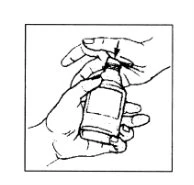
Using the oral dosing syringe up to 2 ml
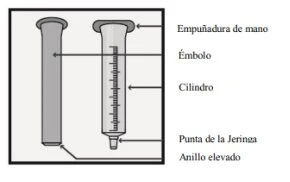
The syringe has two main parts, a 'plunger' and a 'barrel'. In this image we have removed the plunger so you can see each part clearly. |
|
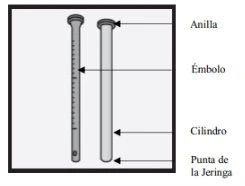
1. Push the plunger completely to the bottom of the cylinder. 2. Place the tip of the syringe into the liquid. 3. Pull up on the plunger until the correct dose amount appears on the plunger. You should see the 'ml' mark aligned with the top of the cylinder ring. 4. Turn the syringe so the tip points upward, gently tap it, and push the plunger to expel any air bubbles. |
|
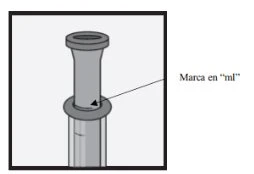
- After removing air bubbles, check the dose mark.
- If the "ml" mark on the ring is higher than the prescribed dose, push the plunger down to the prescribed dose.
- If the "ml" mark on the ring is lower than the prescribed dose, draw up more solution to reach the prescribed dose.
6 Place the oral dosing syringe into your child's mouth against the cheek, and gently push down the plunger to release the medication.
Replace the cap on the bottle after each dose.
Using the 5 ml oral dosing syringe for doses greater than 2 ml
The syringe has two main parts, a 'plunger' and a 'barrel'. In this image we have removed the plunger so you can see each part clearly. |
|
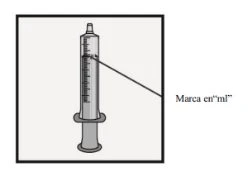
Turn the syringe so the tip is pointing upward, gently tap it, and push the plunger to remove any air bubbles.
|
|
-
If the "ml" mark on the raised ring is above the prescribed dose,
push the plunger to the prescribed dose. -
If the "ml" mark on the raised ring is below the prescribed dose, draw up
more solution to obtain the prescribed dose.
- Place the dosing syringe into your child's mouth against the cheek and gently push the plunger down to release the medication.
Replace the cap on the bottle after each dose.
After administering each dose of Kaletra, separate the plunger from the syringe barrel. Wash the plunger and syringe with dishwashing soap and lukewarm water as soon as possible; you may soak them in soapy water for up to 15 minutes. Rinse the syringe and plunger thoroughly with clean water.
Place the plunger into the syringe and flush several times with tap water to rinse. Allow the syringe to dry completely before using it again.
Do not use the dosing syringes provided with Kaletra oral solution to administer any other medication that you or your child may be taking.
If you or your child take more Kaletra than you should
- If you realize that you have taken more Kaletra than prescribed, inform your doctor immediately.
- If you cannot contact your doctor, go to the hospital.
If you or your child forget to take Kaletra
-
If you realize that you have missed a dose within 6 hours of your usual dosing time, take it as soon as possible, then continue with your regular dosing schedule, taking the next dose at the time prescribed by your doctor.
-
If more than 6 hours have passed since your usual dosing time, do not take the missed dose. Take the next dose at your regular time. Do not take a double dose to make up for a missed dose.
If you or your child stop taking Kaletra
- Do not stop taking or change your daily dose of Kaletra without first consulting your doctor.
- Kaletra must be taken twice daily to help control HIV, regardless of how well you may feel.
- Taking Kaletra as prescribed is the best way to delay the development of drug resistance.
- If an adverse reaction prevents you from taking Kaletra as directed, inform your doctor promptly.
- Always keep an adequate supply of Kaletra to avoid running out. When traveling or if you need to stay in the hospital, ensure you have enough medication until you can obtain more.
- Continue taking this medicine until your doctor tells you otherwise.
4. Possible adverse effects
Like all medicines, Kaletra can cause adverse effects, although not everyone experiences them. It may be difficult to distinguish between side effects caused by Kaletra and those caused by other medicines taken at the same time, or complications related to HIV infection.
During HIV treatment, there may be an increase in weight and in blood glucose and lipid levels. This may be partly related to the recovery of health, lifestyle, and, in the case of blood lipids, sometimes to HIV medicines themselves. Your doctor will monitor these changes.
The following adverse effects have been reported by patients taking this medicine. You must inform your doctor promptly about these or any other symptoms. Seek medical advice if they persist or worsen.
Very common: may affect more than 1 in 10 people:
- diarrhea;
- nausea;
- upper respiratory tract infection;
Common: may affect up to 1 in 10 people:
-
inflammation of the pancreas;
-
vomiting, abdominal swelling, pain in the upper and lower stomach area, transient flatulence, indigestion, decreased appetite, reflux from your stomach into your esophagus that may cause pain;
-
Inform your doctor if you experience nausea, vomiting, or abdominal pain, as these may be symptoms of pancreatitis (inflammation of the pancreas).
- swelling or inflammation of the stomach, intestine, and colon;
- increased blood cholesterol levels, increased blood triglyceride levels (a type of fat), high blood pressure;
- reduced ability of the body to metabolize sugar such as diabetes mellitus, weight loss;
- low red blood cell count, low white blood cell count which are usually used to fight infections;
- rash, eczema, accumulation of greasy skin scales;
- dizziness, anxiety, difficulty sleeping;
- feeling of tiredness, loss of strength and energy, headache including migraine;
- hemorrhoids;
- liver inflammation and increased liver enzymes;
- allergic reactions including hives and mouth swelling;
- lower respiratory tract infection;
- enlargement of lymph nodes;
- impotence, abnormally heavy or prolonged menstrual flow, or absence of menstruation;
- muscle problems such as muscle weakness and spasms, joint, muscle, and back pain;
- damage to nerves of the peripheral nervous system;
- night sweats, itching, rash including raised bumps on the skin, skin infection, inflammation of the skin or hair pores, accumulation of fluid in cells and tissues.
Uncommon: may affect up to 1 in 100 people:
- abnormal dreams;
- loss or change in taste sensation;
- hair loss;
- an electrocardiogram (ECG) abnormality called atrioventricular block;
- accumulation of platelets in arteries which may lead to heart attack and stroke;
- inflammation of blood vessels and capillaries;
- inflammation of the bile duct;
- uncontrollable body shaking;
- constipation;
- inflammation of veins related to a blood clot;
- dry mouth;
- inability to control sphincters;
- inflammation of the first section of the small intestine just after the stomach, wound or ulcer in the digestive tract, bleeding from the intestinal tract or rectum;
- presence of red blood cells in urine;
- yellowing of the skin or whites of the eyes (jaundice);
- fat deposits in the liver, increased liver size;
- testicular dysfunction;
- sudden flare-up of symptoms related to an inactive infection in your body (immune reconstitution syndrome);
- increased appetite;
- abnormally high blood levels of bilirubin (a pigment produced by the breakdown of red blood cells);
- decreased sexual desire;
- kidney inflammation;
- bone death caused by poor blood supply to the area (avascular necrosis);
- mouth sores or ulcers, inflammation of the stomach and intestine;
- kidney failure;
- breakdown of muscle fibers causing the release of their contents (myoglobin) into the bloodstream;
- ringing or other sounds in one or both ears, such as buzzing, ringing, or whistling (tinnitus);
- tremor;
- abnormal closure of one of the heart valves (tricuspid valve);
- dizziness (sensation of spinning);
- eye disorder, abnormal vision;
- weight gain;
Rare: may affect up to 1 in 1,000 people:
- skin rashes and severe or potentially life-threatening blisters (Stevens-Johnson syndrome and erythema multiforme);
Frequency not known: cannot be estimated from available data:
- kidney stones.
If you consider any of the adverse effects you experience to be severe, or if you notice any adverse effects not listed in this leaflet, inform your doctor or pharmacist.
Reporting of adverse effects
If you experience any type of adverse effect, consult your doctor or pharmacist, even if it is a possible adverse effect not listed in this leaflet. You may also report them directly through the national reporting system listed in Appendix V. By reporting adverse effects, you can help provide more information on the safety of this medicine.
5. Storage of Kaletra
- Keep this medicine out of the sight and reach of children.
- Do not use this medicine after the expiry date stated on the carton after EXP. The expiry date is the last day of the month indicated.
- Do not use this medicine if you notice that the solution has changed colour or contains particles.
How should I store Kaletra and for how long?
- Store in the refrigerator (between 2°C and 8°C).
- Storage during use: if kept outside the refrigerator, do not store above 25°C and discard any unused product after 42 days (6 weeks). It is recommended to write on the container the date when it was removed from the refrigerator.
- Store in the original packaging and replace the cap on the bottle after each dose. Do not transfer to any other container.
How should I dispose of unused Kaletra?
Medicines should not be disposed of via wastewater or household waste. Ask your pharmacist how to dispose of medicines and packaging you no longer need. This will help protect the environment.
6. Package contents and other information
Composition of Kaletra
The active substances are lopinavir and ritonavir.
Each ml of Kaletra oral solution contains 80 mg of lopinavir and 20 mg of ritonavir.
The other components are:
Ethanol, high fructose corn syrup, propylene glycol, purified water, glycerol, povidone, flavouring agent Magnasweet-110 (a mixture of monoammonium glycyrrhizinate and glycerol), vanilla flavour (containing p-hydroxybenzoic acid, p-hydroxybenzaldehyde, vanillic acid, vanillin, heliotropine, ethyl vanillin), polyoxyl 40 hydrogenated castor oil, cotton candy flavour (containing ethyl maltol, ethyl vanillin, acetoin, dihydrocoumarin, propylene glycol), acesulfame potassium, sodium saccharin, sodium chloride, peppermint oil, sodium citrate, citric acid, levomenthol.
Appearance of the product and contents of the pack
Kaletra oral solution is supplied in a 60 ml amber bottle. Each ml of Kaletra contains 80 mg of lopinavir and 20 mg of ritonavir.
Two pack sizes of Kaletra oral solution are available:
- 120 ml (2 bottles x 60 ml) with 2 syringes of 2 ml with graduations of 0.1 ml.
For volumes up to 2 ml. An alternative pack is available for larger volumes.
- 300 ml (5 bottles x 60 ml) with 5 syringes of 5 ml with graduations of 0.1 ml.
For volumes greater than 2 ml. An alternative pack is available for smaller volumes.
Marketing Authorization Holder:
AbbVie Deutschland GmbH & Co. KG, Knollstrasse, 67061 Ludwigshafen, Germany
Manufacturer:
AbbVie Deutschland GmbH & Co. KG, Knollstrasse, 67061 Germany
More information about this medicine is available upon request by contacting the local representative of the Marketing Authorization Holder.
Belgium/Belgium/Belgium AbbVie SA Tel/Tel: +32 10 477811 | Lithuania AbbVie UAB Tel: +370 5 205 3023 |
| Luxembourg/Luxembourg AbbVie SA Belgium/Belgium Tel/Tel: +32 10 477811 |
Czech Republic AbbVie s.r.o. Tel: +420 233 098 111 | Hungary AbbVie Kft. Tel.: +36 1 455 8600 |
Denmark AbbVie A/S Tlf: +45 72 30-20-28 | Malta V.J.Salomone Pharma Limited Tel: +356 22983201 |
Germany AbbVie Deutschland GmbH & Co. KG Tel: 00800 222843 33 (toll-free) Tel: +49 (0) 611/1720-0 | Netherlands AbbVie B.V. Tel: +31 (0)88 322 2843 |
Estonia AbbVie Biopharmaceuticals GmbH Eesti filiaal Tel: +372 6231011 | Norway AbbVie AS Tlf: +47 67 81 80 00 |
Greece AbbVie PHARMACEUTICAL S.A. Tel: +30 214 4165 555 | Austria AbbVie GmbH Tel: +43 1 20589-0 |
Spain AbbVie Spain, S.L.U. Tel: +34 91 384 09 10 | Poland AbbVie Polska Sp. z o.o. Tel.: +48 22 372 78 00 |
France AbbVie Tél: +33 (0)1 45 60 13 00 | Portugal AbbVie, Lda. Tel: +351 (0)21 1908400 |
Croatia AbbVie d.o.o. Tel: +385 (0)1 5625 501 | Romania AbbVie S.R.L. Tel: +40 21 529 30 35 |
Ireland AbbVie Limited Tel: +353 (0)1 4287900 | Slovenia AbbVie Biofarmacevtska družba d.o.o. Tel: +386 (1)32 08 060 |
Iceland Vistor hf. Tel: +354 535 7000 | Slovakia AbbVie s.r.o. Tel: +421 2 5050 0777 |
Italy AbbVie S.r.l. Tel: +39 06 928921 | Finland AbbVie Oy Puh/Tel: +358 (0)10 2411 200 |
Cyprus Lifepharma (Z.A.M.) Ltd Tel: +357 22 34 74 40 | Sweden AbbVie AB Tel: +46 (0)8 684 44 600 |
Latvia AbbVie SIA Tel: +371 67605000 |
Date of the most recent review of this leaflet:
Detailed information on this medicine is available on the European Medicines Agency website: https://www.ema.europa.eu
To request a copy of this leaflet in