Inpalix 6 mg prolonged-release tablets EFG
Spain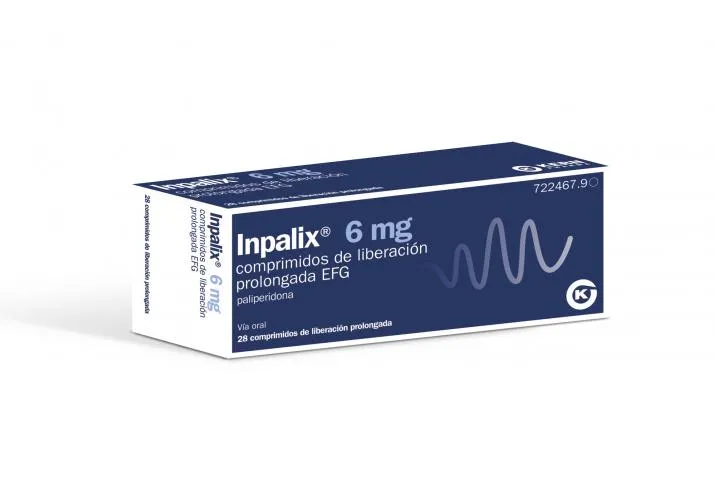
Table of Contents
Package leaflet: Information for the user
Introduction
Package leaflet: information for the user
Inpalix 6 mg prolonged-release tablets EFG
paliperidone
Read all of this leaflet carefully before you start taking this medicine because it contains important information for you.
- Keep this leaflet. You may need to read it again.
- If you have any questions, ask your doctor, pharmacist or nurse.
- This medicine has been prescribed for you only. Do not pass it on to others, even if they have the same symptoms as you, because it may harm them.
- If you experience any side effects, talk to your doctor, pharmacist or nurse, even if they are side effects not listed in this leaflet. See section 4.
Contents of this leaflet:
- What Inpalix is and what it is used for
- What you need to know before taking Inpalix
- How to take Inpalix
- Possible side effects
- How to store Inpalix
- Contents of the pack and other information
1. What Inpalix is and what it is used for
Paliperidone contains the active substance paliperidona, which belongs to a class of antipsychotic medicines.
Paliperidona is used to treat schizophrenia in adults and adolescents from the age of 15 years.
Schizophrenia is a disorder that causes symptoms such as hearing, seeing, or feeling things that do not exist, having false beliefs, excessive mistrust, social withdrawal, disorganized speech, and blunting of behavior and emotions. People with this disorder may also feel depressed, anxious, guilty, or tense.
Paliperidona is also used to treat schizoaffective disorder in adults.
Schizoaffective disorder is a mental condition in which a person experiences several of the symptoms of schizophrenia (listed in the paragraph above) as well as mood disorder symptoms (feelings of euphoria, sadness, agitation, distractibility, insomnia, pressured speech, loss of interest in daily activities, excessive or insufficient sleep, excessive or reduced food intake, and recurrent thoughts of suicide).
Paliperidona may help relieve the symptoms of your illness and prevent them from returning.
2. What you need to know before taking Inpalix
Do not take paliperidone
- if you are allergic to paliperidone, risperidone, or any of the other components of this medicine (listed in section 6).
Warnings and precautions
Talk to your doctor, pharmacist, or nurse before starting paliperidone.
- Patients with schizoaffective disorder treated with this medicine should be closely monitored for possible shifts from manic to depressive symptoms.
- This medicine has not been studied in elderly patients with dementia. However, elderly patients with dementia who are treated with similar medicines may have an increased risk of stroke or death (see section 4, Possible side effects).
- if you have Parkinson's disease or dementia.
- if you have ever been diagnosed with a condition characterized by high body temperature and muscle rigidity (also known as Neuroleptic Malignant Syndrome).
- if you have ever experienced abnormal movements of the tongue or face (Tardive Dyskinesia).
- You should be aware that these two disorders may be caused by this type of medicine.
- if you have previously had low levels of white blood cells (which may or may not have been caused by other medicines).
- if you have diabetes or are prone to diabetes.
- if you have heart disease or are being treated for heart conditions that may make you more susceptible to low blood pressure.
- if you have epilepsy.
- if you have a swallowing disorder, or stomach or intestinal problems that reduce your ability to swallow food or digest it with normal intestinal movements.
- if you have conditions associated with diarrhea.
- if you have kidney problems.
- if you have liver problems.
- if you experience prolonged and/or painful erection.
- if you have difficulty regulating body temperature or feel overheated.
- if you have abnormally high levels of prolactin hormone in the blood, or if you have a tumor that may be prolactin-dependent.
- if you or someone in your family has a history of blood clots, as antipsychotics have been associated with blood clot formation.
If you have any of these conditions, please consult your doctor, as a dose adjustment or monitoring may be necessary.
Due to the rare occurrence in patients treated with paliperidone of a dangerously low count of a type of white blood cells essential for fighting infections, your doctor may monitor your white blood cell count.
Paliperidone may cause weight gain. Significant weight gain can negatively affect your health. Your doctor will regularly monitor your weight.
Cases of diabetes mellitus or worsening of pre-existing diabetes mellitus have been observed in patients treated with paliperidone. Your doctor should check for signs of increased blood sugar. In patients with pre-existing diabetes mellitus, blood sugar levels should be monitored regularly.
During cataract surgery (clouding of the lens), the pupil (the black circle in the center of the eye) may fail to dilate as needed. Additionally, the iris (the colored part of the eye) may become floppy during surgery, which could lead to eye damage. If you are considering eye surgery, make sure to inform your ophthalmologist that you are taking this medicine.
Children and adolescents
Paliperidone must not be given to children and adolescents under 15 years of age for the treatment of schizophrenia.
Paliperidone must not be given to children and adolescents under 18 years of age for the treatment of schizoaffective disorder.
This is because it is unknown whether paliperidone is safe or effective in this age group.
Other medicines and paliperidone
Tell your doctor or pharmacist if you are taking, have recently taken, or might take any other medicines.
Abnormalities in heart electrical function may occur when this medicine is taken together with other medicines used to control heart rhythm, or other medicines such as antihistamines, antimalarials, or antipsychotics.
Since this medicine acts mainly in the brain, it may interact with other medicines (or alcohol) that also act on the brain, leading to additive effects on brain function.
This medicine may lower blood pressure, so caution is needed if taken together with other medicines that also lower blood pressure.
This medicine may reduce the effectiveness of medicines used for Parkinson's disease and restless legs syndrome (e.g., levodopa).
The effects of this medicine may be altered if taken with medicines that affect intestinal motility (e.g., metoclopramide).
Dose reduction of this medicine should be considered when administered concomitantly with valproate.
The use of oral risperidone together with this medicine is not recommended, as this combination may lead to an increase in adverse effects.
Taking paliperidone with alcohol
You should avoid consuming alcohol during treatment with this medicine.
Pregnancy and breastfeeding
If you are pregnant, breastfeeding, think you may be pregnant, or are planning to become pregnant, consult your doctor or pharmacist before taking this medicine.
Do not take this medicine during pregnancy unless discussed with your doctor.
The following symptoms may occur in newborn babies whose mothers have been treated with paliperidone during the third trimester of pregnancy (last three months): tremors, muscle stiffness and/or weakness, drowsiness, agitation, breathing difficulties, and feeding problems. If your baby develops any of these symptoms, contact your doctor immediately.
You must not breastfeed while taking this medicine.
Driving and using machines
During treatment with this medicine, dizziness and vision problems may occur (see section 4, Possible side effects). This should be taken into account when maximum attention is required, for example, when driving or operating machinery.
Warnings about excipients
This medicine contains less than 1 mmol of sodium (23 mg) per tablet; that is, essentially "sodium-free".
3. How to take Inpalix
Follow exactly the instructions for administration of this medicine as given by your doctor. If in doubt, consult your doctor, pharmacist, or nurse.
Use in adults
The recommended dose for adults is 6 mg once daily in the morning. Your doctor may increase or decrease your dose within the dosage range of 3 mg to 12 mg once daily in the case of schizophrenia, or 6 mg to 12 mg once daily in the case of schizoaffective disorder. This depends on how well the medicine works for you.
Use in adolescents
The recommended starting dose for the treatment of schizophrenia in adolescents aged 15 years and older is 3 mg once daily taken in the morning.
For adolescents weighing 51 kg or more, the dose may be increased within the range of 6 mg to 12 mg once daily.
For adolescents weighing less than 51 kg, the dose may be increased to 6 mg once daily.
Your doctor will decide how much to prescribe. The dose you receive depends on how well the medicine works for you.
How and when to take paliperidone
This medicine must be taken orally, swallowed whole with water or other liquids. It must not be chewed, broken, or crushed.
This medicine should be taken in the morning with breakfast or on an empty stomach, but always in the same way each day. Do not alternate between taking the medicine with breakfast one day and on an empty stomach the next.
The active substance, paliperidone, dissolves after swallowing, and the tablet shell is eliminated from the body through the faeces.
Patients with kidney problems
Your doctor may adjust the dose of this medicine according to your kidney function.
Elderly patients
Your doctor may reduce your dose if you have reduced kidney function.
If you take more paliperidone than you should
In case of overdose or accidental ingestion, consult your doctor or pharmacist, or go immediately to the nearest hospital, or call the Toxicology Information Service. Telephone: 91 562 04 20, indicating the medicine and the amount ingested. You may experience drowsiness, fatigue, abnormal body movements, difficulty standing or walking, dizziness due to low blood pressure, and changes in heart rhythm.
If you forget to take paliperidone
Do not take a double dose to make up for missed doses. If you miss a dose, take the next dose the following day. If you miss two or more doses, contact your doctor.
If you stop taking paliperidone
Do not stop taking this medicine, as you will lose the medicine's beneficial effects. You should not discontinue this medicine unless instructed by your doctor, as your symptoms may return.
If you have any further questions about the use of this medicine, ask your doctor, pharmacist, or nurse.
4. Possible adverse effects
Like all medicines, this medicine can cause adverse effects, although not everyone experiences them.
Inform your doctor immediately if:
- You develop blood clots in the veins, especially in the legs (symptoms include swelling, pain, and redness of the leg), which may travel through blood vessels to the lungs causing chest pain and difficulty breathing. If you notice any of these symptoms, seek medical advice immediately.
- You have dementia and experience a sudden change in mental status, or sudden weakness or numbness of the face, arms, or legs, especially on one side, or have difficulty speaking, even for a brief period. These may be signs of a stroke.
- You develop fever, muscle stiffness, sweating, or decreased level of consciousness (a disorder known as "Neuroleptic Malignant Syndrome"). Immediate medical treatment may be required.
- You are a man and experience a prolonged or painful erection. This is known as priapism. Immediate medical treatment may be required.
- You experience involuntary rhythmic movements of the tongue, mouth, or face. Discontinuation of paliperidone may be necessary.
- You experience a severe allergic reaction characterized by fever, swelling of the mouth, face, lips, or tongue, difficulty breathing, itching, skin rash, and sometimes a drop in blood pressure (i.e., an "anaphylactic reaction").
Very common: may affect more than 1 in 10 patients
- Difficulty falling or staying asleep
- Parkinsonism: This condition may include slow or altered movement, a sensation of muscle stiffness or tightness (causing jerky movements), and sometimes a feeling of "freezing" of movement that subsequently restarts. Other signs of parkinsonism include shuffling gait, resting tremor, increased saliva and/or drooling, and loss of facial expression.
- Restlessness
- Feeling drowsy or less alert/awake
- Headache
Common: may affect up to 1 in 10 patients
- Chest infection (bronchitis), symptoms of a common cold, nasal infection, urinary tract infection, feeling as if you have the flu
- Weight gain, increased appetite, weight loss, decreased appetite
- Euphoria (mania), irritability, depression, anxiety
- Dystonia: A condition involving involuntary, slow, or sustained muscle contractions. Although any part of the body may be affected (and may lead to abnormal postures), dystonia frequently affects facial muscles, including abnormal eye, mouth, tongue, or jaw movements.
- Dizziness
- Dyskinesia: A condition involving involuntary muscle movements, which may include repetitive, spasmodic, or twisting movements, or spasms.
- Tremor
- Blurred vision
- Conduction disturbances between the upper and lower chambers of the heart, abnormalities in the heart's electrical conduction, QT interval prolongation on the electrocardiogram, slow heart rate, fast heart rate
- Decreased blood pressure upon standing (as a result, some people taking paliperidone may feel weak, dizzy, or faint when standing or sitting up suddenly), increased blood pressure
- Sore throat, cough, nasal congestion
- Abdominal pain or discomfort, vomiting, nausea, constipation, diarrhea, indigestion, dry mouth, toothache
- Increased liver transaminases in the blood
- Itching, skin rash
- Bone or muscle pain, back pain, joint pain
- Absence of menstrual periods
- Fever, weakness, fatigue (tiredness)
Uncommon: may affect up to 1 in 100 patients
- Pneumonia, respiratory tract infection, bladder infection, ear infection, tonsillitis
- Decreased number of white blood cells, decreased platelets (blood cells that help stop bleeding), anemia, decreased number of red blood cells
- Paliperidone may increase levels of a hormone called "prolactin" detectable in blood tests (which may or may not cause symptoms). When symptoms of elevated prolactin occur, they may include: (in men) breast enlargement, difficulty achieving or maintaining erections or other sexual dysfunction; (in women) breast discomfort, milk secretion from the breasts, absence of menstrual periods, or other menstrual cycle problems
- Diabetes or worsening of diabetes, increased blood sugar, increased waist circumference, loss of appetite leading to malnutrition and weight loss, increased blood triglycerides (a type of fat)
- Sleep disorder, confusion, decreased sexual desire, inability to achieve orgasm, nervousness, nightmares
- Tardive dyskinesia (spasms or uncontrollable spasmodic movements of the face, tongue, or other body parts). Inform your doctor immediately if you experience involuntary rhythmic movements of the tongue, mouth, or face. Discontinuation of paliperidone may be necessary.
- Seizures (epileptic fits), fainting, restlessness causing body movements, dizziness upon standing, attention disturbances, speech problems, loss or changes in taste, decreased skin sensitivity to pain or touch, tingling, prickling, or numbness of the skin
- Light sensitivity of the eyes, eye infection, or "red eye," dry eyes
- Sensation of spinning (vertigo), ringing in the ears, ear pain
- Irregular heartbeat, abnormal electrical activity of the heart (electrocardiogram or ECG), sensation of fluttering or pounding in the chest (palpitations)
- Decreased blood pressure
- Difficulty breathing, wheezing (whistling in the chest), nosebleeds
- Swelling of the tongue, stomach or intestinal infection, difficulty swallowing, excess gas or flatulence
- Increased GGT (a liver enzyme called gamma-glutamyl transferase) in blood, increased liver enzymes in blood
- Hives (or "urticaria"), hair loss, eczema, acne
- Increased CPK (creatine phosphokinase) in blood, an enzyme sometimes released during muscle breakdown, muscle spasms, joint stiffness, joint swelling, muscle weakness, neck pain
- Urinary incontinence (loss of bladder control), frequent urination, inability to pass urine, painful urination
- Erectile dysfunction, ejaculation disorder
- Absence of menstrual periods or other menstrual cycle problems (women), milk secretion from the breasts, sexual dysfunction, breast pain, breast discomfort
- Swelling of the face, mouth, eyes, or lips, body swelling, arms or legs swelling
- Chills, increased body temperature
- Change in walking pattern
- Feeling of thirst
- Chest pain, chest discomfort, feeling of uneasiness
- Falls
Rare: may affect up to 1 in 1,000 patients
- Eye infection, fungal infection of the nails, skin infection, skin inflammation caused by mites
- Dangerously low number of a type of white blood cells needed to fight infections
- Decreased number of a type of white blood cells that help fight infections, increased eosinophils (a type of white blood cell) in blood
- Severe allergic reaction characterized by fever, swelling of the mouth, face, lips, or tongue, difficulty breathing, itching, skin rash, and sometimes drop in blood pressure, allergic reaction
- Sugar in the urine
- Inappropriate secretion of a hormone that controls urine volume
- Life-threatening complications of uncontrolled diabetes
- Dangerously excessive water intake, decreased blood sugar, excessive water intake, increased blood cholesterol
- Sleepwalking
- Absence of emotions
- Neuroleptic Malignant Syndrome (confusion, decreased or loss of consciousness, high fever, and severe muscle rigidity)
- Loss of consciousness, balance disorder, abnormal coordination
- Problems in the blood vessels of the brain, coma due to uncontrolled diabetes, unresponsiveness to stimuli, decreased level of consciousness, head tremor
- Glaucoma (increased pressure in the eyeball), increased tearing, eye redness, eye movement problems, eye rolling
- Atrial fibrillation (abnormal heart rhythm), fast heartbeat upon standing
- Blood clots in the veins, especially in the legs (symptoms include swelling, pain, and redness of the leg), which may travel through blood vessels to the lungs causing chest pain and difficulty breathing. If you experience any of these symptoms, seek immediate medical help.
- Decreased oxygen supply to parts of the body (due to reduced blood flow), flushing
- Breathing problems during sleep (sleep apnea), rapid, shallow breathing
- Pneumonia caused by aspiration of food, respiratory congestion, voice disorder
- Intestinal obstruction, fecal incontinence, very hard stools, absence of intestinal movement leading to obstruction
- Yellowing of the skin and eyes (jaundice)
- Pancreatitis (inflammation of the pancreas)
- Severe allergic reaction with swelling, which may affect the throat causing breathing difficulty
- Skin thickening, dry skin, skin redness, skin discoloration, scaly and itchy skin or scalp, dandruff
- Muscle fiber rupture and muscle pain (rhabdomyolysis), abnormal posture
- Priapism (a prolonged erection that may require surgical treatment)
- Breast development in men, enlarged mammary glands, milk secretion from the breasts, vaginal secretion
- Delayed menstrual periods, breast enlargement
- Very low body temperature, decreased body temperature
- Medication withdrawal symptoms
Not known: frequency cannot be estimated from available data
- Lung congestion
- Increased insulin (a hormone that controls blood sugar levels) in blood
The following adverse effects have been reported with the use of another medicine called risperidone, which is very similar to paliperidona; therefore, they are also expected to occur with paliperidona: sleep-related eating disorder, other types of blood vessel problems in the brain, and crackling lung sounds. Eye problems may also occur during cataract surgery. During cataract surgery, a disturbance called intraoperative floppy iris syndrome (IFIS) may occur if you are taking or have taken paliperidone. If you need to undergo cataract surgery, make sure to inform your ophthalmologist if you are taking or have taken this medicine.
Additional adverse effects in adolescents
Adolescents generally experienced adverse effects similar to those observed in adults, except for the following effects, which were detected more frequently:
- Feeling drowsy or less alert/awake
- Parkinsonism: This condition may include slow or altered movement, a sensation of muscle stiffness or tightness (causing jerky movements), and sometimes a feeling of "freezing" of movement that subsequently restarts. Other signs of parkinsonism include shuffling gait, resting tremor, increased saliva and/or drooling, and loss of facial expression.
- Weight gain
- Symptoms of a common cold
- Restlessness
- Tremor
- Stomach pain
- Milk secretion from the breasts in girls
- Breast swelling in boys
- Acne
- Speech problems
- Stomach or intestinal infection
- Nosebleeds
- Ear infection
- High blood triglycerides (a type of fat)
- Sensation of movement (vertigo)
Reporting of adverse effects
If you experience any adverse effects, consult your doctor, pharmacist, or nurse, even if they are not listed in this leaflet. You can also report them directly via the Spanish Pharmacovigilance System for Human Medicines: https://www.notificaram.es. By reporting adverse effects, you can help provide more information on the safety of this medicine.
5. Storage of Inpalix
Keep this medicine out of the sight and reach of children.
This medicine does not require any special storage temperature. Store in the original packaging to protect from moisture.
Do not use this medicine after the expiry date stated on the blister and on the carton after EXP. The expiry date is the last day of the month indicated.
Medicines should not be disposed of via wastewater or household waste. Dispose of empty containers and unused medicines at the SIGRE collection point at your pharmacy. If you are unsure, ask your pharmacist how to dispose of containers and medicines you no longer need. This will help protect the environment.
6. Contents of the pack and other information
Composition of Inpalix
-
The active substance is paliperidone. Each prolonged-release tablet contains 6 mg of paliperidone.
-
The other components are:
-
Tablet core: macrogol, butylated hydroxytoluene (E321), povidone, sodium chloride, microcrystalline cellulose, magnesium stearate and red iron oxide (E172).
-
Coated tablets (intermediate): hydroxypropylcellulose.
-
Semi-permeable coating: cellulose acetate and macrogol.
-
Coating: hypromellose, titanium dioxide (E170), talc, propylene glycol and yellow iron oxide (E172).
-
Printing ink: shellac, black iron oxide (E172) and propylene glycol.
Appearance of the product and contents of the pack
Prolonged-release, round, biconvex tablets, brownish-yellow in colour, marked with "P6" on one side.
Supplied in aluminium (oPA/Al/PVC)/aluminium blisters, in packs of 28 tablets.
Marketing Authorisation Holder
Kern Pharma, S.L.
Venus, 72 – Pol. Ind. Colón II
08228 Terrassa – Barcelona
Spain
Manufacturer
Krka, d.d., Novo mesto
Šmarješka cesta 6
8501 Novo mesto
Slovenia
Date of the most recent review of this leaflet: July 2018.
Detailed and up-to-date information on this medicinal product is available on the website of the Spanish Agency of Medicines and Health Products (AEMPS) http://www.aemps.gob.es/