Imurel 50 mg film-coated tablets
Spain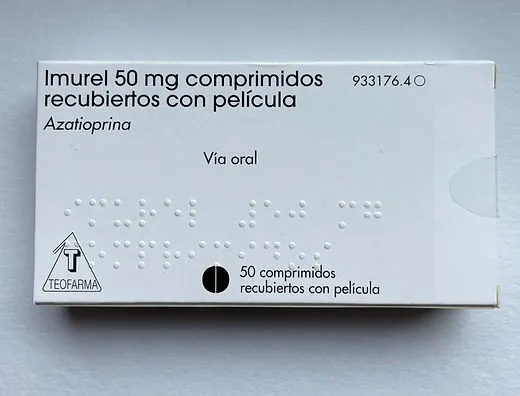
Table of Contents
- Package leaflet: Information for the user
- Introduction
- **Imurel 50 mg film-coated tablets**
- Azathioprine
- 1. What Imurel is and what it is used for
- 2. What you need to know before taking Imurel
- 3. How to take Imurel
- 4. Possible adverse effects
- 5. Storage of Imurel
- 6. Contents of the pack and other information
Package leaflet: Information for the user
Introduction
Package leaflet: information for the user
Imurel 50 mg film-coated tablets
Azathioprine
Read this entire leaflet carefully before you start taking this medicine, as it contains important information for you.
- Keep this leaflet, as you may need to read it again.
- If you have any questions, consult your doctor or pharmacist.
- This medicine has been prescribed for you only, and you should not give it to others, even if they have the same symptoms as you, because it may harm them.
- If you experience any adverse effects, consult your doctor or pharmacist, even if they are adverse effects not listed in this leaflet. See section 4.
Contents of the leaflet
- What Imurel is and what it is used for
- What you need to know before taking Imurel
- How to take Imurel
- Possible side effects
- How to store Imurel
- Contents of the pack and other information
1. What Imurel is and what it is used for
Imurel is an immunosuppressive medicine, which means that it reduces the activity of the immune system.
Your doctor will prescribe it:
1.- Alone or in combination with other medicines, to prevent rejection in patients who have received organ transplants, such as kidney, heart, and liver.
2.- For the treatment of moderate to severe inflammatory bowel disease (ulcerative colitis and Crohn's disease).
3.- For the treatment of certain types of multiple sclerosis (clinically defined relapsing-remitting).
4.- For severe forms of immune disorders (such as rheumatoid arthritis, systemic lupus erythematosus, dermatomyositis-polymyositis, autoimmune chronic active hepatitis, pemphigus vulgaris, polyarteritis nodosa, autoimmune hemolytic anemia, idiopathic thrombocytopenic purpura, and pyoderma gangrenosum).
2. What you need to know before taking Imurel
Do not take Imurel
-
if you are allergic to azathioprine, mercaptopurine, or any of the other ingredients of this medicine (listed in section 6). Allergic reactions include skin rash, itching, difficulty breathing, and swelling of the face, lips, throat, or tongue,
-
if you have a serious infection,
-
if you have a severe disorder of the liver or bone marrow,
-
if you have pancreatitis (inflammation of the pancreas),
-
if you have recently been vaccinated with live vaccines, for example, against smallpox or yellow fever,
-
if you are pregnant (unless directed by your doctor),
-
if you are breastfeeding.
Inform your doctor or pharmacist if you have ever had to stop taking this medicine due to allergy or any other problem.
Warnings and precautions
Consult your doctor or pharmacist before starting to take Imurel:
-
If you have any kidney or liver problems.
-
If your body produces low levels or a defective form of the enzyme thiopurine methyltransferase (TPMT). It is recommended to assess TPMT enzyme activity before starting treatment.
-
If you have hypoxanthine-guanine phosphoribosyltransferase deficiency (Lesch-Nyhan syndrome).
-
If you have had hepatitis B.
-
If you have had chickenpox or herpes zoster. Chickenpox or herpes infection may become severe in patients taking immunosuppressive medicines. Therefore, avoid contact with anyone who has chickenpox or herpes. Consult your doctor if you come into contact with someone who has one of these infections.
-
If you are due to be vaccinated, consult your doctor beforehand. Imurel may affect the activity of the vaccine or your response to it.
-
If you are being treated with Imurel, you must be adequately monitored by your doctor during treatment with this medicine.
-
If you are being treated with Imurel and notice any signs of infection, unexpected bruising, bleeding, or any other circulatory problems, you must inform your doctor immediately.
Some patients treated with Imurel in combination with other immunosuppressive agents have developed an infection (progressive multifocal leukoencephalopathy) caused by a virus known as JC virus. If you experience any symptoms of infection, consult your doctor.
Patients receiving immunosuppressive therapy may have an increased risk of developing cancer, particularly non-Hodgkin lymphoma, sarcoma (e.g., Kaposi’s sarcoma and others), localized uterine cancer, and skin cancer. The risk is related to the intensity and duration of treatment rather than to the use of a specific medicine. Avoid excessive exposure to sunlight, wear protective clothing, and use high-protection-factor sunscreens.
Vitamin B3 deficiency (pellagra)
Inform your doctor immediately if you experience diarrhea, pigmented skin rash, and memory impairment, reasoning difficulties, or thinking problems, as these symptoms may indicate vitamin B3 deficiency (nicotinic acid deficiency/ pellagra).
If you are receiving immunosuppressive treatment, taking Imurel may also increase your risk of lymphoproliferative disorders:
- Treatment with Imurel increases your risk of developing a type of cancer called lymphoproliferative disorder. With treatment containing multiple immunosuppressants (including thiopurines), this may lead to death.
- The combination of multiple immunosuppressants administered simultaneously increases the risk of lymphatic system disorders due to viral infection (Epstein-Barr virus (EBV)-associated lymphoproliferative disorders).
Taking Imurel may increase your risk of developing a serious condition called macrophage activation syndrome (excessive activation of white blood cells associated with inflammation), which usually occurs in people with certain types of arthritis.
Some patients with inflammatory bowel disease treated with Imurel and anti-TNF medicines at the same time have developed a severe, potentially fatal type of lymphoma.
Consult your doctor, even if any of the above circumstances have occurred in the past.
If the film-coated tablet needs to be split in half, avoid skin contact with the tablet powder or the broken surface.
Blood tests:
You should have a blood test once a week for the first eight weeks of treatment. More frequent blood tests may be required if you:
- are elderly,
- are taking a high dose,
- have a liver or kidney disorder,
- have a bone marrow disorder,
- have an overactive spleen (hypersplenism),
- are simultaneously taking certain medicines, such as:
- ACE inhibitors (treatments for high blood pressure or heart failure),
- trimethoprim/sulfamethoxazole (cotrimoxazole) (antibiotic),
- cimetidine (treatment for gastrointestinal ulcers),
- indomethacin (anti-rheumatic medicine).
It is important to use an effective method of contraception (such as condoms), as azathioprine may cause birth defects when taken by either men or women.
Liver injury
Treatment with Imurel may affect the liver, and your doctor will periodically monitor your liver function. Inform your doctor if you experience symptoms of liver injury (see section 4 “Possible side effects”).
Warning:
Discontinuation of azathioprine treatment must be done under strict medical supervision. Consult your doctor.
Taking Imurel with other medicines
Inform your doctor or pharmacist if you are taking or have recently taken any other medicines, including those obtained without a prescription.
Treatment with Imurel 50 mg film-coated tablets may affect blood cells; therefore, blood tests may be performed while you are receiving treatment. As treatment progresses, the frequency of these tests may be reduced. Other medicines also affect blood cells, and their effects may be increased if taken together with Imurel 50 mg film-coated tablets. You must inform your doctor if you are taking any of the following medicines:
- Methotrexate (used mainly in cancer treatment).
- Penicillamine (used mainly in the treatment of rheumatoid arthritis).
- ACE inhibitors (medicines used mainly in the treatment of hypertension and heart failure).
- Cimetidine (used mainly in the treatment of stomach ulcers and indigestion).
- Indomethacin (used mainly to relieve pain and inflammation).
- Cotrimoxazole (used in the treatment of infections).
The following medicines may interact with Imurel 50 mg film-coated tablets. Inform your doctor if you are taking any of them:
- Vaccines (used to prevent diseases).
- Ribavirin (used for the treatment of viral infections).
- Allopurinol/oxipurinol/thiopurinol or other xanthine oxidase inhibitors such as febuxostat (used mainly in the treatment of gout).
- Anticoagulants such as acenocoumarol or warfarin (used in the prevention of blood clots).
- Olsalazine, mesalazine, or sulfasalazine (used mainly in the treatment of ulcerative colitis).
- Muscle relaxants such as curare, d-tubocurarine, pancuronium, or suxamethonium.
- Furosemide (may be used to reduce swelling due to excess fluid).
- Other immunosuppressants such as cyclosporine or tacrolimus.
- Infliximab (treatment for Crohn’s disease).
- Before undergoing surgery, inform the anesthesiologist that you are taking azathioprine, as muscle relaxants used during anesthesia may interact with azathioprine.
Pregnancy, breastfeeding, and fertility
Inform your doctor immediately if you experience severe itching without rash during pregnancy. You may also experience nausea and loss of appetite along with itching, which may indicate a condition called intrahepatic cholestasis of pregnancy (a liver disorder occurring during pregnancy). This condition may harm the fetus.
If you are pregnant, you should not take azathioprine unless instructed by your doctor. Inform your doctor if you are pregnant or suspect you may be pregnant. All patients of reproductive age, both men and women, should use a contraceptive method other than an intrauterine device (e.g., copper IUD or hormonal IUD). You should continue using contraception for three months after stopping azathioprine treatment.
You must not breastfeed during treatment with azathioprine, as metabolites formed in the body pass into breast milk and may harm your baby.
If you are pregnant or breastfeeding, think you may be pregnant, or plan to become pregnant, consult your doctor or pharmacist before using this medicine.
Driving and using machines
You may drive and operate machinery safely while being treated with azathioprine, unless you feel dizzy. Dizziness may increase if you consume alcohol. Do not drive or operate machinery if you have consumed alcohol.
Imurel contains lactose
This medicine contains lactose. If your doctor has informed you that you have an intolerance to certain sugars, consult him before taking this medicine.
3. How to take Imurel
Follow exactly the instructions given by your doctor for taking this medicine. If in doubt, consult your doctor or pharmacist again.
Your doctor will determine how long you should be treated with Imurel. Do not stop treatment prematurely.
If you feel that the effect of Imurel is too strong or too weak, inform your doctor or pharmacist.
The recommended dose is:
Recommended dose in adults and children:
In transplant patients: initial dose of 5 mg/kg/day on the first day of treatment. The maintenance dose should be in the range of 1–4 mg/kg/day.
When oral administration is not possible, a dose of 1–2.5 mg/kg/day should be administered intravenously.
In inflammatory bowel disease: a dose within the range of 2–3 mg/kg/day for at least 12 months, as response may not become evident until 3–4 months after starting treatment.
In multiple sclerosis: the usual dose is 2.5 mg/kg/day given in one to three divided doses. Treatment should continue for a minimum of one year. Treatment may be discontinued after five years without new relapses or disease progression. Multiple sclerosis is not a common disease in children; therefore, the use of Imurel 50 mg tablets is not recommended in children with this condition.
In active chronic hepatitis: dose of 1–1.5 mg/kg/day.
In other conditions: initial dose of 2–2.5 mg/kg/day.
Patients with liver or kidney problems:
In these patients, a dose reduction should be considered. Patients with severe liver problems should not take this medicine (see section 2. Do not take Imurel).
Patients aged 65 years and older:
Elderly patients may require a reduced dose.
Method of administration:
This medicine is taken orally.
Tablets must not be divided and should be swallowed whole with at least one glass of liquid (200 ml). It is recommended to take Imurel tablets during meals to avoid gastrointestinal discomfort.
If you take more Imurel than you should
It is very important to adhere strictly to the dose prescribed by your doctor.
If you ingest a much higher amount than prescribed, seek medical attention immediately or contact the nearest hospital emergency department. Bring this leaflet with you.
In case of overdose or accidental ingestion, contact your doctor or pharmacist immediately or call the Toxicology Information Service at telephone number 915 620 420, indicating the medicine and the amount ingested.
If you forget to take Imurel
Do not take a double dose to make up for missed doses. Take the next dose at the scheduled time and inform your doctor about any doses you may have missed.
If you have any further questions about the use of this medicine, ask your doctor or pharmacist.
4. Possible adverse effects
Like all medicines, this medicine can cause adverse effects, although not everyone experiences them.
Infections and infestations:
Very common (affecting more than 1 in 10 patients): infections caused by viruses, bacteria, and fungi in transplant recipients receiving Imurel 50 mg film-coated tablets alone or in combination with other immunosuppressants, especially corticosteroids.
Uncommon (affecting between 1 and 10 in 1,000 patients): infections caused by viruses, bacteria, and fungi in other patient groups. Reactivation of hepatitis B, varicella-zoster virus, and other infectious agents.
Very rare (affecting fewer than 1 in 10,000 patients): infection caused by JC virus and associated with a disease called progressive multifocal leukoencephalopathy, in patients treated with Imurel in combination with other immunosuppressants.
Neoplasms (benign, malignant and unspecified tumours) (including cysts and polyps):
Rare (affecting between 1 and 10 in 10,000 patients): various tumours, skin cancer, sarcomas (Kaposi's sarcoma or others), cervical cancer. Inform your doctor if you develop skin lesions or if any existing skin marks change.
Very rare (affecting fewer than 1 in 10,000 patients): lymphoma (a type of blood cancer).
Blood and lymphatic system disorders:
Very common (affecting more than 1 in 10 patients): bone marrow disorders; decrease in white blood cells.
Common (affecting between 1 and 10 in 100 patients): decrease in platelets.
Uncommon (affecting between 1 and 10 in 1,000 patients): anaemia.
Rare (affecting between 1 and 10 in 10,000 patients): other blood disorders (agranulocytosis, pancytopenia, megaloblastic anaemia, aplastic anaemia, erythroid hypoplasia).
Very rare (affecting fewer than 1 in 10,000 patients): haemolytic anaemia, eosinophilia; cases of virus-associated (CMV, EBV) haemophagocytic histiocytosis have been reported following azathioprine use.
Immune system disorders:
Uncommon (affecting between 1 and 10 in 1,000 patients): allergic-type reactions which may include the following signs: skin redness, skin nodules or skin rash (including blisters, itching or skin peeling).
Very rare (affecting fewer than 1 in 10,000 patients): severe skin reactions (Stevens-Johnson syndrome and toxic epidermal necrolysis), anaphylactic reaction and Sweet's syndrome.
Frequency not known (cannot be estimated from available data): drug reaction with eosinophilia and systemic symptoms (DRESS).
Following administration of Imurel film-coated tablets, clinical manifestations due to allergic-type reactions have been reported: malaise, dizziness, nausea, vomiting, diarrhoea, fever, numbness, rashes, vasculitis (inflammation of blood vessels), muscle and joint pains, liver and kidney disorders, and hypotension (low blood pressure), chest pain, difficulty breathing or swollen legs (heart problems). If you experience any of these symptoms shortly after taking Imurel 50 mg film-coated tablets, stop taking the medicine and consult your doctor immediately or go to the nearest hospital emergency department.
Nervous system disorders:
Very rare (affecting fewer than 1 in 10,000 patients): worsening of myasthenia gravis (up to causing myasthenic crisis), paraesthesia, polyneuritis.
Frequency not known (cannot be estimated from available data): reversible brain swelling with symptoms such as severe headache, vision disturbances, seizures, confusion and decreased level of consciousness, with or without high blood pressure (posterior reversible encephalopathy syndrome or PRES), tremor.
Cardiac disorders:
Very rare (affecting fewer than 1 in 10,000 patients): atrial fibrillation.
Respiratory, thoracic and mediastinal disorders:
Very rare (affecting fewer than 1 in 10,000 patients): reversible pneumonitis (inflammation of lung tissue), alveolitis. Inform your doctor if you develop cough or difficulty breathing similar to a lung infection.
Gastrointestinal disorders:
Common (affecting between 1 and 10 in 100 patients): nausea, especially in patients taking it for the first time, which can be avoided by taking the tablets after meals. Anorexia with occasional vomiting.
Uncommon (affecting between 1 and 10 in 1,000 patients): pancreatitis (inflammation of the pancreas), especially in kidney transplant patients and those with inflammatory bowel disease, and diarrhoea.
Very rare (affecting fewer than 1 in 10,000 patients): colitis (inflammation of the colon), diverticulitis (inflammation of certain areas of the colon), and intestinal perforation in transplant patients receiving immunosuppressants and corticosteroids, and severe diarrhoea in patients with inflammatory bowel disease.
Frequency not known (cannot be estimated from available data): inflammation of a salivary gland (sialoadenitis).
Metabolism and nutrition disorders:
Frequency not known (cannot be estimated from available data): vitamin B3 deficiency (pellagra) associated with localized pigmented skin rash, diarrhoea, and decreased memory, reasoning ability, or other mental faculties.
Hepatobiliary disorders:
Uncommon (affecting between 1 and 10 in 1,000 patients): cholestasis (disorder of bile flow, usually caused by obstruction) and deterioration of liver function, which resolves when treatment is discontinued.
Rare (affecting between 1 and 10 in 10,000 patients): severe liver damage.
Frequency not known (cannot be estimated from available data): severe liver damage which may be potentially fatal, especially in patients receiving long-term treatment (such as liver injury, non-cirrhotic portal hypertension or portosinusoidal vascular disease). Inform your doctor if you experience any of the following symptoms: yellowing of the skin and whites of the eyes (jaundice), easy bruising, abdominal discomfort, loss of appetite, fatigue, nausea or vomiting.
Skin and subcutaneous tissue disorders:
Rare (affecting between 1 and 10 in 10,000 patients): hair loss, which usually resolves spontaneously even if treatment continues.
Frequency not known (cannot be estimated from available data): acute generalised exanthematous pustulosis (AGEP). This may present as a skin rash (red, pink or purple raised bumps that are painful to touch), especially on arms, hands, fingers, face and neck, which may also be accompanied by fever (Sweet's syndrome, also known as acute febrile neutrophilic dermatosis).
Reporting of adverse effects
If you experience any type of adverse effect, consult your doctor or pharmacist, even if it is a possible adverse effect not listed in this leaflet. You can also report them directly via the Spanish Pharmacovigilance System for Human Medicines: www.notificaram.es. By reporting adverse effects, you can help provide more information on the safety of this medicine.
5. Storage of Imurel
Keep this medicine out of the sight and reach of children.
Do not store above 25°C. Store in the original packaging to protect from light.
Expiry
Do not use this medicine after the expiry date stated on the packaging after EXP. The expiry date refers to the last day of the month indicated.
Medicines should not be disposed of via wastewater or household waste. Dispose of unused containers and medicines at the SIGRE collection point at your pharmacy. If you are unsure, ask your pharmacist how to properly dispose of unused containers and medicines. This will help protect the environment.
6. Contents of the pack and other information
Composition of Imurel:
- The active substance is azathioprine. Each film-coated tablet contains 50 mg of azathioprine.
- The other components (excipients) are:
Core: lactose monohydrate, corn starch, pregelatinized corn starch, magnesium stearate, stearic acid, and purified water.
Coating: hypromellose, macrogol 400, and purified water.
Appearance of the product and contents of the pack
Imurel are yellow, round, biconvex, film-coated tablets with a breakline and marked "GX CH1" on one side. The breakline is not intended for dividing the tablet.
Each pack contains 50 film-coated tablets.
Marketing Authorization Holder
TEOFARMA S.r.l.
Via F.lli Cervi, 8
27010 Valle Salimbene
Pavia – Italy
Manufacturer
Excella GmbH & Co. KG
Nürnberger Strasse 12
90537 Feucht, Germany
or
LABORATOIRES BTT
ZI de Krafft
67150 Erstein, France
Date of the most recent revision of this leaflet: November 2025
Detailed and up-to-date information on this medicinal product is available on the website of the Spanish Agency of Medicines and Health Products (AEMPS): http://www.aemps.gob.es/