Hydrochlorothiazide Aristo 25 mg tablets EFG
Spain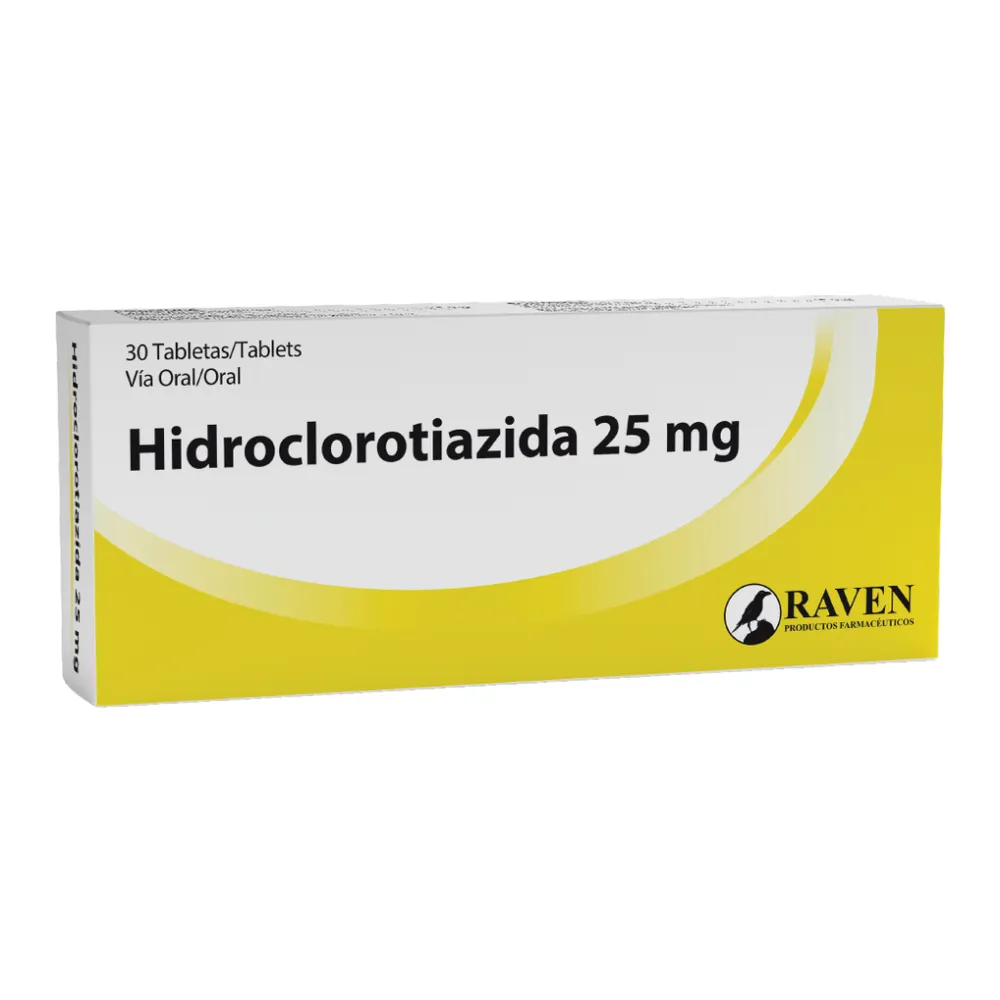
Table of Contents
- Package leaflet: Information for the user
- Introduction
- 1. What Hidroclorotiazida Aristo is and what it is used for
- 2. What you need to know before taking Hidroclorotiazida Aristo
- 3. How to take Hidroclorotiazida Aristo
- 4. Possible adverse effects
- 5. Storage of Hydrochlorothiazide Aristo
- 6. Contents of the pack and other information
Package leaflet: Information for the user
Introduction
Package leaflet: information for the patient
Hydrochlorothiazide Aristo 25 mg tablets EFG
Read the entire leaflet carefully before you start taking this medicine, because it contains important information for you.
- Keep this leaflet, as you may need to read it again.
- If you have any questions, ask your doctor or pharmacist.
- This medicine has been prescribed for you only, and you should not give it to others, even if they have the same symptoms as you, because it may harm them.
- If you experience any adverse reactions, consult your doctor or pharmacist, even if they are adverse reactions not listed in this leaflet. See section 4.
Leaflet contents
- What Hydrochlorothiazide Aristo is and what it is used for
- What you need to know before taking Hydrochlorothiazide Aristo
- How to take Hydrochlorothiazide Aristo
- Possible adverse effects
- How to store Hydrochlorothiazide Aristo
- Contents of the pack and other information
1. What Hidroclorotiazida Aristo is and what it is used for
Hidroclorotiazida Aristo 25 mg is a medicine containing hydrochlorothiazide as the active substance. Hydrochlorothiazide is a diuretic (a medicine that increases urine elimination) belonging to the thiazide group. Hydrochlorothiazide increases urine output (diuretic effect), helping to reduce blood pressure (antihypertensive effect).
This medicine is indicated for the treatment of the following conditions:
- arterial hypertension (high blood pressure), either alone or in combination with other antihypertensive medicines,
- edema (excessive fluid retention in tissues) due to heart, kidney, or liver disease,
- prevention of urinary stone formation (stones in the urinary tract) in patients with high levels of calcium in the urine,
- nephrogenic diabetes insipidus (a disorder in which a defect in the kidney tubules causes a person to excrete large amounts of urine), when treatment with antidiuretic hormone is not indicated.
2. What you need to know before taking Hidroclorotiazida Aristo
- if you are allergic to hydrochlorothiazide or any of the other ingredients of this medicine (listed in section 6),
- if you have difficulty passing urine (anuria),
- if you are pregnant and have high blood pressure,
Warnings and precautions
Talk to your doctor or pharmacist before starting to take this medicine.
Take special care in the following situations:
- if you have kidney problems,
- if you have liver problems,
- if you have electrolyte imbalance, such as high levels of calcium in the blood,
- if you have metabolic or endocrine disorders,
- if you suffer from an autoimmune disease called systemic lupus erythematosus,
- if you experience a decrease in vision or eye pain, which could be symptoms of fluid accumulation in the vascular layer of the eye (choroidal effusion) or increased eye pressure, and may occur within hours to one week after taking Hidroclorotiazida Aristo. If left untreated, this may lead to permanent vision loss. If you have previously had an allergy to penicillin or sulfonamides, you may be at higher risk of developing such a reaction,
- if you suffer from allergies or asthma,
- if you have previously experienced respiratory or pulmonary problems (such as inflammation or fluid in the lungs) after taking hydrochlorothiazide. If you develop shortness of breath or severe difficulty breathing after taking Hidroclorotiazida Aristo, seek medical attention immediately.
- if you have had skin cancer or if you develop an unexpected skin lesion during treatment. Treatment with hydrochlorothiazide, particularly long-term use at high doses, may increase the risk of certain types of non-melanoma skin and lip cancer. Protect your skin from exposure to sunlight and UV rays while taking hydrochlorothiazide.
Taking Hidroclorotiazida Aristo with other medicines
Inform your doctor or pharmacist if you are taking, have recently taken, or might need to take any other medicines.
The following medicines may interact with hydrochlorothiazide when used at the same time:
- lithium (antidepressant),
- other antihypertensives,
- muscle relaxants,
- medicines used to lower potassium levels,
- antipsychotics, antidepressants, and antiepileptics,
- medicines used for the treatment of diabetes,
- digitalis (digoxin),
- anti-inflammatory medicines (salicylic acid derivatives, indomethacin),
- medicines used for the treatment of gout, such as allopurinol,
- amantadine (antiviral medicine),
- medicines used for the treatment of cancer (such as methotrexate, cyclophosphamide),
- anticholinergic agents (such as atropine),
- resins used to lower cholesterol levels (such as cholestyramine, colestipol),
- vitamin D,
- cyclosporine (a medicine used in transplant patients),
- calcium salts,
- medicines used for the treatment of hypoglycemia (diazoxide),
- methyldopa, used for the treatment of hypertension,
- alcohol, sleep-inducing medicines (such as barbiturates and narcotics),
- pressor amines (such as noradrenaline).
Taking Hidroclorotiazida Aristo with food, drinks, and alcohol
In combination with alcohol intake, this medicine may cause dizziness, lightheadedness, or headache.
Pregnancy, breastfeeding, and fertility
If you are pregnant or breastfeeding, think you may be pregnant, or are planning to become pregnant, consult your doctor or pharmacist before using this medicine.
Generally, your doctor will advise you to take another medicine instead of Hidroclorotiazida Aristo 25 mg, as hydrochlorothiazide is not recommended during pregnancy. This is because hydrochlorothiazide crosses the placenta and its use after the first trimester of pregnancy may cause potentially harmful effects on the fetus and newborn.
Hydrochlorothiazide is excreted in breast milk and therefore its use is not recommended in breastfeeding mothers.
There are no human data available. Animal studies do not show effects on fertility.
Driving and using machines
It is unlikely that hydrochlorothiazide will affect your ability to drive or operate machinery.
Hidroclorotiazida Aristo contains lactose
If your doctor has informed you that you have an intolerance to certain sugars, consult with him before taking this medicine.
Use in athletes
Athletes are advised that this medicine contains a component that may result in a positive analytical finding in doping control tests.
3. How to take Hidroclorotiazida Aristo
Follow exactly the instructions for use of this medicine as given by your doctor or pharmacist. If in doubt, consult your doctor or pharmacist again.
The usual doses are:
- Treatment of hypertension (high blood pressure): initially a dose of 12.5 to 25 mg once daily is recommended, which may be increased up to 50 mg/day given in one or two doses.
- Treatment of edema (excessive fluid retention under the tissues): the dose should not exceed 50 mg/day.
- Prevention of kidney stone formation (urinary calculi): the recommended daily dose is 25 to 50 mg.
- Treatment of nephrogenic diabetes insipidus: initial doses of up to 100 mg/day are used.
Method of administration
The tablets should be taken orally, with or without food.
The tablet may be divided into equal halves.
If you take more Hidroclorotiazida Aristo than you should
If you have taken more Hidroclorotiazida Aristo 25 mg than you should, contact your doctor, pharmacist, or call the Toxicology Information Service immediately at telephone number: 91 562 04 20, indicating the medication and the amount taken.
The following signs and symptoms may occur in poisoning due to overdose: dizziness, nausea, somnolence, reduced circulating blood volume (hypovolemia), low blood pressure (hypotension), and electrolyte disturbances associated with irregular heart rhythms (cardiac arrhythmias) and muscle spasms.
If you forget to take Hidroclorotiazida Aristo
Do not take a double dose to make up for forgotten doses.
If you stop taking Hidroclorotiazida Aristo
Treatment of hypertension is long-term, and discontinuation of treatment should be discussed with your doctor.
If you have any further questions about the use of this medicine, ask your doctor or pharmacist.
4. Possible adverse effects
Like all medicines, this medicine can cause adverse effects, although not everyone experiences them.
Very common adverse effects (may affect more than 1 in 10 people):
- decrease in blood potassium levels, increase in blood lipids.
Common adverse effects (may affect up to 1 in 10 people):
- decrease in blood sodium and magnesium levels, increase in uric acid levels,
- urticaria, skin rash,
- loss of appetite, nausea, vomiting,
- orthostatic hypotension (sudden drop in blood pressure),
- impotence.
Uncommon adverse effects (may affect up to 1 in 1,000 people):
- decrease in the number of platelets in the blood, which may trigger a condition called purpura,
- increase in blood calcium and blood sugar levels, sugar in urine, worsening of diabetes,
- headache, dizziness, sleep disturbances, depression, tingling sensation,
- vision disorders,
- skin disorders due to photosensitivity reactions,
- abdominal pain, constipation, diarrhea,
- yellowing of the skin,
- disturbances in heart rhythm.
Rare adverse effects (may affect up to 1 in 10,000 people):
- decrease in white blood cell count, haemolytic anaemia, disorders of bone marrow function,
- allergic-type reactions, difficulty breathing,
- acute breathing difficulty (symptoms include severe shortness of breath, fever, weakness, and confusion),
- decrease in blood chloride levels,
- inflammation of blood vessels, appearance of blisters on the skin, cutaneous lupus erythematosus-like reactions,
- inflammation of the pancreas.
Adverse effects with frequency not known (cannot be estimated from available data):
- skin and lip cancer (non-melanoma skin cancer).
Post-marketing adverse reaction experience
The following adverse reactions have been identified from post-marketing experience. Because these reactions have been reported voluntarily from a population of uncertain size, it is not possible to reliably estimate their frequency.
Frequency not known: acute renal failure, renal disorder, aplastic anaemia, erythema multiforme, pyrexia, muscle spasms, asthenia, decreased vision or eye pain due to elevated pressure [possible signs of fluid accumulation in the vascular layer of the eye (choroidal effusion) or angle-closure glaucoma].
Reporting of adverse effects
If you experience any type of adverse effect, talk to your doctor or pharmacist, even if it is a possible adverse effect not listed in this leaflet. You can also report them directly via the Spanish Pharmacovigilance System for Human Medicines: https://www.notificaram.es. By reporting adverse effects, you can help provide more information on the safety of this medicine.
5. Storage of Hydrochlorothiazide Aristo
Keep this medicine out of the sight and reach of children.
Store in the original packaging to protect from light.
Do not use this medicine after the expiry date stated on the packaging after EXP. The expiry date refers to the last day of the month indicated.
Medicines must not be disposed of via wastewater or household waste. Dispose of unused medicines and their containers at the SIGRE collection point at your pharmacy. If you are unsure, ask your pharmacist how to dispose of medicines and containers you no longer need. This will help protect the environment.
6. Contents of the pack and other information
Composition of Hydrochlorothiazide Aristo
- The active substance is hydrochlorothiazide. Each tablet contains 25 mg of hydrochlorothiazide.
- The other components (excipients) are monohydrate lactose, corn starch, talc, anhydrous colloidal silica and magnesium stearate.
Appearance of the product and contents of the pack
Hydrochlorothiazide Aristo 25 mg tablets EFG are white, round, flat tablets with bevelled edges, one side scored and the other side unscored.
Hydrochlorothiazide Aristo 25 mg tablets EFG are packed in blisters and available in packs containing 20 tablets.
Marketing Authorization Holder and Manufacturer
Marketing Authorization Holder
Aristo Pharma Iberia, S.L.
C/Solana, 26
28850 Torrejón de Ardoz, Madrid
Spain
Manufacturer
Pharmaceutical Works Polpharma S.A. (Pharmaceutical Works Polpharma S.A) 19 Pelplinska Street, 83-200 Starogard Gdansk Poland |
Date of the latest review of this leaflet: November 2021
Detailed and up-to-date information on this medicinal product is available on the website of the Spanish Agency for Medicines and Medical Devices (AEMPS) http://www.aemps.gob.es/.