Humatin 250 mg hard capsules
Spain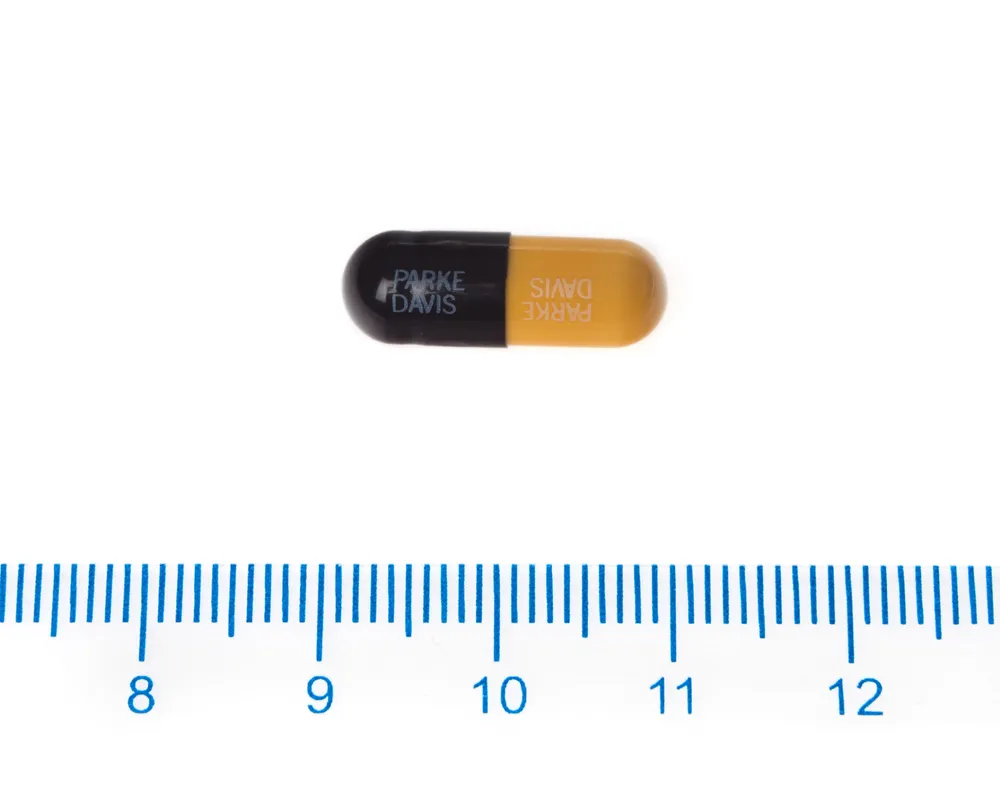
Table of Contents
- Package leaflet: Information for the user
- Introduction
- 1. What Humatin 250 mg hard capsules is and what it is used for
- 2. What you need to know before taking Humatin 250 mg capsules
- 3. How to take Humatin 250 mg hard capsules
- 4. Possible adverse effects
- 5. Storage of Humatin 250 mg hard capsules
- 6. Contents of the pack and other information
Package leaflet: Information for the user
Introduction
Package leaflet: information for the patient
Humatin 250 mg hard capsules
paromomycin
Read all of this leaflet carefully before you start taking this medicine because it contains important information for you.
-
Keep this leaflet. You may need to read it again.
- If you have any questions, ask your doctor, pharmacist, or nurse.
-
This medicine has been prescribed for you only, and you should not give it to others, even if they have the same symptoms as you, because it may harm them.
- If you experience any adverse effects, consult your doctor, pharmacist, or nurse, even if they are adverse effects not listed in this leaflet. See section 4.
Contents of this leaflet
- What Humatin 250 mg hard capsules is and what it is used for
- What you need to know before taking Humatin 250 mg hard capsules
- How to take Humatin 250 mg hard capsules
- Possible side effects
5 Storage of Humatin 250 mg hard capsules
- Contents of the pack and other information
1. What Humatin 250 mg hard capsules is and what it is used for
Humatin 250 mg hard capsules contains paromomycin, which belongs to a group of antibiotics known as aminoglycoside antibiotics. It is used in the treatment of intestinal infections and in hepatic coma.
Antibiotics are used to treat bacterial infections and are not effective against viral infections such as influenza or the common cold.
It is important that you follow your doctor's instructions regarding dose, dosing interval, and duration of treatment.
Do not store or reuse this medicine. If you have any antibiotic left over after completing treatment, return it to the pharmacy for proper disposal. Medicines must not be disposed of via wastewater or household waste.
Humatin 250 mg hard capsules (paromomycin) is indicated in children and adults for the treatment of:
- Acute and chronic non-invasive intestinal amoebiasis.
Additionally, it is indicated in adults for:
- Adjunctive treatment of hepatic coma by reducing ammonia-forming bacteria in the gastrointestinal tract.
2. What you need to know before taking Humatin 250 mg capsules
Do not take Humatin 250 mg hard capsules
- if you are allergic to the active substance or to any of the other ingredients of this medicine (listed in section 6).
- if you have previously been treated with paromomycin and developed hypersensitivity reactions
- if you have had an allergic reaction to any other aminoglycoside antibiotic, as you may also be allergic to paromomycin
- if you have pre-existing ear damage (dizziness, vertigo, tinnitus, ringing in the ears, or hearing loss)
- if you have pathological muscle weakness (myasthenia gravis)
- if you have constipation or intestinal obstruction
- during pregnancy and breastfeeding
Due to the potential risk of kidney and hearing damage, the active ingredient paromomycin contained in Humatin 250 mg capsules must not be administered outside the gastrointestinal tract (i.e., by parenteral route).
Warnings and precautions
Talk to your doctor, pharmacist, or nurse before taking Humatin 250 mg hard capsules if:
- you have renal impairment
- you are undergoing long-term treatment (e.g., treatment of hepatic coma by reducing ammonia-forming bacteria in the gastrointestinal tract)
- you have gastrointestinal ulcers or intestinal bleeding
In the patient groups mentioned above, hearing function should be monitored regularly.
If signs of ototoxicity (dizziness, vertigo, tinnitus, ringing in the ears, or hearing loss) or nephrotoxicity occur, it may be necessary to reduce the dose or even consider discontinuing treatment.
Prolonged and/or repeated use of Humatin 250 mg capsules may lead to a new or secondary infection caused by bacteria or fungi that are insensitive (resistant) to paromomycin. Be alert for signs of a subsequent infection with such pathogens (fungal infection of mucous membranes with redness and whitish coatings on the mucous membranes).
These infections should be treated accordingly.
If you experience severe, persistent, sometimes bloody mucous diarrhea and cramp-like abdominal pain during or after treatment with Humatin 250 mg capsules, you must inform your doctor immediately, as this may be due to a serious inflammation of the intestinal mucosa (pseudomembranous enterocolitis), usually caused by Clostridioides difficile, which requires immediate treatment. This antibiotic-associated intestinal disease can be life-threatening.
Other medicines and Humatin 250 mg hard capsules
Tell your doctor or pharmacist if you are taking, have recently taken, or might need to take any other medicines.
When paromomycin is taken, only a very small amount is absorbed into the bloodstream through the gastrointestinal tract, so interactions with other medicines in the body are unlikely. In theory, the same interactions as with systemically administered aminoglycosides may occur.
With concomitant use of certain muscle relaxants (non-depolarizing type muscle relaxants), the blockade of nerve-to-muscle signal transmission may be deepened and prolonged.
Due to an increased risk of adverse effects, special monitoring is required in patients being treated simultaneously or sequentially with other medicines that may impair kidney or hearing function, such as: amphotericin B, colistin, cyclosporine, cisplatin, vancomycin, or certain diuretics such as ethacrynic acid and furosemide.
Pregnancy, breastfeeding, and fertility
If you are pregnant or breastfeeding, think you may be pregnant, or are planning to become pregnant, consult your doctor or pharmacist before using this medicine.
Humatin 250 mg hard capsules should not be used during pregnancy and breastfeeding.
Driving and using machines
There are no data available on the influence of paromomycin on the ability to drive and use machines.
3. How to take Humatin 250 mg hard capsules
Follow exactly the instructions for use of this medicine as given by your doctor or pharmacist. If in doubt, consult your doctor or pharmacist again.
Your doctor will determine the most appropriate dose and duration of treatment for you, depending on your condition and response to treatment. This medicine is administered orally. As a general rule, the recommended daily dose and frequency of administration is as follows:
Intestinal non-invasive amoebiasis:
Adults, adolescents, and children capable of swallowing capsules: the recommended total daily dose is 25–35 mg/kg/day, divided into 3 doses, taken with meals, for 5 days.
Hepatic coma:
Adults: 4 g/day, divided into 2–4 doses, for 5 to 6 days.
Paromomycin sulfate capsules should only be used in adults, adolescents, and children who are able to swallow capsules.
The capsule must be taken whole.
Special patient groups
Patients with hepatic impairment
Generally, dose adjustment is not required in patients with hepatic impairment.
Patients with renal impairment
Paromomycin absorbed into the bloodstream is primarily eliminated through the kidneys. Therefore, paromomycin should be used with caution in patients with renal impairment.
If you take more Humatin 250 mg hard capsules than you should
Since the active ingredient in Humatin 250 mg capsules, paromomycin, is barely absorbed into the bloodstream when the gastrointestinal mucosal membrane is intact, symptoms of intoxication following a small overdose of Humatin 250 mg capsules are unlikely (see, however, the possibility of auditory damage in section 2).
If you suspect an overdose, inform your doctor so that they can decide how to proceed.
If you forget to take Humatin 250 mg hard capsules
Do not take a double dose to make up for forgotten doses.
In this case, continue taking the medicine at the next scheduled time according to your usual dosing schedule.
If you do not realize your mistake until the following day, do not take a double dose to compensate for the missed doses. Continue taking the same number of Humatin 250 mg capsules as prescribed. It may then be necessary to extend the treatment by one day. In such a case, speak with your doctor. You should also speak with your doctor if you have missed a dose or taken too little.
If you stop taking Humatin 250 mg hard capsules
Treatment with Humatin 250 mg hard capsules should never be initiated or discontinued on your own initiative without medical advice. Do not change the prescribed dose on your own. It is essential that you strictly adhere to the dose prescribed by your doctor. The success of treatment with Humatin 250 mg hard capsules depends on completing the full course of treatment.
If you have any further questions about the use of this medicine, ask your doctor, pharmacist, or nurse.
4. Possible adverse effects
Like all medicines, this medicine can cause adverse effects, although not everyone will experience them.
If you consider any of the adverse effects you experience to be severe, or if you notice any adverse effect not listed in this leaflet, inform your doctor or pharmacist.
Common (may affect up to 1 in 10 people):
- soft stools,
- diarrhoea
Uncommon (may affect up to 1 in 1,000 people):
- anorexia,
- nausea,
- vomiting,
- gastric cramps,
- abdominal or stomach pain,
- digestive disorders with fatty stools (malabsorption syndrome),
- allergic reactions such as urticaria
Very rare (may affect up to 1 in 10,000 people):
- inflammation of the pancreas (pancreatitis),
- headache,
- dizziness,
- increase in the number of certain white blood cells in the blood (eosinophilia),
- blood in the urine (haematuria)
Reporting of adverse effects
If you experience any type of adverse effect, consult your doctor, pharmacist, or nurse, even if it is a possible adverse effect not listed in this leaflet. You may also report them directly via the Spanish Pharmacovigilance System for Human Medicinal Products: www.notificaram.es. By reporting adverse effects, you can help provide more information on the safety of this medicine.
5. Storage of Humatin 250 mg hard capsules
Keep this medicine out of the sight and reach of children.
Do not use this medicine after the expiry date stated on the packaging after EXP. The expiry date refers to the last day of the month indicated.
Store at room temperature.
Medicines must not be disposed of via wastewater or household waste. Return unused medicines and their packaging to the SIGRE collection point at your pharmacy. If you are unsure, ask your pharmacist how to dispose of medicines and packaging you no longer need. This will help protect the environment.
6. Contents of the pack and other information
Composition of Humatin 250 mg hard capsules
- The active substance is paromomycin. Each hard capsule contains 250 mg of paromomycin.
- The other components (excipients) are:
Contents of the capsule: magnesium stearate, anhydrous colloidal silica.
Capsule shell composition: gelatin, titanium dioxide (CI = 77891) (E-171), yellow iron oxide (CI = 77492) (E 172), red iron oxide (CI = 77491) (E 172), black iron oxide (CI = 77499) (E 172), 1-butanol, shellac gum, shellac lake, isopropyl alcohol, ammonia, propylene glycol, antifoam C.
Appearance of the medicine and contents of the pack
Humatin 250 mg hard capsules are presented as hard capsules with a yellow body and black cap. The pack contains 8 capsules.
Marketing Authorization Holder and Manufacturer
Marketing Authorization Holder:
Pfizer, S.L.
Avda. de Europa, 20 B.
Parque Empresarial La Moraleja.
28108 Alcobendas. Madrid
Spain.
Manufacturer:
Delpharm L'aigle.
Zone Industrielle No. 1, Route de Crulai - L'Aigle – 61300
France
Date of the most recent review of this leaflet: February 2022
Detailed information on this medicine is available on the website of the Spanish Agency for Medicines and Health Products (AEMPS) http://www.aemps.gob.es/)