Furosemide Tecnigen 40 mg tablets EFG
Spain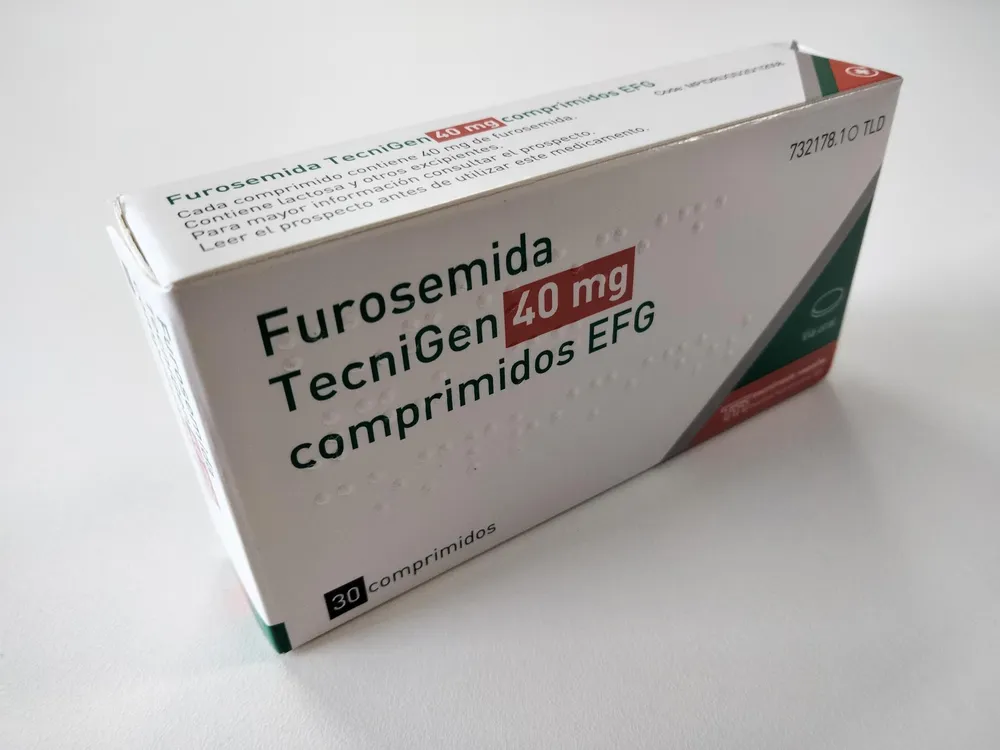
Table of Contents
- Package leaflet: Information for the user
- Introduction
- 1. What Furosemida Tecnigen is and what it is used for
- 2. What you need to know before taking Furosemide Tecnigen
- 3. How to take Furosemide Tecnigen
- 4. Possible adverse effects
- 5. Storage of Furosemide Tecnigen
- 6. Contents of the pack and other information
Package leaflet: Information for the user
Introduction
Package leaflet: information for the user
Furosemide Tecnigen 40 mg tablets EFG
Read all of this leaflet carefully before you start taking this medicine because it contains important information for you.
- Keep this leaflet. You may need to read it again.
- If you have any further questions, ask your doctor or pharmacist.
- This medicine has been prescribed for you only. Do not give it to others, even if they have the same symptoms as you. It may harm them.
- If you experience any side effects, talk to your doctor or pharmacist, even if it is a side effect not listed in this leaflet. See section 4.
Contents of the leaflet
- What Furosemide Tecnigen is and what it is used for
- What you need to know before taking Furosemide Tecnigen
- How to take Furosemide Tecnigen
- Possible side effects
- How to store Furosemide Tecnigen
- Contents of the pack and other information
1. What Furosemida Tecnigen is and what it is used for
Furosemide is a diuretic belonging to the sulfonamide group. It works by increasing urine elimination (diuretic effect) and reducing blood pressure (antihypertensive effect).
Under a doctor's prescription, this medicine is indicated for the treatment of:
- Edema (swelling due to fluid accumulation) associated with congestive heart failure, hepatic cirrhosis (ascites), and renal disease, including nephrotic syndrome (treatment of the underlying condition takes priority).
- Edema following burns.
- Mild to moderate arterial hypertension.
2. What you need to know before taking Furosemide Tecnigen
Do not take Furosemide Tecnigen
- If you are allergic to furosemide, to medicines belonging to the sulfonamide group, or to any of the other components of this medicine (listed in section 6).
- If you have a reduced total blood volume (hypovolemia) or are dehydrated.
- If you have severe kidney problems associated with reduced urine output (renal failure with anuria) that do not respond to this medicine.
- If you have severely low levels of potassium in your blood (severe hypokalemia) (see section 4 “Possible side effects”).
- If you have a severe deficiency of sodium salts in your blood (severe hyponatremia).
- If you are in a pre-comatose or comatose state associated with hepatic encephalopathy.
- If you are breastfeeding a baby.
If you are pregnant, see section “Pregnancy, breastfeeding, and fertility”.
Warnings and precautions
Talk to your doctor or pharmacist before starting to take Furosemide Tecnigen.
Take special care with this medicine:
- If you have problems with urine elimination, especially at the beginning of treatment.
- If you have low blood pressure (hypotension).
- If you are at special risk of experiencing a marked drop in blood pressure (e.g., patients with significant coronary or cerebral stenosis).
- If you have latent or overt diabetes mellitus.
- If you suffer from gout.
- If you have severe kidney problems associated with severe liver disease (hepatorenal syndrome).
- If your blood protein levels are low (hypoproteinemia), especially if you also have, for example, nephrotic syndrome (see section 4 “Possible side effects”).
- In premature infants (see section 4 “Possible side effects”).
- There is a possibility of exacerbation or activation of systemic lupus erythematosus.
- If you are elderly, if you are being treated with medicines that may cause low blood pressure, or if you have other medical conditions associated with a risk of low blood pressure.
During treatment with this medicine, regular monitoring of blood levels of sodium, potassium, and creatinine is generally required, especially if you experience significant fluid loss due to vomiting, diarrhea, or excessive sweating. Dehydration or hypovolemia, as well as significant electrolyte and acid-base imbalances, should be corrected. Treatment interruption may be necessary.
Elderly patients with dementia who are taking risperidone should exercise particular caution when using risperidone and furosemide concomitantly. Risperidone is a medicine used to treat certain mental illnesses such as dementia (a disease characterized by several symptoms: memory loss, speech difficulties, thinking problems).
Use in athletes
This medicine contains furosemide, which may lead to a positive result in doping tests.
Other medicines and Furosemide Tecnigen
Inform your doctor or pharmacist if you are taking, have recently taken, or might need to take any other medicine.
The effect of treatment may be affected if furosemide is used at the same time as other medicines.
Your doctor may need to adjust your dose and/or take other precautions if you are taking any of the following medicines:
Aliskiren – used to treat high blood pressure
Some substances may have increased toxicity in the ear and kidneys when administered together with this medicine. Therefore, they should only be administered together if medically necessary:
These substances include:
- Aminoglycoside antibiotics (medicines for infections) such as gentamicin, kanamycin, and tobramycin.
- Medicines for cancer (cisplatin).
Concomitant use of furosemide with other medicines may weaken the effect of these medicines, such as:
- Medicines used for diabetes (antidiabetics).
- Medicines used to raise blood pressure (sympathomimetics with hypertensive effect, e.g., epinephrine and norepinephrine).
In other cases, concomitant use may increase the effects of these medicines, such as:
- Medicines for asthma (theophylline).
- Curare-type muscle relaxants.
- Medicines for depression (lithium salts): may increase the risk of lithium toxicity, including risk of harmful effects on the heart or brain.
- Patients receiving diuretics may experience severe hypotension and worsening of kidney function, particularly when initiating treatment or increasing the dose of an angiotensin-converting enzyme (ACE) inhibitor or an angiotensin II receptor antagonist for the first time.
- If medicines to treat high blood pressure, diuretics, or other medicines that may lower blood pressure are administered together with furosemide, a more pronounced drop in blood pressure should be anticipated.
- Nephrotoxic medicines: concomitant administration may enhance the harmful effects of these medicines on the kidneys.
Some medicines for inflammation and pain (non-steroidal anti-inflammatory drugs, including acetylsalicylic acid) and medicines for epilepsy (phenytoin) may reduce the effect of furosemide.
Furosemide may increase the toxicity of salicylates.
This medicine and sucralfate should not be administered together within less than a 2-hour interval, as the effect of furosemide may be reduced.
Medicines such as probenecid and methotrexate, or other medicines significantly eliminated by the kidneys, may reduce the effect of furosemide. When used at high doses, they may increase serum levels and increase the risk of adverse effects due to furosemide or concomitant administration.
The following substances may increase the risk of low potassium levels in blood (hypokalemia) when administered with furosemide:
- Medicines for inflammation (corticosteroids).
- Carbenoxolone (a medicine used to treat oral mucosal lesions).
- Large amounts of licorice.
- Prolonged use of laxatives for constipation.
Some electrolyte imbalances (e.g., decreased blood levels of potassium (hypokalemia) or magnesium (hypomagnesemia)) could increase the toxicity of certain medicines (e.g., digitalis medicines and medicines inducing QT interval prolongation syndrome).
Patients receiving furosemide and high doses of certain cephalosporins (antibiotics) may experience reduced kidney function.
Concomitant administration of furosemide and cyclosporine A (a medicine used to prevent transplant rejection) is associated with an increased risk of gouty arthritis (joint inflammation) secondary to elevated blood urea levels (hyperuricemia) and impaired kidney excretion of urea.
Patients at high risk of contrast-induced nephropathy (kidney disease) who receive furosemide are more likely to experience deterioration in kidney function.
Administration of furosemide together with risperidone in elderly patients with dementia may increase mortality.
High doses of furosemide administered with levothyroxine may lead to an initial transient increase in free thyroid hormones, followed by a general decrease in total thyroid hormone levels.
Pregnancy, breastfeeding, and fertility
If you are pregnant or breastfeeding, think you may be pregnant, or plan to become pregnant, consult your doctor or pharmacist before using this medicine.
If you are pregnant, you should only use furosemide if there are medical reasons requiring it.
Furosemide must not be administered during breastfeeding. If its use is considered essential, your doctor may require you to interrupt breastfeeding, as furosemide passes into breast milk.
Driving and use of machines
This medicine may cause dizziness or drowsiness. This is more likely at the beginning of treatment, when your doctor increases your dose, or if you consume alcohol. Do not drive or operate tools or machinery if you feel dizzy or drowsy.
Some adverse effects (e.g., an undesirable marked drop in blood pressure) may impair your ability to concentrate and react, and therefore pose a risk in situations where these skills are particularly important (e.g., operating vehicles or machinery).
Furosemide Tecnigen contains lactose and sodium
This medicine contains lactose. If your doctor has informed you that you have an intolerance to certain sugars, consult with your doctor before taking this medicine.
This medicine contains less than 23 mg of sodium (1 mmol) per tablet; thus, it is essentially “sodium-free”.
3. How to take Furosemide Tecnigen
Follow exactly the instructions for administering this medicine as given by your doctor or pharmacist. If in doubt, consult your doctor or pharmacist again.
Remember to take your medicine.
Take furosemide on an empty stomach, swallowing it without chewing and with an adequate amount of liquid. The tablet may be divided into equal doses.
If you feel that the effect of this medicine is too strong or too weak, inform your doctor or pharmacist.
Your doctor will prescribe the lowest effective dose required to achieve the desired effect.
Use in adults
Treatment should be initiated with half, one, or two tablets (20 to 80 mg of furosemide) daily. The maintenance dose is half to one tablet per day. The maximum dose will be determined by your doctor and depends on your response to treatment.
Use in children
In infants and children, a daily dose of 2 mg/kg body weight is recommended, up to a maximum of 40 mg per day.
Your doctor will indicate how long your treatment with this medicine should last. Do not stop treatment prematurely.
If you take more Furosemide Tecnigen than you should
In case of overdose or accidental ingestion, contact your doctor or pharmacist immediately or call the Toxicology Information Service at telephone number 91 562 04 20, indicating the medicine and the amount ingested.
An accidental overdose may lead to a severe drop in blood pressure (which may progress to shock), kidney problems (acute renal failure), coagulation disorders (thrombosis), delirium, flaccid paralysis affecting soft muscles, apathy, and confusion.
No specific antidote is known.
In case of overdose, treatment will be based on the symptoms.
If you forget to take Furosemide Tecnigen
Do not take a double dose to make up for forgotten doses.
If you have any further questions about the use of this medicine, ask your doctor or pharmacist.
4. Possible adverse effects
Like all medicines, this medicine can cause adverse effects, although not everyone will experience them.
Adverse effects have been grouped according to their frequency:
Very common (may affect more than 1 in 10 patients)
- Electrolyte disturbances (including symptomatic ones), dehydration, and reduced total blood volume (hypovolemia), particularly in elderly patients, elevated creatinine and triglyceride levels in blood.
Common (may affect up to 1 in 10 patients)
- Decreased levels of sodium (hyponatremia), chloride (hypochloremia), and potassium (hypokalemia); increased levels of cholesterol and uric acid in blood; and gout attacks.
- Increased urine volume.
- Mental disturbances (hepatic encephalopathy) in patients with liver problems (hepatocellular insufficiency).
- Increased blood viscosity (hemoconcentration).
Uncommon (may affect up to 1 in 100 patients)
- Impaired glucose tolerance. Latent diabetes mellitus may become apparent.
- Nausea.
- Hearing disorders, although usually transient, particularly in patients with renal insufficiency, decreased blood protein levels (hypoproteinemia), and/or after too rapid intravenous administration of furosemide. Deafness (sometimes irreversible).
- Itching, rash, eruptions, blisters, and other more severe reactions such as erythema multiforme, pemphigoid, exfoliative dermatitis, purpura, and photosensitivity reactions.
- Decreased platelet levels (thrombocytopenia).
Rare (may affect up to 1 in 1,000 patients)
- Allergic inflammation of blood vessels (vasculitis).
- Allergic-type kidney reaction (tubulointerstitial nephritis).
- Vomiting, diarrhea.
- Subjective sensation of ringing in the ears (tinnitus).
- Severe allergic reactions (anaphylactic or anaphylactoid), e.g., with shock.
- Tingling sensation in the limbs (paresthesia).
- Decreased white blood cell count (leukopenia), increased levels of a type of white blood cells, eosinophils (eosinophilia).
- Fever.
Very rare (may affect up to 1 in 10,000 patients)
- Inflammation of the pancreas (acute pancreatitis).
- Liver problems (cholestasis), increased liver enzymes (transaminases).
- Decreased levels of a type of white blood cells, granulocytes (agranulocytosis), decreased number of red blood cells (aplastic anemia or hemolytic anemia).
Frequency not known (cannot be estimated from available data)
- Decreased levels of calcium (hypocalcemia), magnesium (hypomagnesemia), increased blood urea levels, metabolic alkalosis, pseudo-Bartter syndrome in cases of misuse and/or prolonged use of furosemide.
- Blood coagulation disorders (thrombosis).
- Increased levels of sodium and chloride in urine, urinary retention (in patients with partial obstruction of urinary flow), kidney stone formation (nephrocalcinosis/nephrolithiasis) in premature infants, renal failure.
- Severe blistering skin and mucous membrane reactions (Stevens-Johnson syndrome), severe skin disorder characterized by blister formation and exfoliative lesions (toxic epidermal necrolysis), acute generalized exanthematous pustulosis (AGEP), drug reaction with eosinophilia and systemic symptoms (DRESS syndrome), lichenoid reactions characterized by small, itchy, red-purple, polygonal lesions appearing on the skin, genitals, or mouth.
- Exacerbation or activation of systemic lupus erythematosus.
- Dizziness, fainting, and loss of consciousness, headache.
- Cases of rhabdomyolysis have been reported, frequently in patients with severe hypokalemia (low blood potassium levels) (see section “Do not take Furosemida Tecnigen”).
- Increased risk of persistence of the ductus arteriosus when furosemide is administered to premature infants during the first weeks of life.
As with other diuretics, prolonged administration of this medicine may increase the excretion of sodium, chloride, water, potassium, calcium, and magnesium. These disturbances may manifest as intense thirst, headache, confusion, muscle cramps, painful muscle contractions especially in the limbs (tetany), muscle weakness, cardiac rhythm disturbances, and gastrointestinal symptoms.
Reporting of adverse effects
If you experience any adverse effect, consult your doctor or pharmacist, even if it is a possible adverse effect not listed in this leaflet. You can also report them directly via the Spanish Pharmacovigilance System for Human Medicines: https://www.notificaram.es. By reporting adverse effects, you can help provide more information on the safety of this medicine.
5. Storage of Furosemide Tecnigen
Keep this medicine out of the sight and reach of children.
This medicine does not require special storage temperature conditions. Store in the original packaging to protect from light.
Do not use this medicine after the expiry date stated on the container after “EXP”. The expiry date refers to the last day of the month indicated.
Medicines must not be disposed of via wastewater or household waste. Dispose of unused medicines and their containers at the SIGRE collection point at your pharmacy. If you are unsure, ask your pharmacist how to dispose of medicines and containers you no longer need. This will help protect the environment.
6. Contents of the pack and other information
Composition of Furosemida Tecnigen
- The active substance is furosemide.
- The other components are: monohydrate lactose, maize starch, pregelatinized maize starch, sodium carboxymethyl potato starch (type A), magnesium stearate.
Appearance of the product and contents of the pack
White or almost white, round tablets (8 mm in diameter), marked with the inscription "F40" on one side and flat on the other. Furosemida Tecnigen is available in packs containing 30 tablets.
Marketing Authorization Holder and Manufacturer
Marketing Authorization Holder
Tecnimede España Industria Farmacéutica, S.A.
Avda. de Bruselas, 13, 3º D.
Edificio America. Poligono Arroyo de la Vega,
28108 Alcobendas (Madrid), Spain
Manufacturer
Tecnimede - Sociedade Técnico-medicinal, S.a.
Quinta da Cerca, Caixaria
2565-187 Dois Portos
Portugal
Date of the most recent review of this leaflet: November 2021
Detailed and up-to-date information on this medicine is available on the website of the Spanish Agency of Medicines and Health Products (AEMPS) http://www.aemps.gob.es/