Exelon 2 mg/ml oral solution
Spain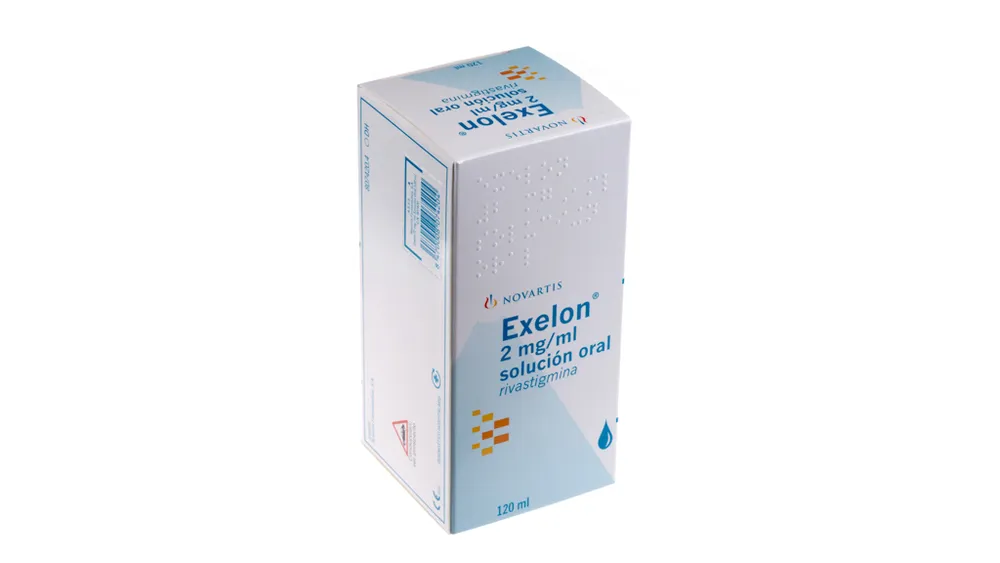
Table of Contents
Package leaflet: Information for the user
Introduction
Package leaflet: information for the user
Exelon 2mg/ml oral solution
rivastigmine
Read the entire leaflet carefully before you start taking this medicine, because it contains important information for you.
-
Keep this leaflet, as you may need to read it again.
-
If you have any questions, consult your doctor, pharmacist or nurse.
-
This medicine has been prescribed for you only, and you should not give it to other people, even if they have the same symptoms as you, because it may harm them.
-
If you experience any adverse reactions, consult your doctor, pharmacist or nurse, even if they are adverse reactions not listed in this leaflet. See section 4.
Leaflet contents
- What Exelon is and what it is used for
- What you need to know before taking Exelon
- How to take Exelon
- Possible side effects
- How to store Exelon
- Contents of the pack and other information
1. What Exelon is and what it is used for
The active substance in Exelon is rivastigmine.
Rivastigmine belongs to a group of substances known as cholinesterase inhibitors. In patients with Alzheimer's dementia or dementia associated with Parkinson's disease, certain nerve cells in the brain degenerate, leading to low levels of the neurotransmitter acetylcholine (a substance that enables nerve cells to communicate with each other). Rivastigmine works by blocking the enzymes that break down acetylcholine: acetylcholinesterase and butyrylcholinesterase. By inhibiting these enzymes, Exelon helps increase acetylcholine levels in the brain, thereby helping to reduce the symptoms of Alzheimer's disease and dementia associated with Parkinson's disease.
Exelon is used to treat adult patients with mild to moderately severe Alzheimer's dementia, a progressive brain disorder that gradually affects memory, intellectual capacity, and behaviour. The capsules and oral solution can also be used for the treatment of dementia in adult patients with Parkinson's disease.
2. What you need to know before starting to take Exelon
Do not take Exelon
- if you are allergic to rivastigmine (the active substance in Exelon) or to any of the other ingredients of this medicine (listed in section 6).
- if you have a skin reaction that spreads beyond the size of the patch, if you experience a more intense local reaction (such as blisters, increasing skin inflammation, swelling), or if there is no improvement within 48 hours after removing the transdermal patch.
If you are in any of these situations, inform your doctor and do not take Exelon.
Warnings and precautions
Talk to your doctor before starting to take Exelon:
-
if you have or have ever had an irregular or slow heart rate (pulse).
-
if you have or have ever had an active stomach ulcer.
-
if you have or have ever had difficulty urinating.
-
if you have or have ever had seizures.
-
if you have or have ever had asthma or a serious respiratory disease.
-
if you have or have ever had (impairment of) kidney function.
-
if you have or have ever had (impairment of) liver function.
-
if you suffer from tremors.
-
if you have a low body weight.
-
if you experience gastrointestinal reactions such as dizziness (nausea), vomiting, and diarrhea. You may become dehydrated (loss of large amounts of fluid) if vomiting or diarrhea are prolonged.
If you are in any of these situations, your doctor may consider closer monitoring while you are on treatment.
If you have not taken Exelon for more than three days, do not take the next dose until you have consulted your doctor.
Children and adolescents
Exelon must not be used in the pediatric population for the treatment of Alzheimer's disease.
Other medicines and Exelon
Tell your doctor or pharmacist if you are taking, have recently taken, or might need to take any other medicines.
Exelon should not be administered at the same time as other medicines with effects similar to those of Exelon. Exelon may interfere with anticholinergic medicines (used to relieve stomach cramps or spasms, for the treatment of Parkinson's disease, or to prevent motion sickness).
Exelon must not be administered at the same time as metoclopramide (a medicine used to relieve or prevent nausea and vomiting). Taking both medicines together may cause problems such as stiffness in the limbs and hand tremors.
If you need to undergo surgery while taking Exelon, inform your doctor before receiving any anesthetic, as Exelon may intensify the effects of certain muscle relaxants during anesthesia.
Caution is advised when using Exelon together with beta-blockers (medicines such as atenolol used to treat hypertension, angina, and other heart conditions). Taking both medicines together may cause complications such as a decreased heart rate (bradycardia), which may lead to fainting or loss of consciousness.
Pregnancy, breastfeeding, and fertility
If you are pregnant or breastfeeding, think you may be pregnant, or are planning to become pregnant, consult your doctor or pharmacist before using this medicine.
If you are pregnant, the benefits of using Exelon must be weighed against the potential adverse effects on the fetus. Exelon must not be used during pregnancy unless clearly necessary.
You must not breastfeed during treatment with Exelon.
Driving and using machines
Your doctor will advise you whether your condition allows you to drive or use machinery safely. Exelon may cause dizziness and drowsiness, especially at the beginning of treatment or when the dose is increased. If you feel dizzy or drowsy, do not drive or use machinery or perform any tasks requiring your attention.
Exelon contains sodium benzoate
One of the inactive ingredients in Exelon oral solution is sodium benzoate. Benzoic acid is slightly irritating to the skin, eyes, and mucous membranes.
3. How to take Exelon
Follow exactly the instructions for using this medicine given by your doctor. If you are unsure, consult your doctor, pharmacist, or nurse again.
Starting treatment
Your doctor will tell you what dose of Exelon you should take.
- Treatment usually starts with a low dose.
- Your doctor will slowly increase your dose depending on how you respond to treatment.
- The highest dose you will take is 6.0 mg twice daily.
Your doctor will regularly monitor whether the medicine is working for you. Your doctor will also monitor your weight while you are taking this medicine.
If you have not taken Exelon for more than three days, do not take the next dose until you have consulted your doctor.
Taking this medicine
-
Inform your caregiver that you are taking Exelon.
-
To benefit from your medicine, take it every day.
-
Take Exelon twice a day (in the morning and at night), with meals.
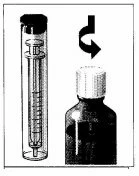
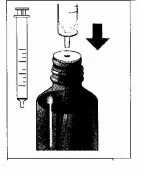
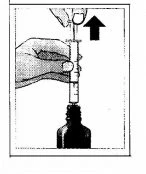
How to use this medicine
|
|
|
|
|
|
|
|
|
|
|
|
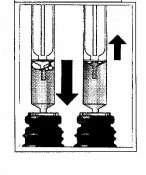
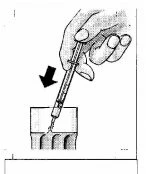
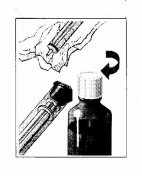
If you take more Exelon than you should
If you accidentally take more Exelon than you should, inform your doctor. You may require medical attention. Some people who have accidentally taken higher doses have experienced dizziness (nausea), vomiting, diarrhoea, high blood pressure, and hallucinations. Slowing of the heart rate and fainting may also occur.
If you forget to take Exelon
If you forget to take your dose of Exelon, wait and take your next dose at the usual time. Do not take a double dose to make up for forgotten doses.
If you have any further questions about the use of this medicine, ask your doctor or pharmacist.
4. Possible adverse effects
Like all medicines, this medicine can cause adverse effects, although not everybody gets them.
You may experience adverse effects more frequently when starting treatment or when your dose is increased. Generally, adverse effects will gradually disappear as your body gets used to the medicine.
Very common (may affect more than 1 in 10 people)
- Dizziness
- Loss of appetite
- Stomach problems such as feeling sick (nausea), vomiting, diarrhoea
Common (may affect up to 1 in 10 people)
- Anxiety
- Sweating
- Headache
- Indigestion
- Weight loss
- Stomach pain
- Feeling restless
- Feeling tired or weak
- Feeling generally unwell
- Tremor or feeling confused
- Decreased appetite
- Nightmares
Uncommon (may affect up to 1 in 100 people)
- Depression
- Difficulty sleeping
- Fainting or accidental falls
- Changes in liver function
Rare (may affect up to 1 in 1,000 people)
- Chest pain
- Skin rash, itching
- Epileptic fits (seizures)
- Ulcers in your stomach or intestine
Very rare (may affect up to 1 in 10,000 people)
- High blood pressure
- Urinary tract infection
- Seeing things that are not there (hallucinations)
- Problems with your heart rhythm such as fast or slow heartbeat
- Gastrointestinal bleeding – shown as blood in your stools or vomiting blood
- Inflammation of the pancreas – signs include severe pain in the upper stomach, often with feeling sick (nausea) or vomiting
- Worsening of signs of Parkinson’s disease or development of similar symptoms – such as muscle stiffness, difficulty performing movements
Not known (cannot be estimated from available data)
- Severe vomiting which may cause tearing of part of the digestive tube connecting your mouth to your stomach (oesophagus)
- Dehydration (loss of large amounts of fluid)
- Liver disorders (yellowing of the skin, yellowing of the whites of the eyes, abnormally dark urine, or unexplained nausea, vomiting, tiredness and loss of appetite)
- Aggression, feeling restless
- Irregular heartbeat
Patients with dementia or Parkinson’s disease
These patients experience some adverse effects more frequently and also have some additional adverse effects:
Very common (may affect more than 1 in 10 people)
- Tremor
- Fainting
- Accidental falls
Common (may affect up to 1 in 10 people)
- Anxiety
- Feeling of restlessness
- Slow and fast heart rate
- Difficulty sleeping
- Excessive saliva and dehydration
- Abnormally slow movements or movements you cannot control
- Worsening of signs of Parkinson’s disease or development of similar symptoms – such as muscle stiffness, difficulty performing movements and muscle weakness
Uncommon (may affect up to 1 in 100 people)
- Irregular heartbeat and loss of movement control
Other adverse effects observed with Exelon transdermal patches and which may also occur with the oral solution:
Common (may affect up to 1 in 10 people)
- Fever
- Severe confusion
- Urinary incontinence (inability to properly control urine)
Uncommon (may affect up to 1 in 100 people)
- Hyperactivity (high level of activity, restlessness)
Not known (cannot be estimated from available data)
- Allergic reaction at the site where the patch was applied, such as blisters or skin swelling
If you experience any of these adverse effects, contact your doctor, as medical attention may be required.
Reporting of adverse effects
If you experience any adverse effects, talk to your doctor, pharmacist or nurse, even if they are adverse effects not listed in this leaflet. You can also report them directly through the national reporting system listed in Appendix V. By reporting adverse effects, you can help provide more information on the safety of this medicine.
5. Storage of Exelon
- Keep this medicine out of the sight and reach of children.
- Do not use this medicine after the expiry date stated on the pack after EXP. The expiry date refers to the last day of the month indicated.
- Do not store above 30°C. Do not refrigerate or freeze.
- Keep in an upright position.
- Use Exelon oral solution within one month after first opening the bottle.
- Medicines should not be disposed of via wastewater or household waste. Ask your pharmacist how to dispose of medicines and packaging no longer required. This will help protect the environment.
6. Contents of the container and additional information
Composition of Exelon
-
The active substance is rivastigmine hydrogen tartrate. Each ml contains rivastigmine hydrogen tartrate equivalent to 2.0 mg of rivastigmine base.
-
The other components are sodium benzoate, citric acid, sodium citrate, quinoline yellow water-soluble dye (E104), and purified water.
Appearance of the product and contents of the container
Exelon oral solution is presented as a clear, yellow solution (2.0 mg/ml rivastigmine base) in 50 ml or 120 ml amber glass bottles with child-resistant closure, foam disc, submerged tube, and self-aligning stopper. An oral dosing syringe is included with the oral solution, housed in a plastic tube.
Marketing Authorization Holder
Novartis Europharm Limited
Vista Building
Elm Park, Merrion Road
Dublin 4
Ireland
Manufacturer
Novartis Pharma GmbH
Roonstraße 25
D-90429 Nuremberg
Germany
Further information on this medicinal product is available upon request to the local representative of the Marketing Authorization Holder:
Belgium/Belgium/Belgium Novartis Pharma N.V. Tel/Tel: +32 2 246 16 11 | Lithuania SIA „Novartis Baltics“ Lithuania Branch Tel: +370 5 269 16 50 |
Bulgaria Novartis Bulgaria EOOD Tel: +359 2 489 98 28 | Luxembourg/Luxembourg Novartis Pharma N.V. Tel/Tel: +32 2 246 16 11 |
Czech Republic Novartis s.r.o. Tel: +420 225 775 111 | Hungary Novartis Hungária Kft. Tel.: +36 1 457 65 00 |
Denmark Novartis Healthcare A/S Tlf: +45 39 16 84 00 | Malta Novartis Pharma Services Inc. Tel: +356 2122 2872 |
Germany Novartis Pharma GmbH Tel: +49 911 273 0 | Netherlands Novartis Pharma B.V. Tel: +31 26 37 82 111 |
Estonia SIA Novartis Baltics Estonia Branch Tel: +372 66 30 810 | Norway Novartis Norge AS Tlf: +47 23 05 20 00 |
Greece Novartis (Hellas) S.A.E. Tel: +30 210 281 17 12 | Austria Novartis Pharma GmbH Tel: +43 1 86 6570 |
Spain Novartis Farmacéutica, S.A. Tel: +34 93 306 42 00 | Poland Novartis Poland Sp. z o.o. Tel.: +48 22 375 4888 |
France Novartis Pharma S.A.S. Tél: +33 1 55 47 66 00 | Portugal Novartis Farma - Pharmaceutical Products, S.A. Tel: +351 21 000 8600 |
Croatia Novartis Hrvatska d.o.o. Tel. +385 1 6274 220 | Romania Novartis Pharma Services Romania SRL Tel: +40 21 31299 01 |
Ireland Novartis Ireland Limited Tel: +353 1 260 12 55 | Slovenia Novartis Pharma Services Inc. Tel: +386 1 300 75 50 |
Iceland Vistor hf. Tel: +354 535 7000 | Slovakia Novartis Slovakia s.r.o. Tel: +421 2 5542 5439 |
Italy Novartis Farma S.p.A. Tel: +39 02 96 54 1 | Finland Novartis Finland Oy Puh/Tel: +358 (0)10 6133 200 |
Cyprus Novartis Pharma Services Inc. Tel: +357 22 690 690 | Sweden Novartis Sverige AB Tel: +46 8 732 32 00 |
Latvia SIA “Novartis Baltics” Tel: +371 67 887 070 | United Kingdom Novartis Pharmaceuticals UK Ltd. Tel: +44 1276 698370 |
Date of the most recent review of this leaflet:
Other sources of information
Detailed information on this medicine is available on the website of the European Medicines Agency: http://www.ema.europa.eu