Entonox 50%/50% compressed medicinal gas
Spain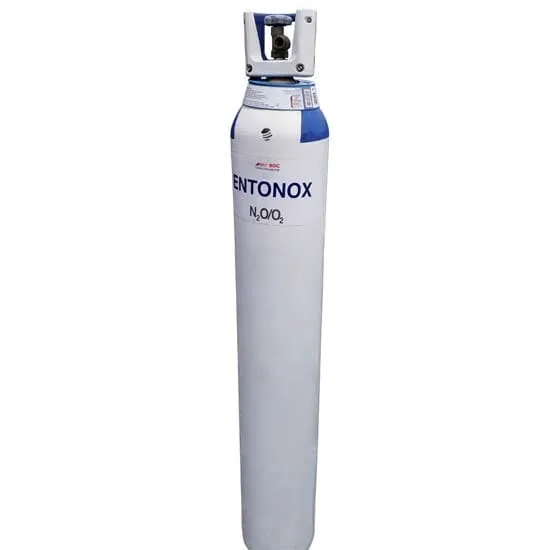
Table of Contents
Package leaflet: Information for the user
Introduction
Package leaflet: information for the user
Entonox 50%/50% medicinal gas, compressed
Nitrous oxide / Oxygen
Read the entire leaflet carefully before you start using this medicine, because it contains important information for you.
- Keep this leaflet, as you may need to read it again.
- If you have any questions, consult your doctor, pharmacist, or nurse.
- This medicine has been prescribed for you only, and you should not give it to others, even if they have the same symptoms as you, because it could harm them.
- If you experience any adverse reactions, consult your doctor or nurse, even if they are adverse reactions not listed in this leaflet. See section 4.
Contents of the leaflet
- What Entonox is and what it is used for
- What you need to know before using Entonox
- How to use Entonox
- Possible adverse effects
- How to store Entonox
- Contents of the pack and other information
1. What Entonox is and what it is used for
Entonox contains a prepared mixture of nitrous oxide ("medicinal laughing gas", N2O) and oxygen (medicinal oxygen, O2), 50% each, and must be used by inhaling the gas mixture.
Effects of Entonox:
Nitrous oxide constitutes 50% of the gas mixture. Nitrous oxide has an analgesic effect, reduces the sensation of pain, and increases the pain threshold. Nitrous oxide also has a relaxing and mildly sedative effect. These effects occur due to the action of nitrous oxide on the substances transmitting signals in your nervous system.
The 50 percent oxygen concentration, approximately double that present in ambient air, ensures a safe oxygen content in the inspired gas.
What Entonox is used for
Entonox should be used when an analgesic effect and rapid relief are desired for moderate-intensity, short-duration conditions. Entonox produces an analgesic effect after a few inhalations, and this effect ceases within minutes after discontinuing use. Entonox can be used in adults and children from 1 month of age.
2. What you need to know before using Entonox
Do not use Entonox:
Before using Entonox, you must inform your doctor if you have any of the following conditions:
- Gas-filled cavities or gas bubbles: If, due to illness or any other reason, you suspect the presence of air in your pleural cavities outside the lungs, or gas bubbles in the blood or any other organ (for example, if you have been diving with scuba gear and may have gas bubbles in your bloodstream; or if you have received an intraocular gas injection, for instance due to retinal detachment or similar), these gas bubbles may expand and cause harm.
- Heart disease: If you have heart failure or impaired heart function, as the mild relaxing effect of nitrous oxide on the heart muscle may further deteriorate cardiac performance.
- Central nervous system injury: If you have increased intracranial pressure, for example due to a brain tumor or cerebral hemorrhage, nitrous oxide may further increase brain pressure, potentially risking damage.
- Vitamin deficiencies: If you have diagnosed but untreated vitamin B12 deficiency or folic acid deficiency, the use of nitrous oxide may worsen symptoms caused by vitamin B12 or folic acid deficiency.
- Intestinal pseudo-obstruction (ileus): If you have severe abdominal discomfort: if symptoms suggest ileus, Entonox may further increase intestinal distension.
- Facial or jaw injuries, when the use of a face mask may present difficulties or risks.
Warnings and precautions
Also consult your doctor if you have any of the following signs or symptoms:
-
Reduced level of consciousness or persistent confusion: Inform your doctor if you do not feel well or feel that, due to trauma or illness, you are not fully alert. This is important because of the sedative effects of nitrous oxide in Entonox. There is a risk of excessive sedation that may impair your natural protective reflexes.
-
Ear discomfort: e.g., ear inflammation, as Entonox may increase pressure in the middle ear.
-
Chronic Obstructive Pulmonary Disease (COPD), as oxygen may cause respiratory depression.
-
If you suffer from or have a history of drug/medication abuse, because there is a high risk of developing dependence on nitrous oxide if used repeatedly. Your doctor will decide whether treatment with nitrous oxide is appropriate in your case.
-
Vitamin deficiencies: If you suspect you have vitamin B12 deficiency or folic acid deficiency, as the use of nitrous oxide may worsen symptoms related to vitamin B12 or folic acid deficiency.
Your doctor will decide whether it is appropriate to use Entonox.
Prolonged or repeated use of nitrous oxide may increase the risk of vitamin B12 deficiency, which may lead to bone marrow or nervous system damage. Your doctor may require blood tests before and after treatment. Your doctor may request blood tests before and after treatment to assess potential consequences of vitamin B12 deficiency.
Use of Entonox with other medicines
Inform your doctor or pharmacist if you are taking, have recently taken, or might need to take any other medicines.
- Methotrexate for the treatment of arthritis. Concomitant administration of Entonox with methotrexate may affect blood cell counts.
If you are taking other medicines that affect the brain or brain functions, e.g., benzodiazepines (tranquilizers) or morphine, you must inform your doctor. Entonox may enhance the effects of these medicines. Entonox, when taken together with other sedatives or medicines affecting the central nervous system, increases the risk of side effects.
- Bleomycin (for cancer treatment) or amiodarone (to treat irregular heartbeat), prior to taking Entonox, as there is a possibility of pulmonary toxic effects due to high oxygen concentration.
- Nitrofurantoin or similar antibiotics (for treating infections).
Pregnancy, breastfeeding, and fertility
If you are pregnant or breastfeeding, think you may be pregnant, or are planning to become pregnant, consult your doctor or nurse before using this medicine.
Entonox may be used during pregnancy if your doctor considers it clinically necessary. It may also be used during childbirth. If used close to delivery, your baby should be monitored for respiratory difficulties (respiratory depression) and other adverse effects.
Entonox may be used during breastfeeding, but should not be used at the time of breastfeeding.
Driving and use of machines:
It should be noted that recovery is required after administration of Entonox. The nitrous oxide in Entonox leaves the body rapidly after brief inhalations. However, effects on cognitive abilities (consciousness) may last up to several hours. For safety reasons, you should avoid driving, operating machinery, or performing complex tasks until you have fully recovered (at least 30 minutes).
Ensure that your healthcare professional informs you whether it is safe for you to drive.
3. How to use Entonox
Entonox must always be administered in the presence of personnel familiar with this type of medication. During the period you use Entonox, both you and the administration of the medication must be monitored to ensure that it is given safely. After treatment ends, you must be supervised by competent personnel until you have fully recovered.
Always follow exactly the instructions for administration provided by your doctor. If in doubt, consult your doctor again. Your doctor or nurse should explain to you how to use Entonox, how Entonox works, and what effects may result from its use.
Entonox is usually inhaled through a mask attached to a special valve, allowing you to fully control the flow of gas through your own breathing. The valve opens only during inspiration. Entonox can also be administered via a nasal mask. Regardless of which type of mask is used, you should breathe normally.
Use in children
In children who are unable to understand and follow instructions, Entonox must be administered under the supervision of competent medical personnel who can assist them in keeping the mask properly positioned and who can actively monitor administration. In these cases, Entonox may be administered with a continuous gas flow.
After stopping the use of Entonox, you should rest and recover until you feel mentally restored.
Safety measures:
- Smoking and open flames are strictly prohibited in the room where Entonox treatment is taking place.
- Entonox is intended exclusively for medical use.
Please also review the handling and storage instructions for Entonox (5. Storage of Entonox).
If you use more Entonox than you should:
It is unlikely that you will receive too much gas, as you control the administration yourself and the gas mixture is fixed (containing 50% nitrous oxide and 50% oxygen).
If you breathe faster than normal, thereby inhaling more nitrous oxide than during normal breathing, you may feel noticeably drowsy and lose contact with your surroundings to some extent. In such a case, you must immediately inform medical personnel and discontinue use.
If you have any further questions about the use of this medicine, ask your doctor or nurse.
In case of overdose or accidental ingestion, contact the Toxicology Information Service. Telephone: 91 562 04 20.
4. Possible adverse effects
Like all medicines, this medicine can cause adverse effects, although not everyone experiences them.
Common (may affect up to 1 in 10 people):
Dizziness, lightheadedness, euphoria, nausea, and vomiting.
Uncommon (may affect up to 1 in 100 people):
Severe fatigue. Feeling of pressure in the middle ear, if Entonox is used for a prolonged period. This is because Entonox increases pressure in the middle ear. Abdominal distension, as Entonox slowly increases the volume of intestinal gases.
Frequency not known (cannot be estimated from available data):
Effects on nerve function, sensation of numbness and weakness, usually in the legs.
Effects on bone marrow, which may cause anaemia (low level of red blood cells in the blood) and leucopenia (low level of white blood cells in the blood).
You may also experience headache and confusion after administration has ended.
Extremely rare psychiatric effects such as psychosis, confusion, and anxiety have been reported. Respiratory depression.
Addiction.
Generalized seizures.
Reporting of adverse effects
If you experience any type of adverse effect, consult your doctor or nurse, even if it is a possible adverse effect not listed in this leaflet. You can also report them directly via the Spanish Pharmacovigilance System for Human Medicinal Products. Website: www.notificaRAM.es. By reporting adverse effects, you can help provide more information on the safety of this medicine.
5. Storage of Entonox
Keep this medicine out of the sight and reach of children.
Do not use this medicine after the expiry date stated on the container.
Do not store at temperatures below -5°C.
If you suspect that Entonox has been stored at excessively cold temperatures, the cylinders must be placed horizontally at a temperature above +10°C for at least 48 hours prior to use.
Store the cylinder in a designated storage area for medicinal gases.
Keep away from combustible materials. Must be used only in well-ventilated areas.
Do not smoke or expose to strong heat sources.
In case of fire risk, the Entonox cylinder must be moved to a safe location.
Keep the cylinder clean, dry, and free from oil and grease.
Ensure that the cylinder has not suffered any impact or has been dropped.
Cylinders must be stored and transported with valves closed.
Vapour may cause drowsiness and dizziness.
6. Contents of the pack and other information
Composition of Entonox
- The active substances are:
nitrous oxide 50% = medicinal laughing gas (chemical term: N2O) and
oxygen 50% = medicinal oxygen (chemical term: O2)
- Entonox contains no other ingredients
Appearance of the product and contents of the container
Entonox is a colourless, odourless, tasteless gas supplied in a cylinder with a valve to control gas flow.
Pharmaceutical form: compressed medicinal gas.
The top of the cylinder is marked white and blue (oxygen/nitrous oxide). The cylinder body is white (medicinal gas).
Container size in liters | 2 | 5 | 10 |
Not all pack sizes are marketed.
Marketing Authorization Holder:
Linde Sverige AB
Rättarvägen 3
169 68 Solna
Sweden
Manufacturers:
AGA Gas AB
Rotevägen 2
SE-192 78 Sollentuna (site Rotebro)
Sweden
Linde Gas AB
Baltzar von Platens gata 4-6
SE-74521 Enköping
Sweden
Linde France
16 avenue de la Saudrune
Zone industrielle du Bois Vert
31 120 Portet sur Garonne
France
Linde Gaz Polska Sp. Z o.o.
ul. Zwirowa 4
33-100 Tarnów
Poland
LINDE GAZ POLSKA Sp. Z o.o.
Branch in Tarnów
Poland
Information provided by:
LINDE GAS ESPAÑA, S.A.U.
C/ Camino de Liria, s/n, apartado de correos nº 25,
46530 Puzol, Valencia, Spain
Tel: 902 426 462
This medicinal product is authorized in the EEA Member States under the following names:
Austria LIVOPAN
Belgium RELIVOPAN
Czech Republic ENTONOX
Cyprus ENTONOX
Denmark LIVOPAN
Estonia ENTONOX
Finland LIVOPAN
Germany LIVOPAN
Greece ENTONOX
Hungary ENTONOX
Iceland LIVOPAN
Italy LIVOPAN
Latvia ENTONOX
Lithuania ENTONOX
Luxembourg RELIVOPAN
Netherlands RELIVOPAN
Norway LIVOPAN
Poland ENTONOX
Portugal LIVOPAN
Romania ENTONOX
Spain ENTONOX
Slovakia ENTONOX
Sweden LIVOPAN
Date of most recent review of this leaflet: May 2019
Other sources of information
Detailed information on this medicinal product is available on the website of the Spanish Agency for Medicinal Products and Health Products: www.aemps.es
This information is intended for healthcare professionals only:
Safety instructions
No risk of fetal adverse effects has been observed in women with occupational exposure to chronic inhalation of nitrous oxide during pregnancy when an adequate ventilation and air renewal system is in place. For further information, please refer to the Summary of Product Characteristics. Special precautions must be taken when handling nitrous oxide. Nitrous oxide must be administered according to local guidelines.
Entonox must only be used in well-ventilated areas and where specialized equipment is available to extract excess gas. By using an extraction system and ensuring adequate ventilation, high atmospheric concentrations of nitrous oxide in ambient air can be avoided. High concentrations of nitrous oxide in the air may cause adverse health effects in personnel and surrounding individuals. National limits exist for nitrous oxide concentration in air, which must not exceed the so-called "occupational exposure limits", often expressed as: TWA (time-weighted average), the average value over a working day, and STEL (short-term exposure limit), the average value during a shorter exposure period.
These limits must not be exceeded to ensure personnel are not exposed to risks.
Repeated administration or exposure to nitrous oxide may lead to dependence. Caution should be exercised in healthcare professionals with occupational exposure to nitrous oxide.
- The valve must be opened slowly and carefully.
- Turn off the equipment in case of fire or if it is not functioning properly.
- During use, the cylinder must be secured with an appropriate support.
- The cylinder should be replaced when the pressure drops to the point where the valve indicator enters the yellow zone.
- When only a small amount of gas remains in the cylinder, the valve must be closed. It is important to leave a small amount of pressure in the cylinder to prevent entry of contaminants.
- After use, the cylinder valve must be firmly closed. Depressurize the regulator or connection.