Docetaxel Seacross 20 mg/ml concentrate for solution for infusion EFG
Spain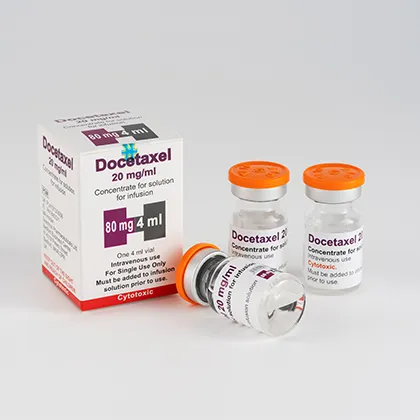
Table of Contents
- Package Leaflet: Information for the User
- Introduction
- 1. What Docetaxel Seacross is and what it is used for
- 2. What you need to know before using Docetaxel Seacross
- 3. How to use Docetaxel Seacross
- 4. Possible adverse effects
- 5. Storage of Docetaxel Seacross
- 6. Contents of the pack and other information
Package Leaflet: Information for the User
Introduction
Package Leaflet: Information for the User
Docetaxel Seacross 20 mg/ml concentrate for solution for infusion EFG
Read the entire leaflet carefully before you start using this medicine, because it contains important information for you.
- Keep this leaflet, as you may need to read it again.
- If you need advice or more information, consult your hospital doctor, pharmacist or nurse.
- If you experience any adverse reactions, consult your doctor, hospital pharmacist or nurse, even if they are adverse reactions not listed in this leaflet. See section 4.
Leaflet Contents
- What Docetaxel Seacross is and what it is used for
- What you need to know before using Docetaxel Seacross
- How to use Docetaxel Seacross
- Possible adverse effects
- How to store Docetaxel Seacross
- Contents of the pack and other information
1. What Docetaxel Seacross is and what it is used for
The name of this medicine is Docetaxel Seacross. Its common name is docetaxel. Docetaxel is a substance derived from the needles (leaves) of the yew tree.
Docetaxel belongs to a group of anticancer medicines called taxoids.
Docetaxel has been prescribed by your doctor for the treatment of breast cancer, certain types of lung cancer (non-small cell lung cancer), prostate cancer, gastric cancer, or head and neck cancer:
- For the treatment of advanced breast cancer, docetaxel may be given either alone or in combination with doxorubicin, trastuzumab, or capecitabine.
- For the treatment of early breast cancer with or without lymph node involvement, Docetaxel may be given in combination with doxorubicin and cyclophosphamide.
- For the treatment of lung cancer, docetaxel may be given either alone or in combination with cisplatin.
- For the treatment of prostate cancer, docetaxel is given in combination with prednisone or prednisolone.
- For the treatment of metastatic gastric cancer, docetaxel is given in combination with cisplatin and 5-fluorouracil.
- For the treatment of head and neck cancer, docetaxel is given in combination with cisplatin and 5-fluorouracil.
2. What you need to know before using Docetaxel Seacross
Do not use Docetaxel Seacross:
- if you are allergic (hypersensitive) to docetaxel or to any of the other ingredients of this medicine (listed in section 6).
- if your white blood cell count is too low.
- if you have severe liver disease.
Warnings and precautions
Before each treatment with Docetaxel, you will have a blood test to check that you have an adequate number of blood cells and sufficient liver function to receive this medicine. If your white blood cells are abnormal, you may develop fever or infections.
Immediately inform your doctor, hospital pharmacist, or nurse if you experience abdominal pain or tenderness, diarrhoea, rectal bleeding, blood in stools, or fever. These symptoms could be the first signs of severe gastrointestinal toxicity, which may be life-threatening. Your doctor must address this immediately.
Inform your doctor, hospital pharmacist, or nurse if you have vision problems. If you experience visual disturbances, particularly blurred vision, you should have an immediate eye and vision examination.
Inform your doctor, hospital pharmacist, or nurse if you have heart problems.
Inform your doctor, hospital pharmacist, or nurse if you have previously experienced allergic reactions to paclitaxel.
If you develop acute problems or worsening of lung symptoms (fever, difficulty breathing, cough), inform your doctor, hospital pharmacist, or nurse immediately. Your doctor may immediately interrupt your treatment.
Your doctor will recommend premedication with an oral corticosteroid such as dexamethasone, starting one day before administration of Docetaxel and continuing for one or two days afterwards, to minimize certain adverse effects that may occur after Docetaxel infusion, particularly allergic reactions and fluid retention (swelling of hands, feet, legs, or weight gain).
During treatment, you may receive other medications to maintain your blood cell counts.
Severe skin reactions such as Stevens-Johnson syndrome (SJS), toxic epidermal necrolysis (TEN), and acute generalized exanthematous pustulosis (AGEP) have been reported with Docetaxel:
- Symptoms of SJS/TEN may include blistering, peeling, or bleeding of the skin anywhere (including lips, eyes, mouth, nose, genitals, hands, or feet), with or without rash. You may also have flu-like symptoms at the same time, such as fever, chills, or muscle pain.
- Symptoms of AGEP may include a widespread red, scaly rash with inflamed bumps under the skin (including skin folds, trunk, and upper limbs), and blisters accompanied by fever.
If you develop severe skin reactions or any of the reactions mentioned above, contact your doctor or healthcare professional immediately.
Inform your doctor, hospital pharmacist, or nurse before starting Docetaxel if you have kidney problems or high levels of uric acid in your blood.
Docetaxel Seacross contains alcohol. Consult your doctor if you have alcohol dependence, epilepsy, or liver disorders. See also below section “Docetaxel Seacross contains ethanol (alcohol)”.
Using Docetaxel Seacross with other medicines
Please inform your doctor or hospital pharmacist if you are taking, have recently taken, or might need to take any other medicines, including those obtained without a prescription.
The reason is that Docetaxel or the other medicine may not work as well as expected, and you may be more likely to experience an adverse effect.
The alcohol content of this medicine may alter the effects of other medicines.
Pregnancy, breast-feeding and fertility
Talk to your doctor before using any medicine.
Docetaxel Seacross must NOT be given during pregnancy unless clearly indicated by your doctor.
You must not become pregnant while being treated and for 2 months after completion of treatment with this medicine. You should use an effective method of contraception during treatment and for 2 months after treatment ends, as Docetaxel may harm the unborn baby. If you become pregnant during treatment, you must inform your doctor immediately.
Docetaxel Seacross must not be used during breast-feeding.
If you are a man receiving Docetaxel treatment, you must not father a child and should use an effective method of contraception during treatment and for 4 months after stopping treatment with this medicine. It is recommended that you discuss sperm preservation before treatment, as docetaxel may impair male fertility.
Driving and using machines
The alcohol content of this medicine may affect your ability to drive and use machines.
You may experience adverse effects from this medicine that could impair your ability to drive, use tools, or operate machinery (see section 4 Possible side effects). If this occurs, do not drive or use any tools or machinery until you have consulted your doctor, nurse, or hospital pharmacist.
Docetaxel Seacross contains ethanol (alcohol)
This medicine contains 50% by volume of ethanol (alcohol), i.e. 395 mg (0.5 ml) of ethanol per 1 ml fill volume vial, equivalent to 10 ml of beer or 4 ml of wine per 1 ml vial; 1.58 g (2 ml) of ethanol per 4 ml fill volume vial, equivalent to 40 ml of beer or 17 ml of wine per 4 ml vial; or 3.16 g (4 ml) of ethanol per 8 ml fill volume vial, equivalent to 80 ml of beer or 33 ml of wine per 8 ml vial.
This medicine is harmful for people suffering from alcoholism. If you are addicted to alcohol, consult your doctor or pharmacist before taking this medicine.
The alcohol content should be taken into account in pregnant or breast-feeding women, children, and high-risk populations such as patients with liver disease or epilepsy.
The alcohol content of this medicine may have effects on the central nervous system (part of the nervous system that includes the brain and spinal cord).
The amount of alcohol contained in this medicine may affect your ability to drive and use machines, as it may impair your judgment and reaction capacity.
The amount of alcohol contained in this medicine may alter the effect of other medicines. Consult your doctor or pharmacist if you are taking other medicines.
3. How to use Docetaxel Seacross
Docetaxel will be administered to you by a healthcare professional.
Usual dose
The dose will depend on your body weight and general condition. Your doctor will calculate your body surface area in square meters (m²) and determine the dose you should receive.
Method and route of administration
Docetaxel will be given as an intravenous infusion into one of your veins. The infusion will last approximately one hour, during which time you will remain in the hospital.
Frequency of administration
The treatment will be administered to you by intravenous infusion once every 3 weeks.
Your doctor may adjust the dose and frequency of administration depending on your blood test results, general condition, and response to this medicine. In particular, inform your doctor if you experience diarrhea, mouth sores, numbness or tingling sensations, or fever, and provide your blood test results. This information will help your doctor decide whether a dose reduction is necessary. If you have any further questions about the use of this medicine, ask your doctor or the hospital pharmacist.
4. Possible adverse effects
Like all medicines, this one may cause adverse effects, although not everyone experiences them.
Your doctor will discuss these with you and explain the potential risks and benefits of your treatment.
The most frequently reported adverse effects of docetaxel when administered alone are: decreased numbers of red or white blood cells, alopecia, nausea, vomiting, mouth sores, diarrhea, and fatigue.
The severity of docetaxel's adverse effects may increase when it is administered in combination with other chemotherapeutic agents.
During the infusion in hospital, the following allergic reactions may occur (may affect more than 1 in 10 patients):
- flushing, skin reactions, itching,
- chest tightness, difficulty breathing,
- fever or chills,
- back pain,
- decreased blood pressure.
Other more severe reactions may also occur.
If you have had an allergic reaction to paclitaxel, you may also experience an allergic reaction to docetaxel, which could be more severe.
Hospital staff will closely monitor your health during treatment. If you notice any of these effects, inform them immediately.
Between one docetaxel infusion and another, the following may occur, and their frequency may vary depending on the combination of medicines you receive:
Very common (may affect more than 1 in 10 patients):
- infections, decreased number of red blood cells (anemia) or white blood cells (which are important for fighting infections) and platelets
- fever: if this occurs, you must inform your doctor immediately
- allergic reactions as described above
- loss of appetite (anorexia)
- insomnia
- sensation of numbness, tingling, or pain in joints or muscles
- headache
- altered taste
- eye inflammation or excessive tearing
- swelling caused by impaired lymphatic drainage
- shortness of breath
- nasal discharge; throat and nose inflammation; cough
- nosebleeds
- mouth sores
- stomach discomfort including nausea, vomiting, diarrhea, constipation
- abdominal pain
- indigestion
- hair loss (in most cases, hair will grow back normally). In some cases (frequency not known), permanent hair loss has been observed
- redness and swelling of the palms of the hands or soles of the feet, which may lead to skin peeling (this may also occur in arms, face, or body)
- changes in nail color, which may detach
- muscle pain; back or bone pain
- changes or absence of menstrual periods
- swelling of hands, feet, legs
- fatigue; or cold-like symptoms
- weight gain or loss
- upper respiratory tract infection
Common (may affect up to 1 in 10 patients):
- oral candidiasis
- dehydration
- dizziness
- impaired hearing
- low blood pressure, irregular or rapid heartbeat
- heart failure
- esophagitis
- dry mouth
- difficulty or pain when swallowing
- bleeding
- elevated liver enzymes (hence the need for regular blood tests)
- increased blood sugar levels (diabetes)
- decreased potassium, calcium, and/or phosphate levels in your blood
Uncommon (may affect up to 1 in 100 patients):
- fainting
- skin reactions, phlebitis (vein inflammation), or swelling at the injection site
- blood clot formation
- acute myeloid leukemia and myelodysplastic syndrome (types of blood cancer) may occur in patients treated with docetaxel in combination with other anticancer treatments
Rare (may affect up to 1 in 1,000 patients):
- inflammation of the colon or small intestine, which could be fatal (frequency not known); intestinal perforation
Frequency not known (cannot be estimated from available data):
- interstitial lung disease (lung inflammation causing cough and difficulty breathing. Lung inflammation may also occur when docetaxel treatment is used with radiotherapy)
- pneumonia (lung infection)
- pulmonary fibrosis (scarring and thickening in the lungs causing difficulty breathing)
- blurred vision due to retinal inflammation inside the eye (cystoid macular edema)
- decreased sodium and/or magnesium levels in your blood (electrolyte imbalance)
- ventricular arrhythmia or ventricular tachycardia (manifested as irregular and/or rapid heartbeat, severe shortness of breath, dizziness and/or fainting). Some of these symptoms may be serious. If this occurs, inform your doctor immediately
- reactions at the injection site, including at the site of a previous reaction
- non-Hodgkin lymphoma (a cancer affecting the immune system) and other types of cancer may occur in patients receiving docetaxel treatment along with other anticancer therapies
- Stevens-Johnson syndrome (SJS) and toxic epidermal necrolysis (TEN) (blisters, peeling or bleeding on any part of your skin (including lips, eyes, mouth, nose, genitals, hands or feet), with or without rash. You may also have flu-like symptoms at the same time, such as fever, chills, or muscle pain)
- acute generalized exanthematous pustulosis (AGEP) (widespread red, scaly rash with bumps under inflamed skin (including skin folds, trunk, and upper limbs) and blisters accompanied by fever
- Tumor lysis syndrome, a serious condition characterized by changes in blood tests such as increased levels of uric acid, potassium, and phosphate, and decreased calcium levels; resulting in symptoms such as seizures, kidney failure (reduced or dark urine), and heart rhythm disturbances. If this occurs, you must inform your doctor immediately
- Myositis (muscle inflammation—characterized by warmth, redness, and swelling—leading to muscle pain and weakness)
Reporting of adverse effects
If you experience any adverse effect, talk to your doctor, pharmacist, or nurse, even if it is a possible adverse effect not listed in this leaflet. You can also report them directly via the Spanish Pharmacovigilance System for Human Medicines: https://www.notificaram.es. By reporting adverse effects, you can help provide more information on the safety of this medicine.
5. Storage of Docetaxel Seacross
Keep this medicine out of the sight and reach of children.
Do not use this medicine after the expiry date stated on the outer packaging and on the label of the vial after EXP. The expiry date refers to the last day of the month indicated.
Do not store above 25°C.
Store in the original packaging to protect from light.
Use the vial immediately after opening. If not used immediately, the storage times and conditions during use are the responsibility of the user.
From a microbiological standpoint, reconstitution/dilution must be carried out under controlled aseptic conditions.
The medicine should be used immediately once added to the infusion bag. If not used immediately, the storage times and conditions during use are the responsibility of the user and normally should not exceed 8 hours in an infusion bottle or 6 hours in an infusion bag, at temperatures below 25°C, including the time of infusion to the patient.
The in-use physical and chemical stability of the prepared infusion solution, as recommended, has been demonstrated for up to 48 hours when stored between 2°C and 8°C in non-PVC bags.
Docetaxel infusion solution is supersaturated and may therefore crystallize over time. If crystals appear, the solution must not be used and should be discarded.
Do not dispose of medicines via wastewater. Ask your pharmacist how to dispose of medicines no longer in use. This will help protect the environment.
6. Contents of the pack and other information
Composition of Docetaxel Seacross
- The active substance is docetaxel.
- Each ml of concentrate for solution for infusion contains 20 mg of docetaxel.
- The other components are polysorbate 80, anhydrous ethanol (see section 2), and citric acid.
Appearance of the product and contents of the pack
Docetaxel Seacross concentrate for solution for infusion is a sterile, clear, viscous solution, colourless to yellowish-brown.
The concentrate is supplied in a colourless glass vial of 2 ml with a green flip-off cap. Each pack contains one vial of 1 ml concentrate (20 mg of docetaxel).
The concentrate is supplied in a colourless glass vial of 6 ml with an orange flip-off cap. Each pack contains one vial of 4 ml concentrate (80 mg of docetaxel).
The concentrate is supplied in a colourless glass vial of 15 ml with a red flip-off cap. Each pack contains one vial of 8 ml concentrate (160 mg of docetaxel).
Marketing Authorization Holder and Manufacturer
Seacross Pharma (Europe) Limited
POD 13, The Old Station House
15A Main Street, Blackrock
Dublin, A94 T8P8
Ireland
You can request further information about this medicinal product by contacting the local representative of the marketing authorization holder: Local Representative: Sun Pharma Laboratorios, S.L. Rambla de Catalunya 53-55 08007 – Barcelona Spain |
Date of the most recent review of this leaflet: July 2023
Detailed information on this medicine is available on the website of the Spanish Agency of Medicines and Health Products (AEMPS) http://www.aemps.gob.es/
This information is intended exclusively for healthcare professionals:
PREPARATION GUIDE FOR THE USE OF DOCETAXEL SEACROSS 20 mg/ml CONCENTRATE FOR PERFUSION SOLUTION EFG
It is important to carefully read the contents of this guide before preparing the docetaxel perfusion solution.
Recommendations for safe handling
Docetaxel is an antineoplastic agent and, as with other potentially toxic compounds, caution should be exercised when handling and preparing solutions. The use of gloves is recommended.
If the docetaxel concentrate or perfusion solution comes into contact with the skin, wash immediately and thoroughly with soap and water. If contact occurs with mucous membranes, rinse immediately and thoroughly with water.
Preparation for intravenous administration
Preparation of the perfusion solution
DO NOT USE this medicine (Docetaxel Seacross 20 mg/ml concentrate for perfusion solution, in a single vial) with other medicines containing docetaxel in two vials (concentrate and solvent).
Docetaxel Seacross 20 mg/ml concentrate for perfusion solution DOES NOT require prior dilution with a solvent and is ready to be added directly to the perfusion solution.
- Each vial is for single use only and should be used immediately after opening. If not used immediately, the storage times and conditions during use are the responsibility of the user. More than one vial of concentrate for perfusion solution may be required to achieve the dose needed for the patient. For example, a dose of 140 mg of docetaxel would require 7 ml of docetaxel concentrate for perfusion solution.
- Aseptically withdraw the required amount of concentrate for perfusion solution using a calibrated syringe with a 21G needle.
The concentration of docetaxel in the Docetaxel Seacross 20 mg/ml vial is 20 mg/ml.
- Then, inject it in a single injection into a 250 ml infusion bag or bottle containing either 5% glucose solution or sodium chloride 9 mg/ml (0.9%) perfusion solution. If a dose greater than 190 mg of docetaxel is required, use a larger volume of perfusion fluid to avoid exceeding a docetaxel concentration of 0.74 mg/ml.
- Mix the infusion bag or bottle manually by gentle rotation.
- From a microbiological standpoint, reconstitution/dilution should be performed under controlled aseptic conditions and the perfusion solution should be used immediately. If not used immediately, the storage times and conditions during use are the responsibility of the user.
Once added to an infusion bag (PP) or infusion bottle (PE) as recommended, the docetaxel perfusion solution is stable for 8 hours in an infusion bottle or for 6 hours in an infusion bag when stored below 25°C. It must be used within this 6-8 hour period (including the intravenous infusion time).
Furthermore, the physical and chemical stability in use of the prepared perfusion solution, as recommended, has been demonstrated for up to 48 hours when stored between 2°C and 8°C in non-PVC bags.
The docetaxel perfusion solution is supersaturated and may therefore crystallize over time. If crystals appear, the solution must not be used and should be discarded.
- As with all parenteral products, the perfusion solution should be inspected visually before use; solutions in which precipitate is observed should be discarded.
Disposal
Disposal of unused medicine and of all materials that have come into contact with it must be carried out in accordance with local regulations. Do not dispose of medicines via wastewater. Ask your pharmacist how to dispose of medicines no longer in use. This will help protect the environment.