Divic 6 mg/ml solution for injection in pre-filled pen EFG
Spain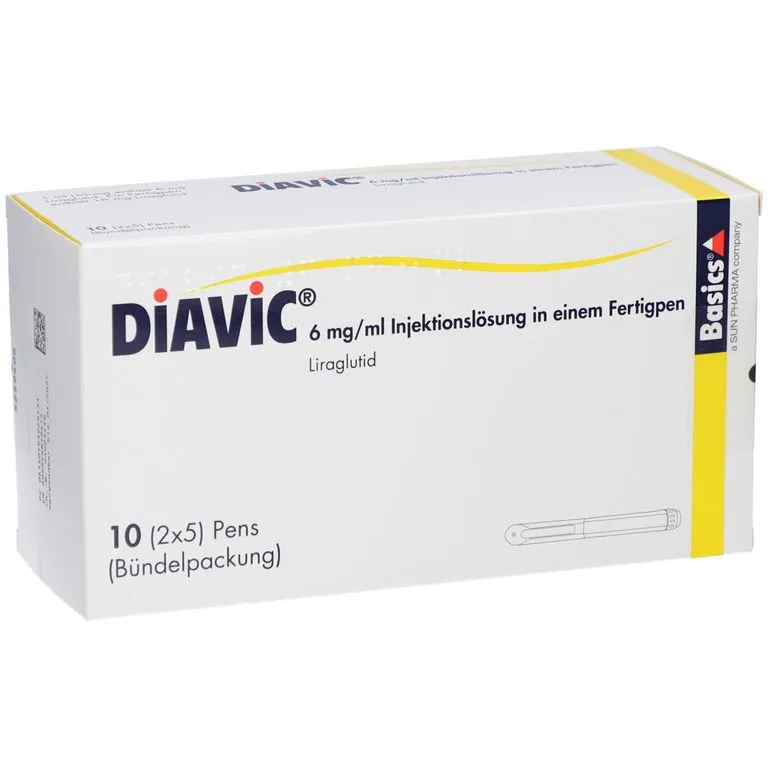
Table of Contents
Package leaflet: Information for the user
Introduction
Package leaflet: information for the patient
Diavic 6 mg/ml injection solution in a pre-filled pen EFG
liraglutide
Read all of this leaflet carefully before you start using this medicine, because it contains important information for you.
- Keep this leaflet, as you may need to read it again.
- If you have any questions, ask your doctor, pharmacist or nurse.
- This medicine has been prescribed for you only, and you should not give it to other people, even if they have the same symptoms as you, because it may harm them.
- If you experience any adverse effects, talk to your doctor, pharmacist or nurse, even if they are effects not listed in this leaflet. See section 4.
Contents of the leaflet
- What Diavic is and what it is used for
- What you need to know before using Diavic
- How to use Diavic
- Possible side effects
- How to store Diavic
- Contents of the pack and other information
1. What Diavic is and what it is used for
Diavic contains the active substance liraglutide. It helps your body reduce your blood sugar level only when the sugar level is too high. In addition, it slows down the passage of food through your stomach and may help prevent heart disease.
Liraglutide is used only if your blood sugar level is not adequately controlled by diet and exercise alone, and you cannot use metformin (another diabetes medicine).
Liraglutide is used together with other diabetes medicines when these are not sufficient to control your blood sugar level. These may include:
- oral antidiabetic medicines [such as metformin, pioglitazone, sulfonylurea, sodium-glucose cotransporter-2 inhibitor (SGLT2i)] and/or insulin.
2. What you need to know before using Diavic
Do not use Diavic
- If you are allergic to liraglutide or to any of the other components of this medicine (listed in section 6).
Warnings and precautions
Consult your doctor, pharmacist, or nurse:
- before starting to use liraglutide.
- if you have or have had a pancreatic disease.
If you know you are going to undergo surgery under anesthesia (a state of sleep), inform your doctor that you are taking Diavic.
This medicine must not be used if you have type 1 diabetes (your body produces no insulin at all) or diabetic ketoacidosis (a complication of diabetes characterized by high blood sugar levels and increased breathing effort). It is not insulin and therefore must not be used as a substitute for insulin.
The use of Diavic is not recommended if you are undergoing dialysis.
The use of Diavic is not recommended if you have severe liver disease.
The use of Diavic is not recommended if you have severe heart failure.
This medicine is not recommended if you have a serious stomach or intestinal problem causing delayed stomach emptying (called gastroparesis), or inflammatory bowel disease.
If you experience symptoms of acute pancreatitis, such as severe and persistent stomach pain, you must consult your doctor immediately (see section 4).
If you have thyroid disease, including thyroid nodules or enlargement of the thyroid gland, consult your doctor.
In some cases, when starting treatment with Diavic, you may experience dehydration (loss of fluids), for example, if you have vomiting, nausea, or diarrhea. It is important to prevent dehydration by drinking plenty of fluids. Speak with your doctor if you have any concerns.
Children and adolescents
Diavic can be used in adolescents and children from 10 years of age. There is no available data in children under 10 years of age.
Other medicines and Diavic
Inform your doctor, pharmacist, or nurse if you are taking, have recently taken, or might need to take any other medicines.
Specifically, inform your doctor, pharmacist, or nurse if you are taking medicines containing any of the following active substances:
- Sulfonylureas (such as glimepiride or glyburide) or insulin. You may experience hypoglycemia (low blood sugar) when using Diavic together with a sulfonylurea or insulin, since sulfonylureas and insulin increase the risk of hypoglycemia. When you first start using these medicines together, your doctor may advise you to reduce the dose of sulfonylurea or insulin. To check symptoms warning of low blood sugar, see section 4. If you are also taking a sulfonylurea (such as glimepiride or glyburide) or insulin, your doctor may request blood tests to monitor your blood sugar levels. This will help your doctor decide whether a dose adjustment of sulfonylurea or insulin is needed.
- If you are receiving insulin, your doctor will advise you on how to reduce the insulin dose and will recommend that you monitor your blood sugar levels more frequently to prevent hyperglycemia (high blood sugar levels) and diabetic ketoacidosis (a complication of diabetes that occurs when the body cannot break down glucose due to insufficient insulin).
- Warfarin or other anticoagulant medicines. More frequent blood tests may be needed to determine your blood's clotting ability.
Pregnancy and breastfeeding
Inform your doctor if you are pregnant, think you might be pregnant, or are planning to become pregnant. Diavic must not be used during pregnancy because it is unknown whether it could harm the fetus.
It is unknown whether liraglutide passes into breast milk; therefore, do not use this medicine during breastfeeding.
Driving and use of machines
Low blood sugar (hypoglycemia) may reduce your ability to concentrate. Avoid driving or operating machinery if you experience symptoms of hypoglycemia. See section 4 for symptoms warning of low blood sugar. Consult your doctor for further information.
Important information about some ingredients of Diavic
This medicine contains less than 1 mmol of sodium (23 mg) per dose; hence, it is essentially “sodium-free.”
3. How to use Diavic
Follow exactly the instructions for administration of this medicine as given by your doctor. If in doubt, consult your doctor, pharmacist, or nurse.
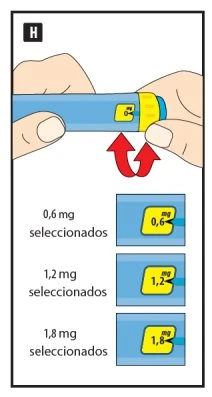
- The starting dose is 0.6 mg once daily for at least 1 week.
- Your doctor will tell you when to increase this dose to 1.2 mg once daily.
- Your doctor may instruct you to further increase the dose to 1.8 mg once daily if your blood glucose is not adequately controlled with a 1.2 mg dose.
Do not change the dose unless your doctor tells you to do so.
Diavic is administered as an injection under the skin (subcutaneous). Do not inject it into a vein or muscle. The best injection sites are the front of the thigh, the abdominal area, or the upper arm. Change the injection site each day to reduce the risk of developing lumps under the skin. The injection can be given at any time of day, regardless of meals. Once you have chosen the most convenient time of day, it is preferable to inject Diavic around the same time each day.
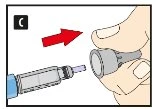
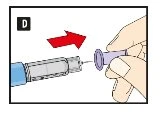
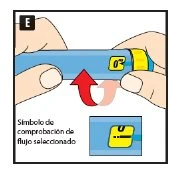
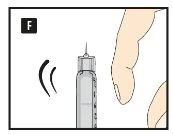
Before using the pen for the first time, your doctor or nurse will show you how to use it.
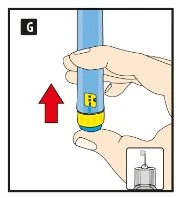
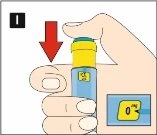
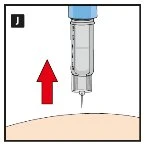
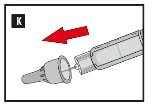
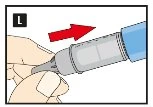
Detailed instructions for use can be found on the reverse side of this leaflet.
If you use more Diavic than you should
If you use more Diavic than you should, consult your doctor immediately. You may also call the Toxicology Information Service at telephone number 91 562 04 20, indicating the medicine and the amount taken. You may require medical treatment. You may experience nausea, vomiting, diarrhoea, or low blood sugar (hypoglycaemia). See the warning symptoms of low blood sugar in section 4.
If you forget to use Diavic
If you forget a dose, take Diavic as soon as you remember.
However, if more than 12 hours have passed since you were supposed to take Diavic, skip the missed dose. Take your next dose the following day as usual.
Do not use a double dose or increase the next day's dose to make up for the missed dose.
If you stop using Diavic
Do not stop using Diavic without consulting your doctor. If you stop, your blood sugar levels may increase.
If you have any further questions about the use of this medicine, ask your doctor, pharmacist, or nurse.
4. Possible adverse effects
Like all medicines, this medicine can cause adverse effects, although not everyone will experience them.
Serious adverse effects
Frequent: may affect up to 1 in 10 people
- Hypoglycaemia (low blood sugar level). Warning symptoms of low blood sugar may appear suddenly and include: cold sweat, cold and pale skin, headache, palpitations, nausea, excessive hunger, visual disturbances, drowsiness, feeling of weakness, nervousness, anxiety, confusion, difficulty concentrating, and tremors. Your doctor will advise you on how to treat low blood sugar levels and what to do if you notice any of these warning symptoms. This is more likely to occur if you are also taking a sulfonylurea or insulin. Your doctor may reduce your dose of these medicines before you start using Diavic.
Rare: may affect up to 1 in 1,000 people
- A severe allergic reaction (anaphylactic reaction) with additional symptoms such as breathing difficulties, swelling of the throat and face, palpitations, etc. If you notice any of these symptoms, seek medical help immediately and consult your doctor as soon as possible.
- Intestinal obstruction. A severe form of constipation with additional symptoms such as stomach pain, bloating, vomiting, etc.
Very rare: may affect up to 1 in 10,000 people
- Cases of inflammation of the pancreas (pancreatitis). Pancreatitis can be a serious and potentially life-threatening condition. Stop using Diavic and contact your doctor immediately if you experience any of the following serious adverse effects:
Severe and persistent pain in the abdomen (stomach area) which may radiate to the back, as well as nausea and vomiting, as these could be signs of inflammation of the pancreas (pancreatitis).
Other adverse effects
Very frequent: may affect more than 1 in 10 people
- Nausea (feeling unwell). This effect usually disappears with time.
- Diarrhoea. This effect usually disappears with time.
Frequent: may affect up to 1 in 10 people
- Vomiting
When starting treatment with liraglutide, fluid loss/dehydration may occur in some cases, for example due to vomiting, nausea, and diarrhoea. It is important to prevent dehydration by drinking plenty of fluids.
- Headache
- Indigestion
- Inflamed stomach (gastritis). Symptoms include stomach pain, nausea, and vomiting.
- Gastroesophageal reflux disease (GERD). Symptoms include heartburn.
- Bloating or abdominal pain
- Abdominal discomfort
- Constipation
- Gas (flatulence)
- Decreased appetite
- Bronchitis
- Common cold
- Dizziness
- Rapid pulse
- Fatigue
- Toothache
- Injection site reactions (bruising, pain, irritation, itching, and rash)
- Increased levels of pancreatic enzymes (such as lipase and amylase).
Uncommon: may affect up to 1 in 100 people
- Allergic reactions such as pruritus (itching) and urticaria (a type of skin rash)
- Dehydration, sometimes with reduced kidney function
- Malaise (feeling unwell)
- Gallstones
- Inflamed gallbladder
- Changes in taste
- Delayed gastric emptying.
Frequency not known (cannot be estimated from available data):
- Lumps under the skin may occur due to the accumulation of a protein called amyloid (cutaneous amyloidosis; frequency of occurrence is unknown).
Reporting of adverse effects
If you experience any type of adverse effect, talk to your doctor, pharmacist, or nurse, even if it is a possible adverse effect not listed in this leaflet. You can also report them directly via the Spanish Pharmacovigilance System for Human Medicines: www.notificaRAM.es. By reporting adverse effects, you can help provide more information on the safety of this medicine.
5. Storage of Diavic
Keep this medicine out of the sight and reach of children.
Do not use this medicine after the expiry date stated on the label and on the pen packaging after EXP. The expiry date refers to the last day of the month indicated.
Before use:
Store in a refrigerator (2°C–8°C). Do not freeze. Keep away from the freezer.
During use:
The pen may be stored for one month either below 30°C or in a refrigerator (between 2°C and 8°C), away from the freezer. Do not freeze.
When not in use, keep the pen with the cap on to protect it from light.
Do not use this medicine if the solution is not clear and colourless or almost colourless.
Medicines should not be disposed of via wastewater or household waste. Ask your pharmacist how to dispose of medicines and containers you no longer need. This will help protect the environment.
6. Contents of the pack and other information
Composition of Diavic
- The active substance is liraglutide. 1 ml of injectable solution contains 6 mg of liraglutide. A pre-filled pen contains 18 mg of liraglutide.
- The other components are disodium phosphate dihydrate, propylene glycol (E1520), phenol, sodium hydroxide (for pH adjustment), concentrated hydrochloric acid (for pH adjustment), and water for injections.
Presentation of the product and contents of the pack
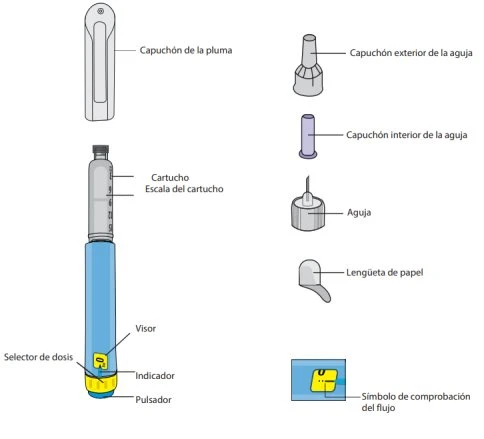
Diavic is a clear, colourless or almost colourless solution supplied in a pre-filled pen. It consists of a cartridge with a bromobutyl rubber plunger stopper, made of colourless type I glass, assembled into a pen-type injector with a light blue body subassembly, light blue button, and yellow dose-dialing knob with a grey cap. Each pen contains 3 ml of solution, capable of delivering 30 doses of 0.6 mg, 15 doses of 1.2 mg, or 10 doses of 1.8 mg.
Diavic is available in packs of 1, 2, 3, 5, 10, or multiple packs containing 10 (2 packs of 5) pens.
Only certain pack sizes may be commercially available.
Needles are not included.
Marketing Authorization Holder and Manufacturer
Marketing Authorization Holder
Sun Pharmaceutical Industries Europe B.V. Polarisavenue 87 2132JH, Hoofddorp Netherlands Manufacturer responsible Sun Pharmaceutical Industries Europe B.V. Polarisavenue 87 2132JH, Hoofddorp Netherlands
Detailed information about this medication is available on the website of the Spanish Agency of Medicines and Health Products (AEMPS) http://www.aemps.gob.es/
|