Depakine 200 mg/ml oral solution
Spain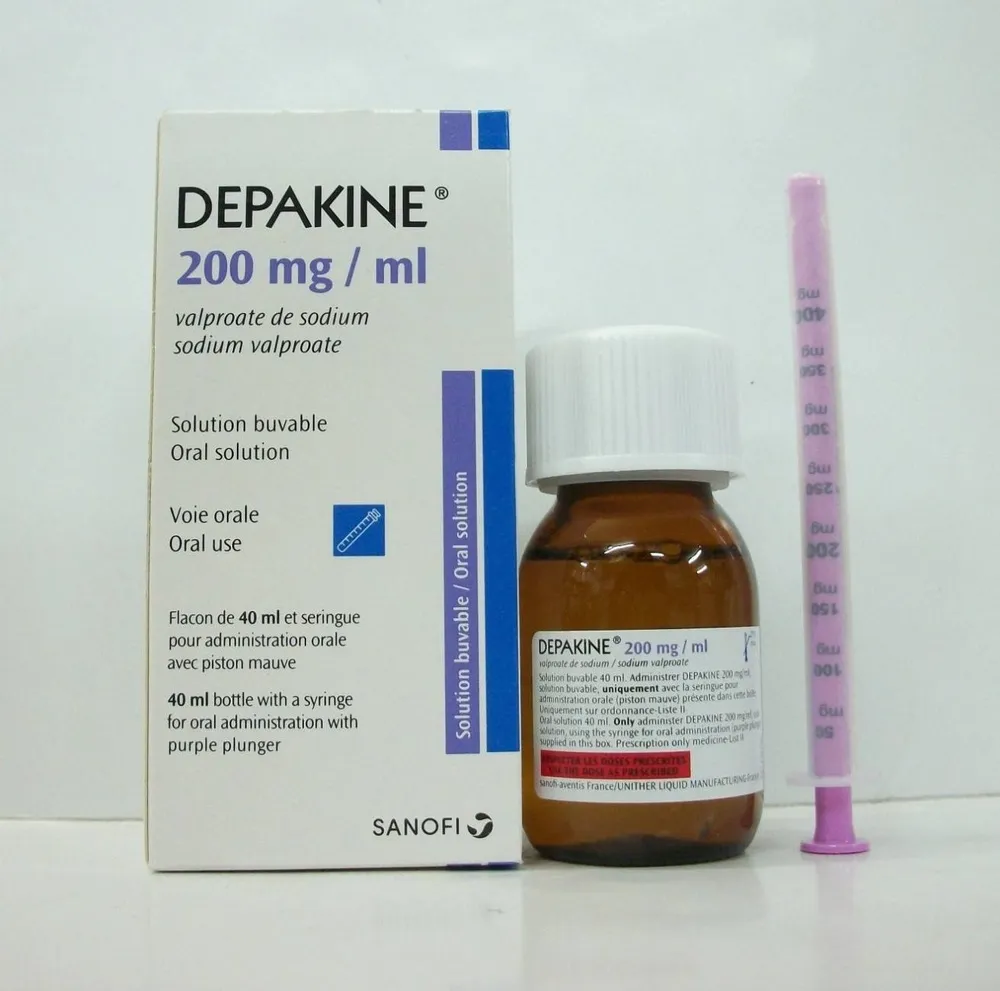
Table of Contents
Patient Information Leaflet
Introduction
PACKAGE LEAFLET: INFORMATION FOR THE USER
Depakine 200 mg/ml oral solution
sodium valproate
This medicinal product is subject to additional monitoring, which will allow for faster detection of new safety information. You can help by reporting any adverse reactions you may experience. Information on how to report adverse reactions is included at the end of section 4.
WARNING Depakine, sodium valproate, can seriously harm the unborn baby when taken during pregnancy. If you are a woman of childbearing potential, you must use an effective method of contraception (birth control) without interruption throughout treatment with Depakine. Your doctor will discuss this with you, but you should also follow the warning in section 2 of this leaflet. Schedule an urgent appointment with your doctor if you wish to become pregnant or if you think you may be pregnant. Do not stop taking Depakine unless your doctor tells you to, as your condition may worsen. |
Read the entire leaflet carefully before you start taking this medicine, as it contains important information for you.
-
Keep this leaflet, as you may need to read it again.
-
If you have any questions, consult your doctor or pharmacist.
-
This medicine has been prescribed for you only, and you should not give it to others, even if they have the same symptoms as you, as it may harm them.
- If you experience any adverse effects, consult your doctor or pharmacist, even if they are adverse effects not listed in this leaflet. See section 4.
Contents of the leaflet
- What Depakine is and what it is used for
- What you need to know before taking Depakine
- How to take Depakine
- Possible adverse effects
- Storage of Depakine
- Contents of the pack and other information
1. What Depakine is and what it is used for
Depakine 200 mg/ml oral solution belongs to a group of medicines called antiepileptics. It is indicated for the treatment of various types of epilepsy in adults and children.
2. What you need to know before taking Depakine
Do not take Depakine
- If you are allergic (hypersensitive) to the active substance, to any of the other components of Depakine, or to any other medication, you must inform your doctor.
- You should not use Depakine if you are pregnant, unless no other treatment works.
- If you are a woman of childbearing potential, you should not take Depakine unless you use an effective method of birth control (contraception) throughout your entire treatment with Depakine. Do not stop taking Depakine or your contraceptive until you have discussed this with your doctor. Your doctor will advise you (see below under “Pregnancy, breastfeeding and fertility – Important warning for women”).
- If you currently have any liver or pancreas disease.
- If you have previously had any liver disease.
- If any of your close relatives have a history of severe liver disease (hepatitis), mainly caused by medications.
- If you have a family history of death due to impaired liver function during treatment with sodium valproate.
- If you have liver porphyria (a very rare metabolic disorder).
- If you have a genetic condition causing a mitochondrial disorder (e.g., Alpers-Huttenlocher syndrome).
- If you have a known metabolic disorder, such as a urea cycle disorder.
- If you have untreated carnitine deficiency (a very rare metabolic disease).
If you think you may have any of these problems or if you have any doubts, consult your doctor before taking Depakine.
Warnings and precautions
CONTACT YOUR DOCTOR IMMEDIATELY:
The risk of liver damage increases when valproate is given to children under 3 years of age, in people taking other antiepileptic drugs simultaneously, or in those with other neurological or metabolic disorders and severe forms of epilepsy.
Your doctor should check your liver function tests before starting treatment and periodically during the first 6 months, especially in patients at risk.
If you, or your child, suddenly develop an illness, especially if it occurs during the first months of treatment and, in particular, if it includes repeated vomiting, extreme fatigue, abdominal pain, drowsiness, weakness, loss of appetite, upper abdominal pain, nausea, jaundice (yellowing of the skin or eyes), swelling of the legs, worsening of epilepsy, or a general feeling of malaise. In this case, you should contact your doctor immediately. In a very small number of patients, Depakine can affect the liver or pancreas. Impaired liver function together with pancreatic dysfunction increases the risk of fatal outcome.
If you or your child taking valproate develops problems with balance and coordination, feelings of lethargy or reduced alertness, or vomiting, inform your doctor immediately. This may be due to increased blood ammonia levels.
A small number of people who have been treated with antiepileptic medicines such as valproic acid have had thoughts of self-harm or suicide. If at any time you have these thoughts, contact your doctor immediately.
Serious skin reactions have been reported with valproate treatment, including Stevens-Johnson syndrome, toxic epidermal necrolysis, drug reaction with eosinophilia and systemic symptoms (DRESS syndrome), erythema multiforme, and angioedema. Seek immediate medical attention if you notice any symptoms related to these serious skin reactions described in section 4.
Before taking this medicine, consult your doctor
-
If you know or your doctor suspects a genetic problem caused by a mitochondrial disorder in your family, due to the risk of liver damage.
-
If a metabolic disorder is suspected, particularly inherited enzyme deficiencies such as a "urea cycle disorder," due to the risk of increased blood ammonia levels.
-
If you have a rare disorder called "carnitine palmitoyltransferase type II deficiency," because you are at higher risk of developing muscle disorders.
-
If you have altered dietary intake of carnitine, found in meat and dairy products, especially in children under 10 years of age.
-
If you have carnitine deficiency and are taking carnitine supplements.
-
If you have impaired kidney function or hypoproteinemia (decreased levels of proteins in the blood). In this case, your doctor may wish to monitor valproate blood levels or adjust the dose.
-
When administering Depakine to children under 3 years of age, concomitant administration with acetylsalicylic acid (aspirin) should be especially avoided.
-
If you have systemic lupus erythematosus.
-
If you have blood disorders (blood coagulation or thrombocytopenia). A complete blood count is recommended before starting treatment, before surgery, and in cases of spontaneous bruising or bleeding.
-
If you experience weight gain at the beginning of treatment.
-
As with other antiepileptic medicines, seizures may worsen or occur more frequently while taking this medicine. If this happens, contact your doctor immediately.
-
If you have ever developed a severe skin rash, peeling, blisters, and/or mouth sores after taking valproate.
Use of Depakine with other medicines
Inform your doctor or pharmacist if you are taking, have recently taken, or might take any other medicines, including those obtained without a prescription, homeopathic remedies, herbal medicines, and other health-related products, as it may be necessary to discontinue treatment or adjust the dose of one or more of them.
Some medicines may alter the effect of Depakine or vice versa. These include:
- Carbapenem agents (antibiotics used to treat bacterial infections).
- Products containing estrogens (including some birth control pills).
- Neuroleptics (medicines used to treat psychological disorders).
- Medicines used to treat depression.
- Benzodiazepines (medicines used to help sleep or treat anxiety).
- Olanzapine and quetiapine (medicines used to treat psychiatric disorders).
- Other medicines used to treat epilepsy, including phenobarbital, phenytoin, primidone, lamotrigine (the risk of developing a severe skin rash may increase when lamotrigine and valproic acid are taken together), carbamazepine, ethosuximide, felbamate, and topiramate. Concomitant administration of Depakine with topiramate has been associated with encephalopathy and/or hyperammonemia (a brain and nervous system condition occurring as a complication of liver disorders with or without increased blood ammonia).
- Zidovudine (a medicine used to treat HIV and AIDS infections).
- Mefloquine (a medicine used to treat or prevent malaria).
- Salicylates (aspirin). See also “Warnings and precautions – Children under 3 years of age”.
- Anticoagulants (medicines used to prevent blood clots).
- Cimetidine (a medicine used to treat stomach ulcers).
- Erythromycin and rifampicin (antibiotics).
- Rufinamide.
- Acetazolamide.
- Protease inhibitors, such as lopinavir, ritonavir (used in the treatment of HIV).
- Cholestyramine.
- Propofol (an anesthetic).
- Metamizole (a medicine used to treat pain and fever).
- Cannabidiol (used to treat epilepsy and other conditions).
- Methotrexate (used to treat cancer and inflammatory diseases).
- Some anti-infectives containing pivalate (e.g., pivampicillin, adefovir dipivoxil).
- Clozapine (for treating mental health conditions).
Depakine may increase the effects of Nimodipine (a medicine used in the treatment of hypertension, angina pectoris, and blood vessel disorders).
The activity of these and other medicines may be affected by Depakine, or they may directly affect the activity of Depakine. You may need different doses of medicine or you may need to take different medicines. Your doctor or pharmacist will advise you.
Taking Depakine with food and drinks
Do not consume alcoholic beverages.
Pregnancy, breastfeeding and fertility
Pregnancy
Consult your doctor or pharmacist before using any medicine.
Important warning for women
- You must not use Depakine if you are pregnant, unless no other treatment works.
- If you are a woman of childbearing potential, you must not take Depakine unless you use an effective method of birth control (contraception) throughout your treatment with Depakine. Do not stop taking Depakine or your contraceptive until you have discussed this with your doctor. Your doctor will advise you.
Risks of valproate when taken during pregnancy
- Speak with your doctor immediately if you are planning to have a baby or are pregnant.
- Valproate carries a risk when taken during pregnancy. With the highest dose, the risk is greater, but all doses carry a risk, even when valproate is used in combination with other medicines to treat epilepsy.
- It may cause serious birth defects and may affect the child's physical and mental development and growth after birth. The most frequently reported birth defects include spina bifida (where the bones of the spine do not develop properly); malformations of the skull and face, heart, kidney, urinary tract, genital organs, limb defects, and multiple malformations affecting several organs and body parts. Birth defects may result in disabilities that can be severe.
- Hearing problems or deafness have been reported in children exposed to valproate during pregnancy.
- Ocular malformations have been reported in children exposed to valproate during pregnancy, often in association with other congenital malformations. These eye malformations may affect vision.
- If you take valproate during pregnancy, you have a higher risk than other women of having a baby with birth defects requiring medical treatment. As valproate has been used for many years, it is known that among women who take valproate, about 11 out of every 100 babies will have birth defects. This compares with 2 to 3 out of every 100 babies born to women without epilepsy.
- It is estimated that up to 30–40% of preschool-aged children whose mothers took valproate during pregnancy may experience developmental problems in childhood. Affected children may be slow to speak and walk, have lower intellectual abilities than other children, and experience language and memory difficulties.
- Autism spectrum disorders are diagnosed more frequently in children exposed to valproate, and there is some evidence that these children have an increased risk of developing Attention Deficit Hyperactivity Disorder (ADHD).
- If you take valproate during pregnancy, your baby may have a lower than expected birth weight. In women taking valproate, about 11–15 out of every 100 babies may have a lower than expected birth weight. This compares with 5–10 out of every 100 babies born to women in the general population.
- Before prescribing this medicine, your doctor will have explained what could happen to your baby if you become pregnant while taking valproate. If you later decide you want to have a baby, do not stop taking your medicine or your contraception until you have discussed it with your doctor.
- If you are a parent or caregiver of a girl being treated with valproate, you should contact your doctor when the girl undergoing treatment with valproate reaches menarche (first menstruation).
- Some contraceptive pills (contraceptive pills containing oestrogen) may reduce valproate blood levels. Be sure to discuss with your doctor the most appropriate contraceptive method (birth control) for you.
- Ask your doctor about taking folic acid while trying to conceive. Folic acid may reduce the general risk of spina bifida and early miscarriage that exists in all pregnancies. However, it is unlikely to reduce the risk of birth defects associated with valproate use.
Choose and read the situations that apply to you from those described below:
- I am starting treatment with DEPAKINE
- I am taking Depakine and do not intend to have a baby
- I am taking Depakine and intend to have a baby
- I am pregnant and taking Depakine
I AM STARTING TREATMENT WITH DEPAKINE
If this is the first time you have been prescribed Depakine, your doctor will have explained the risks to the fetus if you become pregnant. Once you reach childbearing age, you will need to ensure you use an effective method of contraception continuously throughout your treatment with Depakine. Consult your doctor or family planning clinic if you need advice on contraception.
Important messages:
- Pregnancy must be ruled out before starting Depakine treatment, confirmed by a pregnancy test result reviewed by your doctor.
- You must use an effective method of birth control (contraception) throughout your treatment with Depakine.
- You must discuss appropriate birth control methods (contraception) with your doctor. Your doctor will provide information on how to prevent pregnancy and may refer you to a specialist for advice on contraception.
- You must have regular consultations (at least annually) with a specialist experienced in treating epilepsy. During this visit, your doctor will ensure you understand all risks and warnings related to taking valproate during pregnancy.
- Inform your doctor if you wish to have a baby.
- Contact your doctor immediately if you are pregnant or think you may be pregnant.
I AM TAKING DEPAKINE AND DO NOT INTEND TO HAVE A BABY
If you continue treatment with Depakine but do not plan to have a baby, ensure you use an effective method of contraception continuously throughout your treatment with Depakine. Consult your doctor or family planning clinic if you need advice on contraception.
Important messages:
- You must use an effective method of birth control (contraception) throughout your treatment with Depakine.
- You must discuss contraception (birth control) with your doctor. Your doctor will provide information on how to prevent pregnancy and may refer you to a specialist for advice on contraception.
- You must have regular consultations (at least annually) with a specialist experienced in treating epilepsy. During this visit, your doctor will ensure you understand all risks and warnings related to taking valproate during pregnancy.
- Inform your doctor if you wish to have a baby.
- Contact your doctor immediately if you are pregnant or think you may be pregnant.
I AM TAKING DEPAKINE AND INTEND TO HAVE A BABY
If you are planning to have a baby, schedule an appointment with your doctor first.
Do not stop taking Depakine or your contraception until you have discussed it with your doctor. Your doctor will advise you.
Babies born to mothers who have been treated with valproate are at significant risk of birth defects and developmental problems that may be severely disabling. Your doctor will refer you to a specialist experienced in treating epilepsy so that alternative treatment options can be evaluated from the outset. Your specialist may take several steps to ensure your pregnancy proceeds as safely as possible and that risks to you and the fetus are reduced as much as possible.
Your specialist may decide to adjust your Depakine dose, switch you to another medicine, or discontinue your Depakine treatment well before conception—to ensure your condition is stable.
Ask your doctor about taking folic acid when trying to conceive. Folic acid may reduce the general risk of spina bifida and early miscarriage present in all pregnancies. However, it is unlikely to reduce the risk of birth defects associated with valproate use.
Important messages:
- Do not stop taking Depakine unless your doctor tells you to.
- Do not stop using your contraceptive methods (contraception) before discussing it with your doctor and working together on a plan to ensure your condition is controlled and risks to your baby are minimized.
- First, schedule an appointment with your doctor. During this visit, your doctor will ensure you understand all risks and warnings related to taking valproate during pregnancy.
- Your doctor will try to switch you to another medicine or discontinue Depakine well before you become pregnant.
- Schedule an urgent appointment with your doctor if you are pregnant or think you may be pregnant.
I AM PREGNANT AND TAKING DEPAKINE
Do not stop taking Depakine unless your doctor tells you to, as your condition may worsen. Schedule an urgent appointment with your doctor if you are pregnant or think you may be pregnant. Your doctor will advise you.
Babies born to mothers treated with valproate are at significant risk of birth defects and developmental problems that may be severely disabling.
Your doctor will refer you to a specialist experienced in treating epilepsy so that alternative treatment options can be evaluated.
In exceptional circumstances where Depakine is the only treatment option during pregnancy, you will be closely monitored for both management of your underlying condition and fetal development. You and your partner may receive counselling and support regarding pregnancy with valproate exposure.
Ask your doctor about taking folic acid. Folic acid may reduce the general risk of spina bifida and early miscarriage present in all pregnancies. However, it is unlikely to reduce the risk of birth defects associated with valproate use.
Important messages:
- Schedule an urgent appointment with your doctor if you are pregnant or think you may be pregnant.
- Do not stop taking Depakine unless your doctor tells you to.
- Ensure you are referred to a specialist experienced in treating epilepsy to evaluate the need for alternative treatment options.
- You must receive counselling on the risks of Depakine during pregnancy, including teratogenicity (birth defects) and physical and mental developmental disorders in children.
- Ensure you are referred to a specialist in prenatal monitoring to detect possible malformations.
Make sure you read the Patient Guide provided by your doctor. Your doctor will discuss the Annual Risk Awareness Form with you and ask you to sign and keep it. Your pharmacist will also provide you with a Patient Card to remind you of the risks of valproate if taken during pregnancy.
In newborn babies of mothers who took Depakine during pregnancy also:
-
Bleeding disorders may occur due to partial or complete deficiency of substances necessary for blood clotting. In the latter case, the condition may be fatal, so specific blood tests and coagulation tests must be performed in the newborn.
-
Hypoglycaemia may occur in newborns of mothers who took Depakine during pregnancy.
-
Cases of neonatal hypothyroidism have been reported in babies born to mothers who took valproate during pregnancy.
-
A withdrawal syndrome (such as agitation, irritability, hyperexcitability, nervousness, hyperkinesia, muscle tone disorders, tremor, seizures, and feeding difficulties) may occur in neonates whose mothers took valproate during the last trimester of pregnancy.
Breastfeeding
Consult your doctor or pharmacist before taking any medicine.
Sodium valproate passes into breast milk. However, the amounts of sodium valproate in breast milk are small, and therefore treatment with Depakine during breastfeeding generally does not pose a risk to the infant and breastfeeding usually does not need to be discontinued. Nevertheless, you should discuss with your doctor whether to continue or discontinue breastfeeding, taking into account the safety profile of Depakine, especially blood disorders (see section “Possible side effects”).
Important information for male patients
Potential risks related to valproate use in the 3 months before conception
One study suggests a possible risk of movement and mental development disorders (problems with childhood development) in children born to fathers treated with valproate in the 3 months before conception. In this study, about 5 out of every 100 children had such disorders when born to fathers treated with valproate, compared with about 3 out of every 100 children born to fathers treated with lamotrigine or levetiracetam (other medicines that may be used to treat your condition). The risk for children born to fathers who discontinued valproate treatment 3 months (the time needed to form new sperm) or more before conception is unknown. The study has limitations, so it is unclear whether the increased risk of movement and mental development disorders suggested by this study is caused by valproate. The study was not large enough to determine the specific type of movement and mental development disorders that children may develop.
As a precaution, your doctor will discuss with you:
- The potential risk in children born to fathers treated with valproate.
- The need to consider effective contraceptive methods (birth control) for you and your female partner during treatment and for 3 months after stopping it.
- The need to consult your doctor when planning to conceive a child and before stopping contraception (birth control).
- The possibility of using other treatments for your condition, depending on your individual situation.
Do not donate sperm while taking valproate and for 3 months after stopping valproate.
Talk to your doctor if you are considering having a child.
If your female partner becomes pregnant while you were taking valproate in the 3 months before conception and you have any concerns, contact your doctor. Do not stop treatment without consulting your doctor. If you stop treatment, your symptoms may worsen.
You should have regular appointments with your doctor. During these visits, your doctor will discuss with you the precautions associated with valproate use and the possibility of other treatments for your condition, depending on your individual situation.
You must read the Patient Guide you will receive from your doctor. You will also receive a Patient Card from your pharmacist to remind you of the potential risks of valproate.
Driving and using machines
Depakine may cause symptoms such as drowsiness, dizziness, or visual disturbances, and may reduce reaction ability. These effects, as well as your underlying condition, may impair your ability to drive or operate machinery. Therefore, do not drive, operate machinery, or perform other activities requiring special attention until your doctor has assessed your response to this medicine.
Important information about some of the components of Depakine
This medicine contains 27.67 mg of sodium per ml. This corresponds to 1.4% of the maximum daily recommended sodium intake for an adult.
3. How to take Depakine
Follow exactly the administration instructions for Depakine given by your doctor. Consult your doctor or pharmacist if you have any doubts.
Remember to take your medication.
Girls and women of childbearing age
Treatment with Depakine should be initiated and supervised by a physician specialized in the treatment of epilepsy.
Male patients
It is recommended that Depakine be initiated and supervised by a specialist experienced in the treatment of epilepsy – see section 2 Important information for male patients.
Your doctor will inform you about the duration of your treatment with Depakine. Do not stop treatment prematurely. Make sure to attend regular follow-up appointments with your doctor. This is very important, as the dose you are taking may need adjustments over time.
Depakine is prescribed individually and for a specific condition. You must strictly follow the treatment; never stop it without consulting your doctor. The recommended doses in this leaflet are indicative. Depakine doses are determined according to body weight, your individual condition, and the prescribing physician's judgment.
- Infants and children (28 days to 11 years): The recommended dose is 30 mg/kg of body weight.
- Adolescents (≥12 years) and adults (≥18 years): The recommended dose is 20–30 mg/kg of body weight.
- Elderly patients (≥65 years): 15–20 mg/kg of body weight.
- Patients with hepatic impairment: Depakine must not be administered to patients with severe liver disease.
- Patients with renal impairment: Your doctor may have recommended lower doses than those indicated in this leaflet. This is because patients with kidney disease may require a reduced dose of Depakine.
Depakine is for oral administration. The solution can be taken with half a glass of sugared or unsweetened water, but never with carbonated beverages, and preferably during meals.
Try to take the solution at the same time every day.
The recommended dose is 5–15 ml (1000 mg–3000 mg of sodium valproate) per day. The dose is always adjusted individually according to each patient's response.
Patients with renal problems
Your doctor may decide to adjust your dose.
If you think that the effect of Depakine is too strong or too weak, inform your doctor or pharmacist.
If you take more Depakine than you should
If you have taken more Depakine than you should have, contact your doctor or pharmacist immediately or call the Toxicology Information Service at telephone number: 91 562 04 20, indicating the medication and the amount taken.
An overdose of Depakine can be dangerous. Symptoms of poisoning include confusion, sedation, or even coma with hypotonia, muscle weakness, and lack of reflexes. Therefore, go to the nearest hospital, where symptoms will be treated and cardiorespiratory monitoring will be performed. In some cases, hypotension, miosis, cardiovascular and respiratory disturbances, circulatory collapse/shock, metabolic acidosis, hypocalcemia, and hypernatremia have also been observed. Fatalities have occurred after massive overdose; however, a favorable outcome is more common.
Nevertheless, symptoms may vary, and seizures have been reported in the presence of very high plasma levels. Cases of intracranial hypertension associated with cerebral edema have been reported.
The presence of sodium in formulations containing valproate may lead to hypernatremia in cases of overdose.
It is recommended to bring the medicine’s packaging and leaflet to the healthcare professional.
If you forget to take Depakine
If you miss a dose, wait until the next scheduled dose. Do not take a double dose to make up for missed doses. Continue taking the medication as directed by your doctor. If you have missed several doses, contact your doctor immediately.
If you stop taking Depakine
Stopping Depakine treatment abruptly without explicit instruction from your doctor may be harmful, as it could trigger seizure episodes with serious consequences. Do not stop or alter the dose of Depakine without first consulting your doctor.
If you have any further questions about the use of this medicine, ask your doctor or pharmacist.
4. Possible adverse effects
Like all medicines, Depakine may produce adverse effects, although not everyone experiences them.
Contact your doctor immediately if any of the following serious adverse effects occur. You may require urgent medical attention:
-
Drowsiness, change in level of consciousness (including coma), confusion, slow or abnormal behavior, and memory loss, with or without increased frequency or severity of seizures, particularly if you are taking phenobarbital or topiramate (medicines used to treat seizures) at the same time, or if the dose of Depakine has been increased suddenly.
-
Confusion that may be caused by a decrease in blood sodium levels or by a condition called Syndrome of Inappropriate Antidiuretic Hormone Secretion (SIADH).
-
Problems with balance and coordination, feeling lethargic or less alert, associated with vomiting. This may be due to increased blood ammonia levels.
-
Increase in the number and severity of seizures.
-
Repeated vomiting, extreme fatigue, abdominal pain, drowsiness, weakness, loss of appetite, severe pain in the upper abdomen, nausea, jaundice (yellowing of the skin or whites of the eyes), swelling of the legs, worsening of epilepsy, or feeling generally unwell. These may be symptoms of serious liver or pancreas disorders.
-
Allergic reactions that may present as:
-
Blisters with skin peeling (blisters, skin peeling or bleeding in any part of the skin (including lips, eyes, mouth, nose, genitals, hands or feet), with or without rash, sometimes accompanied by flu-like symptoms such as fever, chills, or muscle pain—these may be signs of conditions called 'toxic epidermal necrolysis' or 'Stevens-Johnson syndrome').
-
Allergic swelling with painful, itchy rashes (often around the eyes, lips, throat, and sometimes hands and feet)—these may be signs of "angioedema".
-
A syndrome involving skin rash, fever, swollen lymph nodes, and possible failure of other organs—these may be signs of a condition called "DRESS" (Drug Reaction with Eosinophilia and Systemic Symptoms).
-
Spontaneous appearance of bruises or bleeding due to blood coagulation problems detected in blood tests.
-
Severe decrease in white blood cells or bone marrow failure detected in blood tests, sometimes manifesting as fever and breathing difficulties.
-
Underactive thyroid gland, which may cause tiredness or weight gain (hypothyroidism).
-
Joint pain, fever, fatigue, rash. These may be signs of systemic lupus erythematosus.
-
Agitation (tremor), uncontrollable muscle contractions, unsteadiness when walking (parkinsonism, extrapyramidal disorder, ataxia).
-
Muscle pain and muscle weakness (rhabdomyolysis).
-
Sedation, extrapyramidal disorders.
-
Uncommon: difficulty breathing, chest pain or pressure (especially when inhaling), shortness of breath, and dry cough due to fluid accumulation around the lungs (pleural effusion).
-
Kidney disease (renal failure, tubulointerstitial nephritis), which may manifest as reduced urine output.
Contact your doctor or pharmacist if any of the following adverse effects worsen or persist for more than a few days; you may require medical treatment:
Very common adverse effects (may affect more than 1 in 10 patients) are:
- Nervous system disorders: tremor.
- Gastrointestinal disorders: nausea.
Common adverse effects (may affect up to 1 in 10 patients) are:
- Blood disorders: reduction in red blood cells (anemia) and reduction in platelet count (thrombocytopenia).
- Nervous system disorders: involuntary movements (extrapyramidal disorders), stupor, drowsiness, seizures, memory impairment, headache, rapid and uncontrollable eye movements (nystagmus), dizziness. In isolated cases or associated with increased seizure frequency during treatment, confusion has been reported, which improves after discontinuation or dose reduction.
- Renal and urinary disorders: urinary incontinence.
- Ear disorders: hearing problems or deafness.
- Gastrointestinal disorders: vomiting, gum problems (mainly hypertrophy), pain and swelling in the mouth, ulcers and burning sensation in the mouth (stomatitis), upper abdominal pain, and diarrhea. These commonly occur in some patients at the beginning of treatment and usually resolve within a few days without interrupting treatment.
- Skin and subcutaneous tissue disorders: nail and nail bed abnormalities, hypersensitivity, hair loss (transient and/or dose-related).
- Metabolism and nutrition disorders: decreased blood sodium (hyponatremia), weight gain.
- Vascular disorders: bleeding.
- Hepatobiliary disorders: liver injury.
- Reproductive system disorders: painful menstruation (dysmenorrhea).
- Psychiatric disorders: confusion, seeing, feeling, or hearing things that are not real (hallucinations), aggression*, agitation*, attention disorders* (* mainly observed in children).
Uncommon adverse effects (may affect up to 1 in 100 patients) are:
- Blood disorders: deficiency of blood components (pancytopenia) and decreased white blood cell count (leukopenia).
- Nervous system disorders: coma, encephalopathy, lethargy, disorder characterized by tremor, difficulty walking, movement, and coordination (reversible parkinsonism), incoordination of movements (ataxia), numbness or tingling in feet or hands (paresthesia), worsening of seizures.
- Renal and urinary disorders: renal failure.
- Gastrointestinal disorders: pancreatitis, which may be fatal.
- Skin and subcutaneous tissue disorders: swelling of feet, hands, throat, lips, and airways (angioedema), rash, abnormal hair growth and texture, and changes in hair color.
- Musculoskeletal disorders: bone abnormalities have been reported, including osteopenia and osteoporosis (bone demineralization) and fractures. Consult your doctor or pharmacist if you are on long-term antiepileptic treatment, have a history of osteoporosis, or are taking steroids.
- Endocrine disorders: Syndrome of Inappropriate Antidiuretic Hormone Secretion (fluid retention and decreased levels of certain electrolytes in blood), hyperandrogenism (excessive hair growth, virilization, acne, male-pattern baldness, and/or increased androgens).
- Vascular disorders: inflammation of small blood vessels (vasculitis).
- General disorders: decreased body temperature, swelling of ankles, feet, and legs due to fluid accumulation (non-severe peripheral edema).
- Reproductive system disorders: irregular menstruation or absence of menstruation (amenorrhea).
Rare adverse effects (may affect up to 1 in 1,000 patients) are:
-
Blood disorders: bone marrow failure including pure red cell aplasia (cessation or reduction in red blood cell production, leading to severe anemia, symptoms of which include unusual tiredness and lack of energy), agranulocytosis (decreased white blood cells), decreased red blood cells with larger than normal size (macrocytic anemia, macrocytosis).
-
Additional tests: decreased coagulation factors, biotin/biotinidase deficiency (low levels of vitamin B8).
-
Nervous system disorders: worsening of mental function causing confusion and changes in intellect or reasoning (reversible dementia), cognitive disorder, double vision.
-
Kidney disorders: involuntary urination (enuresis), tubulointerstitial nephritis, increased frequency of urination and thirst (Fanconi syndrome).
-
Skin and subcutaneous tissue disorders: skin lesions with red spots, blisters, and even peeling, which may become severe (Stevens-Johnson syndrome), DRESS syndrome (severe skin reaction characterized by widespread rash, fever, swollen lymph nodes, blood abnormalities, and internal organ involvement).
-
Musculoskeletal and connective tissue disorders: systemic lupus erythematosus, rhabdomyolysis (muscle pain and weakness).
-
Endocrine disorders: hypothyroidism.
-
Metabolism and nutrition disorders: obesity and increased blood ammonia (hyperammonemia).
-
Neoplasms: myelodysplastic syndrome (a disease in which the bone marrow does not function properly).
-
Reproductive system disorders: male infertility (usually reversible after discontinuation of treatment and may be reversible after dose reduction. Do not stop treatment without first consulting your doctor), polycystic ovaries.
-
Psychiatric disorders: abnormal behavior*, psychomotor hyperactivity*, learning disorders* (* mainly observed in children).
Other adverse effects with unknown frequency (cannot be estimated from available data) are:
- Congenital, familial, and genetic disorders: autism spectrum disorders, congenital malformations, and developmental disorders.
- Additional tests: false positive results in urine ketone tests may occur in diabetic patients.
- Decreased levels of carnitine (detected in blood or muscle tests).
- Skin and subcutaneous tissue disorders: darker areas of skin and mucous membranes (hyperpigmentation).
Additional adverse effects in children
Some adverse effects of valproate occur more frequently or are more severe in children compared to adults. These include liver damage, pancreas inflammation (pancreatitis), aggression, agitation, attention disorders, abnormal behavior, hyperactivity, and learning disorders.
Reporting of adverse effects
If you experience any adverse effect, consult your doctor or pharmacist, even if it is a possible adverse effect not listed in this leaflet. You may also report them directly via the Spanish Pharmacovigilance System for Human Medicines: https://www.notificaram.es. By reporting adverse effects, you can help provide more information on the safety of this medicine.
5. Storage of Depakine
Keep the vial in the outer packaging to protect it from light.
Keep out of sight and reach of children.
Do not use Depakine after the expiry date stated on the packaging. The expiry date refers to the last day of the month indicated.
Medicines must not be disposed of via wastewater or household waste. Dispose of unused containers and medicines at the SIGRE collection point at your pharmacy. If in doubt, ask your pharmacist how to properly dispose of unused containers and medicines. This will help protect the environment.
6. Contents of the pack and other information
Composition of Depakine 200 mg/ml oral solution
- The active substance is sodium valproate.
- The other components are: urea, 30% sodium hydroxide solution (to adjust pH), and purified water.
Composition per ml of solution: 200 mg of sodium valproate.
Appearance of the product and contents of the pack
Depakine 200 mg/ml oral solution is available in packs containing 1 bottle of 40 ml of solution.
Marketing Authorisation Holder and Manufacturer:
Marketing Authorisation Holder:
Sanofi Aventis S.A.
C/ Esquirol, 120
08025 Barcelona, Spain
Manufacturer:
Sanofi Aventis S.A.
C/ Esquirol, 120
08025 Barcelona, Spain
Marketing Authorization Holder: Sanofi-aventis, S.A. C/ Rosselló i Porcel, 21 08016 Barcelona Spain |
Manufacturer:
UNITHER LIQUID MANUFACTURING
1-3 Allee de la Neste; Z.I. EN SIGAL
31770 – COLOMIERS (FRANCE)
or
SANOFI WINTHROP INDUSTRIE
Avenue Gustave Eiffel 30-36,
Tours - FRANCE
This leaflet was approved in October 2025
You can access detailed and up-to-date information about this medicine by scanning with your mobile phone (smartphone) the QR code included in the leaflet. You can also access this information at the following internet address: https://cima.aemps.es/info/48828
Detailed information on this medicine is available on the website of the Spanish Agency for Medicines and Health Products (AEMPS): http://www.aemps.gob.es/