Colchicine Indoco 0.5 mg tablets EFG
Spain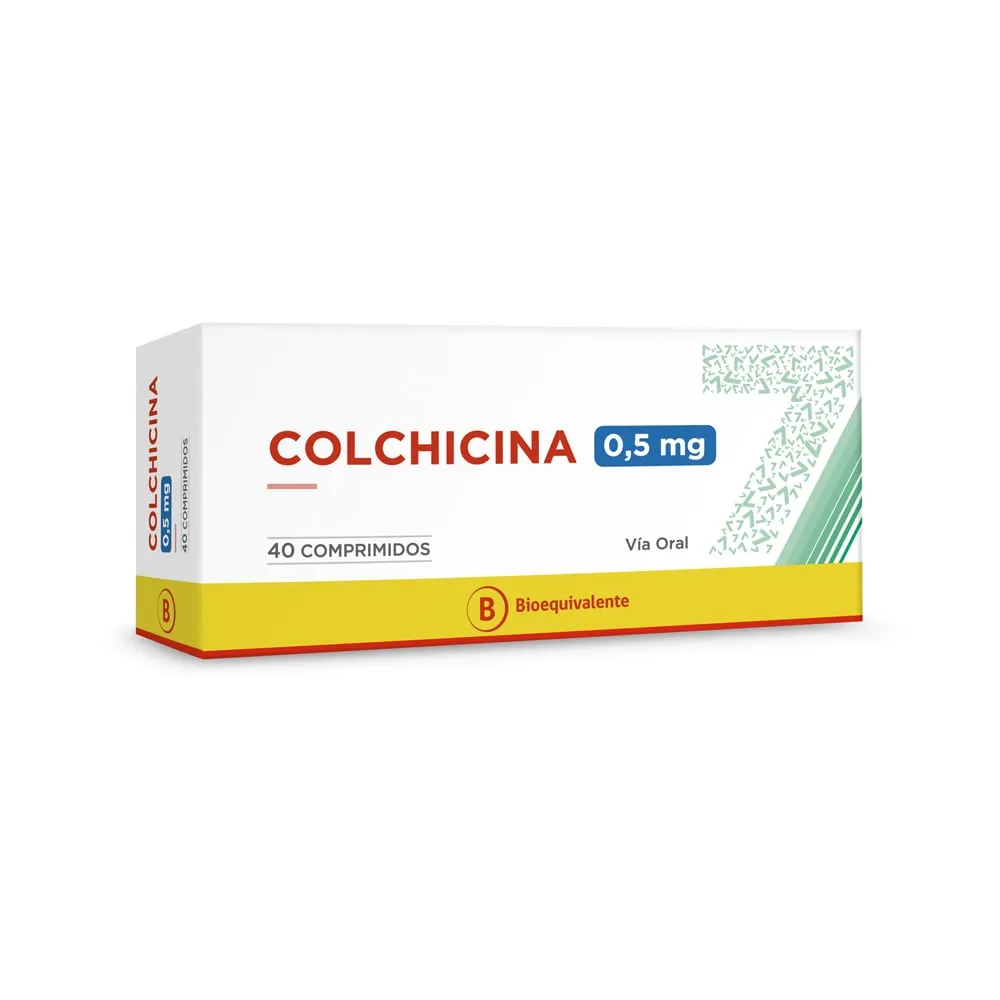
Table of Contents
- Package leaflet: Information for the user
- Introduction
- 1. What Colchicina Indoco is and what it is used for
- 2. What you need to know before starting to take Colchicine Indoco
- 3. How to take Colchicina Indoco
- 4. Possible adverse effects
- 5. Storage of Colchicine Indoco
- 6. Contents of the pack and other information
Package leaflet: Information for the user
Introduction
Package leaflet: information for the user
Colchicine Indoco 0.5 mg tablets EFG
Read all of this leaflet carefully before you start taking this medicine because it contains important information for you.
- Keep this leaflet. You may need to read it again.
- If you have any questions, ask your doctor or pharmacist.
- This medicine has been prescribed for you only and must not be given to other people, even if they have the same symptoms as you. It could harm them.
- If you experience any adverse effects, consult your doctor or pharmacist, even if they are effects not listed in this leaflet. See section 4.
Contents of the leaflet
- What Colchicine Indoco is and what it is used for
- What you need to know before taking Colchicine Indoco
- How to take Colchicine Indoco
- Possible adverse effects
- How to store Colchicine Indoco
- Contents of the pack and other information
1. What Colchicina Indoco is and what it is used for
Colchicina Indoco contains the active substance colchicine. It belongs to the group of anti-gout medications and is used to prevent or control gout attacks.
In patients with gout, the concentration of uric acid in the blood increases. This may cause uric acid crystals to precipitate into the synovial fluid of the joints. Colchicine inhibits the resulting inflammatory response.
Colchicina Indoco is indicated in adults:
- For the treatment of acute gout
- For the prevention of gout attacks during uric acid-lowering therapy
2. What you need to know before starting to take Colchicine Indoco
Do not take Colchicine Indoco
- If you are allergic to colchicine or to any of the other ingredients of this medicine (listed in section 6).
- If you have a severe blood disorder.
- If you have severe renal impairment.
- If you have severe hepatic impairment.
- If you are a woman of childbearing age, unless effective contraceptive methods are used to prevent pregnancy.
Warnings and precautions
At the first signs of poisoning such as nausea (feeling sick), vomiting (being sick), stomach pain, and diarrhea, stop taking Colchicine Indoco and contact your doctor immediately. There is a narrow margin between the therapeutic dose and the dose that may cause symptoms of poisoning.
Consult your doctor or pharmacist before starting to take this medicine if any of the following apply to you or if you have experienced them in the past:
o If you have a kidney or liver condition.
o If you have any cardiovascular disease.
o If you have a gastrointestinal condition.
o If you are elderly and feel weak.
o If you have a blood disorder.
Colchicine may cause a significant reduction in bone marrow function (disappearance of certain white blood cells from the blood [agranulocytosis]), decreased platelets (thrombocytopenia), decreased red blood cells and pigment due to lack of red blood cell production (aplastic anemia). Blood tests should be performed regularly to monitor for any changes.
If you experience symptoms indicating abnormal blood counts such as fever, mouth sores, sore throat, persistent bleeding, bruising, or skin changes, stop taking this medicine and consult your doctor immediately. These may be signs of a serious blood disorder. Blood tests should be carried out immediately.
Other medicines and Colchicine Indoco
Inform your doctor or pharmacist if you are taking, have recently taken, or might need to take any other medicines. This includes over-the-counter medicines that do not require a prescription. Special caution is required when using medicines simultaneously that affect blood counts or that have a negative effect on renal or hepatic function.
When Colchicine Indoco is administered simultaneously with any of the following medicines, serious and potentially fatal adverse effects may occur due to colchicine toxicity:
- Certain antibiotics such as clarithromycin, erythromycin, and telithromycin (used to treat infections)
- Antiviral medicines such as ritonavir, atazanavir, and indinavir (used to treat HIV infection)
- Cyclosporine (used to prevent organ transplant rejection, for psoriasis, and rheumatoid arthritis)
- Antifungal medicines such as ketoconazole, itraconazole, and voriconazole
- Certain medicines for heart conditions such as verapamil and diltiazem
If you are taking any of these medicines, your doctor may decide to adjust the dose of colchicine or temporarily discontinue treatment with this medicine. If you have renal or hepatic impairment and are taking any of these medicines, you must not take colchicine.
It is important that you inform your doctor or pharmacist if you are taking any of the following medicines:
- cimetidine (used to reduce stomach acid), as it may increase colchicine concentration in the blood
- tolbutamide (used to control blood glucose), as it may increase colchicine concentration in the blood
- vitamin B12 (cyanocobalamin), as colchicine may reduce the absorption of vitamin B12 in the gastrointestinal tract
- macrolide antibiotics such as azithromycin (used to treat infections caused by microorganisms; for example, bacteria), as it may increase colchicine concentration in the blood
- statins such as simvastatin, fluvastatin, or pravastatin (medicines to reduce cholesterol), fibrates (medicines used to reduce cholesterol and certain lipids in the blood), cyclosporine (anti-inflammatory immune response), and digoxin (a medicine used to treat certain heart conditions), as the concomitant use of these medicines with colchicine may cause muscle conditions (myopathy) and damage to muscle tissue, accompanied by muscle cramps, fever, and a change in urine color (from reddish to brown) (rhabdomyolysis).
Use of Colchicine Indoco with food and drinks
You must not drink grapefruit juice during treatment with colchicine.
Pregnancy, breastfeeding, and fertility
If you are pregnant or breastfeeding, think you may be pregnant, or plan to become pregnant, consult your doctor or pharmacist before taking this medicine.
Animal studies have shown that colchicine is harmful to the fetus. Do not take this medicine if you are of childbearing age unless you use effective contraceptive methods. Since colchicine is excreted in breast milk, it must not be taken during breastfeeding.
Driving and using machines
There are no data available on the influence of colchicine on the ability to drive and use machines. However, the possibility that it may cause drowsiness and dizziness should be taken into account.
Colchicine Indoco contains lactose and sodium
If your doctor has informed you that you have an intolerance to certain sugars, consult with him before taking this medicine.
This medicine contains less than 1 mmol of sodium (23 mg) per tablet; this is essentially “sodium-free”.
3. How to take Colchicina Indoco
Follow exactly the instructions for use provided in this leaflet or those given by your doctor or pharmacist. If in doubt, consult your doctor or pharmacist.
Colchicine is potentially toxic, so it is important not to exceed the dose prescribed by your doctor.
Adults:
Dosing for an acute gout attack:
The recommended dose is 0.5 mg two to three times daily. Your doctor may decide to prescribe an additional 1 mg dose on the first day of treatment. Treatment should be discontinued if gastrointestinal adverse effects occur, if no effect is observed after 2–3 days, or if symptoms resolve.
Dosing for prevention of a gout attack:
The recommended dose is 0.5 mg to 1 mg daily. It should be taken at night.
Dosing in patients with renal or hepatic impairment:
In patients with mild to moderate hepatic or renal impairment, the recommended dose is 1 tablet (0.5 mg colchicine) daily. If you have severe hepatic or renal impairment, you must not take this medicine. See section "Do not take Colchicina Indoco".
Method of administration:
Oral use
Take the tablets with a glass of water.
Duration of treatment:
Your doctor will tell you how many tablets to take and for how long.
Consult your doctor or pharmacist if you feel that the effect of colchicine tablets is too strong or not strong enough.
If you take more Colchicina Indoco than you should
If you take more Colchicina Indoco than prescribed, contact your doctor or pharmacist immediately.
In case of overdose or accidental ingestion, contact your doctor or call the Toxicology Information Service at telephone number 91 562 04 20, indicating the medicine and the amount ingested.
Signs of poisoning:
- After taking a dose higher than the colchicine dose prescribed by your doctor, the first symptoms of overdose appear after several hours. These symptoms include a burning sensation in the throat, stomach, and skin, nausea, vomiting, abdominal cramps, bloody diarrhea, which may lead to excessive reduction in blood pH, dehydration, decreased blood pressure, and cardiocirculatory shock.
- Between 24 and 72 hours after taking a dose higher than recommended, the following potentially life-threatening complications may occur: altered consciousness with possible hallucination episodes (delirium), coma, paralysis, respiratory failure, cardiac arrest, pulmonary edema, kidney damage, and blood deficiency.
- After 7 days of taking a dose higher than recommended, a temporary increase in white blood cell count (leukocytosis) and hair loss may occur.
If you forget to take Colchicina Indoco
Do not take a double dose to make up for missed doses.
If you forget to take a dose, take it as soon as possible. If it is almost time for your next dose, do not take the missed dose; just continue with your prescribed dosing schedule. If in doubt, consult your doctor or pharmacist.
If you stop taking Colchicina Indoco
If you stop treatment with this medicine suddenly, the symptoms you had before starting the medicine may return. Consult your doctor if you are considering stopping colchicine.
If you have any further questions about the use of this medicine, ask your doctor or pharmacist.
4. Possible adverse effects
Like all medicines, this medicine may cause adverse effects, although not everyone will experience them.
In general, the following adverse effects of colchicine have been reported, and most resolve within a short period after discontinuing treatment or reducing the colchicine dose.
Common (may affect up to 1 in 10 people):
- Gastrointestinal disorders: nausea, vomiting, abdominal cramps, and diarrhoea.
Frequency not known (frequency cannot be estimated from available data):
-
Nervous system disorders: neuropathy (nerve disease), painful neuritis, sensory disturbances, and frequently reduced nerve function (peripheral neuritis).
-
Vascular disorders: colchicine may cause serious bone marrow disorders (bone marrow depression), which may lead to changes in the blood count, for example, decreased white blood cell count (agranulocytosis) accompanied by sudden high fever, severe sore throat, and mouth ulcers, and anaemia (aplastic anaemia).
-
Skin and subcutaneous tissue disorders: hair loss, rashes.
-
Renal and urinary disorders: change in urine colour (from reddish to brown) (rhabdomyolysis).
-
Musculoskeletal and connective tissue disorders: muscle tissue disease (myopathy), muscle pain, fatigue.
-
Reproductive system and breast disorders: absence of menstrual periods for a period of 6 months or more (amenorrhoea), pain and/or cramps during the menstrual cycle (dysmenorrhoea), decreased sperm count in semen (oligospermia), and complete absence of sperm in semen (azoospermia).
-
Hepatobiliary disorders: liver injury.
Reporting of adverse effects
If you experience any type of adverse effect, consult your doctor or pharmacist, even if it is a possible adverse effect not listed in this leaflet. You can also report them directly through the Spanish Pharmacovigilance System for Human Medicines: www.notificaRAM.es. By reporting adverse effects, you can help provide more information on the safety of this medicine.
5. Storage of Colchicine Indoco
- Keep this medicine out of the sight and reach of children.
- This medicine does not require any special storage temperature. Store in the original outer packaging to protect from light.
- Do not use this medicine after the expiry date stated on the packaging and blister after "EXP". The expiry date refers to the last day of the month indicated.
- Medicines must not be disposed of via wastewater or household waste. Dispose of unused medicines and their packaging at the SIGRE Point at your pharmacy. Ask your pharmacist how to dispose of medicines and packaging you no longer need. This will help protect the environment.
6. Contents of the pack and other information
Composition of Colchicine Indoco
- The active substance is colchicine. Each tablet contains 500 micrograms of colchicine.
- The other components are:
Lactose monohydrate
Microcrystalline cellulose
Sodium carboxymethyl starch type A (from potato)
Magnesium stearate
Appearance of Colchicine Indoco and contents of the pack
Colchicine Indoco are round, white to pale yellow tablets marked with ‘C 75’ on one side.
Colchicine Indoco is available in blisters of 10, 12, 20, 30, 50, 100, 150 or 200 tablets per blister.
Only some pack sizes may be marketed.
Marketing Authorization Holder and Manufacturer
Marketing Authorization Holder
Indoco Remedies Czech s.r.o.
Trtinová 260/1, Cakovice,
196 00 Praha 9, Czech Republic
Manufacturer
Formula Pharmazeutische und chemische Entwicklungs GmbH
Goerzallee 305 b 14167, Berlin, Germany.
MISOM Labs Limited
Malta Life Sciences Park, LS2.01.06
Industrial Estate, San Gwann, SGN 3000, Malta.
Local representative:
MABO-FARMA, S.A.
Calle Via de los Poblados, 3, Edificio 6
28033, Madrid, Spain
This medicinal product is authorized in the European Economic Area member states under the following names:
Netherlands: Colchicine Indoco 0,5 mg, tabletten
Czech Republic: Colchicine Indoco.
Finland: Colchicine Indoco 500 mikrogrammaa, tabletit.
Germany: Colchicin Indoco 0,5 mg Tabletten
Ireland: Colchicine Indoco 500 microgram Tablets
Slovakia: Colchicine Indoco 0,5 mg tablety
Spain: Colchicina Indoco 0,5 mg comprimidos EFG
Croatia: Kolhicin Indoco 0,5 mg tablete
Date of the most recent review of this leaflet: August 2024
Detailed information on this medicinal product is available on the website of the Spanish Agency of Medicines and Medical Devices (AEMPS) http://www.aemps.gob.es/