Cidofovir Zentiva 75 mg/ml concentrate for solution for infusion EFG
Spain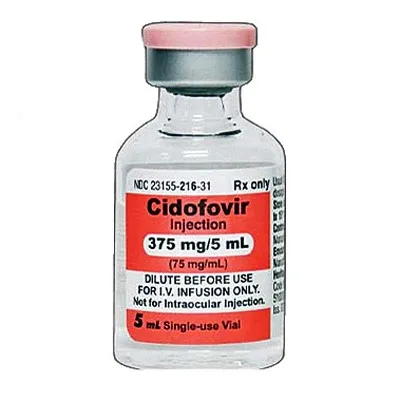
Table of Contents
- Patient Information Leaflet
- Introduction
- 1. What Cidofovir Zentiva is and what it is used for
- 2. What you need to know before using Cidofovir Zentiva
- ***Do not use Cidofovir Zentiva***
- ***Warnings and precautions***
- ***Other medicines and Cidofovir Zentiva***
- ***Use of Cidofovir Zentiva with food and beverages***
- ***Pregnancy and lactation***
- ***Driving and operating machinery***
- ***Cidofovir 75 mg/ml concentrate for solution for infusion EFG contains sodium***
- 3. How to use Cidofovir Zentiva
- ***If you use more cidofovir than you should***
- ***How to take probenecid with cidofovir***
- ***How IV fluids are given before cidofovir***
- 4. Possible adverse effects
- ***Very common adverse effects***
- ***Possible adverse effects of probenecid***
- ***Very common adverse effects possibly related to probenecid***
- ***Adverse effects possibly related to probenecid (frequent)***
- 5. Storage of Cidofovir Zentiva
- 6. Contents of the pack and other information
- ***Composition of Cidofovir Zentiva 75 mg/ml concentrate for solution for infusion EFG***
- ***Appearance of the product and contents of the container***
Patient Information Leaflet
Introduction
Patient Information Leaflet
Cidofovir Zentiva 75 mg/ml concentrate for solution for infusion EFG
This medicinal product is subject to additional monitoring, which will allow for quicker detection of new safety information. You can help by reporting any adverse reactions you may experience. Section 4 at the end of this leaflet contains information on how to report adverse reactions.
Read the entire leaflet carefully before starting to use this medicine, as it contains important information for you.
- Keep this leaflet, as you may need to read it again.
- If you have any questions, consult your doctor, pharmacist, or nurse.
- This medicine has been prescribed for you only and must not be given to other people, even if they have the same symptoms as you, since it could harm them.
- If you experience any adverse reactions, consult your doctor, pharmacist, or nurse, even if these reactions are not listed in this leaflet. See section 4.
Leaflet Contents:
- What Cidofovir Zentiva is and what it is used for
- What you need to know before using Cidofovir Zentiva
- How to use Cidofovir Zentiva
- Possible adverse reactions
- How to store Cidofovir Zentiva
- Contents of the pack and other information
1. What Cidofovir Zentiva is and what it is used for
Cidofovir is used to treat an eye infection called cytomegalovirus (CMV) retinitis in patients with AIDS (acquired immunodeficiency syndrome). Cidofovir will not cure your CMV retinitis, but it may improve your condition by delaying the progression of the disease.
The safety and efficacy of cidofovir have not been demonstrated in diseases other than CMV retinitis in patients with AIDS.
Cidofovir must be administered by a healthcare professional (physician or nurse) in a hospital setting.
What is CMV retinitis?
CMV retinitis is an eye infection caused by a virus called cytomegalovirus (CMV). CMV attacks the retina of the eye and may lead to vision loss, and eventually may result in blindness. Patients with AIDS are at high risk of developing CMV retinitis or other forms of CMV disease, such as colitis (an inflammatory bowel disease). Treatment for CMV retinitis is necessary to reduce the risk of blindness.
Cidofovir is an antiviral medicine that blocks CMV replication by interfering with viral DNA production.
2. What you need to know before using Cidofovir Zentiva
Do not use Cidofovir Zentiva
- if you are allergic to cidofovir or to any of the other ingredients of this medicine (listed in section 6).
- if you have had a previous kidney disease.
- if you cannot take the medicine probenecid due to a severe allergy to probenecid or to any other medicine containing sulfonamides (for example, sulfamethoxazole).
If any of these apply to you, speak with your doctor. Cidofovir must not be given to you.
Warnings and precautions
Consult your doctor, pharmacist, or nurse before starting to use cidofovir.
- •Kidney damage is the main adverse effect of cidofovir treatment. Therefore, your doctor may need to monitor you closely, especially if you already have kidney problems or are undergoing hemodialysis.
- If you have diabetes mellitus. Cidofovir should be administered with caution in diabetic patients due to the potentially increased risk of developing low intraocular pressure (ocular hypotony).
During treatment with cidofovir, you must undergo frequent eye examinations and follow-up visits due to the possibility of ocular irritation, inflammation, or swelling. Inform your doctor promptly if you notice eye pain, redness or itching, or changes in vision.
Cidofovir caused reduced testicular weight and low sperm count (oligospermia) in animals. Although this has not been observed in human studies with cidofovir, such changes may occur and could lead to infertility in humans. Men should use barrier contraceptive methods during treatment and for up to 3 months after completing cidofovir treatment.
Cidofovir is not used for the treatment of HIV infection. Cidofovir will not prevent you from transmitting HIV infection to others; therefore, you must continue to take precautions to avoid infecting other people.
Children
Cidofovir has not been studied in children. Therefore, its use is not recommended in children.
Other medicines and Cidofovir Zentiva
Inform your doctor or pharmacist if you are taking, have recently taken, or might need to take any other medicines, including those obtained without a prescription, as they may interact with cidofovir or probenecid.
It is very important that you inform your doctor if you are receiving other medicines that may damage your kidneys.
This includes:
- Medicines containing tenofovir, used to treat HIV-1 infection and/or chronic hepatitis B.
- Aminoglycosides, pentamidine, or vancomycin (for bacterial infections)
- Amphotericin B (for fungal infection)
- Foscarnet (for viral infection)
- Adefovir (for HBV infection)
These medicines should be discontinued at least 7 days before starting cidofovir.
Probenecid may interact with other medicines frequently used in the treatment of AIDS and AIDS-related conditions, such as zidovudine (AZT). If you are taking zidovudine, you should discuss with your doctor stopping zidovudine or reducing the dose by 50% on the days when cidofovir and probenecid are administered.
Potential interactions between cidofovir and HIV protease inhibitors have not been studied.
Use of Cidofovir Zentiva with food and beverages
Food should be taken before cidofovir is administered to you. Your doctor may instruct you to drink plenty of fluids before receiving cidofovir.
Pregnancy and lactation
Cidofovir must not be given if you are pregnant. If you become pregnant while receiving this medication, you must inform your doctor immediately. Cidofovir has been shown to cause fetal harm in animals and should not be used during pregnancy unless the potential benefits justify the potential risks to the fetus.
Women of childbearing potential must use effective contraceptive methods during treatment with cidofovir and for six months after completion of treatment.
Men must use effective contraceptive measures and must not father a child while being treated with cidofovir and for three months after completion of treatment.
Cidofovir must not be given if you are breastfeeding. It is not known whether cidofovir is excreted into human milk. Because many drugs are excreted in breast milk, nursing mothers should either discontinue cidofovir or discontinue breastfeeding if they continue to receive cidofovir.
In general, women with HIV should not breastfeed to avoid transmitting HIV to the newborn through breast milk.
Driving and operating machinery
Cidofovir may cause short-term adverse effects such as fatigue or weakness. If you drive or operate machinery, discuss this with your doctor to obtain advice on whether these activities should be discontinued based on your condition and your tolerance to the medication.
Cidofovir 75 mg/ml concentrate for solution for infusion EFG contains sodium
Patients on a low-sodium diet should be aware that this medicinal product contains 2.5 mmol (or 57 mg) of sodium per vial.
3. How to use Cidofovir Zentiva
Cidofovir 75 mg/ml concentrate for solution for infusion is administered by intravenous infusion (a drip into a vein). It must not be administered by other routes, including intraocular injection (injection directly into the eye) or topical application (on the skin). Cidofovir must be administered by a doctor or nurse experienced in the treatment of patients with AIDS.
The doctor or nurse will transfer the appropriate dose of cidofovir from the vial into an infusion bag containing 100 ml of sodium chloride 9 mg/ml (0.9%) solution for infusion. The entire volume of the bag will be infused into your vein at a constant rate over a period of 1 hour using a standard infusion pump. The recommended dose, frequency of administration, and infusion rate must not be exceeded. Additional information for healthcare professionals on how to administer cidofovir is provided at the end of this leaflet.
To reduce the risk of kidney damage, probenecid tablets and intravenous fluids (sodium chloride 9 mg/ml (0.9%) solution for infusion) must be given on the day of each cidofovir infusion. (See the subsections below titled “How to take probenecid with cidofovir” and “How IV fluids are given before cidofovir”).
Dosage in adults
The dose you will need is calculated based on your body weight.
Induction treatment (initial treatment)
The recommended dose of cidofovir in patients with normal renal function is 5 mg per kg of body weight, given once weekly for two consecutive weeks.
Maintenance treatment
Starting two weeks after completion of the induction treatment, the recommended maintenance dose of cidofovir in patients with normal renal function is 5 mg per kg of body weight, given once every two weeks.
Dose adjustment
If you have kidney problems, cidofovir may not be the appropriate treatment for you. Urine and/or blood samples will be taken before each administration of cidofovir and used to monitor your renal function. In patients showing evidence of reduced renal function, your treatment with cidofovir may be interrupted or discontinued, depending on your individual case.
If you use more cidofovir than you should
If you have been accidentally given more cidofovir than prescribed, inform your doctor immediately.
In case of overdose or accidental ingestion, consult your doctor or pharmacist immediately or call the Toxicology Information Service at telephone number: 91 562 04 20, indicating the medication and the amount ingested.
How to take probenecid with cidofovir
Probenecid tablets are administered to reduce the risk of kidney damage. You must take 3 doses of probenecid tablets orally on the same day as cidofovir, as indicated in the following table:
Time | Dosage |
3 hours before starting cidofovir | 2 g of probenecid |
2 hours after completing cidofovir | 1 g of probenecid |
8 hours after completing cidofovir | 1 g of probenecid |
Total | 4 g of probenecid |
Probenecid is taken only on the same day that cidofovir is administered.
How IV fluids are given before cidofovir
Sodium chloride 9 mg/ml (0.9%) solution for infusion is given to reduce the risk of kidney damage. You must receive a total of one liter of sodium chloride 9 mg/ml (0.9%) solution for infusion intravenously (by intravenous drip) before each dose of cidofovir. The sodium chloride 9 mg/ml (0.9%) solution for infusion must be administered by infusion over a period of 1 hour, immediately before the cidofovir infusion. If you can tolerate the additional fluid load, your doctor may administer a second liter of fluids. If given, the second liter of sodium chloride 9 mg/ml (0.9%) solution for infusion must be administered by infusion over a period of 1 to 3 hours, starting either at the beginning of the cidofovir infusion or immediately after. Your doctor will also instruct you to drink plenty of fluids.
If you have any further questions about the use of this product, ask your doctor or pharmacist.
4. Possible adverse effects
Like all medicines, this medicine may cause adverse effects, although not everybody gets them.
These adverse effects usually disappear when cidofovir treatment is stopped. If you consider any of the adverse effects you experience to be severe, or if you notice any adverse effects not listed in this leaflet, inform your doctor or pharmacist immediately.
The most frequently observed adverse effect with cidofovir is kidney damage.
Very common adverse effects
(May affect more than 1 in 10 patients)
low white blood cell counts, headache, nausea, vomiting, protein in the urine, increased creatinine in blood (a measure of kidney function), hair loss, rash, weakness/fatigue, and fever.
Common adverse effects
(May affect between 1 and 10 in 100 patients)
inflammation of the eye, reduced eye pressure, breathing difficulty or labored breathing, dyspnea, diarrhea, and chills.
Any eye pain, redness, itching, or changes in vision should be reported immediately to your doctor so that your treatment can be reviewed.
Additional adverse reactions have been observed during the post-marketing period, including renal failure, damage to renal tubule cells, pancreatitis, and hearing disturbances.
Possible adverse effects of probenecid
Very common adverse effects possibly related to probenecid
(May affect more than 1 in 10 patients)
nausea, vomiting, rash, and fever.
Adverse effects possibly related to probenecid (frequent)
(May affect between 1 and 10 out of 100 patients)
Headache, weakness/fatigue, chills, and allergic reactions.
You should take food before each dose to reduce the risk of nausea and/or vomiting associated with taking probenecid. The administration of antiemetics (medications to prevent nausea and vomiting), antihistamines, and/or paracetamol may be recommended by your doctor to reduce the adverse effects of probenecid.
Probenecid may cause other adverse effects including loss of appetite, gum pain, redness, hair loss, dizziness, low red blood cell count, and increased frequency of urination. Allergic reactions may present as skin rash, itching, hives, and, rarely, severe allergic reactions and serious skin reactions. Cases of reduced white blood cell count, hepatic toxicity, renal toxicity, and destruction of red blood cells have been reported. Reductions in blood cells and platelets have also been observed.
Therefore, before prescribing probenecid, your doctor should review the available safety information on probenecid. You should also read the probenecid package leaflet.
Reporting of adverse effects
If you experience any type of adverse effect, consult your doctor, pharmacist, or nurse, even if it is a possible adverse effect not listed in this leaflet. You may also report them directly through the Spanish Pharmacovigilance System for Human Medicinal Products: www.notificaRAM.es
By reporting adverse effects, you can help provide more information on the safety of this medicine.
5. Storage of Cidofovir Zentiva
Keep this medicine out of the sight and reach of children.
Do not use this medicine after the expiry date stated on the pack, after EXP.
Do not store above 25°C. Do not refrigerate or freeze.
Medicines should not be disposed of via wastewater or household waste. Ask your pharmacist how to dispose of containers and medicines you no longer need. This will help protect the environment.
6. Contents of the pack and other information
Composition of Cidofovir Zentiva 75 mg/ml concentrate for solution for infusion EFG
The active substance in Cidofovir 75 mg/ml is cidofovir. Each ml contains 75 mg of anhydrous cidofovir. Each vial contains 375 mg/5 ml of anhydrous cidofovir.
The other components are sodium hydroxide, hydrochloric acid, water for injections.
Appearance of the product and contents of the container
Cidofovir is supplied as a sterile concentrate for solution for infusion in clear glass vials containing 375 mg of the active substance, anhydrous cidofovir, formulated in 5 ml of water for injections at a concentration of 75 mg/ml. The pH of the formulation has been adjusted with sodium hydroxide (and hydrochloric acid if necessary) and contains no preservatives.
Marketing Authorization Holder and Manufacturer
Marketing Authorization Holder:
Zentiva k.s.,
U kabelovny 130,
Dolní Mecholupy,
102 37 Prague 10
Czech Republic
Manufacturer:
Tillomed Malta Limited,
Malta Life Sciences Park,
LS2.01.06 Industrial Estate,
San Gwann, SGN 3000, Malta
Further information on this medicinal product is available from the local representative of the Marketing Authorization Holder:
Zentiva Spain S.L.U.
Avenida de Europa, 19, Edificio 3, Planta 1.
28224 Pozuelo de Alarcón, Madrid
Spain
This medicinal product is authorized in the member states of the European Economic Area under the following names:
Belgium | Cidofovir Tillomed 75 mg/ml solution to be diluted for infusion |
Germany | Cidofovir Tillomed 75 mg/ml concentrate for the preparation of an infusion solution |
Spain | Cidofovir Zentiva 75 mg/ml concentrate for infusion solution EFG |
Date of the most recent review of this summary: March 2022.
This information is intended for healthcare professionals only:
Cidofovir vials should be inspected visually before use. If visible particles or discoloration are observed, the vial must not be used.
Appropriate precautions, including the use of suitable protective equipment, should be taken during the preparation, administration, and disposal of cidofovir. The preparation of diluted cidofovir solution should be carried out in a biological safety cabinet with laminar airflow. Personnel preparing the solution must wear surgical gloves, safety goggles, and a front-closing surgical-type gown with knitted cuffs. If cidofovir comes into contact with the skin, it should be washed and rinsed thoroughly with abundant water.
The appropriate dose of cidofovir should be transferred from the vial into an infusion bag containing 100 ml of sodium chloride 9 mg/ml (0.9%) solution for infusion. The total volume in the bag should be administered intravenously into the patient's vein at a constant rate over a period of 1 hour, using a standard infusion pump. The recommended dose, frequency of administration, and infusion rate must not be exceeded.
The chemical stability of cidofovir mixtures with sodium chloride 9 mg/ml (0.9%) solution for infusion has been demonstrated in glass bottles, in infusion bags made of polyvinyl chloride (PVC) or ethylene/propylene copolymer, and in PVC intravenous administration sets. Other types of IV tubing and infusion bags have not been studied.
Compatibility with Ringer's solution, Ringer lactate solution, or bacteriostatic infusion fluids has not been evaluated.
From a microbiological standpoint, the product should be used immediately.
Physical and chemical in-use stability of 24 hours at 2–8°C has been demonstrated when dilution is performed under controlled and validated aseptic conditions. Storage beyond 24 hours is not recommended, nor is freezing. Refrigerated infusion bags should be allowed to reach room temperature before use.
Cidofovir is supplied in single-use vials. Partially used vials must be discarded.