Cetraxal Otico 3 mg/ml otic drops in solution in single-dose container
Spain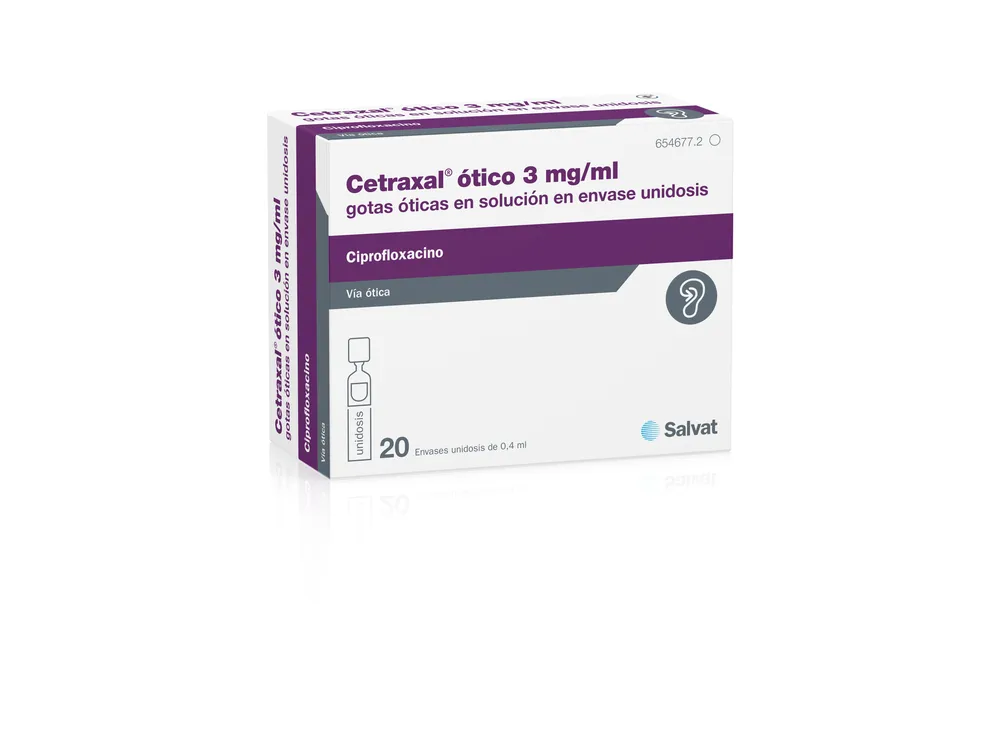
Table of Contents
- Patient Information Leaflet
- Introduction
- Instructions for use
- 1. What Cetraxal otic is and what it is used for
- 2. What you need to know before starting to use Cetraxal otic
- **Pregnancy and lactation**
- 3. How to use Cetraxal otic
- *Chronic suppurative otitis media*
- **Administration method**
- 4. Possible adverse effects
- ***Reporting of Adverse Reactions***
- 5. Storage of Cetraxal Otic
- 6. Contents of the pack and other information
Patient Information Leaflet
Introduction
Patient Information Leaflet
Cetraxal otic 3 mg/ml ear drops solution in single-dose container
Ciprofloxacin
Instructions for use
How to use Cetraxal otic ear drops
-
Wash your hands thoroughly before using the ear drops.
-
Remove the protective cap from the single-dose container.
-
Hold the container vertically and squeeze the prescribed number of drops into the affected ear.
-
Keep the head tilted to the side for a few minutes to allow the medication to penetrate.
-
Repeat the procedure in the other ear if instructed by your doctor.
-
Discard the container after use, even if there is some solution remaining.
Important: Do not touch the tip of the container to the ear or any other surface to avoid contamination.
When not to use Cetraxal otic
Do not use Cetraxal otic:
- If you are allergic to ciprofloxacin or any other quinolone antibiotic, or to any of the other ingredients listed in section 6.
- In children under 1 year of age.
Possible side effects
Like all medicines, this medicine can cause side effects, although not everybody gets them.
Very common (may affect more than 1 in 10 people):
- Itching of the ear
Common (may affect up to 1 in 10 people):
- Ear discomfort
- Ear pain
- Headache
- Dizziness
Uncommon (may affect up to 1 in 100 people):
- Fungal infection of the ear
- Skin rash
- Hives (urticaria)
Rare (may affect up to 1 in 1,000 people):
- Swelling of the face, lips, tongue, or throat (angioedema)
- Severe allergic reaction (anaphylaxis)
If you experience any serious side effects, stop using the medicine and contact your doctor immediately.
How to store Cetraxal otic
- Keep the container in the outer carton to protect from light.
- Do not store above 25°C.
- Do not freeze.
- Use immediately after opening.
- Discard any unused portion after use.
Contents of the pack and other information
What Cetraxal otic contains:
- The active substance is ciprofloxacin (as ciprofloxacin hydrochloride). Each ml contains 3 mg of ciprofloxacin.
- Other ingredients: sodium chloride, hydrochloric acid (for pH adjustment), sodium hydroxide (for pH adjustment), purified water.
What the container looks like and contents of the pack: Cetraxal otic is supplied as a single-dose container with a tamper-evident cap. Each container holds 1.5 ml of solution.
Marketing Authorization Holder: [Company Name and Address]
Manufacturer: [Manufacturer Name and Address]
For any further information, talk to your doctor or pharmacist.
Read all of this leaflet carefully before you start using this medicine, because it contains important information for you
|
Package leaflet contents:
- What Cetraxal otic is and what it is used for
- What you need to know before using Cetraxal otic
- How to use Cetraxal otic
- Possible side effects
- How to store Cetraxal otic
- Contents of the pack and other information
1. What Cetraxal otic is and what it is used for
Cetraxal otic is a solution for otic use (in the ear) that contains ciprofloxacin, which belongs to a group of antibiotics known as fluoroquinolones. Ciprofloxacin works by killing bacteria that cause infections.
Cetraxal otic is indicated in adults and children from 2 years of age for the treatment of acute external otitis (infection of the outer ear) and chronic suppurative otitis media (infection of the middle ear) of bacterial origin.
Antibiotics are used to treat bacterial infections and are not effective against viral infections such as influenza or the common cold.
It is important that you follow your doctor's instructions regarding dosage, dosing interval, and duration of treatment.
Do not store or reuse this medicine. If you have any antibiotic left over after completing the treatment, return it to the pharmacy for proper disposal. Do not dispose of medicines via the drain or with household waste.
2. What you need to know before starting to use Cetraxal otic
Do not use Cetraxal otic:
If you are allergic to ciprofloxacin or other quinolones, or to any of the other components of this medicine (listed in section 6).
Warnings and precautions
- Consult your doctor or pharmacist before starting to use Cetraxal otic.
- This medicine is for ear use only. It must not be ingested, injected, or inhaled. It should not be applied to the eye.
- If, after starting treatment, you develop symptoms such as hives (itching) or skin rash, or any other allergic symptoms (for example, sudden swelling of the face, throat, or eyelids, difficulty breathing), stop using the medicine immediately and contact your doctor. Severe hypersensitivity reactions may require immediate emergency treatment.
- Although photosensitivity reactions are not expected, it is advisable to take protective measures and avoid excessive exposure to direct sunlight while using this medicine.
- Inform your doctor if your symptoms do not improve before completing the treatment. As with other antibiotics, infections may sometimes be caused by organisms that are not sensitive to ciprofloxacin. In such cases, appropriate treatment must be prescribed by your doctor.
Children:
There is insufficient clinical experience regarding the use of Cetraxal otic in children under 2 years of age; therefore, you should consult your doctor before administering this medicine to a child of this age.
Other medicines and Cetraxal otic
Tell your doctor or pharmacist if you are using, have recently used, or might need to use any other medicines.
It is not advisable to use Cetraxal otic together with other medicines administered by the otic route.
Pregnancy and lactation
If you are pregnant or breastfeeding, think you may be pregnant, or are planning to become pregnant, consult your doctor or pharmacist before using this medicine.
This medicine is not recommended during pregnancy and breastfeeding. Therefore, your doctor must assess the use of this medicine in each individual case.
Driving and use of machinery
Clinical data on this aspect are not available. However, given the route of administration, it is unlikely that this medicine will affect the ability to drive vehicles or operate machinery.
3. How to use Cetraxal otic
Follow exactly the instructions for administration of this medicine given by your doctor or pharmacist. If you have any doubts, consult your doctor or pharmacist again.
Administration is directly into the ear.
If you think that the effect of this medicine is too strong or too weak, tell your doctor or pharmacist.
Your doctor will tell you how long to use Cetraxal otic. To make sure the infection does not return, do not stop treatment early, even if you notice improvement in the ear(s).
The recommended dose is:
Adults
Acute external otitis
Instill the contents of one single-dose container (0.4 ml) into the affected ear twice daily for 7 days.
Chronic suppurative otitis media
Administer the contents of one single-dose container (0.4 ml) into the affected ear twice daily for 10 days.
Elderly patients
Dosage adjustment is not necessary in this patient group.
Adolescents and children over 2 years of age
Dosage adjustment is not necessary in this patient group.
Children under 2 years of age
Use is not recommended, as there are no available data in this age group.
Patients with kidney or liver disease
Dosage adjustment is not necessary in this patient group.
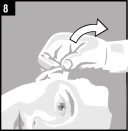
Administration method
|
|
|
|
|
|
|
|
|
|
|
|
|
|
|
|
Dispose of the single-dose container after use. | |
|
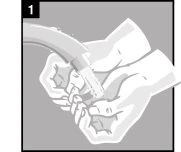
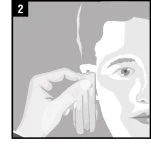
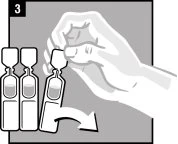
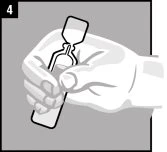
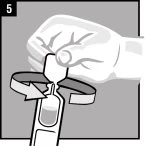
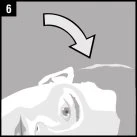
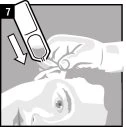
If you use more Cetraxal otic than you should:
Although overdose with this medicine is unlikely, it is recommended that in case of accidental ingestion or overdose, you immediately consult your doctor or pharmacist or call the Toxicology Information Service at telephone number 91 562 04 20, indicating the medication and the amount used.
If you forget to use Cetraxal otic
Do not administer a double dose to make up for missed doses.
4. Possible adverse effects
Like all medicines, this medicine may produce adverse effects, although not everyone will experience them.
The adverse reactions described are uncommon (may affect up to 1 in 100 people):
- Dizziness, headache, vertigo.
- Ear pain, passage of the product from the ear to the mouth.
- Eczema, skin rash or itching, stinging sensation at the time of application.
Reporting of Adverse Reactions
If you experience any type of adverse reaction, consult your doctor or pharmacist, even if it is a possible adverse reaction not listed in this leaflet. You may also report them directly through the Spanish Pharmacovigilance System for Human Medicinal Products: www.notificaram.es. By reporting adverse reactions, you can help provide more information on the safety of this medicine.
5. Storage of Cetraxal Otic
Keep this medicine out of the sight and reach of children.
Do not use this medicine after the expiry date stated on the packaging after EXP. The expiry date refers to the last day of the month indicated.
After opening the single-dose container: use immediately and discard the single-dose container after administration.
This medicine does not require special storage conditions. Store the single-dose containers inside the protective pouch, preferably within the outer carton.
Medicines must not be disposed of via wastewater or household waste. Unused containers and medicines should be returned to the SIGRE collection point at your pharmacy. If you are unsure, please consult your pharmacist on how to properly dispose of unused containers and medicines. This helps protect the environment.
6. Contents of the pack and other information
Composition of Cetraxal otic
- The active substance is ciprofloxacin. Each millilitre of solution contains 3 mg of ciprofloxacin.
- The other components are: lactic acid 90%, povidone, anhydrous glucose, sodium hydroxide solution and purified water.
Nature of the product and contents of the container
Cetraxal otic is a medicine presented as drops in solution for administration into the ear. Each single-dose container contains 0.4 ml of sterile, clear solution.
Marketing Authorization Holder and Manufacturer
Laboratorios Salvat, S.A.
C/ Gall 30 – 36 - 08950
Esplugues de Llobregat
Barcelona - Spain
Date of the most recent review of this leaflet: July 2006.