Buvidal 8 mg prolonged-release injection solution
Spain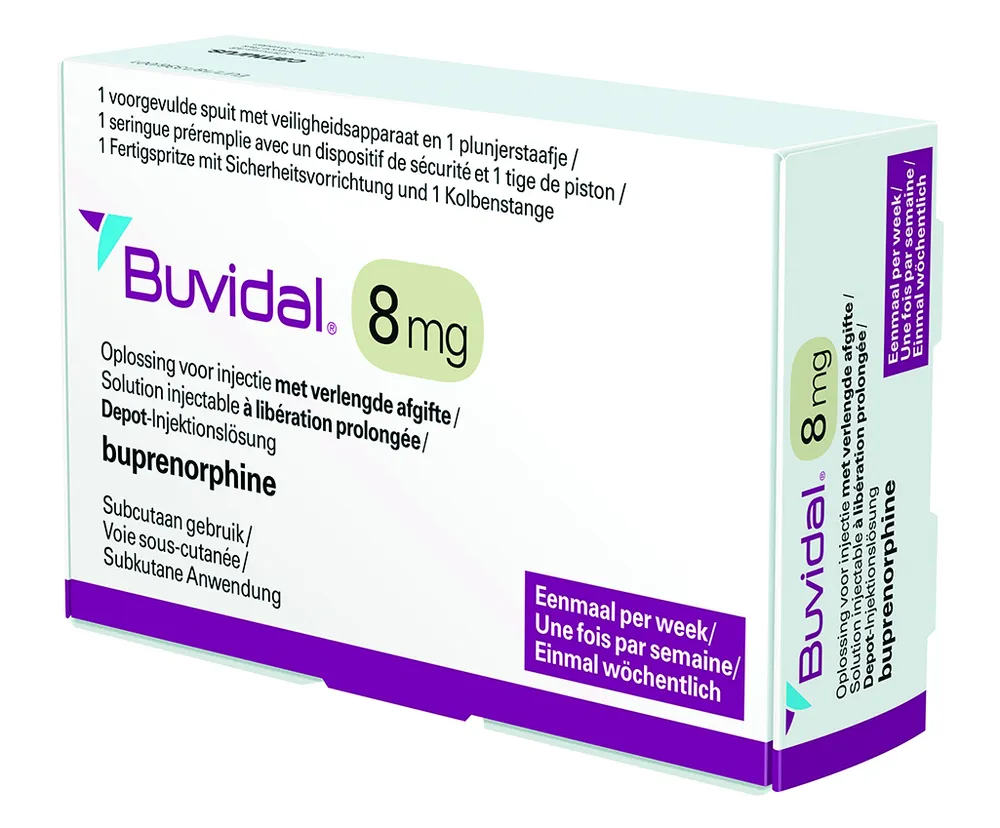
Table of Contents
Package leaflet: Information for the user
Introduction
Package leaflet: information for the user
Buvidal 8mg prolonged-release injectable solution
Buvidal 16mg prolonged-release injectable solution
Buvidal 24mg prolonged-release injectable solution
Buvidal 32mg prolonged-release injectable solution
Buvidal 64mg prolonged-release injectable solution
Buvidal 96mg prolonged-release injectable solution
Buvidal 128mg prolonged-release injectable solution
Buvidal 160mg prolonged-release injectable solution
buprenorphine
Read the entire leaflet carefully before you start using this medicine, because it contains important information for you.
- Keep this leaflet, as you may need to read it again.
- If you have any questions, ask your doctor, pharmacist or nurse.
- If you experience any adverse reactions, consult your doctor, pharmacist or nurse, even if they are not listed in this leaflet. See section 4.
Leaflet contents
- What Buvidal is and what it is used for
- What you need to know before receiving Buvidal
- How Buvidal is administered
- Possible adverse effects
- How to store Buvidal
- Contents of the pack and other information
1. What Buvidal is and what it is used for
Buvidal contains the active substance buprenorphine, which is a type of opioid medicine. It is used to treat opioid dependence in patients who are also receiving medical, social, and psychological support.
Buvidal is indicated in adults and adolescents aged 16 years and older.
2. What you need to know before using Buvidal
Do not use Buvidal:
- if you are allergic to buprenorphine or any of the other ingredients of this medicine (listed in section 6)
- if you have severe breathing problems
- if you have severe liver problems
- if you have alcohol intoxication or are experiencing tremors, sweating, anxiety, confusion, or hallucinations due to alcohol
Warnings and precautions
Talk to your doctor before using Buvidal if you have:
- asthma or other respiratory problems
- any liver disease such as hepatitis
- severe kidney failure
- certain heart rhythm disorders (long QT syndrome or prolonged QT interval)
- low blood pressure
- recently suffered a head injury or have a brain disorder
- a urinary disorder (especially related to an enlarged prostate in men)
- thyroid problems
- adrenal insufficiency (e.g., Addison's disease)
- gallbladder problems
- depression or other conditions treated with antidepressants. Using these medicines together with Buvidal may cause serotonin syndrome, a potentially life-threatening condition (see "Other medicines and Buvidal").
- if you have ever had an allergic reaction to latex
Important points to consider
- Breathing problems: Some people have died due to very slow or shallow breathing caused by taking buprenorphine together with other central nervous system depressants (substances that slow down certain brain activities), such as benzodiazepines, alcohol, or other opioids.
- Drowsiness: This medicine may cause drowsiness, especially when used with alcohol or other central nervous system depressants (substances that slow down certain brain activities), such as benzodiazepines, other medicines that reduce anxiety or cause sleepiness, pregabalin, or gabapentin.
- Dependence: This medicine may lead to dependence.
- Liver damage: Liver damage may occur with buprenorphine, especially when misused. This may also occur due to viral infections (chronic hepatitis C), alcohol abuse, anorexia (eating disorder), or use of other medicines that can harm the liver. Your doctor may ask you to have regular blood tests to monitor your liver function. Inform your doctor if you have liver problems before starting treatment with Buvidal.
- Withdrawal symptoms: This medicine may cause withdrawal symptoms if taken less than 6 hours after using a short-acting opioid (e.g., morphine, heroin) or less than 24 hours after using a long-acting opioid such as methadone.
- Blood pressure: This medicine may cause a sudden drop in your blood pressure, which could make you feel dizzy if you stand up too quickly when sitting or lying down.
- Diagnosis of unrelated medical conditions: This medicine may mask pain, which could make it harder to diagnose certain illnesses. Remember to inform your doctor that you are taking this medicine.
- Sleep-related breathing disorders: Buvidal may cause sleep-related breathing disorders such as sleep apnea (pauses in breathing during sleep) and sleep-related hypoxemia (low oxygen levels in the blood). Symptoms may include breathing pauses during sleep, nighttime awakenings due to difficulty breathing, trouble staying asleep, or excessive daytime sleepiness. Contact your doctor if you or someone else notices these symptoms. Your doctor may consider reducing your dose.
Tolerance, dependence, and addiction
This medicine contains buprenorphine, an opioid substance. Repeated use of opioids may reduce the effectiveness of the medicine (your body becomes accustomed to the medicine, known as tolerance). Repeated use of buprenorphine may also lead to dependence, abuse, and addiction, which could result in a potentially fatal overdose.
Dependence or addiction may make you feel that you no longer have control over how much medicine you need or how often you need to take it.
The risk of becoming dependent or addicted varies from person to person. You may be at higher risk of becoming dependent or addicted to buprenorphine if:
- You or a family member has a history of alcohol, prescription medicine, or illicit substance abuse or dependence ("addiction").
- You are a smoker.
- You have previously had mood problems (depression, anxiety, or a personality disorder) or have received treatment from a psychiatrist for other mental illnesses.
If you notice any of the following signs while taking buprenorphine, it could indicate that you have become dependent or addicted:
- You need to use the medicine for longer than your doctor recommended.
- You need higher doses than recommended.
- You are using the medicine for reasons other than prescribed, for example, "to calm down" or "to help you sleep."
- You have made repeated unsuccessful attempts to stop or control your use of the medicine.
- You feel unwell when you stop using the medicine and feel better when you start again ("withdrawal symptoms").
If you notice any of these signs, talk to your doctor to discuss the most appropriate treatment strategy for you, including when it is appropriate to stop using the medicine and how to do so safely (see section 3 "If you stop using Buvidal").
Children and adolescents
Buvidal must not be used in children under 16 years of age. Your doctor will monitor you more closely if you are an adolescent (16 to 17 years old).
Other medicines and Buvidal
Tell your doctor if you are taking, have recently taken, or might need to take any other medicines.
Some medicines may increase the adverse effects of Buvidal and may cause very serious reactions.
It is especially important that you inform your doctor if you are taking:
-
benzodiazepines (used to treat anxiety or sleep disorders). Taking high doses of a benzodiazepine together with Buvidal can be fatal because both medicines can slow and weaken breathing (respiratory depression). If you need a benzodiazepine, your doctor will prescribe the correct dose.
-
gabapentinoids (gabapentin or pregabalin) (used to treat epilepsy or neuropathic pain). Taking high doses of a gabapentinoid can be fatal because both medicines can slow and weaken breathing (respiratory depression). You must take only the dose prescribed by your doctor.
-
alcohol or medicines containing alcohol. Alcohol may worsen the sedative effect of this medicine.
-
other medicines that may make you feel sleepy used to treat conditions such as anxiety, insomnia, seizures (fits), and pain. These medicines, when taken together with Buvidal, may slow down certain brain activities and reduce your alertness and ability to drive or operate machinery. Examples of medicines that may make you feel sleepy or less alert include:
-
other opioids such as methadone, certain painkillers, and cough suppressants. These medicines may also increase the risk of opioid overdose
-
antidepressants (used to treat depression)
-
sedating antihistamines (used to treat allergic reactions)
-
barbiturates (used to induce sleep or sedation)
-
certain anxiolytics (used to treat anxiety disorders)
-
antipsychotics (used to treat psychiatric disorders such as schizophrenia)
-
clonidine (used to treat high blood pressure)
-
opioid painkillers. These medicines may not work properly if taken with Buvidal and may increase the risk of overdose.
-
naltrexone and nalmefene (used to treat addiction disorders), as they may also prevent Buvidal from working properly. You must not take them at the same time as this medicine.
-
certain antiretrovirals (used to treat HIV infection) such as ritonavir, nelfinavir, indinavir, as they may increase the effects of this medicine.
-
certain antifungal medicines (used to treat fungal infections) such as ketoconazole, itraconazole, as they may increase the effects of this medicine.
-
macrolide antibiotics (used to treat bacterial infections) such as clarithromycin and erythromycin, as they may increase the effects of this medicine.
-
certain antiepileptic medicines (used to treat epilepsy) such as phenobarbital, carbamazepine, and phenytoin, as they may reduce the effect of Buvidal.
-
rifampicin (used to treat tuberculosis). Rifampicin may reduce the effect of Buvidal.
-
monoamine oxidase inhibitors (used to treat depression) such as phenelzine, isocarboxazid, iproniazid, and tranylcypromine, as they may increase the effects of this medicine.
-
antidepressants such as moclobemide, tranylcypromine, citalopram, escitalopram, fluoxetine, fluvoxamine, paroxetine, sertraline, duloxetine, venlafaxine, amitriptyline, doxepin, or trimipramine. These medicines may interact with Buvidal and you may experience symptoms such as involuntary rhythmic muscle contractions, including muscles controlling eye movements, agitation, hallucinations, coma, excessive sweating, tremors, exaggerated reflexes, increased muscle tone, body temperature above 38°C. Contact your doctor if you experience these symptoms.
-
medicines used to treat allergies and travel sickness (antihistamines or antiemetics).
-
muscle relaxants
-
medicines used to treat Parkinson's disease
Using Buvidal with alcohol
Do not drink alcohol while using Buvidal (see section 2, warnings and precautions). Drinking alcohol with this medicine may increase drowsiness and may increase the risk of breathing problems.
Pregnancy and breastfeeding
If you are pregnant or breastfeeding, think you may be pregnant, or plan to become pregnant, consult your doctor before using this medicine. The risks of using Buvidal in pregnant women are not known. Your doctor will help you decide whether you should continue taking the medicine during pregnancy.
Taking this medicine during pregnancy may cause withdrawal symptoms in your newborn baby, including breathing problems. This may occur several hours to several days after birth.
Consult your doctor before using Buvidal while breastfeeding, as this medicine is excreted in breast milk.
Driving and using machines
Buvidal may cause drowsiness and dizziness. This is more likely at the beginning of treatment and when your dose is being changed. These effects may worsen if you drink alcohol or take other sedative medicines. Do not drive, operate tools or machinery, or perform dangerous activities until you know how this medicine affects you.
Buvidal contains alcohol
Buvidal 8 mg, 16 mg, 24 mg, and 32 mg contain 95.7 mg of alcohol (ethanol) in each ml (10% w/w). The amount in one dose of this medicine is equivalent to less than 2 ml of beer or 1 ml of wine. The small amount of alcohol in this medicine does not produce any noticeable effect.
3. How Buvidal is administered
Buvidal must only be administered by healthcare professionals.
Buvidal 8 mg, 16 mg, 24 mg, and 32 mg are administered weekly. Buvidal 64 mg, 96 mg, and 128 mg are administered monthly.
Your doctor will determine the most appropriate dose for you. During treatment, your doctor may adjust your dose depending on how well the medicine is working.
Starting treatment
The first dose of Buvidal will be administered when you clearly show signs of opioid withdrawal.
If you are dependent on short-acting opioids (e.g., morphine or heroin), the first dose of Buvidal will be given at least 6 hours after your last opioid use.
If you are dependent on long-acting opioids (e.g., methadone), your methadone dose will be reduced to below 30 mg per day before starting Buvidal. The first dose of this medicine will be administered at least 24 hours after your last methadone use.
If you are not taking sublingual buprenorphine (the same active substance in Buvidal) under the tongue, the recommended starting dose is 16 mg, followed by one or two additional doses of 8 mg of Buvidal, each given at least one day apart during the first week of treatment. This means that the target dose during the first week of treatment is 24 mg or 32 mg.
If you have never taken buprenorphine before, you will receive a 4 mg sublingual dose of buprenorphine and will be observed for one hour before receiving your first dose of Buvidal.
Monthly Buvidal treatment may be used, if appropriate for you, once stabilization has been achieved with weekly Buvidal treatment (after four or more weeks of treatment, when practical).
If you are already taking sublingual buprenorphine, you may start receiving Buvidal the day after your last sublingual dose. Your doctor will prescribe the correct starting dose of Buvidal for you, depending on your current sublingual buprenorphine dose.
Continuation of treatment and dose adjustment
During continued treatment with Buvidal, your doctor may increase or decrease your dose according to your needs. You may be switched from weekly to monthly treatment or from monthly to weekly treatment. Your doctor will advise you on the correct dose for you.
During continued treatment, you may receive an additional dose of 8 mg of Buvidal between weekly or monthly treatments if your doctor considers it appropriate.
The maximum weekly dose for patients receiving weekly Buvidal treatment is 32 mg plus an additional 8 mg dose. The maximum monthly dose for patients receiving monthly Buvidal treatment is 160 mg.
Route of administration
Buvidal is administered as a single injection under the skin (subcutaneous route) in any of the approved injection sites: buttocks, thighs, abdomen, or arms. You may receive multiple injections in the same general area, but the exact injection site must be varied for each weekly or monthly injection, with a minimum interval of 8 weeks between injections at the same specific site.
If you use more Buvidal than you should
If you have received more buprenorphine than you should, you must contact your doctor immediately, as this may cause your breathing to become very slow and shallow, which could be fatal.
If you take too much buprenorphine, seek medical help immediately, as an overdose can cause serious and potentially life-threatening breathing problems. Symptoms of overdose may include slower and weaker breathing than normal, increased drowsiness, nausea, vomiting, and/or difficulty speaking. You may also experience constricted pupils. If you feel faint, this may be a sign of low blood pressure.
If you miss a dose of Buvidal
It is very important that you attend all your appointments to receive Buvidal. If you miss a visit, ask your doctor when you can schedule your next dose.
If you stop Buvidal treatment
Do not stop treatment without consulting your treating doctor. Stopping treatment may cause withdrawal symptoms.
If you have any further questions about the use of this medicine, ask your doctor.
4. Possible adverse effects
Like all medicines, this medicine can cause adverse effects, although not everyone will experience them.
Tell your doctor immediately or seek urgent medical attention if you experience adverse effects such as:
- sudden wheezing, difficulty breathing, swelling of the eyelids, face, tongue, lips, throat or hands; rash or itching, especially all over the body. These could be signs of a potentially life-threatening allergic reaction.
- if you start breathing more slowly or more weakly than usual (respiratory depression).
- if you feel faint, as this may be a sign of low blood pressure.
Also tell your doctor immediately if you experience adverse effects such as:
- extreme tiredness, loss of appetite, or yellowing of the skin or eyes. These may be symptoms of liver damage.
Other adverse effects:
Very common adverse effects (may affect more than 1 in 10 people):
- insomnia (difficulty sleeping)
- headache
- nausea
- sweating, withdrawal syndrome, pain
Common adverse effects (may affect up to 1 in 10 people):
- infection, flu, sore throat and pain when swallowing, nasal discharge
- swollen glands (lymph nodes)
- hypersensitivity
- decreased appetite
- anxiety, restlessness, depression, hostility, nervousness, abnormal thoughts, paranoia
- drowsiness, dizziness, migraine, burning or tingling sensations in the hands and feet, fainting, tremor, increased muscle tension, speech disorders
- watery eyes, abnormally enlarged or constricted pupils (the dark part of the eye)
- palpitations
- low blood pressure
- cough, shortness of breath, yawning, asthma, bronchitis
- constipation, vomiting (nausea), stomach ache, flatulence (gas), indigestion, dry mouth, diarrhoea
- rash, pruritus, urticaria
- joint pain, back pain, muscle pain, muscle spasms, neck pain, bone pain
- painful menstruation
- injection site reactions, e.g., pain, pruritus, redness of the skin, swelling and hardening of the skin, swelling of the ankles, feet or fingers, weakness, malaise, fever, chills, neonatal withdrawal syndrome, chest pain
- abnormal results of liver function tests
Uncommon adverse effects (may affect up to 1 in 100 people):
- skin infection at the injection site
- feeling of dizziness or vertigo
Frequency not known (cannot be estimated from available data):
- hallucinations, feeling of happiness and excitement (euphoria)
- abnormal redness of the skin
- pain or difficulty passing urine
- reactions at the injection site, for example open sores, inflamed area with pus accumulation, and death of cells or tissues at the injection site.
Reporting of adverse effects
If you experience any adverse effect, consult your doctor, even if it is a possible adverse effect not listed in this leaflet. You may also report them directly through the national reporting system listed in Appendix V. By reporting adverse effects, you can help provide more information on the safety of this medicine.
5. Storage of Buvidal
Buvidal must only be administered by healthcare professionals. Patients are not allowed to take the product home or self-administer it.
Keep this medicine out of the sight and reach of children.
Do not use this medicine after the expiry date stated on the carton or on the syringe label after "CAD/EXP". The expiry date refers to the last day of the month indicated.
Do not refrigerate or freeze.
Do not use this medicine if you notice visible particles or cloudiness.
Buvidal is for single use only. All used syringes must be discarded.
Medicines must not be disposed of via wastewater or household waste. Ask your pharmacist how to dispose of medicines and packaging that you no longer need. This will help protect the environment.
6. Contents of the pack and other information
Composition of Buvidal
- The active substance is buprenorphine.
- The other components are soybean phosphatidylcholine, glycerol dioleate, anhydrous ethanol (see section 2, Buvidal contains alcohol) (only in the weekly formulation), and N-methylpyrrolidone (only in the monthly formulation).
The following syringes are available:
Weekly injection:
8 mg: Pre-filled syringe containing 8 mg of buprenorphine in 0.16 ml of solution
16 mg: Pre-filled syringe containing 16 mg of buprenorphine in 0.32 ml of solution
24 mg: Pre-filled syringe containing 24 mg of buprenorphine in 0.48 ml of solution
32 mg: Pre-filled syringe containing 32 mg of buprenorphine in 0.64 ml of solution
Monthly injection:
64 mg: Pre-filled syringe containing 64 mg of buprenorphine in 0.18 ml of solution
96 mg: Pre-filled syringe containing 96 mg of buprenorphine in 0.27 ml of solution
128 mg: Pre-filled syringe containing 128 mg of buprenorphine in 0.36 ml of solution
160 mg: Pre-filled syringe containing 160 mg of buprenorphine in 0.45 ml of solution
Appearance of Buvidal and contents of the pack
Buvidal is a prolonged-release injectable solution. Each pre-filled syringe contains a yellowish to yellow transparent liquid.
The following pack sizes are available:
Pre-filled syringes containing 8 mg, 16 mg, 24 mg, 32 mg, 64 mg, 96 mg, 128 mg, and 160 mg of injectable solution.
Each pack contains 1 pre-filled syringe with cap, needle, needle protector, safety device, and 1 plunger rod.
Marketing Authorisation Holder
Camurus AB
Rydbergs torg 4
SE-224 84 Lund,
Sweden
[email protected]
Manufacturer
Rechon Life Science AB
Soldattorpsvägen 5
216 13
Limhamn
Sweden
Date of the most recent revision of this leaflet: {month YYYY}.
Detailed information on this medicine is available on the European Medicines Agency website: http://www.ema.europa.eu.
This information is intended for healthcare professionals only:
Instructions for use for healthcare professionals
Contents:
-
Important information
-
Parts of the safety syringe
-
Administration
-
Disposal of the syringe
-
Important information
- Administration must be performed into subcutaneous tissue ONLY.
- Do not use if the safety syringe is damaged or the packaging is compromised.
- The needle protector of the safety syringe may contain natural rubber latex, which may cause allergic reactions in individuals sensitive to latex.
- Handle the safety syringe carefully to avoid needlestick injuries. The safety syringe includes a needle protection safety device that activates at the end of the injection. The needle protector will help prevent needlestick injuries.
- Do not remove the safety syringe cap until ready to administer the injection. Once the cap is removed, never attempt to re-cap the needle.
- Dispose of the used safety syringe immediately after use. Do not reuse the safety syringe.
- Parts of the safety syringe
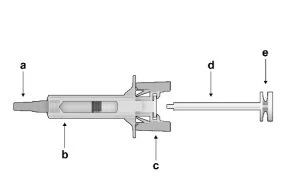
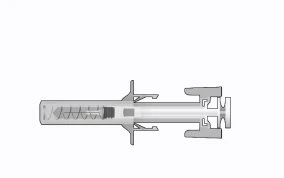
Figure 1: | Safety syringe: Before use a) needle shield
| Safety syringe: After use (With needle protection mechanism activated) |
Note that the lower injection volume is barely visible in the viewing window, as the safety device spring is "covering" part of the glass barrel near the needle.
- Do not touch the syringe safety wings until ready to inject, as doing so may activate the syringe safety mechanism prematurely.
- Do not use the product if it has been dropped on a hard surface or is damaged. Use a new product for injection.
- Administration
- Remove the syringe from the carton box: hold the syringe by the protective body.
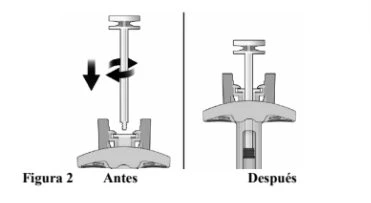
- Firmly holding the syringe by the inspection window, insert the plunger rod into the plunger stop by gently turning the plunger rod clockwise until securely locked (see Figure 2).
-
Carefully inspect the safety syringe:
-
Do not use the safety syringe after the expiry date stated on the carton or syringe label.
-
A small air bubble may be visible, which is normal.
-
The liquid should be clear and transparent. Do not use the safety syringe if the liquid contains particles or appears cloudy.
-
Select the injection site. Rotate injection sites between the buttocks, thighs, abdomen, or upper arms (see Figure 3), waiting at least 8 weeks before re-injecting into a previously used site. Avoid injections around the waist or within 5 cm of the navel.
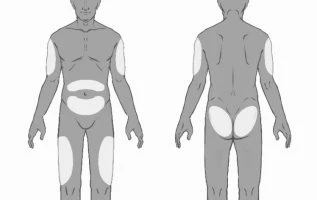
Figure 3
- Put on gloves and clean the injection site with circular motions using an alcohol swab (not included in the package). Do not touch the cleaned area again before injection.
- Holding the safety syringe by the syringe protective body as shown (see Figure 4), carefully pull the needle protector straight off. Immediately discard the needle protector (never attempt to recap the needle). A small drop of liquid at the tip of the needle may be present. This is normal.
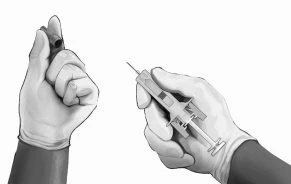
Figure 4
- Pinch the skin at the injection site between the thumb and index finger as shown (see Figure 5).
- Hold the safety syringe as illustrated and gently insert the needle at approximately a 90° angle (see Figure 5). Push the needle in until fully inserted.
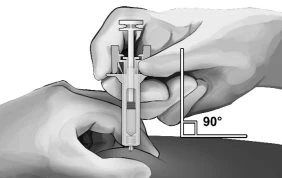
Figure 5
- Hold the syringe as shown (see Figure 6) and slowly depress the plunger until the plunger head locks between the syringe safety wings and all solution has been injected.
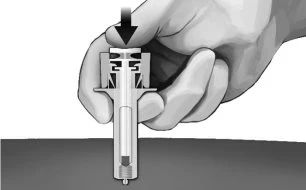
Figure 6
- Gently withdraw the needle from the skin. It is recommended to keep the plunger fully depressed while carefully removing the needle from the injection site (see Figure 7).
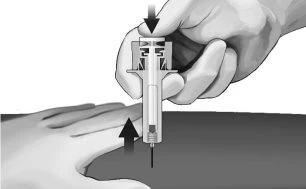
Figure 7
- As soon as the needle is withdrawn from the skin, slowly release the thumb from the plunger and allow the syringe safety shield to automatically cover the exposed needle (see Figure 8). A small amount of blood at the injection site may occur; if needed, clean with a cotton ball or gauze.
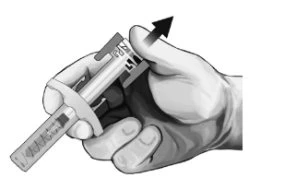
Figure 8
- Disposal of the syringe
Any unused medication and all materials that have come into contact with it must be disposed of in accordance with local regulations.