Briumvi 150 mg concentrate for solution for infusion
Spain
Table of Contents
Package leaflet: Information for the user
Introduction
Package leaflet: information for the patient
Briumvi 150 mg concentrate for solution for infusion
ublituximab
This medicinal product is subject to additional monitoring, which will allow quicker detection of new safety information. You can help by reporting any side effects you may experience. Information on how to report side effects is included at the end of section 4.
Read all of this leaflet carefully before you start receiving this medicine, because it contains important information for you.
- Keep this leaflet, as you may need to read it again.
- If you have any questions, ask your doctor.
- If you get any side effects, talk to your doctor or nurse, even if they are side effects not listed in this leaflet. See section 4.
Contents of this leaflet
- What Briumvi is and what it is used for
- What you need to know before receiving Briumvi
- How Briumvi is administered
- Possible side effects
- How to store Briumvi
- Contents of the pack and other information
1. What Briumvi is and what it is used for
What Briumvi is
Briumvi contains the active substance ublituximab. It is a type of protein known as a monoclonal antibody. Antibodies work by binding to specific targets in the body.
What Briumvi is used for
Briumvi is used to treat adults with relapsing forms of multiple sclerosis (RMS), in which patients experience relapses (flare-ups) followed by periods of milder symptoms or no symptoms.
What is multiple sclerosis
Multiple sclerosis (MS) affects the central nervous system, particularly the nerves in the brain and spinal cord. In MS, white blood cells called B-lymphocytes, which are part of the immune system (the body's defense system), malfunction and attack a protective layer (called the myelin sheath) that surrounds nerve cells, causing inflammation and damage. The breakdown of the myelin sheath prevents nerves from functioning properly and causes the symptoms of MS. MS symptoms depend on which part of the central nervous system is affected and may include difficulty walking and with balance, muscle weakness, numbness, double and blurred vision, coordination problems, and bladder problems.
In relapsing forms of MS, patients experience repeated episodes of symptoms (relapses) that may appear suddenly within hours or develop slowly over several days. Symptoms disappear or improve between relapses, but damage may accumulate, leading to permanent disability.
How Briumvi works
Briumvi works by binding to a target called CD20 on the surface of B-lymphocytes. B-lymphocytes are a type of white blood cell that is part of the immune system. In multiple sclerosis, the immune system attacks the protective layer surrounding nerve cells, and B-lymphocytes play a role in this process. Briumvi acts on B-lymphocytes and eliminates them, thereby reducing the likelihood of relapse, relieving symptoms, and slowing the progression of the disease.
2. What you need to know before receiving Briumvi
Do not receive Briumvi:
- if you are allergic to ublituximab or to any of the other ingredients of this medicine (listed in section 6);
- if you have a serious infection;
- if you have been told you have serious immune system problems; or
- if you have cancer.
If you are unsure, consult your doctor before starting Briumvi.
Warnings and precautions
Tell your doctor before starting Briumvi if any of the following apply to you. Your doctor may decide to delay your treatment with Briumvi or that you should not receive Briumvi if:
- you have an infection. Your doctor will wait until the infection has resolved before administering Briumvi.
- you have ever had hepatitis B or are a carrier of the hepatitis B virus. This is because medicines like Briumvi can reactivate the hepatitis B virus. Before treatment with Briumvi, your doctor will check whether you are at risk of hepatitis B virus infection. Patients who have had hepatitis B or who are carriers of the hepatitis B virus will undergo blood testing and will be monitored by a doctor for signs of hepatitis B virus infection.
- you have recently received a vaccine or may receive a vaccine in the near future.
- you have cancer or have had cancer in the past. Your doctor may decide to delay treatment.
Infusion-related reactions
-
The most common side effect of treatment with Briumvi is infusion-related reactions, a type of allergic reaction that occurs during or shortly after administration of a medicine. These reactions can be serious.
-
Symptoms of an infusion-related reaction may include:
-
skin itching
-
hives
-
redness of the face or skin
-
throat irritation
-
difficulty breathing
-
swelling of the tongue or throat
-
wheezing
-
chills
-
fever
-
headache
-
dizziness
-
feeling faint
-
nausea
-
abdominal pain (in the stomach)
-
rapid heartbeat
-
Tell your doctor or nurse immediately if you have or think you may have an infusion-related reaction. Infusion-related reactions can occur during the infusion or up to 24 hours after.
-
To reduce the risk of an infusion-related reaction, your doctor will give you other medicines before each Briumvi infusion (see section 3), and you will be closely monitored during the infusion.
-
If you experience a reaction to the infusion, your doctor may need to interrupt or slow down the infusion rate.
Infections
-
Tell your doctor before receiving Briumvi if you have or think you may have an infection. Your doctor will wait until the infection has resolved before administering Briumvi.
-
You may be more likely to get infections while receiving Briumvi. This is because the immune cells targeted by Briumvi also help fight infections.
-
Tell your doctor or nurse immediately if you have an infection or any of the following signs of infection during or after treatment with Briumvi:
-
fever or chills
-
persistent cough
-
herpes (e.g., cold sores, shingles, or genital ulcers)
-
Tell your doctor or nurse immediately if you think your MS is getting worse or if you notice any new symptoms. This is due to a very rare but potentially fatal brain infection called progressive multifocal leukoencephalopathy (PML), which can cause symptoms similar to those of MS. PML can occur in patients treated with medicines like Briumvi and other MS treatments.
-
Inform your partner or caregiver about your treatment with Briumvi. They may notice symptoms of PML that you do not, such as memory lapses, thinking problems, difficulty walking, vision loss, or changes in speech, which your doctor may need to investigate.
Vaccines
- Tell your doctor if you have recently received a vaccine or may receive a vaccine in the near future.
- Your doctor will check whether you need any vaccines before starting treatment with Briumvi. You should receive a type of vaccine called live or live-attenuated vaccines at least 4 weeks before starting treatment with Briumvi. During treatment with Briumvi, you must not receive live or live-attenuated vaccines until your doctor tells you that your immune system is no longer weakened.
- Whenever possible, you should receive other types of vaccines called inactivated vaccines at least 2 weeks before starting treatment with Briumvi. If you wish to receive inactivated vaccines during treatment with Briumvi, consult your doctor.
Children and adolescents
Briumvi is not recommended for use in children and adolescents under 18 years of age, as it has not yet been studied in this age group.
Other medicines and Briumvi
Tell your doctor or pharmacist if you are taking, have recently taken, or might need to take any other medicines. In particular, tell your doctor:
- if you are taking, have recently taken, or might need to take medicines that affect the immune system, such as chemotherapy, immunosuppressants (except corticosteroids), or other medicines used to treat MS. This is because they may have an additive effect on the immune system.
- if you are planning to receive any vaccine (see “Warnings and precautions” above).
If any of these apply to you (or if you are unsure), consult your doctor before starting Briumvi.
Pregnancy and breastfeeding
- Tell your doctor before starting Briumvi if you are pregnant, think you might be pregnant, or plan to become pregnant. This is because Briumvi can cross the placenta and affect the fetus.
- Do not use Briumvi during pregnancy unless discussed with your doctor. Your doctor will weigh the benefits of Briumvi for you against the risks to the fetus.
- If you have a child and received Briumvi during pregnancy, it is important to inform your child's doctor that you received Briumvi, so that the doctor can recommend when your child should be vaccinated.
- It is unknown whether Briumvi passes into breast milk. Consult your doctor about the best way to feed your child if you are receiving Briumvi.
Female contraception
If you are able to become pregnant (conceive), you must use contraceptive methods:
- during treatment with Briumvi and
- for at least 4 months after the last Briumvi infusion.
Driving and using machines
It is unlikely that Briumvi will affect your ability to drive or use machines.
Briumvi contains sodium
This medicine contains less than 1 mmol of sodium (23 mg) per dose; essentially, “sodium-free”.
3. How Briumvi is administered
A doctor or a nurse experienced in the use of this treatment will administer Briumvi to you. You will be closely monitored while the medicine is being given to you, in case you experience any adverse reactions. Briumvi is always administered via an intravenous infusion (drip).
Medicines you will receive before Briumvi
Before receiving Briumvi, you will be given other medicines to prevent or reduce possible adverse effects, such as infusion-related reactions (see sections 2 and 4 for information about infusion-related reactions).
You will receive a corticosteroid and an antihistamine before each infusion, and you may also receive additional medicines to reduce fever.
How much Briumvi you will receive and how often
- The first dose of Briumvi will be 150 mg. This infusion will last 4 hours.
- The second dose of Briumvi will be 450 mg, given 2 weeks after the first dose. This infusion will last 1 hour.
- Subsequent doses of Briumvi will be 450 mg, given 24 weeks after the first dose and every 24 weeks thereafter. These infusions will last 1 hour.
How Briumvi is administered
- A doctor or nurse will administer Briumvi to you. Briumvi must be diluted before administration, which will be done by a healthcare professional. It will be given as an intravenous infusion into a vein.
- You will be closely monitored during the administration of Briumvi and for at least 1 hour after the first two infusions. This is to watch for any adverse effects, such as an infusion-related reaction. The infusion may be slowed down, temporarily interrupted, or permanently stopped if you experience an infusion-related reaction, depending on its severity (see sections 2 and 4 for information about infusion-related reactions).
If you miss an infusion of Briumvi
- If you miss an infusion of Briumvi, consult your doctor to reschedule it as soon as possible. Do not wait for your next scheduled infusion.
- To obtain the full benefit of Briumvi, it is important that you receive each infusion at the correct time.
If you stop treatment with Briumvi
- It is important to continue treatment for as long as you and your doctor decide it is beneficial for you.
- Some adverse effects may be related to low levels of B lymphocytes. After stopping treatment with Briumvi, you may experience these adverse effects until normal B lymphocyte levels return.
- Before starting any other medicines, tell your doctor when you received your last Briumvi infusion.
If you have any further questions about the use of this medicine, ask your doctor.
4. Possible adverse effects
Like all medicines, this medicine can cause adverse effects, although not everyone will experience them.
The following adverse effects have been reported with Briumvi:
Serious adverse effects
Infusion-related reactions
-
Infusion-related reactions are the most common adverse effect of treatment with Briumvi (very common: may affect more than 1 in 10 people). In most cases, these reactions are mild, but serious reactions may occur.
-
Immediately inform your doctor or nurse if you experience signs or symptoms of an infusion-related reaction during or up to 24 hours after the infusion. Symptoms may include, among others:
-
skin itching
-
hives
-
redness of the face or skin
-
throat irritation
-
breathing difficulties
-
swelling of the tongue or throat
-
wheezing
-
chills
-
fever
-
headache
-
dizziness
-
feeling faint
-
nausea
-
abdominal (stomach) pain
-
rapid heartbeat
-
If you experience an infusion-related reaction, you will be given medicines to treat it, and it may be necessary to slow down or interrupt the infusion. Once the reaction has subsided, the infusion may be resumed. If the infusion-related reaction is potentially life-threatening, your doctor will permanently discontinue treatment with Briumvi.
Infections
-
You may be more likely to develop infections while taking Briumvi. Some of these infections could be serious. The following infections have been observed in patients treated with Briumvi for MS:
-
Very common (may affect more than 1 in 10 people)
-
upper respiratory tract infections (infections of the nose and throat)
-
respiratory tract infections
-
Common (may affect up to 1 in 10 people)
-
lower respiratory tract infections (lung infections such as bronchitis or pneumonia)
-
herpes infections (cold sores [oral herpes], or shingles)
-
Immediately inform your doctor or nurse if you notice any of the following signs of infection:
-
fever or chills
-
persistent cough
-
herpes (e.g., cold sores [oral herpes], shingles, or genital ulcers)
Your doctor will wait until the infection has resolved before administering Briumvi.
Other adverse effects
Common (may affect up to 1 in 10 people)
- neutropenia (low levels of neutrophils, a type of white blood cell)
- pain in a limb (arms or legs)
Reporting of adverse effects
If you experience any adverse effect, consult your doctor or nurse, even if it is a possible adverse effect not listed in this leaflet. You may also report them directly through the national reporting system included in Appendix V. By reporting adverse effects, you can help provide more information on the safety of this medicine.
5. Storage of Briumvi
Store in a refrigerator (between 2 °C and 8 °C).
Healthcare professionals will store Briumvi in the hospital or clinic under the following conditions:
- This medicinal product must not be used after the expiry date stated on the carton and on the label of the vial after "EXP". The expiry date refers to the last day of the stated month.
- This medicinal product must be stored in a refrigerator (between 2 °C and 8 °C). Do not freeze. The vial must be kept in the outer packaging to protect it from light.
Immediate use of the product after dilution is recommended. If not used immediately, the storage times and conditions during use are the responsibility of the healthcare professional and should generally not exceed 24 hours between 2 °C and 8 °C, followed by a maximum of 8 hours at room temperature.
Medicines should not be disposed of via wastewater. Doing so helps protect the environment.
6. Contents of the pack and other information
Composition of Briumvi
- The active substance is ublituximab. Each vial contains 150 mg of ublituximab in 6 ml at a concentration of 25 mg/ml.
- The other components are sodium chloride, trisodium citrate dihydrate, polysorbate 80, hydrochloric acid and water for injections.
Nature and contents of the container
- Briumvi is a solution that is between transparent and opalescent and between colourless and yellowish.
- It is presented as a concentrate for solution for infusion.
- This medicine is available in packs containing 1 vial (glass vial with 6 ml of concentrate).
Marketing Authorization Holder
Neuraxpharm Pharmaceuticals, S.L.
Avda. Barcelona 69
08970 Sant Joan Despí - Barcelona
Spain
Manufacturer
Millmount Healthcare
Block 7, City North Business Campus
Stamullen
Co. Meath
Ireland
K32 YD60
More information about this medicine can be requested by contacting the local representative of the Marketing Authorization Holder:
Belgium/Belgium/Belgium Neuraxpharm Belgium Tel/Tel: +32 (0)2 732 56 95 | Lithuania Neuraxpharm Pharmaceuticals, S.L. Tel: +34 93 475 96 00 |
Neuraxpharm Pharmaceuticals, S.L. Tel: +34 93 475 96 00 | Luxembourg/Luxembourg Neuraxpharm France Tel/Tel: +32 474 62 24 24 |
Czech Republic Neuraxpharm Bohemia s.r.o. Tel: +420 739 232 258 | Hungary Neuraxpharm Hungary Kft. Tel.: +3630 464 6834 |
Denmark Neuraxpharm Sweden AB Tlf: +46 (0)8 30 91 41 (Sweden) | Malta Neuraxpharm Pharmaceuticals, S.L. Tel.: +34 93 475 96 00 |
Germany neuraxpharm Arzneimittel GmbH Tel: +49 2173 1060 0 | Netherlands Neuraxpharm Netherlands B.V. Tel.: +31 70 208 5211 |
Estonia Neuraxpharm Pharmaceuticals, S.L. Tel: +34 93 475 96 00 | Norway Neuraxpharm Sweden AB Tlf: +46 (0)8 30 91 41 (Sweden) |
Greece Brain Therapeutics PC Tel: +302109931458 | Austria Neuraxpharm Austria GmbH Tel.: +43 (0)2236 320038 |
Spain Neuraxpharm Spain, S.L.U. Tel: +34 93 475 96 00 | Poland Neuraxpharm Polska Sp. z o.o. Tel.: +48 783 423 453 |
France Neuraxpharm France Tél: +33 1.53.62.42.90 | Portugal Neuraxpharm Portugal, Unipessoal Lda Tel: +351 910 259 536 |
Croatia Neuraxpharm Pharmaceuticals, S.L. Tel: +34 93 475 96 00 | Romania Neuraxpharm Pharmaceuticals, S.L. Tel: +34 93 475 96 00 |
Ireland Neuraxpharm Ireland Ltd Tel: +353 (0)1 428 7777 | Slovenia Neuraxpharm Pharmaceuticals, S.L. Tel: +34 93 475 96 00 |
Iceland Neuraxpharm Sweden AB Sími: +46 (0)8 30 91 41 (Iceland/Sweden) | Slovakia Neuraxpharm Slovakia a.s. Tel: +421 255 425 562 |
Italy Neuraxpharm Italy S.p.A. Tel: +39 0736 980619 | Finland Neuraxpharm Sweden AB Puh/Tel: +46 (0)8 30 91 41 (Finland/Sweden) |
Cyprus Brain Therapeutics PC Tel: +302109931458 | Sweden Neuraxpharm Sweden AB Tel: +46 (0)8 30 91 41 |
Latvia Neuraxpharm Pharmaceuticals, S.L. Tel: +34 93 475 96 00 | United Kingdom (Northern Ireland) Neuraxpharm Ireland Ltd Tel: +353 (0)1 428 7777 |
Date of last review of this leaflet:
Other sources of information
Detailed information on this medicine is available on the European Medicines Agency website: http://www.ema.europa.eu.
This information is intended for healthcare professionals only:
Read the package leaflet or summary of product characteristics for more information.
Posology
- First and second doses
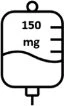
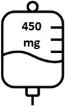
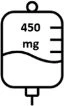
The first dose is administered as an intravenous infusion of 150 mg (first infusion), followed by an intravenous infusion of 450 mg, 2 weeks later (second infusion).
- Subsequent doses
Subsequent doses of Briumvi are administered as a single intravenous infusion of 450 mg every 24 weeks (Table 1). The first subsequent dose of 450 mg should be administered 24 weeks after the first infusion. A minimum interval of 5 months must be maintained between each dose of Briumvi.
Figure 1: Briumvi dosing schedule
First infusion | Second infusion | Subsequent infusions |
Day 1
| Day 15
| Every 6 months
|
Management of IRRs prior to infusion
-
Treatment must be initiated and supervised by a healthcare professional experienced in the field and with access to adequate medical support to manage serious reactions such as severe infusion-related reactions (IRRs).
-
Premedication for IRRs
The following two medications should be administered as premedication prior to each Briumvi infusion to reduce the frequency and severity of IRRs:
- 100 mg of methylprednisolone or 10–20 mg of dexamethasone (or equivalent) approximately 30–60 minutes before each Briumvi infusion;
- diphenhydramine approximately 30–60 minutes before each Briumvi infusion.
Additionally, premedication with an antipyretic (e.g., paracetamol) may also be considered.
Dilution instructions
- Briumvi must be prepared by a healthcare professional using aseptic technique. Do not shake the vial.
- The product is intended for single use only.
- Do not use the solution if it shows discoloration or contains foreign particulate matter.
- Briumvi must be diluted before administration. Intravenous infusion solutions of Briumvi are prepared by diluting the product in an infusion bag containing 0.9% isotonic sodium chloride solution. For the first infusion, dilute one vial of the product in the infusion bag (150 mg/250 ml) to a final concentration of approximately 0.6 mg/ml. For subsequent infusions, dilute three vials of the product in the infusion bag (450 mg/250 ml) to a final concentration of approximately 1.8 mg/ml.
- Prior to starting intravenous infusion, the contents of the infusion bag should be at room temperature.
Method of administration
- After dilution, Briumvi is administered as an intravenous infusion through a dedicated line.
- Briumvi infusions must not be administered as intravenous push or bolus.
Table 1: Briumvi dosing and schedule
Amount and volume | Infusion rate | Duration 1 | |
First infusion | 150 mg in 250 ml |
2 hours. | 4 hours |
Second infusion (2 weeks later) | 450 mg in 250 ml |
30 minutes. | 1 hour |
Subsequent infusions (once every 24 weeks) | 450 mg in 250 ml |
30 minutes. | 1 hour |
1The duration of the infusion may be longer if the infusion is interrupted or slowed.
2The next dose should be administered 24 weeks after the first infusion.
Management of IARs during and after infusion
Patients should be monitored during infusion and for at least one hour after completion of the first two infusions.
During infusion
- Infusion adjustments in case of IARs
In the event of IARs during an infusion, the following adjustments should be considered.
Potentially life-threatening IARs
If signs of a potentially life-threatening or disabling IAR occur during infusion, the infusion must be stopped immediately and appropriate treatment administered to the patient. In these patients, treatment with Briumvi must be permanently discontinued (see section 4.3).
Severe IARs
If a patient experiences a severe IAR, the infusion must be stopped immediately and symptomatic treatment administered. The infusion should only be resumed once all symptoms have resolved. When resuming the infusion, restart at half the infusion rate used at the time the IAR occurred. If this rate is tolerated, increase the infusion rate as described in Table 1.
Mild to moderate IARs
If a patient experiences a mild to moderate IAR, the infusion rate should be reduced to half the rate used at the time the event occurred. This reduced infusion rate should be maintained for at least 30 minutes. If the reduced infusion rate is tolerated, the infusion rate may be increased as described in Table 1.
After infusion
- Patients treated with Briumvi should be observed for at least one hour after completion of the first two infusions for symptoms of IARs.
- Physicians should inform patients that an IAR may occur within 24 hours following infusion.
Shelf life
Unopened vial
3 years
Diluted solution for intravenous infusion
- Chemical and physical in-use stability has been demonstrated for 24 hours at 2 °C to 8 °C, followed by 8 hours at room temperature.
- From a microbiological standpoint, the prepared infusion solution should be used immediately. If not used immediately, the in-use storage times and conditions prior to use are the responsibility of the user and normally should not exceed 24 hours at 2 °C to 8 °C, followed by 8 hours at room temperature, unless dilution has been performed under controlled and validated aseptic conditions.
- If an intravenous infusion cannot be completed on the same day, any remaining solution must be discarded.