Betoptic suspension 2.5 mg/ml eye drops in suspension
Spain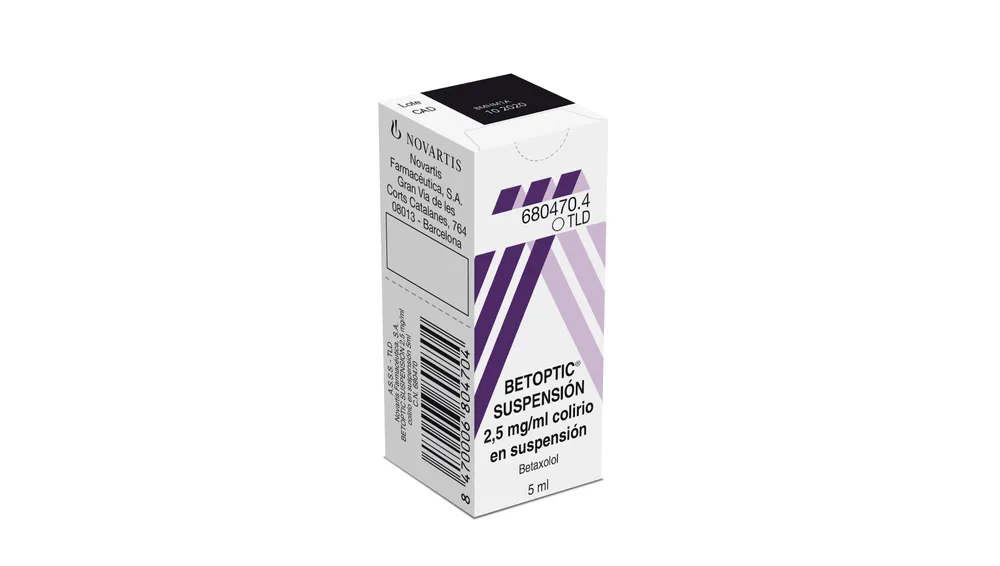
Table of Contents
- Package leaflet: Information for the user
- Introduction
- 1. What BETOPTIC SUSPENSION is and what it is used for
- 2. What you need to know before using BETOPTIC SUSPENSION Do not use Betoptic Suspension
- **If you are allergic to betaxolol, other beta-blockers (belonging to the same group as this medicine) or to any of the other ingredients of this medicine (listed in section 6).**
- 3. How to use BETOPTIC SUSPENSION
- 4. Possible adverse effects
- 5. Storage of BETOPTIC SUSPENSION
- 6. Contents of the pack and other information
Package leaflet: Information for the user
Introduction
Package leaflet: information for the user
BETOPTIC SUSPENSION 2.5 mg/ml ophthalmic suspension
Betaxolol
Read all of this leaflet carefully before you start using this medicine, because it contains important information for you.
-
Keep this leaflet as you may need to read it again.
-
If you have any questions, ask your doctor or pharmacist.
-
This medicine has been prescribed for you only, and you should not give it to other people, even if they have the same symptoms as you, because it could harm them.
-
If you experience any adverse effects, consult your doctor or pharmacist, even if they are effects not listed in this leaflet. See section 4.
Contents of the leaflet
- What BETOPTIC SUSPENSION is and what it is used for
- What you need to know before using BETOPTIC SUSPENSION
- How to use BETOPTIC SUSPENSION
- Possible adverse effects
- How to store BETOPTIC SUSPENSION
- Contents of the pack and other information
1. What BETOPTIC SUSPENSION is and what it is used for
It is an ophthalmic solution belonging to a group of medicines called beta-blockers, containing betaxolol as the active substance, which acts by reducing intraocular pressure (pressure inside the eye), possibly by decreasing aqueous humor (fluid in the anterior chamber of the eye).
Betoptic Suspension is indicated for the reduction of elevated intraocular pressure in patients with chronic open-angle glaucoma or ocular hypertension.
It can be used alone or in combination with other medications that reduce intraocular pressure.
2. What you need to know before using BETOPTIC SUSPENSION Do not use Betoptic Suspension
If you are allergic to betaxolol, other beta-blockers (belonging to the same group as this medicine) or to any of the other ingredients of this medicine (listed in section 6).
If you have heart failure, a slow heart rate, or heart rhythm disorders (irregular heartbeats), or other heart conditions that have sometimes caused you to faint.
If you have or have had respiratory problems such as severe asthma, or severe chronic obstructive pulmonary disease (a serious lung condition that may cause wheezing, difficulty breathing and/or long-term cough).
Warnings and precautions
Talk to your doctor or pharmacist before starting to use Betoptic Suspension.
• Use this medicine only in your eye(s).
• Before starting to use this medicine, inform your doctor if you have or have had:
-
coronary heart disease (symptoms may include chest tightness or pain, shortness of breath or suffocation), heart failure, low blood pressure.
-
first-degree heart block (a condition related to heart rhythm).
-
respiratory problems, asthma or chronic obstructive pulmonary disease.
-
disease due to poor blood circulation (such as Raynaud's disease, causing tingling in fingers or toes).
-
diabetes, as betaxolol may mask the signs and symptoms of low blood sugar.
-
overactivity of the thyroid gland, as this medicine may mask signs and symptoms.
-
any condition characterized by chronic muscle weakness (such as myasthenia gravis).
• Patients with suspected hyperthyroidism should be carefully monitored.
• If you have a history of severe allergic or atopic reactions (allergy of unknown origin), you may be more sensitive to various allergens. If you experience any severe allergic reaction (skin rash, redness and itching of the eye, fever, swelling of the throat, tongue or face) while using this medicine, stop treatment immediately and consult your doctor. Whenever receiving medical treatment, inform your doctor that you are using this medicine.
• If you are being treated with another beta-blocking medicine, including one administered by another route, you should exercise caution.
• Inform your doctor that you are using this medicine before undergoing surgery, as betaxolol may alter the effects of certain medicines used during anesthesia.
• If you have closed-angle glaucoma, this medicine should be prescribed together with other medicines that act by constricting the pupil. You should have your eye pressure monitored regularly, especially at the beginning of treatment.
• If you have disorders of the transparent front part of the eye (cornea), consult your doctor, as this medicine may cause dry eyes.
• If you have skin disorders such as psoriasis, your condition may worsen.
• If you wear contact lenses:
This medicine should not be used while wearing contact lenses.
Use in elderly patients
See section 3.
Use in athletes
This medicine contains a component, betaxolol, which may produce a positive result in doping control tests.
Children
The efficacy and safety of this medicine in children have not been established.
Other medicines and Betoptic Suspension
Inform your doctor or pharmacist if you are taking, have recently taken, or might need to take any other medicines.
This medicine may interact with, or be affected by, other medicines you are taking, including other eye drops for glaucoma. Consult your doctor if you are taking or planning to take medicines to lower blood pressure, medicines for heart conditions, or medicines to treat diabetes, parasympathomimetic agents, or adrenergic psychotropic medicines (generally used for attention disorders).
Pregnancy, breastfeeding and fertility
If you are pregnant or breastfeeding, think you might be pregnant, or plan to become pregnant, consult your doctor or pharmacist before using this medicine. Do not use this medicine during pregnancy unless your doctor considers it necessary.
Do not use this medicine while breastfeeding, as betaxolol may pass into breast milk.
Driving and use of machines
You may experience blurred vision for a short time after applying the eye drops. Do not drive or operate machinery until this effect has worn off.
BETOPTIC SUSPENSION contains benzalkonium chloride
This medicine contains 0.1 mg of benzalkonium chloride per ml.
Benzalkonium chloride can be absorbed by soft contact lenses, altering their color. Remove contact lenses before using this medicine and wait 15 minutes before reinserting them.
Benzalkonium chloride may cause eye irritation, particularly if you have dry eye or other corneal diseases (conditions of the transparent layer at the front of the eye). Consult your doctor if you experience a foreign body sensation, stinging or pain in the eye after using this medicine.
3. How to use BETOPTIC SUSPENSION
- Shake the bottle well before use to ensure the medication is properly mixed.
- Wash your hands before handling the bottle.
- Tilt your head back slightly and pull down the lower eyelid to create a small pocket.
- Hold the dropper close to the eye without touching it, and squeeze the prescribed number of drops into the pocket formed by the lower eyelid.
- Close your eye gently for 1 to 2 minutes and press lightly on the inner corner of the eye (near the nose) to prevent the medication from draining into the tear duct.
- If using more than one drop, wait at least 5 minutes between drops.
- Replace the cap tightly after use.
- Wash your hands again after applying the drops to avoid accidental transfer of the medication to other parts of the body.
- Do not let the tip of the bottle or dropper touch the eye or any other surface to prevent contamination.
Use this medication regularly and exactly as directed by your doctor to get the most benefit from it. Do not stop using it without consulting your doctor, even if symptoms improve.
Follow exactly the administration instructions for this medicine as indicated by your doctor. If in doubt, consult your doctor or pharmacist again.
Use in adults
The recommended dose is 1–2 drop(s) in the affected eye(s) twice daily (morning and evening).
It may take several weeks before a stable response to treatment is achieved.
Substitution therapy (monotherapy): If you are currently using another medication for glaucoma and your doctor has instructed you to switch to Betoptic Suspension, on the first day you should continue your current treatment and additionally administer 1 drop of Betoptic Suspension in the affected eye(s) twice daily. On the following day, discontinue the initial medication and continue treatment with Betoptic Suspension only, at the usual dose.
Substitution therapy (multiple therapy): If you are being treated with several medications for glaucoma, your doctor will determine the dosing regimen, adjusting one drug at a time with intervals of at least one week.
To achieve a greater reduction in intraocular pressure, your ophthalmologist may prescribe additional medications to be used in combination with this medicine.
Use in elderly patients
It is recommended to initiate treatment with the lowest recommended dose of betaxolol, as elderly patients are more likely to have age-related conditions such as cardiac problems or peripheral vascular disease.
If the clinical response is inadequate, your doctor may adjust the dose to 2 drops of Betoptic Suspension in the affected eye(s) twice daily (morning and evening), with appropriate precautions.
Use in children
The efficacy and safety of this medicine have not been established in children.
The doctor must carefully evaluate the benefits and risks before prescribing this medicine to children, performing the necessary tests and reviewing the medical history.
If administered to children, it is recommended to use the lowest doses once daily. Close monitoring of pediatric patients is required, especially in very young children, beginning 1 or 2 hours after the first dose.
Usage recommendations:
1 2 3 4
- Wash your hands.
- Take the bottle (dropper container).
- Shake well before use.
- After opening the bottle for the first time, remove the loose plastic ring from the seal if present.
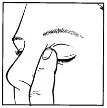
- Hold the bottle upside down between your fingers (figure 1).
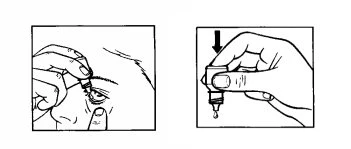
- Tilt your head backward. Gently pull down the eyelid of the eye with one finger to form a pouch, into which the drop should fall (figure 2).
- Bring the tip of the bottle close to the eye. A mirror may be helpful.
- Do not touch the eye, eyelid, nearby areas, or any other surface with the dropper tip, as the eye drops could become contaminated.
- Gently squeeze the base of the bottle with your index finger to release one drop at a time (figure 3).
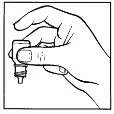
- After using the eye drops, press with your finger on the inner corner of the eye near the nose for 2 minutes (figure 4). This helps prevent the medicine from passing into the rest of the body.
- If applying drops to both eyes, repeat all the previous steps for the other eye.
- Close the bottle tightly immediately after using the product.
If a drop misses the eye, try again.
If you are using other eye medications, wait at least 5 minutes between administering this eye drop and other eye medications. Ophthalmic ointments should be applied last.
If you use more Betoptic Suspension than you should
An overdose in the eyes can be washed out with lukewarm water. Do not apply more drops until your next scheduled dose.
In case of overdose or accidental ingestion, contact your doctor or pharmacist immediately or call the Toxicology Information Service at telephone: 91 562 04 20, indicating the medicine and the amount used.
Symptoms of overdose or accidental ingestion may include: slow heartbeat, low blood pressure, heart or respiratory problems. If this occurs, stop treatment and consult your doctor.
If you forget to use Betoptic Suspension
Do not apply a double dose to make up for missed doses.
Apply a single dose as soon as you remember, and then continue with your next scheduled dose. However, if it is almost time for your next dose, do not apply the missed dose and continue with your regular dosing schedule.
If you have any further questions about the use of this medicine, ask your doctor or pharmacist.
4. Possible adverse effects
Like all medicines, this medicine can cause adverse effects, although not everyone will experience them.
The following adverse effects have been reported with this medicine:
Very common adverse effects (may affect more than 1 in 10 people):
Eye effects: eye discomfort.
Common adverse effects (may affect up to 1 in 10 people):
Eye effects: blurred vision, increased tear production.
General effects: headache.
Uncommon adverse effects (may affect up to 1 in 100 people):
Eye effects: eye inflammation with or without surface damage (keratitis), conjunctival inflammation, eyelid inflammation, visual disturbance, light sensitivity, eye pain, dry eye, tired eyes, eyelid disorder, eye itching, eye discharge, crusting of the eyelid, eye swelling, eye irritation, conjunctival disorder, eye swelling, eye redness.
General effects: reduced heart rate, increased heart rate, asthma, breathing difficulty, nausea, nasal inflammation.
Rare adverse effects (may affect up to 1 in 1,000 people):
Eye effects: clouding of the eye (cataract).
General effects: fainting, bad taste, cough, runny nose (rhinorrhea), skin swelling, rash, decreased blood pressure, anxiety, decreased sexual desire.
Additional adverse effects have been reported during post-marketing experience, for which the frequency is unknown:
Eye effects: eyelid redness.
General effects: irregular heartbeat, dizziness, hair loss, body weakness, allergy, difficulty sleeping (insomnia), depression.
Like other medicines administered into the eyes, betaxolol is absorbed into the bloodstream. This may cause adverse effects similar to those observed with intravenous and/or oral beta-blocking drugs. The incidence of adverse effects after ophthalmic administration is lower than with medicines taken orally or by injection. The adverse reactions described include those observed within the class of ophthalmic beta-blockers when used for the treatment of eye diseases:
-
Generalized allergic reactions including swelling beneath the skin that may occur in the face and extremities, and may obstruct the airways causing difficulty in swallowing or breathing, urticaria or rash with localized and generalized eruption, itching, severe and sudden allergic reaction.
-
Low blood sugar levels.
-
Difficulty sleeping, depression, nightmares, memory loss.
-
Syncope, fatigue, reduced or absent blood flow to the brain, worsening of symptoms of myasthenia gravis (a muscle disorder), dizziness, unusual sensations such as tingling, headache.
-
Symptoms of ocular irritation (such as burning, stinging, tearing, redness), eyelid inflammation, corneal inflammation, blurred vision, choroidal detachment (layer beneath the retina) following glaucoma filtration surgery, decreased corneal sensitivity, dry eyes, corneal erosion, drooping of the upper eyelid (causing the eye to be partially closed), double vision.
-
Chest pain, palpitations, fluid accumulation (edema), changes in heart rhythm or heartbeat frequency, other heart disturbances, accompanied by difficulty breathing and swelling of the feet and legs due to fluid accumulation (congestive heart failure), cardiac arrest, heart failure.
-
Low blood pressure, Raynaud's disease (a disorder with reduced circulation causing cold hands and feet).
-
Breathing difficulty (mainly in patients with bronchial disease), cough.
-
Gastrointestinal disturbances such as nausea, indigestion, diarrhea, dry mouth, abdominal pain, etc.
-
Hair loss, silvery-white rash (psoriasiform rash) or worsening of psoriasis, skin rash.
-
Muscle pain.
-
Sexual dysfunction, decreased libido.
-
Fatigue.
Generally, you may continue using the drops unless the effects are severe. If you are concerned, consult your doctor or pharmacist. Do not stop using this medicine without consulting your doctor.
Reporting of adverse effects
If you experience any type of adverse effect, talk to your doctor or pharmacist, even if it is a possible adverse effect not listed in this leaflet. You can also report them directly via the Spanish Pharmacovigilance System for Human Medicines: https://www.notificaRAM.es. By reporting adverse effects, you can help provide more information on the safety of this medicine.
5. Storage of BETOPTIC SUSPENSION
Keep this medicine out of the sight and reach of children.
Do not use this medicine after the expiry date stated on the container and on the box following EXP. The expiry date is the last day of the month indicated.
No special storage conditions are required. Keep the bottle in the outer packaging. To prevent infection, discard the bottle 4 weeks after first opening.
Record the date you opened the bottle in the space provided for this purpose on the box.
Medicines must not be disposed of via wastewater or household waste. Dispose of empty containers and unused medicines at the SIGRE collection point at your pharmacy. If you are unsure, ask your pharmacist how to dispose of containers and unused medicines. This will help protect the environment.
6. Contents of the pack and other information
Composition of BETOPTIC SUSPENSION
- The active substance is betaxolol hydrochloride. Each ml of suspension contains 2.8 mg of betaxolol hydrochloride, equivalent to 2.5 mg/ml of betaxolol (0.25%).
- The other components are: benzalkonium chloride, Amberlite IRP-69 resin (polystyrene-divinylbenzene sulfonic acid), carbomer 974P, boric acid, mannitol (E421), disodium edetate, N-laurylsarcosine, hydrochloric acid and/or sodium hydroxide, and purified water.
Appearance of the product and contents of the container
Betoptic Suspension is an ophthalmic suspension; a white or almost white liquid, supplied in a dropper container (plastic bottle with a cap) within a carton.
Each container holds 5 ml of eye drops.
Marketing Authorization Holder
Immedica Pharma AB
SE-113 63 Stockholm
Sweden
Manufacturer
Siegfried El Masnou, S.A.
C/Camil Fabra, 58
08320 El Masnou – Barcelona, Spain
or
S.A. Alcon-Couvreur N.V. Rijsksweg 14
B-2870 Puurs
Belgium
or
Novartis Farmacéutica, S.A.
Gran Via de les Corts Catalanes, 764
08013 Barcelona, Spain
or
Novartis Pharma GmbH
Roonstrasse 25
90429 Nuremberg, Germany
Date of the most recent review of this Summary of Product Characteristics: May 2019.
Detailed information on this medicine is available on the website of the Spanish Agency of Medicines and Health Products (AEMPS) http://www.aemps.gob.es/