Bertanel 25 mg/1.25 ml solution for injection in pre-filled syringe
Spain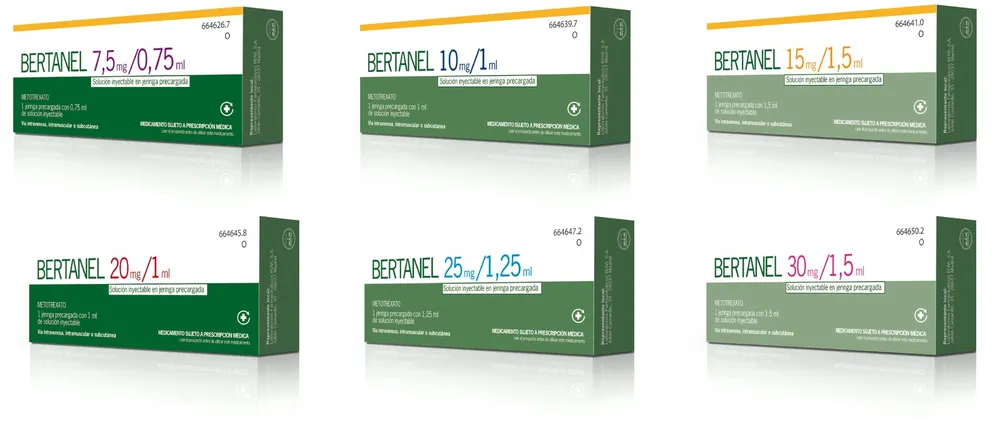
Table of Contents
- Patient Information Leaflet
- Introduction
- 1. What Bertanel is and what it is used for
- 2. What you need to know before you start using Bertanel
- 3. How to use Bertanel
- Bertanel should only be prescribed by physicians familiar with the various characteristics of the medication and its mechanism of action.
- 4. Possible adverse effects
- 5. Storage of Bertanel
- 6. Contents of the pack and other information
Patient Information Leaflet
Introduction
Package Leaflet: Information for the Patient
Bertanel 25 mg/1.25 ml solution for injection in pre-filled syringe
methotrexate
Read all of this leaflet carefully before you start using this medicine, because it contains important information for you
- Keep this leaflet as you may need to read it again.
- If you have any questions, ask your doctor or pharmacist.
- This medicine has been prescribed for you; do not give it to other people, even if they have the same symptoms as you, because it could harm them.
- If you experience any side effects, talk to your doctor or pharmacist, even if they are side effects not listed in this leaflet. See section 4.
Leaflet Contents
- What Bertanel is and what it is used for
- What you need to know before using Bertanel
- How to use Bertanel
- Possible side effects
- How to store Bertanel
- Contents of the pack and other information
1. What Bertanel is and what it is used for
Bertanel is a medicine that has the following properties:
- interferes with the growth of certain rapidly multiplying cells in the body (antitumour agent)
- suppresses undesirable reactions of the body's own defence mechanisms (immunosuppressant), and
- has anti-inflammatory effects
Bertanel is used in patients with:
- active rheumatoid arthritis (RA) in adults.
- polyarticular forms (when five or more joints are involved) of active and severe juvenile idiopathic arthritis (JIA) when the response to non-steroidal anti-inflammatory drugs (NSAIDs) has been inadequate.
Severe disabling recalcitrant psoriasis that does not respond adequately to other forms of treatment such as phototherapy, PUVA, and retinoids, and severe psoriasis affecting the joints (psoriatic arthritis) in adult patients.
2. What you need to know before you start using Bertanel
Please ask your doctor or pharmacist before using Bertanel if you have any questions. |
Do not use Bertanel:
- if you are allergic to methotrexate or to any of the other components of this medicine (listed in section 6)
- if you have significant kidney disease (your doctor determines the severity of the disease)
- if you have significant liver disease (your doctor determines the severity of your condition)
- if you have disorders of the blood-forming system
- if you consume large amounts of alcohol
- if your immune system is impaired
- if you have an existing or severe infection, e.g., tuberculosis and HIV
- if you have active gastrointestinal ulcers (including oral ulcers)
- if you are pregnant or breastfeeding (see section “Pregnancy, breastfeeding and fertility”)
- if live virus vaccines are administered at the same time.
Warnings and precautions
Consult your doctor before starting to use Bertanel if you
- have insulin-treated diabetes mellitus
- have inactive chronic infections (e.g., tuberculosis, hepatitis B or C, herpes (herpes zoster))
- have or have had any liver or kidney disease
- have problems with lung function
- have abnormal accumulation of fluid in the abdomen or in the cavity between the lungs and the chest wall (ascites, pleural effusion)
- are dehydrated or have a condition that may cause dehydration (vomiting, diarrhoea, stomatitis).
Acute pulmonary haemorrhage has been reported with methotrexate in patients with underlying rheumatological disease. If you notice blood when coughing or spitting, contact your doctor immediately.
Treatment is administered once a week.
Incorrect administration of methotrexate may lead to serious, potentially life-threatening side effects.
Please read section 3 of this leaflet carefully.
Methotrexate may make your skin more sensitive to sunlight. Avoid strong sunlight and do not use sunbeds or ultraviolet lamps without medical advice. To protect your skin from intense sunlight, wear appropriate clothing or use a high-protection sunscreen.
If you have previously experienced skin problems after radiotherapy (radiation-induced dermatitis) or sunburn, these conditions may reappear during treatment with methotrexate (memory reaction).
If you, your partner or caregiver notice the onset or worsening of neurological symptoms such as general muscle weakness, vision disturbances, changes in thinking, memory and orientation causing confusion, or personality changes, contact your doctor immediately, as these may be symptoms of a very rare but serious brain infection called progressive multifocal leukoencephalopathy (PML).
Children and adolescents
Dosing instructions depend on the patient's body weight. Use is not recommended in children under 3 years of age due to insufficient experience in this age group.
Children receiving Bertanel treatment should be monitored particularly frequently by a specialist doctor in this area to detect possible adverse effects as early as possible.
Elderly patients
Elderly patients receiving methotrexate should be under close medical supervision by a specialist so that possible adverse effects can be detected as early as possible.
Age-related decline in liver and kidney function, as well as reduced folate reserves in older age, require administration of a relatively low dose of methotrexate.
Skin lesions caused by psoriasis may worsen during treatment with Bertanel if you are simultaneously exposed to UV radiation.
Recommended examinations and precautions:
Even when Bertanel is administered at low doses, serious adverse effects may occur. To detect them as early as possible, your doctor must perform follow-up examinations and laboratory tests.
Before starting treatment:
Prior to initiating treatment, you will have a blood test to check whether you have sufficient blood cells. Your liver function and whether you have hepatitis will also be checked. Additionally, serum albumin (a blood protein), hepatitis status (liver infection), and kidney function will be evaluated. Your doctor may decide to perform further liver tests, some of which could include imaging of your liver, and others may require a small tissue sample from your liver for closer examination. Your doctor may also check whether you have tuberculosis, and you may have a chest X-ray or lung function test.
During treatment:
Your doctor may perform the following examinations:
- examination of the oral cavity and pharynx to detect changes in the mucous membrane, such as inflammation or ulcers
- blood tests / blood counts, including blood cell counts and measurement of serum methotrexate levels
- blood tests to monitor liver function
- imaging tests to monitor liver function
- taking a small tissue sample from the liver for closer examination
- blood tests to monitor kidney function
- monitoring of the respiratory tract and, if necessary, lung function tests
It is very important that you attend these scheduled tests.
If any of these test results are abnormal, your doctor will adjust your treatment accordingly.
Special precautionary measures for treatment with Bertanel
Methotrexate temporarily affects the production of sperm and ova, which is reversible in most cases. Methotrexate may cause miscarriages and severe birth defects. If you are a woman, you must avoid becoming pregnant while taking methotrexate and for at least six months after completing treatment. If you are a man, you must avoid fathering a child while receiving methotrexate and for at least 3 months after stopping treatment. See also section “Pregnancy, breastfeeding and fertility”.
Using Bertanel with other medicines
Tell your doctor or pharmacist if you are taking, have recently taken, or might need to take any other medicines. Remember to inform your doctor about your treatment with Bertanel if you are prescribed another medicine while still undergoing treatment.
It is especially important that you inform your doctor if you are taking:
- other treatments for rheumatoid arthritis or psoriasis, such as leflunomide, sulfasalazine (also used for ulcerative colitis), aspirin, phenylbutazone or amidopyrine
- alcohol (should be avoided)
- live virus vaccines
- azathioprine (used to prevent organ transplant rejection)
- retinoids (used to treat psoriasis and other skin diseases)
- anticonvulsant medicines (prevent epileptic seizures)
- cancer treatments
- barbiturates (help sleep)
- tranquilizers
- oral contraceptives
- probenecid (for gout)
- antibiotics
- Penicillins may reduce methotrexate excretion, potentially increasing adverse effects
- metamizole (synonyms: novaminsulfone and dipyrone) (a medicine for severe pain and/or fever)
- pyrimethamine (used to prevent and treat malaria)
- vitamin preparations containing folic acid
- proton pump inhibitors (used to treat stomach acidity or ulcers)
- theophylline (used to treat asthma)
Using Bertanel with food, drinks and alcohol
During treatment with Bertanel, you must not consume alcohol and should avoid excessive intake of coffee, caffeinated soft drinks, and black tea.
You should ensure adequate fluid intake during treatment with Bertanel, as dehydration (reduction of body water) may increase the toxicity of Bertanel.
Pregnancy, breastfeeding and fertility
If you are pregnant or breastfeeding, think you may be pregnant, or are planning to become pregnant, consult your doctor or pharmacist before using this medicine.
Pregnancy
Do not use Bertanel during pregnancy or if you are trying to become pregnant. Methotrexate may cause birth defects, harm the unborn baby, or cause miscarriage. It is associated with malformations of the skull, face, heart and blood vessels, brain, and limbs. Therefore, it is very important that methotrexate is not given to pregnant patients or those planning to become pregnant. In women of childbearing age, pregnancy must be ruled out by appropriate measures, for example, a pregnancy test before starting treatment. You must avoid becoming pregnant while taking methotrexate and for at least 6 months after stopping treatment, using reliable contraceptive methods throughout this period (see also section “Warnings and precautions”).
If you become pregnant during treatment or suspect you may be pregnant, consult your doctor as soon as possible. You should be provided with information about the risk of harmful effects on the child during treatment.
If you wish to become pregnant, consult your doctor, who may refer you to a specialist for counselling before the planned start of treatment.
Breastfeeding
You must not breastfeed during treatment, as methotrexate passes into breast milk. If your doctor considers methotrexate treatment absolutely necessary, breastfeeding must be discontinued.
Male fertility
Available data do not indicate an increased risk of birth defects or miscarriages if the father takes a methotrexate dose below 30 mg/week. However, this risk cannot be completely ruled out. Methotrexate may be genotoxic, meaning it may cause genetic mutations. Methotrexate may affect sperm production and cause birth defects. Therefore, you must avoid fathering a child or donating semen while taking methotrexate and for at least 3 months after stopping treatment.
Driving and use of machines
During treatment with Bertanel, adverse effects affecting the central nervous system such as fatigue and dizziness may occur. In some cases, the ability to drive vehicles and/or operate machinery may be impaired. If you feel tired or dizzy, do not drive or operate tools or machinery.
Bertanel contains sodium chloride and sodium hydroxide
This medicine contains less than 1 mmol of sodium (23 mg) per weekly dose; this is essentially “sodium-free”.
3. How to use Bertanel
Important warning about the dose of Bertanel (methotrexate):
Use Bertanel only once a week for the treatment of rheumatoid arthritis, polyarticular forms of juvenile idiopathic arthritis, or psoriasis. Overuse of Bertanel (methotrexate) can be fatal. Read section 3 of this leaflet very carefully. If you have any doubts, consult your doctor or pharmacist before taking this medicine.
Bertanel should only be prescribed by physicians familiar with the various characteristics of the medication and its mechanism of action.
Follow exactly the administration instructions for this medicine as indicated by your doctor. In case of doubt, consult your doctor or pharmacist again.
Bertanel is administered once weekly only. Together with your doctor, you will decide on a suitable day each week to receive your injection.
Incorrect administration of Bertanel may result in serious, potentially life-threatening side effects.
The usual dose is:
Dosage in patients with rheumatoid arthritis
The recommended initial dose is 7.5 mg of methotrexate once weekly. Bertanel is administered as a single injection under the skin, into a muscle, or into a vein (see section “Method and duration of administration”).
If this is not sufficient and if you tolerate the medication well, Bertanel doses may be increased. The average weekly dose is 15–20 mg. A weekly dose of more than 25 mg of Bertanel should generally not be exceeded. Once the desired therapeutic effect has been achieved, the dose should be gradually reduced, if possible, to the lowest effective maintenance dose.
Dosage in children and adolescents under 16 years of age with polyarticular forms of juvenile idiopathic arthritis
The recommended dose is 10–15 mg/m² of body surface area per week. In cases of inadequate response, the weekly dose may be increased up to 20 mg/m² of body surface area per week. However, more frequent monitoring should be performed. Since there is very limited experience with intravenous administration (into a vein) in children and adolescents, administration should only be performed via subcutaneous (under the skin) or intramuscular (into the muscle) injection.
Use in children under 3 years of age is not recommended, as experience in this age group is insufficient.
Adults with severe forms of psoriasis vulgaris or psoriatic arthritis
A test dose of 5–10 mg is recommended to assess potential harmful effects.
This dose may be administered subcutaneously (under the skin), intramuscularly (into the muscle), or intravenously (into the vein).
If, one week later, no changes in blood counts have been observed, treatment will continue with a dose of approximately 7.5 mg. The dose may then be progressively increased (in increments of 5–7.5 mg per week, with monitoring of blood counts) until the desired therapeutic effect is achieved. Generally, a weekly dose of 20 mg may be associated with significant increases in toxicity. A weekly dose exceeding 30 mg should not be exceeded.
Once the desired therapeutic effect has been achieved, the dose should be reduced weekly to reach the lowest possible effective maintenance dose for the patient.
Patients with renal impairment
Patients with renal impairment may require lower doses.
Method and duration of administration
Your doctor will determine the duration of treatment. Bertanel is injected once weekly! It is recommended to designate a specific day of the week as the “injection day.”
Bertanel is administered as an injection under the skin, into a muscle, or into a vein; however, in children and adolescents, intravenous administration should not be used.
Treatment with Bertanel for rheumatoid arthritis, juvenile idiopathic arthritis, psoriasis vulgaris, and psoriatic arthritis is long-term.
Rheumatoid arthritis
Improvement in symptoms can generally be expected within 4–8 weeks of treatment. Symptoms may reappear after discontinuation of Bertanel treatment.
Severe forms of psoriasis vulgaris and psoriatic arthritis (arthropathic psoriasis)
Response to treatment can generally be expected within 2–6 weeks.
Depending on the clinical picture and changes in laboratory parameters, treatment will be continued or discontinued.
At the beginning of treatment, Bertanel may be administered by medical personnel. However, your doctor may decide that you can learn to self-inject Bertanel. You will receive appropriate training for this. Under no circumstances should you attempt to self-inject unless you have been specifically trained to do so.
If you use more Bertanel than you should
Follow the dosage recommendations given by your doctor. Do not change the dose on your own.
If you suspect that you (or someone else) have administered too much Bertanel, please contact your doctor immediately, go to the nearest hospital, or call the Toxicology Information Service at 91 562 04 20, stating the medication and the amount used. They will determine the necessary treatment measures, depending on the severity of the intoxication.
An overdose of methotrexate may cause severe toxic reactions. Symptoms of overdose may include bleeding or bruising, unusual weakness, mouth sores, nausea, vomiting, black or bloody stools, coughing up blood, or vomit resembling coffee grounds, and decreased urine output. See section 4.
Take the medicine packaging with you if you go to the doctor or hospital.
The antidote in case of overdose is calcium folinate.
If you forget to use Bertanel
Do not use a double dose to make up for missed doses. Continue using the prescribed dose. If you have any doubts, consult your doctor.
If you stop using Bertanel
Do not stop treatment with Bertanel unless instructed by your doctor. If you suspect serious adverse effects, consult your doctor immediately.
If you have any further questions about the use of this medicine, ask your doctor or pharmacist.
4. Possible adverse effects
Like all medicines, this medicine can cause adverse effects, although not everyone experiences them.
Immediately inform your doctor if you experience wheezing, difficulty breathing, swelling of the eyelids, face or lips, rash or itching (especially if affecting the whole body), or if you feel you are going to faint (these could be symptoms of serious allergic reactions or anaphylactic shock).
Serious adverse effects
If you experience any of the following adverse effects, contact your doctor immediately:
- pulmonary discomfort (symptoms may include general malaise, dry irritating cough, difficulty breathing, shortness of breath at rest, chest pain or fever)
- coughing up blood
- blistering or severe peeling of the skin (this may also affect the mouth, eyes and genitals)
- unusual bleeding (including vomiting blood) or bruising
- severe diarrhoea
- mouth ulcers
- black or tarry stools
- blood in urine or stools
- small red spots on the skin
- fever
- yellowing of the skin (jaundice)
- pain or difficulty urinating
- swelling of hands, ankles or feet, or changes in urination frequency, reduced or absent urine output (symptoms of kidney failure)
- excessive thirst and/or frequent need to urinate
- seizures
- loss of consciousness
- blurred vision or loss of vision
The following adverse effects have also been reported:
Very common (may affect more than 1 in 10 people):
- loss of appetite, nausea (feeling sick), vomiting, stomach pain
- inflammation and ulcers in the mouth and throat
- increased liver enzymes.
Common (may affect up to 1 in 10 people):
- reduced production of blood cells with decreased white blood cells and/or red blood cells and/or platelets (leucopenia, anaemia, thrombocytopenia)
- headache
- fatigue, drowsiness
- tingling, prickling, pins and needles, or burning sensation of the skin, urticaria, skin redness, itching
- lung inflammation (pneumonitis)
- diarrhoea.
Uncommon (may affect up to 1 in 100 people):
- herpes (herpes zoster)
- lymphoma (which in some cases resolved spontaneously as soon as treatment with Bertanel was stopped)
- decreased number of blood cells and platelets
- severe allergic reactions
- diabetes
- weakness affecting the entire left or right side of the body
- dizziness, confusion
- seizures
- brain damage (leukoencephalopathy/encephalopathy)
- inflammation of blood vessels
- lung damage, pulmonary oedema
- ulcers and bleeding in the digestive tract
- inflammation of the pancreas
- liver disorders
- decreased protein levels in blood
- urticaria (alone), photosensitivity, brown skin discoloration
- severe skin toxic reactions including blistering and shedding of the upper layer of skin (Stevens-Johnson syndrome, Lyell syndrome)
- hair loss
- increase in rheumatoid nodules
- painful psoriasis
- sunburn-like reactions due to increased skin sensitivity to sunlight
- muscle or joint pain
- osteoporosis (reduced bone mass)
- inflammation and ulcers of the bladder (possibly with blood in urine), painful urination
- fetal malformations
- inflammation and ulcers in the vagina
- burning sensation or tissue damage after intramuscular injection of Bertanel.
Rare (may affect up to 1 in 1,000 people):
- sepsis
- very large red blood cells (megaloblastic anaemia)
- mood disturbances
- temporary perception problems
- weakness of voluntary movement throughout the body
- speech problems
- severe eye problems
- low blood pressure
- blood clots
- sore throat
- breathing interruption
- inflammation of the digestive tract, bloody stools
- gum inflammation
- acute hepatitis (liver inflammation)
- nail color changes, nail loss
- acne, red or purple spots due to broken blood vessels
- bone fractures due to stress
- electrolyte imbalances
- abortion
- defective sperm formation
- menstrual disorders.
Very rare (may affect up to 1 in 10,000 people):
- cold sores (herpes simplex)
- hepatitis
- severe bone marrow failure
- immunodeficiency (hypogammaglobulinaemia)
- pain
- muscle weakness
- taste disturbances (metallic taste)
- inflammation of the lining of the brain causing paralysis or vomiting
- red eyes
- inflammation of the cavity surrounding the heart, fluid in the cavity surrounding the heart
- pneumonia, breathing problems, asthma
- vomiting blood
- liver failure
- infection around the nails, boils, small blood vessels visible in the skin
- protein in urine
- fetal death
- problems in egg (female) and sperm (male) formation
- loss of sexual desire
- erection problems
- vaginal discharge
- infertility
- mild local skin reactions if Bertanel is administered subcutaneously
- lymphoproliferative disorders (excessive increase in white blood cells)
- numbness or tingling sensation, reduced sensitivity to stimuli
Frequency not known (cannot be estimated from available data):
- infections which in some cases may be fatal
- lymph node inflammation
- impaired immune system function
- fever
- inflammation of small blood vessels caused by an allergic reaction
- inflammation of the abdominal lining
- slow wound healing
- pulmonary haemorrhage
- jaw bone damage (secondary to excessive increase in white blood cells)
- tissue destruction at the injection site
- redness and peeling of the skin
- swelling
When methotrexate is administered intramuscularly, local adverse reactions (burning sensation) or lesions (formation of sterile abscesses, destruction of fatty tissue) at the injection site may frequently occur. Subcutaneous administration of methotrexate is well tolerated locally. Only mild local skin reactions have been observed, decreasing during treatment.
Methotrexate may reduce the number of white blood cells, potentially decreasing your resistance to infection. If you develop an infection with symptoms such as fever and severe deterioration in your general condition, or fever with signs of local infection such as sore throat/pharyngitis/mouth pain or urinary problems, you must contact your doctor immediately. A blood test will be performed to check for possible reduction in white blood cells (agranulocytosis). It is important to inform your doctor about your medication.
Methotrexate may cause serious adverse effects (sometimes life-threatening). Therefore, your doctor will perform tests to monitor abnormalities in blood (e.g. decreased white blood cells, decreased platelets, lymphoma) and changes in kidney and liver function.
Reporting of adverse effects
If you experience any type of adverse effect, consult your doctor or pharmacist, even if they are possible adverse effects not listed in this leaflet. You may also report them directly via the Spanish Pharmacovigilance System for Human Medicines: www.notificaRAM.es. By reporting adverse effects, you can help provide more information on the safety of this medicine.
5. Storage of Bertanel
Keep this medicine out of the sight and reach of children.
Do not use this medicine after the expiry date stated on the pre-filled syringe label and on the outer packaging, following “EXP”. The expiry date refers to the last day of the month indicated.
Store in the original packaging to protect from light.
Do not store above 25°C.
The product should be used immediately after opening the packaging.
Do not use Bertanel if the solution is not clear or contains particles.
For single use only. !Discard any unused solution remaining!
Medicines must not be disposed of via wastewater or household waste. Dispose of unused containers and medicines at a SIGRE collection point at your pharmacy. If you have any doubts, ask your pharmacist how to dispose of unused containers and medicines. This will help protect the environment.
6. Contents of the pack and other information
Composition of Bertanel
The active substance is methotrexate.
1 ml of injectable solution contains 20 mg of methotrexate (equivalent to 21.94 mg of methotrexate disodium).
1 pre-filled syringe containing 1.25 ml of injectable solution contains 25 mg of methotrexate.
The other components are: sodium chloride, sodium hydroxide for pH adjustment and water for injections.
Presentation of the product and contents of the pack
Bertanel is an injectable solution available in pre-filled syringes containing a clear yellowish solution for injection.
Each carton contains 1 pre-filled syringe or multi-packs containing 4, 5, 6, 12 or 30 pre-filled syringes with 1.25 ml of injectable solution, single-use injection needles with or without safety cannula and alcohol-impregnated swabs.
Only certain pack sizes may be commercially available.
Marketing Authorization Holder
Ebewe Pharma Ges.m.b.H. Nfg.KG
Mondseestrasse 11
4866 Unterach, Austria
Manufacturer
Ebewe Pharma Ges.m.b.H. Nfg.KG
Mondseestrasse 11
4866 Unterach, Austria
Salutas Pharma GmbH
Otto-von-Guericke-Allee 1
D-39179 Barleben
Germany
Fareva Unterach GmbH
Mondseestraße 11
4866 Unterach
Austria
For further information about this medicinal product, please contact the local representative of the Marketing Authorization Holder:
Local representative
Laboratorios Farmacéuticos ROVI, S.A.
Julián Camarillo, 35
28037 Madrid
Spain
This medicinal product is authorized in the Member States of the European Economic Area under the following names:
Member State | Medicinal Product Name | Marketing Authorisation Holder |
AT | Ebetrexat 20mg/ml Injektionslösung in einer Fertigspritze | EBEWE Pharma Ges.m.b.H. Nfg. KG |
BE | Ebetrexat 20mg/ml, solution for injection, pre-filled syringe | EBEWE Pharma Ges.m.b.H. Nfg. KG |
BG | Ebetrexat 20mg/ml, solution for injection, pre-filled syringe | EBEWE Pharma Ges.m.b.H. Nfg. KG |
CZ | Methotrexat Ebewe 20mg/ml, roztok na injekce, predplnená injekcni strikacka | EBEWE Pharma Ges.m.b.H. Nfg. KG |
DE | MTX Sandoz 20mg/ml Injektionslösung, in einer Fertigspritze | Sandoz Pharmaceuticals GmbH |
DK | Ebetrex | EBEWE Pharma Ges.m.b.H. Nfg. KG |
ES | Bertanel 25 mg/1,25 ml solución inyectable en jeringa precargada. | EBEWE Pharma Ges.m.b.H. Nfg. KG |
EE | Ebetrex 20mg/ml | EBEWE Pharma Ges.m.b.H. Nfg. KG |
FI | Ebetrex 20mg/ml | EBEWE Pharma Ges.m.b.H. Nfg. KG |
HU | Ebetrexat 20mg/ml, oldatos injekcio eloretöltött fecskendoben | EBEWE Pharma Ges.m.b.H. Nfg. KG |
IT | TREXODEM 20mg/ml-soluzione iniettabile, siringhe preriempite | Sandoz S.p.A. |
LT | Ebetrex 20mg/ml | EBEWE Pharma Ges.m.b.H. Nfg. KG |
LU | Methotrexat Sandoz 20mg/ml, solution for injection, pre-filled syringe | EBEWE Pharma Ges.m.b.H. Nfg. KG |
LV | Ebetrex 20mg/ml | EBEWE Pharma Ges.m.b.H. Nfg. KG |
NL | Ebetrex 20 mg = ml, oplossnig voor injectie in voorgevulde injectiespuit 20mg/ml | EBEWE Pharma Ges.m.b.H. Nfg. KG |
NO | Ebetrex 20mg/ml | EBEWE Pharma Ges.m.b.H. Nfg. KG |
PL | Ebetrexat | EBEWE Pharma Ges.m.b.H. Nfg. KG |
PT | Methotrexato Sandoz, solução injectável, seringa pré-cheia | EBEWE Pharma Ges.m.b.H. Nfg. KG |
RO | Methotrexate Ebewe 20 mg/ml solution for injection in pre-filled syringe | EBEWE Pharma Ges.m.b.H. Nfg. KG |
SE | Ebetrex 20mg/ml | EBEWE Pharma Ges.m.b.H. Nfg. KG |
SK | Methotrexat Ebewe 20mg/ml | EBEWE Pharma Ges.m.b.H. Nfg. KG |
SI | Methotrexate “Ebewe” 20 mg/ml solution for injection, pre-filled syringe | EBEWE Pharma Ges.m.b.H. Nfg. KG |
UK | Ebetrex 20mg/ml solution for injection, pre-filled syringe | EBEWE Pharma Ges.m.b.H. Nfg. KG |
Date of the latest review of this leaflet: September 2024
Detailed and up-to-date information on this medicine is available on the website of the Spanish Agency of Medicines and Medical Devices (AEMPS) http://www.aemps.gob.es/
This information is intended solely for healthcare professionals:
Bertanel 25 mg/1.25 ml solution for injection in pre-filled syringe
Instructions for use, handling and disposal
The solution must be clear and free from particles.
Handling and disposal of the medicine must be carried out in the same way as for other cytotoxic preparations and in accordance with local regulations. Pregnant healthcare personnel must not handle or administer Bertanel.
For single use only. Any unused solution must be discarded.
Disposal of unused medicine or waste materials must be carried out in accordance with local regulations.
Incompatibilities
In the absence of compatibility studies, this medicinal product must not be mixed with others.
Special storage precautions
Store in the original packaging to protect from light.
Do not store above 25°C.
Step-by-step instructions for subcutaneous injection:
Step 1:
- Remove from the box the inner package containing the pre-filled syringe, cannula, and needle.
- Open the inner package by pulling the tab on the corner. Remove the pre-filled syringe.
- Rotate the grey plastic-coated rubber stopper of the syringe, without touching the opening of the pre-filled syringe (see Figure 1).
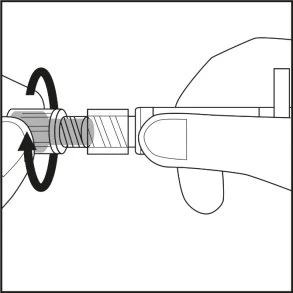
Figure 1.
Step 2:
- Place the syringe back into the inner package. The yellow-coloured solution will not spill.
- Check the label on the plastic needle holder. The label must be intact (see Figure 2).
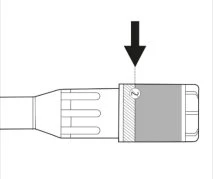
Figure 2.
Step 3:
- Remove the cap from the plastic needle holder by twisting and pulling. See Figure 3.1.
- Carefully screw the needle with its plastic holder onto the syringe until fully seated. See Figure 3.2.
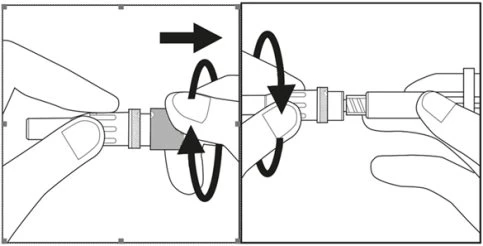
Figure 3.1 Figure 3.2
Step 4:
- Choose an injection site on the abdominal or thigh area and clean it with a cotton swab soaked in alcohol. Do not touch this area before injection (see Figures 4.1 and 4.2).
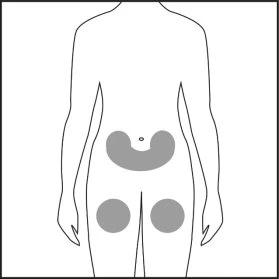
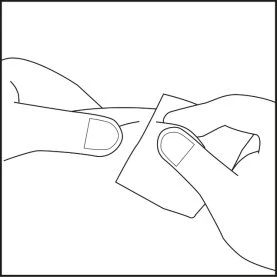
Figure 4.1 Figure 4.2
Step 5:
- Remove the cannula cap and set it aside.
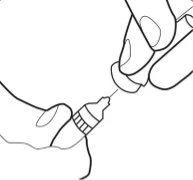
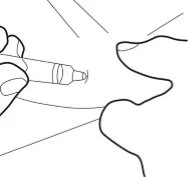
- Do not touch the sterile cannula. If this occurs, consult your doctor or pharmacist about using a new cannula. With two fingers, pinch the skin and then insert the needle into the skin fold at almost a vertical angle.
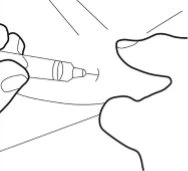
Step 6:
- Insert the cannula completely into the skin fold. Then, slowly push the plunger down and inject all the liquid under the skin.
Step 7:
- Carefully remove the cannula and dab the injection site with a cotton swab moistened with alcohol. Do not rub, as this may cause irritation at the injection site.
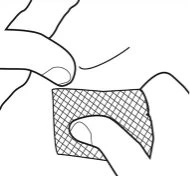
- To prevent injury, dispose of used syringes in a sharps container.