Balsoprim 26.6 mg/ml + 5.4 mg/ml + 0.5 mg/ml oral suspension
Spain
Table of Contents
Patient Information Leaflet
Introduction
Package leaflet: Information for the patient
BALSOPRIM 26.6 MG/ML + 5.4 MG/ML + 0.5 MG/ML ORAL SUSPENSION
Sulfamethoxazole / Trimethoprim / Bromhexine hydrochloride
Read all of this leaflet carefully before you start taking this medicine because it contains important information for you.
-
Keep this leaflet. You may need to read it again.
- If you have any questions, ask your doctor, pharmacist, or nurse.
-
This medicine has been prescribed for you only. Do not pass it on to other people, even if they have the same symptoms as you, because it may harm them.
- If you experience any adverse effects, consult your doctor, pharmacist, or nurse, even if they are adverse effects not listed in this leaflet. See section 4.
Contents of the leaflet
- What Balsoprim is and what it is used for
- What you need to know before taking Balsoprim
- How to take Balsoprim
- Possible side effects
5 Storage of Balsoprim
- Contents of the pack and other information
1. What Balsoprim is and what it is used for
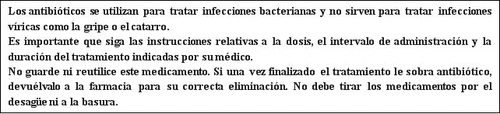 Balsoprim is an antibiotic that kills bacteria causing infections. It contains two different drugs called trimethoprim and sulfamethoxazole (a sulfonamide). It also contains bromhexine, a drug with mucolytic action.
Balsoprim is indicated in adults, adolescents, and children (2–11 years) for the treatment of the following infections when combined action of a mucolytic agent is also required:
- Acute exacerbation of chronic bronchitis in patients without risk factors.
It is also indicated when the use of antibacterial agents normally recommended for initial treatment of these infections is considered inappropriate:
- Acute inflammation of the ear (acute otitis media)
- Acute bacterial sinusitis
2. What you need to know before taking Balsoprim.
Do not take Balsoprim
- if you are allergic to sulfamethoxazole, trimethoprim, bromhexine, or any of the other ingredients of this medicine listed in section 6.
- in children under 2 years of age.
- if you have or think you have acute porphyria (a blood disorder in which hemoglobin is not properly produced).
- in combination with dofetilide (a medicine used to control irregular or rapid heartbeats).
- if you are pregnant or think you may be pregnant, or if you are breastfeeding.
Warnings and precautions
Talk to your doctor or pharmacist before taking Balsoprim.
- In elderly patients, as they may be more likely to experience serious side effects.
- If you take Balsoprim for a long time, or if you have folate deficiency or are elderly, your doctor may request blood tests to monitor blood counts.
- Balsoprim may interfere with the results of certain laboratory tests.
- If you have phenylketonuria (a metabolic disorder affecting the phenylalanine enzyme), because trimethoprim administration alters phenylalanine metabolism. This is not a concern in patients on an appropriate restricted diet.
- If you have a deficiency of an enzyme called glucose-6-phosphate dehydrogenase (G-6-PD).
- If you are at risk of hyperkalemia (high potassium levels) or hyponatremia (low sodium levels), your doctor will consider the need for monitoring blood potassium and sodium levels.
- Balsoprim should not be used in the treatment of pharyngitis caused by β-hemolytic Group A streptococcus (S. pyogenes).
- Due to the mucolytic properties of bromhexine and its ability to disrupt the gastrointestinal mucosal barrier, it should be administered with caution in patients with a history of peptic ulcer, due to the risk of bleeding.
- As a result of colonization with Clostridium difficile, the use of Balsoprim may very rarely lead to pseudomembranous colitis, which presents as diarrhea.
- If you have kidney problems (known renal insufficiency). Your doctor will need to take special precautions. To ensure adequate renal elimination, adequate fluid intake should be maintained and urinary pH kept within normal limits, avoiding urine acidification.
- If you have liver problems (severe hepatic parenchymal damage).
- Cotrimoxazole has been administered to patients receiving cytotoxic therapy with little or no additional effect on bone marrow or peripheral blood.
- At the beginning of treatment, the liquefaction and mobilization of secretions may partially obstruct the bronchi, but this effect usually diminishes over time.
- If you experience unexpected worsening of cough or shortness of breath, inform your doctor immediately.
- If you have severe blood disorders, except when under close medical supervision.
Rare cases of death due to severe reactions have occurred, including fulminant hepatic necrosis (severe liver damage), agranulocytosis (reduction in a certain type of white blood cells), aplastic anemia (bone marrow failure to produce various types of blood cells), other blood disorders, and respiratory hypersensitivity.
Severe skin rashes associated with cotrimoxazole administration have been reported, which may be life-threatening (Stevens-Johnson syndrome, toxic epidermal necrolysis, acute generalized exanthematous pustulosis, and acute febrile neutrophilic dermatosis or Sweet's syndrome). With Balsoprim use, these initially appear as red spots or circular lesions, often with a central blister. Other additional signs may include mouth, throat, nose, genital sores, and conjunctivitis (swollen and red eyes). These potentially life-threatening skin rashes are often accompanied by flu-like symptoms. The rash may progress to widespread blistering or skin peeling.
The highest risk period for the development of severe skin reactions is during the first weeks of treatment.
If you have developed skin rashes or Stevens-Johnson syndrome, toxic epidermal necrolysis, or acute febrile neutrophilic dermatosis while taking Balsoprim, you must never use Balsoprim again. Contact a doctor immediately and inform them of this.
If you experience a severe skin reaction: a red, scaly rash with lumps under the skin and blisters (acute generalized exanthematous pustulosis), seek medical attention immediately and inform the doctor that you are taking this medicine.
Serious skin reactions associated with bromhexine administration have been reported. If you develop a skin rash (including mucosal lesions, e.g., in the mouth, throat, nose, eyes, or genitals), stop using Balsoprim and consult your doctor immediately.
Rare cases of hypersensitivity reactions with eosinophilia (increase in a certain type of white blood cells) and systemic symptoms associated with Balsoprim use have been reported.
Respiratory toxicity
During treatment with cotrimoxazole, very rare and serious cases of respiratory toxicity have been reported, sometimes progressing to acute respiratory distress syndrome (ARDS). The appearance of pulmonary signs such as cough, fever, and dyspnea (difficulty breathing), associated with radiological signs of pulmonary infiltrates and deterioration in lung function, may be preliminary signs of ARDS. In such cases, cotrimoxazole administration should be discontinued and appropriate treatment initiated.
Hemophagocytic lymphohistiocytosis
Very rare cases of excessive immune reactions due to unregulated activation of white blood cells causing inflammation (hemophagocytic lymphohistiocytosis) have been reported. These may be potentially fatal if not diagnosed and treated early. If you experience multiple symptoms such as fever, swollen lymph nodes, weakness, dizziness, shortness of breath, bruising, or concurrent or slightly delayed skin rash, contact your doctor immediately.
Children
- In children aged 2 to 6 years, the benefit-risk ratio should be evaluated.
Other medicines and Balsoprim
Inform your doctor or pharmacist if you are taking, have recently taken, or might need to take any other medicines.
Balsoprim may enhance the effect and/or toxicity of certain medicines. It is important that you inform your doctor if you are taking or have recently taken any of the following medicines:
- Medicines used to control heart rhythm (Class III antiarrhythmics), such as dofetilide. Elevated plasma levels of dofetilide have been reported after co-administration with trimethoprim. (See section 2 Do not take Balsoprim).
- Medicines used to increase urine output: diuretics (especially thiazides). Co-administration of diuretics with trimethoprim/sulfamethoxazole in elderly patients may increase the risk of thrombocytopenia (reduced platelet count) and hyponatremia (low sodium levels).
- Oral anticoagulants such as warfarin. Trimethoprim/sulfamethoxazole enhances the anticoagulant effect of warfarin. Careful monitoring of anticoagulant therapy is advised during Balsoprim use.
- Certain medicines used to control blood glucose or blood sugar: oral hypoglycemics or antidiabetics (sulfonylureas).
- Medicines used to treat heart problems (digoxin). Combined use of trimethoprim and digoxin has shown increased digoxin levels in some elderly patients.
- Medicines used to treat infections caused by certain parasites (pyrimethamine). Co-administration of trimethoprim/sulfamethoxazole with pyrimethamine doses exceeding 25 mg per week may lead to megaloblastic anemia (reduced red blood cell count and increased cell size).
- Certain medicines used to treat human immunodeficiency virus (HIV): antiretrovirals (lamivudine, zidovudine). Combined treatment with Balsoprim and zidovudine may increase the risk of hematological adverse reactions to trimethoprim/sulfamethoxazole; blood parameter monitoring should be considered.
- Folic acid antagonist medicines, such as phenytoin (used in epilepsy treatment) and methotrexate (used to treat various cancers and rheumatoid arthritis). When trimethoprim/sulfamethoxazole and phenytoin are co-administered, excessive phenytoin effects should be considered. If Balsoprim is administered with methotrexate, folic acid supplementation should be considered.
- Medicines used in organ transplantation: immunosuppressants (cyclosporine). In patients treated with trimethoprim/sulfamethoxazole and cyclosporine, reversible deterioration in renal function after kidney transplant has been observed.
- Medicines that may cause hyperkalemia (increased blood potassium).
- Antibiotics: Co-administration of bromhexine with antibiotics (such as amoxicillin, oxytetracycline, and erythromycin) increases their concentration in lung tissue. However, the clinical relevance of this interaction has not been demonstrated.
- Medicines used as antitussives: Simultaneous administration of an antitussive (anticholinergics, antihistamines, etc.) may inhibit the cough reflex and cause stasis of mucus liquefied by bromhexine.
When trimethoprim is administered with drugs such as procainamide or amantadine, there is a possibility of increased plasma concentration of one or both drugs.
Other interactions
- Antiarrhythmics and other drugs affecting the QT interval
- Rifampicin and dapsone
- Phenylalanine
- Tricyclic antidepressants and other bronchial secretion inhibitors
Taking Balsoprim with food, drinks, and alcohol
- Alcohol consumption should be avoided during treatment with Balsoprim.
- Caution should be exercised in patients on potassium-rich diets.
Pregnancy, breastfeeding, and fertility
If you are pregnant or breastfeeding, think you may be pregnant, or plan to become pregnant, consult your doctor or pharmacist before using this medicine.
Trimethoprim and sulfamethoxazole cross the placenta, and their safety in pregnant women has not been established. Trimethoprim/sulfamethoxazole should be avoided during pregnancy unless the potential benefit to the mother outweighs the potential risk to the fetus. A high-dose folic acid supplement (up to 4 or 5 mg/day) may be considered if trimethoprim/sulfamethoxazole is used during pregnancy.
Administration of Balsoprim to the mother before delivery may pose a theoretical risk of kernicterus (a serious neurological complication due to elevated bilirubin levels in blood) in the newborn. This theoretical risk is particularly important in infants at higher risk of hyperbilirubinemia, such as preterm infants or those with glucose-6-phosphate dehydrogenase deficiency.
Administration of trimethoprim/sulfamethoxazole should be avoided in the late stages of pregnancy and in breastfeeding mothers when either the mother or infant has, or is at particular risk of developing, hyperbilirubinemia.
Bromhexine crosses the placental barrier. There are insufficient preclinical studies on teratogenicity. Clinically, follow-up data on pregnant women exposed to bromhexine are insufficient to completely rule out risk.
Therefore, as a precautionary measure, it is preferable not to use Balsoprim during pregnancy unless the potential benefit to the mother outweighs the potential risk to the fetus. A high-dose folic acid supplement (up to 4 or 5 mg/day) may be considered if co-trimoxazole is used during pregnancy.
Breastfeeding
Trimethoprim and sulfamethoxazole are excreted in breast milk.
You should not take Balsoprim while breastfeeding.
Fertility
No studies have been conducted on the effects of Balsoprim on human fertility.
Based on available preclinical experience, at normal doses, there are no indications of potential effects on fertility due to bromhexine use.
Driving and use of machines
During treatment with Balsoprim, dizziness due to bromhexine may occasionally occur, which should be taken into account when driving or operating dangerous machinery.
Balsoprim contains propyl parahydroxybenzoate and methyl parahydroxybenzoate
May cause allergic reactions (possibly delayed).
Balsoprim contains sorbitol
This medicine contains 191.10 mg of sorbitol (E-420) per ml. Sorbitol is a source of fructose. If your doctor has informed you (or your child) that you have an intolerance to certain sugars, or if you (or your child) have been diagnosed with hereditary fructose intolerance (HFI), a rare genetic disorder in which the patient cannot metabolize fructose, consult your doctor before taking this medicine. Sorbitol may cause gastrointestinal discomfort and a mild laxative effect.
Balsoprim contains sodium
This medicine contains 68.6 mg of sodium (main component of table/cooking salt) in each 20 ml dose (3.43 mg of sodium per ml). This corresponds to 3.43% of the maximum daily sodium intake recommended for an adult.
Balsoprim contains propylene glycol
This medicine contains 2.02 mg of propylene glycol per ml. If the infant is less than 4 weeks old, consult your doctor or pharmacist, particularly if the infant has received other medicines containing propylene glycol or alcohol.
3. How to take Balsoprim
Follow exactly the instructions given by your doctor for taking this medicine. If in doubt, consult your doctor or pharmacist again.
Remember to take your medication. Your doctor will tell you how long to continue treatment with Balsoprim. Do not stop treatment early.
Balsoprim should preferably be taken after food intake. Shake well before use.
If there is no clear clinical improvement after 7 days of treatment, consult your doctor.
Adults
The standard dose for adults is 20 ml three times a day, corresponding to 324 mg trimethoprim / 1596 mg sulfamethoxazole / 30 mg bromhexine per 24 hours.
Use in children and adolescents
Paediatric population
-
Children over 12 years and adolescents: The recommended dosage for children over 12 years of age is 20 ml three times a day, corresponding to 324 mg trimethoprim / 1596 mg sulfamethoxazole / 30 mg bromhexine per 24 hours.
-
Children from 6 to 12 years: The recommended dosage for children aged between 6 and 12 years is 10 ml three times a day, corresponding to 162 mg trimethoprim / 798 mg sulfamethoxazole / 15 mg bromhexine per 24 hours.
-
Children from 2 to 6 years: The recommended dosage for children aged between 2 and 6 years is 5 ml three times a day, corresponding to 81 mg trimethoprim / 399 mg sulfamethoxazole / 7.5 mg bromhexine per 24 hours.
Child's age | Dosage |
>12 years | 20 ml 3 times a day |
6 to 12 years | 10 ml 3 times a day |
2 to 6 years | 5 ml 3 times a day |
<2 years | Contraindicated |
Elderly patients
Balsoprim should be used with caution in elderly patients. If not otherwise indicated, the standard dose should be used.
Patients with renal impairment
Adults and children over 12 years of age (information not available for children under 12 years of age):
Creatinine clearance (ml/min) | Dose |
> 30 | Standard dose |
15–30 | Half the standard dose |
< 15 | Not recommended |
Plasma sulfamethoxazole concentrations should be measured at intervals of 2–3 days using samples obtained 12 hours after administration of Balsoprim. If total sulfamethoxazole concentration exceeds 150 micrograms/ml, treatment should be discontinued until levels fall below 120 micrograms/ml.
Patients with impaired hepatic function
Balsoprim should be used with caution in patients with impaired liver function.
If you take more Balsoprim than you should
The most frequent symptoms of overdose are vomiting, nausea, dizziness, and confusion.
In acute trimethoprim overdose, bone marrow depression has been observed.
If vomiting does not occur spontaneously, it should be induced. Gastric lavage should be performed. Depending on renal function status, administration of fluids is recommended if urinary excretion is low. Both substances, trimethoprim and sulfamethoxazole, are dialyzable by hemodialysis. Peritoneal dialysis is not effective.
In case of overdose or accidental ingestion, contact the Toxicology Information Service at telephone number 91 562 04 20, indicating the medication and the amount ingested.
If you forget to take Balsoprim
Do not take a double dose to make up for missed doses.
4. Possible adverse effects
Like all medicines, this medicine can cause adverse effects, although not everyone will experience them.
The adverse effects described for Balsoprim are classified by frequency and are as follows:
Very common (may affect more than 1 in 10 people)
- Hyperkalaemia (high potassium levels in the blood)
Common (may affect up to 1 in 10 people)
- Candidiasis (overgrowth of Candida fungus)
- Headache, nausea, diarrhoea
- Skin rashes
Uncommon (may affect up to 1 in 100 people)
- Vomiting
- Upper abdominal pain
Rare (may affect up to 1 in 1,000 people)
- Hypersensitivity reactions
- Exanthema (rose-coloured skin rash), urticaria
- Hypersensitivity reactions with eosinophilia (increase in a certain type of white blood cells) and systemic symptoms
- Bronchospasm (narrowing of the bronchi)
Very rare (may affect up to 1 in 10,000 people)
- Leucopenia (decrease in the number of white blood cells)
- Neutropenia (decrease in the number of a certain type of white blood cells)
- Thrombocytopenia (decrease in the number of platelets)
- Agranulocytosis (decrease in the number of a certain type of white blood cells)
- Megaloblastic anaemia (decrease in the number of red blood cells and increased size of red blood cells), aplastic anaemia (bone marrow failure to produce various types of blood cells), haemolytic anaemia (characterized by insufficient number of red blood cells)
- Methaemoglobinaemia (inability of haemoglobin to transport oxygen)
- Eosinophilia (abnormally high number of a certain type of white blood cells)
- Purpura (reddish spots on the skin), haemolysis (breakdown of red blood cells) in certain susceptible patients with G-6-PD deficiency
- Serum sickness (hypersensitivity reaction similar to an allergy)
- Allergic myocarditis (allergic reaction affecting the heart)
- Fever
- Allergic vasculitis resembling Schönlein-Henoch purpura (inflammation affecting mainly small vessels)
- Polyarteritis nodosa (a vascular disease)
- Systemic lupus erythematosus (an immune-type disease)
- Hypoglycaemia (decrease in blood glucose)
- Decreased appetite
- Hyponatraemia (decrease in blood sodium)
- Depression
- Hallucinations
- Aseptic meningitis
- Seizures
- Peripheral neuritis (nerve damage and deterioration of peripheral nerves leading to loss of sensation in the hands or muscle weakness), ataxia (loss of coordination)
- Dizziness, tinnitus (ringing in the ears)
- Uveitis (inflammation of the eye)
- Cough
- Difficulty breathing, pulmonary infiltrates
- Glossitis (inflammation of the tongue)
- Stomatitis (lesions in the mouth)
- Pseudomembranous colitis (inflammation of the colon)
- Pancreatitis (inflammation of the pancreas)
- Hepatobiliary disorders (liver function abnormalities) such as increased transaminase levels (liver enzymes), elevated blood bilirubin, cholestatic jaundice (yellowing of the skin, mucous membranes or the whites of the eyes), or hepatic necrosis
- Photosensitivity (skin reaction caused by interaction with light)
- Exfoliative dermatitis (severe inflammation of the entire skin surface)
- Fixed drug eruption (allergic reaction)
- Arthralgia (joint pain), myalgia (muscle pain)
- Impaired kidney function
- Tubulointerstitial nephritis (inflammation of a part of the kidney)
Very rare adverse effects related to treatment of Pneumocystis jiroveci (P. carinii) pneumonia:
- Severe hypersensitivity reactions
- Skin rashes
- Fever
- Neutropenia (decrease in the number of a certain type of white blood cells)
- Thrombocytopenia (decrease in the number of platelets)
- Increased liver enzymes
- Hyperkalaemia (high potassium levels in the blood)
- Hyponatraemia (decrease in blood sodium)
- Rhabdomyolysis (muscle breakdown or inflammation causing severe muscle pain and weakness)
Frequency not known (cannot be estimated from available data)
- Anaphylactic reactions, such as anaphylactic shock, angioedema (rapidly progressing swelling of the skin, subcutaneous tissues, mucous membranes or submucosal tissues), and pruritus
- Dizziness
- Stomach burning
- Skin rashes that may be life-threatening, such as erythema multiforme (allergic reaction affecting the skin), Stevens-Johnson syndrome/toxic epidermal necrolysis (appearance of blisters and vesicles on the skin), acute generalised exanthematous pustulosis (a red, scaly rash with bumps under the skin and blisters)
- Plum-coloured, raised and painful sores on the limbs and sometimes on the face and neck, accompanied by fever (Sweet's syndrome)
Serious adverse effects
Call emergency services immediately if you experience multiple symptoms such as fever, very low blood pressure, or increased heart rate after taking this medicine, as these may be symptoms of shock.
Contact a doctor as soon as possible if you experience a severe skin reaction (see section 2: Warnings and precautions).
If you experience any adverse effects, consult your doctor or pharmacist, even if they are adverse effects not listed in this leaflet.
Reporting of adverse effects
If you experience any type of adverse effect, talk to your doctor or pharmacist, even if they are possible adverse effects not listed in this leaflet. You can also report them directly via the Spanish Pharmacovigilance System for Human Medicines: www.notificaram.es. By reporting adverse effects, you can help provide more information on the safety of this medicine.
5. Storage of Balsoprim
No special storage conditions are required.
Keep this medicine out of the sight and reach of children.
Do not use this medicine after the expiry date stated on the packaging after EXP. The expiry date is the last day of the month indicated.
Medicines must not be disposed of via wastewater or household waste. Dispose of medicine packaging and unused medicines at the SIGRE Point at your pharmacy. Ask your pharmacist how to dispose of packaging and medicines you no longer need. This will help protect the environment.
6. Contents of the pack and other information
Composition of Balsoprim
-
The active substances are sulfamethoxazole, trimethoprim, bromhexine hydrochloride.
-
The other components are:
-
Sodium carboxymethylcellulose (E466)
-
Microcrystalline cellulose (E460)
-
Sodium hydroxide (E524)
-
Methyl 4-hydroxybenzoate (E218)
-
Propyl 4-hydroxybenzoate (E216)
-
Monohydrate citric acid (E330)
-
Polysorbate 80 (E433)
-
Dimethicone (E900)
-
Sorbitol 70% (E420)
-
Sodium saccharin (E954)
-
Banana flavour (85509H) (contains propylene glycol)
-
Curcumin (E100)
-
Purified water.
Appearance of the product and contents of the pack
Balsoprim 26.6mg/mL+5.4mg/mL+0.5mg/mL oral suspension is supplied in 150 ml glass bottles with a dosing cup.
Marketing Authorization Holder and Manufacturer
Marketing Authorization Holder
DESMA Laboratorio Farmacéutico SL
Paseo de la Castellana 121, Escalera Izquierda 3ºB
28046 Madrid
Telephone: +34 91 3238792
Fax: +34 91 323 21 05
Manufacturer
Laboratorio Farmaceutico SIT S.r.l.
Via Provinciale per Lecco, 78 - 22038 Tavernerio (CO) – Italy
Date of the most recent review of this leaflet: July 2025
Detailed and up-to-date information on this medicine is available on the website of the Spanish Agency for Medicines and Health Products (AEMPS) http://www.aemps.gob.es/-