Apretude 600 mg prolonged-release injectable suspension
Spain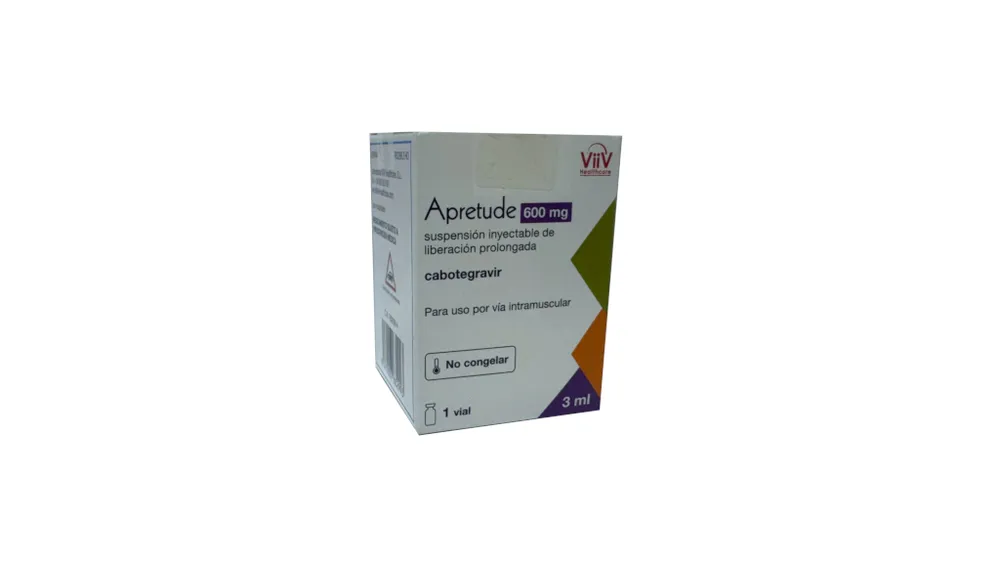
Table of Contents
Package leaflet: Information for the user
Introduction
Package leaflet: information for the patient
Apretude 600 mg prolonged-release injectable suspension
cabotegravir
This medicinal product is subject to additional monitoring, which will allow quicker identification of new safety information. You can help by reporting any side effects you may experience. Information on how to report side effects is included at the end of section 4.
Read the entire leaflet carefully before you start using this medicine, as it contains important information for you.
- Keep this leaflet, as you may need to read it again.
- If you have any questions, consult your doctor or nurse.
- If you experience any side effects, talk to your doctor or nurse, even if it is a side effect not listed in this leaflet. See section 4.
Leaflet contents
- What Apretude is and what it is used for
- What you need to know before you are given Apretude
- How Apretude is administered
- Possible side effects
- How to store Apretude
- Contents of the pack and other information
1. What Apretude is and what it is used for
Apretude contains cabotegravir as the active substance. Cabotegravir belongs to a group of antiretroviral medicines called integrase inhibitors (INI).
Apretude is used to help prevent HIV-1 infection in adults and adolescents weighing at least 35 kg who are at high risk of infection. This is known as pre-exposure prophylaxis: PrEP (see section 2).
It should be used in combination with safer sexual practices, such as using condoms.
2. What you need to know before Apretude is administered to you
Do not use Apretude
-
if you have ever developed a severe skin rash, skin peeling, blisters, and/or mouth sores.
-
if you are allergic (hypersensitive) to cabotegravir or to any of the other ingredients of this medicine (listed in section 6).
-
if you are HIV positive or you do not know whether you are HIV positive. Apretude can only help reduce the risk of acquiring HIV before infection occurs. You must be tested to ensure you are HIV negative before taking Apretude.
-
if you are taking any of the following medicines:
-
carbamazepine, oxcarbazepine, phenytoin, phenobarbital (medicines used to treat epilepsy and prevent seizures).
-
rifampicin or rifapentine (medicines used to treat certain bacterial infections, such as tuberculosis).
These medicines reduce the effectiveness of Apretude by decreasing the amount of Apretude in the blood.
If you think this applies to you, or if you are unsure, inform your doctor.
Warnings and precautions
Using Apretude alone may not prevent HIV infection.
HIV infection is transmitted through sexual contact with someone who is HIV positive or through transfer of infected blood. Although Apretude reduces the risk of infection, you may still acquire HIV even while receiving this medicine.
Other measures should be taken to further reduce the risk of HIV infection:
- Get tested for other sexually transmitted infections when your doctor advises. These infections make it easier for you to become infected with HIV.
- Use condoms during oral or penetrative sex.
- Do not share or reuse needles or other injection equipment or medical devices.
- Do not share personal items that may contain blood or body fluids (such as razors or toothbrushes).
Talk to your doctor about what additional precautions are necessary to further reduce the risk of HIV infection.
Reducing the risk of HIV infection:
There is a risk of developing resistance to this medicine if you become infected with HIV. This means the medicine may no longer protect you from HIV infection. To minimize this risk and prevent HIV infection, it is important that you:
- attend your scheduled appointments to receive your Apretude injection. Inform your doctor if you are considering stopping treatment, as this may increase the risk of acquiring HIV infection. If you stop or delay receiving your Apretude injection, you may need to take other medicines or precautions to reduce the risk of HIV infection and possibly developing viral resistance.
- get tested for HIV when your doctor advises. You should be tested regularly to ensure you remain HIV-1 negative while receiving Apretude.
- inform your doctor immediately if you think you may have become infected with HIV (you may have flu-like illness). You may need additional testing to confirm you remain HIV negative.
Apretude injectable is a long-acting medicine
If you stop receiving Apretude injections, cabotegravir may remain in your body for more than a year after the last injection, but this will not be sufficient to protect you from potential infection.
It is important that you attend your scheduled appointments to receive Apretude injections. Talk to your doctor if you are considering stopping PrEP.
After stopping Apretude injectable, you may need to take other medicines to reduce the risk of acquiring HIV infection or use other precautions such as safe sex practices.
Liver problems
Inform your doctor if you have liver problems. You may need to be monitored more closely. (See also ‘Uncommon adverse effects’ in section 4).
Adolescents
Your doctor will discuss your mental health with you before and during your treatment with Apretude. Inform your doctor if you have mental health problems. You may need to be monitored more closely (See also section 4).
Severe skin reaction
Very rare cases of serious skin reactions, including Stevens-Johnson syndrome and toxic epidermal necrolysis, have been reported with Apretude. If you notice any symptoms related to these serious skin reactions, do not receive the next Apretude injection and seek immediate medical attention.
Read the information in section 4 of this leaflet (“Possible side effects”).
Allergic reactions
Apretude contains cabotegravir, which is an integrase inhibitor. Integrase inhibitors, including cabotegravir, can cause a serious allergic reaction known as hypersensitivity reaction. You need to know the important signs and symptoms to watch for while receiving Apretude.
Read the information in ‘Possible side effects’ in section 4 of this leaflet.
Children and adolescents
This medicine must not be used in children and adolescents weighing less than 35 kg, as it has not been studied in these populations.
Other medicines and Apretude
Inform your doctor if you are taking, have recently taken, or might take any other medicines, including medicines obtained without a prescription.
Some medicines may affect how Apretude works or increase the likelihood of side effects. Apretude may also affect how other medicines work.
Apretude must not be administered with other medicines that may affect its efficacy (see ‘Do not use Apretude’ in section 2). These include:
- carbamazepine, oxcarbazepine, phenytoin, phenobarbital (medicines used to treat epilepsy and prevent seizures).
- rifampicin or rifapentine (medicines used to treat certain bacterial infections, such as tuberculosis).
Inform your doctor if you are taking:
- rifabutin (used to treat certain bacterial infections, such as tuberculosis). You may need to receive Apretude injections more frequently.
Inform your doctor or pharmacist if you are taking this medicine. Your doctor may decide you need additional monitoring.
Pregnancy and breastfeeding
If you are pregnant or breastfeeding, think you may be pregnant, or plan to become pregnant, consult your doctor before using this medicine.
Pregnancy
Apretude is not recommended during pregnancy. The effect of Apretude on pregnancy is unknown. Consult your doctor if you may be pregnant, if you plan to have a baby, or if you become pregnant. Do not stop attending your Apretude injection appointments without discussing it with your doctor. Your doctor will consider the benefit to you and the risk to your baby before starting or continuing Apretude.
Breastfeeding
It is unknown whether the components of Apretude pass into breast milk. However, cabotegravir may pass into breast milk for up to 12 months after the last Apretude injection. If you are breastfeeding or planning to breastfeed, consult your doctor. Your doctor will consider the benefits and risks of breastfeeding for you and your baby.
Driving and using machines
Apretude may cause dizziness and other side effects that may reduce your alertness.
Do not drive or operate machinery unless you are sure it does not affect you.
3. How Apretude is administered
This medicine is administered as a 600 mg injection. A nurse or doctor will give you Apretude as an injection into the muscle of your buttock.
An HIV test must be performed and result negative before you receive Apretude.
Your first and second doses of Apretude will be given one month apart. After the second dose, you will receive a single injection of Apretude every 2 months.
Before starting treatment with injectable Apretude, you and your doctor may decide to begin treatment first with cabotegravir tablets (called the oral lead-in period). The oral lead-in period allows you and your doctor to assess whether it is appropriate to switch to the injections.
If you decide to start treatment with the tablets:
-
You must take one 30 mg Apretude tablet once daily for approximately one month.
-
You should receive your first injection on the same day you take your last tablet, or no later than 3 days after.
-
After that, you will receive an injection every 2 months.
Injection schedule for every-2-month dosing
When | Medication |
First and second injection, one month apart | Apretude 600 mg |
Third injection onwards, every two months | Apretude 600 mg |
If you are given more Apretude injectable than you should
This medicine will be administered by a doctor or nurse, so it is unlikely that you will be given too much. If you are concerned, consult your doctor or nurse, who will provide you with the necessary treatment.
If you miss an appointment to receive an Apretude injection
Contact your doctor immediately to schedule a new appointment.
It is important that you attend your scheduled appointments to receive your injection and reduce the risk of acquiring HIV (see section 2). Speak with your doctor if you are considering stopping Apretude.
Talk to your doctor if you think you may not be able to receive your Apretude injection as scheduled. Your doctor may recommend that you take cabotegravir tablets instead, until you can receive your Apretude injection again.
Do not stop receiving Apretude injections without consulting your doctor.
Continue receiving Apretude injections for as long as your doctor recommends. Do not stop unless instructed by your doctor. If you discontinue treatment and are still at risk of acquiring HIV, your doctor must initiate treatment with another PrEP medication for the 2 months following your last Apretude injection.
If you have any further questions about the use of this medicine, ask your doctor or pharmacist.
4. Possible side effects
Like all medicines, this medicine can cause side effects, although not everyone gets them.
Do not receive the next Apretude injection and seek medical attention immediately if you notice any of the following symptoms:
- red, non-elevated spots, target-shaped or circular rashes on the trunk, often with blisters in the center, skin peeling, sores in the mouth, throat, nose, genitals, and eyes. These severe skin rashes may be preceded by fever and flu-like symptoms (Stevens-Johnson syndrome, toxic epidermal necrolysis). These serious skin reactions are very rare (may affect up to 1 in 10,000 people).
Allergic reactions
Apretude contains cabotegravir, which is an integrase inhibitor. Integrase inhibitors, including cabotegravir, can cause a serious allergic reaction known as hypersensitivity reaction.
If you experience any of the following symptoms:
- skin reaction
- elevated temperature (fever)
- lack of energy (fatigue)
- swelling, sometimes of the face or mouth (angioedema), causing difficulty breathing
- muscle or joint pain
Contact your doctor immediately. Your doctor may consider it necessary to run tests to monitor your liver, kidneys, or blood and may instruct you to stop taking Apretude.
Very common side effects (may affect more than 1 in 10 people)
-
headache
-
diarrhea
-
injection site reactions
- very common: pain (which in rare cases may include temporary difficulty walking) and discomfort, hard mass or lump
- common: redness (erythema), itching (pruritus), swelling, warmth, numbness (anesthesia), or bruising (which may include skin discoloration or blood accumulation under the skin)
- uncommon: pus accumulation (abscess)
-
feeling of heat (pyrexia)
-
changes in liver function (increased transaminases), detected in blood tests.
Common side effects (may affect up to 1 in 10 people)
- depression
- anxiety
- abnormal dreams
- difficulty sleeping (insomnia)
- dizziness
- feeling unwell (nausea)
- vomiting
- stomach pain (abdominal pain)
- gas (flatulence)
- rash
- muscle pain (myalgia)
- lack of energy (fatigue)
- general malaise.
Uncommon side effects (may affect up to 1 in 100 people)
- suicide attempt and suicidal thoughts (especially in users with a history of depression or mental health problems)
- allergic reaction (hypersensitivity)
- hives (urticaria)
- swelling, sometimes of the face or mouth (angioedema), which may cause difficulty breathing
- feeling drowsy (somnolence)
- weight gain
- feeling dizzy during or after an injection (vasovagal reactions). This may lead to fainting
- liver damage (hepatotoxicity). Signs may include yellowing of the skin and whites of the eyes, loss of appetite, itching, stomach sensitivity, pale stools, or abnormally dark urine
- increased bilirubin in the blood, a breakdown product of red blood cells, detected in blood tests.
Reporting of side effects
If you experience any type of side effect, consult your doctor or nurse, even if it is a possible side effect not listed in this leaflet. You may also report them directly through the national reporting system included in Appendix V. By reporting side effects, you can help provide more information on the safety of this medicine.
5. Storage of Apretude
Keep this medicine out of the sight and reach of children.
Do not use this medicine after the expiry date stated on the label and the carton after EXP. The expiry date is the last day of the month indicated.
The doctor or nurse is responsible for storing this medicine correctly.
Do not freeze.
6. Contents of the pack and other information
Composition of Apretude
- The active substance is cabotegravir.
Each 3 ml vial contains 600 mg of cabotegravir.
The other components are:
Manitol (E421)
Polysorbate 20 (E432)
Macrogol (E1521)
Water for injections
Appearance of the product and contents of the pack
Cabotegravir is a white to pale pink suspension supplied in a 3 ml amber glass vial with a rubber stopper and an aluminium seal with a plastic flip-off cap.
Marketing Authorisation Holder
ViiV Healthcare BV
Van Asch van Wijckstraat 55H,
3811 LP Amersfoort
The Netherlands
Manufacturer
GlaxoSmithKline Manufacturing S.p.A.
Strada Provinciale Asolana 90
Torrile
PR
43056
Italy
For more information about this medicinal product, contact the local representative of the Marketing Authorisation Holder:
Belgium/Belgium/Belgium ViiV Healthcare srl/bv Tel/Tel: + 32 (0) 10 85 65 00 | Lithuania ViiV Healthcare BV Tel: + 370 80000334 |
Bulgaria ViiV Healthcare BV Tel: + 359 80018205 | Luxembourg/Luxembourg ViiV Healthcare srl/bv Belgium/Belgium Tél/Tel: + 32 (0) 10 85 65 00 |
Czech Republic GlaxoSmithKline, s.r.o. Tel: + 420 222 001 111 | Hungary ViiV Healthcare BV Tel.: + 36 80088309 |
Denmark GlaxoSmithKline Pharma A/S Tlf: + 45 36 35 91 00 | Malta ViiV Healthcare BV Tel: + 356 80065004 |
Germany ViiV Healthcare GmbH Tel.: + 49 (0)89 203 0038-10 | Netherlands ViiV Healthcare BV Tel: + 31 (0) 33 2081199 |
Estonia ViiV Healthcare BV Tel: + 372 8002640 | Norway GlaxoSmithKline AS Tlf: + 47 22 70 20 00 |
Greece GlaxoSmithKline Μονοπρόσωπη A.E.B.E. Tel: + 30 210 68 82 100 | Austria GlaxoSmithKline Pharma GmbH Tel: + 43 (0)1 97075 0 |
Spain Laboratorios ViiV Healthcare, S.L. Tel: + 34 900 923 501 | Poland GSK Services Sp. z o.o. Tel.: + 48 (0)22 576 9000 |
France ViiV Healthcare SAS Tél.: + 33 (0)1 39 17 69 69 | Portugal VIIVHIV HEALTHCARE, UNIPESSOAL, LDA Tel: + 351 21 094 08 01 |
Croatia ViiV Healthcare BV Tel: + 385 800787089 | Romania ViiV Healthcare BV Tel: + 40 800672524 |
Ireland GlaxoSmithKline (Ireland) Limited Tel: + 353 (0)1 4955000 | Slovenia ViiV Healthcare BV Tel: + 386 80688869 |
Iceland Vistor hf. Sími: +354 535 7000 | Slovakia ViiV Healthcare BV Tel: + 421 800500589 |
Italy ViiV Healthcare S.r.l Tel: + 39 (0)45 7741600 | Finland GlaxoSmithKline Oy Puh/Tel: + 358 (0)10 30 30 30 |
Cyprus ViiV Healthcare BV Tel: + 357 80070017 | Sweden GlaxoSmithKline AB Tel: + 46 (0)8 638 93 00 |
Latvia ViiV Healthcare BV Tel: + 371 80205045 | United Kingdom (Northern Ireland) ViiV Healthcare BV Tel: + 44 (0)800 221441 |
Date of the most recent review of this summary: {MM/YYYY}.
Other sources of information
Detailed information on this medicine is available on the website of the European Medicines Agency: http://www.ema.europa.eu
This information is intended for healthcare professionals only:
| |
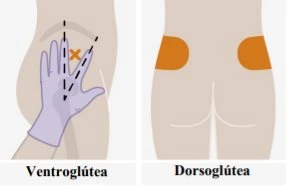
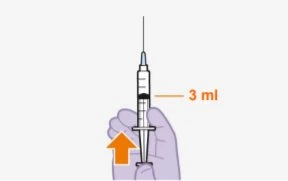
Overview At each visit, an injection is required: 3 mL of cabotegravir (600 mg). Cabotegravir is a suspension that does not require further dilution or reconstitution. Cabotegravir is for intramuscular use only. It must be administered in the gluteal area. Note: The ventrogluteal site is recommended. | |
Storage information | |
Do not freeze. | |
To prepare the injection | |
| |
To administer the injection | |
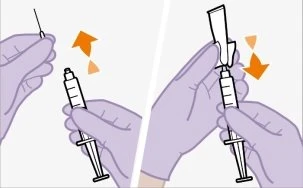
Consider patient build and clinical judgment when selecting the appropriate needle length. | |
You will also need | |
| |
Preparation | |
| |
|
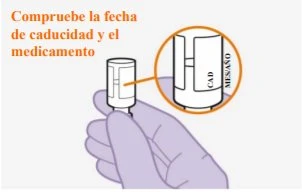
Do not use if past the expiration date
Note: The cabotegravir vial is made of amber glass. |
| |
|
|
Do not allow anything to touch the rubber stopper after cleaning. | |
| |
|
|
| |
|
|
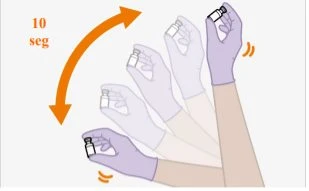
Note: Ensure the suspension appears uniform and white to pale pink in color. | |
| |
|
|
Injection | |
| |
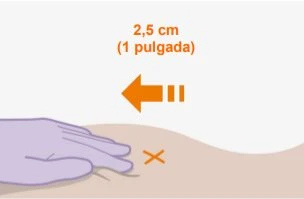
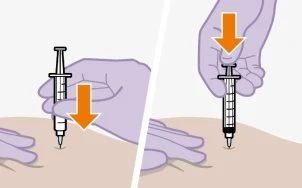
| Injections must be administered in the gluteal region. Choose one of the following sites:
|
Note: For gluteal intramuscular use only. Do not inject intravenously. | |
| |
|
|
Note: Clean the injection site with an alcohol-impregnated wipe. Allow the skin to air dry before proceeding. | |
| |
|
|
| |
|
|
| |
|
Do not massage the area. |
Questions and Answers | |
Wait at least 15 minutes before administering the injection to allow the medication to reach room temperature. It is best to let the vial warm naturally to room temperature. However, you may use the warmth of your hands to accelerate warming, but ensure the vial does not exceed 30°C. Do not use any other heating methods.
It is best to inject the medication (at room temperature) as soon as possible after withdrawal. However, the medication may remain in the syringe for up to 2 hours before injection. If the medication remains in the syringe longer than 2 hours, the filled syringe and needle must be discarded.
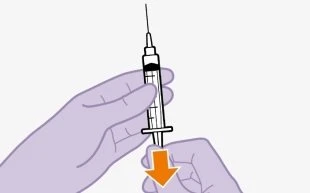
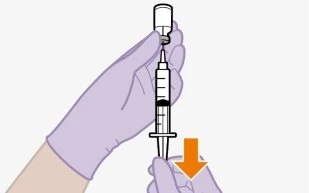
Injecting 1 mL of air into the vial facilitates withdrawal of the dose into the syringe. Without air, some liquid may inadvertently flow back into the vial, leaving less medication than intended in the syringe.
Administration in the ventrogluteal site (middle gluteal muscle) is recommended because it is farther from major nerves and blood vessels. Administration in the dorsogluteal site (upper outer quadrant of the gluteus maximus) is also acceptable if preferred by the healthcare provider. Injection must not be administered in any other site. |