Amitriptyline hydrochloride Tarbis 50 mg film-coated tablets EFG
Spain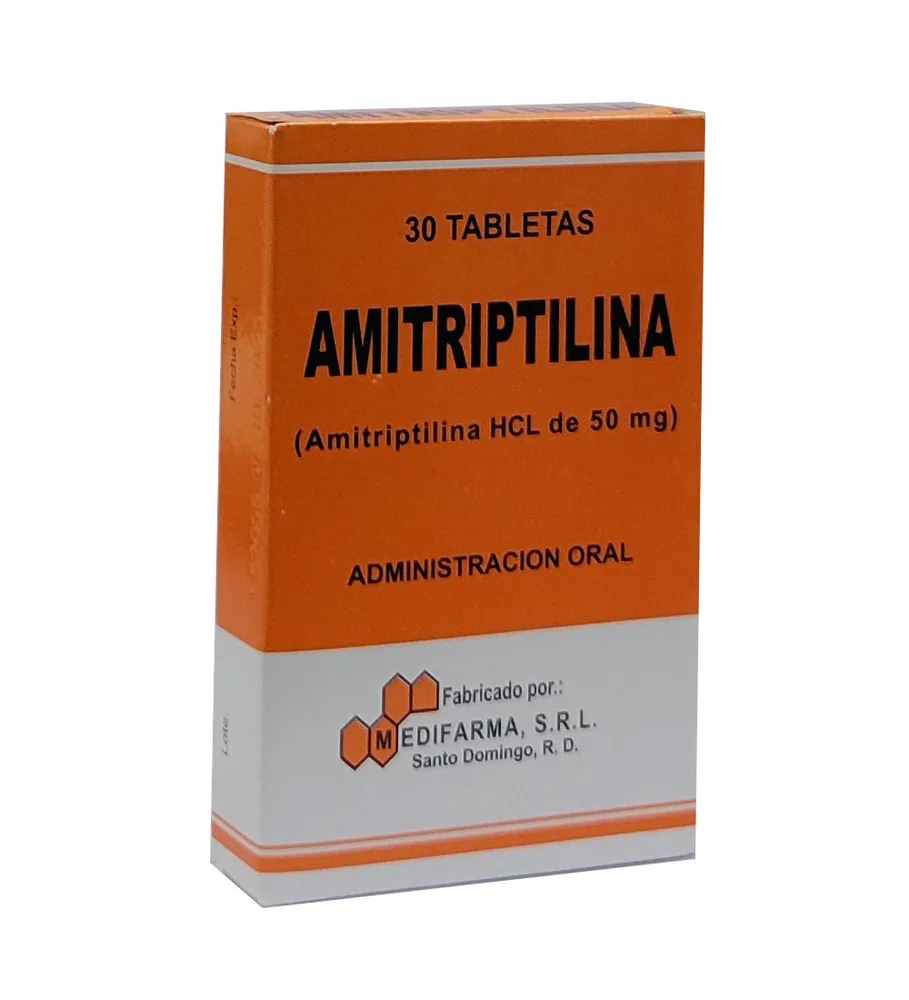
Table of Contents
- Package leaflet: Information for the user
- Introduction
- 1. What Amitriptilina hidrocloruro Tarbis is and what it is used for
- 2. What you need to know before taking Amitriptilina hidrocloruro Tarbis
- 3. How to take Amitriptyline Hydrochloride Tarbis
- 4. Possible adverse effects
- 5. Storage of Amitriptyline Hydrochloride Tarbis
- 6. Contents of the container and additional information
Package leaflet: Information for the user
Introduction
Package leaflet: information for the user
Amitriptyline hydrochloride Tarbis 50 mg film-coated tablets EFG
Read the entire leaflet carefully before you start taking this medicine, because it contains important information for you.
- Keep this leaflet. You may need to read it again.
- If you have any questions, ask your doctor or pharmacist.
- This medicine has been prescribed for you only, and you should not give it to other people, even if they have the same symptoms as you, because it may harm them.
- If you experience any adverse effects, consult your doctor or pharmacist, even if they are adverse effects not listed in this leaflet. See section 4.
Leaflet contents
- What Amitriptyline hydrochloride Tarbis is and what it is used for
- What you need to know before taking Amitriptyline hydrochloride Tarbis
- How to take Amitriptyline hydrochloride Tarbis
- Possible side effects
- How to store Amitriptyline hydrochloride Tarbis
- Contents of the pack and other information
1. What Amitriptilina hidrocloruro Tarbis is and what it is used for
Amitriptilina hidrocloruro Tarbis contains the active substance amitriptiline, which belongs to a group of medicines called tricyclic antidepressants.
This medicine is used to treat:
- Depression in adults (major depressive episodes)
- Neuropathic pain in adults
- Prevention of chronic tension-type headache in adults
- Prevention of migraine in adults
- Urinary incontinence in children aged 6 years and older, only when organic causes such as spina bifida and related disorders have been excluded and no response has been achieved with other non-pharmacological or pharmacological treatments, including muscle relaxants and desmopressin. This medicine should only be prescribed by physicians experienced in the treatment of patients with persistent urinary incontinence.
2. What you need to know before taking Amitriptilina hidrocloruro Tarbis
Do not take Amitriptilina hidrocloruro Tarbis:
- if you are allergic to amitriptyline or to any of the other ingredients of this medicine (listed in section 6)
- if you have recently had a heart attack (myocardial infarction)
- if you have heart problems such as cardiac arrhythmias detected on electrocardiogram (ECG), heart block, or coronary artery disease
- if you are taking medicines known as monoamine oxidase inhibitors (MAOIs)
- if you have taken MAOIs within the last 14 days
- if you took moclobemide the previous day
- if you have severe liver disease
If you are taking amitriptyline hydrochloride, you must stop treatment with this medicine and wait 14 days before starting treatment with an MAOI.
This medicine should not be used in children under 6 years of age.
Warnings and precautions
Talk to your doctor or pharmacist before starting to take amitriptyline hydrochloride.
Severe skin reactions, including drug reaction with eosinophilia and systemic symptoms (DRESS), have been reported in association with amitriptyline treatment. Stop using amitriptyline and seek immediate medical attention if you notice any of the symptoms related to these severe skin reactions described in section 4.
Using buprenorphine/opioids together with amitriptyline hydrochloride may cause serotonin syndrome, a potentially life-threatening condition (see "Taking Amitriptilina hidrocloruro Tarbis with other medicines").
Cardiac arrhythmias and hypotension may occur if you receive a high dose of amitriptyline. This may also happen with usual doses if you already have pre-existing heart disease.
Prolonged QT interval
A heart problem called "prolonged QT interval" (seen on electrocardiogram [ECG]) and cardiac arrhythmias (fast or irregular heartbeat) have been reported with amitriptyline hydrochloride. Inform your doctor if:
- you have a slow heart rate
- you have or have had a condition in which the heart cannot pump blood properly (a condition called heart failure)
- you are taking any other medication that may cause heart problems, or
- you have a condition causing low levels of potassium or magnesium or high levels of potassium in the blood
- you are scheduled for surgery, as it may be necessary to stop treatment with amitriptyline before receiving anesthetics. In case of emergency surgery, the anesthetist must be informed about your treatment with amitriptyline
- you have an overactive thyroid gland or are taking thyroid medication
Suicidal thoughts and worsening of depression
If you are depressed, you may sometimes think about harming yourself or ending your life. These thoughts may increase when you first start taking antidepressants, as all these medicines take time to work—usually about two weeks, but sometimes longer.
You may be more likely to have these thoughts:
- If you have previously had thoughts of ending your life or harming yourself.
- If you are a young adult. Clinical trial data have shown an increased risk of suicidal behaviour in young adults (under 25 years) with psychiatric disorders who were treated with an antidepressant.
If you have thoughts of harming yourself or ending your life, contact your doctor or go to a hospital immediately.
It may be helpful to tell a close family member or friend that you are depressed and ask them to read this leaflet. You may ask them to inform you if they think your depression or anxiety is getting worse or if they are concerned about changes in your behaviour.
Manic episodes
Some patients with bipolar disorder may enter a manic phase, characterized by rapid, racing thoughts, exaggerated euphoria, and excessive physical activity. In such cases, it is important to contact your doctor, who will likely change your medication.
Inform your doctor if you have or have previously had any medical conditions, especially if you have:
- narrow-angle glaucoma (loss of vision due to abnormally high pressure in the eye)
- epilepsy, history of seizures or epileptic fits
- difficulty urinating
- enlarged prostate
- thyroid disease
- bipolar disorder
- schizophrenia
- severe liver disease
- severe heart disease
- pyloric stenosis (narrowing of the stomach outlet) or paralytic ileus (intestinal blockage)
- diabetes, as your antidiabetic medication may need adjustment
If you are taking antidepressants such as selective serotonin reuptake inhibitors (SSRIs), your doctor may consider adjusting your dose (see also section 2 “Taking Amitriptilina hidrocloruro Tarbis with other medicines” and section 3).
Elderly people are more likely to experience certain adverse effects such as dizziness upon standing due to low blood pressure (see also section 4 “Possible side effects”).
Children and adolescents
Depression, neuropathic pain, prevention of chronic tension-type headache, and prevention of migraine
Do not give this medicine to children and adolescents under 18 years of age for these treatments, as long-term safety and efficacy studies have not been conducted in this age group.
Night-time bedwetting (nocturnal enuresis)
- An ECG should be performed before starting amitriptyline therapy to rule out long QT syndrome.
- These medicines should not be taken at the same time as anticholinergic drugs (see also section 2 “Taking Amitriptilina hidrocloruro Tarbis with other medicines”).
- Suicidal thoughts and behaviours may also occur during the early phases of antidepressant treatment for conditions other than depression; therefore, the same precautions should be taken when treating patients with enuresis as when treating patients with depression.
Other medicines and amitriptilina hidrocloruro Tarbis
Some medicines can affect how other medicines work, and this can sometimes cause serious adverse effects.
Tell your doctor or pharmacist if you are taking or have recently taken any other medicines, such as:
- monoamine oxidase inhibitors (MAOIs), e.g., phenelzine, iproniazid, isocarboxazid, nialamide, or tranylcypromine (used to treat depression), or selegiline (used to treat Parkinson’s disease). These medicines must not be taken at the same time as amitriptyline hydrochloride (see section 2 “Do not take Amitriptilina hidrocloruro Tarbis”)
- adrenaline, ephedrine, isoprenaline, noradrenaline, phenylephrine, and phenylpropanolamine (which may be present in cough or cold medicines and in some anesthetics)
- medicines for high blood pressure, such as calcium channel blockers (e.g., diltiazem and verapamil), guanethidine, betanidine, clonidine, reserpine, and methyldopa
- anticholinergic drugs, such as certain medicines for Parkinson’s disease and gastrointestinal disorders (e.g., atropine, hyoscyamine)
- thioridazine (used to treat schizophrenia)
- tramadol (for pain relief)
- medicines for fungal infections (e.g., fluconazole, terbinafine, ketoconazole, and itraconazole)
- sedatives (e.g., barbiturates)
- buprenorphine/opioids. These medicines may interact with amitriptyline hydrochloride and you may experience symptoms such as involuntary rhythmic muscle contractions, including muscles controlling eye movements, agitation, hallucinations, coma, excessive sweating, tremors, exaggerated reflexes, increased muscle tension, and body temperature above 38°C. Contact your doctor if you experience these symptoms.
- antidepressants (e.g., SSRIs [fluoxetine, paroxetine, fluvoxamine], duloxetine, and bupropion)
- medicines for certain heart conditions (e.g., beta-blockers and antiarrhythmics)
- cimetidine (used to treat stomach ulcers)
- methylphenidate (used to treat ADHD)
- ritonavir (used to treat HIV)
- oral contraceptives
- rifampicin (for treating infections)
- phenytoin and carbamazepine (used to treat epilepsy)
- St. John’s wort (Hypericum perforatum), a herbal remedy used for depression
- thyroid medicines
- valproic acid
You should also inform your doctor if you are taking or have recently taken medicines that may affect heart rhythm, such as:
- medicines for irregular heartbeats (e.g., quinidine and sotalol)
- astemizole and terfenadine (used to treat allergies and seasonal rhinitis)
- medicines used to treat certain mental illnesses (e.g., pimozide and sertindole)
- cisapride (used to treat certain types of indigestion)
- halofantrine (used to treat malaria)
- methadone (used to treat pain and for detoxification)
- diuretics (“water tablets” such as furosemide)
If you are undergoing surgery and will receive general or local anesthetics, you must inform your doctor that you are taking this medicine.
You should also inform your dentist that you are taking this medicine if you are to receive a local anesthetic.
Taking Amitriptilina hidrocloruro Tarbis with alcohol
Drinking alcohol during treatment with this medicine is not recommended, as it may increase its sedative effect.
Pregnancy, breastfeeding, and fertility
If you are pregnant or breastfeeding, think you may be pregnant, or are planning to become pregnant, consult your doctor before using this medicine.
Amitriptyline is not recommended during pregnancy unless your doctor considers it clearly necessary, and only after careful consideration of the benefit and risk. If you have taken this medicine during the last part of pregnancy, the newborn may experience withdrawal symptoms such as irritability, increased muscle tone, tremors, irregular breathing, poor sucking, excessive crying, urinary retention, and constipation.
Your doctor will advise you whether to start/continue/stop breastfeeding or discontinue use of this medicine, taking into account the benefits of breastfeeding for the child and the benefits of treatment for you.
Driving and using machines
This medicine may cause drowsiness and dizziness, especially at the beginning of treatment. Do not drive or operate tools or machinery if you are affected.
Amitriptilina hidrocloruro Tarbis contains lactose.
If your doctor has informed you that you have an intolerance to certain sugars, consult him before taking this medicine.
Amitriptilina hidrocloruro Tarbis contains sodium.
This medicine contains less than 1 mmol of sodium (23 mg) per tablet; therefore, it is essentially “sodium-free”.
3. How to take Amitriptyline Hydrochloride Tarbis
Follow exactly the instructions for using this medicine as given by your doctor. If in doubt, consult your doctor again.
Depression
Adults
The recommended starting dose is 25 mg twice daily.
Depending on your response to the medication, your doctor may gradually increase the dose to 150 mg per day, divided into two doses.
Elderly patients (over 65 years of age) and patients with cardiovascular disease*
The recommended starting dose is 10–25 mg per day.
Depending on your response to the medication, your doctor may gradually increase the dose to a total daily dose of 100 mg, divided into two doses. If you receive doses of 100 mg–150 mg, your doctor may need to carry out more frequent follow-up visits.
Use in children and adolescents
This medicine should not be given to children or adolescents for the treatment of depression. For further information, see section 2.
Neuropathic pain, chronic tension-type headache, and migraine prevention
Your doctor will adjust the dosage according to your symptoms and your response to treatment.
Adults
The recommended starting dose is 10 mg–25 mg at bedtime.
The recommended daily dose is 25 mg–75 mg.
Depending on your response to the medication, your doctor may gradually increase the dose. If you are given more than 100 mg daily, your doctor may need to schedule more frequent follow-up visits. Your doctor will advise whether you should take the dose once daily or divided into two doses.
Elderly patients (over 65 years of age) and patients with cardiovascular disease
The recommended starting dose is 10 mg–25 mg at bedtime.
Depending on your response to the medication, your doctor may gradually increase the dose. If you receive doses exceeding 75 mg per day, your doctor may need to carry out more frequent follow-up visits.
Use in children and adolescents
This medicine should not be given to children or adolescents for the treatment of neuropathic pain, prevention of chronic tension-type headache, or migraine prophylaxis. For further information, see section 2.
Nocturnal enuresis (bedwetting)
Use in children and adolescents
Recommended doses for children:
- under 6 years: see section 2 “Do not take Amitriptyline Hydrochloride Tarbis”
- 6 to 10 years: 10 mg–20 mg. For this age group, a more appropriate pharmaceutical formulation should be used.
- 11 years and older: 25 mg–50 mg.
The dose should be increased gradually.
Take this medicine 1 to 1.5 hours before going to bed.
Before starting treatment, your doctor will perform an ECG to check for signs of abnormal heartbeats.
Your doctor will re-evaluate your treatment after 3 months and, if necessary, perform another ECG.
Do not stop treatment without first consulting your doctor.
Patients at special risk
Patients with liver disease or those who are known to have a "poor metabolizer" status usually receive lower doses.
Your doctor may take blood samples to determine the level of amitriptyline in your blood (see also section 2).
How and when to take Amitriptyline Hydrochloride Tarbis
Amitriptyline Hydrochloride Tarbis is for oral administration.
This medicine may be taken with or without food.
Swallow the tablets with a glass of water. Do not chew them.
Duration of treatment
Do not change the dose of this medicine or stop treatment without first consulting your doctor.
Depression
It may take several weeks before you notice improvement.
In depression, the duration of treatment is individual and usually lasts at least 6 months. Your doctor will decide the duration of treatment.
Continue taking this medicine for as long as your doctor recommends.
The underlying condition may persist for a long time. If you stop treatment too early, symptoms may return.
Neuropathic pain, prevention of chronic tension-type headache, and migraine prevention
It may take several weeks before you notice improvement in pain.
Talk to your doctor about the duration of treatment and continue taking this medicine for as long as your doctor recommends.
Nocturnal enuresis
Your doctor will evaluate whether treatment should be continued after 3 months.
If you take more Amitriptyline Hydrochloride Tarbis than you should
Contact your doctor or the nearest hospital emergency department immediately. Do this even if you do not have any signs of discomfort or poisoning. Take the medicine package with you if you go to the doctor or hospital.
In case of overdose or accidental ingestion, contact your doctor, pharmacist, or call the Toxicology Information Service immediately at telephone: 91 562 04 20, indicating the medicine and the amount ingested.
Symptoms of overdose may include:
- dilated pupils
- rapid or irregular heartbeat
- difficulty urinating
- dry mouth and tongue
- intestinal obstruction
- epileptic seizures
- fever
- agitation
- confusion
- hallucinations
- uncontrolled movements
- low blood pressure, weak pulse, pallor
- difficulty breathing
- bluish discoloration of the skin
- decreased heart rate
- drowsiness
- loss of consciousness
- coma
- various cardiac symptoms, such as cardiac block, heart failure, hypotension, cardiogenic shock, metabolic acidosis, hypokalemia
Overdose of amitriptyline in children may have serious consequences. Children are particularly prone to coma, cardiac symptoms, difficulty breathing, seizures, low blood sodium levels, lethargy, drowsiness, nausea, vomiting, and elevated blood sugar levels.
If you forget to take Amitriptyline Hydrochloride Tarbis
Take the next dose at your usual time. Do not take a double dose to make up for forgotten doses.
If you stop taking Amitriptyline Hydrochloride Tarbis
Your doctor will decide when and how to stop treatment to avoid any unpleasant symptoms that might occur if treatment is stopped abruptly (e.g., headache, malaise, insomnia, and irritability).
If you have any further questions about the use of this medicine, ask your doctor or pharmacist.
4. Possible adverse effects
Like all medicines, this medicine can cause adverse effects, although not everyone will experience them.
Stop using amitriptyline and seek immediate medical attention if you notice any of the following symptoms:
- Widespread skin rash, high fever, and enlarged lymph nodes (DRESS or drug hypersensitivity syndrome). Frequency not known – cannot be estimated from available data.
If you notice any of the following symptoms, you must contact your doctor immediately:
-
Intermittent attacks of blurred vision, seeing rainbow-colored halos around lights, and eye pain. You should have an immediate eye examination before continuing treatment with this medicine. These symptoms may be signs of acute glaucoma. Very rare adverse effect – may affect up to 1 in 10,000 people.
-
A heart problem called "prolonged QT interval" (which can be seen on your electrocardiogram). Frequent adverse effect – may affect up to 1 in 10 people.
-
Severe constipation, stomach swelling, fever, and vomiting. These symptoms may be due to paralysis of parts of the intestine. Rare adverse effect – may affect up to 1 in 1,000 people.
-
Any degree of yellowing of the skin or whites of the eyes (jaundice). Your liver may be affected. Rare adverse effect – may affect up to 1 in 1,000 people.
-
Bruising, bleeding, paleness, or persistent sore throat and fever. These symptoms may be early signs of possible blood or bone marrow problems. Blood-related effects may include a decrease in the number of red blood cells (which carry oxygen throughout the body), white blood cells (which help fight infections), and platelets (which help blood to clot). Rare adverse effect – may affect up to 1 in 1,000 people.
-
Suicidal thoughts or behaviors. Rare adverse effects – may affect up to 1 in 1,000 people.
The following adverse effects have been reported at the frequencies listed below:
Very common (may affect more than 1 in 10 people):
- Drowsiness/somnolence
- Tremor of the hands or other parts of the body
- Dizziness
- Headache
- Irregular, strong, or rapid heartbeat
- Dizziness upon standing due to low blood pressure (orthostatic hypotension)
- Dry mouth
- Constipation
- Nausea
- Excessive sweating
- Weight gain
- Stuttering or slow speech
- Aggression
- Nasal congestion
Common (may affect up to 1 in 10 people):
- Confusion
- Sexual disturbances (decreased sex drive, erectile problems)
- Attention disturbances
- Changes in taste sensation
- Numbness or tingling in arms or legs
- Coordination disturbances
- Dilated pupils
- Heart block
- Fatigue
- Low blood sodium concentration
- Agitation
- Urinary disorders
- Feeling of thirst
Uncommon (may affect up to 1 in 100 people):
- Excitement, anxiety, difficulty sleeping, nightmares
- Seizures
- Tinnitus
- Increased blood pressure
- Diarrhea, vomiting
- Skin rash, rash with hives (urticaria), swelling of the face and tongue
- Difficulty urinating
- Increased milk production during lactation or milk secretion without lactation
- Increased intraocular pressure
- Collapse episodes
- Worsening of heart failure
- Worsening of liver function (e.g., cholestatic liver disease)
- Increased intraocular pressure, intermittent attacks of blurred vision, seeing rainbow-colored halos around lights, and eye pain
Rare (may affect up to 1 in 1,000 people):
- Decreased appetite
- Delirium (especially in elderly patients), hallucinations
- Abnormal heart rhythm or heart pattern
- Swelling of the salivary glands
- Hair loss
- Increased sensitivity to sunlight
- Breast enlargement in males
- Fever
- Weight loss
- Abnormal liver function test results
Very rare (may affect up to 1 in 10,000 people):
- Heart muscle disease
- Feeling of restlessness and an urge to keep moving (akathisia)
- Peripheral nerve disorders
- Acute increase in eye pressure
- Specific types of abnormal heart rhythm (also known as torsades de pointes)
- Allergic inflammation of the lung alveoli and pulmonary tissue
Frequency not known (cannot be estimated from available data):
- Loss of appetite sensation
- Increase or decrease in blood sugar levels
- Paranoia
- Movement disorders (involuntary movements or reduced movements)
- Hypersensitivity inflammation of the heart muscle
- Hepatitis
- Hot flushes
- Dry eyes
An increased risk of bone fractures has been observed in patients treated with this type of medicine.
Reporting of adverse effects
If you experience any adverse effect, talk to your doctor or pharmacist, even if it is a possible adverse effect not listed in this leaflet. You can also report them directly via the Spanish Pharmacovigilance System for Human Medicines: www.notificaram.es. By reporting adverse effects, you can help provide more information on the safety of this medicine.
5. Storage of Amitriptyline Hydrochloride Tarbis
Keep this medicine out of the sight and reach of children.
Do not use this medicine after the expiry date stated on the packaging after EXP. The expiry date is the last day of the month indicated.
This medicine does not require any special storage conditions.
Medicines should not be disposed of via wastewater drains or household waste. Dispose of unused medicines and their containers at the SIGRE collection point at your pharmacy. If you are unsure, ask your pharmacist how to dispose of medicines and containers you no longer need. This will help protect the environment.
6. Contents of the container and additional information
Composition of Amitriptilina hydrochloride Tarbis
The active substance is amitriptyline.
Each tablet contains 50 mg of amitriptyline hydrochloride (equivalent to 44.19 mg of amitriptyline).
Tablet core:
Tablet core: lactose monohydrate, microcrystalline cellulose, sodium carboxymethyl starch (type A), colloidal anhydrous silica, magnesium stearate.
Tablet coating: hypromellose (E464), macrogol 6000 (E1521), macrogol 400 (E1521), talc (E553b), titanium dioxide (E171).
Appearance of the product and contents of the container
Amitriptilina hydrochloride Tarbis 50 mg film-coated tablets EFG
Film-coated tablets, biconvex, round, white to off-white in colour, marked with "H3" on one side and "TL" on the other.
Blister packs containing 20, 24, 30, 50, 60, 90, 100, 500 and 1000 film-coated tablets.
Only certain pack sizes may be marketed.
Marketing Authorization Holder
Tarbis Farma S.L.
Gran Vía Carlos III, 94
08028 Barcelona
Spain
Manufacturer responsible
Amarox Pharma B.V.
Rouboslaan 32
Voorschoten, 2252TR
The Netherlands
This medicinal product is authorised in the Member States of the European Economic Area under the following names:
Germany: Amitriptylin Amarox 44.19 mg Filmtabletten
The Netherlands: Amitriptyline HCl Amarox 50 mg filmomhulde tabletten
Spain: Amitriptilina hidrocloruro Tarbis 50 mg comprimidos recubiertos con película EFG
Date of the most recent review of this leaflet: December 2024
Detailed and up-to-date information on this medicinal product is available on the website of the Spanish Agency of Medicines and Health Products (AEMPS) http://www.aemps.gob.es/