Alprazolam Aurovitas 1 mg tablets EFG
Spain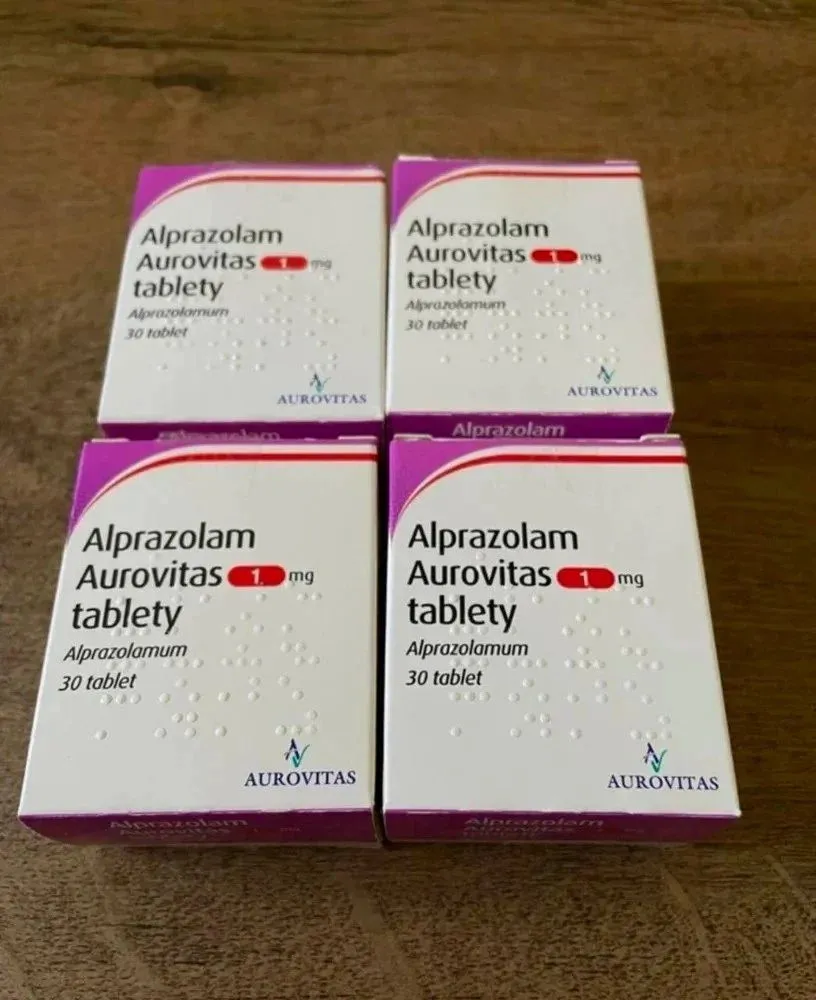
Table of Contents
- Package leaflet: Information for the user
- Introduction
- 1. What Alprazolam Aurovitas is and what it is used for
- 2. What you need to know before taking Alprazolam Aurovitas
- 3. How to take Alprazolam Aurovitas
- 4. Possible adverse effects
- 5. Storage of Alprazolam Aurovitas
- 6. Contents of the pack and other information
Package leaflet: Information for the user
Introduction
Package leaflet: information for the user
Alprazolam Aurovitas 1 mg tablets EFG
Read the entire leaflet carefully before you start taking this medicine, because it contains important information for you.
- Keep this leaflet. You may need to read it again.
- If you have any questions, ask your doctor or pharmacist.
- This medicine has been prescribed for you only. Do not pass it on to other people, even if they have the same symptoms as you, because it may harm them.
- If you experience any adverse effects, consult your doctor or pharmacist, even if they are effects not listed in this leaflet. See section 4.
Contents of the leaflet
- What Alprazolam Aurovitas is and what it is used for
- What you need to know before taking Alprazolam Aurovitas
- How to take Alprazolam Aurovitas
- Possible side effects
- How to store Alprazolam Aurovitas
- Contents of the pack and other information
1. What Alprazolam Aurovitas is and what it is used for
The active substance is alprazolam. It belongs to a group of medicines called benzodiazepines. Alprazolam acts through the central nervous system, reducing anxiety. It also has sedative, sleep-inducing, and muscle-relaxant effects.
Alprazolam Aurovitas tablets are used for:
- the symptomatic treatment of anxiety in adults.
- Alprazolam is indicated only if the disorder is severe, disabling, or causing significant distress to the patient.
2. What you need to know before taking Alprazolam Aurovitas
Do not take Alprazolam Aurovitas:
- If you are allergic to alprazolam, to benzodiazepines, or to any of the other ingredients of this medicine (listed in section 6).
- If you have a disease called "myasthenia gravis" which is characterized by muscle weakness and fatigue.
- If you have serious chest problems or breathing difficulties (such as chronic bronchitis or emphysema).
- If you have "sleep apnea" – a condition in which your breathing is irregular, even stopping briefly during sleep.
- If you have severe liver problems.
Warnings and precautions
Talk to your doctor or pharmacist before starting Alprazolam Aurovitas if:
- You notice that the effect of the tablets weakens after taking them for several weeks (tolerance).
- You are concerned about physical and mental dependence caused by alprazolam. If you do not wish to stop treatment, you may be mentally dependent on this medicine. If there is physical dependence, stopping treatment may be accompanied by withdrawal symptoms (see section 3, If you stop taking Alprazolam Aurovitas). The risk of dependence increases with higher doses and longer treatment duration, especially in patients with a history of alcohol or drug abuse, or when multiple benzodiazepines are used together. Therefore, treatment should be as short as possible.
- Benzodiazepines and similar medicines should be used with caution in elderly patients due to the risk of drowsiness and/or musculoskeletal weakness, which may lead to falls, often with serious consequences in this population.
- You have a history of alcohol, drug, or narcotic abuse.
- You have experienced memory disorders. Memory loss usually occurs several hours after taking the medicine. To reduce this risk, ensure you sleep uninterrupted for 7–8 hours after taking the medicine.
- You experience unexpected reactions such as restlessness, agitation, irritability, aggression, confusion, rage attacks, nightmares, hallucinations, psychosis, inappropriate behavior, delirium, or other behavioral disturbances. These unexpected reactions occur more frequently in children and elderly patients.
- You suffer from a chronic lung disease.
- You are simultaneously taking alcohol and sedatives.
- You have severe depression (risk of suicide).
- You have depression and, during treatment, notice symptoms of mania (a state of overexcitement, feelings of euphoria, or hyperirritability) or hypomania (a state of exaggerated excitement and activity).
- You have been diagnosed with kidney or liver impairment.
- You have been diagnosed with a psychiatric disorder.
- You have a certain type of glaucoma.
If you are undergoing surgery
Inform your doctor that you are taking alprazolam.
Children and adolescents: Alprazolam is not recommended for children and adolescents under 18 years of age.
Other medicines and Alprazolam Aurovitas
Tell your doctor or pharmacist if you are taking, have recently taken, or might need to take any other medicines, as the effect of alprazolam may be stronger when taken at the same time.
Some medicines may cause adverse effects if taken together with alprazolam. Taking certain medicines simultaneously may affect the effectiveness of treatment. In such cases, your doctor may adjust your medication or dosing instructions.
These medicines include:
Medicines that increase the sedative effect of alprazolam:
- Sleeping pills and sedatives,
- Antipsychotics and antidepressants,
- Antiepileptics,
- Anesthetics,
- Strong analgesics acting through the central nervous system,
- Sedating antihistamines.
Medicines that increase the effect of alprazolam by reducing its metabolism in the liver:
- Nefazodone, fluvoxamine, fluoxetine, sertraline (medicines for severe depression),
- Cimetidine (used to treat stomach problems),
- Medicines used to treat HIV,
- Dextropropoxyphene,
- Oral contraceptives,
- Diltiazem (a medicine for blood pressure and heart conditions),
- Certain antibiotics (such as erythromycin, clarithromycin, telithromycin, and troleandomycin) and certain antifungal medicines (such as itraconazole, ketoconazole, posaconazole, voriconazole).
Medicines that decrease the effect of alprazolam by increasing its metabolism in the liver:
- Carbamazepine or phenytoin (antiepileptics also used for other treatments),
- St. John’s wort (Hypericum perforatum, a herbal remedy),
- Rifampicin (an antituberculosis medicine),
- Concomitant use of alprazolam and HIV protease inhibitors (e.g., ritonavir) requires dose adjustment or discontinuation of alprazolam.
Alprazolam may increase the effect of the following medicines:
- Digoxin (a heart medicine),
- Muscle relaxants,
- Imipramine and desipramine (medicines for severe depression),
- Clozapine (a medicine for psychosis). There is an increased risk of cardiac and/or respiratory arrest.
Alcohol enhances the sedative effect of alprazolam.
Concomitant use of alprazolam and opioids (strong analgesics, substitution therapy medicines, and some cough medicines) increases the risk of drowsiness, breathing difficulties (respiratory depression), coma, and may be life-threatening. Therefore, concomitant use should only be considered when no other treatment options are possible.
However, if your doctor prescribes alprazolam together with opioids, the dose and duration of concomitant treatment must be limited by your doctor.
Inform your doctor about all opioid medicines you are taking and strictly follow the recommended dose. It may be advisable to inform friends or family members so they are aware of the signs and symptoms mentioned above. Contact your doctor if you experience such symptoms.
Next time you visit your doctor, do not forget to mention that you are taking alprazolam tablets.
Taking Alprazolam Aurovitas with food, drinks, and alcohol
Swallow the tablet with a glass of water or another liquid.
Alcohol
Do not consume alcoholic beverages during treatment with alprazolam tablets.
Pregnancy and breastfeeding
If you are pregnant or breastfeeding, think you may be pregnant, or are planning to become pregnant, consult your doctor before using this medicine.
Alprazolam is not recommended during pregnancy unless your doctor considers it absolutely necessary for the treatment of the mother.
There is insufficient experience regarding the use of alprazolam in pregnant women. Do not take alprazolam if you are pregnant or planning to become pregnant, unless your doctor considers it strictly indicated. Human experience suggests that alprazolam may harm the unborn baby (increasing the risk of malformations such as cleft palate). If you are pregnant or planning to become pregnant, discuss with your doctor the possibility of stopping treatment. If you continue taking alprazolam until delivery, inform your doctor, as your baby may experience withdrawal symptoms after birth. A high dose near the end of pregnancy or during labor may also cause low body temperature, respiratory depression, reduced muscle tone, and poor feeding (hypotonic infant syndrome).
Alprazolam is not recommended during breastfeeding. There is a risk that it may affect the baby.
Driving and using machines
Due to its sedative, muscle-relaxant, and sleep-inducing effects, alprazolam may impair driving and other tasks requiring special attention, especially at the beginning of treatment or if you do not get enough sleep. For this reason, do not drive or operate machinery during treatment with alprazolam.
Alprazolam Aurovitas contains lactose monohydrate
If your doctor has informed you that you have an intolerance to certain sugars, consult with him or her before taking this medicine.
Alprazolam Aurovitas contains sodium
This medicine contains less than 1 mmol of sodium (23 mg) per tablet; that is, essentially "sodium-free".
3. How to take Alprazolam Aurovitas
Follow exactly the instructions for use of this medicine as given by your doctor or pharmacist. If in doubt, consult your doctor or pharmacist again. Your doctor will tell you how many tablets to take and when to take them.
Do not take your tablets with an alcoholic drink.
Treatment should start with the lowest recommended dose. The maximum recommended dose must not be exceeded.
Adults
You will usually start by taking one 0.25 mg tablet or one 0.5 mg tablet three times a day. This corresponds to a total daily dose of 0.75 mg to 1.5 mg.
This dose may be gradually increased up to a total of 4 mg per day, divided into doses taken throughout the day.
If a higher dose is needed, it is usual to first increase the evening dose rather than the daytime dose, to ensure you maintain a higher level of alertness during the day. If you begin to experience adverse effects, your doctor may reduce your dose.
Elderly patients
If you are an elderly patient or have, for example, liver or kidney problems, you will require a lower dose. You will usually start by taking a 0.25 mg dose two or three times a day. This dose may be slowly increased if necessary and if it does not cause adverse effects.
Use in children and adolescents
Alprazolam is not recommended for children and adolescents under 18 years of age.
The tablets may be divided into equal doses.
Duration of treatment
The risk of dependence and abuse may increase with dose and duration of treatment. Therefore, the doctor will prescribe the lowest effective dose and the shortest possible treatment duration, and will frequently re-evaluate the need to continue treatment (see section 2 - Warnings and precautions).
The maximum duration of treatment should not exceed 2–4 weeks. Long-term treatment is not recommended. A reduction in the effect of the medicine may develop if used for longer than a few weeks.
If you take more Alprazolam Aurovitas than you should
If you or someone else (e.g. a child) takes too high a dose of this medicine, contact your doctor or hospital immediately. If the patient is conscious, activated charcoal should be given as emergency medication.
Take the medicine pack with you if you seek medical help.
An overdose of alprazolam causes extreme fatigue, ataxia (lack of coordination), and reduced level of consciousness. A drop in blood pressure, unconsciousness, and respiratory depression may also occur. Alcohol and other central nervous system depressants increase the adverse effects of alprazolam.
In case of overdose or accidental ingestion, contact the Toxicology Information Service at telephone number 91 562 04 20, indicating the medicine and the amount ingested.
If you forget to take Alprazolam Aurovitas
If you forget to take a dose, take the next dose as soon as you remember, unless it is nearly time for the next dose. Do not take a double dose to make up for forgotten doses.
If you stop taking Alprazolam Aurovitas
Alprazolam may cause physical and psychological dependence. This risk is higher with high doses and long-term treatment, in patients with a history of alcohol or drug abuse, or when multiple benzodiazepines are combined.
Abruptly stopping treatment causes withdrawal symptoms (such as headache, muscle pain, severe anxiety, tension, restlessness, confusion, irritability, and insomnia, and in severe cases, depersonalization, loss of sense of reality, hyperacusis, vomiting, sweating, numbness and tingling sensations in the extremities, intolerance to light, sound, and physical touch, hallucinations, and epileptic seizures). Withdrawal symptoms may appear several days after stopping treatment.
For this reason, treatment with alprazolam must not be stopped abruptly; the dose should be gradually reduced according to your doctor's instructions.
If you have any further questions about the use of this medicine, ask your doctor or pharmacist.
4. Possible adverse effects
Like all medicines, this medicine can cause adverse effects, although not everyone experiences them.
The most common adverse effect is fatigue, which may be associated with ataxia (lack of coordination), abnormal muscle coordination, and confusion. Fatigue may occur especially in elderly patients. Fatigue and related symptoms are strongest at the beginning of treatment. They will become milder or disappear when the dose is reduced or treatment is continued.
Adverse effects associated with alprazolam treatment in patients participating in controlled clinical trials and post-marketing experience were as follows:
Very common adverse effects: may affect more than 1 in 10 people
- sedation, drowsiness,
- depression,
- difficulty controlling movements (ataxia),
- memory impairment,
- difficulty speaking,
- dizziness,
- headache,
- constipation,
- dry mouth,
- fatigue,
- irritability.
Common adverse effects (may affect up to 1 in 10 people):
-
loss of appetite,
-
confusion, disorientation, motor agitation (akathisia),
-
changes in sexual desire (decreased libido, increased libido),
-
insomnia (inability to sleep or disturbed sleep),
-
nervousness or feeling anxious or agitated,
-
balance disorders, coordination disorders,
-
attention disturbance,
-
abnormal excessive sleepiness (hypersomnia),
-
pronounced state of weakness (lethargy),
-
tremors or shaking,
-
difficulty concentrating,
-
blurred vision,
-
tachycardia (rapid heartbeat), palpitations,
-
nasal congestion,
-
nausea,
-
allergic rash,
-
skin inflammation (dermatitis),
-
sexual dysfunction,
-
weakness (asthenia),
-
weight loss, weight gain.
Uncommon adverse effects: may affect up to 1 in 100 people
-
loss of appetite (anorexia),
-
mania (exaggerated activity and abnormal state of excitement),
-
hallucinations, anger, agitation,
-
drug dependence,
-
stimulation,
-
amnesia (memory loss),
-
double vision,
-
vomiting,
-
itching,
-
muscle weakness,
-
urinary incontinence, menstrual disorders, withdrawal syndrome.
Rare adverse effects: may affect up to 1 in 1,000 people
-
drop in blood pressure,
-
agranulocytosis (absence of certain white blood cells in the blood),
-
skin disorders,
-
increased appetite,
-
numbness sensation, decreased attention,
-
cholestasis (reduced bile flow),
-
sporadic abnormalities in ovulation and breast enlargement.
Frequency not known: cannot be estimated from available data
- liver inflammation (hepatitis),
- hyperprolactinemia (abnormally high levels of prolactin in the blood),
- hypomania,
- peripheral edema (swelling of ankles, feet, or fingers),
- aggressive or hostile behavior,
- abnormal thinking,
- psychomotor stimulation,
- drug abuse,
- autonomic nervous system imbalance,
- muscle tone disorders (dystonia),
- gastrointestinal disorders (increased salivation, difficulty swallowing, diarrhea),
- jaundice, abnormal liver function,
- swelling under the skin surface (angioedema),
- exaggerated response to light (photosensitivity),
- urinary retention in the bladder,
- increased intraocular pressure.
Alprazolam may cause physical and psychological dependence. See section “Take special care with Alprazolam Aurovitas”.
Abrupt discontinuation of alprazolam treatment may cause withdrawal symptoms such as anxiety, insomnia, and seizures (see “If you stop taking Alprazolam Aurovitas tablets”).
Reporting of adverse effects
If you experience any type of adverse effect, consult your doctor or pharmacist, even if it is a possible adverse effect not listed in this leaflet. You may also report them directly via the Spanish Pharmacovigilance System for Human Medicines: https://www.notificaram.es. By reporting adverse effects, you can help provide more information on the safety of this medicine.
5. Storage of Alprazolam Aurovitas
Keep this medicine out of the sight and reach of children.
Store in the original packaging to protect it from light and moisture.
Do not use this medicine after the expiry date stated on the label and carton after EXP. The expiry date refers to the last day of the month indicated.
Medicines must not be disposed of via wastewater or household waste. Dispose of unused containers and medicines at the SIGRE collection point at your pharmacy. If you are in doubt, ask your pharmacist how to dispose of medicines and containers you no longer need. This will help protect the environment.
6. Contents of the pack and other information
Composition of Alprazolam Aurovitas
-
The active substance is alprazolam. Each tablet contains 1 mg of alprazolam.
-
The other components are: microcrystalline cellulose, lactose monohydrate, corn starch, sodium docusate, sodium benzoate (E 211), anhydrous colloidal silica, magnesium stearate, indigotine (E 132) and erythrosine aluminium lake.
Appearance of the product and contents of the pack
Alprazolam Aurovitas 1 mg tablets:
Uncoated tablets, lavender-coloured, oval-shaped, scored on one side, marked with “5” and “2” on either side of the score line and “Z” on the other side.
Alprazolam Aurovitas tablets are available in blisters and in high-density polyethylene (HDPE) bottles.
Pack sizes:
Blisters: 20, 30, 50 and 60 tablets.
Bottles (HDPE): 30, 250 and 1,000 tablets.
Only some pack sizes may be commercially available.
Marketing Authorization Holder and Manufacturer
Marketing Authorization Holder:
Aurovitas Spain, S.A.U.
Avda. de Burgos, 16-D
28036 Madrid
Spain
Manufacturer:
APL Swift Services (Malta) Limited
HF26, Hal Far Industrial Estate, Hal Far
Birzebbugia, BBG 3000
Malta
This medicinal product is authorized in the Member States of the European Economic Area under the following names:
Belgium: Alprazolam AB 1 mg tabletten
Spain: Alprazolam Aurovitas 1 mg comprimidos EFG
Poland: Alprazolam Aurovitas
Portugal: Alprazolam Aurovitas
Czech Republic: Alprazolam Aurovitas 1 mg tablety
Date of the most recent review of this leaflet: October 2023
Detailed information on this medicinal product is available on the website of the Spanish Agency of Medicines and Medical Devices (AEMPS) (http://www.aemps.gob.es)