Allopurinol Teva 300 mg tablets EFG
Spain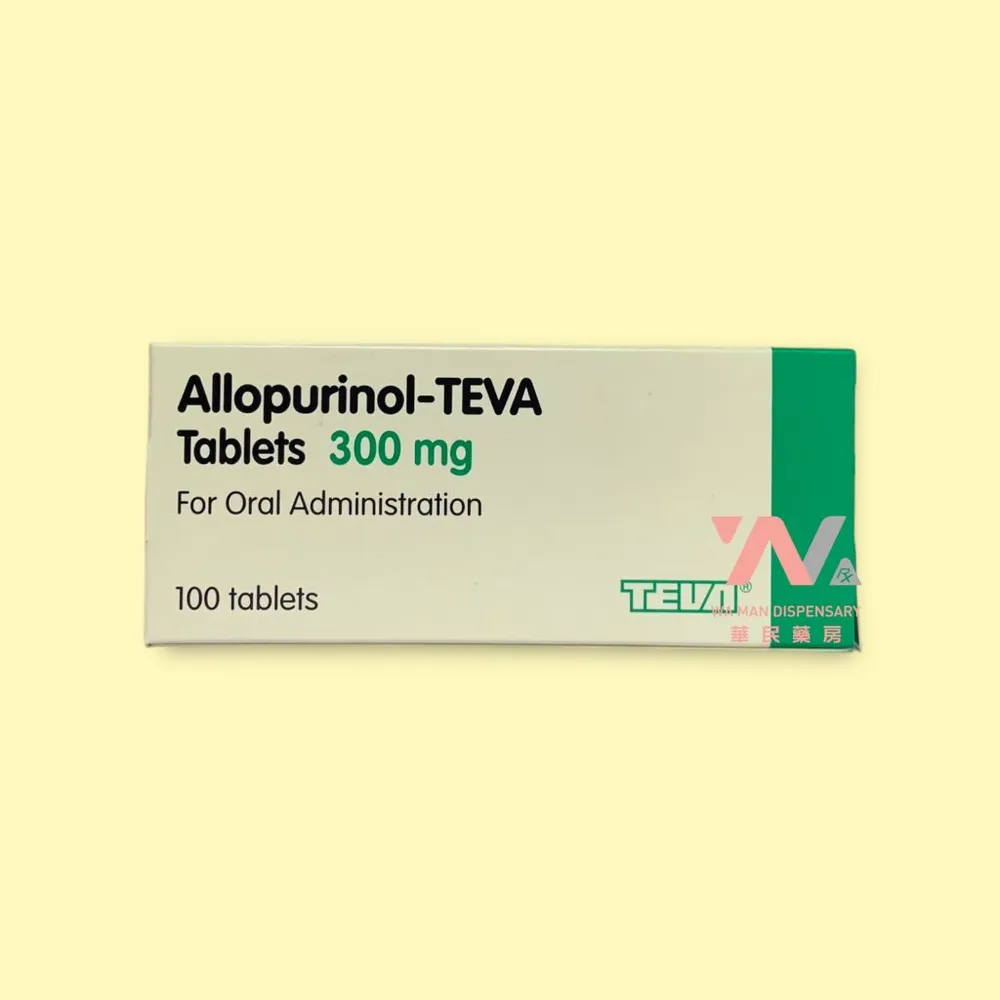
Table of Contents
- Package leaflet: Information for the user
- Introduction
- 1. What Alopurinol Teva is and what it is used for
- 2. What you need to know before taking Alopurinol Teva
- 3. How to take Alopurinol Teva
- 4. Possible adverse effects
- 5. Storage of Allopurinol Teva
- 6. Contents of the container and other information
Package leaflet: Information for the user
Introduction
Package leaflet: information for the user
Alopurinol Teva 300 mg tablets EFG
Read the entire leaflet carefully before you start taking this medicine, because it contains important information for you.
- Keep this leaflet, as you may need to read it again.
- If you have any questions, ask your doctor or pharmacist.
- This medicine has been prescribed for you only and must not be given to other people, even if they have the same symptoms as you, because it may harm them.
- If you experience any adverse effects, consult your doctor or pharmacist, even if they are adverse effects not listed in this leaflet. See section 4.
Leaflet contents:
- What Alopurinol Teva is and what it is used for
- What you need to know before taking Alopurinol Teva
- How to take Alopurinol Teva
- Possible side effects
- How to store Alopurinol Teva
- Contents of the pack and other information
1. What Alopurinol Teva is and what it is used for
Alopurinol belongs to a group of medicines called enzyme inhibitors, which work by controlling the rate at which a specific chemical process occurs in the body. In this case, the result is a reduction in the levels of uric acid in plasma and urine.
This medicine is used to prevent the occurrence of gout and other conditions caused by excess uric acid in the body, such as kidney stones and certain types of renal or metabolic disorders.
2. What you need to know before taking Alopurinol Teva
Serious skin reactions (hypersensitivity syndrome, Stevens-Johnson syndrome, toxic epidermal necrolysis) have been reported with the use of allopurinol. Frequently, the rash may include ulcers in the mouth, throat, nose, genitals, and conjunctivitis (inflammation and redness of the eyes). These severe skin rashes are often preceded by flu-like symptoms such as fever, headache, and body aches. The rash may progress to blistering and widespread peeling of the skin. These serious skin reactions may be more common in people of Han Chinese, Thai, or Korean descent. In addition, the risk of developing chronic kidney failure may be increased in these patients. If you develop a skin rash or these skin symptoms, stop taking allopurinol and consult your doctor immediately.
Do not take Alopurinol Teva
- if you are allergic to the active substance or to any of the other ingredients of this medicine (listed in section 6).
Warnings and precautions
Talk to your doctor or pharmacist before starting allopurinol
- if you are experiencing an acute gout attack.
- if you are pregnant, think you might be pregnant, or are breastfeeding.
- if you have or have had any kidney or liver disease.
- if you are taking or are about to start taking any medication for heart conditions or high blood pressure.
- if you notice you bruise more easily than before, or if you develop a sore throat or other signs of infection.
- if you develop a skin rash, skin peeling, blisters, sores in the lips or mouth, wheezing (whistling breathing), palpitations, chest tightness, or loss of consciousness: THESE SYMPTOMS MAY INDICATE THAT YOU ARE ALLERGIC to allopurinol. Stop treatment and contact your doctor immediately.
Life-threatening skin rashes (Stevens-Johnson syndrome and toxic epidermal necrolysis) associated with allopurinol initially appear as red or purplish circular spots, often with a central blister.
The period of highest risk for serious skin reactions is during the first weeks of treatment.
If you develop Stevens-Johnson syndrome or toxic epidermal necrolysis while taking allopurinol, you must never use this medicine again.
If you are unsure, consult your doctor.
You should stop taking this medicine and contact your doctor as soon as possible if, while taking this medicine, you experience any of the following symptoms:
- High fever.
- Joint pain or painful swelling of the groin, armpits, or neck.
- Jaundice (yellowing of the skin and eyes).
- Nausea or vomiting (which may include blood).
- General feeling of discomfort.
- Weakness, numbness, or loss of consciousness.
- Headache, drowsiness, dizziness, vision disturbances.
- Chest pain, high blood pressure, or slow pulse.
- Swelling (edema) of the ankles.
- Increased thirst, fatigue, and weight loss.
- Appearance of boils.
- Blood in the urine.
It is possible that starting treatment with this medicine may trigger an acute attack of gout. Your doctor may recommend taking certain medications to prevent this. If a gout attack occurs, it is not necessary to stop treatment with this medicine, provided that an appropriate anti-inflammatory medicine is used at the same time.
Children
Use in children is rarely indicated, except in certain types of cancer (especially leukemia) and certain enzymatic disorders such as Lesch-Nyhan syndrome.
Taking Alopurinol Teva with other medicines
Inform your doctor or pharmacist if you are using or have recently used any other medicines, including those obtained without a prescription.
It is especially important that you inform your doctor if you are taking any of the following medicines. Your doctor may need to reduce the dose of your medicine or monitor you more closely, as there is an increased risk of side effects when allopurinol is taken together with:
- 6-mercaptopurine (used to treat blood cancer),
- Azathioprine, cyclosporine (used to suppress the immune system). Note that adverse effects of cyclosporine may occur more frequently.
- Vidarabine (used in the treatment of herpes). Note that adverse effects of vidarabine may occur more frequently. Exercise special caution if this occurs.
- Salicylates (used to reduce pain, fever, or inflammation; e.g., aspirin).
- Probenecid and uricosuric agents (used to treat gout).
- Chlorpropamide (used to treat diabetes). A dose reduction of chlorpropamide may be necessary, especially in patients with reduced kidney function.
- Warfarin, fenprocoumon, acenocoumarol (anticoagulants). Your doctor will monitor your blood clotting values more frequently and, if necessary, reduce the dose of these medicines.
- Phenytoin (used to treat epilepsy),
- Theophylline (used to treat asthma and other respiratory diseases). Your doctor will measure theophylline blood levels, especially when starting allopurinol treatment or after any dose adjustment.
- Ampicillin or amoxicillin (used to treat bacterial infections). When possible, patients should receive other antibiotics, as allergic reactions are more likely to occur.
- Medicines used to treat aggressive tumors such as:
- Cyclophosphamide
- Doxorubicin
- Bleomycin
- Procarbazine
- Mechlorethamine
Your doctor will frequently monitor your blood tests.
- Didanosine (used to treat HIV infection)
- ACE inhibitors (e.g., captopril) or diuretics (used to treat high blood pressure). The risk of skin reactions may increase, especially in patients with chronic kidney function impairment.
The concomitant administration of 6-mercaptopurine or azathioprine with allopurinol should be avoided. When 6-mercaptopurine or azathioprine are administered together with allopurinol, the dose of 6-mercaptopurine or azathioprine should be reduced because their activity will be prolonged. This could increase the risk of serious blood disorders. In such cases, your doctor will closely monitor your blood counts during treatment.
Seek immediate medical attention if you notice unexplained bruising, bleeding, fever, or sore throat.
If aluminum hydroxide is taken concomitantly, the effect of allopurinol may be reduced. Therefore, it is advisable to leave an interval of at least 3 hours between taking the two medicines.
When allopurinol is administered in combination with cytostatic agents (e.g., cyclophosphamide, doxorubicin, bleomycin, procarbazine, alkylating halides), blood dyscrasias occur more frequently than when these active substances are administered alone.
Therefore, periodic hematological monitoring should be performed.
Pregnancy, breastfeeding, and fertility
This medicine is not recommended if you are pregnant.
Allopurinol passes into breast milk. The use of allopurinol during breastfeeding is not recommended.
Consult your doctor or pharmacist before using any medicine.
Driving and using machines
Due to its side effects (drowsiness, dizziness, and impaired coordination), this medicine may impair your ability to drive.
Do not drive or operate tools or machinery until you are reasonably certain that the medicine does not impair your abilities.
Alopurinol Teva contains lactose and sodium
If your doctor has informed you that you have an intolerance to certain sugars, consult with him before taking this medicine.
This medicine contains less than 1 mmol of sodium (23 mg) per tablet; this is essentially “sodium-free”.
3. How to take Alopurinol Teva
Follow exactly the instructions for use of this medicine as given by your doctor. If in doubt, consult your doctor or pharmacist again.
For oral use only.
The tablet may be divided into equal doses.
The tablets can be taken directly or split in half with the help of a little water. They are usually taken once daily, generally after a meal.
Your doctor will usually start treatment with allopurinol at a low dose (e.g., 100 mg/day) to reduce the risk of possible adverse effects. Your dose may be increased if necessary.
The recommended dose is:
Adults:
The recommended starting dose is 100 to 300 mg. The dose may be increased up to 900 mg per day, depending on your condition. In such cases, if stomach discomfort occurs, it is advisable to divide the dose into several administrations per day and take them with food.
Children under 15 years of age:
The recommended dose of this medicine in children is 100 to 400 mg daily.
Elderly:
Your doctor will recommend the lowest possible dose of allopurinol needed to reduce uric acid levels and control your symptoms.
Use in patients with impaired liver or kidney function:
If you have liver or kidney problems, your doctor will prescribe the lowest possible dose of allopurinol that achieves reduction of uric acid levels and control of your symptoms. In case of kidney insufficiency, your doctor may advise taking less than 100 mg per day or taking single doses of 100 mg at intervals longer than one day. If you are on dialysis two or three times a week, your doctor may prescribe a dose of 300–400 mg immediately after each dialysis session.
If you take more Alopurinol Teva than you should
In this case, contact the Toxicology Information Service. Telephone: 91 562 04 20, or go to your doctor.
In case of accidental ingestion of a large amount of medicine, go to your doctor immediately or to the nearest hospital emergency department. Take this leaflet with you.
If you forget to take Alopurinol Teva
If you forget to take a dose, take the next dose as soon as you remember. Then continue as before. Do not take a double dose to make up for forgotten doses.
If you miss several doses, it is best to contact your doctor so that he or she can decide what you should do from that point on.
If you stop treatment with Alopurinol Teva
Your doctor will indicate the duration of treatment with allopurinol. Do not stop treatment earlier, even if you feel better.
If you have any further questions about the use of this medicine, ask your doctor or pharmacist.
4. Possible adverse effects
Like all medicines, this medicine can cause adverse effects, although not everyone will experience them.
The likelihood of adverse effects occurring is higher when there are renal and/or hepatic impairments.
The frequency of adverse effects is classified as follows:
Very common (affects less than 1 in 10 people)
Common (affects less than 1 in 100 people)
Uncommon (affects less than 1 in 1,000 people)
Rare (affects less than 1 in 10,000 people)
Very rare (affects less than 1 in 10,000 people)
Frequency not known (cannot be estimated from available data)
Infections and infestations
Very rare: Infection of the hair follicle
Blood and lymphatic system disorders
Very rare: Decrease in the number of white blood cells: leucopenia (increases the risk of infections), red blood cells: anaemia (may cause tiredness, fatigue), platelets (cells involved in blood clotting, leading to bruising or bleeding more easily than usual).
Occasionally, allopurinol tablets may cause effects on the blood, manifesting as unusually frequent bruising, sore throat, or other signs of infection. These effects usually occur in people with kidney or liver problems. Inform your doctor as soon as possible if you experience any of these symptoms.
Immune system disorders
Uncommon: Hypersensitivity reactions (allergy: possible skin rash, skin peeling, blisters or sores in the lips or mouth).
Rare: Severe hypersensitivity reactions, associated with skin exfoliation, fever, joint pain, or painful swelling of the lymph nodes in the groin, armpits, or neck, jaundice (yellowing of the skin and eyes), and other skin and subcutaneous tissue disorders (see below).
Very rare: Angioimmunoblastic lymphadenopathy (characterized by weight loss, fever, swelling of lymph nodes in the armpits, neck, or groin), severe allergic reaction potentially leading to death.
Very rarely, seizures, wheezing (piercing sounds), palpitations, chest tightness, or loss of consciousness may occur.
Metabolism and nutrition disorders
Very rare: Diabetes mellitus (elevated blood glucose levels), increased blood lipid levels, increased blood uric acid levels.
Psychiatric disorders
Very rare: Depression
Nervous system disorders
Very rare: Weakness, numbness or loss of consciousness, paralysis, motor incoordination (lack of coordination of movements), altered normal sensation (neuropathy), tingling sensation (paraesthesia), drowsiness, headache, altered taste.
Frequency not known: Aseptic meningitis (inflammation of the membranes surrounding the brain and spinal cord): symptoms include neck stiffness, headache, nausea, fever, or altered consciousness. If you experience any of these symptoms, seek urgent medical attention.
Eye disorders
Very rare: Cataracts, visual disturbances.
Frequency not known: Maculopathy
Ear and labyrinth disorders
Very rare: Vertigo
Cardiac disorders
Very rare: Chest pain or slow pulse (bradycardia).
Vascular disorders
Very rare: High blood pressure (hypertension)
Gastrointestinal disorders
Uncommon: Nausea, vomiting, diarrhoea
Very rare: Presence of blood in vomit, excess fat in stools, mouth infections, changes in bowel habits.
Hepatobiliary disorders
Uncommon: Asymptomatic increases in liver function tests.
Rare: Hepatitis
Frequency not known: Hepatic necrosis, granulomatous hepatitis
Skin and subcutaneous tissue disorders
Common: Skin rash
Very rare: Hives, drug-type skin rashes that may be life-threatening (Stevens-Johnson syndrome and toxic epidermal necrolysis) (see section 2), hair loss or discoloration, severe allergic reaction causing swelling of the face or throat.
Frequency not known: Lichenoid eruption (reddish-purple skin rash with itching or whitish-gray thread-like lines on mucous membranes), alopecia, Hypersensitivity syndrome (some cases with fatal outcome)
Renal and urinary disorders
Rare: Urinary tract stones
Very rare: Presence of blood in urine
Frequency not known: Azotemia (increased nitrogen-containing compounds such as urea and creatinine)
Reproductive system and breast disorders
Very rare: Male infertility, impotence, breast enlargement (gynaecomastia).
General disorders and administration site conditions
Very rare: Swelling (oedema) of the ankles, general malaise, fatigue, fever.
Musculoskeletal and connective tissue disorders
Very rare: Muscle pain
Investigations
Common: Elevated blood levels of thyroid-stimulating hormone.
Frequency not known: Abnormal liver function test
If you experience any of the following symptoms, stop taking the medicine and inform your doctor immediately:
Rare (affects less than 1 in 1,000 people)
- Fever and chills, headache, muscle pain (flu-like symptoms), and general malaise.
- Any change in your skin, for example ulcers in the mouth, throat, nose, genitals, and conjunctivitis (inflammation and redness of the eyes), blisters or widespread skin peeling.
- Severe hypersensitivity reactions, with fever, skin rash, joint pain, and abnormalities in blood and liver tests (these may be symptoms of multiorgan hypersensitivity disorder).
Very rare (may affect up to 1 in 10,000 patients)
- Occasionally, allopurinol tablets may cause effects on the blood, manifesting as unusually frequent bruising, sore throat, and other signs of infection. These effects usually occur in people with kidney or liver problems. Inform your doctor as soon as possible if you experience any of these symptoms.
- Severe allergic reaction causing swelling of the face or throat.
- Severe, potentially life-threatening allergic reaction.
Cases of fever with or without evident signs or symptoms of generalized hypersensitivity to allopurinol have been reported (see Immune system disorders).
Do not be alarmed by this list of adverse reactions, as it is possible that none of them will occur in your case.
Reporting of adverse effects
If you experience any type of adverse effect, talk to your doctor, pharmacist, or nurse, even if it is a possible adverse effect not listed in this leaflet. You can also report them directly via the Spanish Pharmacovigilance System for Human Medicines: https://www.notificaram.es. By reporting adverse effects, you can help provide more information on the safety of this medicine.
5. Storage of Allopurinol Teva
Keep this medicine out of the sight and reach of children.
Do not use this medicine after the expiry date stated on the packaging after "EXP". The expiry date refers to the last day of the month indicated.
Do not use this medicine if you notice any visible signs of deterioration.
Medicines must not be disposed of via wastewater or household waste. Dispose of empty containers and unused medicines at the SIGRE collection point at your pharmacy. If in doubt, ask your pharmacist how to properly dispose of unused containers and medicines. This will help protect the environment.
6. Contents of the container and other information
Composition of Alopurinol Teva
- The active substance is allopurinol. Each tablet contains 300 mg of allopurinol.
- The other components are: monohydrate lactose, gluten-free corn starch, sodium carboxymethyl starch (type A) (from potato), colloidal anhydrous silica, powdered cellulose (E-460), povidone (K-30), sodium lauryl sulfate, and magnesium stearate.
Appearance of Alopurinol Teva and contents of the container
White, round, biconvex tablets, marked with the inscription "2K1 2K1" and scored on one side, with the other side smooth. The tablet can be divided into equal doses.
Packaged in containers of 30 tablets, containing 3 blisters of 10 tablets each, and a package leaflet.
Marketing Authorization Holder
Teva Pharma, S.L.U.
C/ Anabel Segura, 11, Edificio Albatros B, 1st floor, Alcobendas
28108 Madrid
Spain
Manufacturer
Teva Pharmaceutical Works Private Limited Company
Pallagi Street 13, H-4042 Debrecen
Hungary
Date of the most recent revision of this package leaflet: August 2025
Detailed information about this medicine is available on the website of the Spanish Agency of Medicines and Medical Devices (AEMPS) http://www.aemps.gob.es/
You can access detailed and up-to-date information about this medicine by scanning the QR code included on the outer packaging with your mobile phone (smartphone). You can also access this information at the following internet address: https://cima.aemps.es/cima/dochtml/p/69155/P_69155.html